
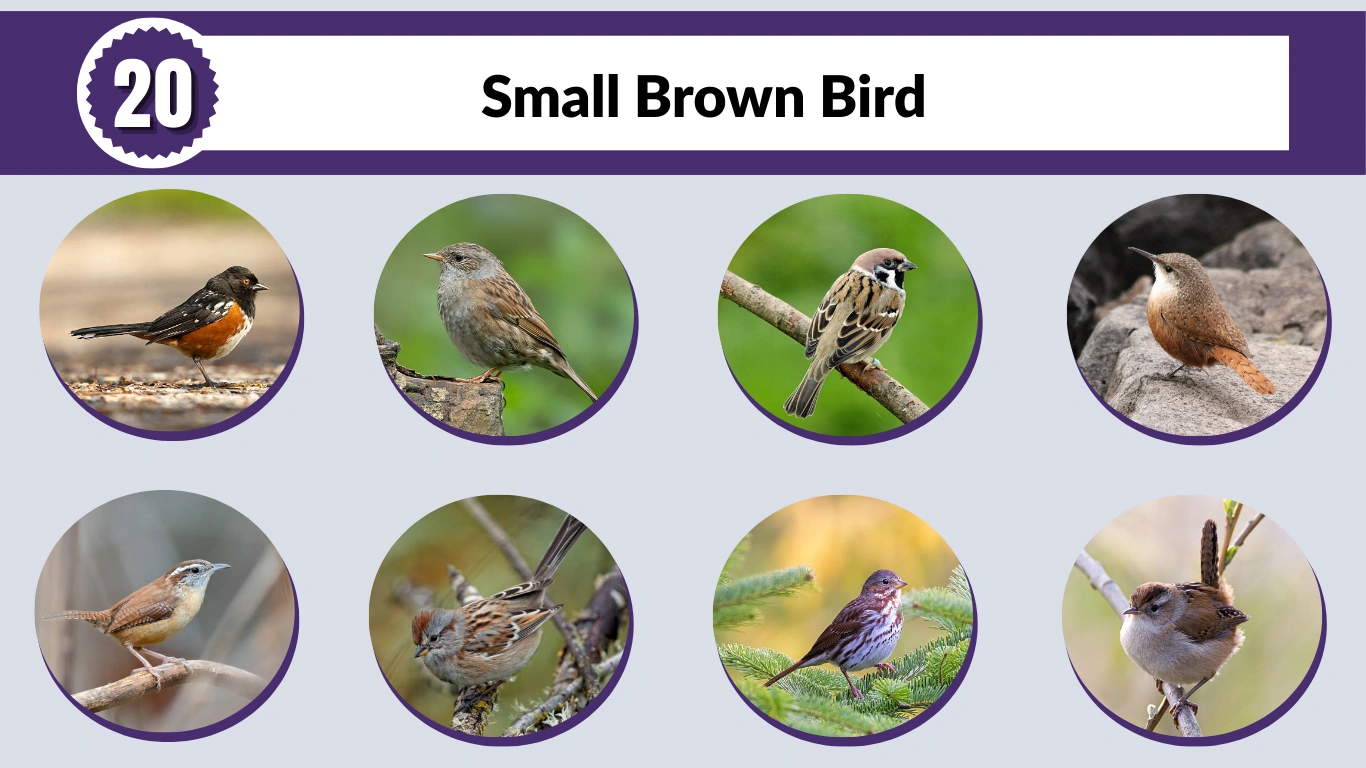
Small brown birds are among the most common and widely seen birds around the world, yet they are often overlooked because of their subtle colors. From sparrows and wrens to towhees and dunnocks, these birds play an important role in ecosystems by controlling insects and spreading seeds. Although many appear similar at first glance, careful observation reveals unique markings, behaviors, and songs. Learning to recognize small brown birds makes everyday birdwatching more enjoyable and helps deepen appreciation for local wildlife.
1. House Sparrow (Passer domesticus)
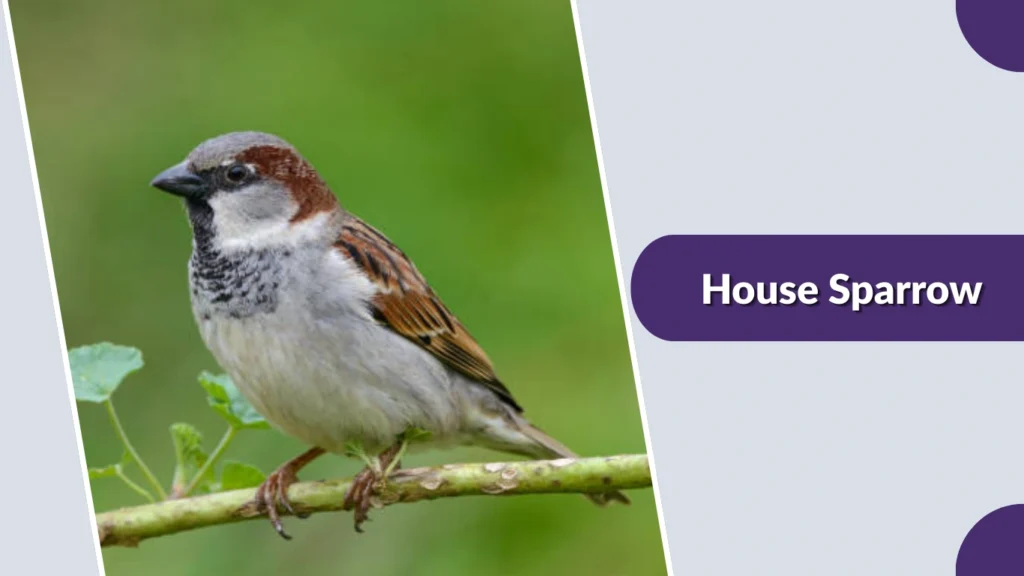
The house sparrow is one of the most familiar small brown birds in the world. It is commonly found around human settlements, where it thrives in cities, villages, farms, and suburban neighborhoods. Despite its plain appearance, this bird is highly adaptable, social, and intelligent, making it successful across many climates and regions.
Identification
- Small, stocky brown bird with a short tail
- Thick, cone-shaped beak adapted for seeds
- Males have a gray crown, black throat “bib,” and chestnut-brown neck
- Females are duller brown overall with a pale stripe behind the eye
- Average length is about 14–16 cm
Habitat
House sparrows prefer areas close to people. They live in towns, cities, farms, and gardens, often nesting in building crevices, roofs, and street structures. They rarely inhabit deep forests, instead choosing open spaces with easy access to food and shelter.
Diet
These birds are primarily seed eaters, feeding on grains, grass seeds, and weeds. They also consume insects, especially during the breeding season, which helps provide extra protein for growing chicks.
Behavior
House sparrows are highly social and usually seen in noisy flocks. They are active, bold birds that often hop on the ground while foraging. Their chirping calls and constant movement make them very noticeable around homes and markets.
2. Song Sparrow (Melospiza melodia)
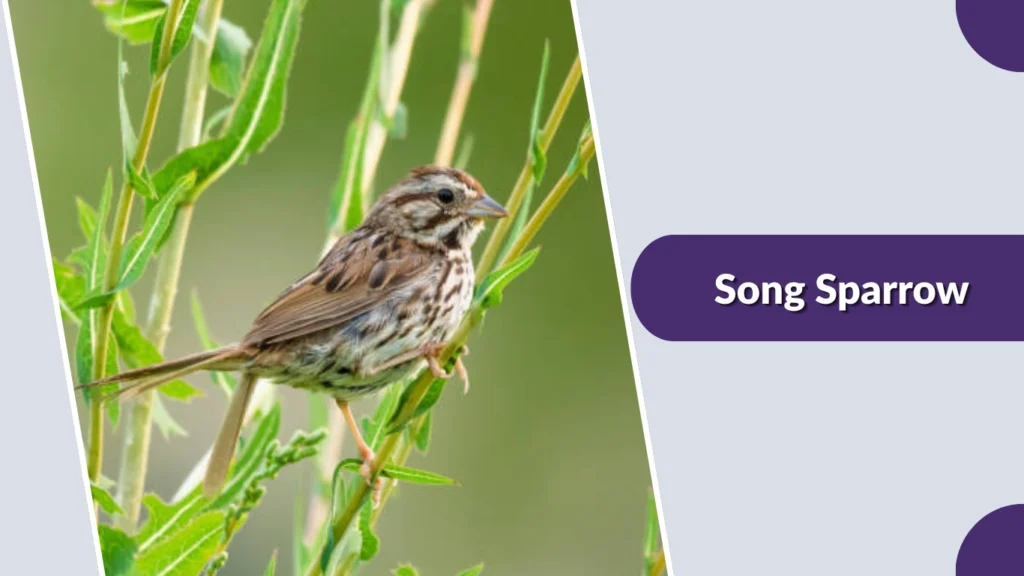
The song sparrow is a small brown bird known for its rich, musical voice and streaked appearance. It is one of the most widespread sparrows in North America, living in a wide range of habitats from wetlands to backyard gardens. Although often overlooked because of its brown coloring, its song and patterns make it distinctive.
Identification
- Medium-small brown sparrow with heavy brown streaks
- White or gray chest with a dark central spot
- Rounded head and long, rounded tail
- Thick, pale to dark horn-colored bill
- Length usually about 14–18 cm
Habitat
Song sparrows live in marshes, shrublands, forest edges, fields, and suburban gardens. They prefer areas with dense low vegetation near water but easily adapt to parks and backyard hedges.
Diet
Their diet includes seeds, grains, berries, and a wide variety of insects. In warmer months, they eat more insects and spiders, while in colder seasons they rely more on seeds and plant material.
Behavior
Song sparrows are often seen hopping on the ground or perched low in shrubs. Males sing frequently, using several different song patterns to defend territory and attract mates.
3. Savannah Sparrow (Passerculus sandwichensis)
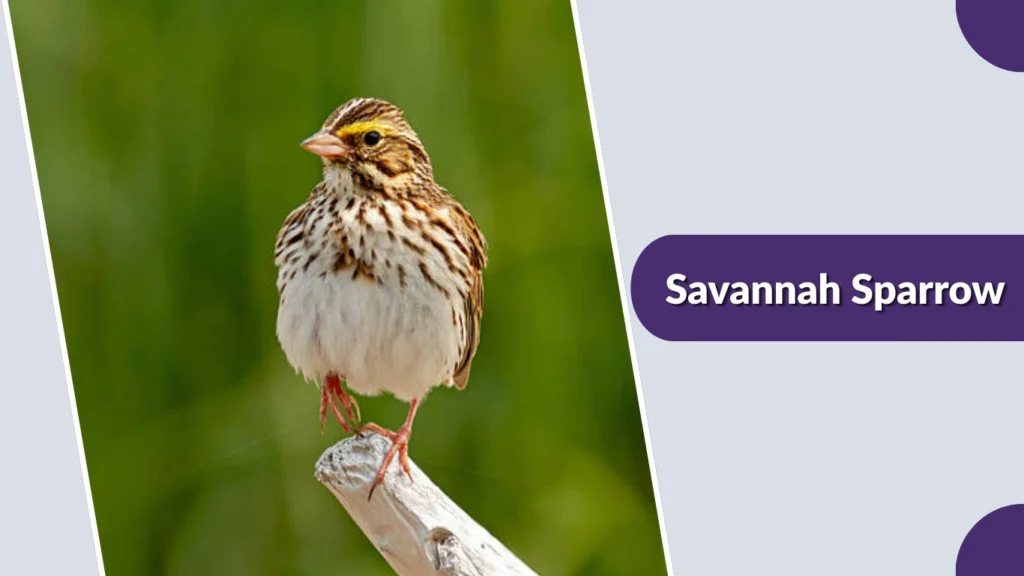
The savannah sparrow is a small, slim brown bird often found in open grassy areas. It is known for its streaked body and subtle yellow coloring near the eyes. This species is widespread across North America and is commonly seen walking or running on the ground while foraging.
Identification
- Small brown sparrow with fine dark streaks on the chest and sides
- Short tail and slightly notched tip
- Pale eyebrow with a yellowish wash in front of the eye
- Pinkish to dark horn-colored bill
- Body length about 12–14 cm
Habitat
Savannah sparrows favor open habitats such as grasslands, coastal dunes, agricultural fields, and meadows. During migration and winter, they may also appear in marshes and roadside grasses.
Diet
They mainly eat seeds and insects. Insects, caterpillars, and spiders are important in spring and summer, while grass and weed seeds make up most of the winter diet.
Behavior
These birds spend much of their time on the ground, walking rather than hopping. When flushed, they usually fly low over the grass before dropping back into cover.
4. Lincoln’s Sparrow (Melospiza lincolnii)
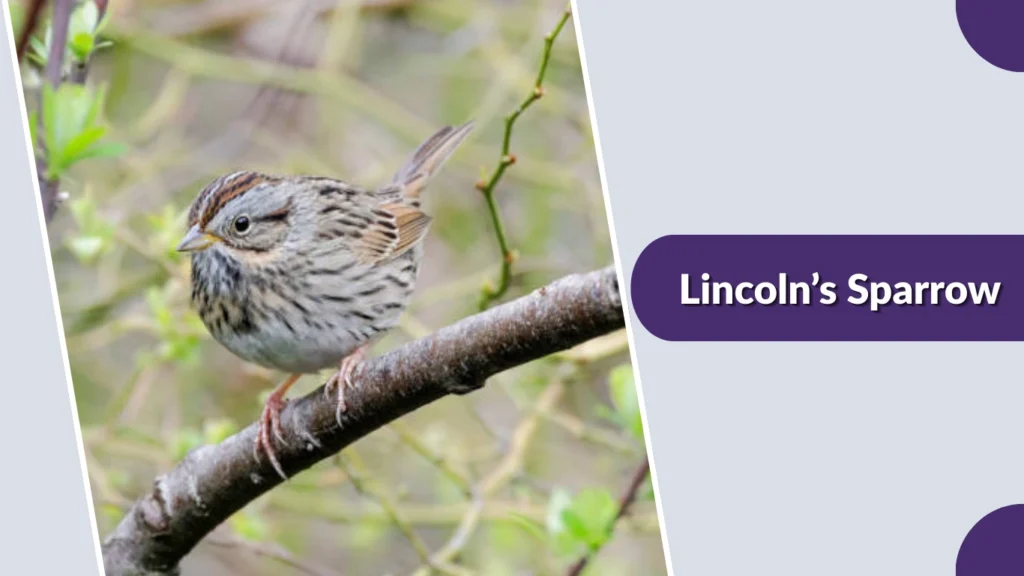
Lincoln’s sparrow is a small, neatly patterned brown bird that often stays hidden in dense vegetation. It is best known for its fine streaking and buffy chest, as well as its soft, musical song. Although widespread, it is less frequently seen because of its shy nature.
Identification
- Small brown sparrow with fine, crisp streaks
- Buff-colored band across the upper chest
- Gray face with a thin pale eye ring
- Slender bill compared to many sparrows
- Length about 13–15 cm
Habitat
Lincoln’s sparrows prefer wet meadows, marsh edges, shrubby fields, and forest undergrowth. During migration, they can also be found in overgrown gardens and brushy parks.
Diet
Their diet consists mainly of insects, spiders, and seeds. In warmer seasons they eat more insects, while seeds and small fruits become important during migration and winter.
Behavior
These birds are secretive and often stay low in thick cover. They usually forage on or near the ground and fly short distances when disturbed, quickly disappearing back into vegetation.
5. Swamp Sparrow (Melospiza georgiana)
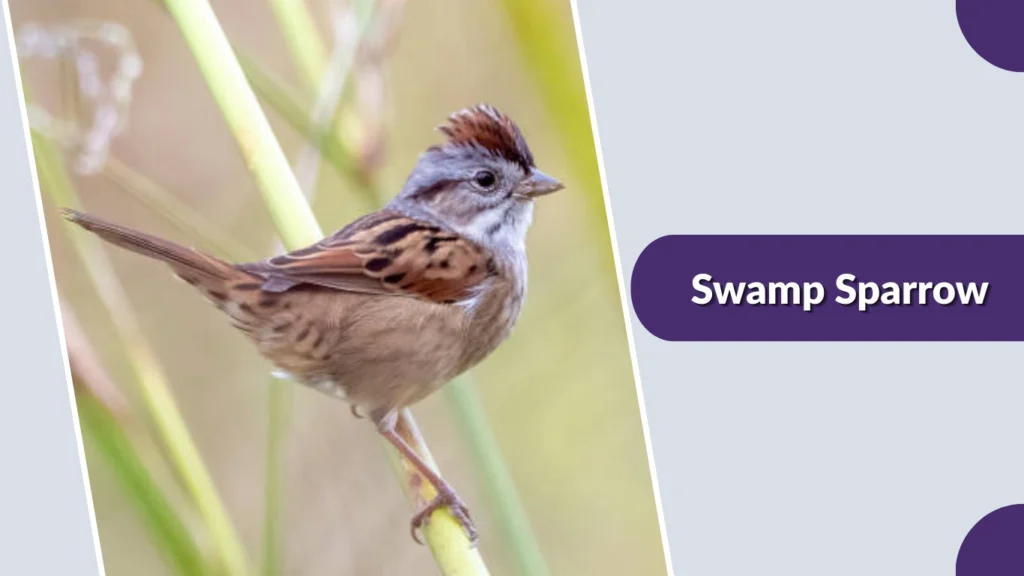
The swamp sparrow is a small brown bird closely associated with wetlands. It has a rich chestnut cap, gray face, and warm brown wings, giving it a softer, less streaked look than many other sparrows. Its clear, simple song is often heard from reeds and low shrubs.
Identification
- Small, compact brown sparrow
- Rusty or chestnut crown
- Gray face and breast with minimal streaking
- Reddish-brown wings with dark markings
- Length around 12–15 cm
Habitat
Swamp sparrows live mainly in freshwater marshes, bogs, wet meadows, and reed-filled wetlands. Outside the breeding season, they may also be found in damp fields and brushy edges near water.
Diet
They feed on insects, snails, spiders, and seeds. During summer, insects make up much of their diet, while seeds become more important in fall and winter.
Behavior
Swamp sparrows are usually seen low in reeds or hopping along muddy edges. They are quick, cautious birds, often flicking their tails and diving into dense cover when alarmed.
6. Chipping Sparrow (Spizella passerina)
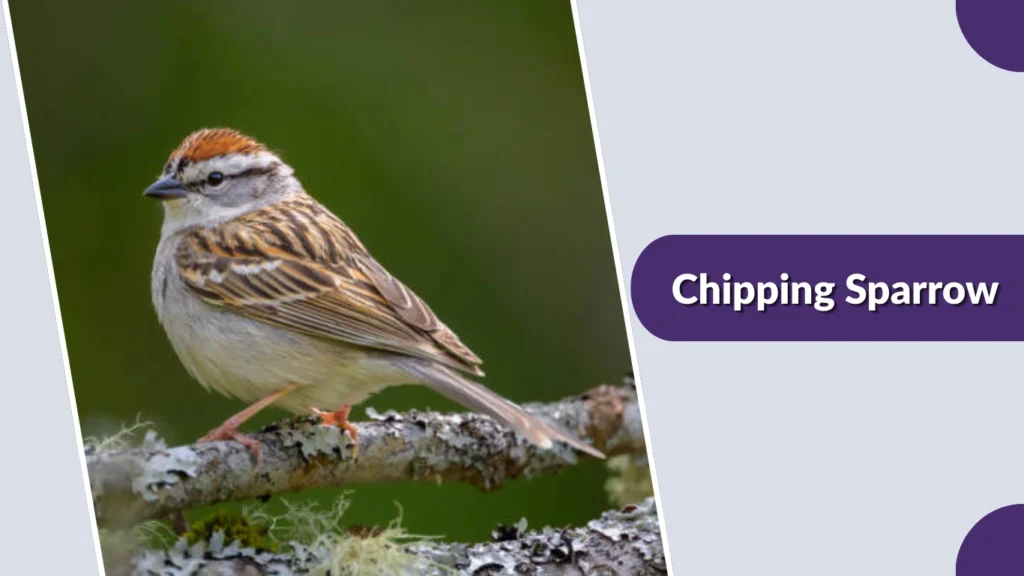
The chipping sparrow is a small, slim brown bird that is easy to recognize by its clean patterns and rusty crown. It is common in open woodlands, parks, and gardens, where it often feeds on the ground. Its fast, dry trill is a familiar spring and summer sound.
Identification
- Small, slender sparrow with a long tail
- Bright rusty crown (especially in breeding season)
- White to pale gray chest without heavy streaking
- Black line through the eye and pale eyebrow
- Length about 12–14 cm
Habitat
Chipping sparrows live in open forests, forest edges, lawns, orchards, and suburban areas. They prefer places with scattered trees and open ground for feeding.
Diet
Their diet includes grass seeds, weed seeds, small fruits, and insects. During breeding season, insects are especially important for feeding nestlings.
Behavior
These birds are active ground foragers, often seen hopping and picking up seeds. They form loose flocks outside the breeding season and readily visit backyard feeding areas.
7. Field Sparrow (Spizella pusilla)
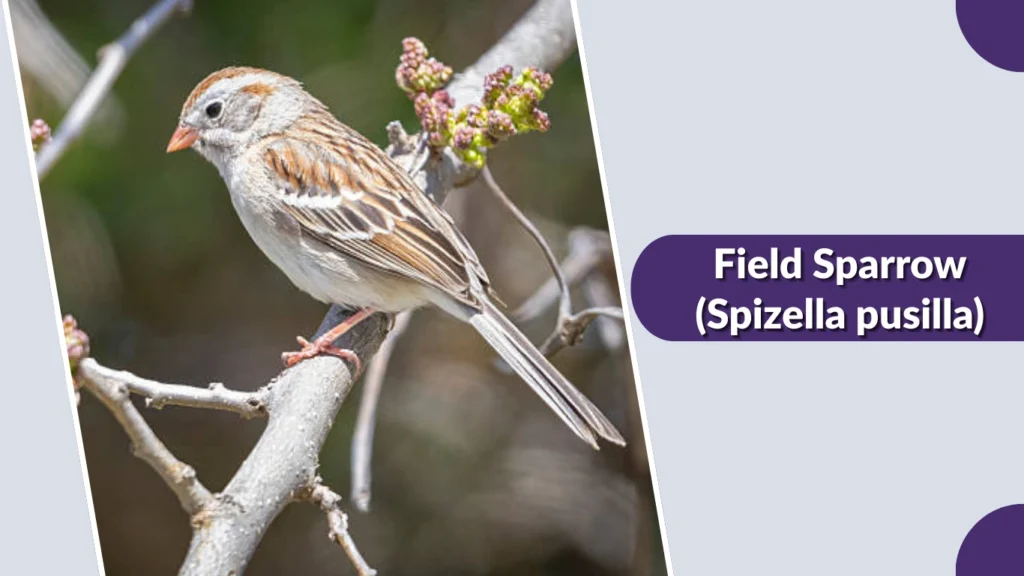
The field sparrow is a small, gentle-looking brown bird with a soft pink bill and a clear, whistled song. It prefers open country with shrubs and grasses, where it often goes unnoticed because of its subtle coloring and quiet behavior.
Identification
- Small, slim sparrow with a plain brown back
- Warm buff breast with little or no streaking
- Pinkish bill and legs
- Pale eye ring and crown that can appear slightly rusty
- Length around 12–14 cm
Habitat
Field sparrows live in brushy fields, overgrown pastures, hedgerows, and woodland edges. They favor open habitats with scattered shrubs for nesting and protection.
Diet
They mainly eat seeds from grasses and weeds, along with insects and spiders in warmer months. In fall and winter, seeds make up most of their food.
Behavior
Field sparrows are usually seen alone or in small groups, feeding quietly on the ground. When disturbed, they often fly low into nearby shrubs and remain hidden.
8. Vesper Sparrow (Pooecetes gramineus)
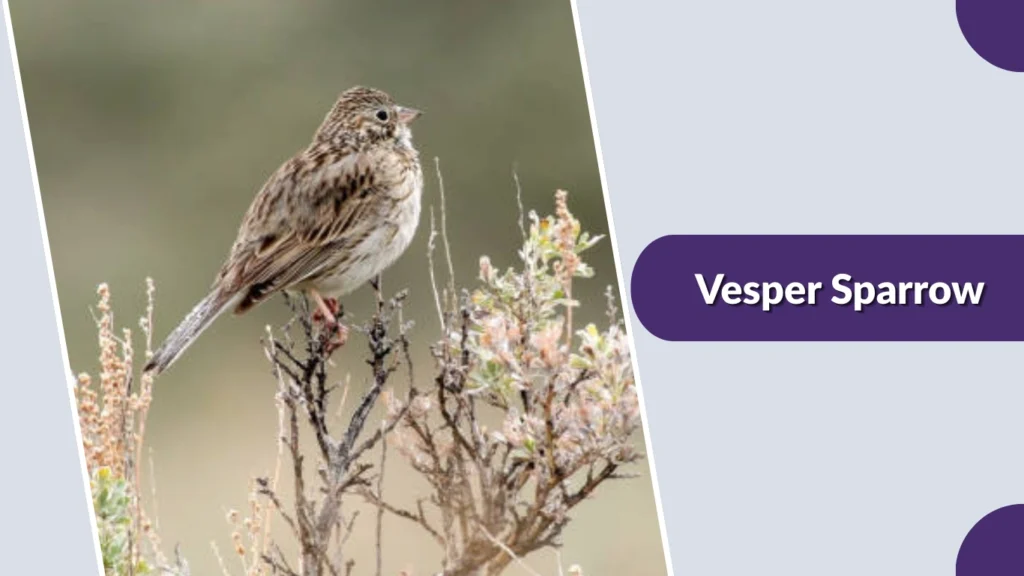
The vesper sparrow is a small brown bird of open landscapes, named for its tendency to sing in the evening. It has a streaked body and noticeable white outer tail feathers that flash when it flies, helping distinguish it from other sparrows.
Identification
- Medium-small brown sparrow with heavy streaking
- White outer tail feathers visible in flight
- Brown crown with a faint pale stripe
- Short, thick bill
- Length about 14–16 cm
Habitat
Vesper sparrows prefer dry, open habitats such as grasslands, prairies, agricultural fields, and roadside edges. They usually avoid dense forests and heavily urbanized areas.
Diet
They feed mostly on seeds, including grasses and weeds, but also eat insects like beetles and grasshoppers, especially during the breeding season.
Behavior
Vesper sparrows spend much of their time on the ground, running or hopping while foraging. They often perch on low posts or shrubs to sing, particularly in the early morning and evening.
9. Tree Sparrow (Spizelloides arborea)
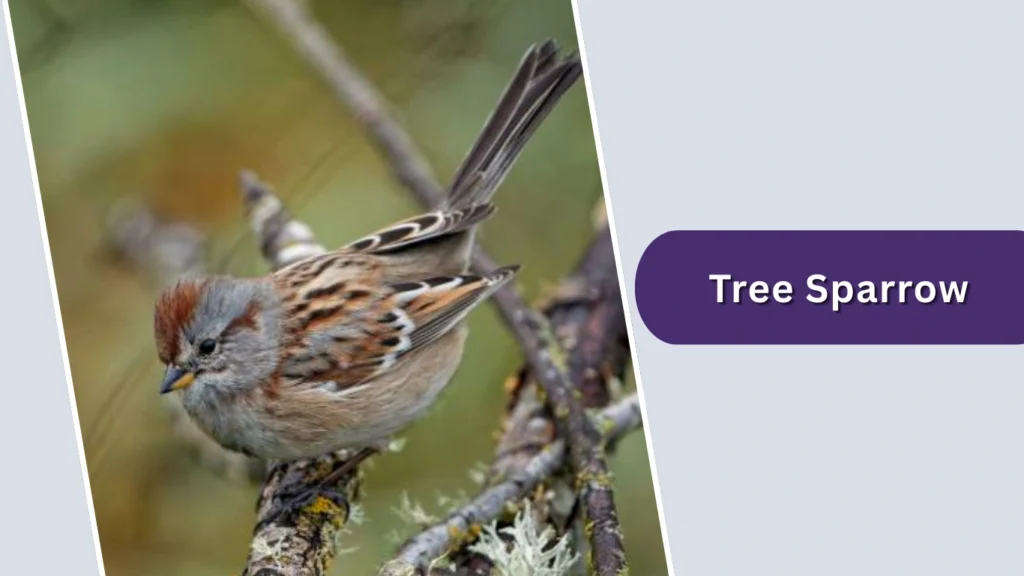
The tree sparrow is a small brown bird best known as a winter visitor in many parts of North America. Despite its name, it often feeds on the ground rather than in trees. Its neat markings and dark spot on the chest make it easier to recognize.
Identification
- Small brown sparrow with a rounded head
- Rusty cap and gray face
- Dark central spot on a pale breast
- Two pale wing bars
- Length around 12–15 cm
Habitat
Tree sparrows favor open fields, weedy areas, brushy edges, and marsh borders, especially during winter. They are commonly seen in rural landscapes and at backyard feeders in colder months.
Diet
They eat seeds, grains, and berries, along with insects in warmer periods. In winter, seeds make up most of their diet.
Behavior
Tree sparrows are social outside the breeding season and often form loose flocks. They forage mainly on the ground and frequently visit feeders, giving sharp metallic calls while feeding.
10. Fox Sparrow (Passerella iliaca)
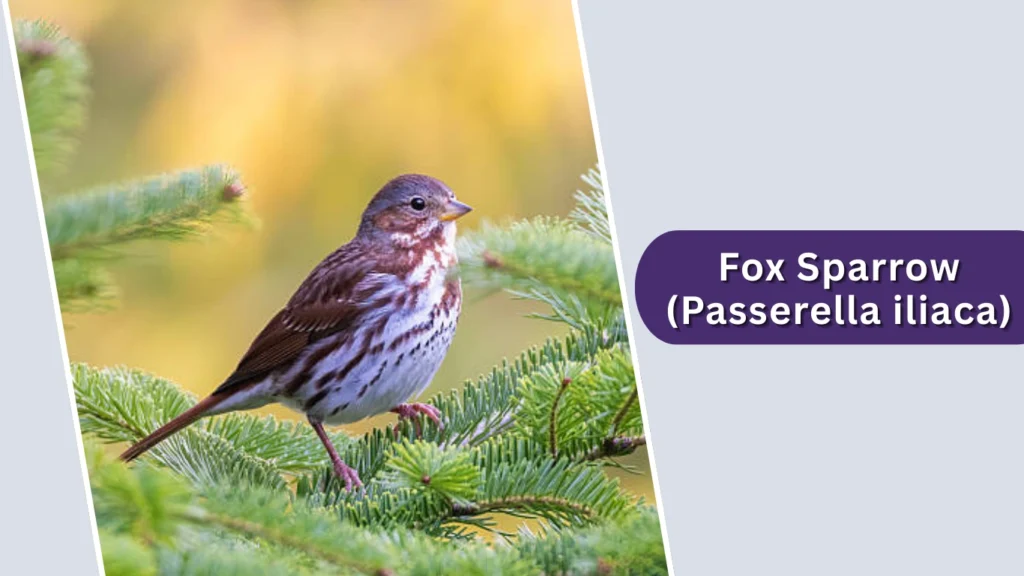
The fox sparrow is one of the larger “small brown birds,” recognized by its rich reddish-brown coloring and bold breast streaks. It is a powerful ground forager and is often seen scratching energetically in leaf litter, especially during migration and winter.
Identification
- Large, chunky sparrow with thick bill
- Heavy brown to reddish streaking on the breast
- Often a central dark spot formed by clustered streaks
- Reddish tail and wings in many forms
- Length about 16–20 cm
Habitat
Fox sparrows breed in northern forests and mountainous regions. During migration and winter, they inhabit forest edges, dense shrubs, gardens, and thickets.
Diet
Their diet includes seeds, berries, insects, and small invertebrates. In winter, they rely heavily on seeds and fruits, while insects are more important in summer.
Behavior
Fox sparrows are famous for their double-scratch foraging style, hopping backward to uncover food in leaf litter. They are usually solitary or in loose groups and often stay close to dense cover.
11. Winter Wren (Troglodytes hiemalis)
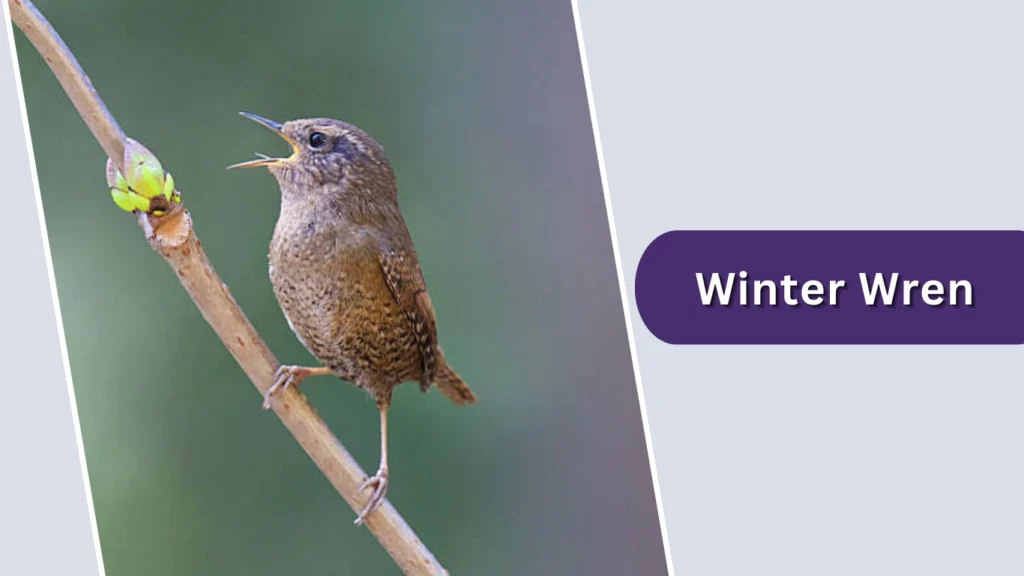
The winter wren is a very small, round-bodied brown bird with a short tail that is often held upright. Despite its tiny size, it has a loud, bubbling song. It prefers dark, damp forests where it moves quickly through low vegetation and fallen logs.
Identification
- Very small, compact brown bird
- Short tail often cocked upward
- Fine dark barring on wings, tail, and flanks
- Thin, slightly curved bill
- Length about 8–10 cm
Habitat
Winter wrens live in dense coniferous and mixed forests, especially in areas with fallen logs, thick undergrowth, and streams. In winter, they may also visit brushy areas and sheltered gardens.
Diet
They feed mainly on insects and spiders, picking them from bark, roots, and leaf litter. Small invertebrates make up most of their diet year-round.
Behavior
Winter wrens are secretive and energetic, constantly creeping through tangled vegetation. They often bob and flick their short tails while giving sharp calls.
12. Marsh Wren (Cistothorus palustris)
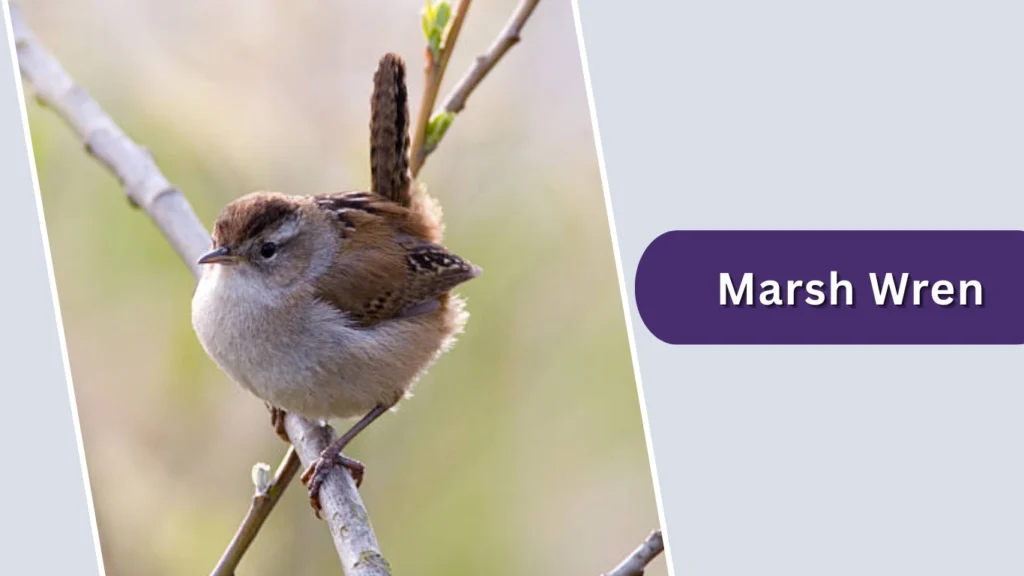
The marsh wren is a tiny brown bird strongly tied to wetlands. It is famous for its energetic behavior and its loud, gurgling songs that echo across marshes. Although small and often hidden among reeds, it is very active and alert.
Identification
- Very small brown wren with a short tail
- Dark cap with a pale eyebrow stripe
- Streaked back and warm brown wings
- Fine barring on the tail and flanks
- Length about 10–12 cm
Habitat
Marsh wrens live almost entirely in freshwater and saltwater marshes, cattail stands, and reed beds. They cling to vertical stems and move low over the water while foraging and nesting.
Diet
They mainly eat insects, spiders, and other small invertebrates found among reeds and aquatic plants. During colder months, they may also take small seeds.
Behavior
Marsh wrens are extremely active, often climbing reeds and flicking their tails. Males build several “dummy” nests and sing persistently to defend their territories.
13. Carolina Wren (Thryothorus ludovicianus)
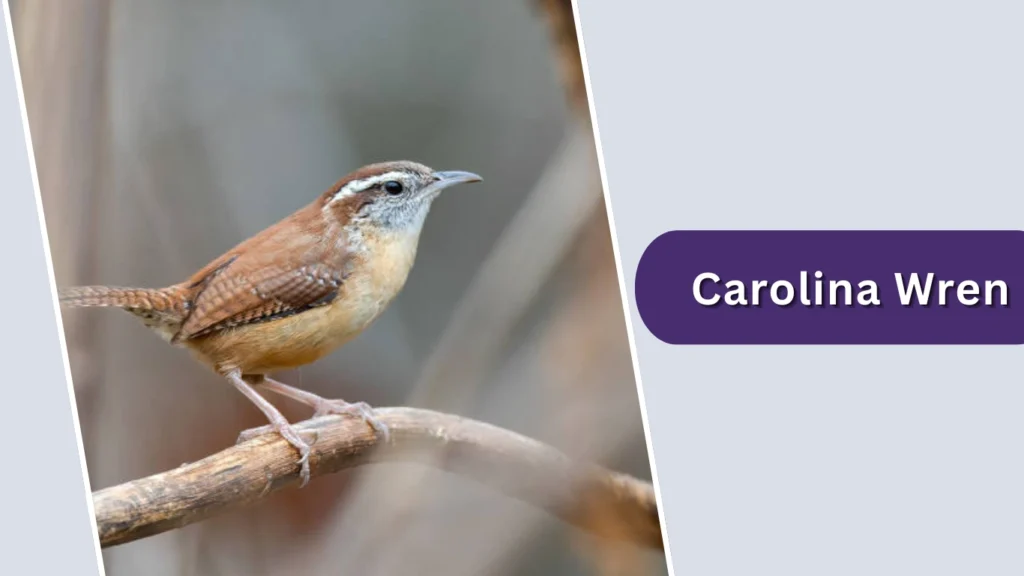
The Carolina wren is a small brown bird with a bold white eyebrow and a loud, ringing voice. It is one of the most vocal wrens and is often heard singing even before it is seen. This species is well adapted to living near people and frequently appears in gardens and backyards.
Identification
- Small, chunky brown wren
- Bright white eyebrow stripe
- Warm reddish-brown upperparts
- Long, slightly curved bill
- Length about 12–14 cm
Habitat
Carolina wrens live in woodlands, forest edges, brushy areas, and suburban neighborhoods. They often nest in unusual places such as flowerpots, sheds, and mailboxes.
Diet
They feed mainly on insects, spiders, and small invertebrates. Occasionally, they also eat seeds and fruits, especially in winter.
Behavior
Carolina wrens are curious, energetic birds that move through shrubs and low branches. They often sing year-round and remain in pairs that defend small territories.
14. Bewick’s Wren (Thryomanes bewickii)
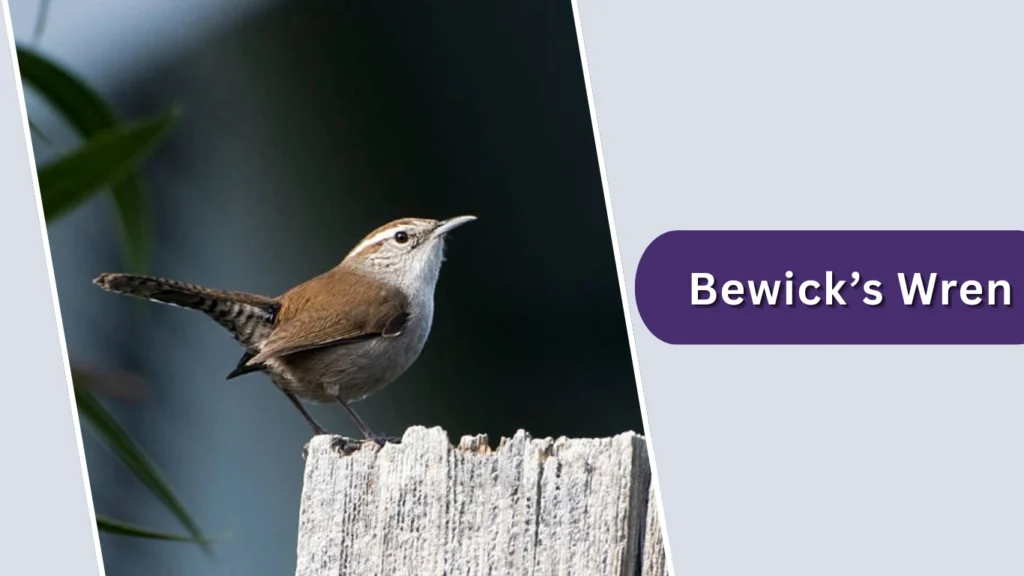
Bewick’s wren is a slim, active little brown bird with a long tail and a striking white eyebrow. It is known for its sharp, clear songs and quick, jerky movements. This species often flicks its tail from side to side while exploring branches and shrubs.
Identification
- Small, slender brown wren
- Long tail with white outer edges
- Bold white eyebrow stripe
- Thin, slightly curved bill
- Length about 12–13 cm
Habitat
Bewick’s wrens prefer open woodlands, scrub, hedgerows, and brushy areas. They are also found in suburban gardens, farms, and desert edges, depending on the region.
Diet
Their diet consists mainly of insects, spiders, and other small invertebrates. They occasionally eat seeds and berries, especially in cooler months.
Behavior
Bewick’s wrens are restless and agile, constantly hopping, climbing, and flicking their tails. They often perch in the open to sing and defend their territory.
15. Sedge Wren (Cistothorus stellaris)
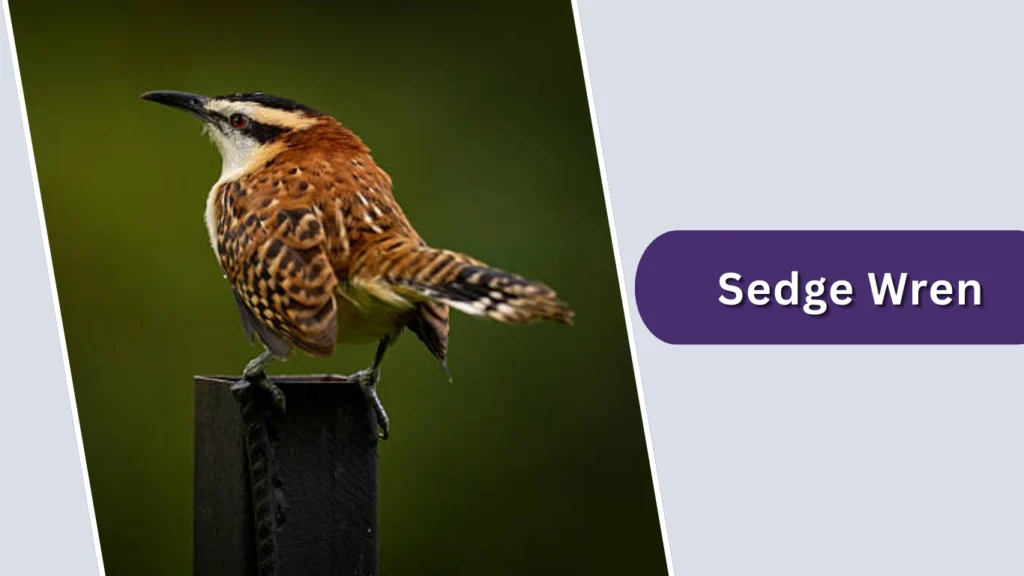
The sedge wren is a tiny, secretive brown bird that lives in grassy wetlands and damp meadows. It is known for its short tail, streaked back, and rapid, chattering song. Because it stays hidden in thick grass, it is often heard more than seen.
Identification
- Very small brown wren with a short tail
- Heavily streaked back with black and buff lines
- Pale eyebrow stripe
- Fine barring on wings and tail
- Length about 9–11 cm
Habitat
Sedge wrens favor wet meadows, marsh edges, and grassy fields with dense cover. They often shift locations depending on water levels and vegetation growth.
Diet
They feed mostly on insects and spiders, which they pick from grass stems and low plants. Small invertebrates make up nearly all of their diet.
Behavior
Sedge wrens are active but difficult to observe, creeping through thick grass. They are known for building multiple nests and for their rapid, buzzing vocalizations.
16. Rock Wren (Salpinctes obsoletus)
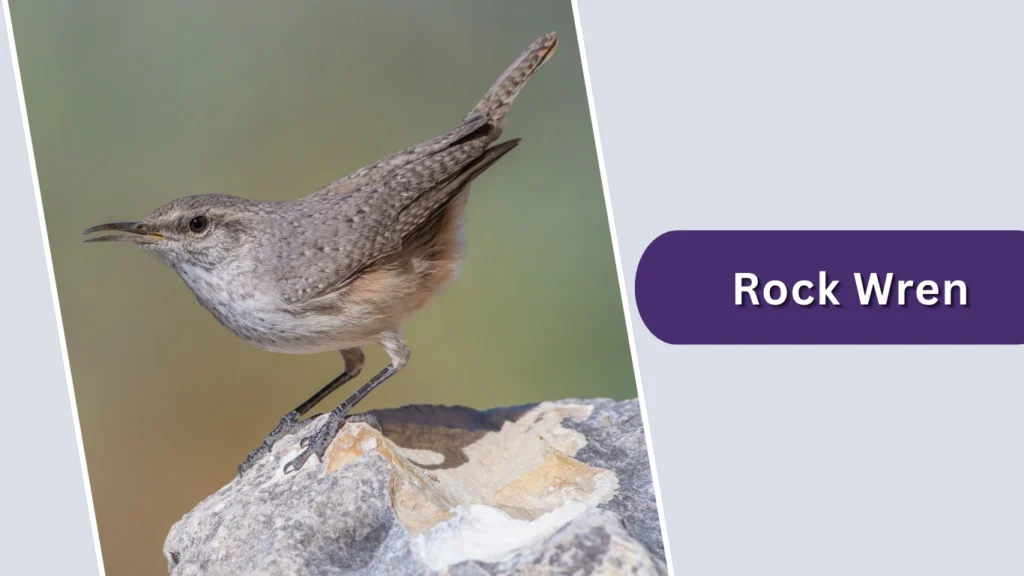
The rock wren is a small, pale brown bird adapted to dry, rocky landscapes. It has a slender body, long legs, and a slightly curved bill, making it well suited for hopping among stones and cliffs. Its complex, ringing song often echoes across canyons.
Identification
- Small, slim brown wren with pale underparts
- Light eyebrow and finely speckled breast
- Long legs and thin, slightly curved bill
- Tail often flicked downward and upward
- Length about 12–14 cm
Habitat
Rock wrens live in deserts, rocky slopes, canyons, and dry hillsides. They prefer open, rugged terrain with little vegetation.
Diet
They eat mostly insects, spiders, and other small invertebrates found among rocks and sparse plants.
Behavior
Rock wrens are ground-oriented birds, frequently seen hopping over stones and perching on boulders. They often sing from elevated rocky perches and run quickly when disturbed.
17. Canyon Wren (Catherpes mexicanus)
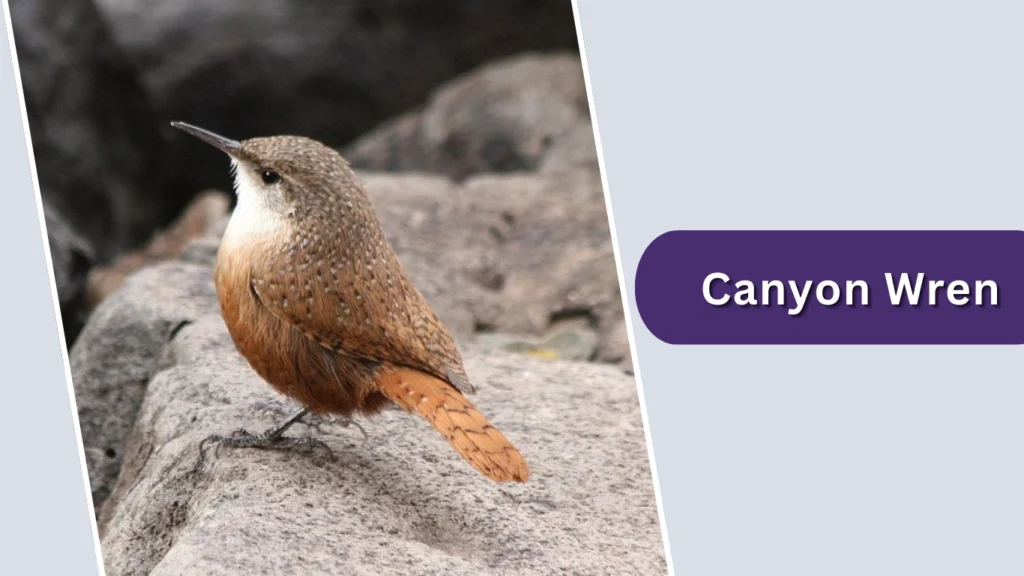
The canyon wren is a small brown bird famous for its beautiful, cascading song that echoes through rocky canyons. It has rich rufous coloring and a white throat, making it stand out among wrens. This species is strongly tied to cliffs and rocky walls.
Identification
- Small brown wren with a rich rufous belly
- Bright white throat and breast
- Long, thin, slightly curved bill
- Short tail often held slightly cocked
- Length about 12–14 cm
Habitat
Canyon wrens live in rocky canyons, cliffs, gorges, and steep hillsides. They nest in rock crevices and ledges, rarely straying far from stone surfaces.
Diet
Their diet consists mainly of insects and spiders picked from cracks in rocks and cliff faces.
Behavior
Canyon wrens creep along vertical rock walls and boulders, probing with their bills. They are often heard singing long before they are seen.
18. Eurasian Tree Sparrow (Passer montanus)
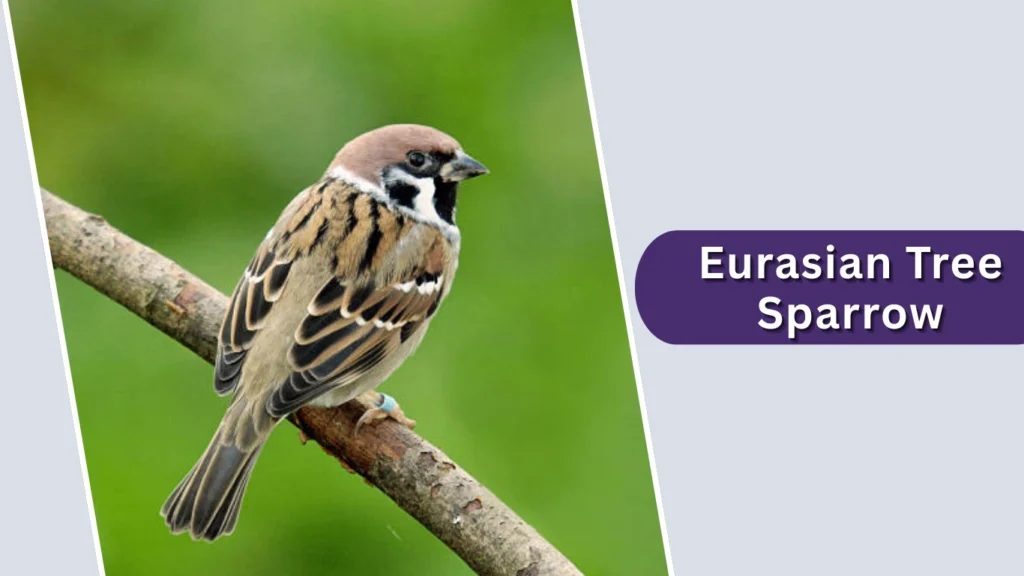
The Eurasian tree sparrow is a small brown bird that looks similar to the house sparrow but has neater markings and a distinctive black cheek spot. It is widespread across Europe and Asia and has also been introduced to some other regions.
Identification
- Small brown sparrow with a chestnut crown
- Black cheek spot on a white face
- Slim black bib under the bill
- Two clear white wing bars
- Length about 12–14 cm
Habitat
Eurasian tree sparrows live in open farmland, woodland edges, villages, and parks. They often nest in tree holes, nest boxes, and building crevices.
Diet
They eat seeds, grains, buds, and insects. Insects are especially important for feeding young chicks during the breeding season.
Behavior
These birds are social and usually seen in flocks. They forage both on the ground and in low vegetation and often gather noisily around feeding areas.
19. Dunnock (Hedge Sparrow) (Prunella modularis)
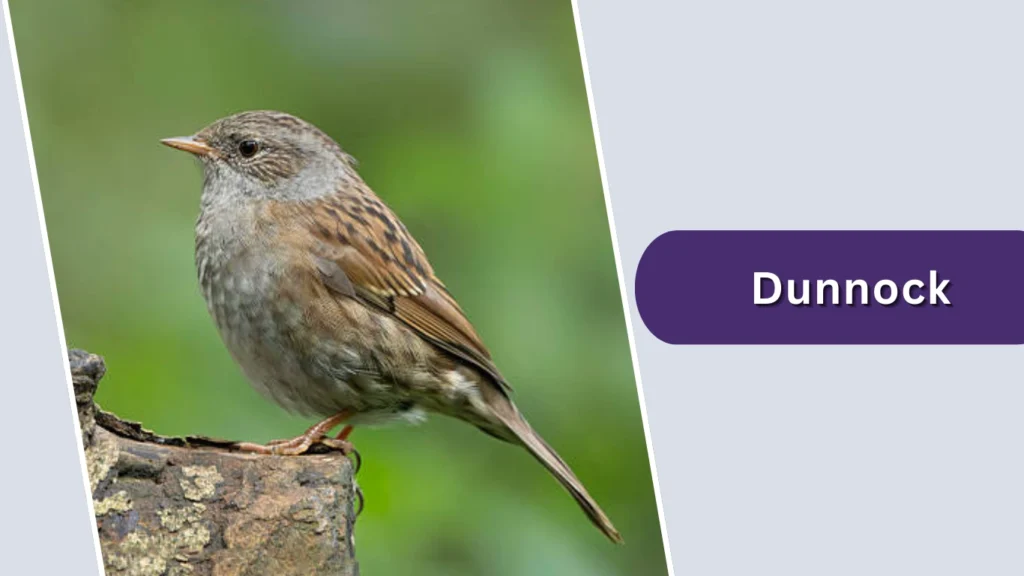
The dunnock is a small, shy brown bird often mistaken for a sparrow. It has a soft, streaked brown back and a grayish face and chest. Quiet and unobtrusive, it usually keeps low to the ground in hedges and gardens.
Identification
- Small, slim bird with fine brown streaking
- Gray face, throat, and breast
- Thin, pointed bill
- Pinkish legs
- Length about 13–14 cm
Habitat
Dunnocks prefer hedgerows, gardens, woodland edges, and dense shrubs. They are common in parks and backyards across much of Europe and parts of Asia.
Diet
They mainly eat insects, spiders, and small invertebrates, along with seeds. In winter, seeds and crumbs often become a larger part of their diet.
Behavior
Dunnocks are usually seen alone or in pairs, quietly creeping along the ground. They often flick their wings and slip quickly into cover when disturbed.
20. Spotted Towhee (Pipilo maculatus)
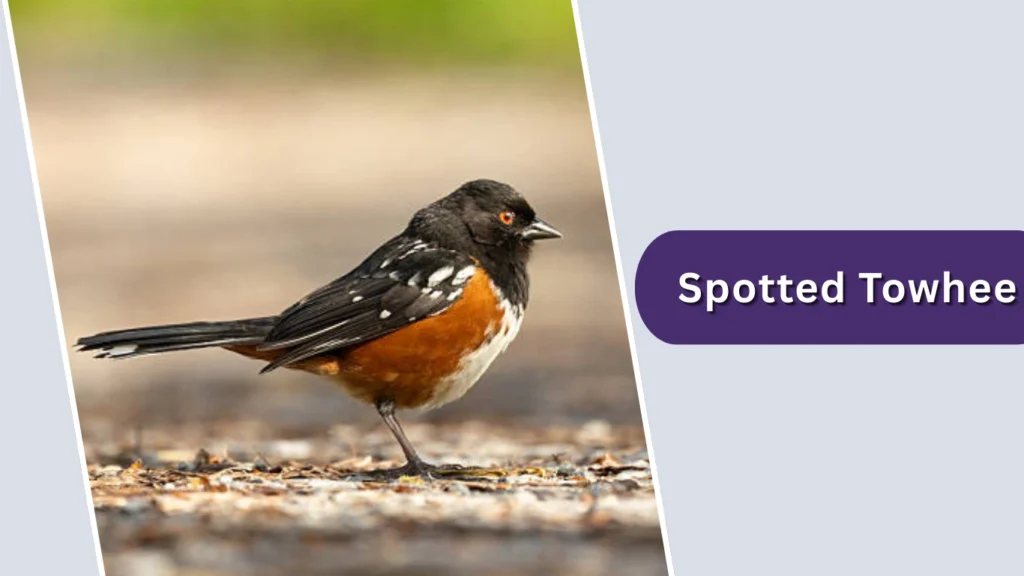
The spotted towhee is a larger member of the small brown bird group, with bold spotting and rich brown tones. Although more colorful than many sparrows, its brown wings and ground-feeding habits place it among commonly recognized brown birds in shrubby habitats.
Identification
- Stocky bird with dark head and back
- White spots on wings and back
- Warm rufous-brown sides
- Long, rounded tail with white corners
- Length about 18–21 cm
Habitat
Spotted towhees live in brushy areas, forest edges, thickets, and overgrown fields. They prefer dense shrubs for cover and open ground for feeding.
Diet
They eat insects, spiders, seeds, and berries. In warmer months, insects dominate their diet, while seeds and fruits are more important in winter.
Behavior
Spotted towhees are famous for their noisy double-scratch foraging style in leaf litter. They often stay hidden in shrubs but hop into the open to feed.
FAQs
Why do so many small birds look brown?
Many small birds are brown because earthy colors provide excellent camouflage. Brown feathers help them blend into soil, dry grass, bark, and leaves, reducing the risk of predators. This natural coloring is especially useful for ground-feeding birds like sparrows and wrens.
How can I tell small brown birds apart?
Look closely at details such as streaking on the chest, eyebrow stripes, bill shape, tail length, and behavior. Habitat also matters—some prefer marshes, others gardens or rocky areas. Songs and calls are often one of the easiest ways to identify similar-looking brown birds.
Are small brown birds good for gardens?
Yes, most small brown birds are very beneficial. They eat large numbers of insects, including pests, and help control populations naturally. Many also disperse seeds, contributing to healthy plant growth and balanced backyard ecosystems.
What do small brown birds usually eat?
They typically eat a mix of seeds, grains, insects, and spiders. During spring and summer, insects are important for protein, especially for feeding chicks. In colder months, most species rely more heavily on seeds and small fruits.
Why are small brown birds often seen on the ground?
Many small brown birds are ground foragers. They search leaf litter, grass, and soil for seeds and insects, using hopping or scratching movements. Their coloring and cautious behavior help them stay hidden while feeding in open areas.