
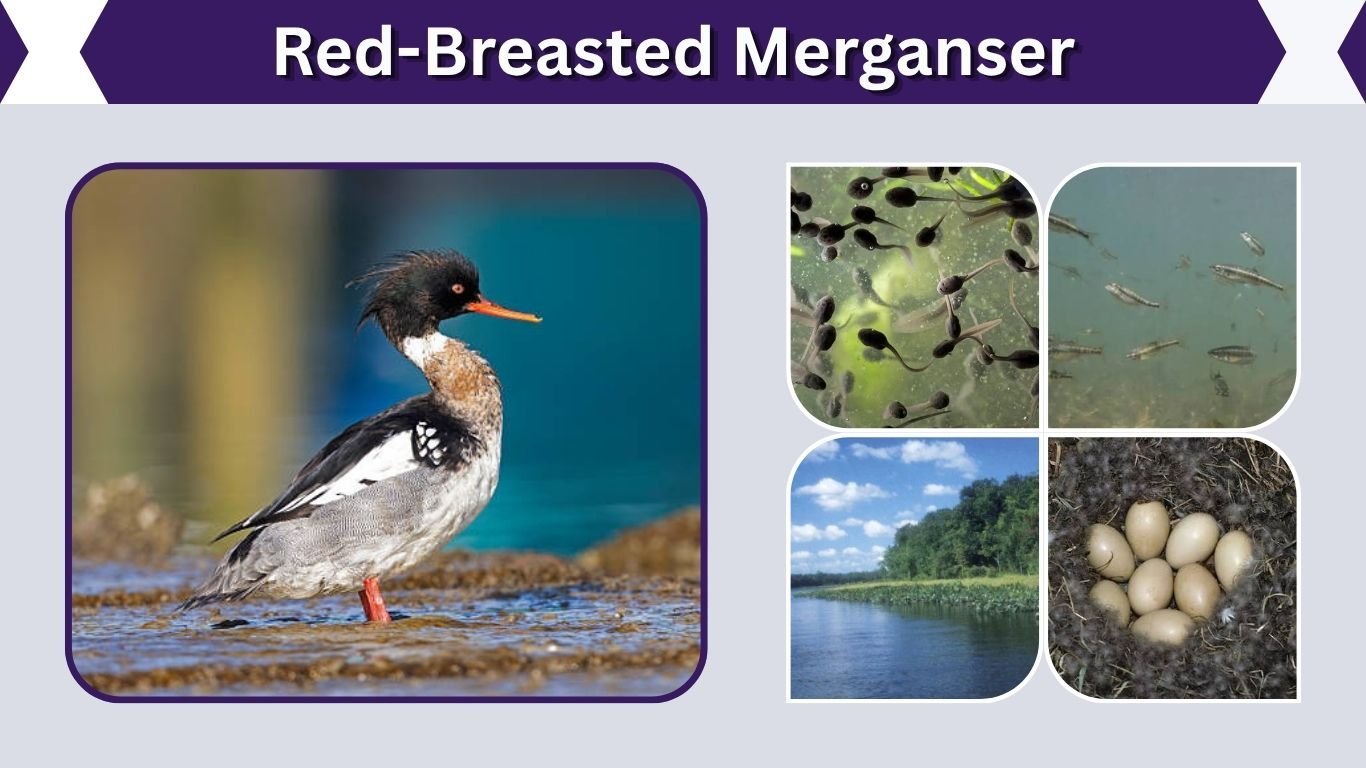
Red-Breasted Merganser: Identification, Habitat, Diet & Facts
The red-breasted merganser (Mergus serrator) is a distinctive diving duck known for its shaggy crest, slender red bill, and remarkable fishing abilities. Found across North … Read More
The red-breasted merganser (Mergus serrator) is a distinctive diving duck known for its shaggy crest, slender red bill, and remarkable fishing abilities. Found across North … Read More
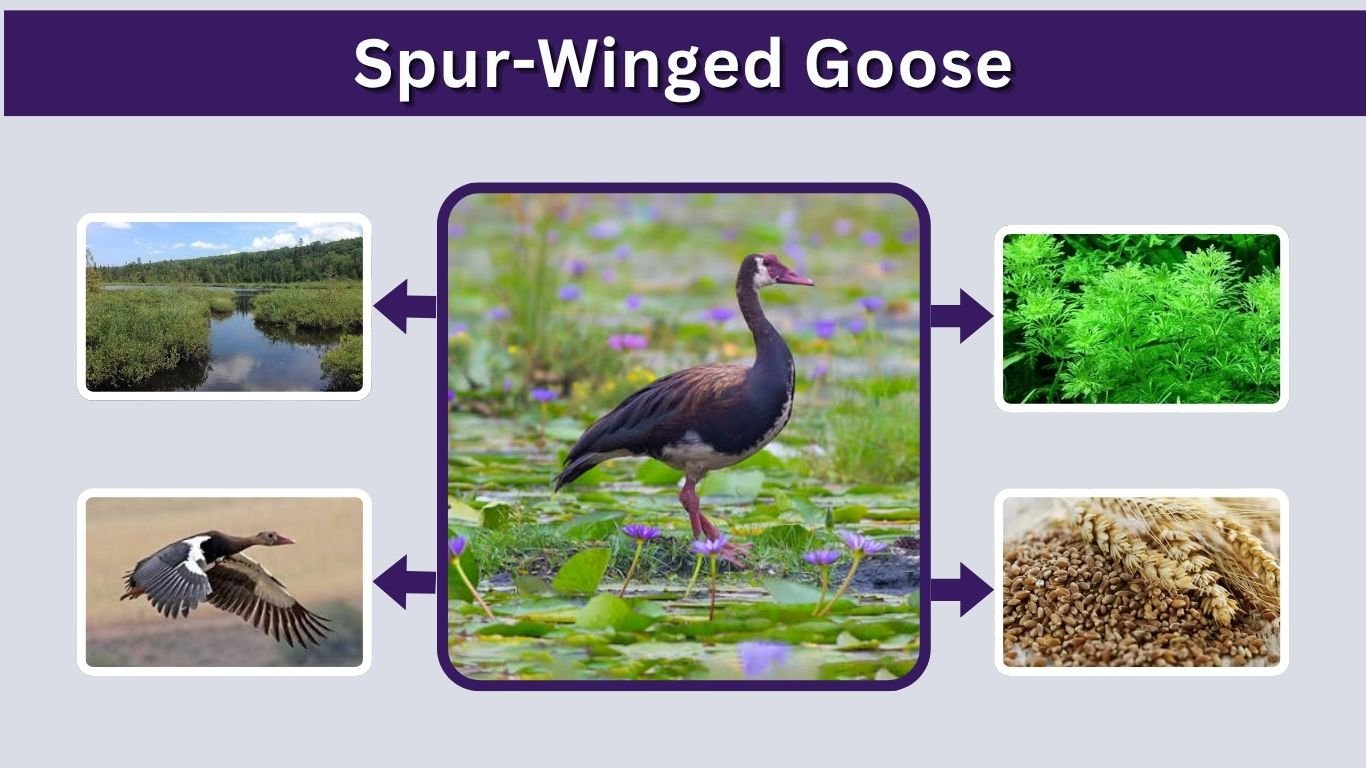
The spur-winged goose (Plectropterus gambensis) is one of Africa’s largest and most remarkable waterbirds. Known for its powerful flight, sharp wing spurs, and distinctive black-and-white … Read More
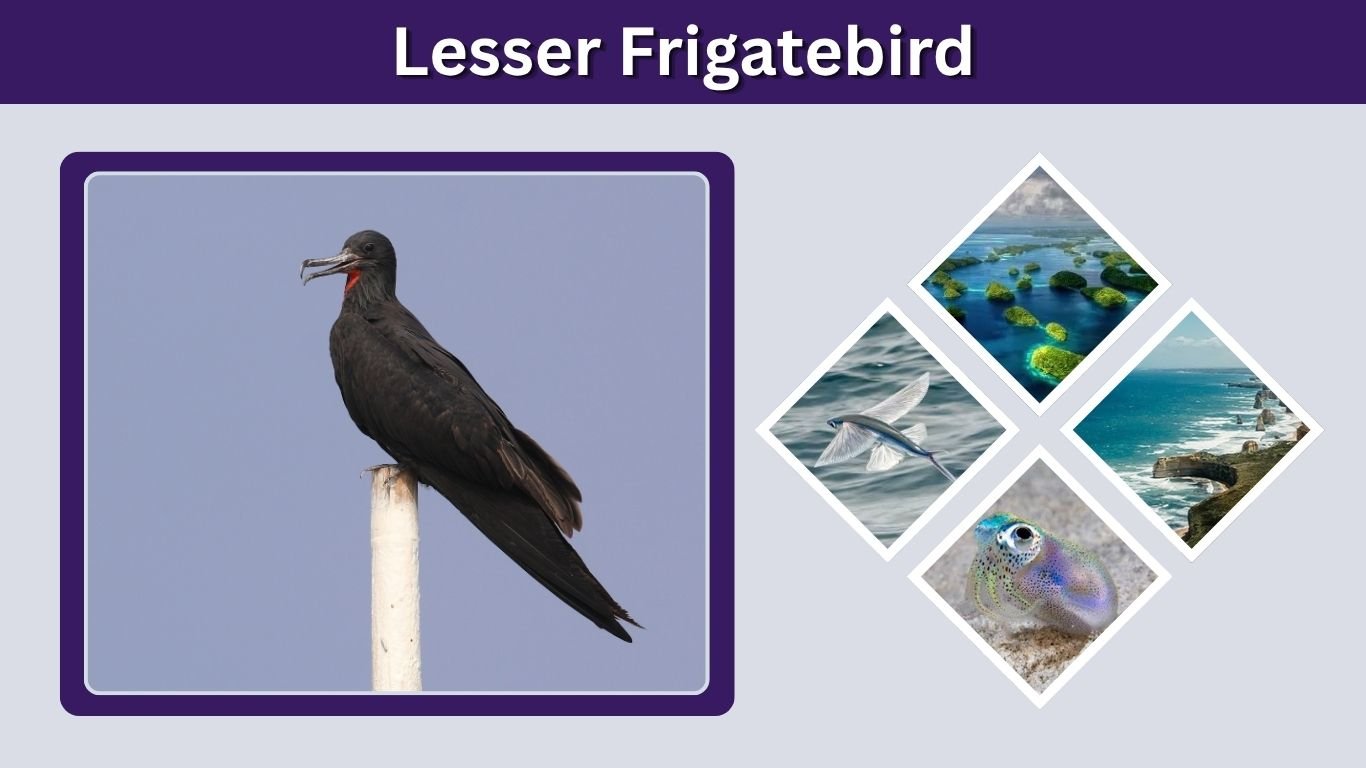
The lesser frigatebird (Fregata ariel) is a fascinating tropical seabird known for its long, pointed wings, deeply forked tail, and exceptional flying abilities. Although it … Read More
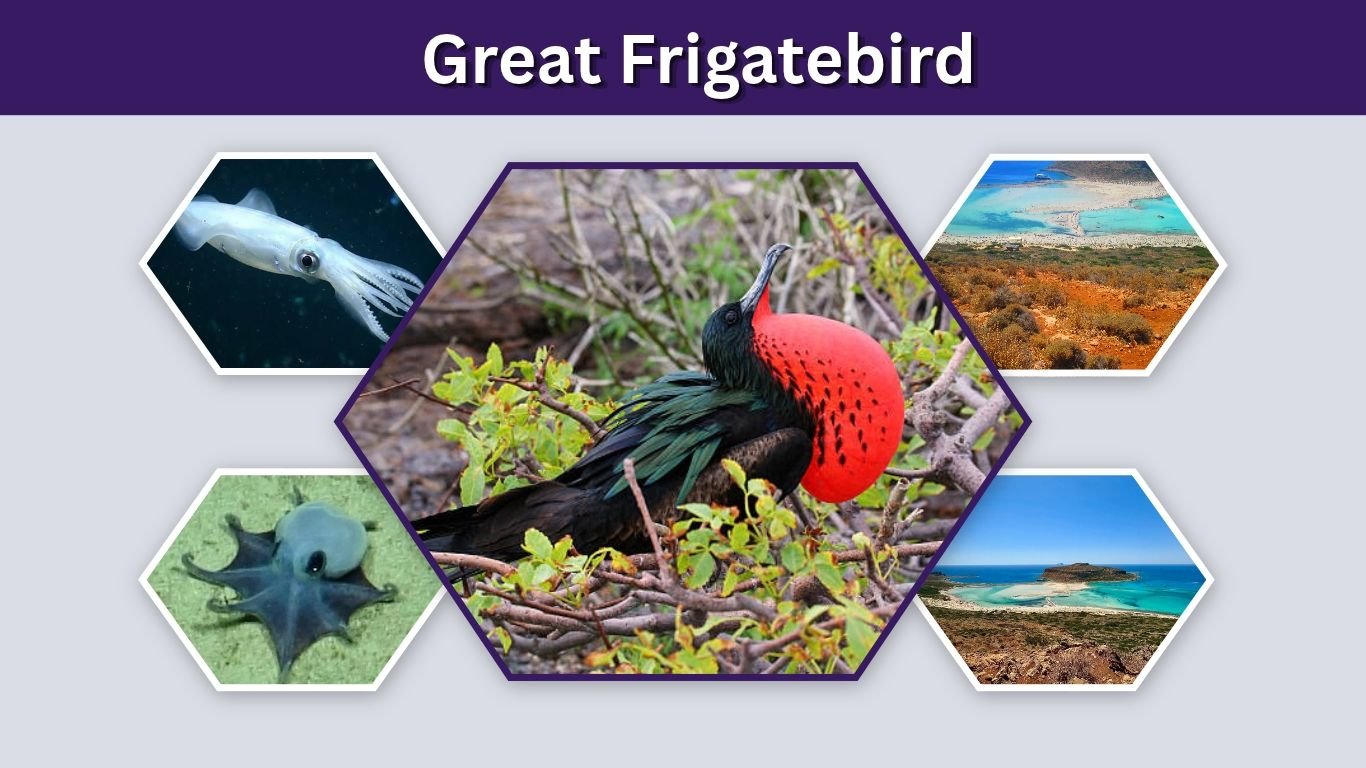
The great frigatebird (Fregata minor) is a remarkable seabird famous for its enormous wingspan, deeply forked tail, and exceptional flying abilities. Found mainly across tropical … Read More

The magnificent frigatebird (Fregata magnificens) is a fascinating seabird recognized for its enormous wingspan, deeply forked tail, and remarkable flying abilities. Found across tropical and … Read More
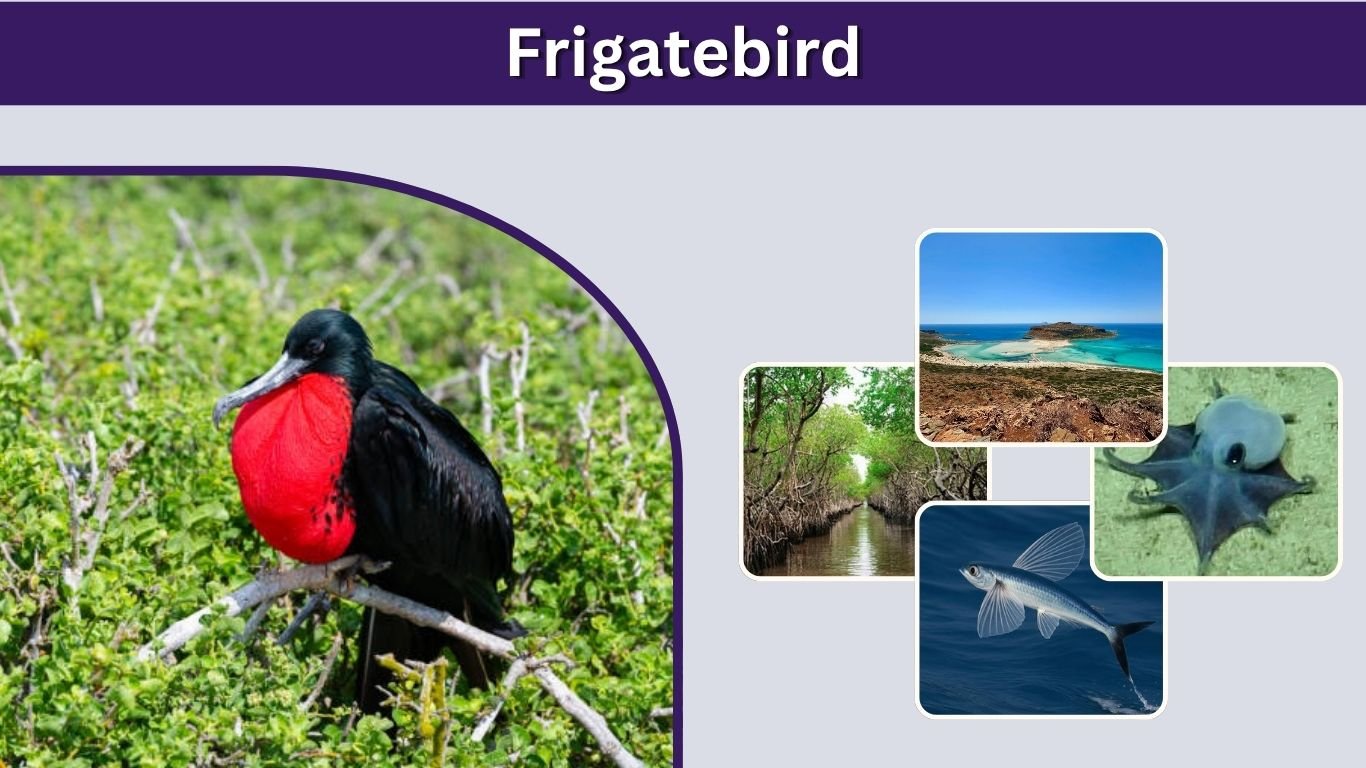
The frigatebird is a remarkable seabird known for its enormous wingspan, deeply forked tail, and extraordinary flying abilities. Found mainly over tropical and subtropical oceans, … Read More

The Eurasian hobby (Falco subbuteo) is a small, fast-flying bird of prey known for its remarkable aerial hunting skills and long-distance migration. This elegant falcon … Read More
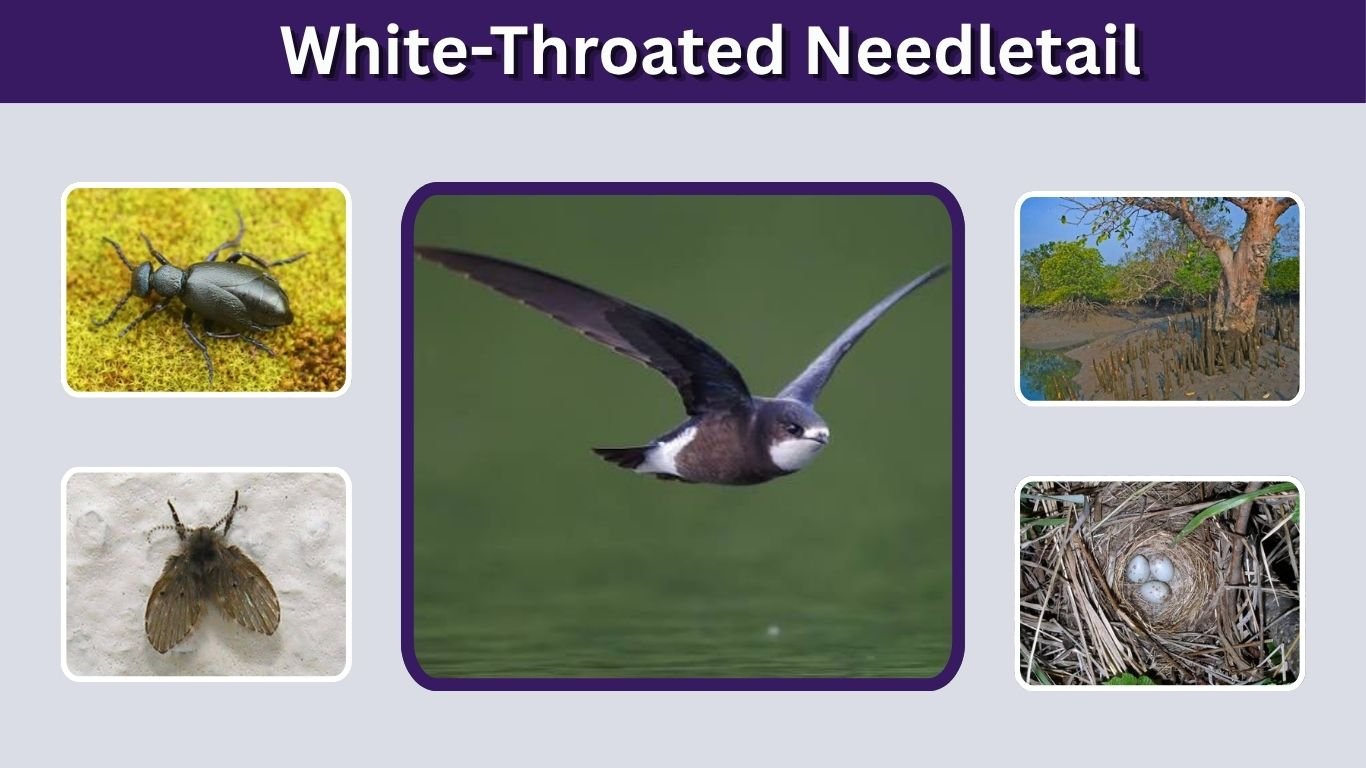
The white-throated needletail (Hirundapus caudacutus) is a remarkable migratory bird famous for its extraordinary flying ability and streamlined body. Often described as one of the … Read More
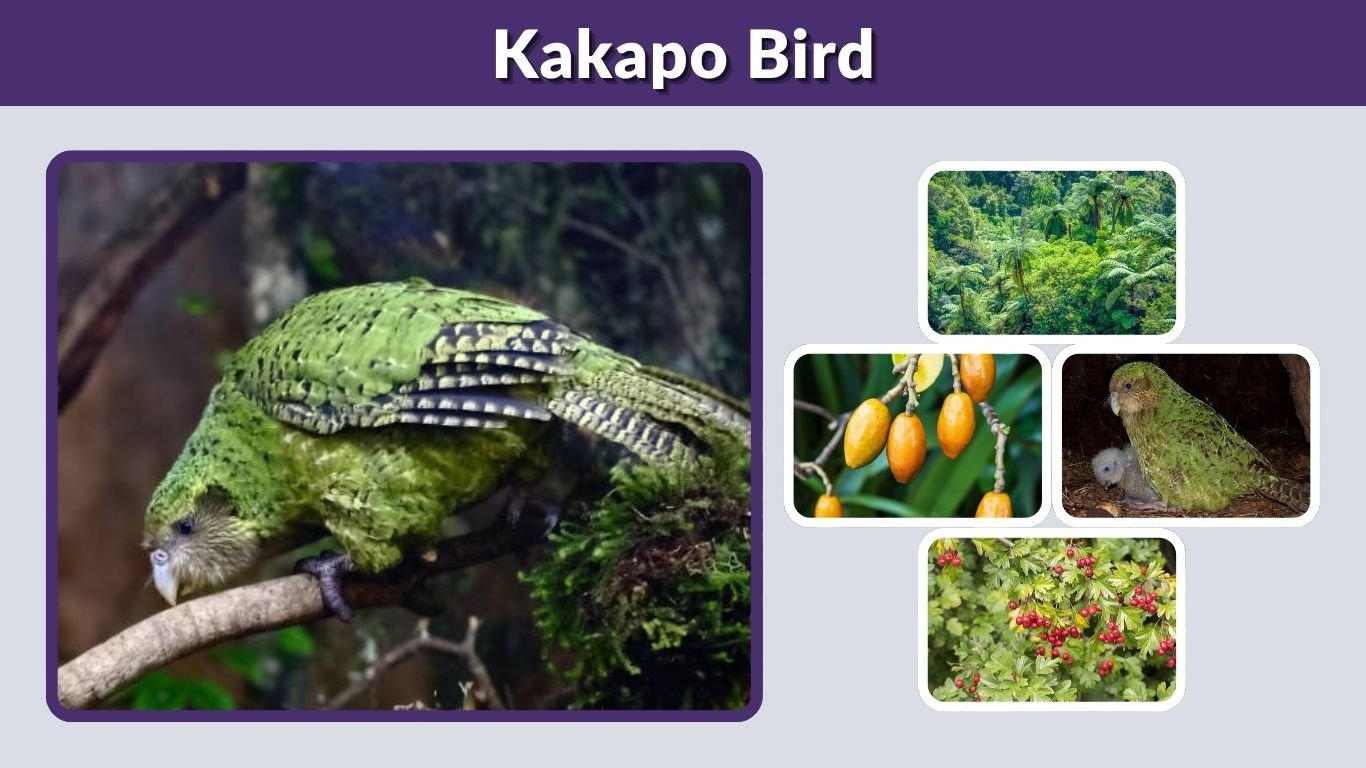
The kakapo bird is one of New Zealand’s most unusual native animals. Also called the owl parrot, this large green parrot is nocturnal, flightless, long-lived, … Read More
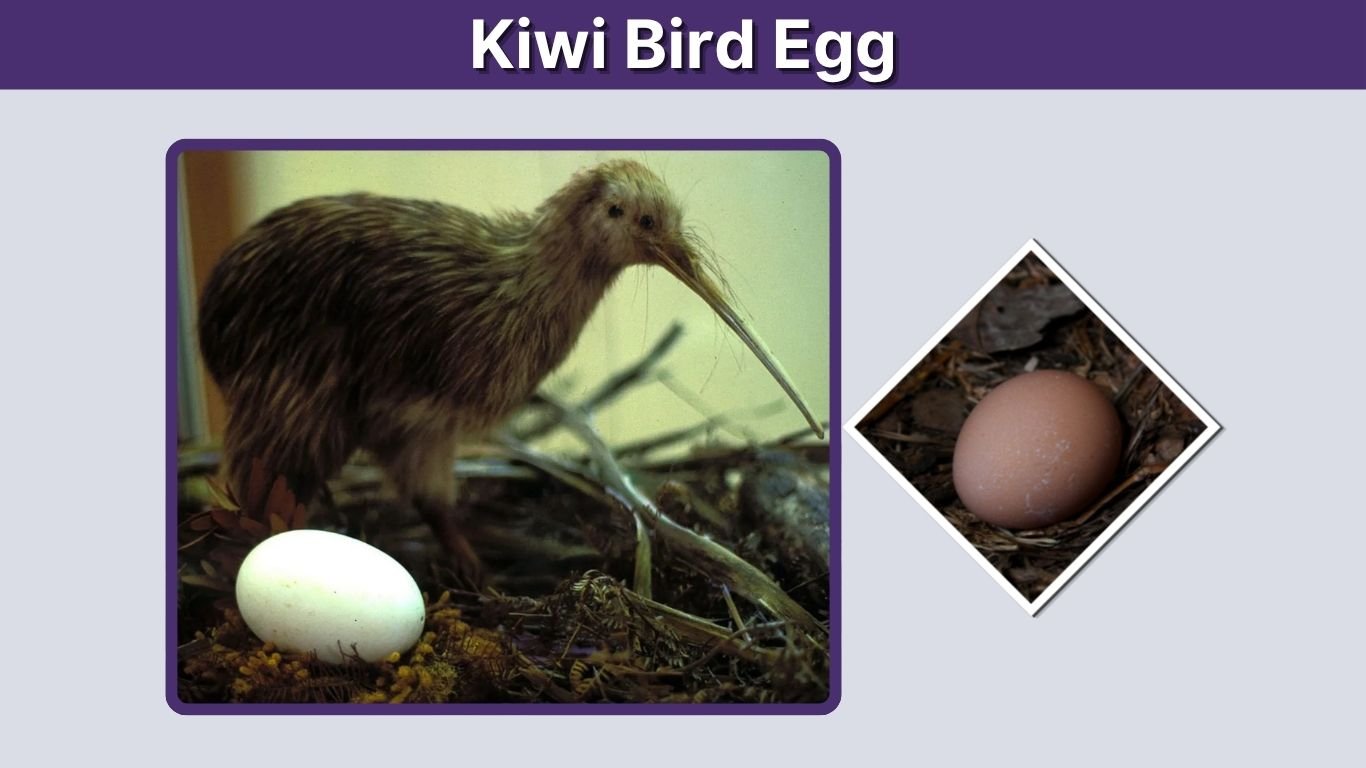
The kiwi bird egg is famous for being extraordinarily large compared with the female that produces it. A single egg can represent roughly 15–20% of … Read More