
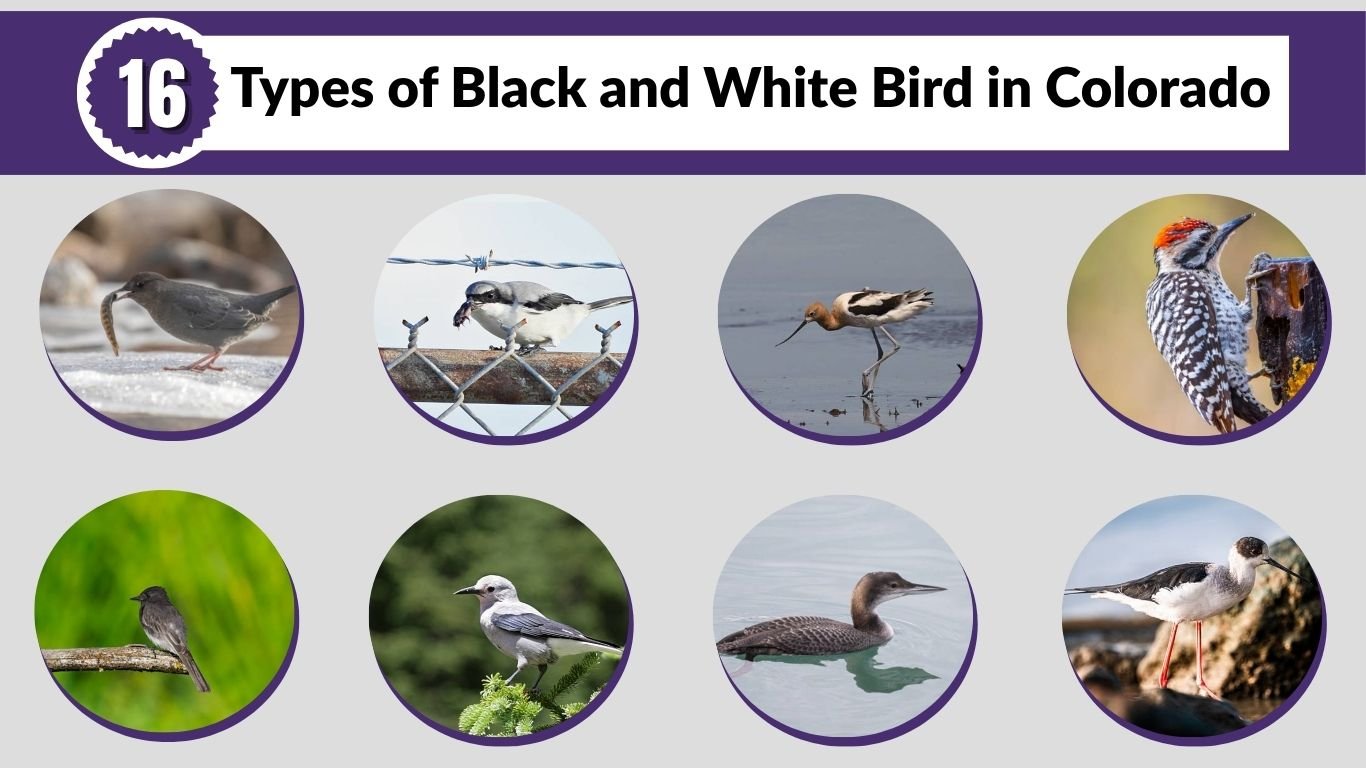
Black and white birds are some of the easiest species to recognize in Colorado thanks to their bold contrast and striking patterns. From small songbirds to larger water birds, these species can be found across a wide range of habitats, including forests, grasslands, wetlands, and mountainous regions. Their distinct coloration often plays a role in communication, camouflage, and identification within their environments.
In this guide, you’ll discover 16 types of black and white birds found in Colorado, each with unique characteristics and behaviors. Whether it’s the intelligent Black-billed Magpie or the agile Downy Woodpecker, these birds showcase a fascinating mix of adaptability and diversity. This list highlights their identification, habitat, behavior, and lifespan to help you better understand and recognize each species.
1. Black-billed Magpie
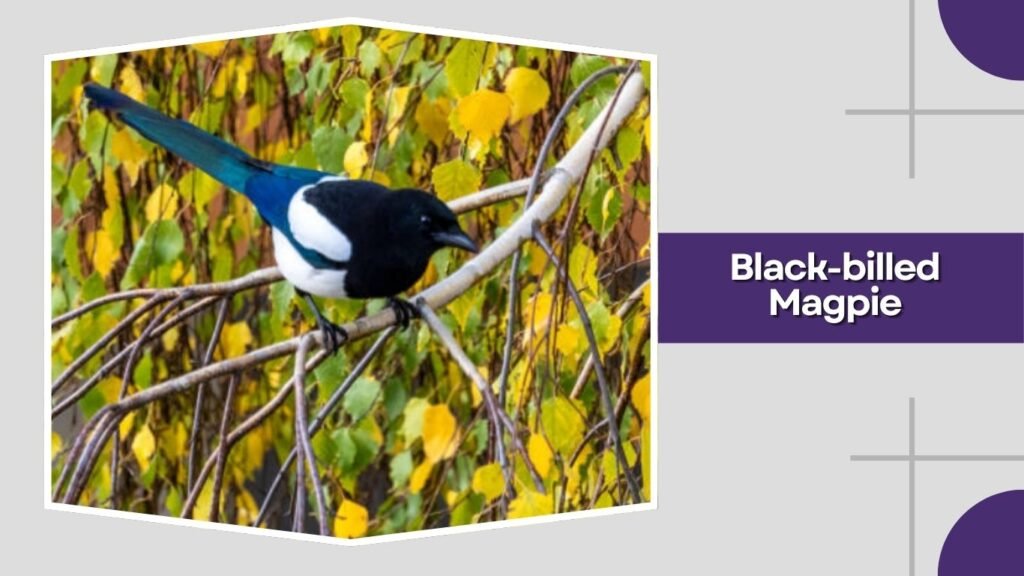
The Black-billed Magpie is one of the most recognizable black-and-white birds in Colorado, known for its long, shimmering tail and sharp intelligence. It belongs to the crow family and is highly adaptable, thriving in both wild and human-influenced environments. Its bold personality, curiosity, and ability to solve problems make it stand out among other birds. Often seen perched on fences, trees, or even near roads, this bird is not shy and frequently interacts with its surroundings. Its striking contrast of black and white, combined with flashes of iridescent blue and green, gives it a unique and elegant appearance.
Identification
- Distinct black-and-white body with strong contrast
- Long, graduated tail with iridescent blue-green sheen
- Black head, neck, chest, and back
- White shoulders and underparts
- Thick, straight black bill
- Medium-sized body with a sleek and slightly elongated shape
Habitat
Black-billed Magpies are commonly found throughout Colorado in open and semi-open environments. They prefer grasslands, agricultural fields, sagebrush areas, and suburban neighborhoods where trees and shrubs are scattered. These birds rely on open visibility to detect predators and locate food, which is why they avoid dense forests. They are also frequently seen near roadsides, ranches, and towns, where food sources are plentiful. Their nests are large, dome-shaped structures built high in trees, often constructed with sticks and lined with softer materials.
Behaviors
This species is highly intelligent and displays complex social behavior. Black-billed Magpies are often seen in pairs or small groups and communicate through a wide range of vocalizations. They are curious and sometimes mischievous, known to investigate objects and even steal shiny items. These birds are also bold defenders of their territory and will chase away larger birds or predators. Their flight is steady, combining flapping with short glides, and they often move confidently across open ground.
Diet and Lifespan
The Black-billed Magpie has a very diverse diet, making it highly adaptable. It feeds on insects, small mammals, bird eggs, fruits, seeds, and carrion. It is also known to scavenge from human sources, including garbage or roadkill. This opportunistic feeding behavior allows it to survive in a variety of environments. In the wild, the average lifespan is around 4 to 6 years, although some individuals may live longer under favorable conditions.
2. Black-capped Chickadee
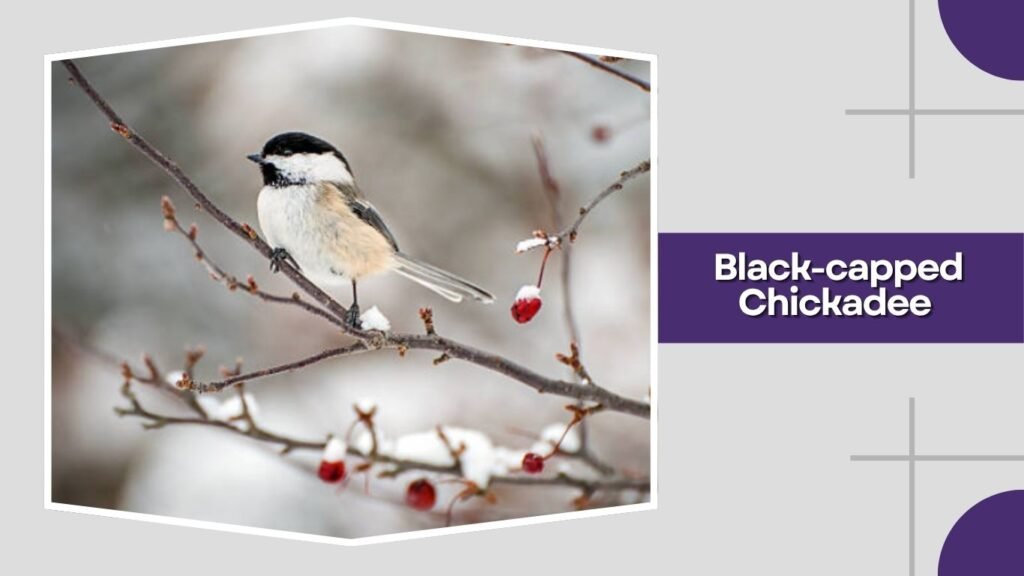
The Black-capped Chickadee is a small, lively bird known for its distinctive black cap and cheerful calls. It is a year-round resident in Colorado and is especially popular in backyards and forests due to its friendly and curious nature. Despite its tiny size, it is hardy and well adapted to cold climates.
Identification
- Small, round body with a short neck
- Black cap and black throat (bib)
- White cheeks that stand out clearly
- Soft gray wings and back
- Pale underparts with a slight buff tint
- Short, pointed black beak
Habitat
Black-capped Chickadees are found in a wide range of habitats across Colorado, including deciduous and mixed forests, woodlands, parks, and suburban areas. They prefer places with plenty of trees and shrubs, which provide both food and nesting sites. These birds are highly adaptable and are commonly seen at backyard feeders, especially during winter. They nest in tree cavities, often using natural holes or abandoned woodpecker nests.
Behaviors
These birds are active, curious, and often seen hopping quickly between branches. They are known for their signature “chick-a-dee-dee-dee” call, which varies depending on the situation. Black-capped Chickadees are social and often form small flocks, especially in winter, sometimes joining mixed-species groups. They are also known for caching food, hiding seeds and insects in bark crevices to eat later.
Diet and Lifespan
Their diet mainly consists of insects, spiders, and seeds. During warmer months, they rely more on insects, while in winter they shift to seeds and berries. They frequently visit feeders for sunflower seeds and suet. Despite their small size, they can survive harsh winters by storing food and lowering their body temperature at night. The average lifespan is around 2 to 3 years in the wild, though some individuals live longer.
3. Mountain Chickadee
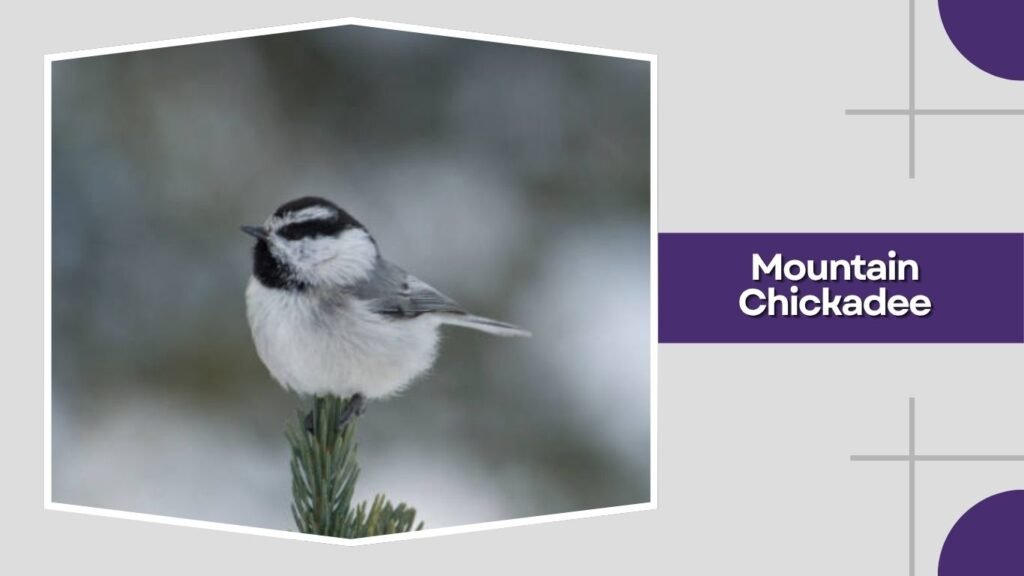
The Mountain Chickadee is a small, energetic bird commonly found in higher elevations of Colorado. It closely resembles the Black-capped Chickadee but can be easily distinguished by its bold white eyebrow stripe. This bird is well adapted to mountainous environments and remains active even in cold, snowy conditions.
Identification
- Small, round body with a compact shape
- Black cap and black throat (bib)
- Distinct white stripe above the eye (key feature)
- White cheeks contrasting with dark head
- Gray back and wings
- Short, pointed black beak
Habitat
Mountain Chickadees are typically found in coniferous forests, especially in pine, fir, and spruce woodlands at higher elevations in Colorado. They prefer mountainous regions but may move to lower elevations during winter. These birds rely on tree-rich environments for shelter, nesting, and food. They nest in tree cavities, often using natural holes or abandoned woodpecker nests, and line them with soft materials like fur and feathers.
Behaviors
These birds are active and agile, constantly moving through branches while searching for food. They are social and often form small flocks, especially outside the breeding season. Like other chickadees, they are known for caching food, storing seeds and insects to eat later. Their calls are sharp and clear, and they communicate frequently with flock members. They are curious and may approach humans, especially in areas where they are used to feeders.
Diet and Lifespan
Mountain Chickadees feed mainly on insects, spiders, and seeds. In summer, insects make up most of their diet, while in winter they rely more on seeds and stored food. They often visit feeders for sunflower seeds and suet. Their ability to store food helps them survive harsh winters. The average lifespan is around 2 to 3 years in the wild, though some individuals may live longer under favorable conditions.
4. White-breasted Nuthatch
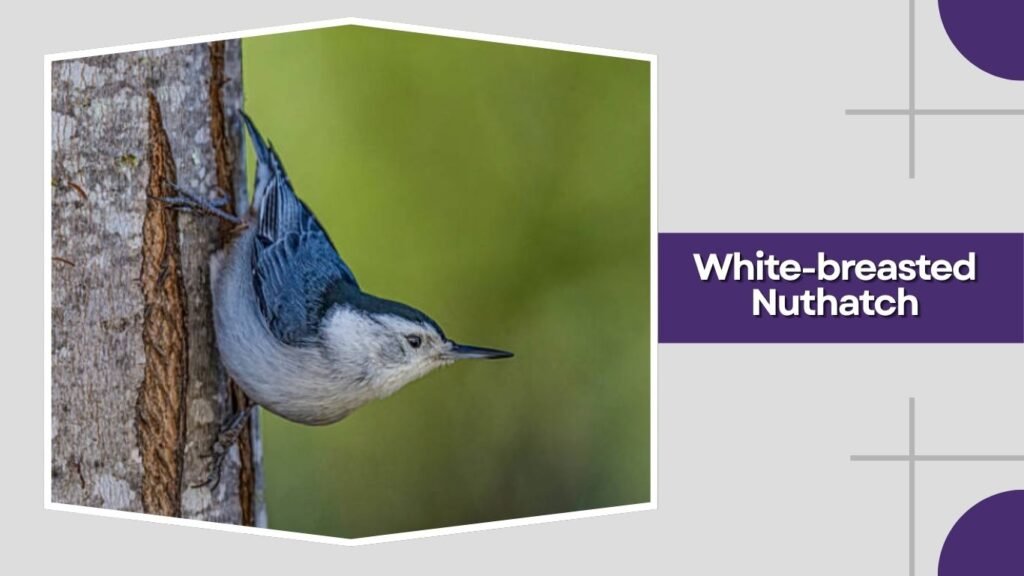
The White-breasted Nuthatch is a small, compact bird known for its unique ability to climb down trees headfirst. Its black-and-white coloration and nasal calls make it easy to recognize in forests and backyard settings across Colorado.
Identification
- Small, stocky body with a short tail
- White face and underparts
- Black cap (grayish in females)
- Blue-gray back and wings
- Long, straight, pointed bill
- Strong legs adapted for climbing
Habitat
White-breasted Nuthatches are commonly found in deciduous forests, woodlands, and suburban areas with mature trees. In Colorado, they are often seen in oak and mixed forests, as well as parks and residential neighborhoods. They prefer habitats with plenty of tree trunks and branches, which they use for foraging. These birds nest in tree cavities, either natural or abandoned by woodpeckers, and may reuse the same site in different seasons.
Behaviors
This bird is known for its distinctive behavior of moving headfirst down tree trunks, searching for insects hidden in bark. It is active and often seen alone or in pairs, though it may join mixed-species flocks in winter. White-breasted Nuthatches are also vocal, producing nasal, repeated calls. They are quick and agile, frequently hopping along branches and trunks while exploring every surface for food.
Diet and Lifespan
Their diet mainly consists of insects, spiders, and seeds. They forage by probing bark and crevices with their strong beak. In colder months, they rely more on seeds and nuts, often storing food for later use. They also visit bird feeders for sunflower seeds and suet. The average lifespan of a White-breasted Nuthatch is around 2 to 3 years in the wild, though some individuals can live longer.
5. Black-and-white Warbler
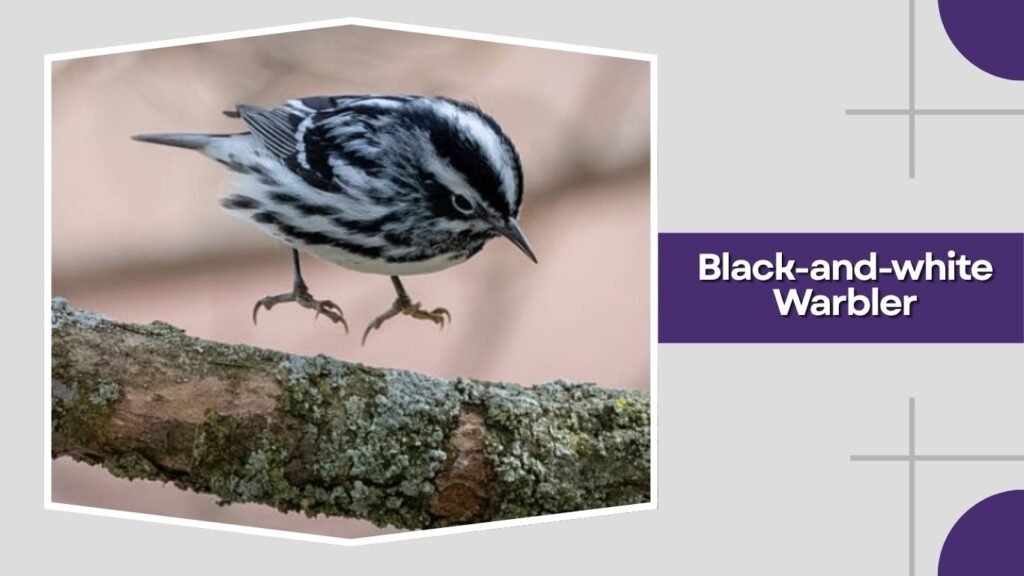
The Black-and-white Warbler is a small, striking bird with bold striped plumage that resembles a miniature woodpecker. It is unique among warblers for its tree-climbing behavior, often moving along trunks and branches in search of insects.
Identification
- Bold black-and-white striped pattern across the entire body
- White face with black crown stripes
- Slender body with a slightly long tail
- Thin, pointed beak
- Strong legs adapted for clinging to bark
- High-contrast plumage that stands out clearly
Habitat
Black-and-white Warblers are found in woodlands and forests across Colorado, especially during migration and breeding seasons. They prefer deciduous and mixed forests with mature trees. These birds rely on tree bark and branches for foraging, so they are often seen in areas with dense tree cover. During migration, they may also appear in parks, gardens, and wooded suburbs where trees are abundant.
Behaviors
Unlike most warblers, this species behaves more like a nuthatch or woodpecker. It climbs along tree trunks and branches, moving both upward and downward while searching for insects. It is usually seen alone and is quite active, constantly moving as it forages. Its song is a high-pitched, repetitive series of notes. Despite its small size, it is very agile and persistent in its movements.
Diet and Lifespan
The Black-and-white Warbler mainly feeds on insects and spiders, which it picks from tree bark and crevices. It may also consume larvae and small caterpillars. This diet supports its active foraging style. The average lifespan is around 5 to 8 years in the wild, though survival depends on migration challenges and habitat conditions.
6. Downy Woodpecker
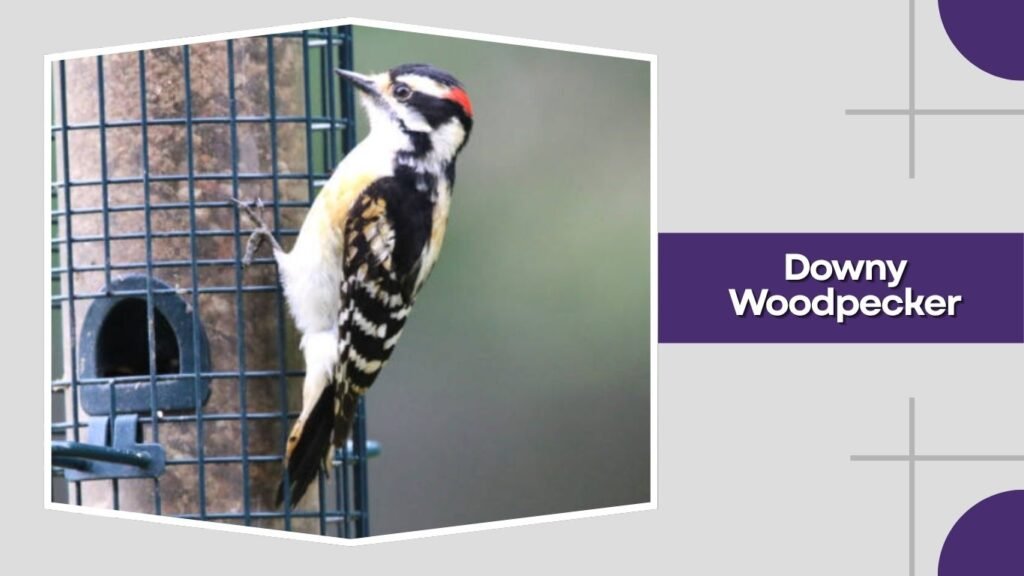
The Downy Woodpecker is the smallest woodpecker in North America and is easily recognized by its black-and-white pattern and compact size. It is a common and friendly bird in Colorado, often visiting backyard feeders and wooded areas.
Identification
- Small, compact body with a short neck
- Black-and-white plumage with checkered wings
- White underside and white stripe down the back
- Black head with white facial stripes
- Males have a small red patch on the back of the head
- Short, straight bill (shorter than the head length)
Habitat
Downy Woodpeckers are widely found in forests, woodlands, parks, and suburban areas across Colorado. They prefer habitats with trees, especially deciduous forests, but are also common in mixed woodlands and gardens. These birds adapt well to human presence and frequently visit feeders. They nest in tree cavities, which they excavate themselves in soft or decaying wood, providing safe shelter for raising their young.
Behaviors
This bird is active and often seen climbing tree trunks and branches while tapping and pecking for food. Its drumming sound is a common way to communicate and mark territory. Downy Woodpeckers are usually seen alone or in pairs but may join mixed-species flocks in winter. They are calm and tolerant of humans, often allowing close observation, especially near feeders.
Diet and Lifespan
The Downy Woodpecker feeds mainly on insects, larvae, and spiders found in tree bark. It also eats seeds, berries, and suet, especially during colder months. Its ability to adapt its diet helps it survive year-round. The average lifespan is around 4 to 6 years in the wild, although some individuals may live longer under favorable conditions.
7. Hairy Woodpecker
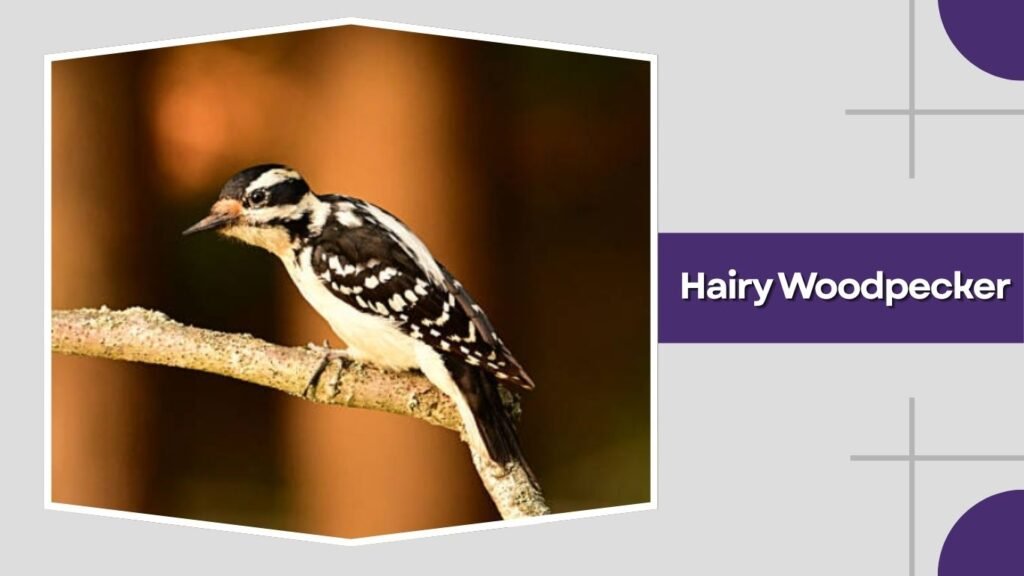
The Hairy Woodpecker is a medium-sized woodpecker that closely resembles the Downy Woodpecker but is larger and has a longer bill. Its bold black-and-white pattern and strong drumming sounds make it a familiar bird in Colorado’s forests and wooded areas.
Identification
- Medium-sized body, larger than Downy Woodpecker
- Black-and-white plumage with a clean, bold pattern
- White underside and a white stripe down the back
- Black head with white facial stripes
- Males have a small red patch on the back of the head
- Long, straight, chisel-like bill (about the same length as the head)
Habitat
Hairy Woodpeckers are commonly found in forests, woodlands, and mountainous areas across Colorado. They prefer mature trees and are often associated with coniferous and mixed forests. These birds are less common in urban areas compared to Downy Woodpeckers but can still be seen in parks and wooded suburbs. They nest in tree cavities, usually excavated in dead or decaying wood, which provides protection for their eggs and young.
Behaviors
This bird is known for its strong and deliberate pecking as it searches for insects beneath the bark. It moves methodically along tree trunks and large branches, using its stiff tail for support. Hairy Woodpeckers are generally solitary or seen in pairs and may join mixed-species flocks during winter. Their drumming is louder and more powerful than that of smaller woodpeckers, often used to communicate and establish territory.
Diet and Lifespan
Hairy Woodpeckers primarily feed on insects, especially beetle larvae, ants, and wood-boring insects. They also eat seeds, nuts, and berries, particularly in winter when insects are less available. Occasionally, they may visit feeders for suet or seeds. The average lifespan of a Hairy Woodpecker is around 5 to 10 years in the wild, depending on habitat quality and environmental conditions.
8. White-headed Woodpecker
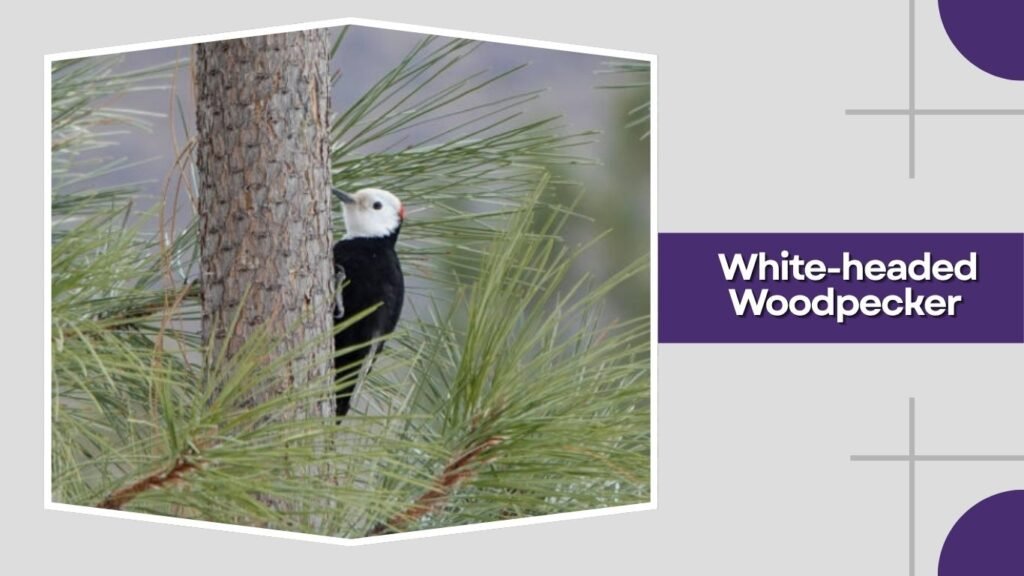
The White-headed Woodpecker is a unique and striking bird, easily recognized by its bold black body and completely white head. It is less common than other woodpeckers in Colorado and is mostly found in specific pine forest habitats.
Identification
- Solid black body with a bright white head
- White patches on wings visible during flight
- Short, strong, pointed bill
- Males have a small red patch on the back of the head
- Medium-sized body with a sturdy build
- High contrast black-and-white appearance
Habitat
White-headed Woodpeckers are primarily found in open pine forests, especially those dominated by ponderosa pine. In Colorado, they are more localized and prefer dry, mountainous regions with mature pine trees. These birds rely heavily on pine forests for both food and nesting. They are usually seen in areas with scattered trees rather than dense woodland. Nesting occurs in tree cavities, often in dead or decaying pine trees, which are easier to excavate.
Behaviors
This species is quieter and less conspicuous compared to other woodpeckers. It spends much of its time foraging on tree trunks and branches, often moving slowly and deliberately. Unlike many woodpeckers, it does less bark drilling and more surface picking. It is usually seen alone or in pairs and is not highly social. Its flight is steady and direct, and it tends to stay within its preferred habitat range.
Diet and Lifespan
The White-headed Woodpecker has a specialized diet that relies heavily on pine seeds, especially from ponderosa pine cones. It also eats insects, particularly during the breeding season when protein is needed. This dependence on pine seeds makes its habitat choice very specific. The average lifespan is around 5 to 8 years in the wild, depending on environmental conditions and food availability.
9. Ladder-backed Woodpecker
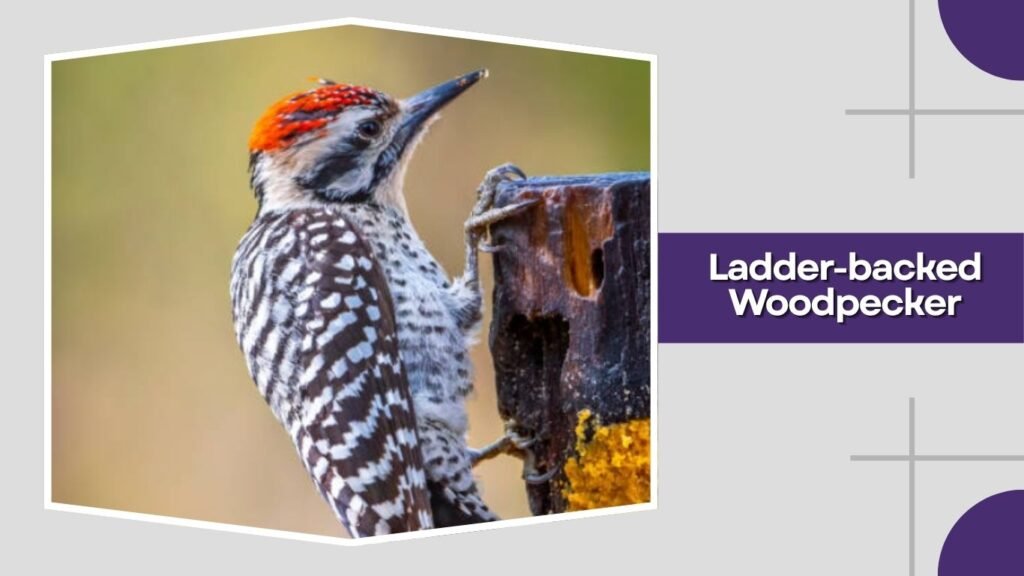
The Ladder-backed Woodpecker is a small, active bird known for its distinctive black-and-white barred pattern on its back. It is well adapted to dry and open environments and is commonly found in the southwestern parts of Colorado.
Identification
- Small body with a compact and slender shape
- Black-and-white “ladder-like” barring across the back
- Pale face with black markings
- White underparts with light spotting
- Males have a small red crown patch
- Short, straight bill suited for pecking
Habitat
Ladder-backed Woodpeckers are typically found in dry, arid regions such as deserts, scrublands, and open woodlands. In Colorado, they are more common in the southern and western areas where the climate is warmer and drier. They prefer habitats with sparse vegetation, including cactus, mesquite, and low shrubs. These birds rely on dead trees or cacti for nesting, where they excavate cavities for shelter and raising their young.
Behaviors
This bird is energetic and constantly active, often seen climbing tree trunks, branches, or even cactus stems while searching for food. It uses quick, repeated pecking motions to locate insects beneath bark. Ladder-backed Woodpeckers are usually solitary or seen in pairs and are not highly social. Their flight is short and undulating, with quick wingbeats followed by brief glides. They are alert and tend to stay within their preferred dry habitats.
Diet and Lifespan
The Ladder-backed Woodpecker mainly feeds on insects such as beetles, ants, and larvae found in wood and plant stems. It may also eat seeds and fruits occasionally. This varied diet helps it survive in harsh, dry environments. The average lifespan is around 4 to 7 years in the wild, depending on habitat conditions and food availability.
10. Black-necked Stilt
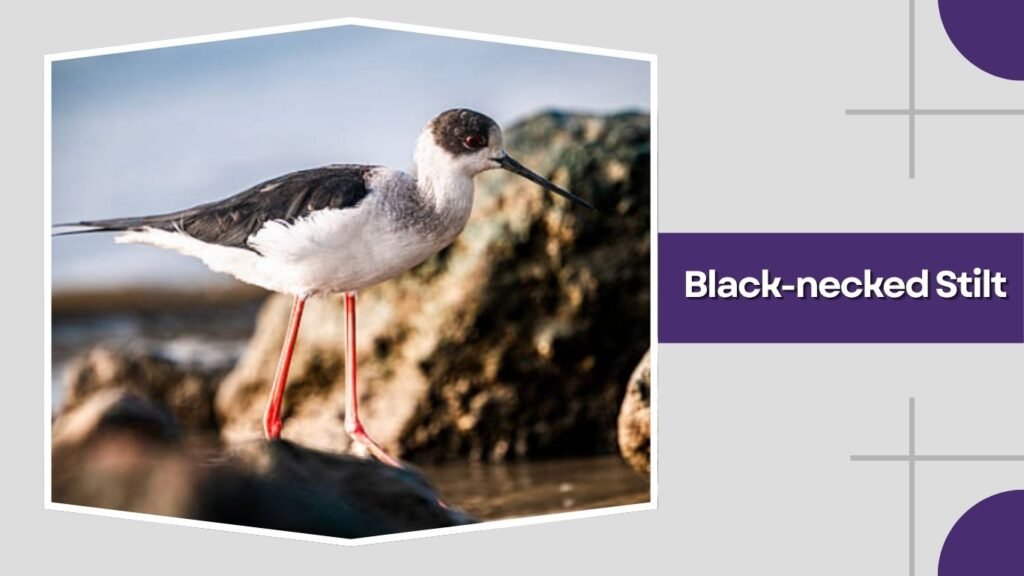
The Black-necked Stilt is a graceful and slender bird known for its striking black-and-white coloration and extremely long, thin legs. It is commonly seen in wetlands and shallow water areas, where it moves elegantly while searching for food.
Identification
- Slender body with bold black-and-white contrast
- Black back, wings, and neck
- White face and underparts
- Extremely long, thin pink legs
- Long, straight, needle-like black bill
- Small head with a delicate appearance
Habitat
Black-necked stilts are typically found in wetlands, marshes, shallow lakes, and ponds across Colorado. They prefer areas with shallow water where they can easily wade while feeding. These birds are often seen in open, muddy or sandy edges of water bodies. During the breeding season, they select quiet wetland areas with minimal disturbance. Their nests are usually simple scrapes on the ground, often near water.
Behaviors
These birds are active during the day and are often seen wading slowly through shallow water. They use their long legs to move gracefully while searching for prey. Black-necked Stilts are social and may be seen in small groups or loose colonies. They are also very protective of their nesting areas and will loudly call and perform distraction displays if threatened. Their flight is smooth and steady, with long legs trailing behind.
Diet and Lifespan
The Black-necked Stilt mainly feeds on small aquatic insects, crustaceans, and larvae. It uses its long bill to pick or probe food from the water’s surface or mud. Occasionally, it may eat small fish or worms. This diet supports its life in wetland environments. The average lifespan is around 10 to 15 years in the wild, depending on habitat conditions and predation.
11. American Avocet
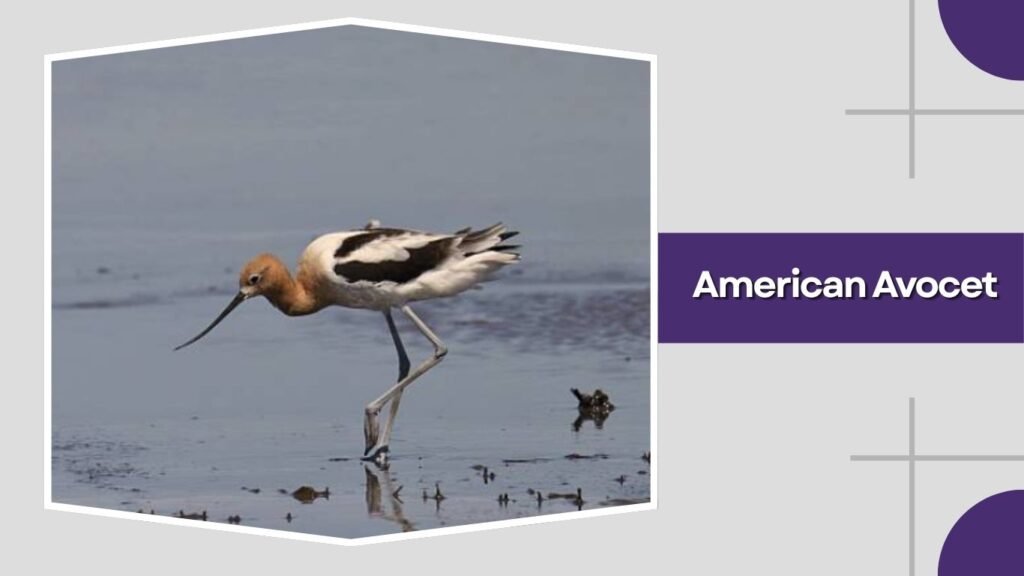
The American Avocet is a graceful wading bird known for its striking black-and-white wings and long, upturned bill. Although it shows warm colors during breeding season, its bold monochrome pattern in flight makes it a notable black-and-white bird in Colorado wetlands.
Identification
- Slender body with long, thin bluish legs
- Black-and-white patterned wings, especially visible in flight
- Long, thin bill that curves upward
- White head and neck (may show light color in breeding season)
- Smooth, elegant body shape
- Medium-sized wading bird with a refined appearance
Habitat
American Avocets are commonly found in shallow wetlands, lakes, marshes, and mudflats across Colorado. They prefer open water areas with soft mud or sand where they can easily forage. These birds are often seen in saline or freshwater habitats, especially during breeding and migration seasons. They nest on the ground in open areas near water, where visibility helps them detect predators early.
Behaviors
This bird is known for its unique feeding style, sweeping its curved bill side to side through shallow water to catch prey. It is social and often seen in flocks, especially outside the breeding season. American Avocets are also protective of their nesting areas and may perform distraction displays to keep predators away. Their flight is smooth and steady, often in coordinated groups.
Diet and Lifespan
American Avocets mainly feed on aquatic insects, crustaceans, and small invertebrates found in shallow water. Their specialized bill helps them efficiently filter food from water and mud. Occasionally, they may eat small fish. This diet supports their wetland lifestyle. The average lifespan is around 10 to 15 years in the wild, depending on environmental conditions and habitat quality.
12. Common Loon

The Common Loon is a large and striking water bird known for its sharp black-and-white pattern and haunting calls. While it is more colorful during breeding season, its non-breeding plumage appears mostly black and white, making it fit this category in Colorado during migration.
Identification
- Large body with a sleek, streamlined shape
- Black-and-white checkered pattern on the back (breeding)
- Mostly gray, black, and white in non-breeding season
- Long, pointed black bill
- Red eyes (more noticeable in breeding season)
- Legs positioned far back on the body for efficient swimming
Habitat
Common Loons are typically found on large lakes, reservoirs, and deep water bodies. In Colorado, they are mainly seen during migration rather than as year-round residents. They prefer clear, open water where they can dive easily to catch prey. During the breeding season, they inhabit northern lakes, but in colder months they move to coastal areas or larger inland waters. They require quiet environments with minimal disturbance.
Behaviors
These birds are excellent divers and spend much of their time in water. They can dive deep and stay submerged for extended periods while hunting. On land, they are awkward due to their body structure, so they rarely come ashore. Their calls are loud, eerie, and echo across lakes, especially during breeding season. They are usually seen alone or in pairs and are not highly social outside migration.
Diet and Lifespan
Common Loons mainly feed on fish, which they catch by diving underwater. They may also eat crustaceans, insects, and small aquatic animals. Their strong swimming ability helps them hunt efficiently. The average lifespan of a Common Loon is around 20 to 30 years in the wild, making it one of the longer-lived bird species.
13. Clark’s Nutcracker
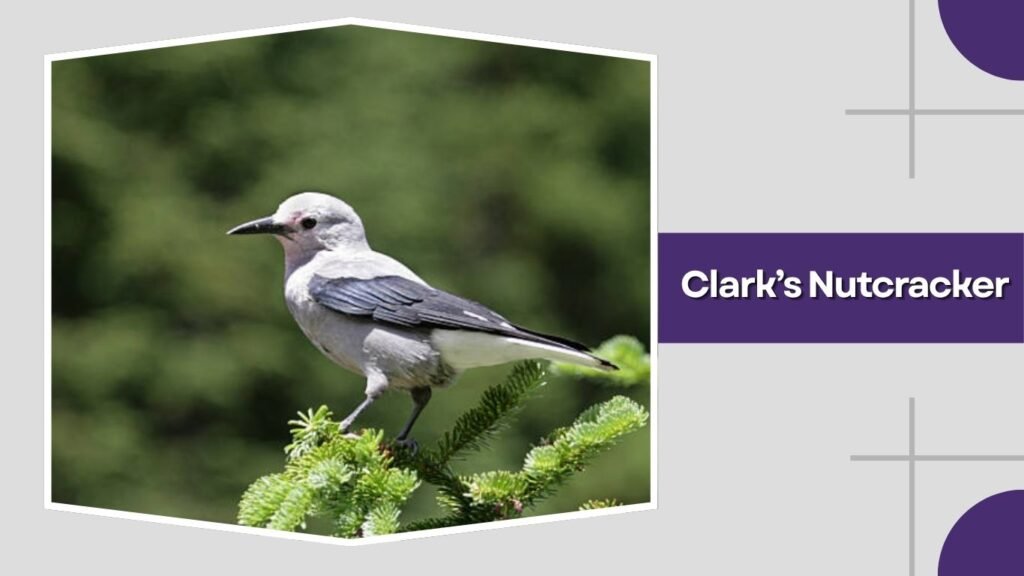
Clark’s Nutcracker is a bold and intelligent bird commonly found in mountainous regions of Colorado. Though mostly gray, its black-and-white wings and tail make it part of this category. It is especially known for its excellent memory and seed-storing behavior.
Identification
- Pale gray body with black wings and tail
- White patches on wings visible in flight
- White outer tail feathers with black center tail
- Strong, straight black bill
- Medium-sized, sturdy body
- Dark eyes with a sharp, alert look
Habitat
Clark’s Nutcrackers are typically found in high-elevation coniferous forests, especially those with pine trees such as whitebark pine. In Colorado, they are most common in mountainous areas where these trees grow. They rely heavily on pine forests for both food and nesting. These birds are well adapted to cold, alpine environments and are rarely seen in lowland or urban areas. They often build nests in trees, choosing sheltered spots to protect against harsh weather.
Behaviors
This species is highly intelligent and is famous for its ability to store thousands of seeds and remember their locations. Clark’s Nutcrackers often collect pine seeds and bury them in the ground for later use, especially during winter. They are usually seen alone or in small groups and are quite vocal. Their flight is strong and direct, and they move confidently across open mountain landscapes.
Diet and Lifespan
Their diet mainly consists of pine seeds, which are a crucial food source, especially in colder months. They also eat insects, small animals, and occasionally fruits. Their seed-storing behavior helps them survive in harsh environments with limited food availability. The average lifespan of a Clark’s Nutcracker is around 10 to 15 years in the wild, depending on environmental conditions.
14. Loggerhead Shrike
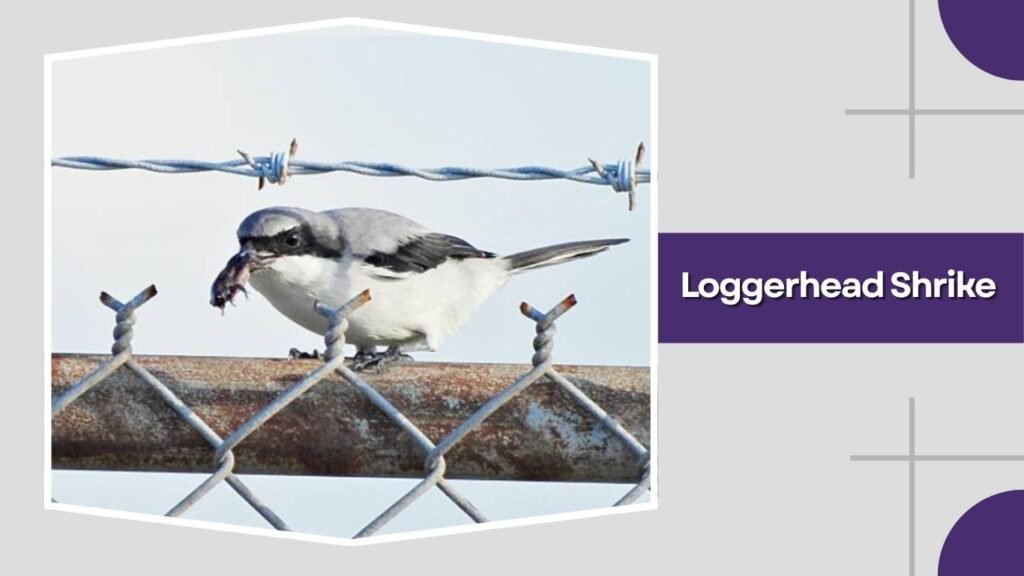
The Loggerhead Shrike is a striking black-and-white songbird with a bold personality and predatory behavior. Often called the “butcher bird,” it is known for hunting small animals despite its relatively small size.
Identification
- Gray upperparts with white underparts
- Distinct black mask across the eyes
- Black wings with white patches
- Long, narrow tail with white edges
- Strong, slightly hooked beak
- Medium-small body with an upright posture
Habitat
Loggerhead Shrikes are commonly found in open habitats such as grasslands, shrublands, farmlands, and desert edges in Colorado. They prefer areas with scattered bushes, fences, or utility wires that serve as perches for hunting. These birds rely on open visibility to spot prey and avoid dense forests. They are often seen in rural and agricultural regions where food sources are available.
Behaviors
This bird is known for its unique hunting behavior. It often catches prey and impales it on thorns, barbed wire, or sharp branches to store food or make it easier to eat. Loggerhead Shrikes are usually solitary and highly territorial. They perch in exposed locations, watching for movement before making quick, direct flights to capture prey. Their behavior is bold and focused, resembling that of a small raptor.
Diet and Lifespan
Loggerhead Shrikes feed on insects, small birds, lizards, and rodents. Their strong beak allows them to handle prey larger than expected for their size. This carnivorous diet supports their active hunting lifestyle. The average lifespan is around 5 to 8 years in the wild, though it can vary depending on habitat conditions and food availability.
15. Black Phoebe
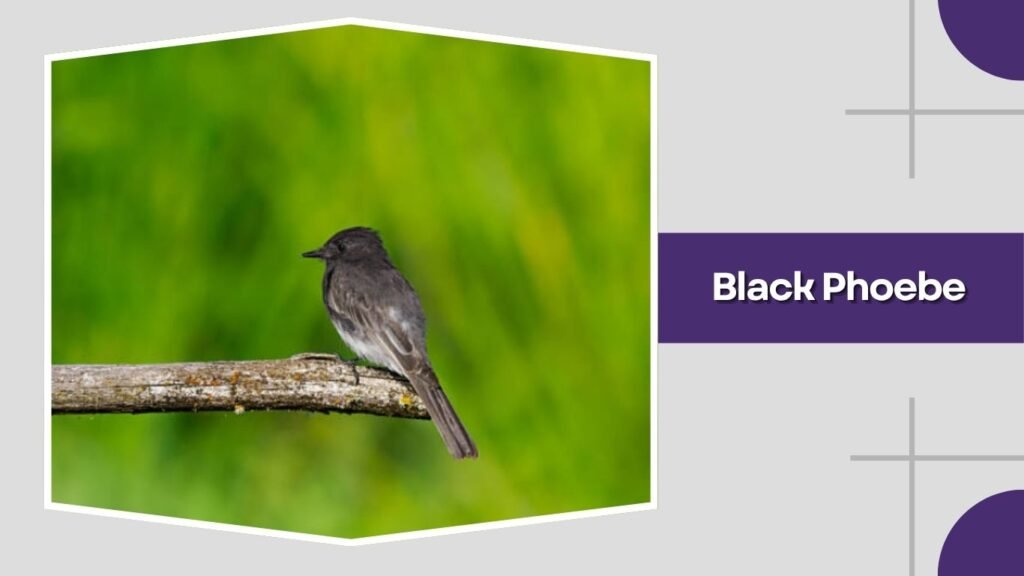
The Black Phoebe is a sleek and simple-looking bird with a bold black-and-white contrast. It is commonly found near water and is known for its calm behavior and frequent tail dipping.
Identification
- Mostly black body with a clean white belly
- Dark head, chest, and upperparts
- Straight, thin black bill
- Medium-small size with a compact shape
- Long tail often flicked downward
- Dark eyes with a subtle, alert look
Habitat
Black Phoebes are typically found near water sources such as streams, rivers, ponds, and lakes in Colorado. They prefer habitats with open space for flying and nearby structures like rocks, bridges, or buildings for nesting. These birds adapt well to human presence and are often seen in parks, farms, and suburban areas, as long as water is nearby. They build cup-shaped nests, usually attached to vertical surfaces.
Behaviors
This bird is often seen perched quietly before making short flights to catch insects in mid-air. It frequently returns to the same perch after each flight. One of its most noticeable behaviors is constantly dipping its tail up and down. Black Phoebes are generally solitary and calm but will defend their nesting area when needed. Their flight is quick and direct, usually over short distances.
Diet and Lifespan
The Black Phoebe mainly feeds on flying insects such as flies, beetles, and wasps. It catches prey in the air or near the ground with quick, precise movements. Occasionally, it may eat small fish or aquatic insects near water. This diet supports its active hunting style. The average lifespan is around 5 to 8 years in the wild, depending on environmental conditions.
16. American Dipper
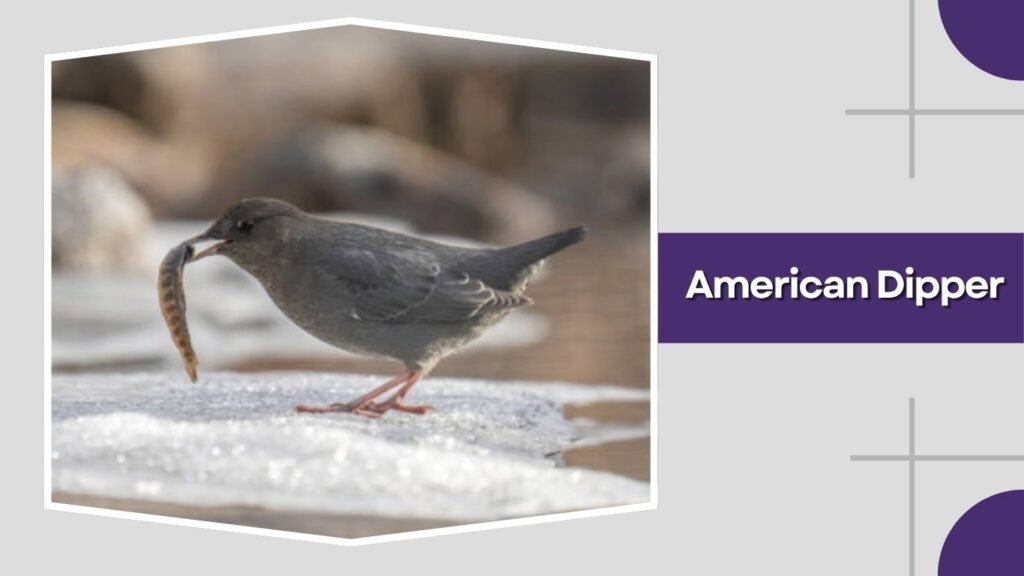
The American Dipper is a unique black-and-white bird known for its association with fast-moving streams and rivers. Unlike most birds, it can walk underwater, making it one of the most unusual species found in Colorado.
Identification
- Dark gray to black body with a contrasting white throat and chest
- Stocky, compact shape with a short tail
- Strong legs adapted for gripping rocks
- Thin, pointed bill
- Often appears slightly rounded or puffed up
- Constant bobbing motion when perched
Habitat
American Dippers are closely tied to clean, fast-flowing streams, rivers, and mountain creeks in Colorado. They are most commonly found in mountainous regions where water is clear and rich in aquatic life. These birds require rocky streambeds for foraging and nesting. They often build nests on cliffs, ledges, or under bridges near water. Their dependence on freshwater habitats makes them a strong indicator of environmental health.
Behaviors
This bird is famous for its ability to dive and walk underwater in search of food. It uses its wings to “fly” through water, gripping rocks to stay stable in strong currents. American Dippers are usually seen alone and are highly territorial. They frequently bob up and down while perched, a behavior that gives them their name. Their flight is fast and direct, often low over water.
Diet and Lifespan
The American Dipper mainly feeds on aquatic insects, larvae, and small fish. It finds food by diving into streams and picking prey from beneath rocks. This specialized diet makes it highly dependent on clean water sources. The average lifespan is around 6 to 8 years in the wild, depending on habitat quality and environmental conditions.
FAQs
What are the most common black and white birds in Colorado?
Some of the most common black and white birds in Colorado include the Black-billed Magpie, Black-capped Chickadee, Downy Woodpecker, and White-breasted Nuthatch. These species are frequently seen in forests, parks, and even residential areas throughout the year.
Are black and white birds found in all habitats in Colorado?
Yes, black and white birds can be found in a wide range of habitats, including forests, grasslands, wetlands, and mountainous regions. Each species adapts to specific environments depending on food availability, nesting sites, and climate conditions.
Why do some birds have black and white coloration?
Black and white coloration can serve multiple purposes, such as camouflage, communication, and mate attraction. High-contrast patterns also help birds recognize each other and may play a role in avoiding predators or signaling dominance.
Do black and white birds migrate in Colorado?
Some black and white birds in Colorado are year-round residents, while others migrate seasonally. For example, species like the Black-capped Chickadee stay year-round, while others such as the Black-and-white Warbler pass through during migration periods.
Are black and white birds easy to identify?
Yes, many black and white birds are relatively easy to identify due to their strong color contrast and distinctive markings. Features like patterns on wings, head markings, and body shape make them easier to recognize compared to more uniformly colored birds.