
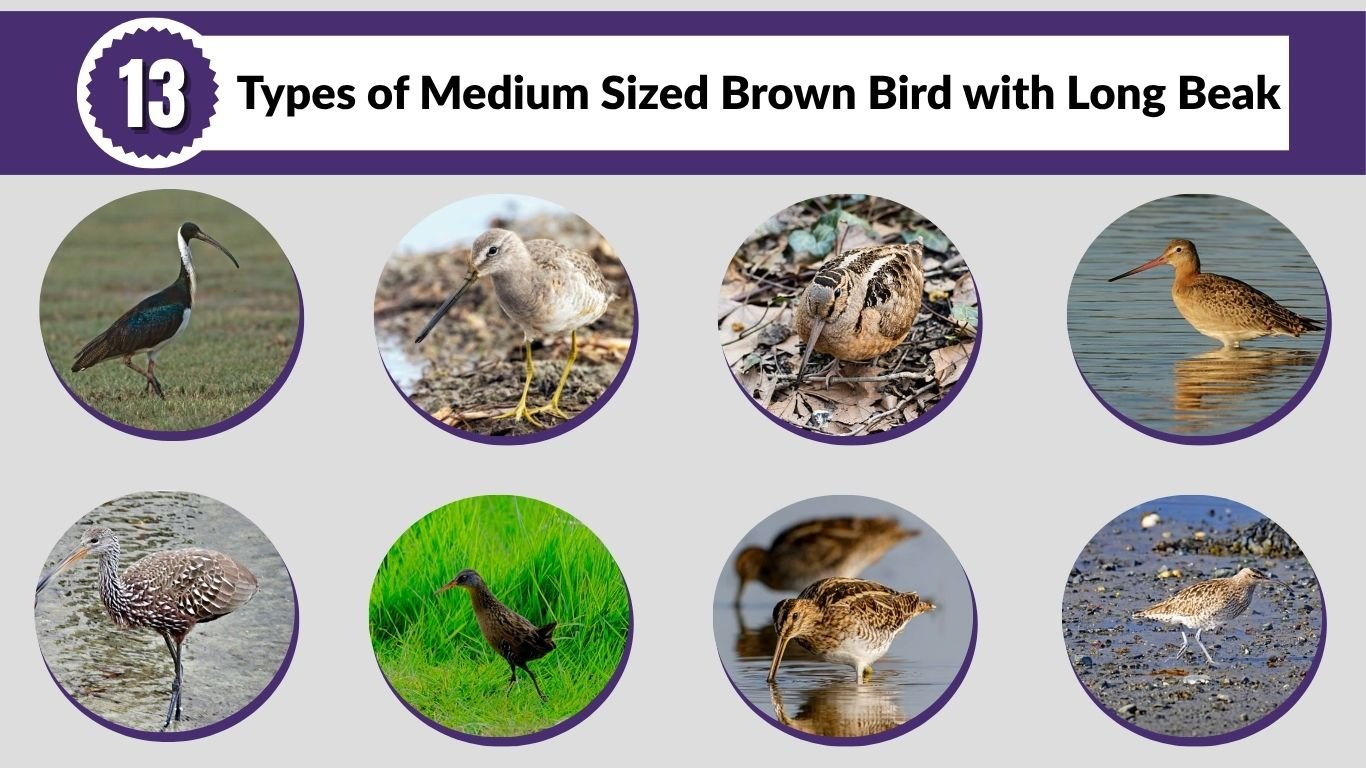
Medium-sized brown birds with long beaks are fascinating species known for their unique feeding adaptations and natural camouflage. Their earthy colors help them blend into their surroundings, while their long bills allow them to probe soil, mud, or water for hidden prey. These birds can be found in a variety of habitats, including wetlands, forests, grasslands, and coastal regions. This guide highlights 13 different types, helping you understand their key features, behaviors, and where they are commonly found.
1. Brown Thrasher
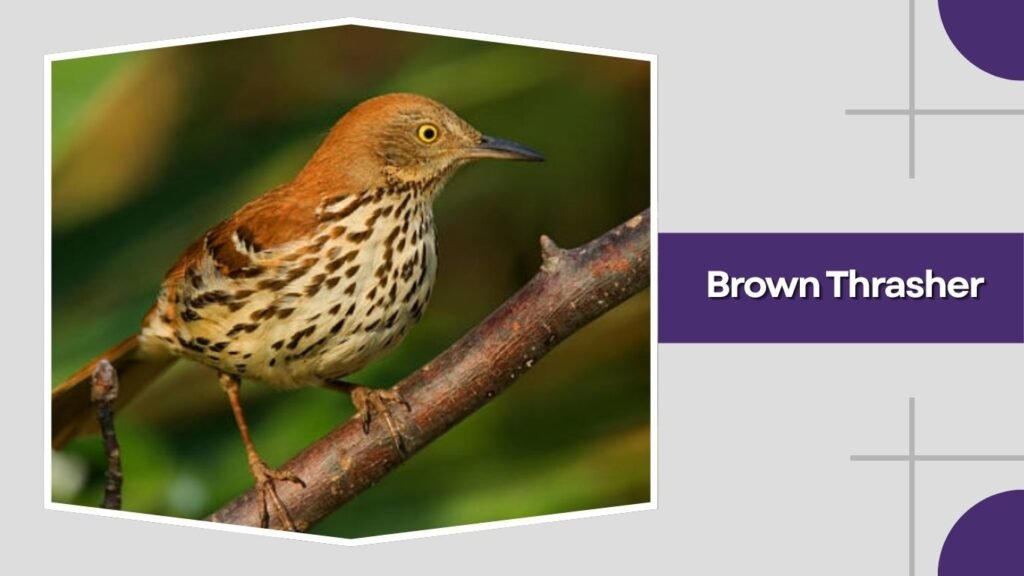
The Brown Thrasher is a medium-sized songbird recognized for its warm brown coloration, long tail, and slightly curved bill. It is widely known for its impressive vocal ability, capable of producing hundreds of different song phrases. Although often hidden in dense vegetation, it is a common species in suitable habitats and plays an important role in controlling insect populations.
Identification
- Rich reddish-brown upperparts with a smooth, glossy appearance
- Long, slightly down-curved bill ideal for probing soil and leaf litter
- Bright yellow eyes that are highly distinctive
- Pale underparts heavily streaked with dark markings
- Long tail that is often flicked or held slightly raised
- Slender, medium-sized body with strong legs
Habitat
Brown Thrashers prefer dense, shrubby habitats where they can remain concealed while foraging and nesting. They are commonly found in thickets, hedgerows, forest edges, overgrown fields, and suburban areas with thick vegetation. These birds rely heavily on ground cover and low shrubs for protection from predators. They are more likely to be heard than seen, as they spend much of their time moving quietly through dense undergrowth. During the breeding season, they establish territories in areas with abundant cover and food resources.
Behaviors
This species is both secretive and bold depending on the situation. While it often stays hidden, it can become aggressive when defending its nest. Brown Thrashers are known for their complex songs, often repeating phrases twice in a pattern. They forage mainly on the ground, using a sweeping motion of their bill to move leaves aside in search of food. Their behavior includes frequent tail flicking and quick movements through dense vegetation. They are usually solitary or seen in pairs.
Diet and Lifespan
The Brown Thrasher has an omnivorous diet that includes insects, spiders, earthworms, fruits, and berries. It uses its long bill to dig and probe for hidden prey, especially in leaf litter. Seasonal changes influence its diet, with more fruits consumed in colder months. This flexibility helps it survive in different environments. The average lifespan is around 3 to 5 years in the wild, though some individuals may live longer depending on conditions.
2. Long-billed Curlew
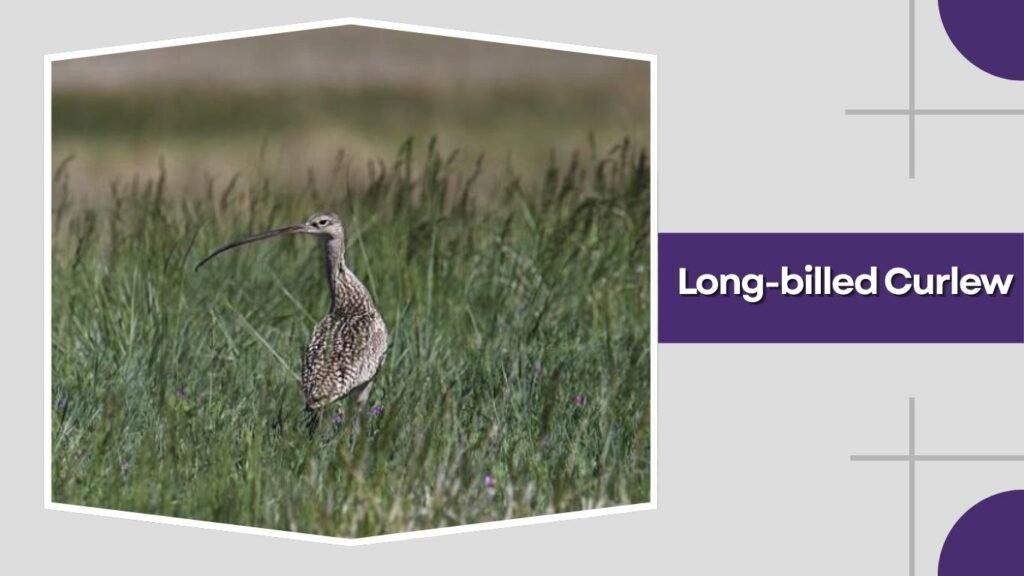
The Long-billed Curlew is a medium-sized shorebird known for its extremely long, curved bill and overall brown coloration. It is one of the largest sandpipers and is easily recognized by its unique shape and graceful presence in open landscapes.
Identification
- Warm brown body with subtle mottled patterns
- Very long, slender, downward-curved bill
- Pale underparts with light streaking
- Long legs adapted for wading
- Rounded head with a gentle facial expression
- Medium to large body with an elongated shape
Habitat
Long-billed Curlews are commonly found in open habitats such as grasslands, prairies, coastal shores, and mudflats. They prefer wide, open areas where they can easily spot predators and search for food. During the breeding season, they are often seen in dry grasslands, while in non-breeding seasons they move to coastal regions and wetlands. These birds rely on open ground and shallow water areas for feeding and nesting.
Behaviors
This bird is usually seen walking slowly across open ground or shallow water while probing with its long bill. It uses its bill to reach deep into soil or sand to find hidden prey. Long-billed Curlews are generally calm and are often seen alone or in small groups. Their flight is steady and smooth, and they may produce soft, whistling calls. They are alert and maintain distance from potential threats.
Diet and Lifespan
The Long-billed Curlew mainly feeds on insects, crustaceans, worms, and small aquatic animals. Its long bill allows it to access prey deep in the ground or mud. This specialized feeding method makes it highly efficient in its environment. The average lifespan is around 10 to 15 years in the wild, depending on habitat conditions and environmental factors.
3. Marbled Godwit
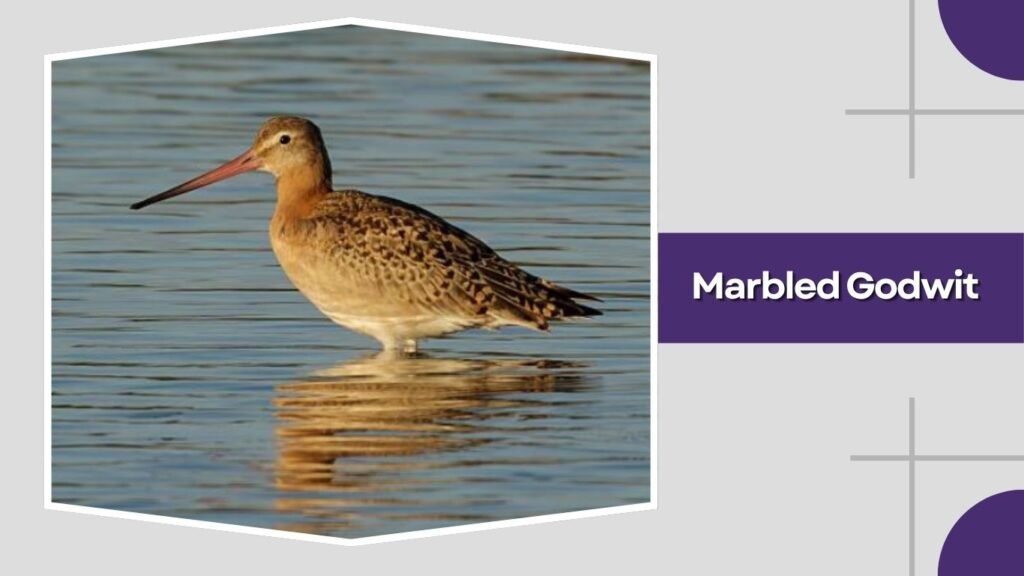
The Marbled Godwit is a medium to large shorebird known for its warm brown coloration and long, slightly upturned bill. It is often seen in open coastal areas and wetlands, where its graceful movements and soft plumage make it stand out.
Identification
- Buffy brown body with a marbled or mottled pattern
- Long, slightly upturned pinkish bill with a darker tip
- Pale underparts with light streaking
- Long legs suited for wading
- Distinct cinnamon-colored wing patches visible in flight
- Medium-large body with an elegant, elongated shape
Habitat
Marbled Godwits are typically found in coastal lagoons, estuaries, mudflats, and inland wetlands. During the breeding season, they prefer grasslands and prairie regions, while in non-breeding seasons they move to coastal areas. These birds rely on shallow water and soft mud where they can easily forage. They are often seen in open environments with minimal vegetation, which allows them to detect predators and move freely.
Behaviors
This bird is usually seen walking steadily through shallow water, using its long bill to probe the mud for food. It may also sweep its bill side to side to locate prey. Marbled Godwits are often seen in small groups, especially outside the breeding season. Their flight is strong and direct, with noticeable wing patterns. They are generally calm but remain alert to potential threats in open habitats.
Diet and Lifespan
Marbled Godwits mainly feed on worms, crustaceans, insects, and small aquatic invertebrates. Their long bill helps them reach prey buried in mud or sand. This feeding strategy makes them well suited for wetland environments. The average lifespan is around 10 to 15 years in the wild, depending on environmental conditions and habitat quality.
4. Whimbrel
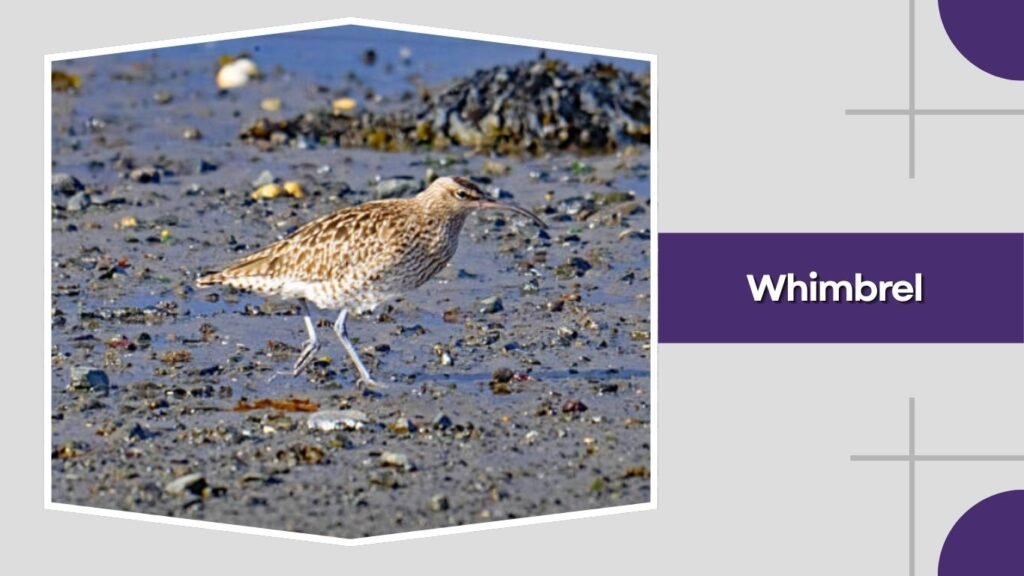
The Whimbrel is a medium-sized shorebird recognized for its long, curved bill and overall brown, streaked appearance. It is a highly migratory species, often seen along coastlines and wetlands, where it forages with precision and patience.
Identification
- Brown body with heavy streaking across the chest and back
- Long, slender, downward-curved bill
- Distinct pale stripe running down the center of the crown
- Long legs adapted for wading in shallow water
- Subtle barred pattern on wings and tail
- Medium-sized body with a slightly hunched posture
Habitat
Whimbrels are commonly found in coastal habitats such as mudflats, estuaries, beaches, and tidal marshes. During migration, they may also appear in inland wetlands, grasslands, and agricultural fields. They prefer open areas with soft ground or shallow water, where they can easily probe for food. Breeding typically occurs in northern tundra regions, while non-breeding seasons are spent in warmer coastal environments.
Behaviors
This bird is usually seen walking slowly while probing the ground with its long bill. It often feeds by inserting its bill deep into mud or sand to locate hidden prey. Whimbrels are generally solitary or found in small groups, though larger flocks may gather during migration. They are alert and cautious, quickly reacting to disturbances. Their flight is steady and powerful, often accompanied by distinctive whistling calls.
Diet and Lifespan
The Whimbrel feeds mainly on crabs, insects, worms, and other small invertebrates. It uses its long bill to reach prey buried beneath the surface. In coastal areas, crabs make up a significant portion of its diet. This varied feeding strategy helps it adapt to different environments. The average lifespan is around 10 to 15 years in the wild, depending on environmental conditions and migration challenges.
5. Eurasian Curlew
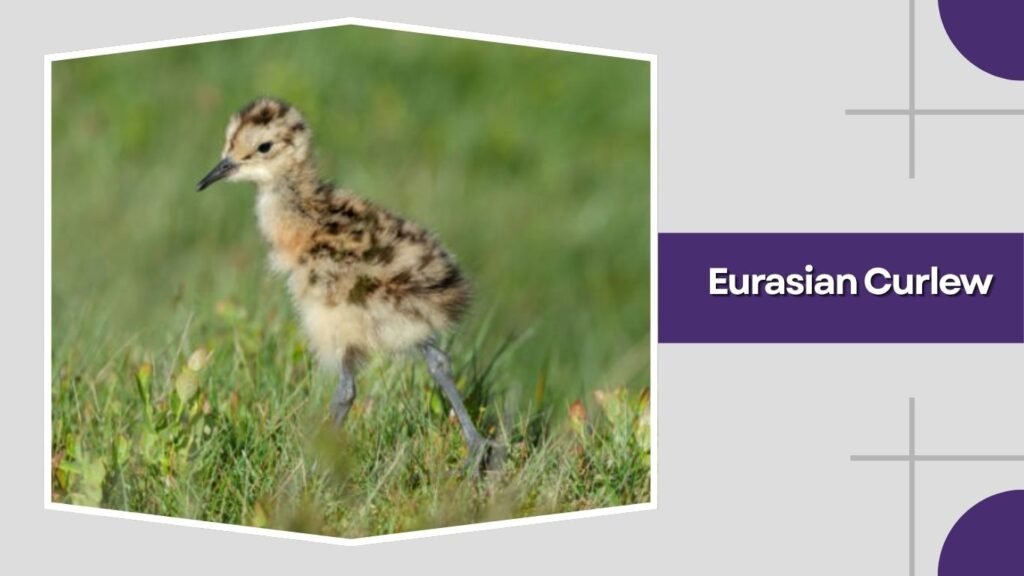
The Eurasian Curlew is a large, medium-built shorebird known for its very long, downward-curved bill and overall brown, streaked appearance. It is one of the most recognizable curlews and is often seen in open landscapes where its size and shape stand out clearly.
Identification
- Overall brown plumage with fine streaks and mottled patterns
- Very long, slender, downward-curved bill
- Pale underparts with subtle streaking
- Long legs suited for walking and wading
- Rounded head with a gentle expression
- Large, elongated body with a slightly hunched posture
Habitat
Eurasian Curlews are typically found in open habitats such as grasslands, wetlands, mudflats, and coastal areas. During the breeding season, they prefer moorlands, meadows, and marshy fields. In non-breeding seasons, they are often seen along coastlines, estuaries, and tidal flats. These birds rely on wide, open spaces with soft ground or shallow water where they can forage easily. They avoid dense forests and instead favor landscapes with clear visibility.
Behaviors
This bird is usually seen walking slowly while probing the ground with its long bill. It feeds by inserting its bill deep into soil or mud to locate hidden prey. Eurasian Curlews are often solitary or seen in small groups, though larger gatherings may occur during migration. They are cautious and alert, quickly moving away from threats. Their flight is strong and steady, often accompanied by distinctive, haunting calls.
Diet and Lifespan
The Eurasian Curlew mainly feeds on worms, insects, crustaceans, and other invertebrates. Its long bill allows it to reach prey buried deep beneath the surface. In coastal areas, it may also feed on crabs and small marine organisms. This varied diet supports its survival across different habitats. The average lifespan is around 10 to 20 years in the wild, depending on environmental conditions and habitat quality.
6. American Woodcock
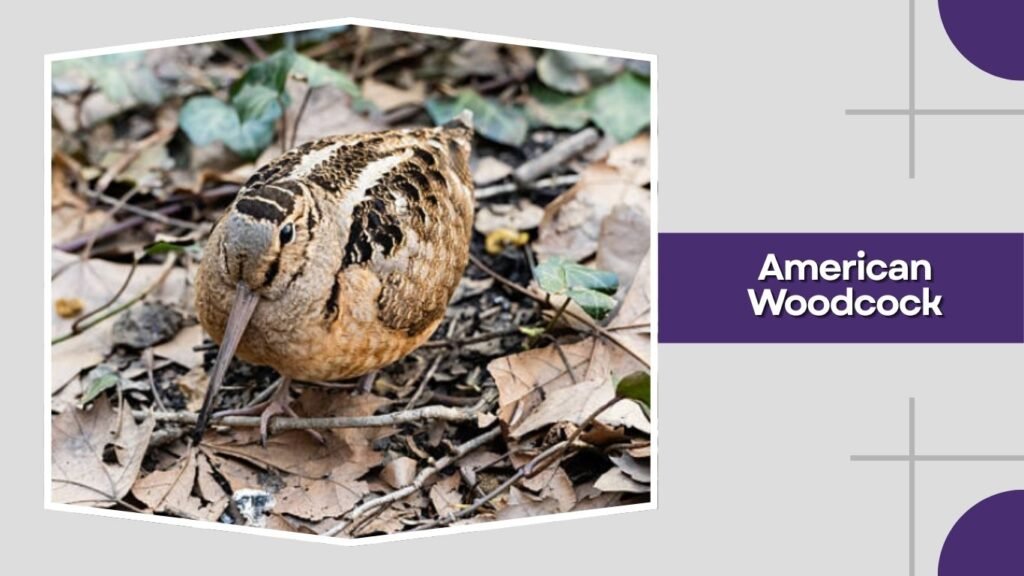
The American Woodcock is a medium-sized, brown bird known for its long, straight bill and excellent camouflage. Its mottled plumage allows it to blend perfectly with forest floors, making it difficult to spot despite being fairly common in suitable habitats.
Identification
- Mottled brown, gray, and black plumage for camouflage
- Long, straight bill adapted for probing soil
- Large eyes set high and far back on the head
- Short legs and a compact, rounded body
- Short tail with a slightly plump appearance
- Overall earthy coloration that blends with leaf litter
Habitat
American Woodcocks are typically found in moist woodlands, young forests, thickets, and areas with dense undergrowth. They prefer habitats with soft, damp soil where they can easily probe for food. These birds are often associated with forest edges, overgrown fields, and shrubby areas near wetlands. They rely on thick vegetation for cover during the day and may move to more open areas at dusk for feeding.
Behaviors
This bird is mostly active during dawn and dusk. It is known for its unique courtship display, where males perform aerial flights accompanied by distinctive sounds. On the ground, it moves slowly and deliberately, often rocking its body as it walks. This motion is believed to help detect prey underground. American Woodcocks are generally solitary and rely on camouflage to avoid predators rather than flight.
Diet and Lifespan
The American Woodcock mainly feeds on earthworms, which make up the majority of its diet. It uses its long bill to probe deep into soft soil to locate prey. It may also eat insects and other small invertebrates. This specialized feeding habit makes it dependent on moist environments. The average lifespan is around 3 to 6 years in the wild, depending on habitat conditions and environmental factors.
7. Common Snipe
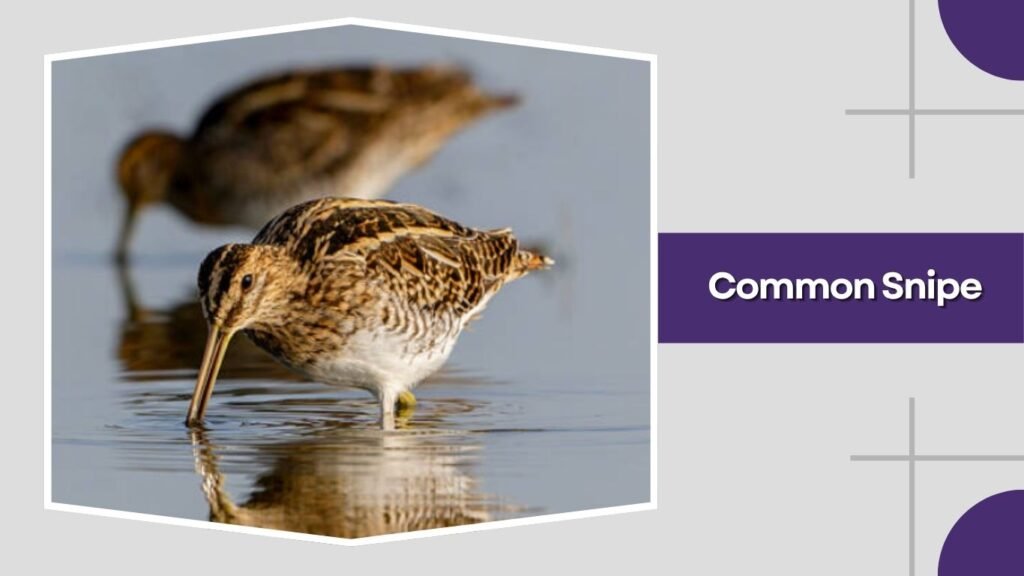
The Common Snipe is a medium-sized, brown bird known for its long, straight bill and excellent camouflage. Its striped and mottled plumage allows it to blend seamlessly into wetland vegetation, making it difficult to spot despite being fairly widespread.
Identification
- Brown body with bold buff and black stripes on the head and back
- Long, straight, pointed bill used for probing
- Pale underparts with fine barring
- Relatively short legs compared to other waders
- Rounded wings and a compact, slightly stocky body
- Dark eye with a subtle facial stripe pattern
Habitat
Common Snipes are typically found in wetlands such as marshes, bogs, wet meadows, and the edges of lakes and rivers. They prefer areas with soft, waterlogged soil where they can easily probe for food. These birds rely on dense, low vegetation for cover, which helps them remain hidden from predators. During migration and winter, they may also be seen in agricultural fields and flooded grasslands.
Behaviors
This bird is often solitary and remains well hidden in vegetation. When disturbed, it suddenly bursts into flight with a fast, zigzag pattern, making it difficult for predators to catch. Common Snipes are most active during dawn and dusk, when they forage quietly. During the breeding season, males perform aerial displays that produce a distinctive “drumming” sound created by their tail feathers.
Diet and Lifespan
The Common Snipe mainly feeds on insects, larvae, worms, and small invertebrates. It uses its sensitive bill to detect prey beneath the surface of soft mud. This feeding method allows it to find food even without visual cues. The average lifespan is around 5 to 10 years in the wild, depending on habitat quality and environmental conditions.
8. Long-billed Dowitcher
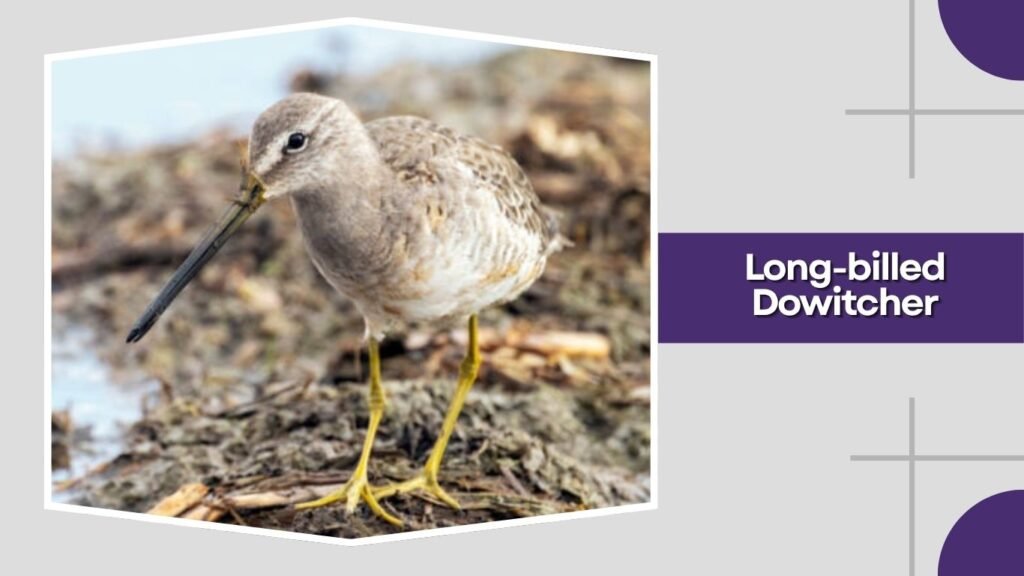
The Long-billed Dowitcher is a medium-sized shorebird recognized for its long, straight bill and rich brown plumage, especially during the breeding season. It is often seen in wetlands, where it feeds actively in shallow water.
Identification
- Brown body with a reddish or rusty tone in breeding season
- Long, straight, needle-like bill
- Pale underparts with fine barring
- Medium-length legs suited for wading
- Rounded head with a smooth profile
- Compact, slightly stocky body
Habitat
Long-billed dowitchers are commonly found in wetlands such as marshes, shallow ponds, mudflats, and flooded fields. They prefer areas with soft mud and shallow water, which provide ideal feeding conditions. During migration, they may appear in a wide range of wet habitats, including coastal and inland areas. These birds rely on open, wet environments where they can easily access food and detect predators.
Behaviors
This bird is known for its rapid, repetitive feeding motion, often described as a “sewing machine” action, as it quickly probes the mud with its bill. It is usually seen in small to medium-sized flocks, especially during migration. Long-billed Dowitchers are active and constantly moving while feeding. Their flight is fast and direct, and they often stay close together when flying in groups.
Diet and Lifespan
The Long-billed Dowitcher mainly feeds on insects, larvae, worms, and small aquatic invertebrates. It uses its long bill to probe deep into mud and water to locate prey. This feeding style makes it highly efficient in wetland habitats. The average lifespan is around 7 to 10 years in the wild, depending on environmental conditions and habitat quality.
9. Virginia Rail
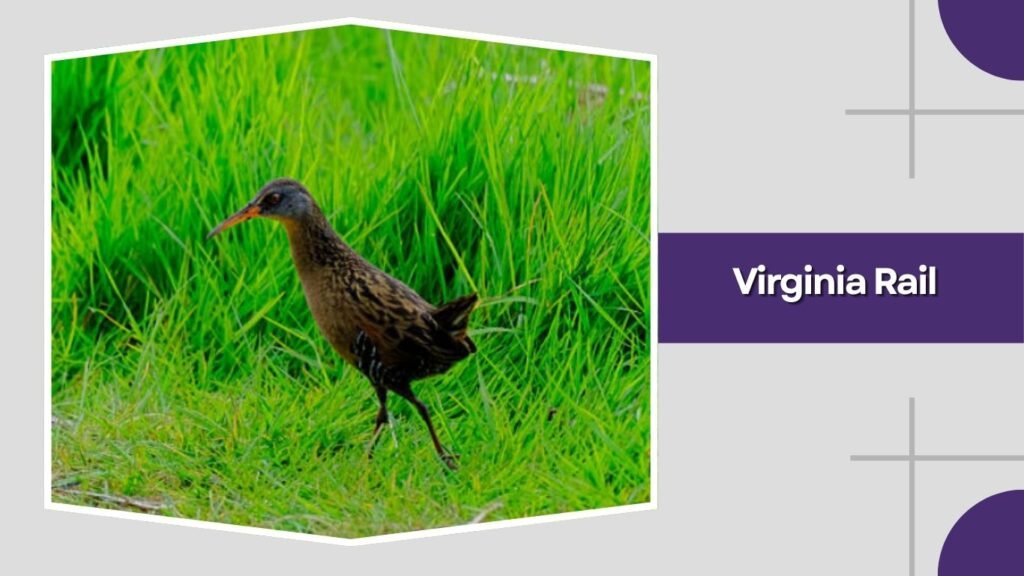
The Virginia Rail is a medium-sized, secretive bird with a long bill and rich brown coloration. It is rarely seen in the open, as it prefers to stay hidden within dense wetland vegetation, making it more often heard than observed.
Identification
- Warm brown upperparts with a slightly rusty tone
- Long, slightly down-curved reddish bill
- Gray face and underparts
- Black-and-white barring on the flanks
- Short tail often held slightly raised
- Medium-sized, laterally compressed body for moving through reeds
Habitat
Virginia Rails are typically found in freshwater marshes, wetlands, and areas with dense reeds or cattails. They prefer shallow water with thick vegetation that provides both cover and nesting sites. These birds are highly dependent on wetland ecosystems and are rarely found outside of them. They move quietly through dense plant growth, often staying hidden close to the ground or water surface.
Behaviors
This bird is very secretive and cautious, spending most of its time concealed in vegetation. It is more often detected by its calls than by sight. Virginia Rails are active mainly during dawn and dusk, when they forage for food. They move quickly through narrow spaces between reeds, using their slender bodies to navigate dense habitats. When threatened, they prefer to run and hide rather than fly.
Diet and Lifespan
The Virginia Rail feeds on a variety of small prey, including insects, aquatic invertebrates, snails, and small crustaceans. It may also consume seeds and plant material occasionally. Its long bill helps it pick food from mud and shallow water. The average lifespan is around 5 to 7 years in the wild, depending on habitat quality and environmental conditions.
10. Limpkin
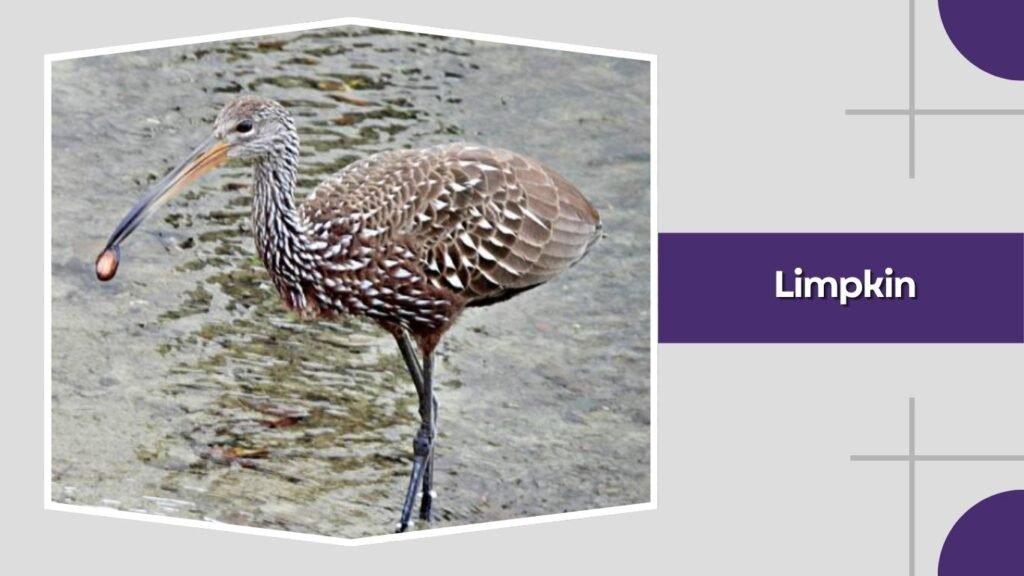
The Limpkin is a medium to large brown bird known for its long, slightly curved bill and distinctive spotted plumage. It is closely associated with wetlands and is especially famous for its loud, haunting calls, often heard at night.
Identification
- Dark brown body with white spots scattered across feathers
- Long, slightly down-curved bill adapted for specialized feeding
- Long legs suited for walking in shallow water
- Large, rounded body with a somewhat heavy appearance
- Long neck and slightly hunched posture
- Overall streaked and spotted pattern for camouflage
Habitat
Limpkins are typically found in freshwater wetlands, swamps, marshes, and the edges of lakes and rivers. They prefer habitats with abundant aquatic vegetation and shallow water. These birds are strongly associated with areas where apple snails are present, as this is their primary food source. They are most common in warm regions and tend to stay close to water throughout their lives. Nests are usually built near or above water in dense vegetation.
Behaviors
This bird is often seen walking slowly along the edges of water, carefully searching for prey. It is usually solitary or seen in pairs. Limpkins are known for their loud, wailing calls, especially during the night or early morning. Their movements are calm and deliberate, and they rely on patience while hunting. They are not strong fliers and prefer to stay within their wetland habitat.
Diet and Lifespan
The Limpkin mainly feeds on apple snails, using its long bill to extract them from their shells. It may also eat insects, small crustaceans, and other aquatic invertebrates when needed. This specialized diet makes it highly dependent on wetland ecosystems. The average lifespan is around 8 to 12 years in the wild, depending on habitat conditions and food availability.
11. Australian Ibis
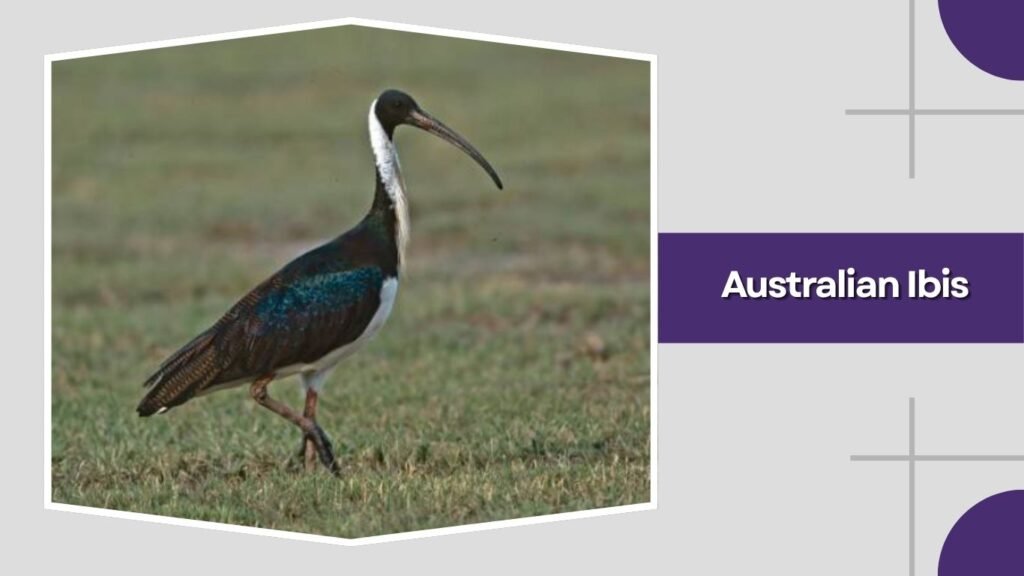
The Australian Ibis is a medium-sized brownish bird with a long, curved beak and a distinctive bare head. Although often associated with urban areas today, it is naturally a wetland species adapted for probing in soft ground.
Identification
- Mostly white body with brownish tones on wings
- Long, down-curved black bill
- Bare black head and neck
- Long legs suited for walking and wading
- Broad wings with dark tips
- Medium-large body with a slightly heavy build
Habitat
Australian Ibises are commonly found in wetlands such as marshes, swamps, and floodplains. They prefer areas with shallow water and soft soil where they can easily search for food. In recent years, they have also adapted to urban environments, including parks, landfills, and city areas where food is readily available. They require open spaces for foraging and nearby trees or structures for nesting.
Behaviors
This bird is often seen walking slowly while probing the ground with its long bill. It uses its sense of touch to locate food in mud or soil. Australian Ibises are social and are frequently seen in groups, especially in feeding areas. They are also known for their adaptability, often taking advantage of human-related food sources. Their flight is steady, with slow wingbeats.
Diet and Lifespan
The Australian Ibis feeds on insects, small animals, crustaceans, and plant material. It may also scavenge food from human waste in urban areas. This flexible diet allows it to survive in both natural and urban environments. The average lifespan is around 10 to 15 years in the wild, depending on habitat and food availability.
12. Bush Stone-curlew
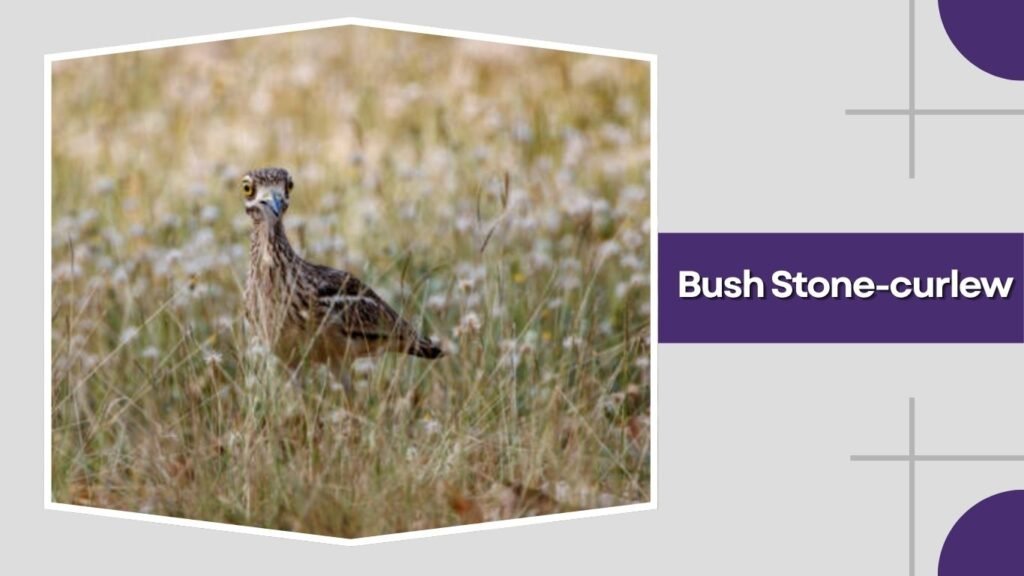
The Bush Stone-curlew is a medium-sized, brown bird known for its long legs, long bill, and excellent camouflage. It has a striking appearance with large eyes and a patterned body that blends perfectly into dry, open landscapes.
Identification
- Mottled brown and gray plumage for camouflage
- Long, straight to slightly curved bill
- Large yellow eyes adapted for night activity
- Long legs suited for walking on open ground
- Streaked and patterned feathers that blend with surroundings
- Medium-sized body with a slightly upright posture
Habitat
Bush Stone-curlews are typically found in dry, open habitats such as grasslands, woodlands, and scrublands. They prefer areas with sparse vegetation and plenty of open ground, which allows them to remain hidden while still having visibility. These birds are often associated with lightly wooded areas and may also be found in farmlands or rural environments. They rely heavily on camouflage and quiet surroundings for survival.
Behaviors
This bird is mostly nocturnal and is rarely active during the day. It often stands completely still to avoid detection, relying on its camouflage rather than flight. Bush Stone-curlews are usually seen alone or in pairs and are known for their eerie, wailing calls at night. Their movements are slow and deliberate, and they prefer walking over flying. When threatened, they freeze in place to blend into their environment.
Diet and Lifespan
The Bush Stone-curlew feeds mainly on insects, small reptiles, and other invertebrates. It forages on the ground, using its long bill to pick up prey. Occasionally, it may eat small mammals or seeds. This varied diet helps it survive in dry environments. The average lifespan is around 10 to 15 years in the wild, depending on habitat conditions and availability of food.
13. Plain Chachalaca
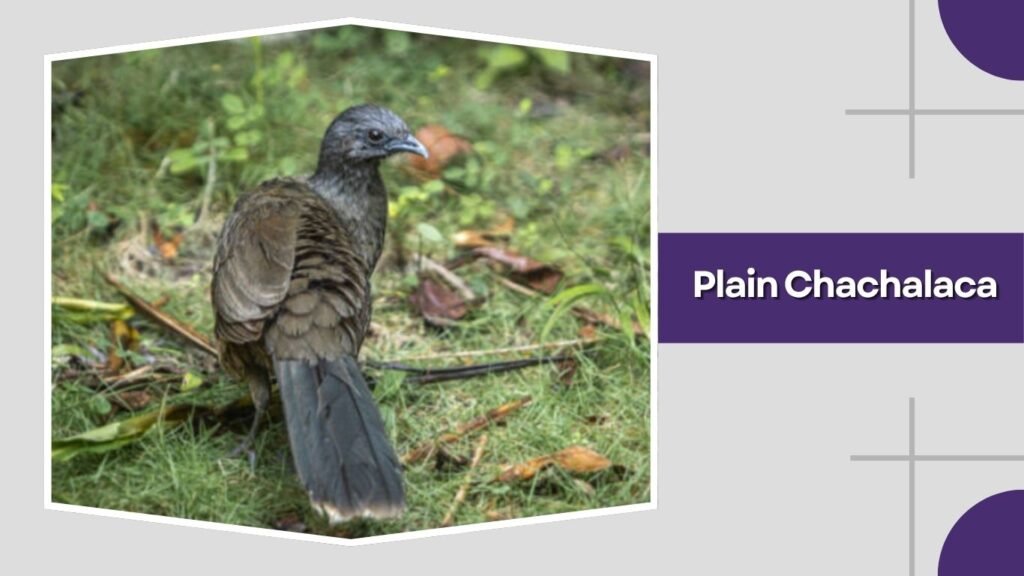
The Plain Chachalaca is a medium-sized, brown bird with a long tail and moderately long beak. It is known for its loud, repetitive calls and social nature, often seen moving in small groups through trees and shrubs.
Identification
- Overall brown to gray-brown plumage with a slightly dull tone
- Long tail with darker shading toward the tip
- Medium-length, slightly curved bill
- Bare reddish skin around the eye
- Strong legs adapted for walking and climbing
- Medium-sized body with a somewhat bulky shape
Habitat
Plain Chachalacas are typically found in woodlands, forest edges, scrublands, and areas with dense shrubs. They prefer habitats with a mix of trees and open spaces, allowing them to move easily while staying close to cover. These birds are commonly seen in warm regions and may also adapt to rural and suburban environments. They rely on trees for roosting and nesting, often staying within areas that provide both food and shelter.
Behaviors
This bird is highly social and is usually seen in small groups. It moves actively through trees and bushes, often climbing and hopping rather than flying long distances. Plain Chachalacas are best known for their loud, harsh calls, which are often heard at dawn and used for communication within groups. They are alert and cautious, quickly retreating into vegetation when disturbed.
Diet and Lifespan
The Plain Chachalaca mainly feeds on fruits, leaves, seeds, and occasionally insects. It forages in trees and on the ground, taking advantage of a variety of plant-based food sources. This flexible diet helps it adapt to different environments. The average lifespan is around 10 to 15 years in the wild, depending on habitat conditions and availability of food.
FAQs
What defines a medium-sized brown bird with a long beak?
A medium-sized brown bird with a long beak typically has an average body size (not too small or large), brown or earthy plumage for camouflage, and an extended bill used for probing soil, mud, or vegetation to find food.
Why do these birds have long beaks?
Long beaks help these birds reach food that is hidden deep in mud, soil, or water. This adaptation allows them to catch insects, worms, and other invertebrates that shorter-beaked birds cannot easily access.
Where are these birds commonly found?
These birds are found in a variety of habitats, including wetlands, grasslands, forests, and coastal areas. Their location depends on their diet, with many preferring soft ground or water-rich environments for feeding.
Are these birds migratory?
Some of these birds are migratory, especially shorebirds like curlews and snipes, which travel long distances between breeding and feeding grounds. Others, like thrashers and chachalacas, are mostly resident in their regions.
Are they easy to identify in the wild?
They can be moderately difficult to identify because many share similar brown coloration. However, features like bill shape, size, behavior, and habitat can help distinguish between different species.
