
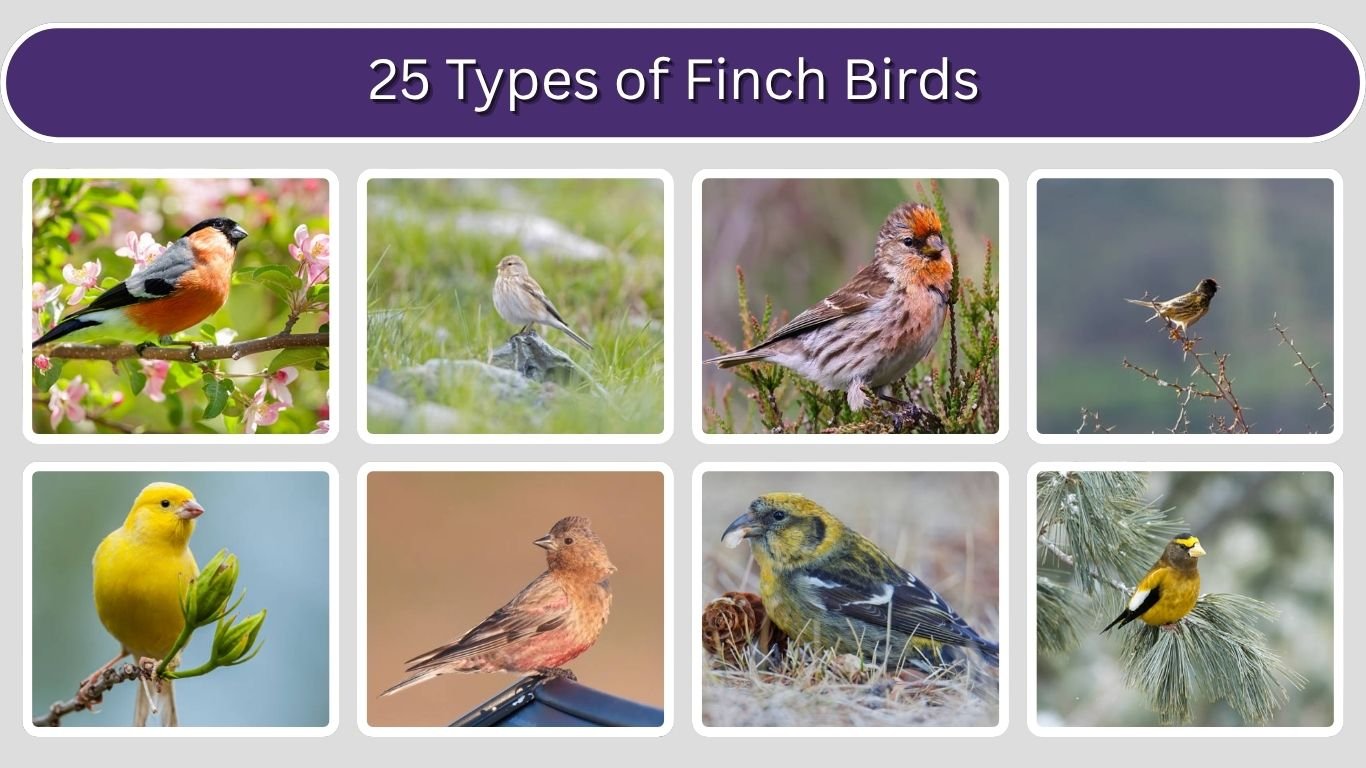
Finch birds are a diverse and fascinating group known for their small size, colorful plumage, and strong seed-cracking beaks. Found across a wide range of habitats, from forests and grasslands to mountains and urban areas, finches are admired for their adaptability and lively behavior. This guide explores 25 different types of finch birds, highlighting their unique features, habitats, and lifestyles, helping you better understand and identify these charming and active birds.
1. House Finch
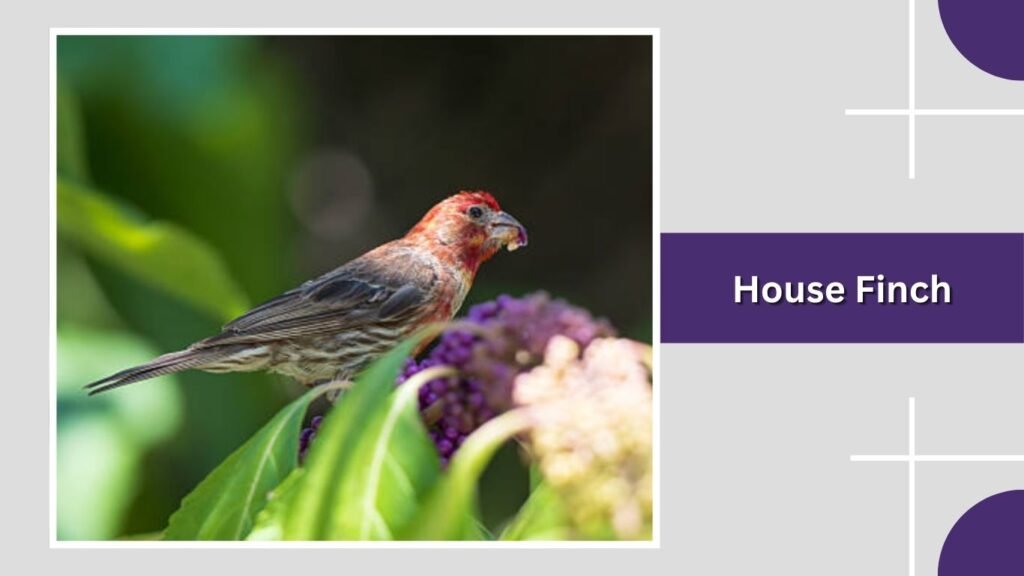
The House Finch is a small, widespread songbird known for its adaptability and pleasant, warbling song. Originally native to western North America, it has successfully expanded across much of the continent and is now a familiar sight in cities, towns, and rural areas. Its ability to live close to humans, combined with its colorful appearance in males, makes it one of the most recognizable finches.
Identification
- Small, compact body with a slightly rounded shape
- Adult males show red coloring on the head, throat, and chest
- Females are brown with heavy streaking and no red coloration
- Short, thick, conical beak adapted for cracking seeds
- Long, slightly notched tail
- Dark eyes and relatively plain facial pattern
Habitat
House Finches are extremely adaptable and thrive in a wide range of environments. They are commonly found in urban and suburban areas, including gardens, parks, and residential neighborhoods. They also inhabit open woodlands, grasslands, and desert edges. These birds prefer areas with access to water and elevated structures such as trees, buildings, or ledges for nesting. Their nests are often built in unusual places, including hanging planters, vents, and window ledges.
Behaviors
House Finches are social birds and are often seen in small flocks, especially outside the breeding season. Males are known for their continuous singing, often performed from high perches to attract mates. They are active and frequently move between feeding and resting spots. These birds are comfortable around humans and quickly adapt to feeders, where they may gather in groups. Their flight is light and undulating, with quick wingbeats.
Diet and Lifespan
The House Finch primarily feeds on seeds, grains, buds, and fruits. It favors sunflower seeds and is a regular visitor at backyard feeders. Occasionally, it may consume small insects, particularly during the breeding season. This flexible diet helps it survive in diverse environments. The average lifespan is around 5 to 10 years in the wild, although some individuals may live longer depending on conditions.
2. Purple Finch
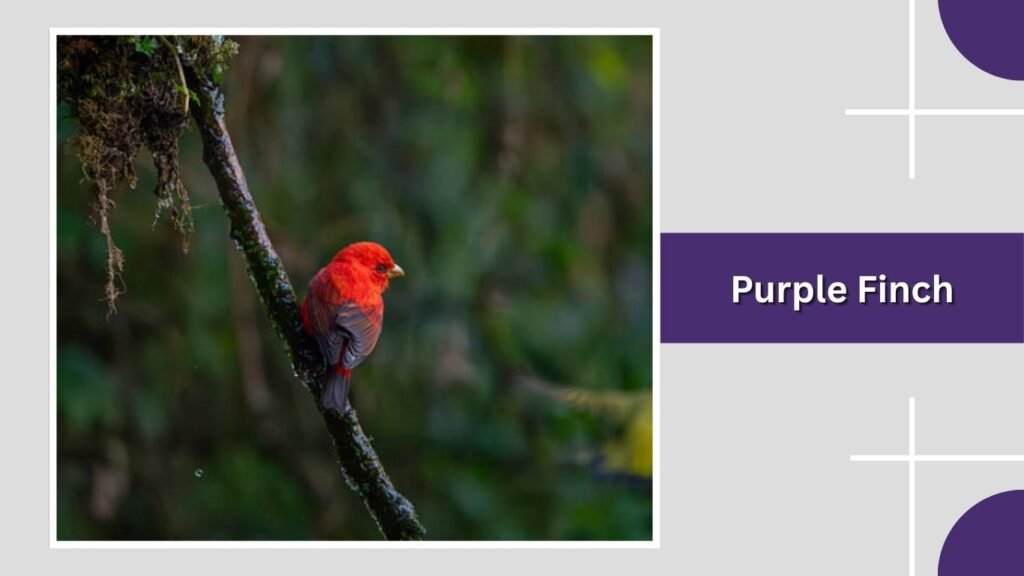
The Purple Finch is a colorful and charming finch known for the rich raspberry-red coloration of the male. Often described as a “sparrow dipped in berry juice,” this bird is slightly stockier than the House Finch and is commonly found in wooded areas.
Identification
- Medium-small body with a plump, rounded shape
- Males have deep raspberry-red coloration on head, chest, and back
- Females are brown with bold streaks and a distinct white eyebrow stripe
- Short, thick, conical beak for cracking seeds
- Notched tail with a slightly curved shape
- Strong facial markings, especially in females
Habitat
Purple Finches are typically found in coniferous and mixed forests, especially in northern and mountainous regions. They prefer areas with dense trees, where they can find shelter and food. During winter, they may move to lower elevations and are often seen in parks, gardens, and suburban areas. These birds rely on tree cover for nesting and are less commonly found in open urban spaces compared to House Finches.
Behaviors
Purple Finches are generally calm and less aggressive than some other finch species. They are often seen in small flocks, especially during migration and winter. Males sing rich, warbling songs from treetops to establish territory and attract mates. They are active feeders and may visit backyard feeders, though they are usually less dominant than House Finches. Their flight is smooth and slightly undulating.
Diet and Lifespan
Their diet mainly consists of seeds, berries, and buds, along with some insects during the breeding season. They are especially fond of seeds from conifer trees and may also visit feeders for sunflower seeds. This varied diet supports their survival in forested habitats. The average lifespan is around 5 to 8 years in the wild, depending on environmental conditions.
3. Cassin’s Finch
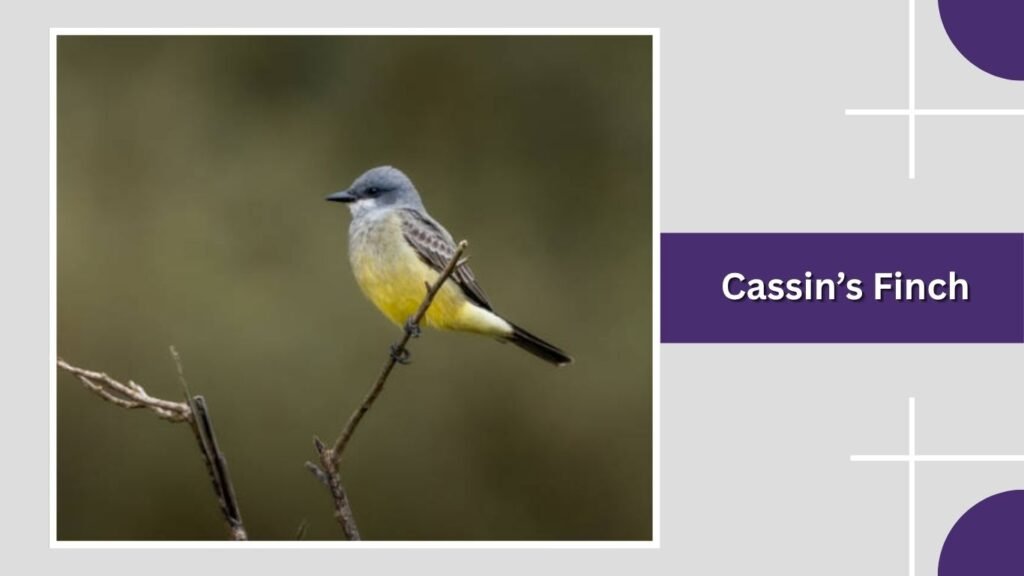
Cassin’s Finch is a medium-sized finch known for its subtle beauty and calm presence. It closely resembles the Purple Finch but can be identified by its more delicate coloring and slightly peaked head shape.
Identification
- Medium-small body with a slightly peaked crown
- Males have soft pinkish-red coloring on the head and chest
- Females are brown and streaked with less bold facial markings
- Short, thick, conical beak
- Notched tail with a balanced shape
- Overall smoother and less streaky appearance than similar finches
Habitat
Cassin’s Finches are typically found in mountainous regions, especially in coniferous forests. They prefer pine and mixed woodlands at higher elevations. During winter, they may move to lower elevations and are sometimes seen in open woodlands, parks, and suburban areas. These birds rely on tree-rich environments for food and nesting, often staying near forest edges or clearings.
Behaviors
These birds are generally quiet and less aggressive compared to other finches. They are often seen in small flocks, especially outside the breeding season. Males sing soft, melodic songs from treetops. Cassin’s Finches are active foragers and may visit feeders, though they are usually not dominant. Their flight is smooth and steady, with gentle undulations.
Diet and Lifespan
Cassin’s Finches mainly feed on seeds, buds, and berries, particularly from conifer trees. They may also consume insects during the breeding season. Their diet supports their life in forested habitats. The average lifespan is around 5 to 10 years in the wild, depending on environmental conditions and food availability.
4. American Goldfinch
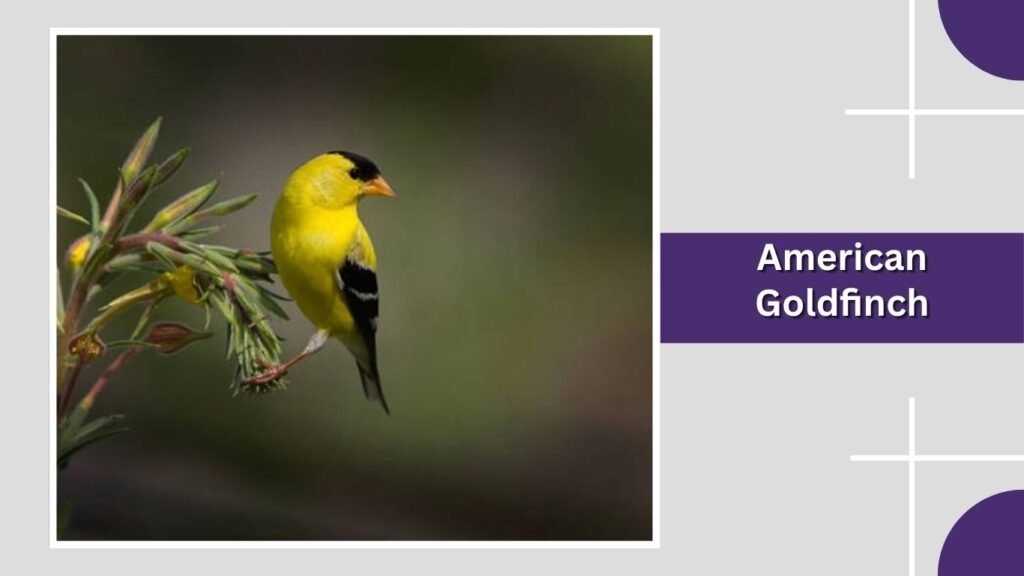
The American Goldfinch is a bright and cheerful finch known for its vibrant yellow color in males during the breeding season. It is a small, active bird often seen in open fields and backyard feeders, bringing a lively presence wherever it appears.
Identification
- Small, compact body with a short neck
- Males are bright yellow with black wings and a black cap (breeding season)
- Females are duller yellow or olive with less contrast
- Short, conical orange beak
- Black wings with white markings
- Short, notched tail
Habitat
American Goldfinches are commonly found in open areas such as fields, meadows, gardens, and roadsides. They prefer habitats with abundant seed-producing plants like thistles and sunflowers. These birds are also frequent visitors to backyard feeders. Unlike many finches, they avoid dense forests and instead favor open landscapes with scattered shrubs and trees for nesting.
Behaviors
These birds are highly active and social, often seen in small flocks. Their flight is bouncy and undulating, accompanied by soft, musical calls. American Goldfinches are unique in that they breed later in the season when seeds are most abundant. They are gentle and less aggressive compared to other finches and are commonly seen feeding quietly in groups.
Diet and Lifespan
The American Goldfinch has a mostly seed-based diet, feeding on thistle, sunflower, and other small seeds. It rarely eats insects, even during breeding season. This strict seed diet influences its late nesting period. The average lifespan is around 3 to 6 years in the wild, though some individuals may live longer.
5. Lesser Goldfinch
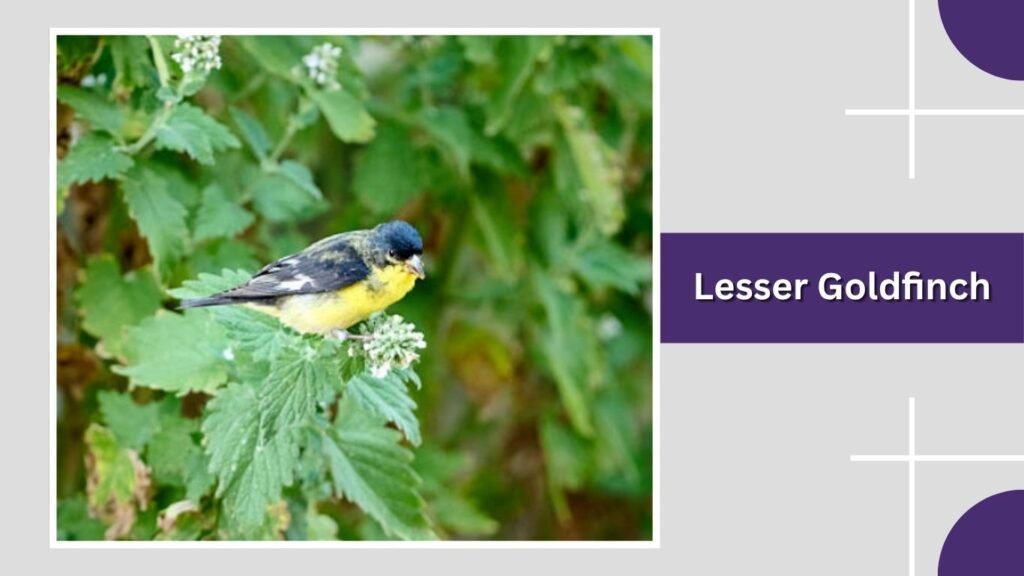
The Lesser Goldfinch is a small, lively finch known for its bright coloring and energetic behavior. It is commonly found in open areas and is especially noticeable for its cheerful movements and frequent visits to feeders.
Identification
- Small body with a compact and active appearance
- Males have bright yellow underparts with black or dark green backs
- Females are duller with more olive tones
- Short, conical bill suited for seeds
- Black wings with white markings
- Short, slightly notched tail
Habitat
Lesser Goldfinches are typically found in open woodlands, scrublands, gardens, and suburban areas. They prefer habitats with scattered trees and plenty of seed-producing plants. These birds are often seen near water sources and adapt well to human environments, frequently visiting backyard feeders. They avoid dense forests and favor more open, sunny areas.
Behaviors
These birds are active and social, often seen in small flocks. They move quickly between branches and feeders, showing constant energy. Their flight is light and undulating, similar to other goldfinches. Lesser Goldfinches are generally calm but can be assertive when competing for food. They communicate with soft, musical calls and are often heard before they are seen.
Diet and Lifespan
The Lesser Goldfinch mainly feeds on seeds from weeds, grasses, and trees. It also enjoys sunflower seeds and frequently visits feeders. Occasionally, it may eat small insects. This varied diet supports its active lifestyle. The average lifespan is around 4 to 7 years in the wild, depending on environmental conditions.
6. European Goldfinch
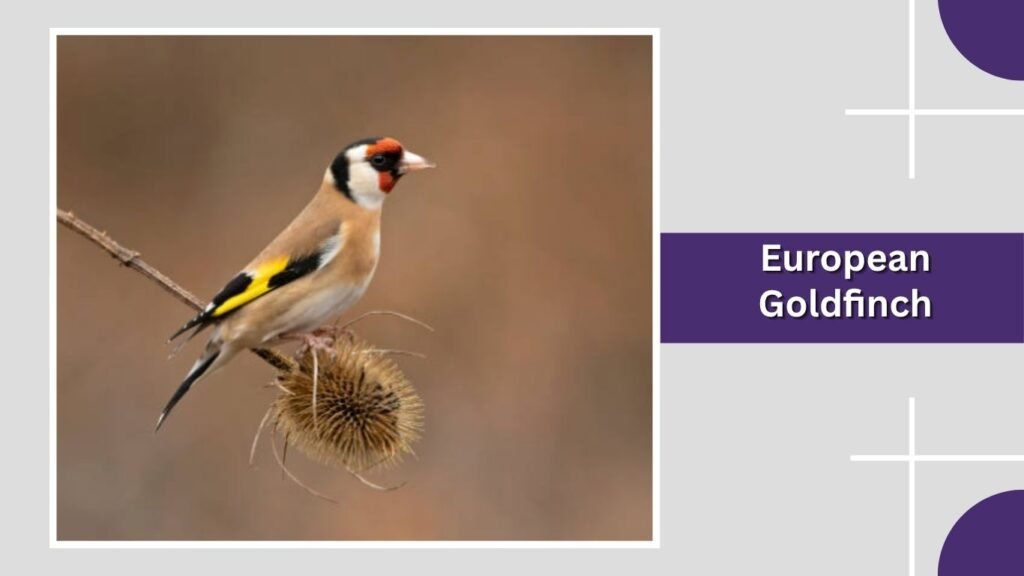
The European Goldfinch is a colorful and elegant finch, easily recognized by its bright red face and striking black-and-yellow wings. It is a popular bird in gardens and open countryside due to its beauty and pleasant song.
Identification
- Small, slender body with a delicate appearance
- Bright red face mask around the beak
- Black and white head with clear contrast
- Warm brown back and pale underparts
- Black wings with bold yellow patches
- Short, conical bill suited for seeds
Habitat
European Goldfinches are commonly found in open habitats such as meadows, gardens, orchards, and farmland. They prefer areas with scattered trees and plenty of seed-producing plants like thistles. These birds are often seen in both rural and urban environments and adapt well to human presence. They usually nest in trees or shrubs, choosing well-hidden spots among leaves.
Behaviors
These birds are social and are often seen in small flocks, especially outside the breeding season. They are active and agile, frequently moving between plants while feeding. European Goldfinches are known for their pleasant, tinkling songs and soft calls. Their flight is light and undulating, and they often travel in groups while foraging.
Diet and Lifespan
The European Goldfinch mainly feeds on seeds, particularly from thistles and other small plants. It may also eat insects during the breeding season. This diet supports its active lifestyle and colorful plumage. The average lifespan is around 5 to 8 years in the wild, depending on environmental conditions and food availability.
7. Zebra Finch
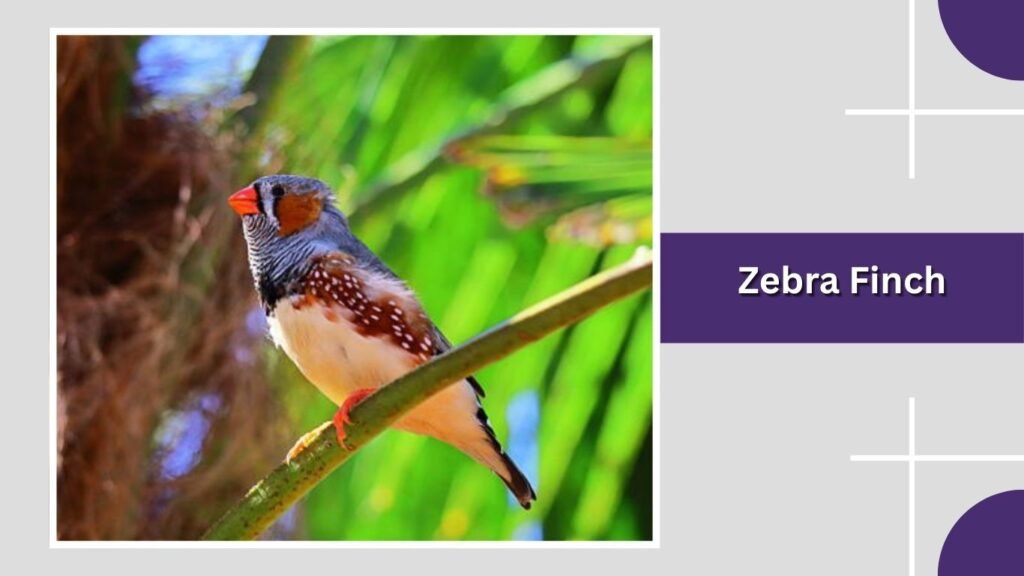
The Zebra Finch is a small and highly social finch, widely known for its distinctive markings and adaptability. Native to Australia, it is also one of the most popular pet finches due to its hardy nature and constant activity.
Identification
- Small, compact body with a rounded shape
- Males have gray bodies with orange cheek patches and black-and-white barred chest
- Females are more plain gray with less distinct markings
- Bright orange beak in both sexes
- Short, conical bill suited for seed eating
- Black-and-white “zebra-like” pattern on the tail and chest (in males)
Habitat
Zebra Finches are typically found in dry, open habitats such as grasslands, savannas, and scrublands. They are closely associated with water sources and are rarely far from them. These birds are highly adaptable and can survive in harsh, arid environments. In the wild, they are often seen near waterholes, farms, and rural areas. Due to their popularity, they are also commonly found in captivity around the world.
Behaviors
Zebra Finches are extremely social and are almost always seen in flocks. They are active throughout the day, constantly moving, feeding, and interacting with each other. Males are known for their simple but frequent songs, which are used to attract mates. These birds are quick and agile, with a light, bouncing flight. They are also known for forming strong pair bonds and often stay with the same mate.
Diet and Lifespan
Zebra Finches mainly feed on grass seeds and small grains. They forage on the ground or among low vegetation, often in groups. Occasionally, they may consume small insects, especially during breeding. Their diet is simple but effective for survival in dry environments. The average lifespan is around 5 to 7 years in the wild, though they may live longer in captivity.
8. Gouldian Finch
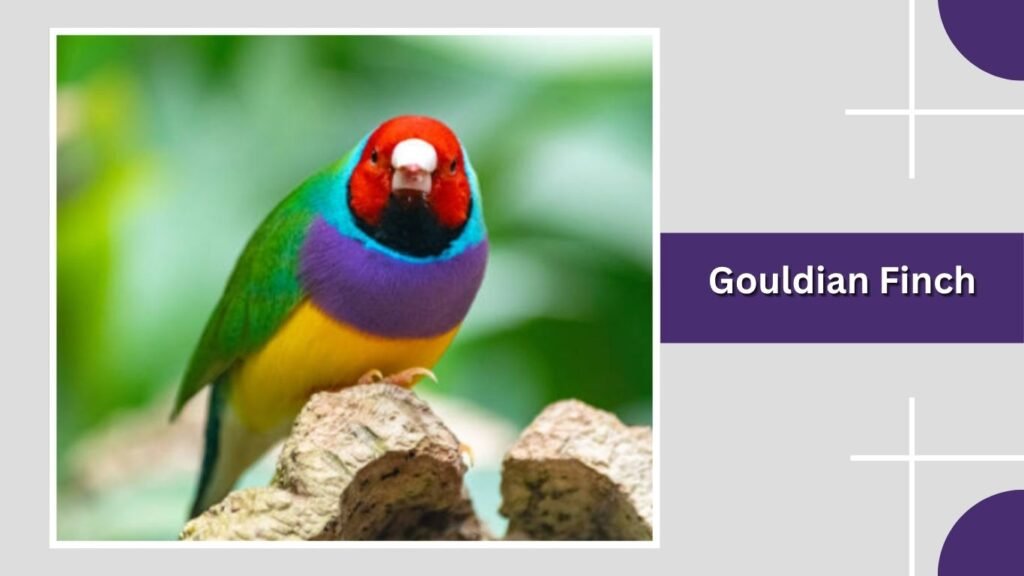
The Gouldian Finch is one of the most colorful and visually stunning finches in the world. Native to Australia, it is admired for its vibrant plumage and is often kept as a pet due to its striking appearance and gentle nature.
Identification
- Small body with a compact and elegant shape
- Bright, multi-colored plumage including green, yellow, purple, and blue
- Distinct head colors (black, red, or yellow depending on variation)
- Purple chest and yellow belly
- Short, conical beak with a pale or bluish tone
- Smooth, sleek feathers with a glossy appearance
Habitat
Gouldian Finches are found in northern Australia, where they inhabit open woodlands, grasslands, and savannas. They prefer areas with scattered trees and access to water sources. These birds are often seen near grassy regions where seeds are abundant. During the dry season, they stay close to water, while in the wet season they may spread out into wider areas. Their natural habitat requires a balance of open space and shelter.
Behaviors
These birds are generally calm and social, often seen in small flocks. They are active during the day, moving between feeding and resting areas. Gouldian Finches are less aggressive than many other finch species and tend to avoid conflict. Their flight is quick and smooth, usually in short distances. In captivity, they are known for being quiet and peaceful birds.
Diet and Lifespan
The Gouldian Finch mainly feeds on grass seeds, especially those that are soft and easy to digest. It may also consume small insects during the breeding season for added protein. This diet supports its vibrant plumage and overall health. The average lifespan is around 5 to 8 years in the wild, though they can live longer in captivity under proper care.
9. Society Finch
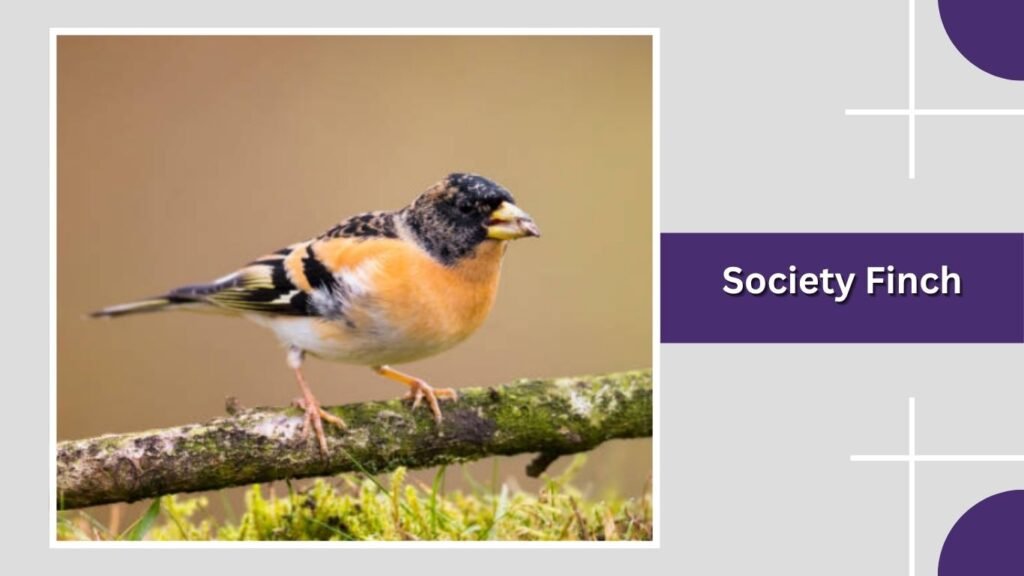
The Society Finch is a small, friendly finch known for its gentle nature and strong social behavior. It is a domesticated species and does not exist in the wild, making it one of the most commonly kept finches around the world.
Identification
- Small, rounded body with a soft and compact shape
- Plumage varies widely (brown, white, fawn, or mixed patterns)
- Short, thick, conical beak
- Dark eyes with a calm expression
- Short tail with a slightly rounded tip
- Overall soft and smooth feather appearance
Habitat
Since the Society Finch is fully domesticated, it is not found in natural habitats. It is commonly kept in aviaries, cages, and indoor environments around the world. These birds thrive in safe, stable conditions with access to food, water, and perching areas. They prefer environments where they can interact with other finches, as they are highly social and do best in groups rather than alone.
Behaviors
Society Finches are extremely social and peaceful birds, often living comfortably in groups. They are known for their gentle temperament and are rarely aggressive. These birds are active and enjoy flying short distances within their space. They communicate with soft chirps and are often seen grooming each other or resting closely together. They are also known for being good foster parents, sometimes raising chicks of other finch species.
Diet and Lifespan
The Society Finch mainly feeds on seeds, especially finch seed mixes, along with small grains. It may also consume soft foods, greens, and occasional protein sources like eggs during breeding. This balanced diet supports their health in captivity. The average lifespan is around 5 to 10 years, depending on care and living conditions.
10. Greenfinch
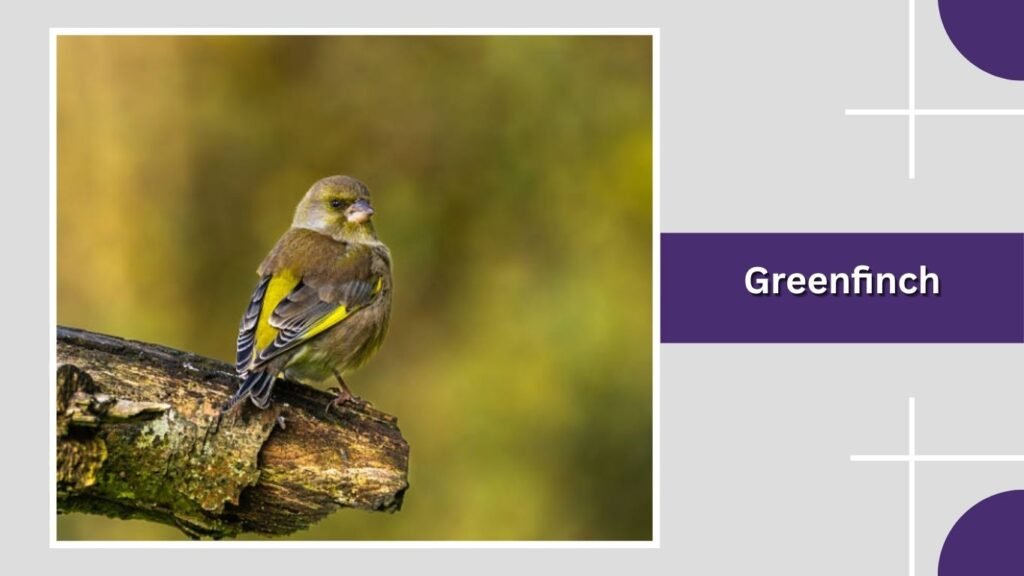
The Greenfinch is a medium-sized finch known for its sturdy build and subtle greenish coloration. It is commonly found in gardens and open countryside, where its strong beak and calm behavior make it easy to observe.
Identification
- Medium-sized body with a stocky, robust shape
- Olive-green plumage with yellow flashes on wings and tail
- Thick, powerful conical beak
- Pale underparts with slight streaking
- Short, slightly forked tail
- Dark eyes with a steady, calm expression
Habitat
Greenfinches are commonly found in open woodlands, gardens, parks, and farmland. They prefer areas with trees and shrubs combined with open spaces for feeding. These birds adapt well to human environments and are frequent visitors to backyard feeders. They are often seen perched in trees or bushes near open ground where seeds are available. Their nests are usually built in dense shrubs or small trees.
Behaviors
Greenfinches are generally social and are often seen in small flocks, especially outside the breeding season. They have a steady, bounding flight and are known for their nasal, wheezing calls. These birds are not overly aggressive but may compete for food at feeders. They spend much of their time foraging on the ground or in low vegetation, often in groups.
Diet and Lifespan
The Greenfinch mainly feeds on seeds, grains, and buds, using its strong beak to crack tough shells. It may also eat small insects during the breeding season. This diet supports its sturdy build and active lifestyle. The average lifespan is around 5 to 8 years in the wild, depending on environmental conditions and food availability.
11. Hawfinch
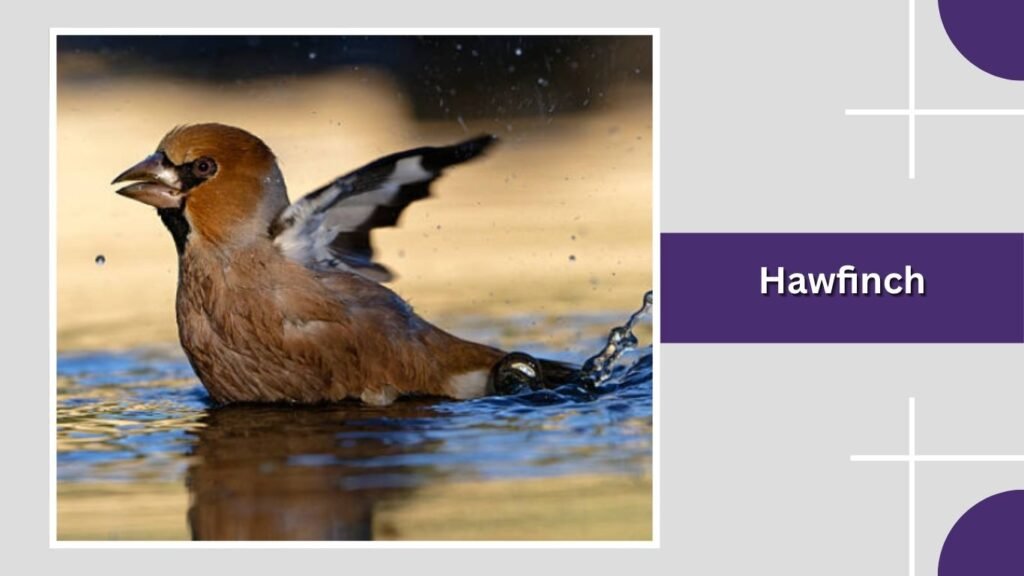
The Hawfinch is a powerful and impressive finch, known for its large size and exceptionally strong beak. Despite its bulky appearance, it is often shy and difficult to observe, usually staying high in tree canopies.
Identification
- Large, stocky body compared to most finches
- Massive, thick conical beak capable of cracking hard seeds
- Warm brown body with a slightly orange tone
- Black mask around the eyes and throat
- Blue-gray neck band and white wing markings
- Short tail with a sturdy, compact build
Habitat
Hawfinches are typically found in mature woodlands, especially those with deciduous trees like oak, beech, and hornbeam. They prefer quiet forested areas with dense canopy cover, where they can remain hidden. These birds may also be seen in parks, orchards, and large gardens with old trees. They rely heavily on tree-rich environments that provide both food and nesting sites.
Behaviors
Hawfinches are generally shy and secretive, often staying high in trees and avoiding open exposure. They are usually seen alone or in small groups. Their flight is strong and direct, with powerful wingbeats. Although quiet most of the time, they can produce sharp, metallic calls. They are cautious birds and will quickly retreat if disturbed.
Diet and Lifespan
The Hawfinch primarily feeds on hard seeds, especially those from cherry, plum, and other fruit trees. Its strong beak allows it to crack even the toughest seeds. It may also eat buds and insects during the breeding season. This specialized diet supports its powerful build. The average lifespan is around 5 to 10 years in the wild, depending on habitat conditions.
12. Chaffinch
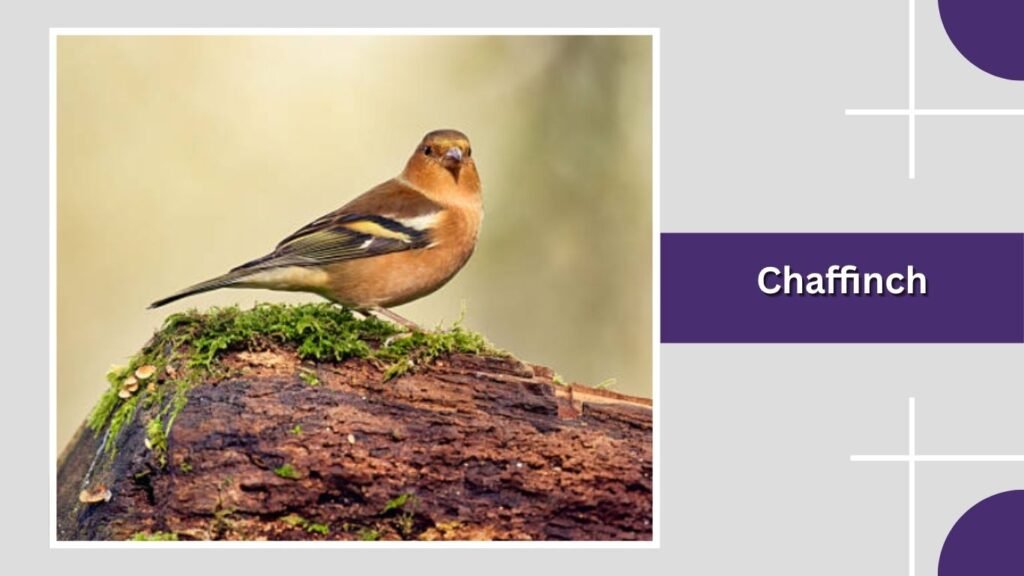
The Chaffinch is a medium-sized finch known for its colorful appearance in males and its widespread presence across woodlands and gardens. It is one of the most familiar and abundant finches in many regions.
Identification
- Medium-small body with a rounded shape
- Males have a blue-gray cap, pinkish breast, and warm brown back
- Females are more subdued with brown and gray tones
- White wing bars and patches visible in flight
- Short, strong conical beak
- Slightly forked tail
Habitat
Chaffinches are commonly found in woodlands, forests, parks, gardens, and farmland. They prefer areas with trees and open ground for feeding. These birds are highly adaptable and are often seen in both rural and urban environments. They nest in trees or shrubs, choosing well-hidden locations with good cover. Their ability to live in varied habitats makes them one of the most widespread finches.
Behaviors
Chaffinches are active and often seen hopping on the ground or perching in trees. Males are known for their clear and repeated songs, especially during the breeding season. They are usually seen alone or in small groups but may form larger flocks in winter. Their flight is quick and undulating, and they frequently move between feeding and resting spots.
Diet and Lifespan
The Chaffinch mainly feeds on seeds, grains, and small insects. It often forages on the ground, picking up food with quick movements. During the breeding season, it consumes more insects for added protein. This varied diet supports its adaptability. The average lifespan is around 3 to 5 years in the wild, depending on environmental conditions.
13. Brambling
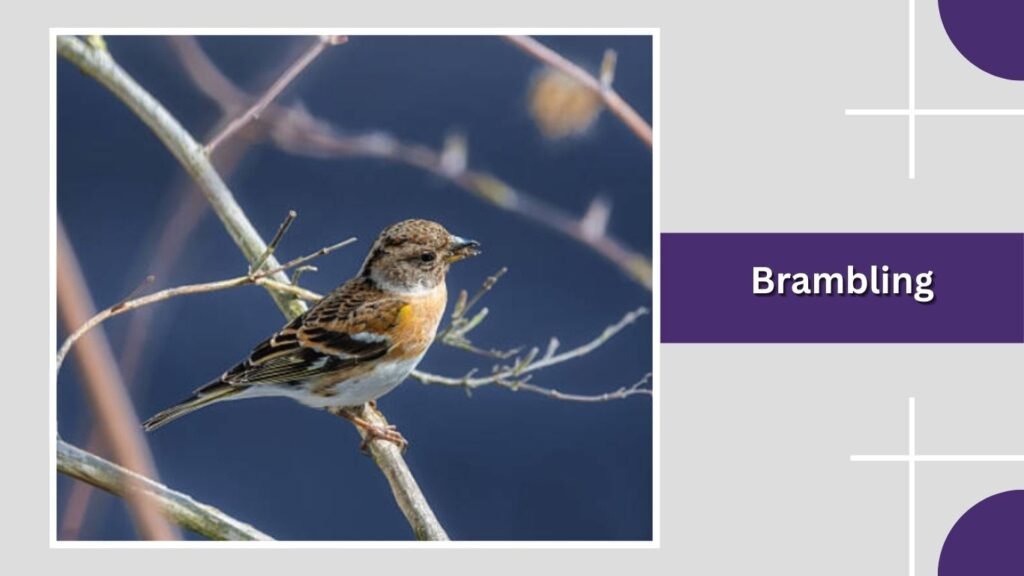
The Brambling is a medium-sized finch closely related to the Chaffinch, known for its striking seasonal plumage and strong migratory behavior. It is often seen in large flocks during winter, especially in areas with abundant food sources.
Identification
- Medium-sized body with a sturdy shape
- Orange breast and shoulders with a contrasting black head (in males during breeding)
- White belly and rump
- Black and white wing patterns
- Short, strong conical beak
- Seasonal variation in plumage (duller in winter)
Habitat
Bramblings are typically found in forests, woodlands, and farmland. During the breeding season, they prefer northern forests, especially birch and coniferous woodlands. In winter, they migrate to more temperate regions and are often seen in open fields, parks, and gardens. They are strongly associated with areas that have abundant seeds, particularly beech forests.
Behaviors
This bird is highly social, especially outside the breeding season, when it forms large flocks that may include thousands of individuals. Bramblings are active foragers, often feeding on the ground or in trees. Their flight is fast and direct, and they communicate with a variety of calls. They are alert and constantly moving when feeding in groups.
Diet and Lifespan
The Brambling mainly feeds on seeds, particularly beech mast, along with grains and small insects. During breeding, insects become more important for nutrition. This flexible diet helps them survive across different regions. The average lifespan is around 5 to 8 years in the wild, depending on environmental conditions.
14. Red Crossbill
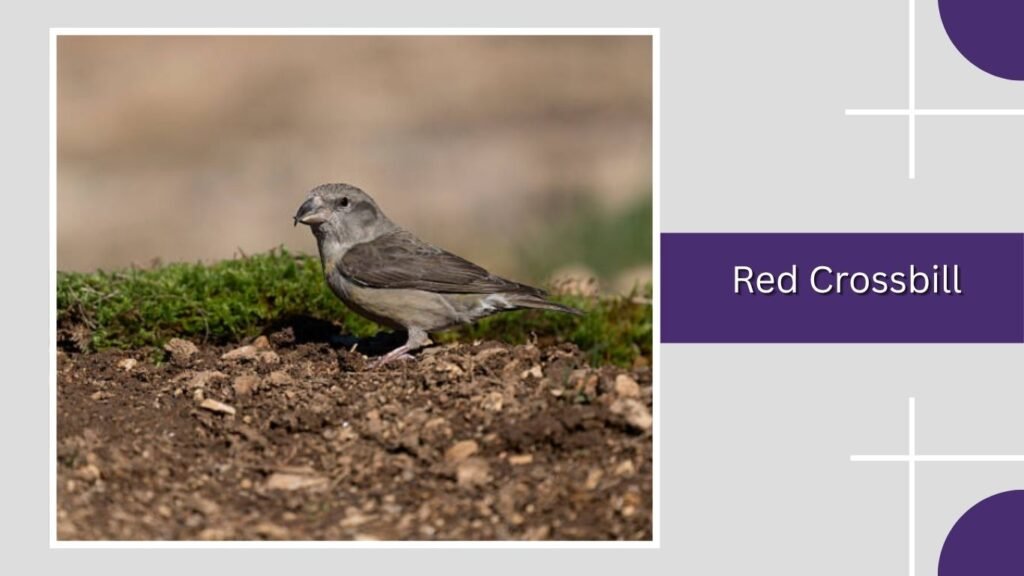
The Red Crossbill is a unique finch known for its specialized crossed bill, which allows it to extract seeds from conifer cones. Its adaptability to forest environments and unusual beak shape make it one of the most distinctive finches.
Identification
- Medium-sized body with a sturdy, compact shape
- Reddish plumage in males, with yellowish or greenish tones in females
- Distinct crossed bill (upper and lower tips overlap)
- Dark wings and slightly forked tail
- Strong, conical beak adapted for cone feeding
- Variable coloration depending on age and sex
Habitat
Red Crossbills are primarily found in coniferous forests, especially areas rich in pine, spruce, and fir trees. They are highly dependent on cone-producing trees, which provide their main food source. These birds are nomadic and may move widely in search of cone crops rather than following fixed migration patterns. They can be found in mountainous regions, woodlands, and forests where conifers dominate.
Behaviors
This species is highly specialized in feeding and is often seen climbing among tree branches while extracting seeds from cones. Red Crossbills use their unique bill to pry open cone scales and reach hidden seeds. They are social birds and may form small flocks, especially when food is abundant. Their flight is fast and direct, and they are often heard giving sharp, metallic calls while flying.
Diet and Lifespan
The Red Crossbill mainly feeds on seeds from conifer cones, which make up the majority of its diet. It may also eat insects occasionally, especially during breeding. Their feeding behavior is closely tied to the availability of cone crops. The average lifespan is around 5 to 8 years in the wild, depending on environmental conditions and food supply.
15. White-winged Crossbill
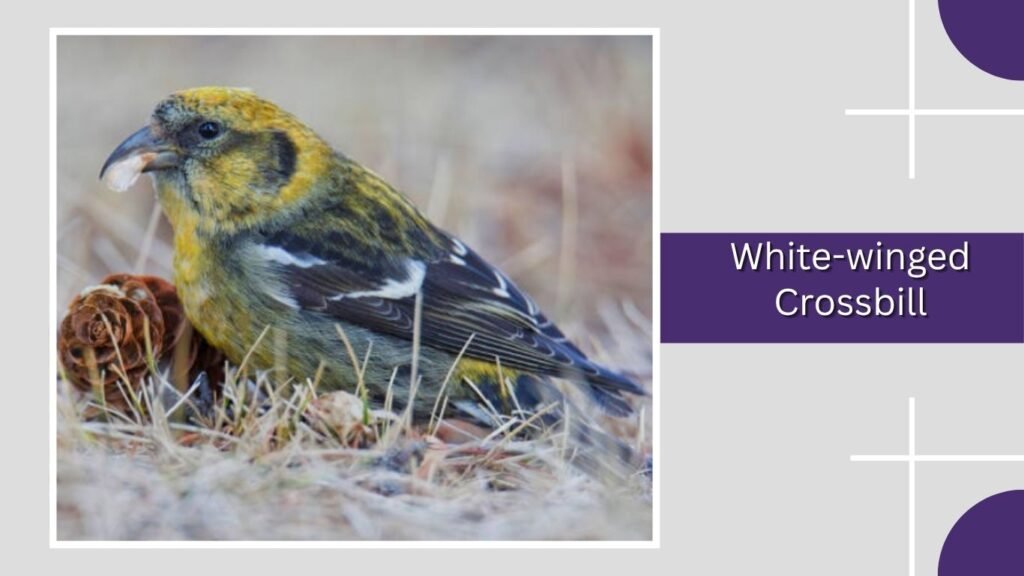
The White-winged Crossbill is a striking finch known for its unique crossed bill and bold wing markings. It is closely associated with northern conifer forests and is admired for its specialized feeding behavior and active lifestyle.
Identification
- Medium-sized body with a compact and sturdy shape
- Males are rosy red, while females are yellowish or olive
- Distinct crossed bill adapted for extracting seeds
- Black wings with two bold white wing bars
- Slightly notched tail
- Strong, thick beak structure
Habitat
White-winged Crossbills are mainly found in coniferous forests, especially those with spruce, fir, and pine trees. They are most common in northern regions but may move southward when food is scarce. These birds are highly dependent on cone-producing trees and are often found wherever cone crops are abundant. They are nomadic rather than strictly migratory, following food availability across forested areas.
Behaviors
This species is highly active and is often seen moving through tree canopies in small flocks. It uses its specialized crossed bill to pry open cones and extract seeds efficiently. White-winged Crossbills are social and communicate with sharp, metallic calls. Their flight is fast and direct, and they often travel in groups while searching for food. They may breed at unusual times of the year if food is plentiful.
Diet and Lifespan
The White-winged Crossbill mainly feeds on seeds from conifer cones, which form the majority of its diet. It may also consume insects occasionally, especially during breeding. This specialized diet allows it to thrive in forest environments. The average lifespan is around 6 to 8 years in the wild, depending on food availability and habitat conditions.
16. Pine Siskin
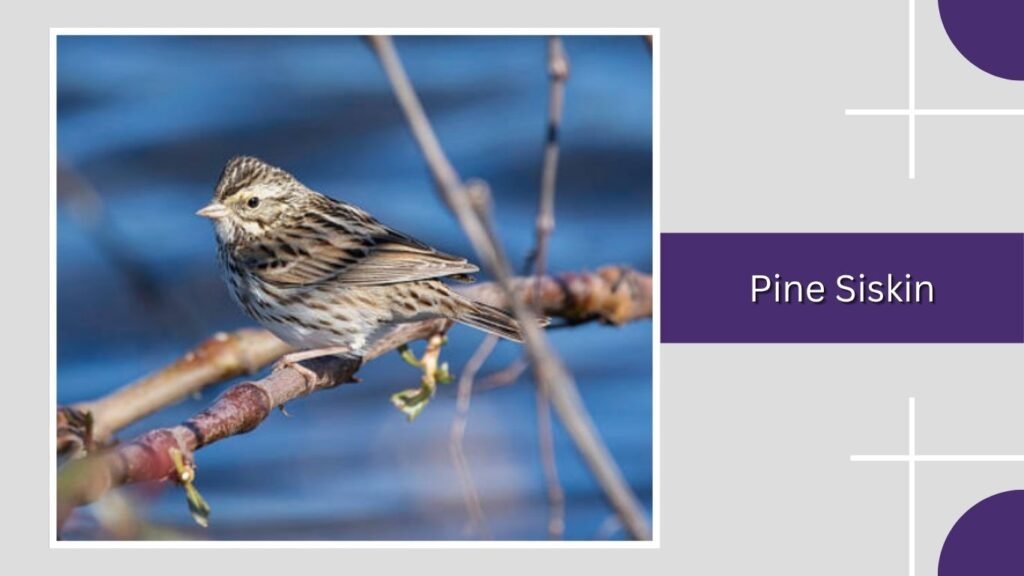
The Pine Siskin is a small, streaky finch known for its slim build and active nature. It is often found in flocks and is highly adaptable, appearing in forests, gardens, and feeders. Though not brightly colored, its subtle yellow wing flashes and constant movement make it easy to notice.
Identification
- Small, slender body with fine brown streaking
- Subtle yellow patches on wings and tail
- Thin, pointed conical beak
- Short, slightly notched tail
- Dark wings with pale edging
- Overall muted brown appearance
Habitat
Pine Siskins are commonly found in coniferous forests, mixed woodlands, and suburban areas. They are highly nomadic and may move widely depending on food availability. These birds often visit feeders, especially during winter, and can be seen in both rural and urban environments.
Behaviors
This bird is highly social and usually seen in flocks. It is active and constantly moving while feeding. Pine Siskins have a fast, fluttering flight and produce a series of buzzy, rapid calls. They often compete actively at feeders.
Diet and Lifespan
The Pine Siskin mainly feeds on seeds, especially from conifer trees, along with small insects. It also visits feeders for sunflower seeds. The average lifespan is around 3 to 5 years in the wild, depending on conditions.
17. Evening Grosbeak
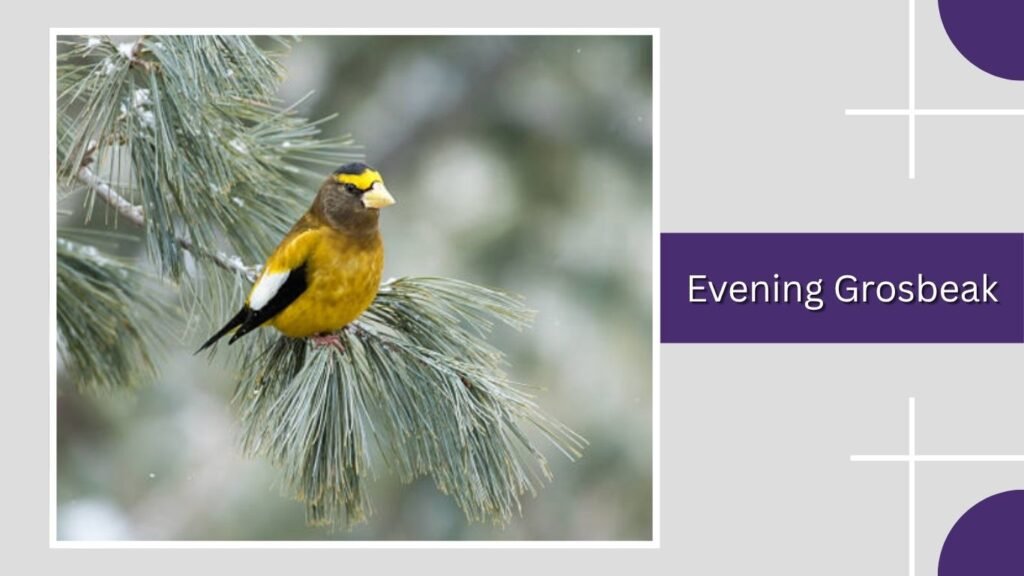
The Evening Grosbeak is a large, colorful finch known for its strong beak and bold appearance. It is often seen in flocks and is especially noticeable during winter when it visits feeders. Its powerful build and bright plumage make it one of the most striking finches.
Identification
- Large, heavy-bodied finch with a thick neck
- Males have bright yellow body with black wings and white patches
- Females are grayish with hints of yellow
- Very thick, powerful conical beak
- Short tail and strong, sturdy legs
- Bold wing patterns visible in flight
Habitat
Evening Grosbeaks are commonly found in coniferous and mixed forests, especially in mountainous regions. During winter, they may move to lower elevations and are often seen in towns, parks, and gardens. They prefer areas with abundant trees and seed sources.
Behaviors
These birds are social and are usually seen in flocks, especially outside the breeding season. They are active feeders and often dominate feeders due to their size. Their flight is strong and direct, and they communicate with sharp, clear calls.
Diet and Lifespan
The Evening Grosbeak mainly feeds on seeds, buds, and berries, using its strong beak to crack hard shells. It may also eat insects during breeding. The average lifespan is around 6 to 10 years in the wild, depending on habitat conditions.
18. Black Rosy-Finch
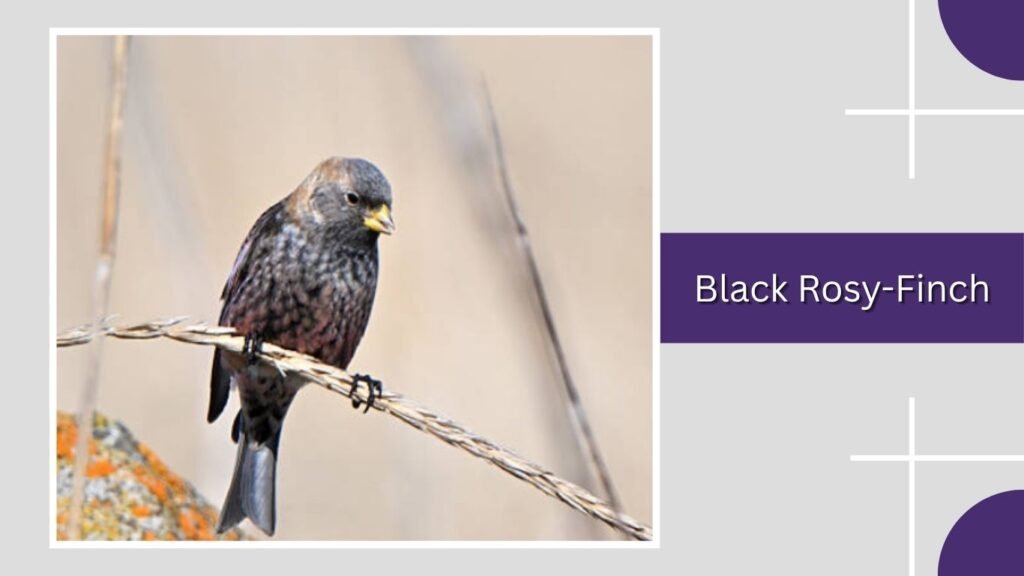
The Black Rosy-Finch is a medium-sized finch known for its dark plumage and subtle pink highlights. It is well adapted to cold, high-altitude environments and is often seen in flocks during winter.
Identification
- Mostly dark brown to black body
- Pinkish or rosy highlights on wings and belly
- Short, thick conical beak
- Medium-sized, sturdy body
- Dark wings with lighter edging
- Slightly notched tail
Habitat
Black Rosy-Finches are typically found in high mountain regions, especially rocky slopes and alpine tundra. In winter, they may move to lower elevations, including valleys, fields, and even urban areas. They prefer cold, open environments with sparse vegetation.
Behaviors
These birds are social and often seen in flocks, especially during colder months. They are active and constantly moving while foraging. Their flight is quick and direct, and they often stay in groups for protection and feeding.
Diet and Lifespan
The Black Rosy-Finch mainly feeds on seeds, especially from grasses and weeds. It may also eat insects during warmer months. The average lifespan is around 5 to 8 years in the wild, depending on environmental conditions.
19. Gray-crowned Rosy-Finch
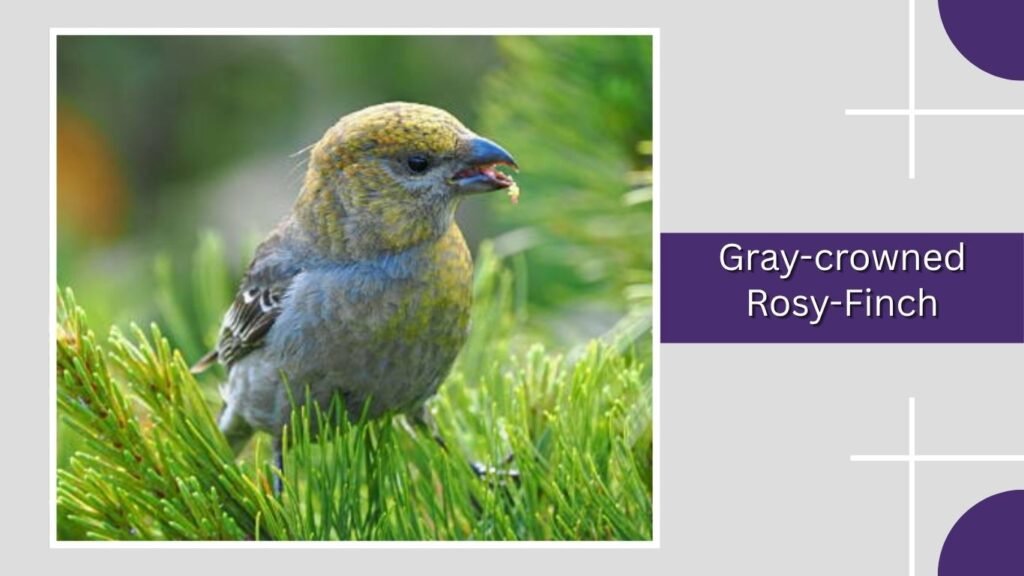
The Gray-crowned Rosy-Finch is a hardy mountain finch known for its soft gray head and pink-tinted body. It thrives in extreme alpine conditions and is often seen in flocks, especially during colder months.
Identification
- Gray crown contrasting with brown body
- Pink or rosy wash on belly and wings
- Short, thick conical beak
- Medium-sized, sturdy build
- Dark wings with lighter edges
- Slightly notched tail
Habitat
Gray-crowned Rosy-Finches are found in high alpine regions, rocky slopes, and tundra. During winter, they may descend to lower elevations such as valleys, fields, and towns. They prefer cold, open environments with minimal vegetation.
Behaviors
These birds are highly social and are usually seen in flocks. They are active and forage constantly on the ground or among rocks. Their flight is quick and direct, and they often stay in groups for safety and efficiency while feeding.
Diet and Lifespan
The Gray-crowned Rosy-Finch feeds mainly on seeds from grasses and weeds. It may also eat insects during the breeding season. The average lifespan is around 5 to 8 years in the wild, depending on habitat conditions.
20. Brown-capped Rosy-Finch
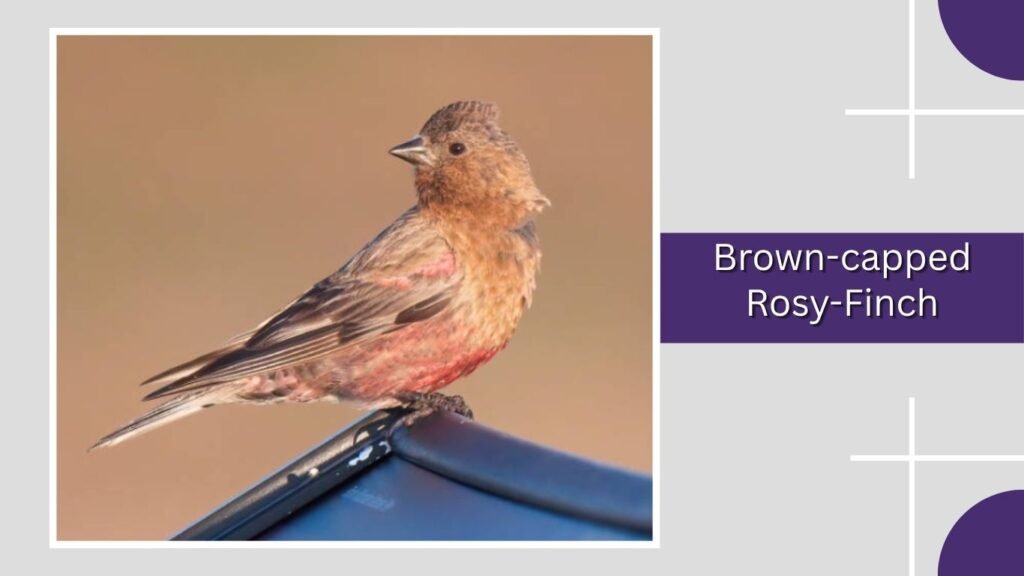
The Brown-capped Rosy-Finch is a tough, high-altitude finch known for its warm brown cap and soft pink highlights on the body. It is well adapted to cold, mountainous environments and is often seen in flocks during winter months.
Identification
- Brown cap contrasting with grayish-brown body
- Pink or rosy wash on belly and wings
- Short, thick conical beak
- Medium-sized, sturdy build
- Dark wings with lighter edges
- Slightly notched tail
Habitat
Brown-capped Rosy-Finches are primarily found in alpine tundra, rocky mountain slopes, and high elevations in western North America. In Colorado, they are closely associated with mountainous regions above the tree line. During winter, they may move to lower elevations, including valleys, open fields, and occasionally near human settlements. They prefer cold, open areas with sparse vegetation and rocky ground.
Behaviors
This species is highly social and is usually seen in flocks, especially outside the breeding season. They are active foragers, often feeding on the ground or among rocks. Their flight is fast and direct, and they tend to stay in groups for protection and efficiency. These birds are well adapted to harsh weather and can remain active even in cold, windy conditions.
Diet and Lifespan
The Brown-capped Rosy-Finch mainly feeds on seeds from grasses and alpine plants. During warmer months, it may also consume insects for additional protein. This flexible diet helps it survive in extreme environments. The average lifespan is around 5 to 8 years in the wild, depending on environmental conditions and food availability.
21. Canary
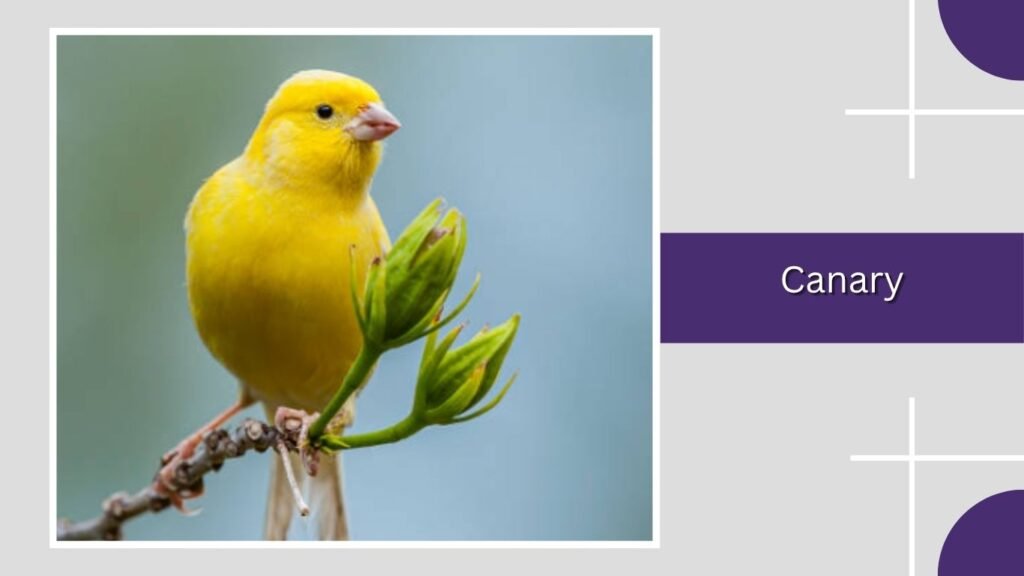
The Canary is a small, colorful finch widely known for its beautiful song and popularity as a pet bird. Originally from the Canary Islands, it has been domesticated for centuries and comes in a variety of colors.
Identification
- Small, slender body with a delicate shape
- Bright yellow plumage (most common), but also white, orange, or mixed colors
- Short, conical beak
- Smooth, soft feather texture
- Dark, round eyes
- Slightly notched tail
Habitat
Wild canaries are found in the Canary Islands, Azores, and Madeira, where they inhabit open woodlands, gardens, and shrublands. Domesticated canaries, however, are kept worldwide in cages and aviaries. They prefer environments with access to light, fresh air, and safe perching areas. In the wild, they choose habitats with abundant plant life and seed sources.
Behaviors
Canaries are generally calm and are often kept alone or in pairs. Males are especially known for their melodious singing, which is used to attract mates. They are active during the day, moving between perches and exploring their surroundings. While not highly social compared to some finches, they can adapt well to human care.
Diet and Lifespan
Canaries mainly feed on seeds, particularly small grains, along with fresh greens and fruits. In the wild, they may also consume small insects. This balanced diet supports their health and singing ability. The average lifespan is around 8 to 12 years, especially in captivity with proper care.
22. European Serin
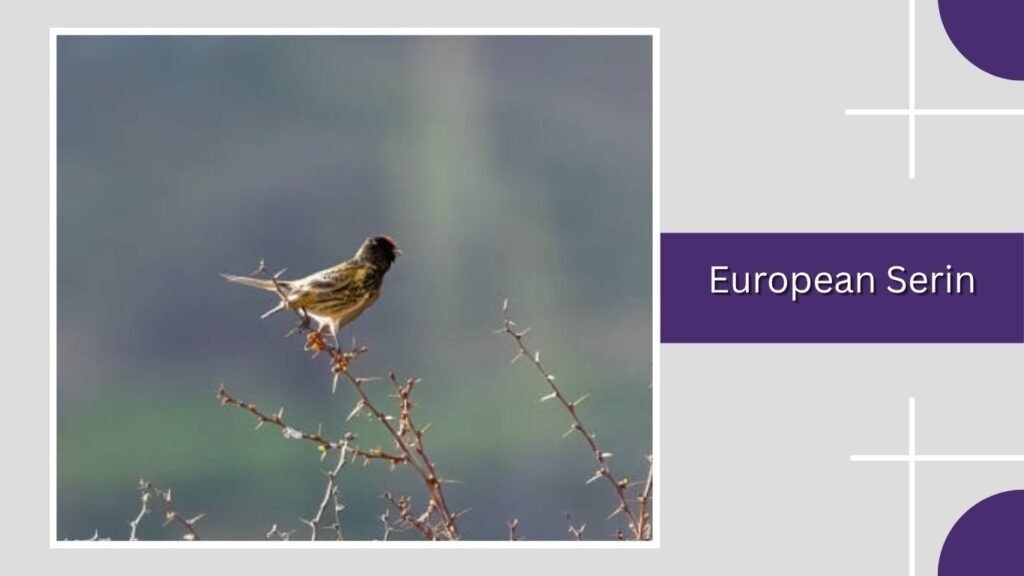
The European Serin is a small, lively finch known for its streaked yellow-green plumage and rapid, buzzing song. It is commonly found in open areas and is often seen moving actively among trees and shrubs.
Identification
- Small, compact body with a rounded shape
- Yellow-green plumage with fine dark streaks
- Short, conical beak suited for seeds
- Pale underparts with subtle striping
- Short, slightly notched tail
- Dark eyes with a bright, alert look
Habitat
European Serins are typically found in open woodlands, gardens, parks, and farmland. They prefer areas with scattered trees and shrubs combined with open ground for feeding. These birds adapt well to human environments and are often seen in urban and suburban areas. They usually nest in trees or bushes, choosing well-hidden spots with good cover.
Behaviors
This bird is active and social, often seen in small flocks, especially outside the breeding season. It moves quickly between branches and is known for its fast, buzzing song delivered from perches or in flight. European Serins are agile and constantly foraging, often staying in motion while feeding.
Diet and Lifespan
The European Serin mainly feeds on small seeds from grasses and plants. It may also consume insects during the breeding season for additional protein. This diet supports its active lifestyle. The average lifespan is around 5 to 8 years in the wild, depending on environmental conditions.
23. Common Redpoll
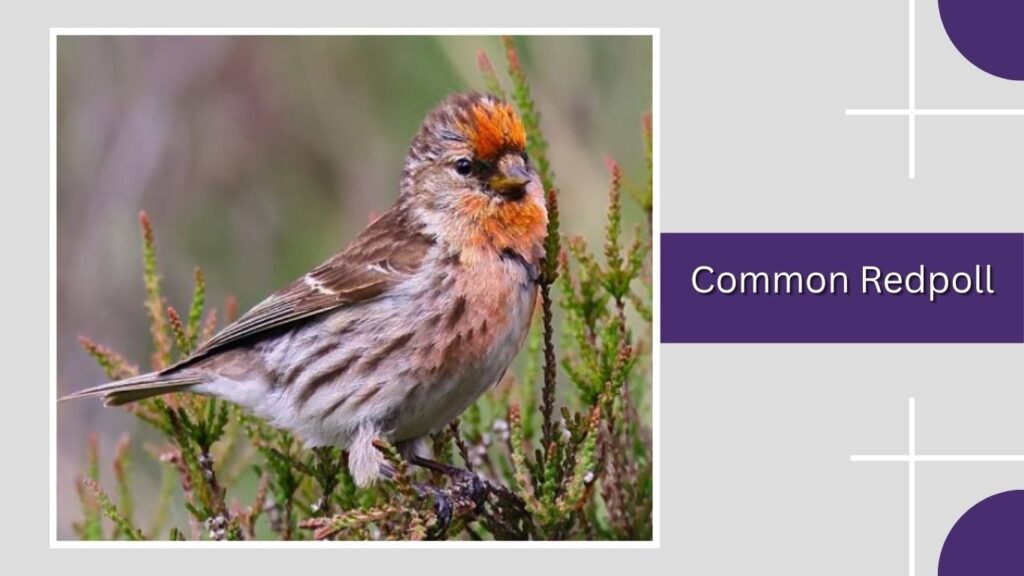
The Common Redpoll is a small, active finch known for its streaky brown body and distinctive red patch on the forehead. It is well adapted to cold climates and is often seen in flocks during winter.
Identification
- Small, compact body with a slightly rounded shape
- Brown and white streaked plumage
- Bright red patch on the forehead
- Black chin and small pointed beak
- Pale underparts with fine streaking
- Short, slightly notched tail
Habitat
Common Redpolls are typically found in northern regions, especially in birch and coniferous forests. During winter, they move southward and can be seen in open woodlands, fields, and backyard feeders. They prefer areas with seed-producing trees and shrubs, particularly birch and alder. These birds are well adapted to cold environments and can survive in harsh winter conditions.
Behaviors
This species is highly social and is usually seen in flocks, especially during colder months. They are active and constantly moving while feeding. Common Redpolls are known for their acrobatic feeding behavior, often hanging upside down to reach seeds. Their flight is quick and undulating, and they communicate with soft, chattering calls.
Diet and Lifespan
The Common Redpoll mainly feeds on small seeds, especially from birch and alder trees. It may also eat insects during the breeding season. Their ability to store food in a specialized throat pouch helps them survive in cold climates. The average lifespan is around 3 to 6 years in the wild, depending on environmental conditions.
24. Twite
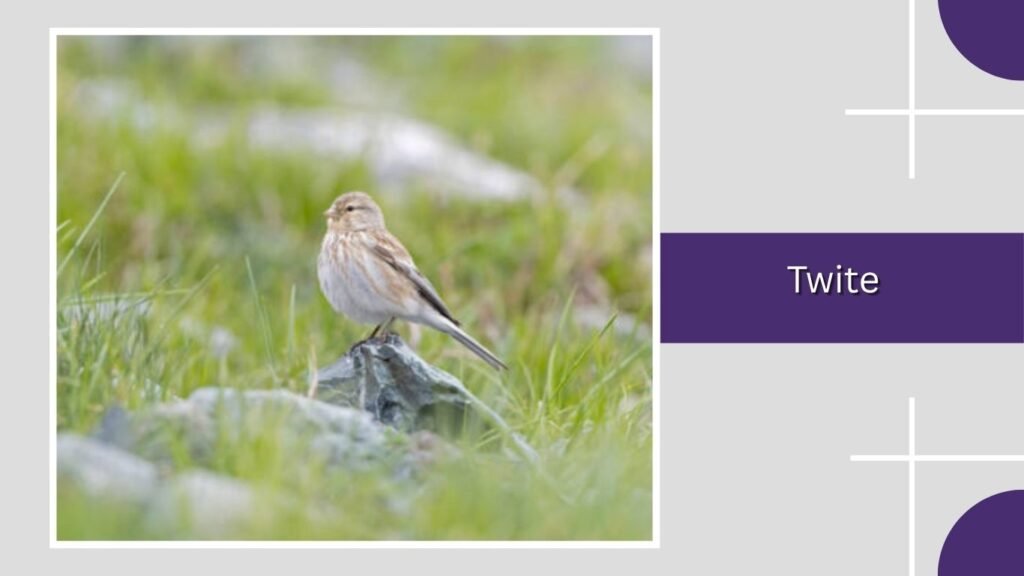
The Twite is a small, brown finch known for its simple appearance and strong association with open, upland habitats. Though less colorful than many finches, it is recognized by its subtle markings and social behavior.
Identification
- Small, slim body with a slightly elongated shape
- Brown, streaked plumage with a muted appearance
- Pale underparts with fine streaking
- Short, conical beak
- Slightly notched tail
- Subtle yellow bill during breeding season
Habitat
Twites are typically found in open upland areas such as moorlands, coastal cliffs, and grasslands. They prefer habitats with low vegetation and plenty of seed-producing plants. During winter, they may move to coastal areas and lowland fields. These birds rely on open spaces where they can forage easily and detect predators.
Behaviors
Twites are social birds and are usually seen in flocks, especially outside the breeding season. They are active and often move in groups while feeding. Their flight is quick and slightly undulating, and they communicate with soft, nasal calls. They tend to stay low to the ground or within low vegetation.
Diet and Lifespan
The Twite mainly feeds on seeds from grasses and weeds. It may also consume small insects during the breeding season. This simple diet supports its life in open habitats. The average lifespan is around 3 to 5 years in the wild, depending on environmental conditions.
25. Bullfinch
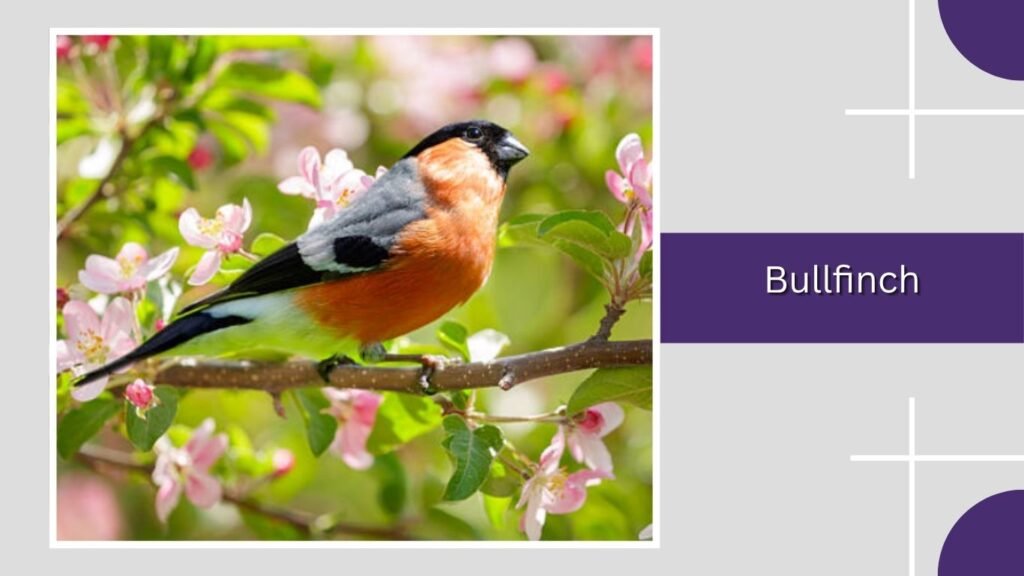
The Bullfinch is a medium-sized finch known for its strong build and striking coloration, especially in males. With its thick neck and calm behavior, it stands out among finches for both appearance and quiet nature.
Identification
- Medium-sized, stocky body with a thick neck
- Males have a bright pinkish-red chest and black cap
- Females are more subdued with gray-brown tones
- Short, powerful conical beak
- Black wings with a white wing bar
- Short tail with a compact shape
Habitat
Bullfinches are typically found in woodlands, hedgerows, orchards, and gardens. They prefer areas with dense shrubs and trees that provide both cover and food. These birds are often seen in quiet, well-vegetated environments rather than open spaces. They adapt to rural and suburban areas, especially where fruit trees and bushes are available.
Behaviors
This species is generally calm and less active compared to many other finches. Bullfinches are often seen in pairs or small groups and tend to stay hidden in dense vegetation. Their flight is smooth and direct, and they are not very vocal, producing soft, gentle calls. They are cautious birds and avoid exposure.
Diet and Lifespan
Bullfinches mainly feed on seeds, buds, and fruits. They are especially known for eating tree buds, which can sometimes make them unpopular in orchards. This diet supports their strong beak structure. The average lifespan is around 5 to 8 years in the wild, depending on habitat conditions and food availability.
FAQs
What is a finch bird?
Finches are small to medium-sized birds known for their strong, conical beaks adapted for eating seeds. They belong to a diverse group found worldwide and are recognized for their colorful plumage, cheerful songs, and active behavior.
Where are finch birds commonly found?
Finches are found across many habitats, including forests, grasslands, mountains, and urban areas. Their location depends on the species, with some preferring cold alpine regions while others thrive in warm, open environments or near human settlements.
What do finch birds eat?
Most finches primarily eat seeds, grains, and plant material. Some species also consume insects, especially during the breeding season when extra protein is needed. Their strong beaks help them crack even hard seeds easily.
Are finch birds good pets?
Yes, some finches like Zebra Finches, Gouldian Finches, and Society Finches are popular pets. They are generally easy to care for, active, and social, making them suitable for aviaries and cages when kept in proper conditions.
How long do finch birds live?
The lifespan of finches varies by species. On average, most finches live between 3 to 10 years in the wild. In captivity, with proper care, some species can live even longer.
