
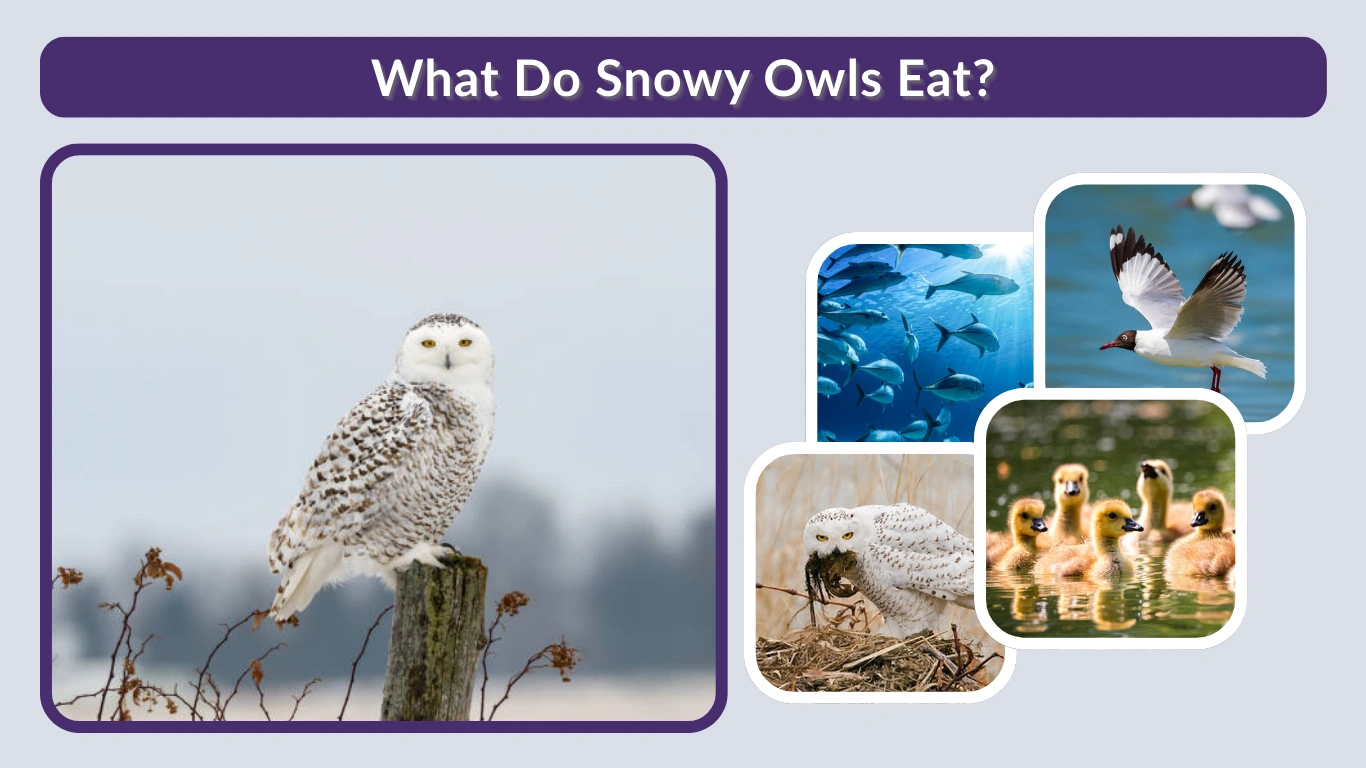
Snowy owls are among the most iconic birds of the Arctic, instantly recognizable by their striking white feathers and piercing yellow eyes. Unlike many owl species that live in forests and hunt at night, snowy owls thrive in open, treeless tundra and are often active during the day. Their survival in such a harsh and frozen environment depends heavily on a specialized diet that provides enough energy to withstand extreme cold and long winters.
Understanding what snowy owls eat reveals how well adapted they are to Arctic life. Their diet changes depending on location, season, and prey availability, making them both skilled hunters and opportunistic feeders. From small mammals to birds, snowy owls rely on a range of prey to survive throughout the year.
Overview of the Snowy Owl Diet
Snowy owls are strictly carnivorous birds of prey. They hunt and consume animals rather than plants, relying on protein-rich food to meet their high energy demands. As powerful predators, they sit near the top of the Arctic food chain and play an important role in controlling prey populations.
Their feeding habits are strongly influenced by geography. In the Arctic tundra, snowy owls depend mainly on small mammals, while in southern regions or coastal areas, they expand their diet to include birds and other available prey. This flexibility allows them to survive even when their preferred food sources decline.
Unlike many owls that swallow prey whole at night, snowy owls often hunt during daylight hours. After feeding, they regurgitate pellets containing indigestible material such as bones and fur, which helps scientists study their diet in the wild.
Primary Food Source of Snowy Owls
Lemmings: The Staple of the Snowy Owl Diet
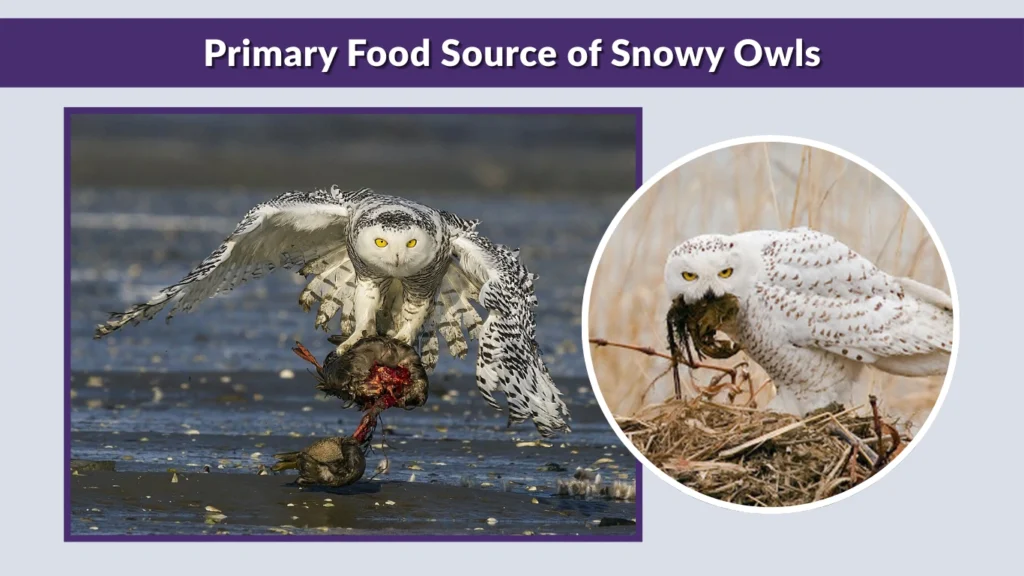
Lemmings are by far the most important food source for snowy owls. These small, rodent-like mammals live in large numbers across the Arctic tundra and provide an ideal balance of size, nutrition, and availability. In years when lemming populations are high, snowy owls can thrive and successfully breed.
A single snowy owl may eat several lemmings per day, sometimes consuming three to five depending on size and energy needs. During the breeding season, a pair of snowy owls may capture hundreds or even thousands of lemmings to feed their chicks. This strong dependence means that snowy owl populations often rise and fall with lemming population cycles.
When lemmings are abundant, snowy owls may cache extra prey by storing it under snow or vegetation. This behavior helps them survive short periods when hunting conditions are poor.
Other Small Mammals Snowy Owls Eat
Although lemmings are their preferred prey, snowy owls do not rely on them exclusively. When lemming numbers decline, snowy owls broaden their diet to include other small mammals found in the Arctic and nearby regions.
Common alternatives include voles and mice, which are similar in size and behavior to lemmings. In some areas, snowy owls may also hunt young Arctic hares, especially if they are vulnerable or isolated. These larger prey items provide more energy but require greater effort to capture.
This opportunistic feeding strategy allows snowy owls to survive in years when lemmings are scarce, although breeding success is often lower during these periods.
Do Snowy Owls Eat Birds?
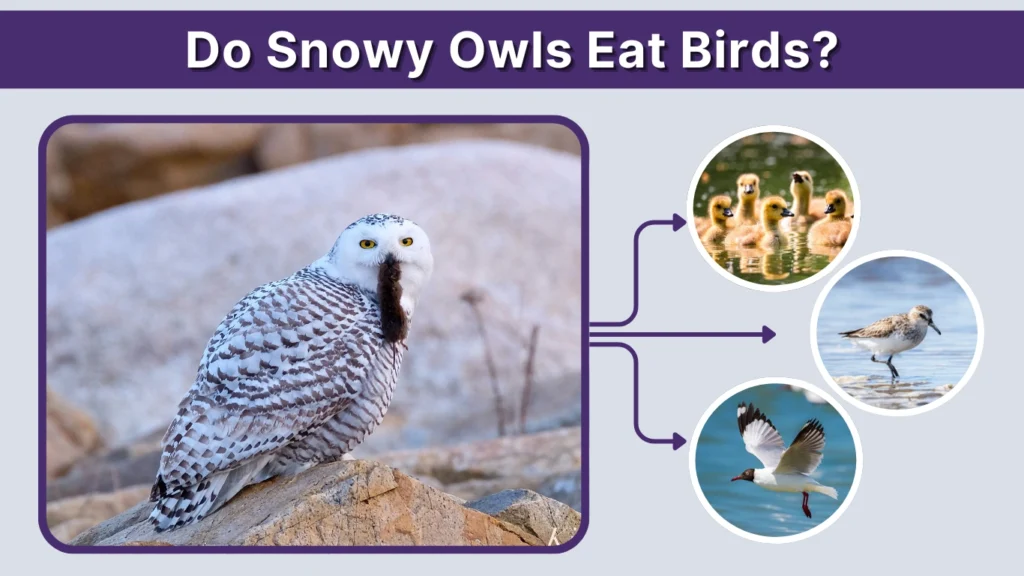
Snowy owls are not limited to mammals and will readily hunt birds when the opportunity arises. Birds become an especially important part of their diet during winter migration or in coastal regions where mammal prey may be less available.
Types of Birds Snowy Owls Prey On
Snowy owls commonly target ground-nesting and ground-feeding birds, which are easier to catch in open landscapes. These may include ducks, geese, shorebirds, and seabirds. In some cases, snowy owls have been known to prey on smaller bird species resting on beaches, fields, or frozen shorelines.
Birds are typically hunted by surprise, with snowy owls using their powerful talons to strike quickly. This adaptability helps them survive outside the Arctic, particularly in southern Canada and the northern United States during winter months.
Do Snowy Owls Eat Fish?
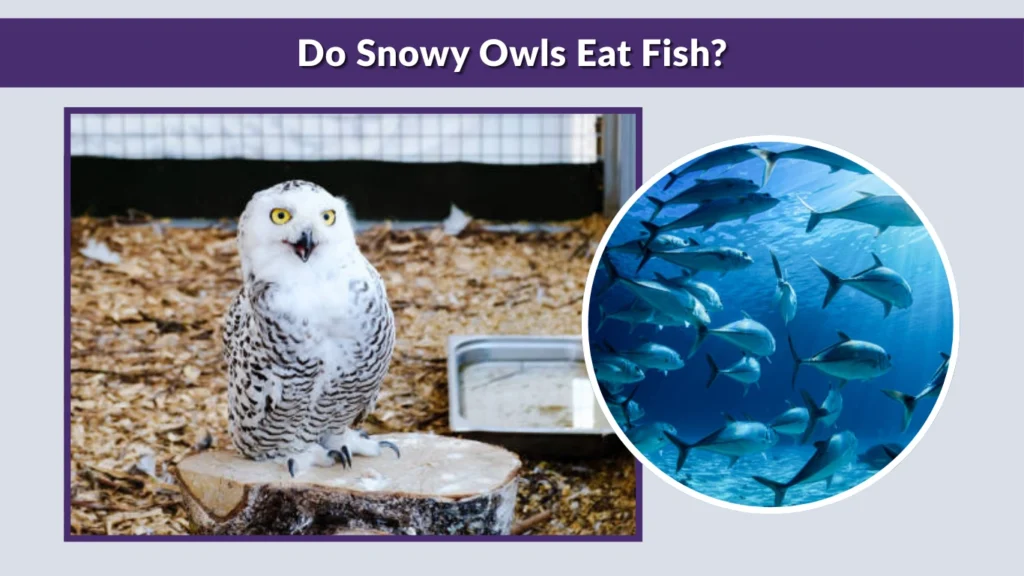
Snowy owls are primarily hunters of mammals and birds, but they may occasionally eat fish under certain conditions. Fish are not a regular part of their diet, mainly because snowy owls are adapted to hunting on land rather than catching prey from water. However, in coastal areas or near open water, they may take advantage of fish that are easily accessible.
Most fish consumption happens opportunistically. Snowy owls may catch fish in shallow water, along shorelines, or scavenge dead or injured fish washed ashore. While fish can provide valuable nutrients, they do not offer the same hunting efficiency as small mammals like lemmings. As a result, fish remain a minor and inconsistent food source.
Seasonal Changes in the Snowy Owl Diet
Snowy owl diets vary significantly throughout the year, largely depending on location and seasonal prey availability.
What Do Snowy Owls Eat in the Arctic?
During the breeding season in the Arctic tundra, snowy owls rely heavily on lemmings and other small mammals. These prey animals are abundant in summer and are critical for raising chicks. A strong lemming population often leads to higher breeding success, while low numbers may cause snowy owls to skip breeding altogether.
In addition to lemmings, snowy owls in the Arctic may hunt voles, mice, and occasionally birds. The open tundra allows them to spot prey from long distances, making hunting more efficient during the long daylight hours of Arctic summers.
What Do Snowy Owls Eat in Winter?
In winter, many snowy owls migrate southward into Canada and the northern United States. During this time, their diet becomes more diverse. They often feed on small mammals found in fields, grasslands, and marshes, as well as a wide range of bird species.
Coastal wintering snowy owls may rely more on seabirds and shorebirds, while inland owls focus on rodents. This flexibility allows snowy owls to survive in unfamiliar environments far from their Arctic breeding grounds.
How Snowy Owls Hunt Their Prey
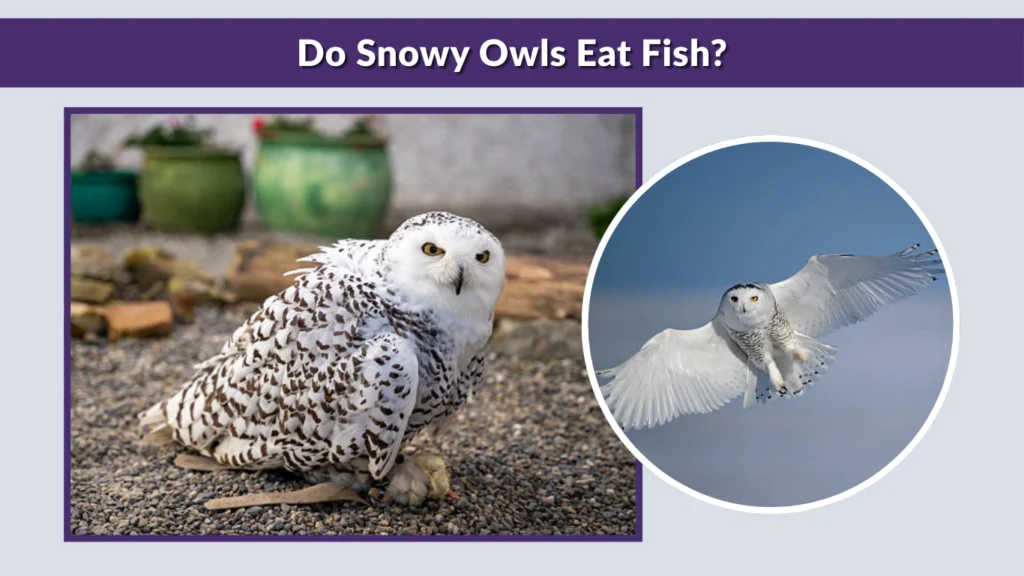
Snowy owls are skilled hunters with adaptations that make them highly effective in open landscapes. Unlike most owls, they frequently hunt during daylight, especially in the Arctic where darkness is limited during summer months.
They often hunt by perching on elevated spots such as rocks, ridges, or man-made structures, scanning the ground for movement. Snowy owls can detect prey under snow using their keen hearing and vision, then swoop down silently to capture it with their powerful talons.
Their white plumage provides excellent camouflage against snow-covered terrain, allowing them to approach prey without being noticed. This combination of stealth, strength, and patience makes them efficient predators.
How Much Do Snowy Owls Eat?
The amount of food a snowy owl eats depends on its size, age, and activity level. On average, an adult snowy owl may consume between 3 and 5 small mammals per day. During the breeding season, food demands increase significantly as adults must feed both themselves and their chicks.
Young snowy owls require frequent feeding and grow rapidly, which means parents must hunt almost constantly. In times of prey abundance, snowy owls may kill more prey than they immediately eat and store it for later use.
What Do Snowy Owls Eat in Captivity?
In zoos and wildlife rehabilitation centers, snowy owls are fed a carefully balanced diet designed to meet their nutritional needs. This typically includes rodents such as mice and rats, along with occasional chicks or quail.
Captive diets differ from wild diets in consistency and variety but aim to replicate natural nutrition as closely as possible. Proper feeding is essential for maintaining health, feather condition, and overall well-being.
The Role of Snowy Owls in the Food Chain
Snowy owls are apex predators in the Arctic ecosystem, meaning they have few natural enemies. Their presence helps regulate populations of small mammals and birds, maintaining ecological balance. Changes in their diet or population often signal shifts in environmental conditions, making them important indicators of ecosystem health.
Conclusion
Snowy owls have a highly specialized yet flexible diet that allows them to survive in some of the harshest environments on Earth. From lemmings in the Arctic tundra to birds and rodents in wintering grounds, their feeding habits reflect remarkable adaptability. Understanding what snowy owls eat not only reveals their role as powerful predators but also highlights the delicate balance of the ecosystems they inhabit.
FAQs
Do snowy owls eat rabbits?
Snowy owls can eat rabbits, but this is not common. Rabbits are much larger than the snowy owl’s usual prey, so they are typically hunted only if they are young, injured, or very small. In most cases, snowy owls prefer smaller mammals like lemmings, voles, and mice because they are easier to catch and handle.
Do snowy owls eat pets?
Snowy owls rarely eat pets. While they are capable of taking small animals, they generally avoid areas with heavy human activity. Small outdoor pets such as cats or small dogs could be at risk in very rare cases, but this behavior is uncommon and not typical of snowy owls.
Can snowy owls survive without lemmings?
Yes, snowy owls can survive without lemmings, but their breeding success often declines. When lemming populations crash, snowy owls switch to hunting birds and other small mammals. However, without abundant lemmings, many snowy owls may skip breeding or migrate to other regions in search of food.
Do snowy owls eat other owls?
In rare situations, snowy owls may prey on smaller owl species, especially if food is scarce. This behavior is uncommon and usually occurs only under extreme conditions when preferred prey is unavailable.
How do snowy owls get water?
Snowy owls get most of the water they need from the prey they eat. The tissues and blood of animals provide sufficient hydration, so they rarely need to drink standing water, especially in frozen Arctic environments.
How often do snowy owls hunt?
Snowy owls hunt daily, with activity levels depending on food availability and season. During the breeding season, they hunt more frequently to feed their chicks, sometimes hunting both day and night when prey is abundant.
