
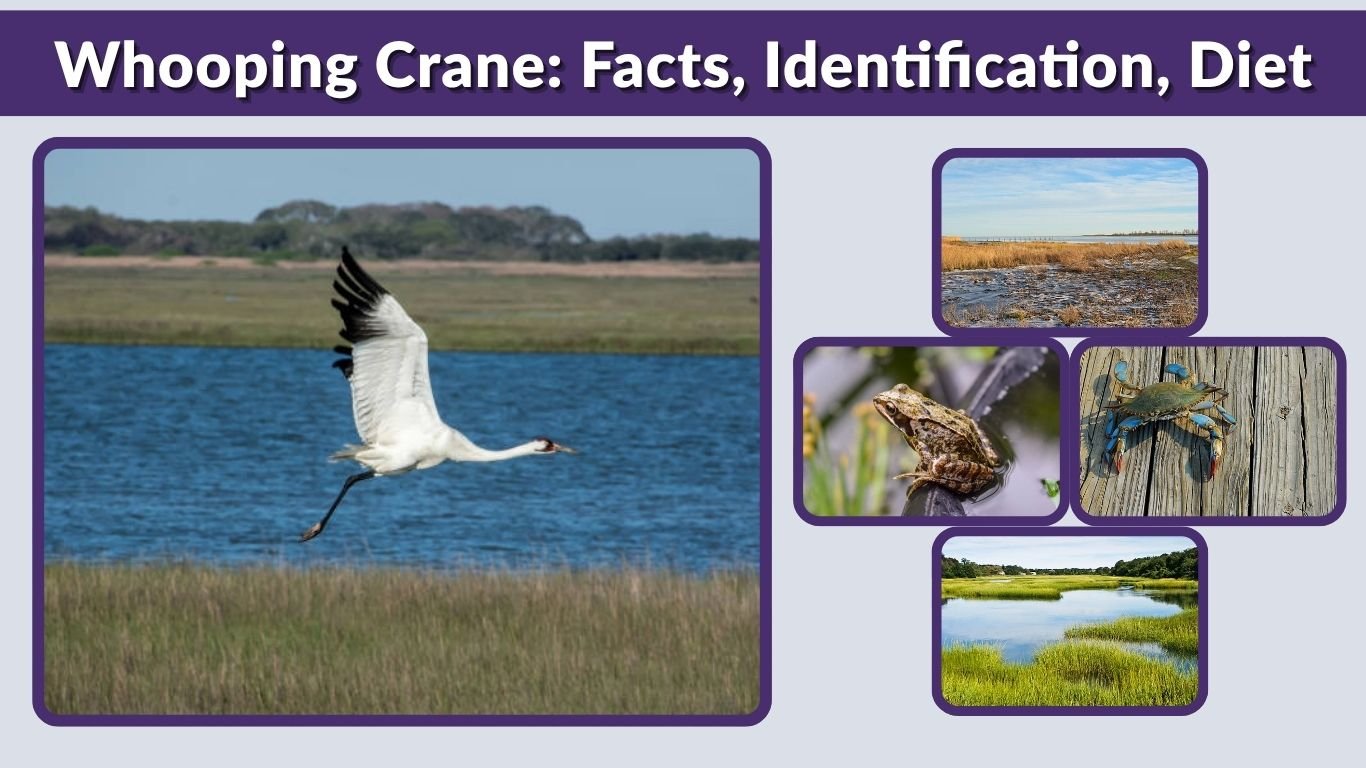
The Whooping Crane is one of the most iconic and endangered birds in North America. Known for its tall stature, striking white plumage, and loud “whooping” call, this species captures the attention of birdwatchers and conservationists alike. Once on the brink of extinction, the Whooping Crane has become a symbol of successful wildlife recovery efforts. Found mainly in wetlands and coastal areas, this majestic bird continues to inspire efforts to protect and preserve its fragile population.
What is a Whooping Crane?
Scientific Classification
The Whooping Crane (Grus americana) belongs to the Gruidae family, which includes cranes known for their long legs, necks, and elegant movements. It is the tallest bird in North America and one of the rarest.
Overview of the Species
This species is best known for its loud, echoing call that can be heard from miles away. Whooping Cranes are graceful birds with strong wings and slow, deliberate movements. They are also known for forming lifelong pair bonds and performing elaborate courtship dances. Their rarity and unique behaviors make them a significant focus of conservation programs.
Whooping Crane Physical Characteristics and Identification
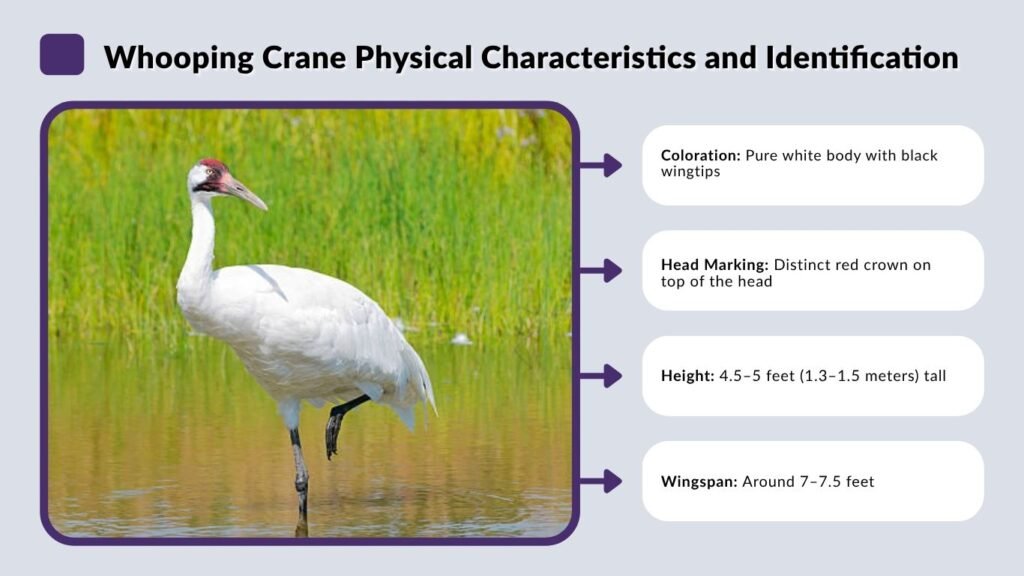
The Whooping Crane is one of the tallest and most recognizable birds in North America. Its elegant shape, bright white plumage, and contrasting markings make it easy to identify, especially in open wetlands or during flight. With its long legs and neck, this crane has a graceful appearance that stands out among other large birds.
Key Physical Features:
- Coloration: Pure white body with black wingtips (visible in flight)
- Head Marking: Distinct red crown on top of the head
- Height: 4.5–5 feet (1.3–1.5 meters) tall
- Wingspan: Around 7–7.5 feet (2.1–2.3 meters)
- Bill: Long, straight, and pointed for probing in water
- Neck & Legs: Long and slender, adapted for wading
- Flight Style: Neck and legs fully extended, slow powerful wingbeats
These features make the Whooping Crane easy to distinguish
Whooping Crane Habitat
Natural Habitat
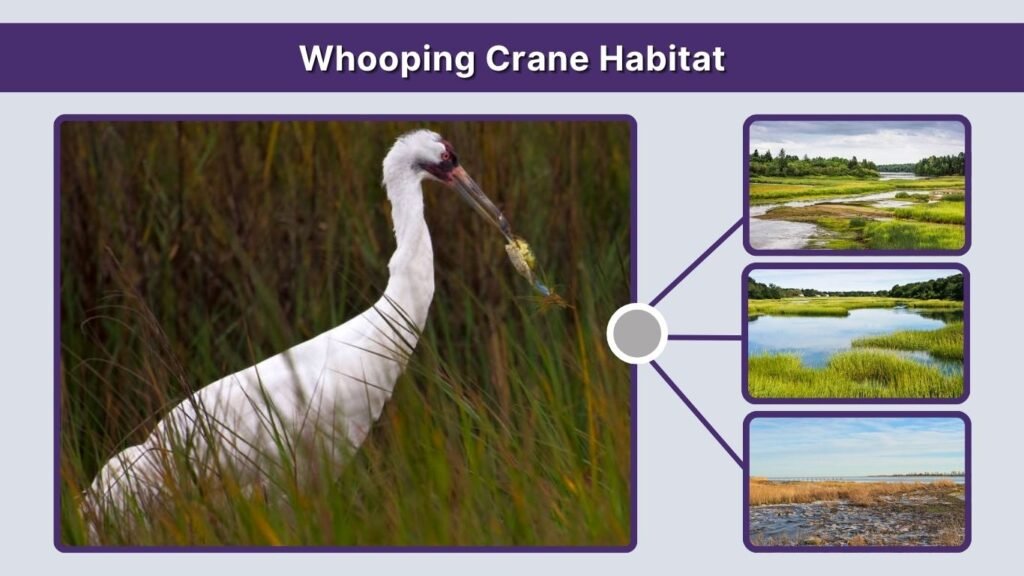
Whooping Cranes depend heavily on wetlands, marshes, and shallow water areas. These environments provide the food and shelter they need to survive. Wetlands are especially important because they support a wide variety of prey.
Breeding Habitat
During the breeding season, Whooping Cranes nest in remote wetlands in northern Canada, particularly in Wood Buffalo National Park. These areas offer protection from predators and minimal human disturbance.
Winter Habitat
In winter, the main population migrates to the Texas Gulf Coast, especially the Aransas National Wildlife Refuge. Here, they rely on coastal marshes and estuaries for food, including crabs and small fish.
Whooping Crane Migration
Migration Route
Whooping Cranes undertake one of the longest migrations of any North American bird. Each year, they travel approximately 4,000 kilometers (2,500 miles) between their breeding grounds in Canada and wintering areas in Texas.
Migration Behavior
These cranes usually migrate in small groups or family units. They take advantage of warm air currents, known as thermals, to glide and conserve energy during long flights. Their journey is slow and steady, often taking several weeks.
Challenges During Migration
Migration is one of the most dangerous times for Whooping Cranes. They face threats such as habitat loss, bad weather, and human disturbances like power lines and development. Conservation efforts focus heavily on protecting migration routes to ensure their survival.
Whooping Crane Diet and Feeding Habits
What Do Whooping Cranes Eat?
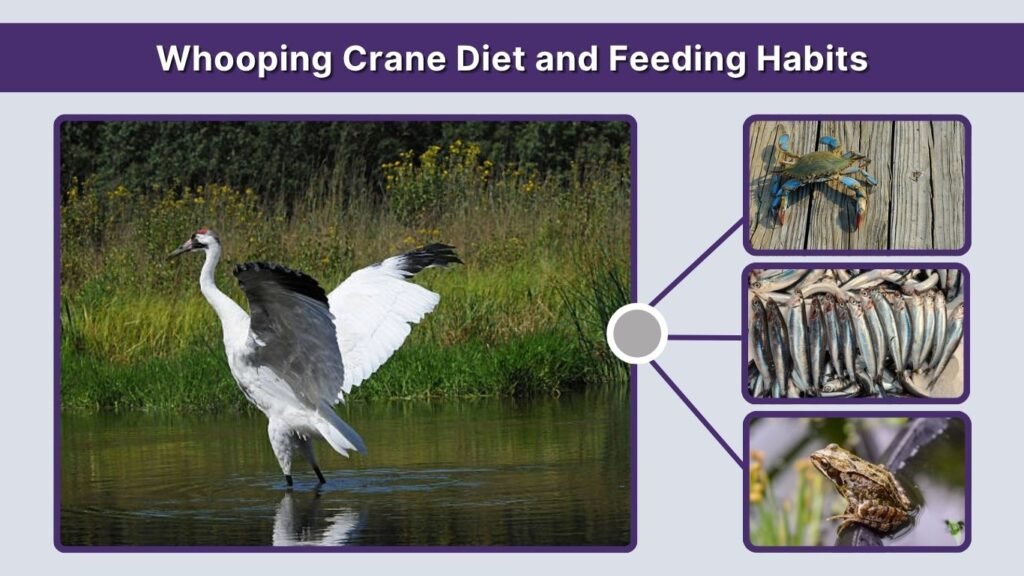
Whooping Cranes are omnivorous and have a varied diet. They feed on blue crabs, fish, frogs, insects, and small mammals. They also consume plant material such as grains and aquatic vegetation when available.
Feeding Behavior
These birds forage slowly and carefully in shallow water or wetlands. They use their long bills to probe the ground or water for food. Their deliberate feeding style helps them locate prey efficiently while minimizing energy use.
Whooping Crane Lifespan
Average Lifespan
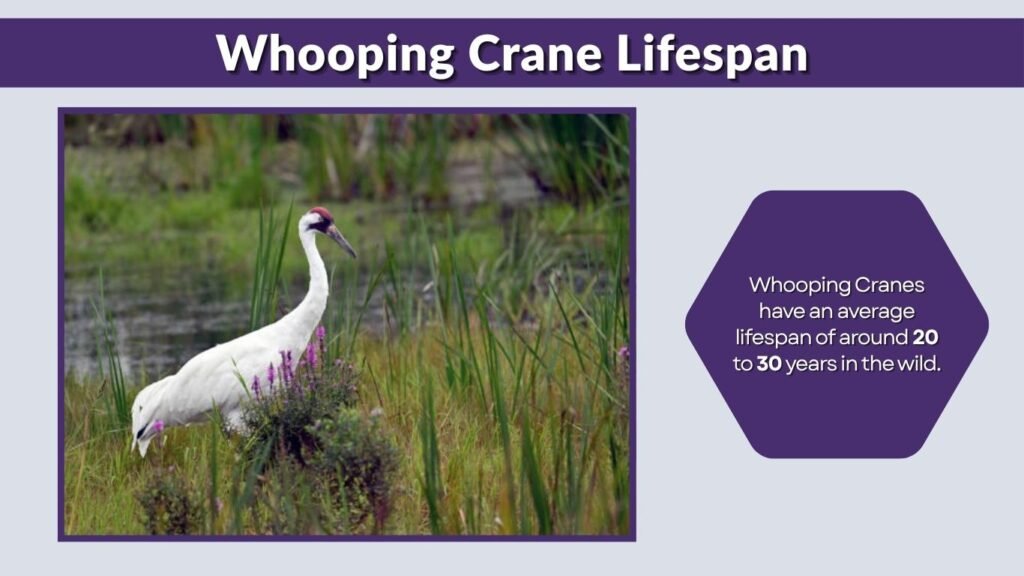
Whooping Cranes are long-lived birds, with an average lifespan of around 20 to 30 years in the wild. Some individuals have been known to live even longer in protected environments such as wildlife reserves or captivity.
Factors Affecting Lifespan
Several factors influence how long a Whooping Crane can live. These include habitat quality, availability of food, and exposure to threats such as predators or human activity. Conservation efforts have played a major role in improving survival rates by protecting critical habitats and reducing risks.
Are Whooping Cranes Endangered?
Conservation Status
Yes, Whooping Cranes are classified as endangered. They are one of the rarest bird species in North America, though their population has slowly increased thanks to conservation efforts.
Population History
In the 1940s, the population of Whooping Cranes dropped to fewer than 20 individuals, bringing the species dangerously close to extinction. This decline was largely due to habitat loss and unregulated hunting.
Conservation Efforts
Significant efforts have been made to save this species. These include captive breeding programs, habitat protection, and carefully managed migration training. Organizations and wildlife agencies continue to monitor and support Whooping Crane populations to ensure their recovery.
Whooping Crane vs Sandhill Crane
Key Differences
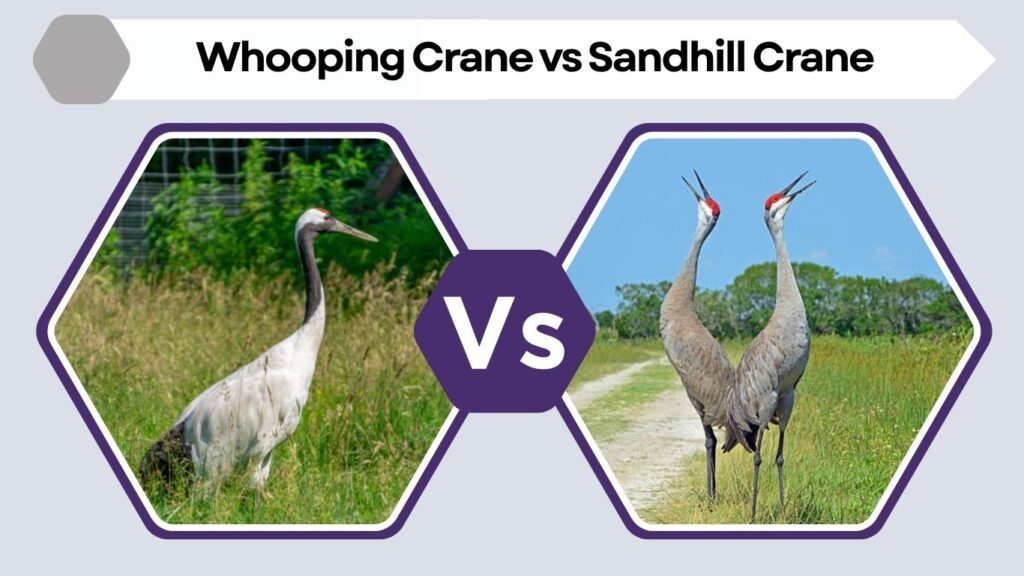
Although they may look similar at first glance, Whooping Cranes and Sandhill Cranes have several important differences. Whooping Cranes are larger and have bright white plumage, while Sandhill Cranes are gray. The Whooping Crane’s call is a loud, clear “whoop,” whereas Sandhill Cranes produce a rattling sound.
Identification Tips
To tell them apart in the wild, focus on color and size. A tall, white crane with black wingtips is almost certainly a Whooping Crane. Observing their calls and behavior can also help confirm identification.
Interesting Whooping Crane Facts
- Whooping Cranes are among the rarest birds in North America.
- They form lifelong pair bonds and often stay with the same mate for years.
- Their courtship includes elaborate dances involving jumping and wing flapping.
- They migrate thousands of kilometers each year between Canada and Texas.
How to Identify a Whooping Crane in the Wild
Visual Clues
The most obvious feature is its white body with black wingtips, visible especially in flight. The red crown on its head is another key identifying mark.
Behavioral Clues
Whooping Cranes move slowly and gracefully, often seen wading in shallow water. Their loud, echoing call is a strong indicator of their presence, even if they are not immediately visible.
FAQs
Why is it called a Whooping Crane?
The name comes from its loud, trumpet-like “whooping” call, which can be heard over long distances and is used for communication between pairs and groups.
How far do whooping cranes migrate each year?
Whooping Cranes migrate roughly 4,000 kilometers (about 2,500 miles) between their breeding grounds in Canada and wintering areas in Texas.
What is the biggest threat to whooping cranes?
The biggest threats include habitat loss, collisions with power lines, and environmental changes that affect their wetland habitats.
Do whooping cranes mate for life?
Yes, Whooping Cranes typically form lifelong pair bonds and stay with the same partner for many years.
Can whooping cranes fly long distances without stopping?
They usually fly in stages, stopping at wetlands along their migration route to rest and feed rather than flying continuously.
Conclusion
The Whooping Crane is a remarkable bird that represents both the beauty of nature and the importance of conservation. From its impressive size and long migrations to its recovery from near extinction, it remains a powerful symbol of wildlife protection. By learning more about this species and supporting conservation efforts, we can help ensure that future generations continue to witness the majesty of the Whooping Crane in the wild.
