
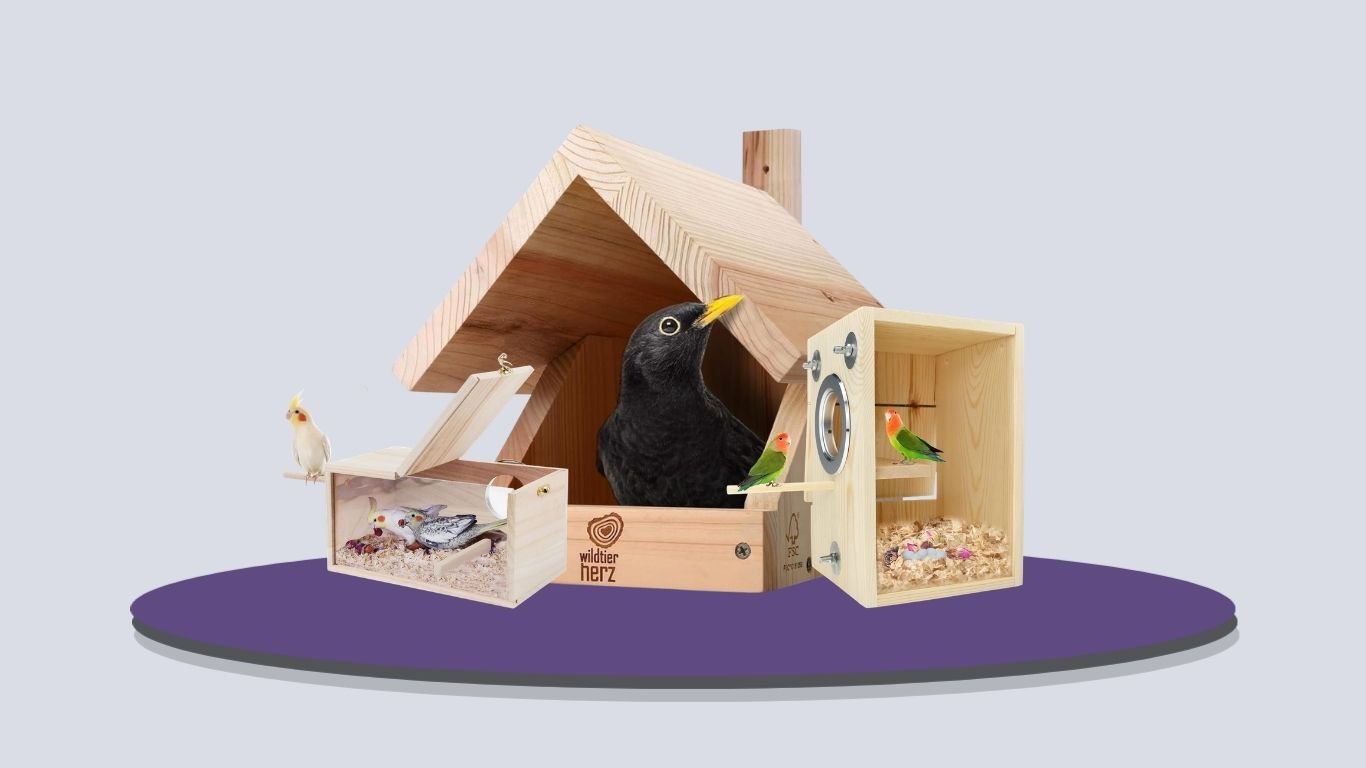
A well-designed bird nesting box can provide pet and backyard birds with a more secure, comfortable place for breeding, resting, and raising chicks. The best bird nesting boxes combine durable construction, suitable entrance sizes, easy cleaning, and enough interior space for the intended species. Some models also include transparent panels that make observation easier without constantly disturbing the birds. In this guide, we review nine practical nesting boxes for cockatiels, parakeets, lovebirds, budgies, blackbirds, and other compatible species to help you compare the most useful options.
1. CooShou Cockatiel Transparent Detachable Nesting Box
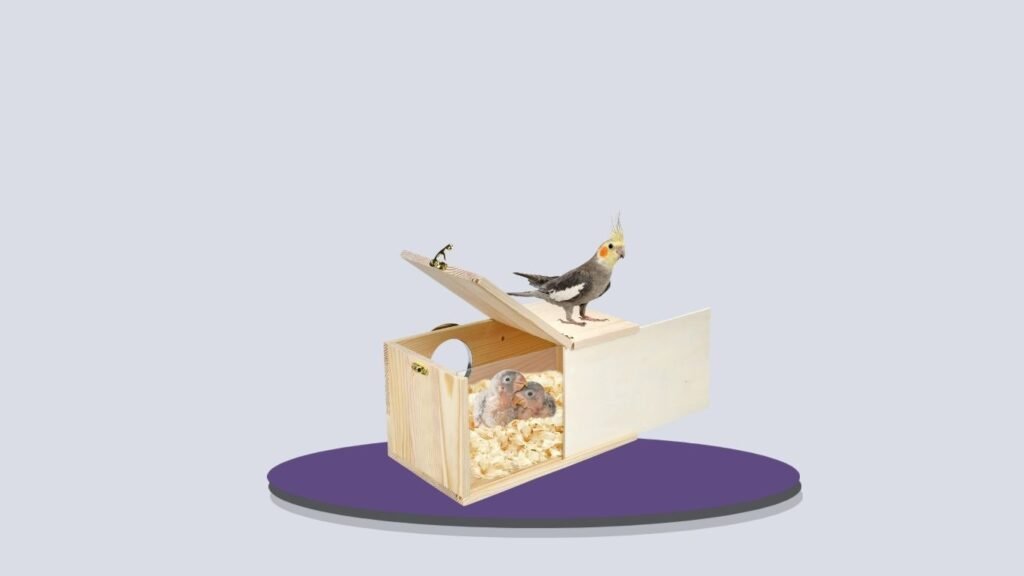
The CooShou Cockatiel Transparent Detachable Nesting Box is designed for bird owners who want a practical breeding space while still being able to observe their birds more easily. Its transparent viewing area helps owners monitor nesting activity without repeatedly opening the box, while the detachable construction can make cleaning and maintenance more convenient. It is particularly suited to cockatiels, lovebirds, parakeets, and other compatible small-to-medium pet birds.
Key Features
- Transparent viewing section for easier observation
- Detachable design for convenient maintenance
- Suitable for cockatiels, parakeets, and lovebirds
- Enclosed interior provides a more private nesting area
- Designed for cage-based breeding setups
- Practical structure for monitoring eggs and chicks
Why It Is Best for Easy Nest Monitoring
One of the biggest advantages of this CooShou nesting box is the transparent viewing area. Breeding birds can be sensitive to frequent disturbance, so repeatedly opening a nesting box to check eggs or chicks is not always ideal.
The viewing panel provides a more convenient way to observe activity while keeping the main nesting area relatively enclosed. This feature can be especially useful for first-time breeders who want to follow nesting progress more closely.
Breeding Comfort and Practical Design
A nesting box should create a space where birds can feel protected while breeding. The enclosed structure of this model provides a defined nesting area that can help reduce exposure to activity outside the cage.
Its detachable construction also adds convenience when the box needs attention. After the breeding period, easier access can help with removing old nesting material and preparing the interior for future use.
Who Should Consider This Nesting Box?
This CooShou model is especially suitable for bird keepers who want greater visibility into the breeding process without relying on frequent direct handling. It can work well in cockatiel, lovebird, and parakeet setups when the box dimensions are appropriate for the individual species.
For owners who value observation, easier maintenance, and a purpose-built breeding space, the combination of transparent viewing and detachable construction makes this nesting box a practical option.
2. Rypet Transparent Nesting Box for Cockatiels & Parrotlets
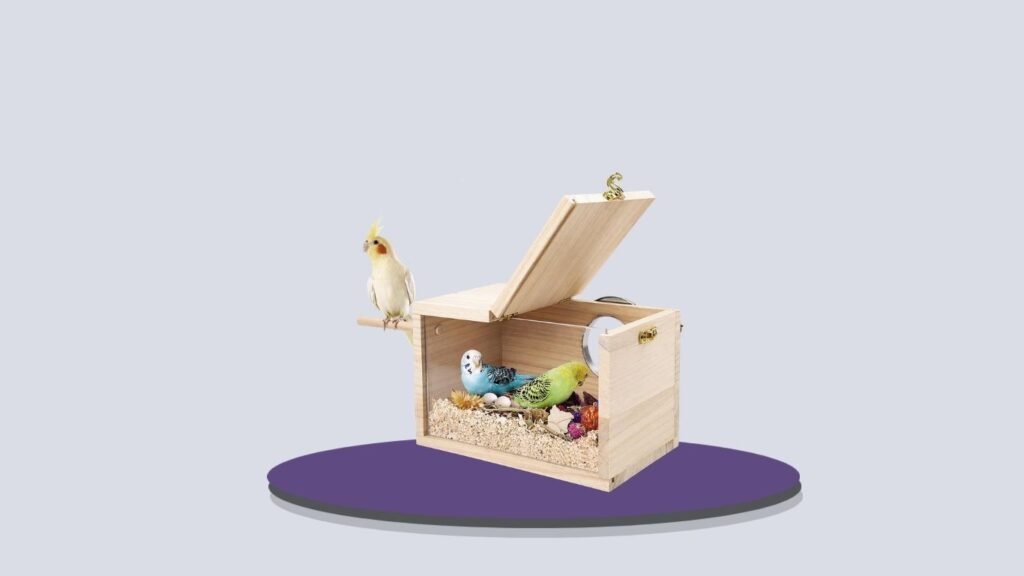
The Rypet Transparent Nesting Box is designed for bird owners who want a clear view of breeding activity while still giving their birds a dedicated nesting area. Its transparent construction makes it easier to observe eggs, chicks, and parental behavior without constantly opening the box. Designed for cockatiels, parrotlets, lovebirds, and other compatible birds, it works particularly well for indoor cage setups where easy monitoring is important.
Key Features
- Transparent design for convenient nest observation
- Suitable for cockatiels, parrotlets, and similar birds
- Enclosed nesting area for breeding
- Compatible with indoor bird cages
- Helps owners monitor eggs and chicks
- Designed for easier everyday nest management
Why It Is Best for Visible Nesting Activity
The main appeal of this Rypet nesting box is visibility. Traditional wooden nesting boxes usually require owners to open a lid or access panel to check what is happening inside. With a transparent design, breeders can observe more of the nesting process from outside.
This can be particularly helpful during egg laying and chick development when excessive disturbance should be avoided. It also makes the box educational for owners interested in observing natural breeding behavior.
Comfort and Everyday Breeding Performance
Although visibility is useful for owners, birds still need a nesting environment that feels protected. Positioning the box in a relatively quiet section of the cage can help reduce stress and provide greater privacy.
Adding appropriate nesting material when suitable for the species can also improve comfort. The box should be installed securely so it remains stable as birds enter, exit, and move around inside.
Best for Hands-On Bird Keepers
This Rypet nesting box works particularly well for owners who want to follow the breeding process closely. Its transparent construction can make monitoring easier while reducing the need for repeated physical checks.
For cockatiel, parrotlet, or lovebird breeders who value observation and convenience, it offers a useful combination of visibility, enclosure, and cage-friendly design.
3. CooShou Transparent Parakeet Nesting Box
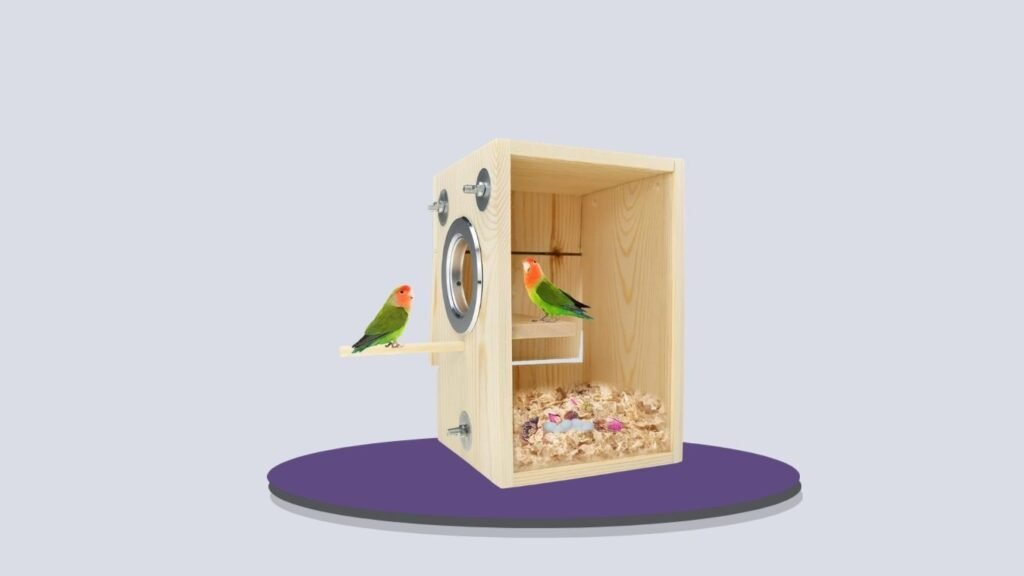
The CooShou Transparent Parakeet Nesting Box provides a dedicated breeding environment while giving owners a convenient way to observe activity inside. Designed for parakeets, lovebirds, cockatiels, and other compatible pet birds, it combines an enclosed nesting space with transparent viewing capability. This makes it a practical choice for owners who want to monitor eggs and young birds without unnecessarily opening the nest.
Key Features
- Transparent viewing design
- Suitable for parakeets and compatible pet birds
- Enclosed space for nesting and breeding
- Designed for attachment to bird cages
- Allows easier observation of eggs and chicks
- Practical for indoor breeding environments
Why It Works Well for Parakeet Breeding
Parakeets often seek enclosed cavities when preparing to breed, making a purpose-built nesting box an important part of a breeding setup. This CooShou model provides a defined interior area where birds can establish a nest away from the more exposed areas of the cage.
The transparent section gives owners the additional advantage of being able to observe nesting progress without constantly interfering with the birds.
Observation and Maintenance Convenience
Monitoring breeding birds can be challenging when using fully enclosed wooden boxes. With this model, visibility is improved, making it easier to check whether eggs have been laid or chicks are developing normally.
The design can also simplify routine care because owners can often determine whether intervention or cleaning is necessary before opening the nesting area. Secure installation remains important to prevent movement or instability.
Best for Small Companion Birds
This CooShou nesting box is a strong option for owners of parakeets, lovebirds, and other compatible small birds. It is particularly useful when observation is a priority.
Its combination of enclosure and visibility gives bird keepers a more practical way to support breeding while remaining aware of what is happening inside the nest.
4. CooShou Cockatiel Transparent Detachable Breeding Box
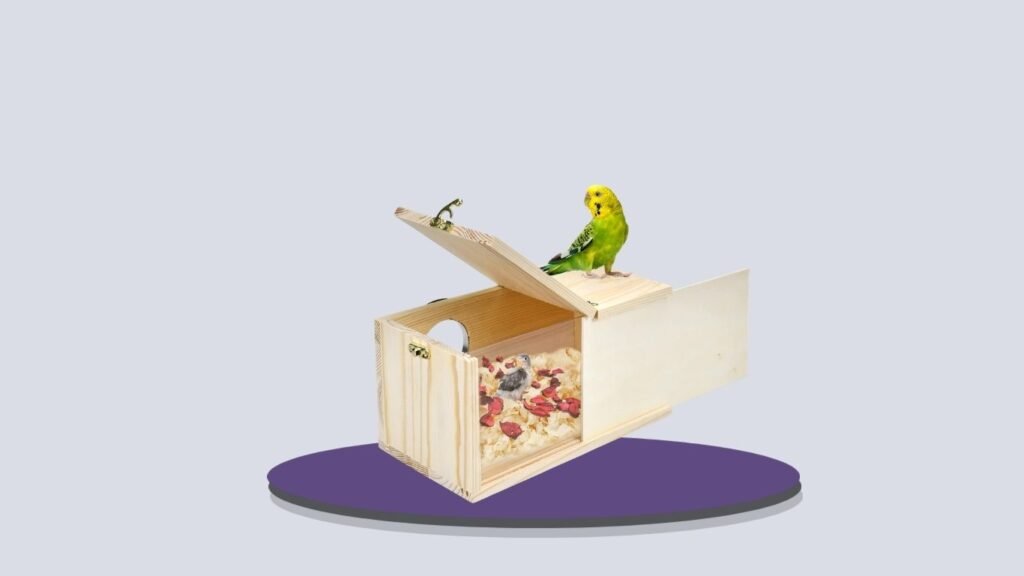
The CooShou Cockatiel Transparent Detachable Breeding Box combines a spacious nesting area with practical viewing and maintenance features. Its transparent section allows bird owners to monitor breeding behavior, while the detachable design can simplify cleaning after nesting activity is complete. Intended for cockatiels, lovebirds, and other appropriately sized pet birds, it is well suited to breeders who want both functionality and easier access.
Key Features
- Transparent panel for nest monitoring
- Detachable construction for easier cleaning
- Suitable for cockatiels and lovebirds
- Enclosed breeding and nesting space
- Designed for cage installation
- Supports easier egg and chick observation
Why It Is Best for Convenient Maintenance
Breeding boxes require periodic cleaning, especially after chicks have fledged or the breeding cycle has ended. The detachable construction of this CooShou model can make this task considerably more manageable.
Instead of working around a permanently enclosed structure, owners have better access to remove old nesting material and inspect the interior. This can help maintain a cleaner environment before the box is used again.
Breeding Performance and Visibility
The transparent viewing section adds another practical advantage. Owners can watch for egg laying, chick development, and general nesting activity without opening the box every time.
This can reduce unnecessary disturbances while still allowing closer monitoring. The box should be installed securely and placed in a quieter part of the cage to help breeding birds feel more comfortable.
Best for Regular Bird Breeders
This nesting box is especially useful for owners who breed birds regularly and therefore need a design that is easier to inspect and maintain. The combination of transparent viewing and detachable construction helps simplify several routine breeding tasks.
For cockatiel and lovebird keepers who want greater control over monitoring and cleaning, this CooShou model offers a well-balanced breeding solution.
5. wildtier herz Wooden Blackbird Nesting Box
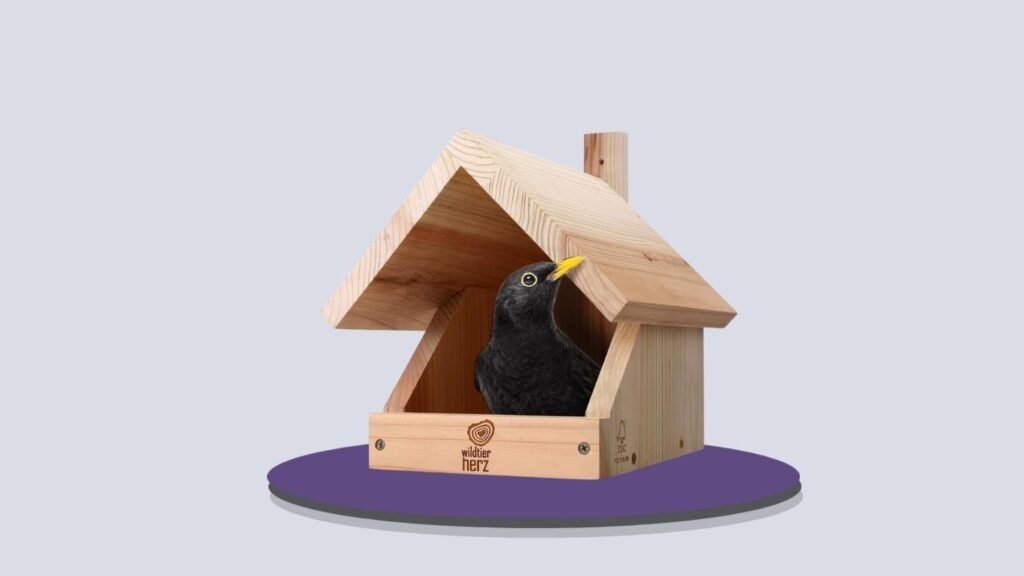
The wildtier herz Wooden Blackbird Nesting Box differs from the transparent cage-mounted models because it is intended for outdoor wild birds. Its solid wooden construction provides a more natural nesting environment suited to gardens, yards, and other outdoor areas. Designed with blackbirds and similar species in mind, it offers homeowners a durable way to add potential nesting habitat while maintaining a traditional, natural appearance.
Key Features
- Solid wooden construction
- Designed for outdoor wild birds
- Suitable for blackbirds and compatible species
- Natural appearance blends into gardens
- Sturdy screwed construction
- Provides sheltered nesting space
Why It Is Best for Outdoor Bird Habitats
Wild birds generally benefit from nesting structures that blend naturally into their environment. The wooden construction of this wildtier herz box helps it fit around trees, shrubs, fences, and landscaped areas without appearing overly artificial.
For blackbirds and other suitable species, the shelter can provide an additional nesting opportunity in areas where natural sites may be limited.
Durability and Garden Performance
Outdoor nesting boxes need to handle changing weather and seasonal use. Solid wood provides useful insulation while also creating a familiar nesting material for wild birds.
Secure mounting is important to prevent excessive movement during windy conditions. Positioning the box in a quieter area with nearby vegetation can also give birds easier access to cover while reducing disturbances from people and pets.
Best for Backyard Wildlife Support
The wildtier herz nesting box is most appropriate for homeowners who want to support wild birds rather than breed indoor pet birds. It can become part of a broader wildlife-friendly garden alongside native plants, water sources, and natural feeding areas.
For anyone interested in encouraging blackbirds or similar backyard visitors, its solid construction and natural outdoor design make it a practical habitat-focused option.
6. Rypet Cockatiel Transparent Nesting Box
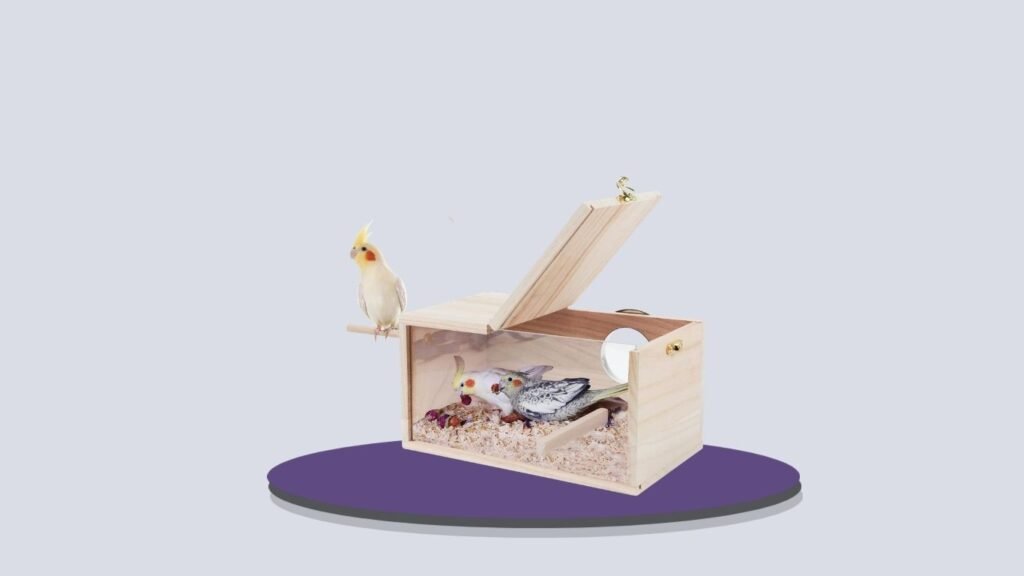
The Rypet Cockatiel Transparent Nesting Box is designed for bird owners who want a dedicated breeding area with easier visibility into what is happening inside. Its transparent structure can make it simpler to monitor eggs, chicks, and parental activity without repeatedly disturbing the nest. Intended for cockatiels, lovebirds, parrotlets, and other compatible birds, it is especially useful for indoor cage setups where convenient observation matters.
Key Features
- Transparent design for easier nest monitoring
- Suitable for cockatiels, lovebirds, and parrotlets
- Enclosed area for breeding and resting
- Designed for cage-mounted use
- Helps owners observe eggs and chicks
- Practical for indoor bird-breeding setups
Why It Is Best for Easy Nest Observation
One of the biggest benefits of this Rypet nesting box is its visibility. With a traditional wooden nesting box, owners may need to open the box to check breeding progress. A transparent design reduces the need for frequent physical inspection.
This can be helpful during sensitive stages of breeding when birds may respond poorly to repeated disturbance. It also allows owners to follow chick development more conveniently.
Breeding Comfort and Daily Use
The box provides birds with a defined nesting space while remaining practical for everyday monitoring. Positioning it in a quiet part of the cage can help birds feel more secure while they settle into the nesting area.
Stable installation is also important. The box should remain firmly attached as birds enter, exit, and move around inside, especially once chicks become more active.
Best for Indoor Breeding Setups
This model is especially suitable for pet bird owners who want an easy-to-monitor nesting solution. Its transparent design can be useful for beginners as well as more experienced breeders.
For cockatiel, lovebird, and parrotlet setups where observation and convenience are priorities, this Rypet nesting box offers a practical combination of visibility and enclosed shelter.
7. Wooden Parakeet, Budgie & Cockatiel Breeding Nesting Box
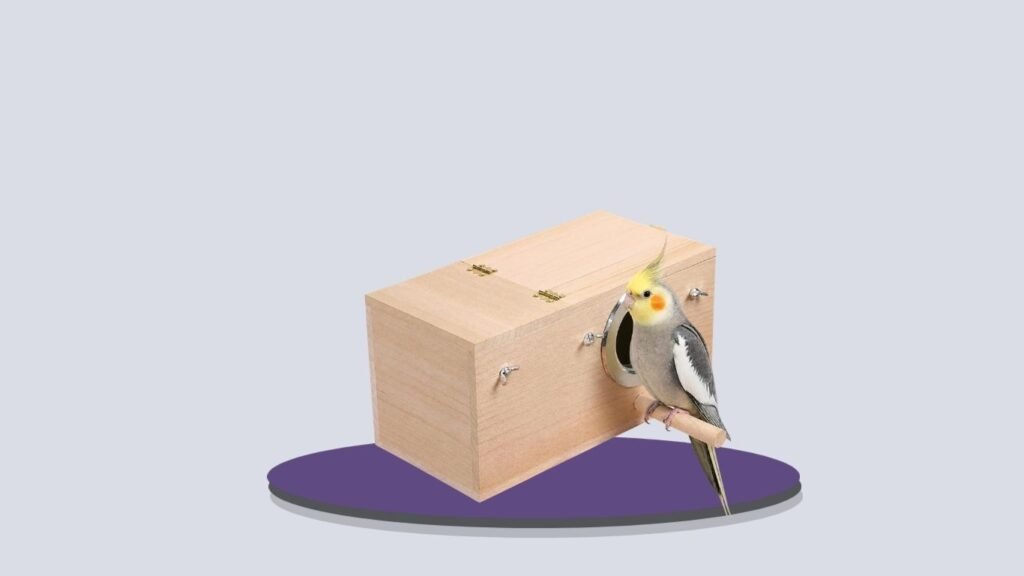
This wooden breeding nesting box is designed for parakeets, budgies, cockatiels, and other compatible pet birds that naturally prefer enclosed nesting spaces. Its traditional wooden construction provides a more familiar nesting environment than transparent plastic-style boxes. For bird owners who prioritize privacy, simplicity, and a natural interior, this type of nesting box can be a practical addition to an indoor breeding cage.
Key Features
- Traditional wooden nesting-box construction
- Suitable for budgies, parakeets, and cockatiels
- Enclosed design provides greater privacy
- Designed for cage-based breeding
- Natural-looking interior environment
- Can support routine breeding setups
Why It Is Best for a More Natural Nesting Environment
Many pet birds instinctively seek enclosed cavities when breeding. A wooden nesting box more closely resembles this type of environment, giving birds a darker and more private interior than a fully transparent model.
This can be beneficial for birds that are easily distracted or nervous around frequent activity. The simple enclosed design creates a clear separation between the nest and the rest of the cage.
Comfort, Privacy, and Breeding Performance
A quiet nesting environment can encourage birds to settle more comfortably during breeding. The wooden walls help reduce visual exposure while also providing a solid, stable nesting area.
Appropriate nesting material can be added when recommended for the species. The box should also be mounted securely and positioned where birds will not be constantly disturbed by people, pets, or other cage activity.
Best for Traditional Bird Breeders
This nesting box is a strong choice for owners who prefer a conventional wooden setup rather than a transparent design. It works particularly well for budgies and other small parrots that respond well to enclosed nesting cavities.
For breeders focused on privacy, simplicity, and a more natural nesting feel, this model offers a straightforward and dependable option.
8. Tfwadmx Breeding Nesting Box for Lovebirds & Cockatiels
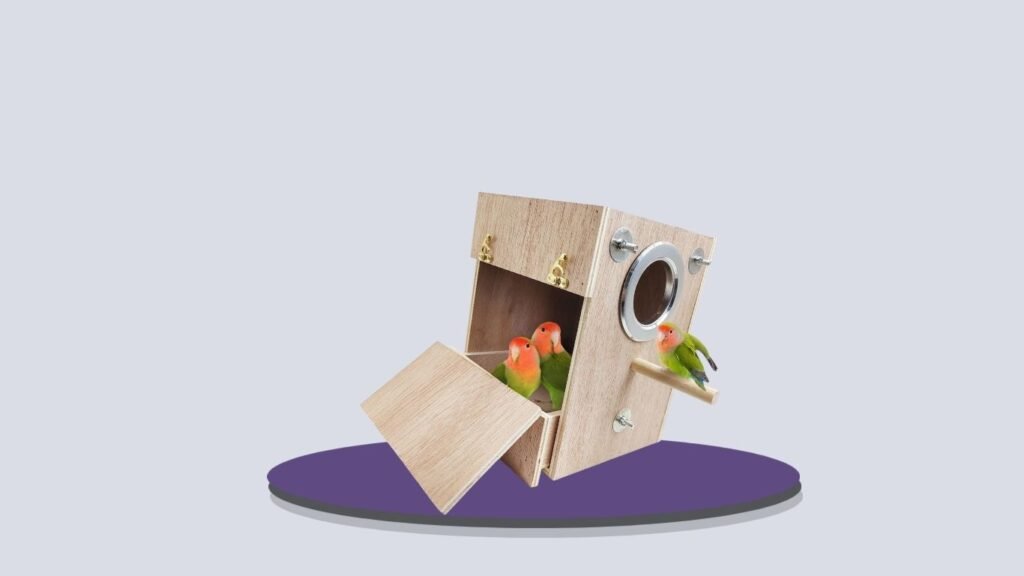
The Tfwadmx Breeding Nesting Box is designed for lovebirds, parakeets, cockatiels, and similar pet birds that need a dedicated enclosed space during breeding. Its wooden construction gives the nest a traditional appearance while providing the privacy many birds prefer during egg laying and chick rearing. It can be installed as part of a home breeding setup where simple maintenance and a secure nesting environment are important.
Key Features
- Wooden construction for a natural nesting feel
- Suitable for lovebirds, parakeets, and cockatiels
- Enclosed design provides privacy
- Designed for bird-cage breeding setups
- Provides dedicated space for eggs and chicks
- Suitable for repeated seasonal use
Why It Is Best for Lovebirds and Cockatiels
Lovebirds and cockatiels commonly prefer enclosed nesting areas during breeding. The structure of this Tfwadmx box provides a defined, darker interior that can feel more secure than an open cage environment.
This privacy can be particularly useful when birds are preparing to lay eggs or caring for young chicks. The box also gives owners a designated place to manage nesting materials and monitor breeding progress.
Construction and Practical Breeding Use
The wooden design helps create a more natural nesting environment and offers a solid structure for birds entering and leaving the box. Secure attachment to the cage is important so the nest remains stable during regular use.
Owners should inspect the box periodically and clean it after the breeding cycle is complete. Keeping the interior dry and free from old nesting debris can help prepare the box for future use.
Best for Home Bird-Breeding Setups
The Tfwadmx nesting box is a practical fit for home breeders who want a simple wooden nesting solution for lovebirds, parakeets, or cockatiels. It does not rely on complicated features, which makes it easy to integrate into an existing cage.
For bird keepers who value privacy, traditional construction, and straightforward use, this model offers a balanced option.
9. kathson Parakeet, Lovebird & Cockatiel Nesting Box
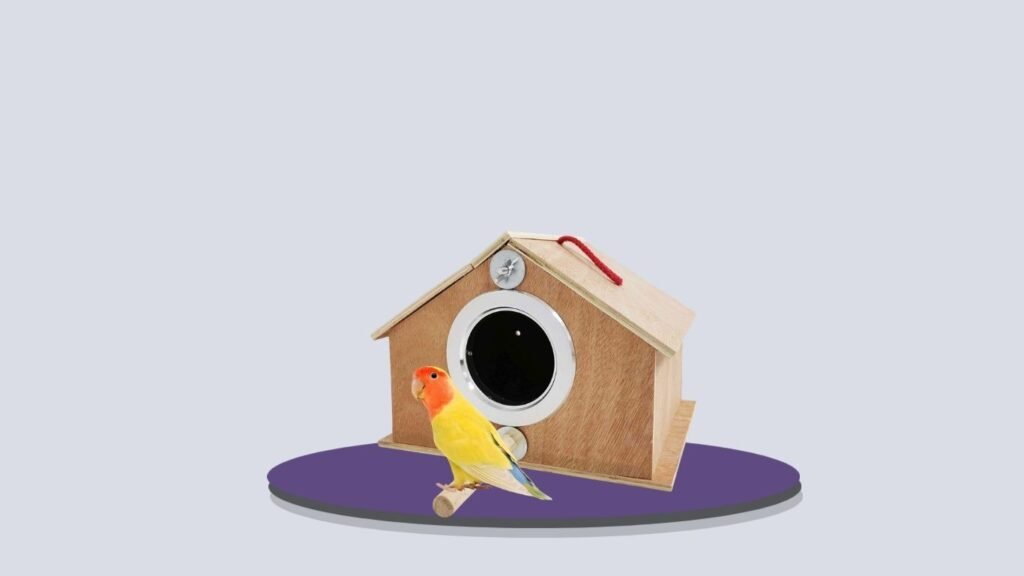
The kathson Bird Nesting Box is designed for parakeets, lovebirds, cockatiels, and other compatible small-to-medium pet birds. Its enclosed wooden-style structure provides a private area where birds can nest, lay eggs, and care for chicks away from the more exposed sections of the cage. For owners looking for a traditional breeding box with practical dimensions, this model is a versatile option for several commonly kept pet bird species.
Key Features
- Suitable for parakeets, lovebirds, and cockatiels
- Enclosed nesting space for breeding
- Traditional wooden-style construction
- Designed for cage installation
- Provides privacy for eggs and chicks
- Useful for home breeding environments
Why It Is Best for Multi-Species Use
One of the main advantages of this kathson nesting box is its broad compatibility with several popular pet bird species. Owners who keep parakeets, lovebirds, or cockatiels may appreciate having one style of nesting box that can work across different breeding setups when the dimensions are appropriate.
The enclosed design also provides the privacy birds typically seek when preparing a nest.
Nesting Comfort and Everyday Reliability
The solid construction creates a stable interior where birds can settle without constant visual exposure. This can help create a calmer breeding environment, especially when the cage is located in a busy part of the home.
Secure mounting, appropriate bedding, and occasional inspection are important for long-term use. After each breeding cycle, the box should be cleaned and checked for wear before being reused.
Best for Versatile Home Breeding
The kathson nesting box is well suited to bird owners who want a flexible option for several small parrot species. Its simple enclosed design makes it easy to understand and integrate into a standard cage setup.
For breeders who prioritize privacy, species versatility, and straightforward functionality, this model provides a practical way to complete a breeding environment.
FAQs
1. What size nesting box is best for pet birds?
The right nesting box size depends on the bird species. Budgies and parakeets generally need smaller boxes, while cockatiels and lovebirds require more interior space. The entrance should also be appropriately sized so the birds can enter comfortably while still feeling protected.
2. Are transparent bird nesting boxes safe to use?
Transparent nesting boxes can be useful for monitoring eggs and chicks, but birds still need privacy. It is best to position the box in a quiet area and avoid excessive handling or checking. Some birds may prefer a darker nesting environment, so individual behavior should be observed.
3. What should I put inside a bird nesting box?
Suitable nesting material varies by species. Many pet bird breeders use safe, untreated wood shavings or other species-appropriate bedding. Avoid dusty, scented, chemically treated, or easily tangled materials that could irritate birds or create problems for eggs and chicks.
4. How often should a bird nesting box be cleaned?
A nesting box should generally be cleaned after the breeding cycle is complete and the chicks have safely left the nest. Old bedding, feathers, and debris should be removed, and the box should be allowed to dry thoroughly before being used again.
5. Where should I place a bird nesting box?
For pet birds, attach the nesting box securely to the cage in a quiet area away from frequent disturbance, drafts, and direct heat. Outdoor nesting boxes should be installed in a protected location with stable mounting and nearby cover. Proper placement can make birds feel more secure and encourage nesting behavior.
