
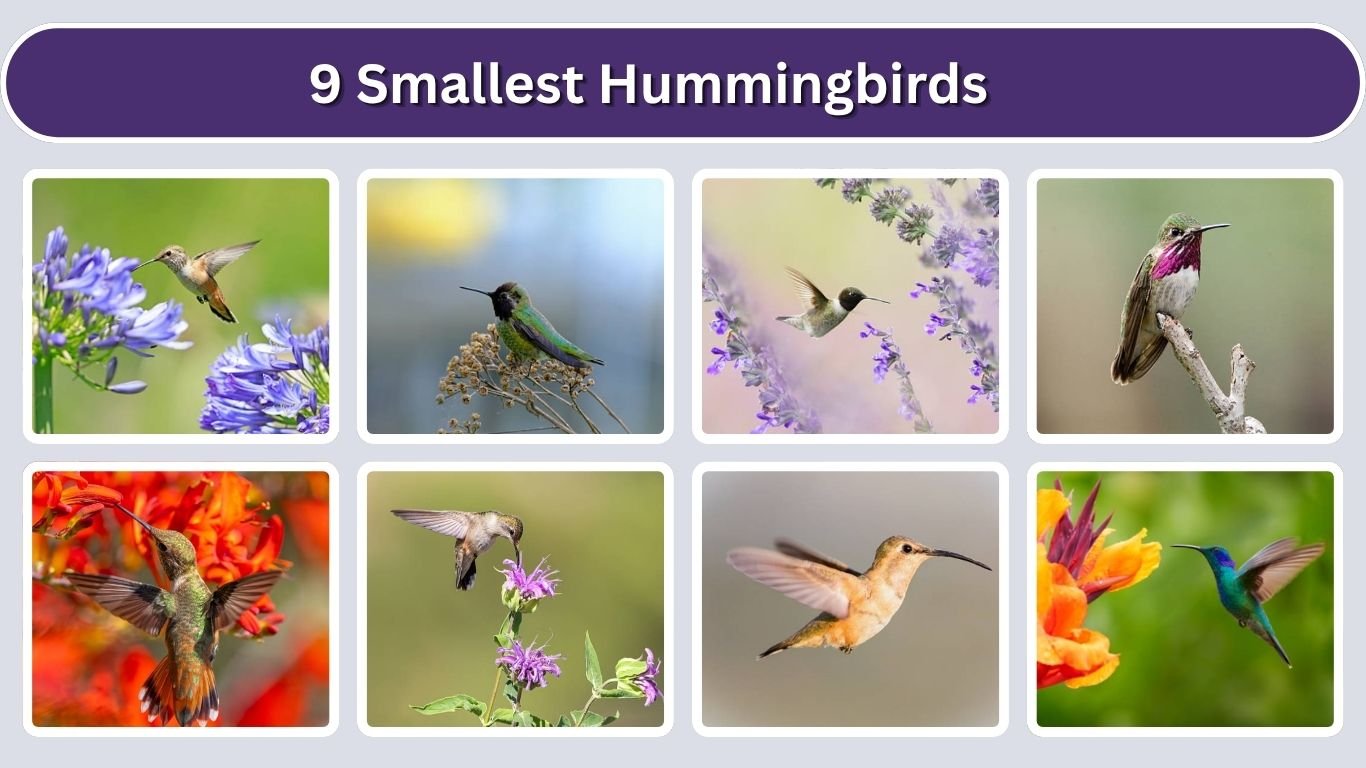
Hummingbirds are among the smallest and most fascinating birds in the world, known for their rapid wingbeats and ability to hover in midair. In this guide, you’ll discover 9 of the smallest hummingbirds, including species found in Texas and beyond. These tiny birds may be small in size, but they are full of energy, color, and remarkable behavior.
1. Bee Hummingbird
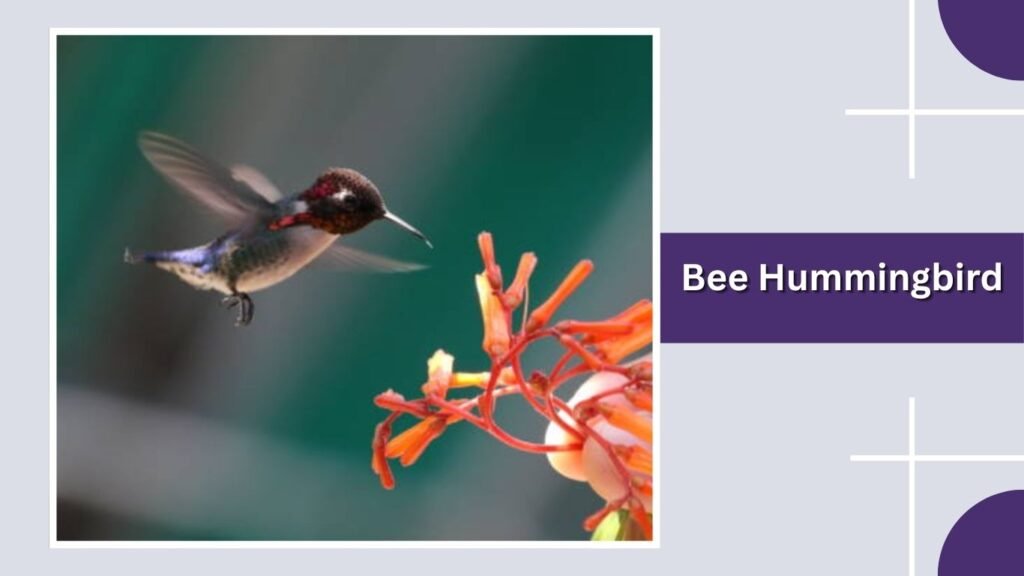
The Bee Hummingbird is the smallest bird in the world, known for its tiny size and rapid wingbeats. Although it is native to Cuba and not commonly found in Texas, it is often included in discussions of the smallest hummingbirds. Its jewel-like appearance and energetic behavior make it truly remarkable.
Identification
- Extremely small, even compared to other hummingbirds
- Males have bright iridescent red or pink throat (gorget)
- Upperparts are metallic green, with a lighter underside
- Short, straight bill adapted for nectar feeding
- Females are slightly larger and less colorful
Size
The Bee Hummingbird measures about 2 to 2.4 inches (5 to 6 cm) in length, making it the tiniest bird on Earth. It weighs less than 2 grams, which is lighter than a small coin. Its wings beat incredibly fast, allowing it to hover with precision while feeding.
Habitat and Range
This species is native to Cuba and nearby islands, where it inhabits forests, gardens, and coastal areas. It prefers regions with abundant flowering plants. While it is not naturally found in Texas, it is often mentioned due to its record as the smallest hummingbird.
Behavior and Diet
Bee Hummingbirds feed primarily on nectar from flowers, using their long tongues to extract it efficiently. They also consume small insects and spiders for protein. Despite their tiny size, they are highly active and spend much of their day flying, feeding, and defending their feeding territories.
2. Calliope Hummingbird
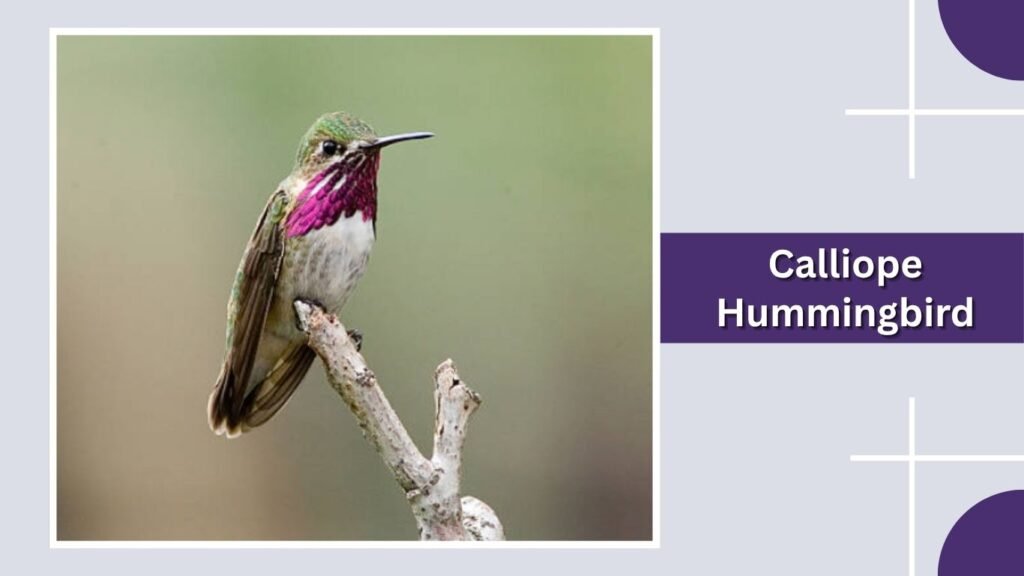
The Calliope Hummingbird is the smallest bird regularly found in the United States and a rare but notable visitor to parts of Texas during migration. Despite its tiny size, it is known for its bold behavior and distinctive streaked throat pattern.
Identification
- Very small hummingbird with a compact body
- Males have a striking magenta throat with streak-like rays
- Green upperparts and pale underparts
- Short, straight bill
- Females lack the bright throat and appear more subdued
Size
The Calliope Hummingbird measures about 2.8 to 3.3 inches (7 to 8 cm) in length. It weighs around 2 to 3 grams, making it slightly larger than the Bee Hummingbird but still incredibly tiny. Its small size allows for agile and precise flight.
Habitat and Range
This species breeds in the mountainous regions of the western United States and Canada. During migration, it may pass through western Texas. It prefers open woodlands, mountain meadows, and areas with abundant wildflowers.
Behavior and Diet
Calliope Hummingbirds feed mainly on nectar from a variety of flowers, as well as small insects for protein. They are known for their agility in flight and can hover, dart, and even perform diving displays. Despite their size, they can be quite territorial, especially around feeding areas.
3. Black-chinned Hummingbird
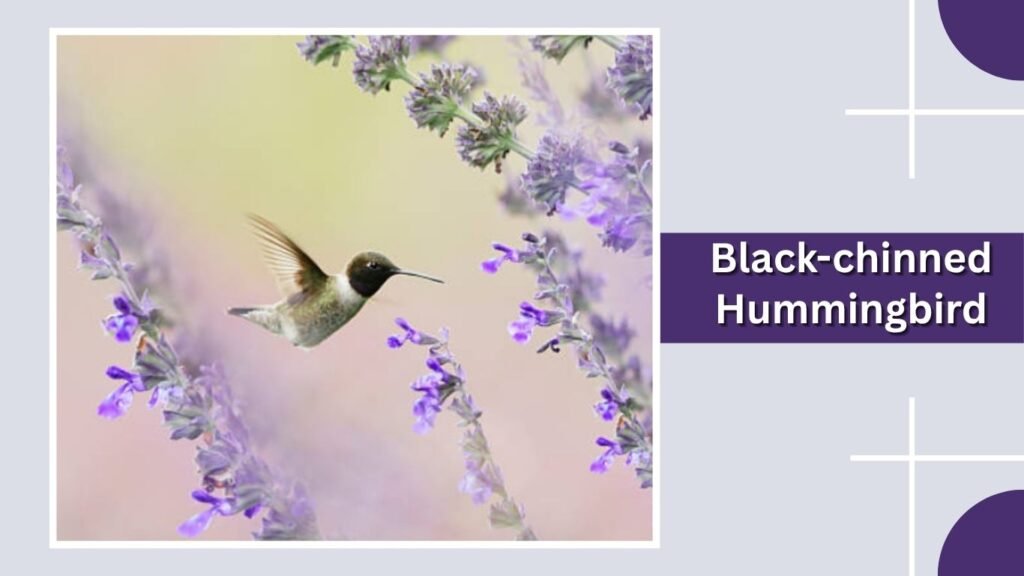
The Black-chinned Hummingbird is a small and adaptable species commonly found in Texas, especially during the warmer months. It is known for its subtle beauty and ability to thrive in a variety of environments, from deserts to urban gardens.
Identification
- Small hummingbird with a slender body
- Males have a black throat with a subtle violet band at the base
- Dull green upperparts and pale grayish underparts
- Long, slightly curved bill
- Females lack the dark throat and appear more plain
Size
This hummingbird measures about 3.25 to 3.5 inches (8 to 9 cm) in length. It typically weighs between 2.5 to 4 grams. Though slightly larger than the Calliope Hummingbird, it is still considered one of the smaller hummingbird species.
Habitat and Range
Black-chinned Hummingbirds are widely distributed across Texas, particularly in central and western regions. They prefer open habitats such as deserts, canyons, woodlands, and suburban areas. They are often seen near feeders and flowering plants.
Behavior and Diet
These hummingbirds feed primarily on nectar from flowers and also consume small insects and spiders. They are known for their quiet nature compared to other hummingbirds. Their flight is swift and precise, and they often perch between feeding sessions, conserving energy.
4. Costa’s Hummingbird
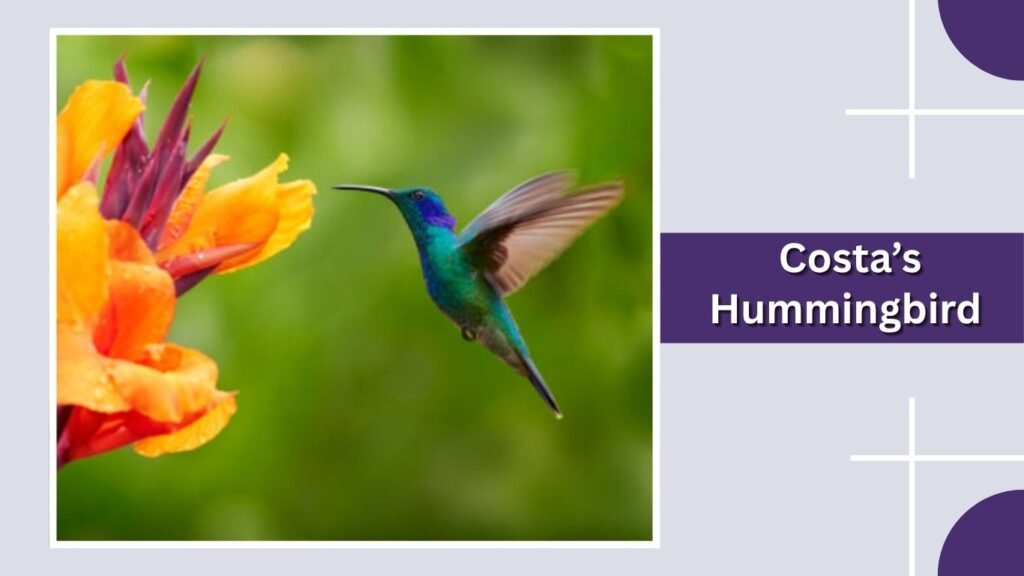
Costa’s Hummingbird is a small desert species known for its vibrant purple coloration and energetic displays. While it is more common in the southwestern United States, it can occasionally be spotted in western parts of Texas. Its striking appearance makes it easy to recognize.
Identification
- Small hummingbird with a compact body
- Males have a bright purple crown and throat (gorget)
- Green upperparts and whitish underparts
- Short, slightly curved bill
- Females are less colorful with grayish tones
Size
Costa’s Hummingbird measures about 3 to 3.5 inches (7.5 to 9 cm) in length. It typically weighs around 2 to 4 grams. Its small size and lightweight body allow for quick, agile flight and hovering.
Habitat and Range
This species prefers arid and semi-arid environments such as deserts, scrublands, and dry open areas. In Texas, it is mostly seen in the far western regions. It often inhabits areas with flowering desert plants that provide nectar.
Behavior and Diet
Costa’s Hummingbirds feed mainly on nectar from desert flowers and also eat small insects. Males are known for their dramatic courtship displays, which include high-speed dives and hovering in front of females. They are generally territorial and will defend feeding areas from other hummingbirds.
5. Lucifer Hummingbird
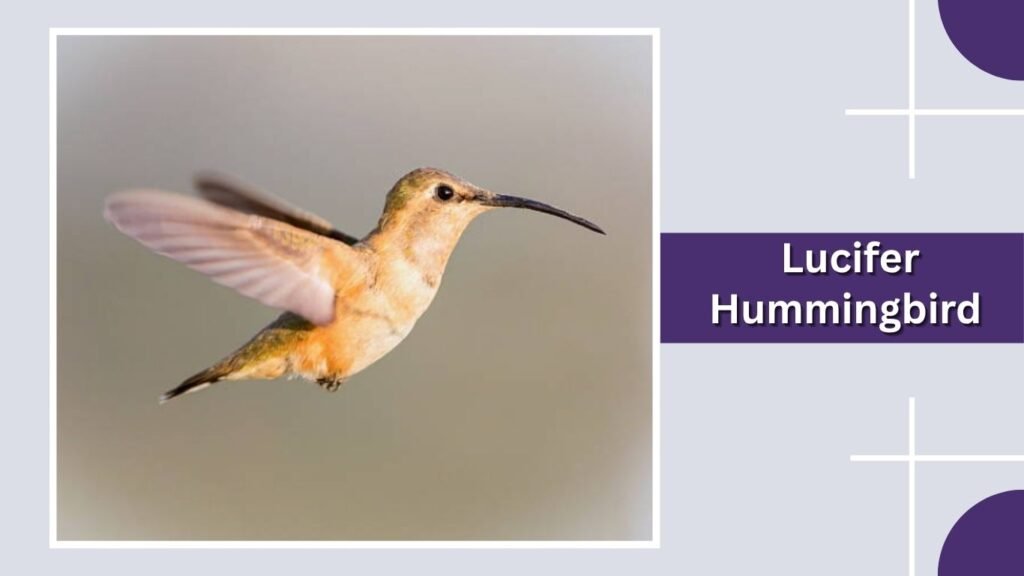
The Lucifer Hummingbird is a small and distinctive species that is rarely seen in Texas, mostly appearing in the southwestern regions. It is known for its long, curved bill and striking coloration, making it a favorite among bird watchers when spotted.
Identification
- Small hummingbird with a slender body
- Males have a bright magenta throat with elongated feathers
- Green upperparts and pale underparts
- Long, strongly curved bill
- Females are duller with grayish tones and no bright throat
Size
Lucifer Hummingbirds measure about 3.5 to 4 inches (9 to 10 cm) in length. They typically weigh around 3 to 4 grams. Despite being slightly larger than some other small hummingbirds, they are still considered among the smallest species.
Habitat and Range
In Texas, Lucifer Hummingbirds are mainly found in the Big Bend region in the far west. They prefer arid habitats such as desert canyons, dry slopes, and scrublands. Their presence in Texas is limited and often seasonal.
Behavior and Diet
These hummingbirds feed on nectar from desert flowers and also consume small insects. They are known for their quick and agile flight. Males can be territorial, especially around feeding areas, and may aggressively defend their preferred nectar sources.
6. Anna’s Hummingbird
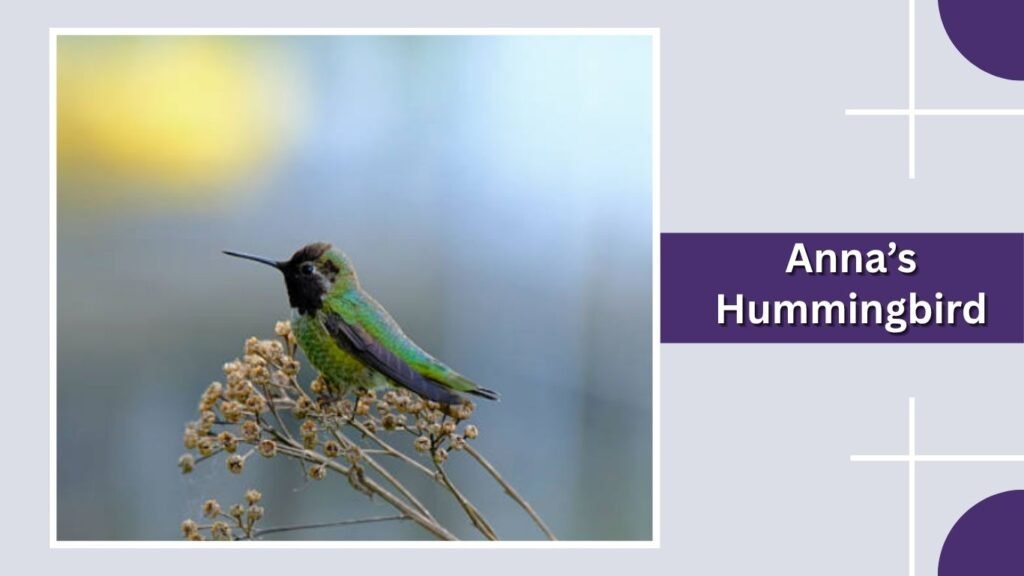
Anna’s Hummingbird is a small but bold species known for its shimmering pinkish-red head and throat. While it is more common along the Pacific Coast, it occasionally appears in Texas, especially during migration or in winter. Its adaptability allows it to thrive in both natural and urban settings.
Identification
- Small hummingbird with a stocky body
- Males have an iridescent rose-pink head and throat
- Green upperparts and grayish underparts
- Straight, medium-length bill
- Females are less colorful with a small red spot on the throat
Size
Anna’s Hummingbird measures about 3.9 to 4.3 inches (10 to 11 cm) in length. It typically weighs between 3 to 6 grams. Although slightly larger than some other small hummingbirds, it is still considered relatively small.
Habitat and Range
This species is primarily found along the western coast of North America but can occasionally be spotted in Texas. It prefers gardens, parks, coastal scrub, and open woodlands. It is especially attracted to areas with flowering plants and feeders.
Behavior and Diet
Anna’s Hummingbirds feed mainly on nectar from flowers and also eat small insects and spiders. They are known for their energetic and sometimes aggressive behavior, often defending feeding territories. Males perform impressive aerial display dives during courtship, producing a sharp sound with their tail feathers.
7. Broad-tailed Hummingbird
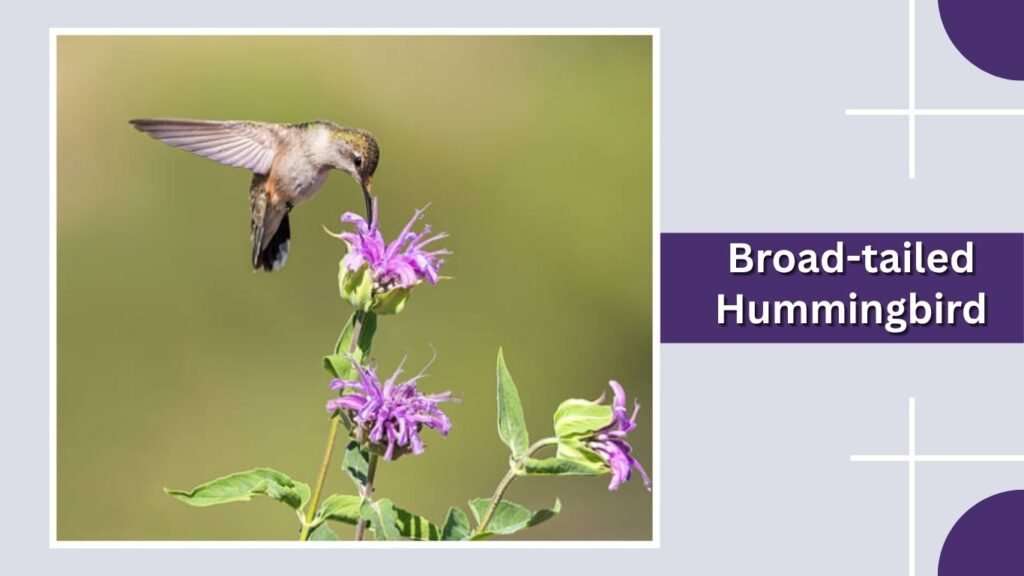
The Broad-tailed Hummingbird is a small and active species commonly found in the western United States and occasionally seen in Texas during migration. It is especially known for the metallic sound its wings produce during flight.
Identification
- Small hummingbird with a slightly stocky build
- Males have a bright rose-pink throat (gorget)
- Green upperparts and white underparts
- Straight, medium-length bill
- Females are less colorful with spotted throat
Size
This hummingbird measures about 3.5 to 4 inches (9 to 10 cm) in length. It typically weighs between 3 to 5 grams. Its size places it among the smaller hummingbird species, though not the tiniest.
Habitat and Range
Broad-tailed Hummingbirds breed in mountainous regions and are sometimes seen in western Texas during migration. They prefer open woodlands, meadows, and forest edges where flowers are abundant.
Behavior and Diet
These hummingbirds feed mainly on nectar and small insects. Males are known for producing a distinctive trilling sound with their wings during flight. They are territorial around feeding areas and will defend their space from other hummingbirds.
8. Rufous Hummingbird
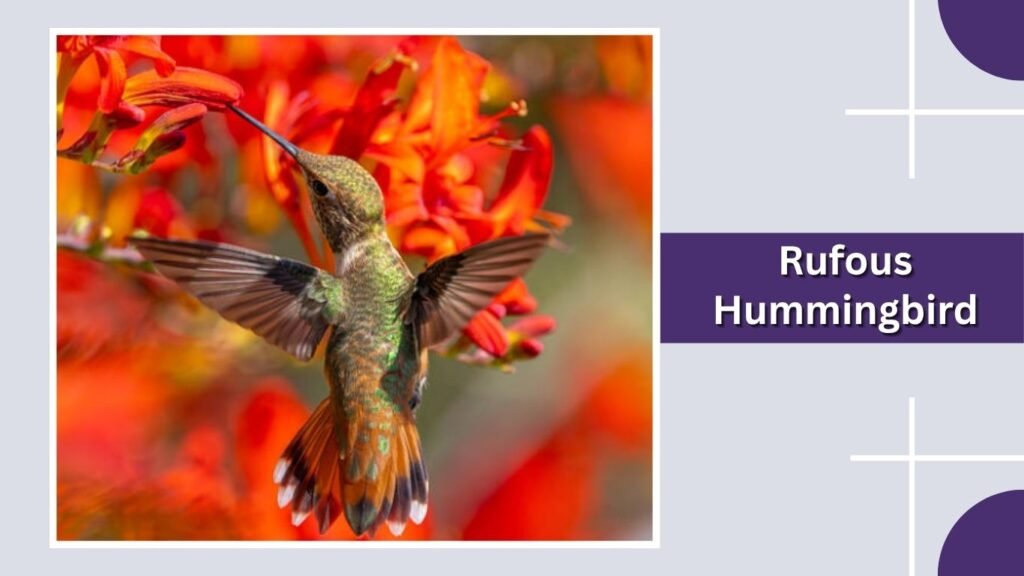
The Rufous Hummingbird is a small but highly energetic species known for its long migration and bold personality. It is one of the more commonly observed migrating hummingbirds in Texas, especially during spring and fall.
Identification
- Small hummingbird with a slender body
- Males have bright orange-rufous plumage with an iridescent red throat
- Some females and juveniles show green on the back with rufous sides
- Straight, medium-length bill
- White breast with slight spotting in females
Size
Rufous Hummingbirds measure about 2.8 to 3.5 inches (7 to 9 cm) in length. They typically weigh around 2 to 5 grams. Despite their small size, they are strong fliers capable of traveling long distances during migration.
Habitat and Range
This species breeds in the northwestern United States and Canada but migrates through Texas. It can be found in a variety of habitats including gardens, woodlands, and open areas with flowering plants during migration periods.
Behavior and Diet
Rufous Hummingbirds feed on nectar and small insects. They are known for being highly territorial and aggressive, often chasing away other hummingbirds regardless of size. Their flight is fast and agile, and they frequently visit feeders during migration.
9. Allen’s Hummingbird
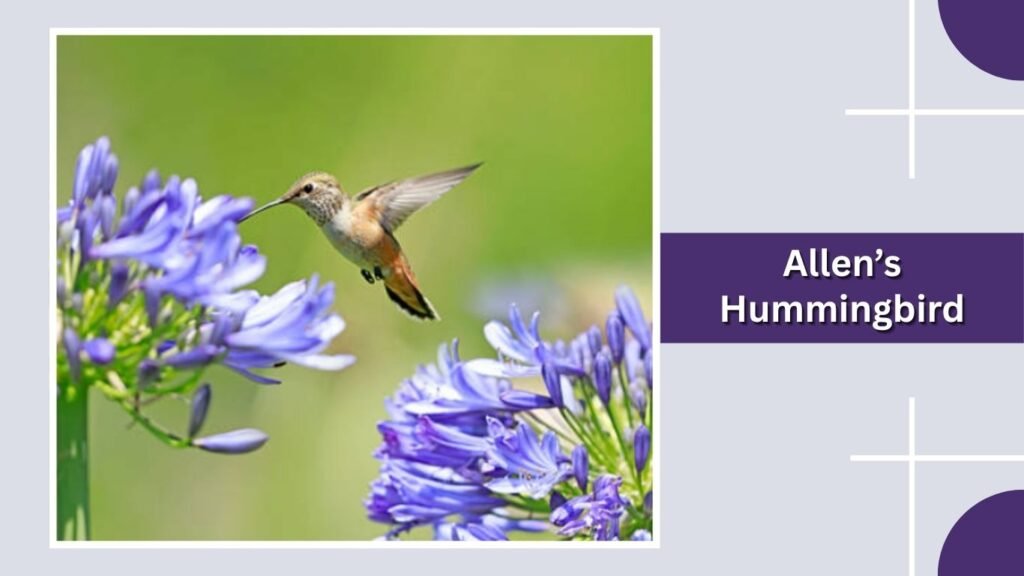
Allen’s Hummingbird is a small and vibrant species closely related to the Rufous Hummingbird. While it is mainly found along the Pacific Coast, it is occasionally reported in Texas during migration, making it a rare but exciting sight for bird enthusiasts.
Identification
- Small hummingbird with a compact body
- Males have bright orange-rufous plumage with an iridescent orange-red throat
- Green back and crown contrast with rufous sides
- Straight, medium-length bill
- Females are greener with some rufous coloring on the flanks
Size
Allen’s Hummingbird measures about 3 to 3.5 inches (7.5 to 9 cm) in length. It typically weighs around 2 to 4 grams. Its small size and lightweight body allow for fast, agile flight and precise hovering.
Habitat and Range
This species primarily inhabits coastal regions of California but may occasionally appear in Texas as a rare migrant. It prefers gardens, coastal scrub, and open woodlands with plenty of flowering plants.
Behavior and Diet
Allen’s Hummingbirds feed mainly on nectar and also consume small insects. They are known for their energetic and sometimes aggressive behavior, often defending feeding territories. Their flight is quick and agile, and they frequently visit flowers and feeders when available.
