
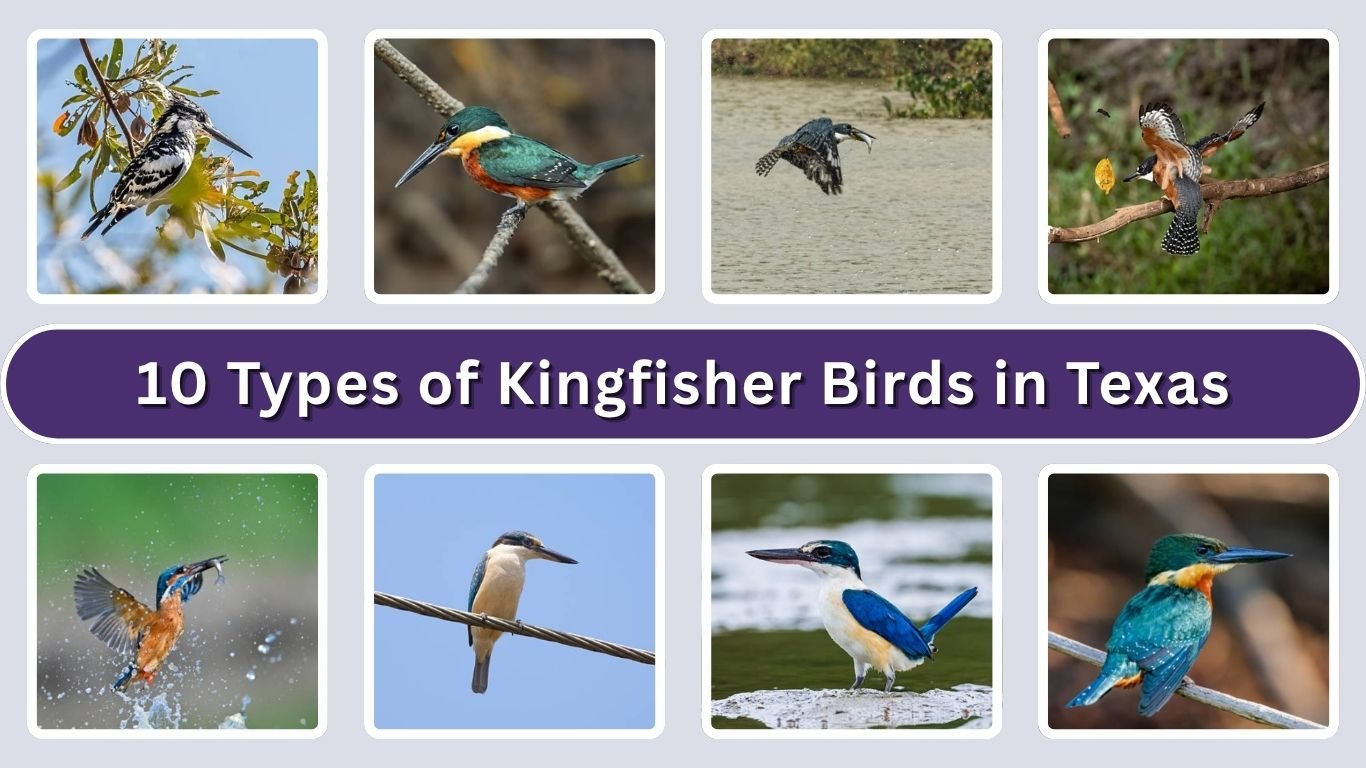
Kingfishers are fascinating birds known for their bright colors and incredible fishing skills. In Texas, a few species are commonly found, while others appear as rare visitors, especially in the southern regions. In this guide, you’ll discover 10 types of kingfisher birds related to Texas, along with their unique features and habitats.
1. Belted Kingfisher
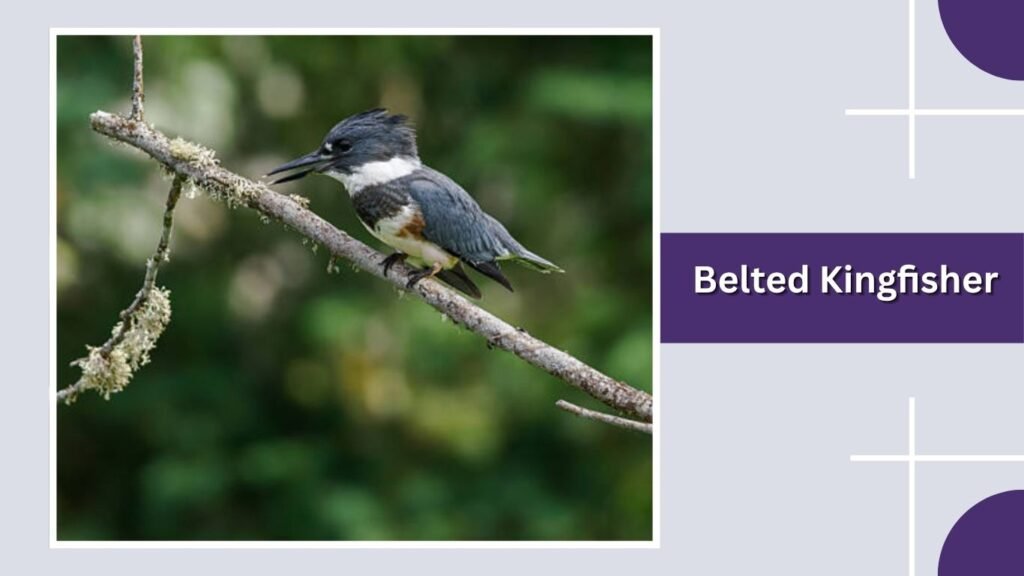
The Belted Kingfisher is the most common and widely recognized kingfisher species in Texas. Known for its loud rattling call and distinctive appearance, it is often seen perched near water bodies such as rivers, lakes, and ponds.
Identification
- Medium-sized bird with a stocky body
- Blue-gray upperparts and white underparts
- Shaggy crest on the head
- Long, thick bill
- Females have an additional rusty band across the chest
Size
The Belted Kingfisher measures about 11 to 14 inches (28 to 35 cm) in length. It typically weighs around 140 to 170 grams. Its larger size helps it catch bigger fish compared to smaller kingfishers.
Habitat and Range
This species is found throughout Texas year-round or seasonally, depending on the region. It prefers freshwater habitats such as rivers, lakes, streams, and coastal areas. It is commonly seen perched on branches, wires, or hovering above water.
Behavior and Diet
Belted Kingfishers feed mainly on fish but also eat insects, crustaceans, and small amphibians. They hunt by diving from a perch or hovering above water before plunging in to catch prey. They are solitary birds and are known for their loud, distinctive calls.
2. Green Kingfisher

The Green Kingfisher is a small and colorful species found in parts of southern Texas, especially near freshwater habitats. It is known for its vibrant green plumage and quick, darting movements as it hunts for prey.
Identification
- Small kingfisher with a compact body
- Dark green upperparts with a glossy sheen
- White collar and underparts
- Males have a chestnut band across the chest
- Long, straight bill for catching fish
Size
The Green Kingfisher measures about 7 to 8 inches (18 to 20 cm) in length. It typically weighs around 30 to 40 grams. Its small size allows for agile flight and precise diving.
Habitat and Range
In Texas, this species is mainly found in the southern regions, especially along rivers, streams, and ponds. It prefers areas with dense vegetation and overhanging branches near water.
Behavior and Diet
Green Kingfishers feed primarily on small fish, insects, and aquatic invertebrates. They hunt by perching low near the water and diving quickly to catch prey. These birds are usually solitary and are known for their fast, direct flight.
3. Ringed Kingfisher
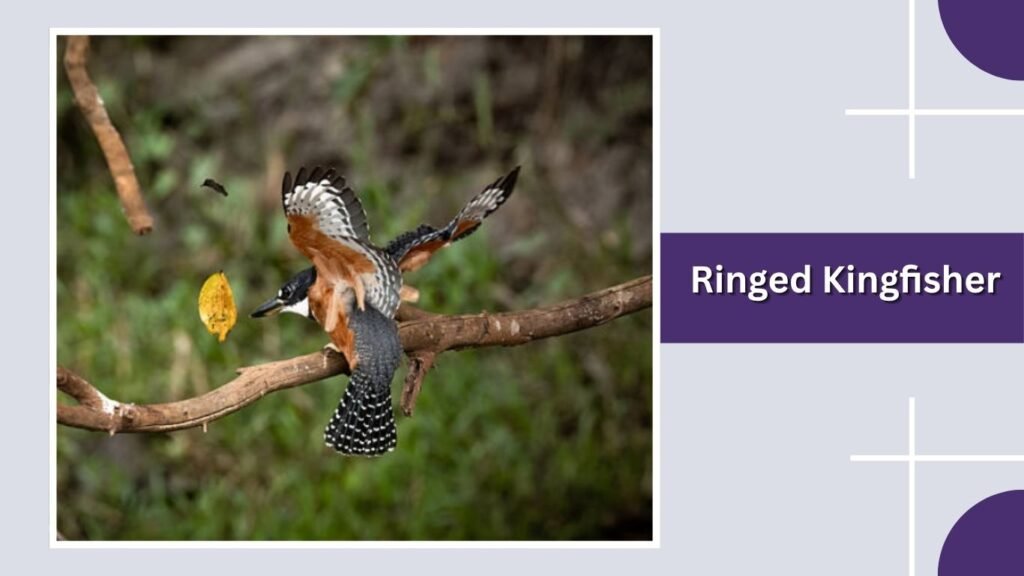
The Ringed Kingfisher is the largest kingfisher species found in Texas and is mainly seen in the southern parts of the state. With its bold colors and loud calls, it is a striking bird often spotted near large bodies of water.
Identification
- Large kingfisher with a heavy, powerful body
- Blue-gray upperparts with a shaggy crest
- White throat and collar
- Males have a chestnut belly, females have a blue-gray chest band and chestnut lower belly
- Thick, long bill for catching larger prey
Size
The Ringed Kingfisher measures about 15 to 17 inches (38 to 43 cm) in length. It typically weighs around 300 to 350 grams, making it the largest kingfisher regularly found in Texas.
Habitat and Range
In Texas, Ringed Kingfishers are mostly found in the Rio Grande Valley and other southern regions. They prefer large rivers, lakes, and coastal waters with open perching spots nearby.
Behavior and Diet
These kingfishers feed mainly on fish but also eat crustaceans, amphibians, and small reptiles. They hunt by diving from perches or hovering briefly before plunging into the water. They are usually seen alone or in pairs and are known for their loud, rattling calls.
4. Amazon Kingfisher

The Amazon Kingfisher is a medium-sized and powerful bird that occasionally appears in southern Texas, especially near the Rio Grande. It is known for its bold markings and strong, direct flight.
Identification
- Medium-sized kingfisher with a sturdy body
- Dark green upperparts with a glossy appearance
- White throat and collar
- Males have a broad chestnut band across the chest
- Long, thick bill suited for catching fish
Size
The Amazon Kingfisher measures about 11 to 13 inches (28 to 33 cm) in length. It typically weighs around 90 to 110 grams. Its larger size helps it handle bigger prey compared to smaller kingfishers.
Habitat and Range
In Texas, this species is mainly found in the far southern regions near the Rio Grande. It prefers large rivers, lakes, and wetlands with open perching areas close to water.
Behavior and Diet
Amazon Kingfishers feed primarily on fish, but they also eat insects and aquatic animals. They hunt by perching above water and diving quickly to catch prey. These birds are often solitary and are known for their loud, rattling calls.
5. American Pygmy Kingfisher
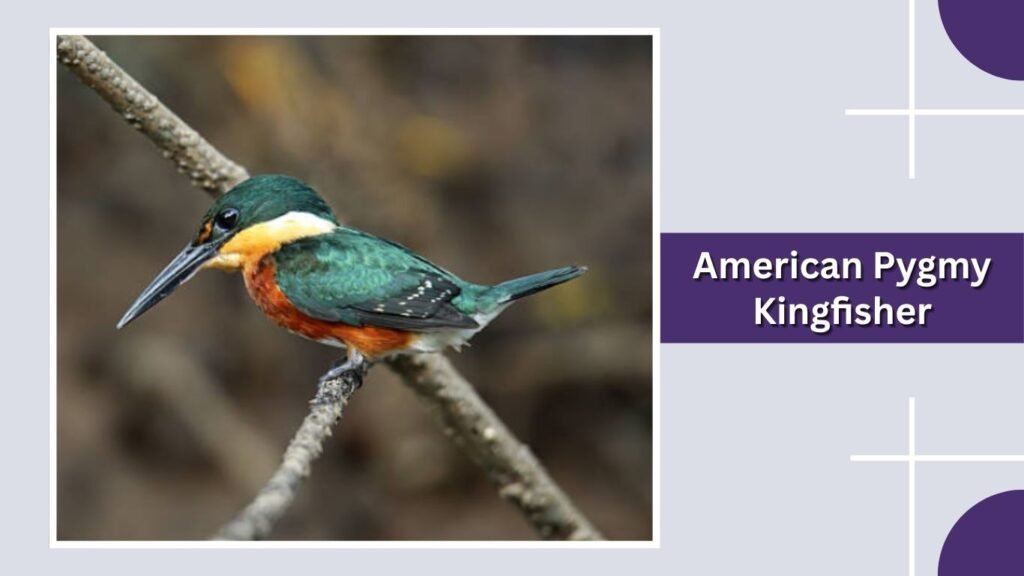
The American Pygmy Kingfisher is a very small and colorful species that can occasionally be found in southern Texas near dense, tropical habitats. Despite its tiny size, it is an efficient and skilled hunter.
Identification
- Very small kingfisher with a compact body
- Green upperparts with a bronze sheen
- Bright orange underparts
- White spots on the wings
- Short tail and long, straight bill
Size
The American Pygmy Kingfisher measures about 5 to 5.5 inches (12 to 14 cm) in length. It typically weighs around 13 to 18 grams, making it one of the smallest kingfisher species.
Habitat and Range
In Texas, it is rarely seen and mostly limited to the southernmost regions near the Rio Grande. It prefers forested streams, mangroves, and dense vegetation close to water.
Behavior and Diet
These kingfishers feed on small fish, insects, and aquatic invertebrates. They hunt from low perches, making quick dives to catch prey. They are usually solitary and tend to stay hidden within dense vegetation.
6. Green-and-rufous Kingfisher
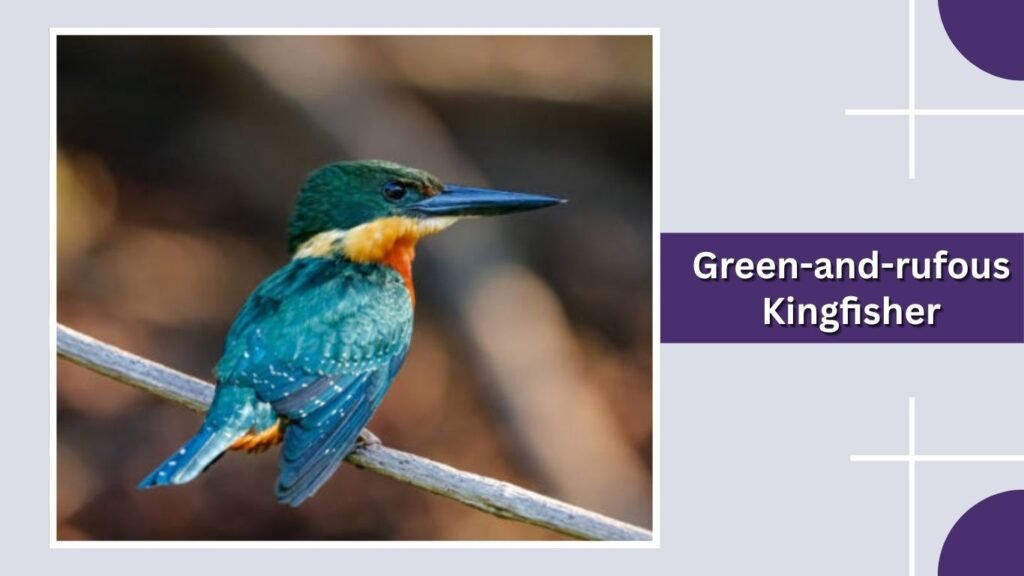
The Green-and-rufous Kingfisher is a small and colorful species that may occasionally appear in southern Texas, though it is more common in Central and South America. It is known for its rich color contrast and secretive behavior near shaded waterways.
Identification
- Small kingfisher with a compact body
- Dark green upperparts with a glossy sheen
- Deep rufous (reddish-brown) underparts
- White throat patch
- Long, straight bill adapted for fishing
Size
This species measures about 5.5 to 6 inches (14 to 15 cm) in length. It typically weighs around 20 to 30 grams. Its small size allows it to move easily through dense vegetation.
Habitat and Range
In Texas, it is a rare visitor mainly limited to the far southern regions. It prefers forested streams, rivers, and mangroves with dense cover and shaded water.
Behavior and Diet
Green-and-rufous Kingfishers feed on small fish, insects, and aquatic creatures. They hunt by perching quietly and diving quickly to catch prey. These birds are usually solitary and often remain hidden, making them difficult to observe.
7. Collared Kingfisher

The Collared Kingfisher is a medium-sized and adaptable species mostly found in coastal regions of Asia and the Pacific. It is a rare visitor to Texas, but it is included due to occasional sightings and its wide distribution.
Identification
- Medium-sized kingfisher with a sturdy body
- Bright blue or turquoise upperparts
- White underparts with a distinct white collar
- Thick, dark bill
- Broad head with a bold appearance
Size
The Collared Kingfisher measures about 8 to 10 inches (20 to 25 cm) in length. It typically weighs around 50 to 90 grams. Its strong build allows it to hunt a variety of prey.
Habitat and Range
This species is mainly found in coastal areas, mangroves, and islands across Southeast Asia and the Pacific. In Texas, it is extremely rare and would be considered an unusual sighting.
Behavior and Diet
Collared Kingfishers feed on insects, small reptiles, crabs, and occasionally fish. They hunt from perches, swooping down to catch prey. They are known for their loud, chattering calls and territorial behavior.
8. Sacred Kingfisher
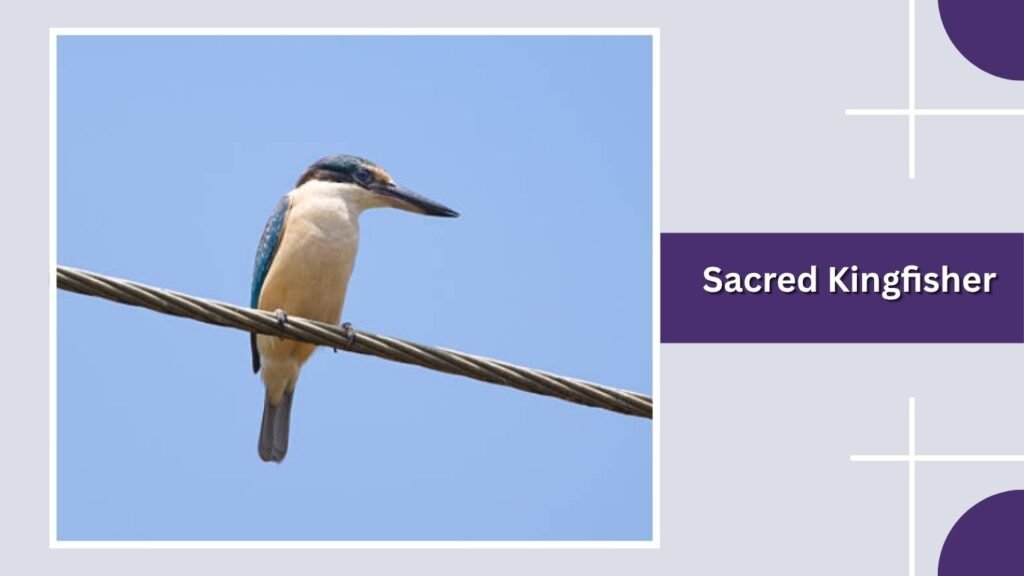
The Sacred Kingfisher is a colorful and adaptable species mostly found in Australia and nearby regions. It is considered a rare visitor to Texas, but it stands out due to its striking blue-green plumage and flexible habitat preferences.
Identification
- Medium-sized kingfisher with a sturdy body
- Bright turquoise-blue upperparts
- White underparts with a buff tint
- Bold black eye stripe across the face
- Strong, straight bill
Size
The Sacred Kingfisher measures about 7.5 to 9 inches (19 to 23 cm) in length. It typically weighs around 45 to 65 grams. Its size allows it to hunt a wide variety of prey.
Habitat and Range
This species is mainly found in Australia, New Zealand, and parts of Southeast Asia. In Texas, it is extremely rare and would only appear as an accidental visitor. It prefers forests, coastal areas, mangroves, and even dry inland regions.
Behavior and Diet
Sacred Kingfishers are versatile hunters, feeding on insects, small reptiles, crustaceans, and sometimes fish. They hunt from perches, swooping down quickly to catch prey. They are known for their loud calls and adaptable nature.
9. Common Kingfisher

The Common Kingfisher is a small, brilliantly colored bird widely found across Europe and Asia. Although not native to Texas, it is sometimes included for comparison due to its iconic appearance and similarity to other small kingfishers.
Identification
- Small kingfisher with a compact body
- Bright blue upperparts with a metallic shine
- Rich orange underparts
- White throat patch
- Long, pointed dark bill
Size
The Common Kingfisher measures about 6 to 7 inches (16 to 18 cm) in length. It typically weighs around 30 to 45 grams. Its small size allows for fast and precise diving movements.
Habitat and Range
This species is found across Europe, Asia, and parts of North Africa. It prefers clear rivers, streams, and lakes with abundant fish. In Texas, it is not naturally found and would be considered extremely rare or absent.
Behavior and Diet
Common Kingfishers feed mainly on small fish and aquatic insects. They hunt by perching near water and diving quickly to catch prey. They are usually solitary and are known for their fast, direct flight and sharp, high-pitched calls.
10. Pied Kingfisher
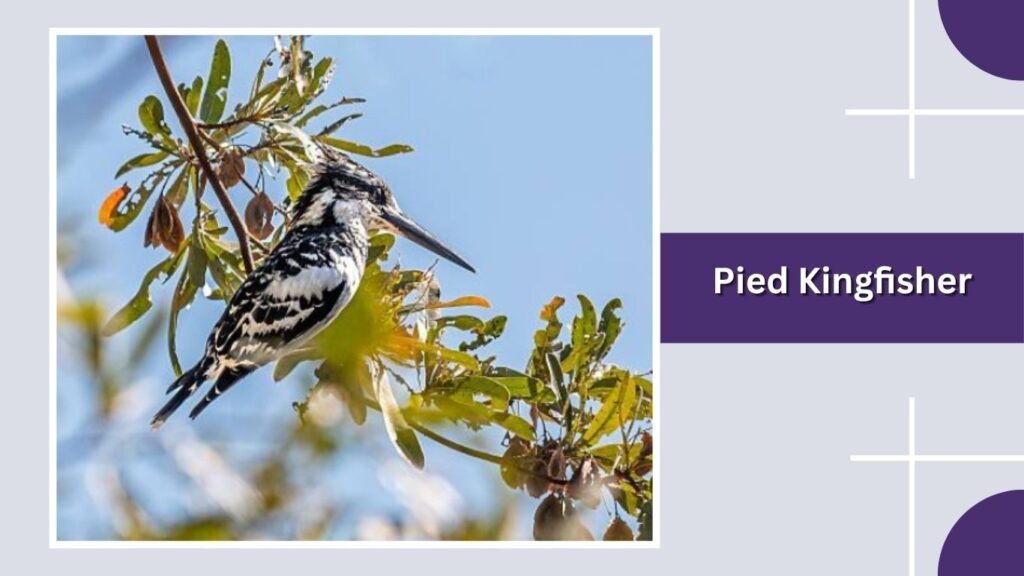
The Pied Kingfisher is a unique and striking species known for its black-and-white coloration and exceptional hovering ability. While it is not native to Texas, it is often included in global kingfisher comparisons due to its distinctive hunting style.
Identification
- Medium-sized kingfisher with bold black-and-white plumage
- White body with black markings on wings and head
- Prominent black breast band (males may have double band)
- Long, sharp bill
- Crest on the head giving a slightly spiky look
Size
The Pied Kingfisher measures about 9.5 to 11 inches (24 to 28 cm) in length. It typically weighs around 70 to 100 grams. Its size supports its ability to hover steadily while hunting.
Habitat and Range
This species is found across Africa and parts of Asia, usually near rivers, lakes, and coastal waters. It prefers open water areas where it can hover above the surface while searching for prey.
Behavior and Diet
Pied Kingfishers feed mainly on fish, which they catch by hovering above water before diving straight down. This hovering behavior sets them apart from most other kingfishers. They are often seen alone or in pairs and are known for their sharp calls and active hunting style.