
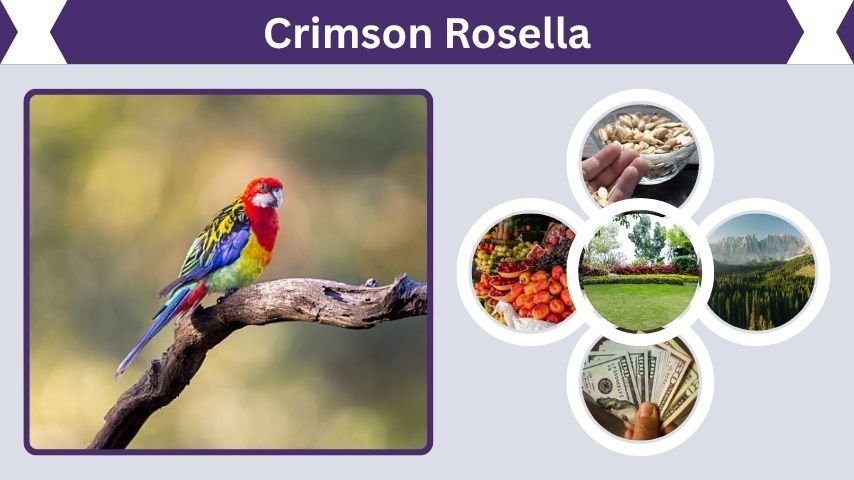
The crimson rosella is one of Australia’s most colorful and recognizable parrots. Known for its bright red feathers, blue wings, and long tail, this beautiful bird is popular among birdwatchers and pet owners worldwide. Crimson rosellas are active, intelligent, and often seen flying through forests, parks, and gardens across eastern Australia.
Many people search for crimson rosella facts because of their striking appearance and friendly personality. From diet and habitat to lifespan and pet care, these parrots have many fascinating traits that make them stand out among other Australian birds.
What Is a Crimson Rosella?
The crimson rosella is a medium-sized parrot species native to Australia. It belongs to the rosella group, which is famous for bright feather colors and playful behavior. The bird is admired for its graceful flying ability, loud calls, and attractive plumage. Crimson rosellas are commonly found in forests and urban parks, where they feed on seeds, fruits, and flowers. Their colorful appearance also makes them popular in aviaries and bird collections around the world.
Scientific Classification
- Scientific name: Platycercus elegans
- Family: Psittaculidae
- Order: Psittaciformes
- Native region: Australia
- Common type: Crimson rosella parrot
Why Is the Crimson Rosella Popular?
- Bright crimson-red feathers
- Blue wings and tail feathers
- Intelligent and active personality
- Attractive flying style
- Popular aviary bird
Crimson Rosella vs Other Rosellas
| Feature | Crimson Rosella | Eastern Rosella | Pale-headed Rosella |
| Main Color | Red | Mixed colors | Yellow and blue |
| Native Area | Eastern Australia | Australia | Northern Australia |
| Tail Length | Long | Medium | Medium |
| Popularity as Pet | High | Moderate | Moderate |
Crimson Rosella Identification
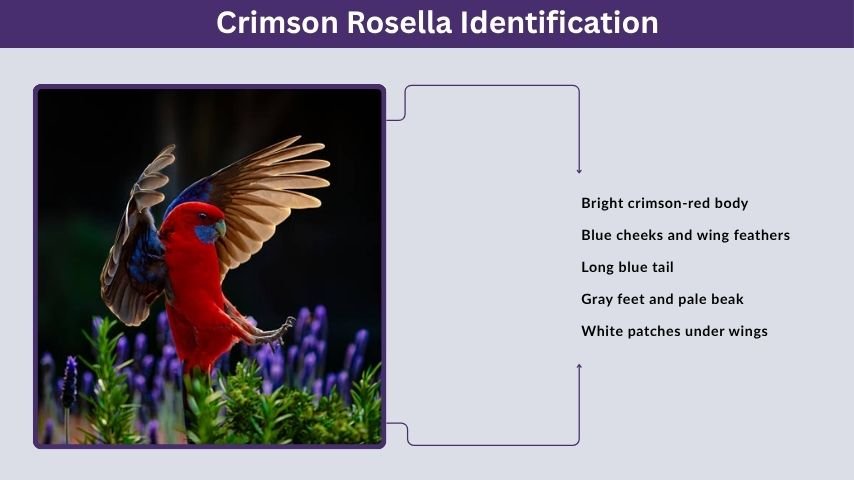
Crimson rosellas are easy to identify because of their rich red plumage and blue wing feathers. Adult birds usually have deep crimson feathers covering most of the body, while the cheeks and wings display shades of blue. Their long tails and curved beaks give them the classic parrot appearance that many bird lovers admire.
Physical Appearance
- Bright crimson-red body
- Blue cheeks and wing feathers
- Long blue tail
- Gray feet and pale beak
- White patches under wings
Crimson Rosella Size and Wingspan
Adult crimson rosellas typically grow between 12 and 14 inches in length. Their long tail feathers make them appear larger than many similar parrots. Most birds weigh around 4 to 6 ounces and have strong wings designed for fast and smooth flight.
Male vs Female Crimson Rosella
Male crimson rosellas are usually slightly larger with broader heads and brighter feather coloration. Females often have slimmer bodies and softer facial features. However, both sexes look very similar, making it difficult to distinguish them without close observation.
Crimson Rosella Colors and Mutations
Crimson rosellas are famous for their beautiful feather variations. Although the classic crimson-red color is the most common, breeders have developed several attractive mutations. Young birds also display different feather colors before gaining adult plumage.
Natural Color Variations
- Red crimson rosella
- Orange crimson rosella
- Yellow crimson rosella
- Green juvenile crimson rosella
Blue Crimson Rosella Mutation
The blue crimson rosella is a rare color mutation highly valued by bird breeders. Instead of the normal red feathers, these birds show blue and violet shades across the body. Blue mutations are especially popular in aviaries because of their unusual appearance.
Juvenile Crimson Rosella Appearance
Young crimson rosellas usually hatch with green feathers mixed with patches of red. As they mature, the green plumage slowly changes into the deep crimson color seen in adults. This color transformation often takes several months.
Crimson Rosella Habitat and Distribution
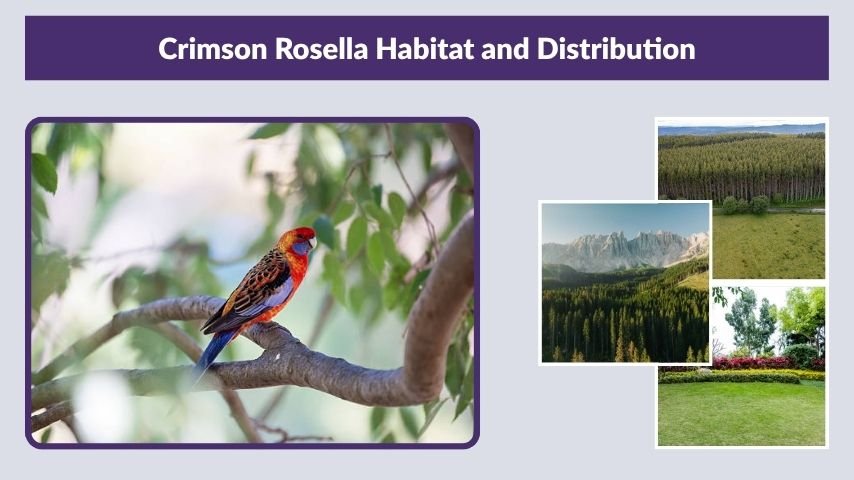
Crimson rosellas naturally live in eastern and southeastern Australia. They thrive in forests, mountain woodlands, gardens, and farmland areas with plenty of trees and food sources. These adaptable parrots can also survive well in suburban parks where humans regularly provide food and shelter.
Native Habitat Areas
- Eastern Australia
- Tasmania
- Mountain forests
- Eucalyptus woodlands
- Parks and gardens
Preferred Living Conditions
Crimson rosellas prefer habitats with tall trees for nesting and open spaces for feeding. Areas near water sources are especially attractive because they provide drinking water and abundant plant life.
Are Crimson Rosellas Australian?
Yes, crimson rosellas are native Australian parrots. They are among the most well-known bird species in Australia and are commonly seen in both wild and urban environments throughout the country.
Crimson Rosella Diet and Feeding
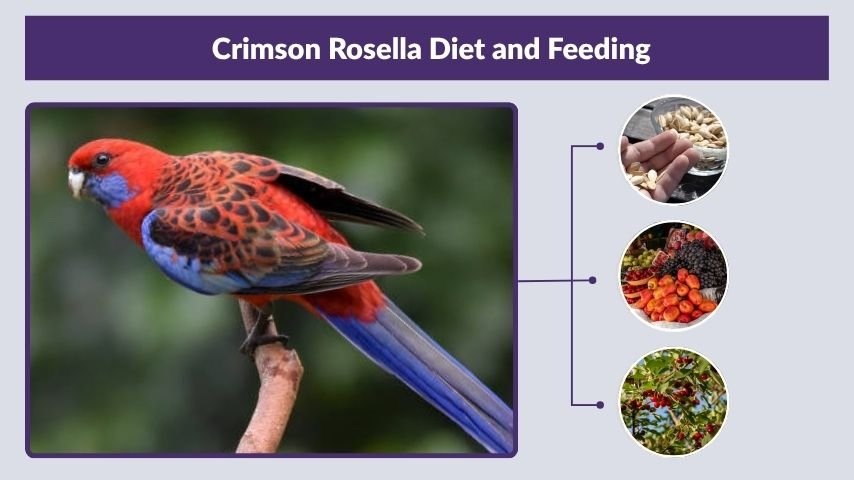
Crimson rosellas are mainly herbivores, although they occasionally eat insects. Their diet includes seeds, fruits, flowers, berries, and plant material found in forests and gardens. In captivity, they require a balanced diet to stay healthy and maintain bright feather coloration.
What Do Crimson Rosellas Eat?
- Seeds
- Fruits
- Berries
- Flower blossoms
- Nuts
- Small insects
Best Foods for Pet Crimson Rosellas
Pet crimson rosellas benefit from high-quality pellets, fresh vegetables, leafy greens, and safe fruits like apples and grapes. Fresh clean water should always be available for drinking and bathing.
Foods to Avoid
Some foods can be dangerous for crimson rosellas and should never be offered to pet birds.
- Chocolate
- Avocado
- Caffeine
- Salty snacks
- Sugary foods
- Alcohol
Crimson Rosella Behavior and Personality
Crimson rosellas are intelligent and energetic parrots with strong personalities. They are known for their active behavior, playful flying, and loud calls. While they may not be as cuddly as some parrots, they can become comfortable around humans when raised properly. In the wild, these birds are usually seen alone, in pairs, or in small flocks searching for food in trees and grassy areas.
Crimson Rosella Sounds and Calls
Crimson rosellas communicate using whistles, ringing calls, and soft chatter sounds. Their calls are often heard in forests and gardens during early morning and evening hours. They also make warning sounds when feeling threatened.
Can Crimson Rosellas Talk?
Some crimson rosellas can learn to mimic a few words or sounds, but they are not considered strong talking parrots like African greys or budgies. With regular interaction and training, they may repeat simple sounds and whistles.
Social Behavior
- Often seen in pairs
- Territorial during breeding season
- Active and curious birds
- Enjoy flying and climbing
- Can become tame with patience
Crimson Rosella Breeding Information
Crimson rosellas breed during warmer seasons when food becomes more available. During this time, pairs become highly protective of their nesting areas. Both parents help care for the eggs and chicks until the young birds are ready to leave the nest.
Breeding Season
In Australia, breeding usually occurs between September and February. Courtship behavior includes feather displays, calling, and feeding between mates. Many pairs form strong long-term bonds.
Crimson Rosella Nesting Box Setup
- Wooden nesting box with deep interior
- Soft wood shavings inside
- Quiet placement away from stress
- Good ventilation
- Safe climbing access
Baby Crimson Rosellas
Female rosellas usually lay four to eight eggs. The eggs hatch after about 19 to 22 days. Baby crimson rosellas are born blind and featherless, relying completely on their parents for warmth and food during the first weeks of life.
Crimson Rosella as Pets
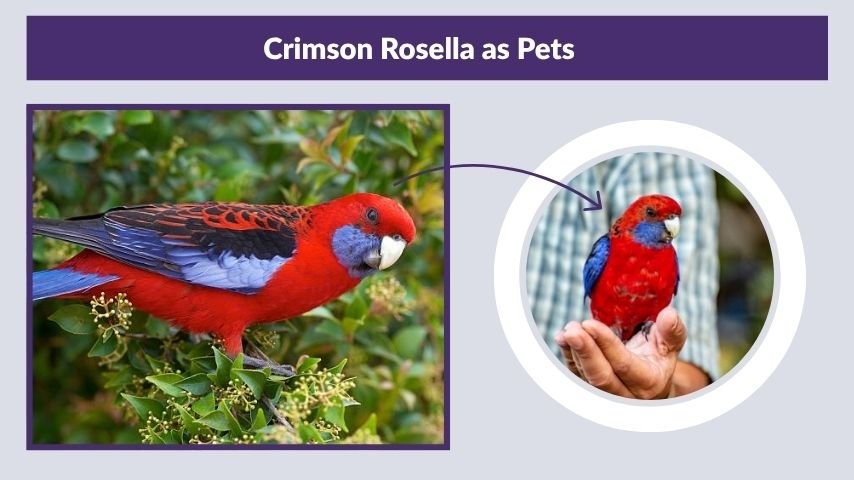
Crimson rosellas can make beautiful aviary pets for experienced bird owners. They are admired for their stunning feather colors and active personalities. However, they are more independent than many companion parrots and usually prefer spacious aviaries rather than small cages.
Are Crimson Rosellas Good Pets?
Crimson rosellas can become calm and friendly when handled regularly from a young age. They are best suited for owners who enjoy observing birds rather than constantly handling them.
Housing and Cage Requirements
These parrots need large enclosures with enough room to fly and exercise. Perches, climbing branches, and toys help prevent boredom and support healthy activity levels.
Crimson Rosella Lifespan
Crimson rosellas can live around 15 to 25 years with proper care. A healthy diet, clean environment, and regular veterinary care can greatly improve their lifespan in captivity.
Crimson Rosella Price and Availability
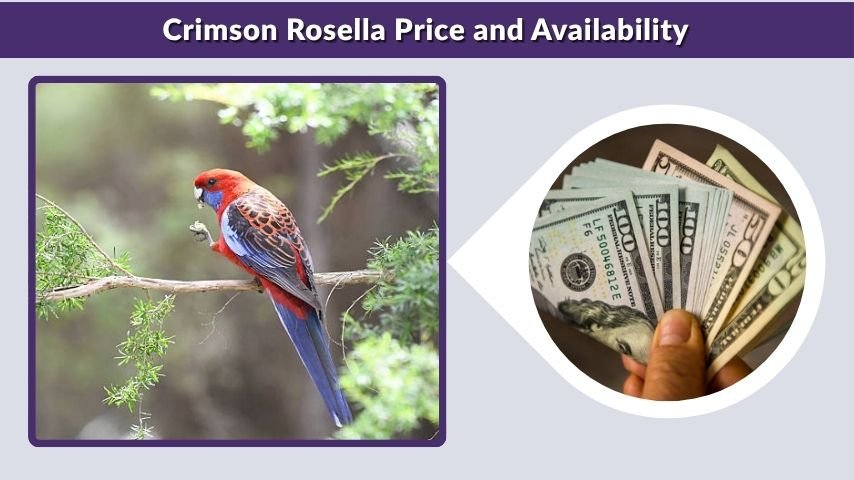
The price of a crimson rosella depends on age, mutation type, breeder reputation, and location. Rare color mutations such as blue crimson rosellas are usually much more expensive than standard birds.
Crimson Rosella Price Range
- Standard crimson rosella: Moderate price
- Rare mutations: Higher price
- Breeding pairs: More expensive
- Hand-raised birds: Premium cost
Crimson Rosella for Sale
Crimson rosellas are commonly sold through bird breeders, aviaries, and exotic bird shops. Buyers should always choose healthy birds from responsible breeders with proper care standards.
Legal Ownership Considerations
Some countries or states may require permits for keeping exotic parrots. It is important to check local wildlife and pet ownership laws before purchasing a crimson rosella.
Interesting Crimson Rosella Facts
Crimson rosellas are among the most colorful parrots in Australia. Their intelligence, strong flying ability, and changing feather colors make them fascinating birds for both birdwatchers and pet owners.
Fascinating Facts About Crimson Rosellas
- Juveniles start with green feathers before turning red
- They can fly quickly through dense forests
- Their calls can be heard over long distances
- Many pairs stay together for years
- They are popular birds in Australian parks and gardens
- Blue crimson rosella mutations are considered rare
- Wild rosellas often feed early in the morning
FAQs
Can crimson rosellas talk?
Crimson rosellas can mimic a few words and sounds, but they are not known as strong talking parrots. Most birds are better at whistling and copying simple noises than speaking clearly.
What do crimson rosellas eat?
They mainly eat seeds, fruits, berries, flowers, nuts, and small insects. Pet birds also benefit from pellets, vegetables, and fresh clean water as part of a balanced diet.
Are crimson rosellas good pets?
Crimson rosellas can make attractive and active pets, especially in large aviaries. They are generally more independent than some parrots but can become tame with patience and regular interaction.
How long do crimson rosellas live?
With proper care, crimson rosellas can live between 15 and 25 years in captivity. Diet, exercise, and clean living conditions strongly affect their lifespan.
Are crimson rosellas endangered?
Crimson rosellas are not currently endangered. Their populations remain stable across much of Australia, especially in forests, woodlands, and urban parks.
