
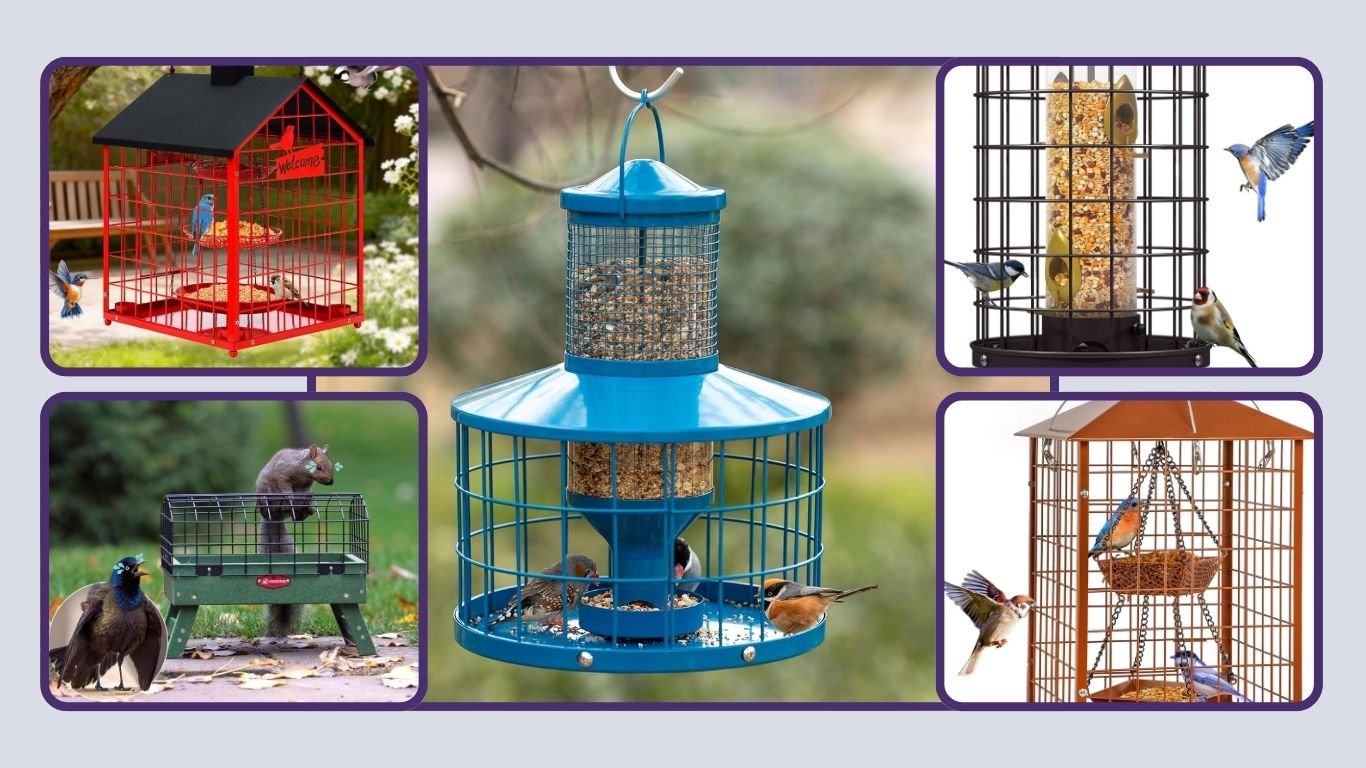
Caged bird feeders are a smart choice for backyard bird lovers who want to give smaller birds easier access to food while reducing interference from squirrels and larger birds. The protective outer cage helps shield the feeding area without blocking species such as finches, chickadees, bluebirds, and cardinals. Many models also include weather-resistant metal construction, mealworm trays, or large-capacity seed compartments. In this guide, we review the 8 best caged bird feeders based on durability, squirrel resistance, bird accessibility, capacity, and overall outdoor performance.
1. Mosloly Caged Squirrel-Proof Metal Bird Feeder
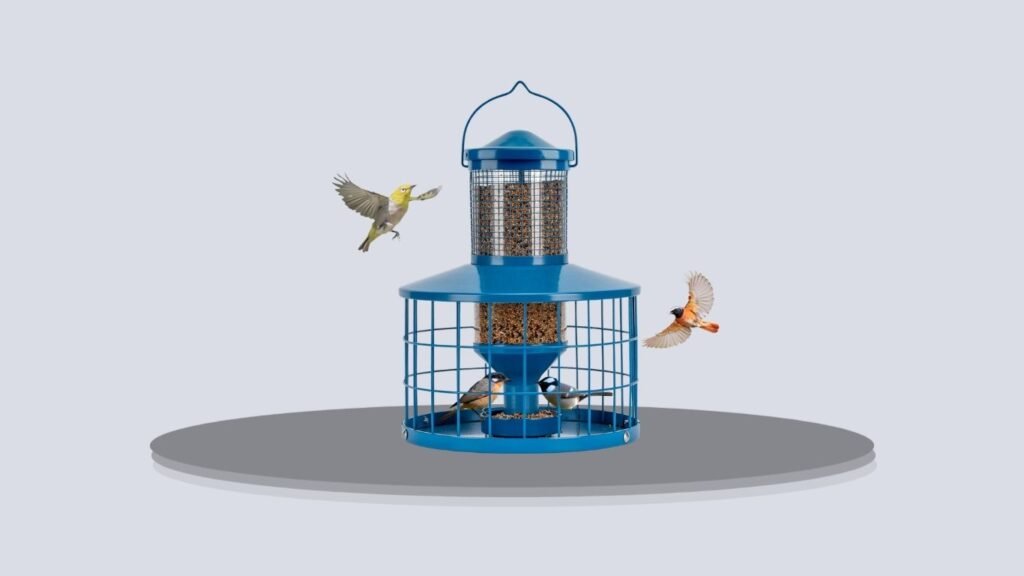
The Mosloly Caged Squirrel-Proof Metal Bird Feeder is designed for backyard bird lovers who want to give smaller birds a more protected place to feed. Its outer metal cage forms a barrier around the central feeding area, helping discourage squirrels and some larger birds from reaching the seed. The hanging design also makes it suitable for gardens, patios, trees, and dedicated bird-feeding stations.
Key Features
- Protective metal cage construction
- Squirrel-resistant feeding design
- Central seed-feeding area
- Durable outdoor metal body
- Hanging installation
- Designed for smaller backyard birds
- Suitable for common wild bird seed
- Easy-to-monitor feeder layout
Why It’s Best for Protecting Smaller Birds
The biggest advantage of this feeder is the cage surrounding the food source. Smaller birds can pass through the openings and reach the seed, while the outer structure makes access much more difficult for squirrels and larger unwanted visitors.
This arrangement can create a calmer feeding environment for finches, chickadees, titmice, and other small species. Instead of competing constantly with larger animals, birds have a more dedicated space where they can land, feed, and move around.
Feeding Performance and Bird Accessibility
The central feeder keeps seed contained while allowing birds to approach from different directions. This can be helpful during busy feeding periods because more than one bird may investigate the cage at a time.
A caged design also adds an extra layer of separation between the food and larger animals. Strategic placement away from fences, roofs, and nearby branches can make the squirrel-resistant structure even more effective.
Durability and Overall Outdoor Value
Metal construction is particularly useful for outdoor feeders because squirrels can quickly damage lightweight plastic components by chewing them. A more substantial cage is better suited to repeated outdoor exposure and regular wildlife activity.
For users who primarily want to serve small birds while reducing squirrel interference, this Mosloly feeder offers a practical balance of protection, durability, and everyday usability.
2. Mealworm Caged Bird Feeder for Bluebirds – Squirrel Proof
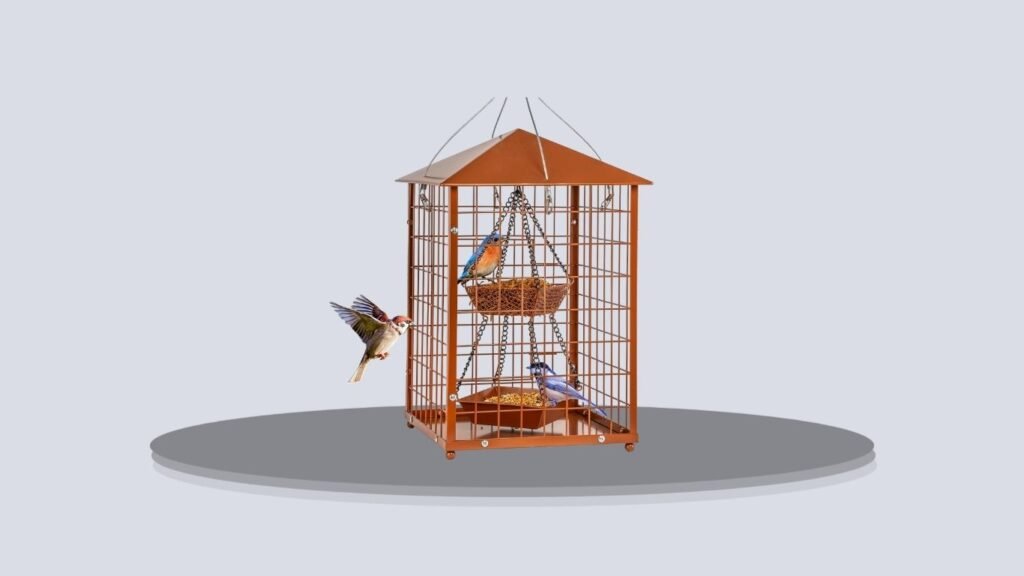
This caged mealworm feeder is designed specifically for bird enthusiasts who want to attract bluebirds and other insect-eating species while limiting access from squirrels. Its protective outer cage surrounds the feeding area, creating a more selective environment for smaller birds. Because it can be used with mealworms, it offers an alternative to traditional seed feeders and can add more variety to a backyard feeding station.
Key Features
- Designed for mealworm feeding
- Protective outer cage
- Squirrel-resistant structure
- Suitable for bluebirds
- Hanging outdoor design
- Easy-access feeding area
- Works with dried or appropriate mealworms
- Suitable for backyard bird stations
Why It’s Best for Attracting Bluebirds
Bluebirds readily consume insects and mealworms, making this feeder a useful addition for homeowners who specifically want to encourage bluebird visits. Offering mealworms can be especially appealing when birds are feeding young or when natural insect activity is limited.
The cage gives smaller birds a more protected route to the food while creating a physical obstacle for squirrels. This combination makes the feeder more targeted than a conventional open mealworm dish.
Mealworm Feeding Performance
A dedicated feeding area helps keep mealworms concentrated instead of scattering them across the ground. Birds can quickly learn where the food is located and return regularly once they recognize the feeder.
The cage may also reduce competition from larger birds that could otherwise consume mealworms rapidly. That means the food is more likely to remain available for the species the feeder is intended to attract.
Convenience and Overall Value
Mealworm feeders provide a different backyard experience from seed-only models. They can encourage insect-eating birds that may not spend as much time at ordinary tube feeders.
For bird watchers interested in bluebirds, wrens, or similar small species, the combination of mealworm compatibility and squirrel-resistant caging makes this feeder particularly useful. It works well as either a primary specialty feeder or an addition to an existing seed-feeding station.
3. Mosloly Metal Caged Bird Feeder
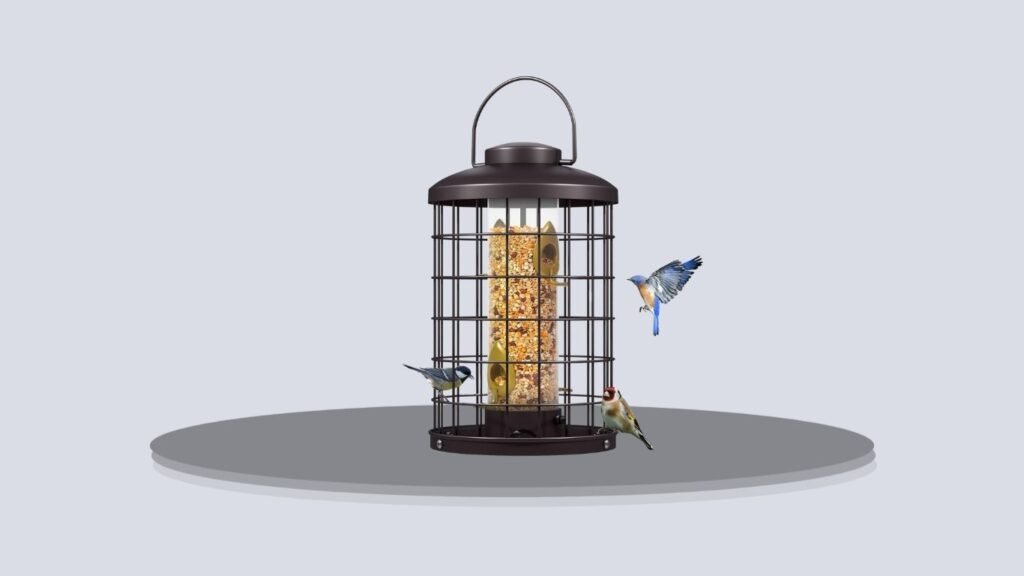
The Mosloly Metal Caged Bird Feeder combines a traditional seed feeder with an external protective structure designed to restrict squirrels and larger birds. Its all-metal appearance gives it a sturdy, purpose-built feel for backyard use, while the cage creates convenient entry points for smaller songbirds. This model is particularly attractive for people who regularly lose birdseed to squirrels or aggressive larger visitors.
Key Features
- Metal cage surrounding the feeder
- Squirrel-resistant construction
- Designed for smaller wild birds
- Hanging outdoor format
- Durable metal body
- Central seed reservoir
- Multiple access points
- Suitable for common birdseed blends
Why It’s Best for Heavy Squirrel Activity
Squirrels can dominate a traditional feeder because there is often nothing preventing them from sitting directly beside the feeding ports. A caged design changes that by placing a physical barrier between the squirrel and the seed source.
While squirrels may still investigate the feeder, the protective structure makes it much more difficult for them to reach the central feeding area comfortably. Positioning the feeder away from jumping points can further improve the effectiveness of the cage.
Bird Access and Feeding Experience
Small birds can move through appropriately sized cage openings to reach the feeder inside. Once within the protected space, they have less direct competition from larger animals.
This design can be particularly helpful for finches, chickadees, nuthatches, and other smaller species. The central reservoir also keeps the seed organized, making it easier to check the remaining food supply during routine backyard observation.
Construction and Long-Term Practicality
Metal construction is an important advantage for a feeder that may be repeatedly climbed on or tested by squirrels. It offers better resistance to chewing and rough handling than many lightweight alternatives.
For homeowners who want a conventional hanging feeder but need additional physical protection around the seed, this Mosloly model provides a simple and durable solution. Its cage-focused design makes it especially useful in backyards where squirrels and large birds are persistent visitors.
4. Maansfy Large Squirrel-Proof Caged Bird Feeder
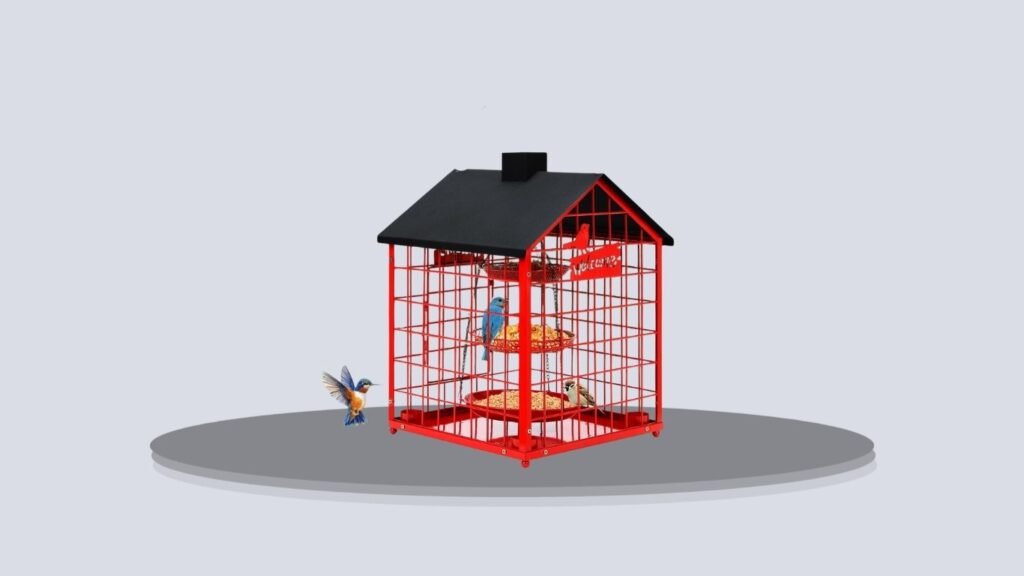
The Maansfy Large Squirrel-Proof Caged Bird Feeder is designed for bird watchers who want more feeding room along with a protective exterior cage. Its larger format makes it appealing for active backyards where several birds visit throughout the day. The cage helps restrict squirrel access while allowing smaller birds to approach the central feeding area, creating a more controlled environment for regular wild bird feeding.
Key Features
- Large caged feeder design
- Squirrel-resistant outer barrier
- Generous feeding area
- Suitable for multiple small birds
- Hanging outdoor installation
- Durable exterior structure
- Designed for wild bird seed
- Appropriate for busy feeding stations
Why It’s Best for High-Traffic Backyards
A larger feeder can be particularly helpful when many birds visit at once. Small-capacity models may require frequent refilling and can become crowded around limited feeding openings.
The Maansfy’s larger design gives birds more room to approach the feeder while still benefiting from the surrounding cage. This makes it well suited for homes that regularly attract groups of finches, chickadees, sparrows, or other backyard songbirds.
Squirrel Resistance and Seed Protection
The external cage creates an immediate obstacle for squirrels attempting to reach the food. Rather than allowing them to sit directly on the seed tray or ports, the feeder forces them to negotiate the protective structure first.
This can reduce the amount of seed lost to squirrels and help keep the feeding area available for smaller birds. Proper positioning can improve performance further, especially when the feeder is hung away from nearby trees or fences.
Capacity, Convenience, and Overall Value
A larger body means fewer refill trips during periods of heavy bird activity. That is especially useful in winter or during migration periods when feeder traffic can increase noticeably.
For users who want both squirrel resistance and the convenience of a larger feeding setup, this Maansfy feeder offers a practical combination. Its roomy design makes it particularly suitable for established backyard feeding areas where many birds are already regular visitors.
5. Yinns Waterproof Squirrel-Proof Caged Bird Feeder
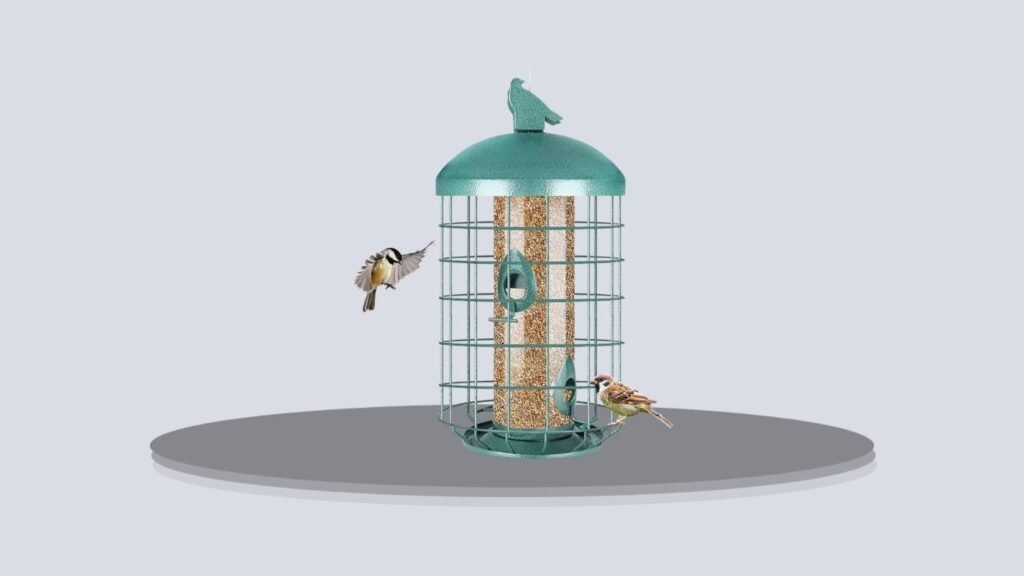
The Yinns Waterproof Squirrel-Proof Caged Bird Feeder is designed for outdoor bird feeding in changing weather conditions. It combines a protective cage with weather-conscious construction, helping shield the feeding area from both squirrels and routine exposure to moisture. This makes it especially useful for homeowners who leave feeders outside throughout much of the year and want a model that balances bird accessibility, protection, and practical outdoor durability.
Key Features
- Squirrel-resistant outer cage
- Weather-resistant outdoor design
- Protective seed-feeding area
- Hanging installation
- Suitable for smaller wild birds
- Durable exterior construction
- Designed for year-round backyard use
- Easy-to-refill feeding system
Why It’s Best for Changing Weather
Outdoor bird feeders are continuously exposed to sunlight, wind, rain, and humidity. Moisture can quickly reduce seed quality if a feeder provides little protection, so a more weather-conscious design can make everyday maintenance easier.
The Yinns feeder is particularly appealing for users living in areas where weather changes frequently. Its protective construction helps create a more sheltered feeding environment while still allowing birds convenient access.
Squirrel Protection and Bird Access
The cage surrounding the feeder creates an additional layer of defense against squirrels. Small birds can move through the openings to reach the feeding area, while larger animals face a much more difficult path.
This can help preserve birdseed and reduce the amount scattered or consumed by squirrels. The protected interior may also make smaller birds more comfortable when larger backyard visitors are active nearby.
Durability and Overall Practicality
A weather-resistant feeder is most useful when paired with regular cleaning and fresh seed. Even protected feeders should be inspected after heavy rain to make sure food remains dry and suitable for birds.
For people who want one feeder that addresses both squirrel interference and outdoor exposure, the Yinns model offers a practical combination of features. Its caged structure, hanging format, and weather-focused construction make it well suited for routine backyard feeding throughout different seasons.
6. Veehoo Squirrel-Proof Outdoor Caged Bird Feeder
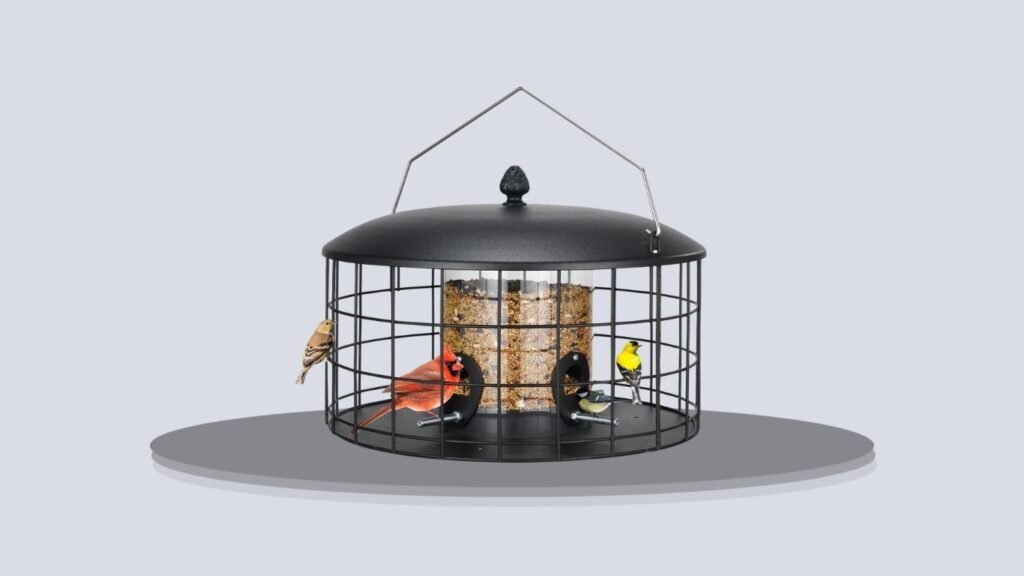
The Veehoo Squirrel-Proof Outdoor Caged Bird Feeder is designed for bird lovers who want a durable feeding station that gives smaller birds better access while discouraging squirrels. Its protective cage surrounds the main feeding area and helps create a more controlled environment for backyard songbirds. The hanging format makes it easy to place in gardens, patios, or established bird-feeding stations where squirrels are regular visitors.
Key Features
- Protective outer cage design
- Squirrel-resistant construction
- Suitable for outdoor hanging
- Designed for smaller wild birds
- Central seed-feeding area
- Durable outdoor body
- Multiple bird access points
- Suitable for common birdseed
Why It’s Best for Small Backyard Songbirds
The outer cage is especially useful for people who want to favor smaller birds over squirrels and larger species. Finches, chickadees, nuthatches, and similar birds can move through the cage openings more easily than larger visitors.
This creates a more comfortable feeding environment and can help reduce situations where one squirrel or large bird controls the feeder for long periods. For backyards with frequent small-bird activity, that added separation can make the feeding station much more enjoyable to watch.
Squirrel Protection and Feeding Performance
The cage acts as a physical barrier around the seed reservoir. While determined squirrels may still investigate the feeder, reaching the actual food becomes more difficult than with an open tray or standard tube feeder.
Placement can make the design even more effective. Hanging it away from fences, branches, rooftops, and other easy launch points reduces the chances of squirrels reaching the feeder from above or the side.
Durability and Overall Value
A feeder intended for outdoor use needs to handle regular weather exposure and repeated contact from wildlife. The Veehoo’s protective exterior helps give the feeder a more substantial feel while also serving its main squirrel-deterring purpose.
For users who want a straightforward caged design without complicated moving parts, this model offers a practical combination of bird access, squirrel resistance, and everyday outdoor convenience.
7. Kingsyard Squirrel-Proof Caged Bird Feeder for Outdoors
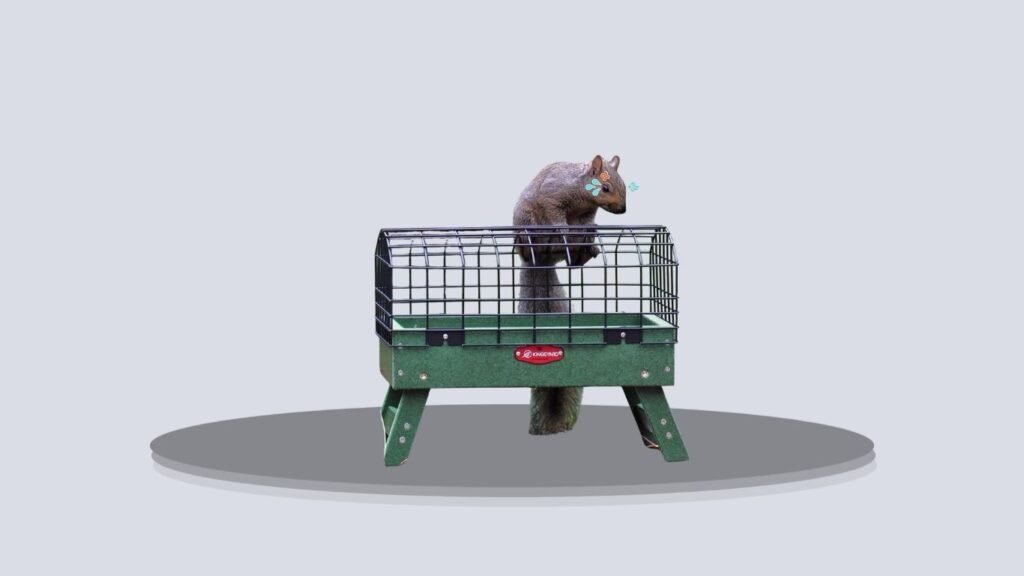
The Kingsyard Squirrel-Proof Caged Bird Feeder combines a protective cage with a compact outdoor feeding design intended to serve smaller backyard birds. Its structure helps limit direct squirrel access while still allowing birds to approach the feeding area from several directions. The feeder is especially suitable for bird watchers who want a neat, functional setup that fits naturally into gardens, patios, and dedicated feeding stations.
Key Features
- Squirrel-proof cage design
- Durable outdoor construction
- Hanging feeder format
- Suitable for small songbirds
- Multiple access openings
- Central seed compartment
- Designed for backyard use
- Easy-to-refill construction
Why It’s Best for Everyday Backyard Feeding
The Kingsyard feeder works well for users who want something simple enough for daily use but more protective than a standard feeder. The surrounding cage helps create a defined feeding zone where smaller birds can enter and eat with less competition.
This makes it a useful option for people who regularly see chickadees, finches, wrens, or nuthatches around their yards. The compact structure also makes it easier to place near a viewing window without the feeder becoming visually bulky.
Bird Access and Squirrel Resistance
The cage is the key feature because it creates a size-based barrier. Smaller birds can move through the openings, while squirrels and some larger birds have more difficulty reaching the food inside.
This can help reduce seed loss and prevent squirrels from sitting directly on the feeding ports. It also gives smaller birds a more protected place to pause and feed.
Ease of Use and Overall Practicality
A feeder that is easy to refill and inspect is more likely to be maintained consistently. The Kingsyard’s hanging design allows users to remove it from a hook when needed, refill the seed, and return it to position without complicated setup.
For bird lovers who want reliable cage protection in a manageable everyday feeder, this model provides a good balance of simplicity, durability, and small-bird accessibility.
8. Outdoor Squirrel-Proof Caged Bird Feeder for Cardinals & Bluebirds
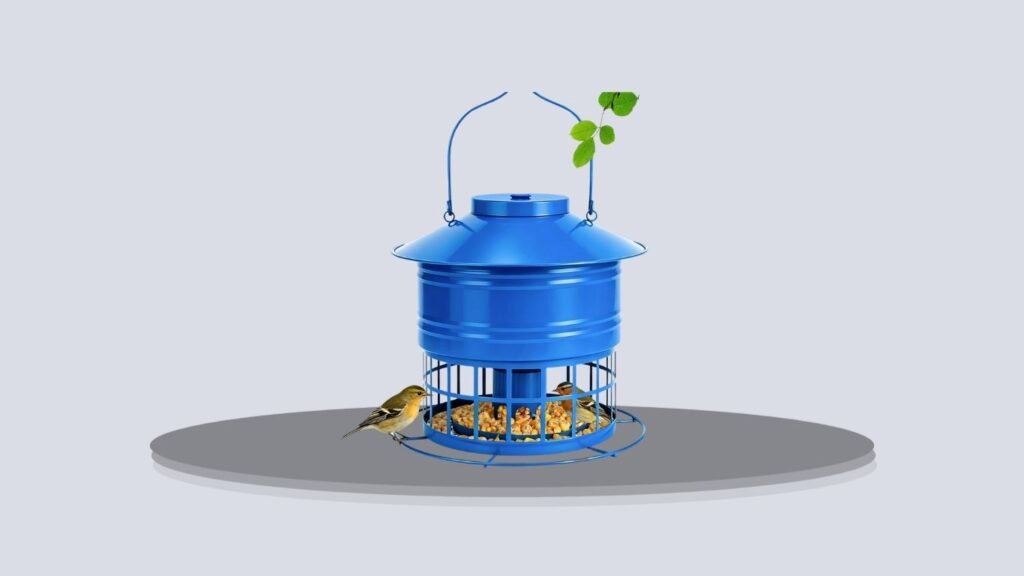
This outdoor squirrel-proof caged feeder is designed for people who want to attract colorful backyard birds while reducing interference from squirrels. Its protective cage surrounds the main feeding area and creates multiple entry points for suitable birds. The design is especially appealing for homeowners hoping to encourage visits from cardinals, bluebirds, and other common backyard species while keeping the seed supply better protected.
Key Features
- Protective squirrel-resistant cage
- Designed for outdoor bird feeding
- Suitable for cardinals and bluebirds
- Hanging installation
- Multiple feeding access points
- Central seed reservoir
- Durable outdoor construction
- Suitable for common wild bird seed
Why It’s Best for Attracting Colorful Backyard Birds
Many bird watchers enjoy feeders that attract visually distinctive species such as cardinals and bluebirds. This caged feeder provides a protected feeding area that can help smaller and medium-size birds access food with less competition from squirrels.
The cage structure also makes the feeder feel more secure for birds that may hesitate around busy open feeders. Once birds become familiar with the setup, it can develop into a regular stopping point in the yard.
Feeding Access and Squirrel Protection
The protective outer barrier creates an extra challenge for squirrels trying to reach the food. At the same time, birds that fit through or comfortably use the cage openings can still access the seed.
This can help reduce both seed loss and feeding disruption. Strategic placement on a pole or hook away from trees and fences can make the squirrel-resistant design even more effective.
Outdoor Design and Overall Value
The hanging format makes this feeder easy to incorporate into an existing backyard setup. It can be placed near shrubs for bird cover while still keeping enough distance from structures that squirrels could use as launching points.
For homeowners who want to attract attractive backyard species while reducing squirrel interference, this feeder offers a practical combination of protection, accessibility, and visual appeal.
FAQs
1. What is a caged bird feeder?
A caged bird feeder has a protective outer structure surrounding the main seed or mealworm compartment. The openings are designed to allow smaller birds to reach the food while making access more difficult for squirrels and larger birds.
2. Do caged bird feeders stop squirrels?
They can significantly reduce squirrel access, especially when the cage openings are too small for squirrels to reach through comfortably. However, placement still matters. Hanging the feeder away from trees, fences, roofs, and other jumping points can improve its effectiveness.
3. What birds use caged bird feeders?
Caged feeders commonly attract finches, chickadees, nuthatches, wrens, bluebirds, and other small backyard birds. Some larger species may not fit through narrow cage openings, so the exact birds that use the feeder depend on its cage dimensions.
4. Are caged feeders good for bluebirds?
Yes, some caged feeders are specifically designed for bluebirds, especially models that hold mealworms. Bluebirds are insect-eating birds and may be especially attracted to feeders offering dried or live mealworms in a protected feeding area.
5. How often should a caged bird feeder be cleaned?
Clean it regularly and whenever seed or mealworms become wet, moldy, or contaminated. Remove old food, wash the feeding area and cage, rinse thoroughly, and allow everything to dry before refilling. Regular cleaning helps keep the feeder healthier for visiting birds.
