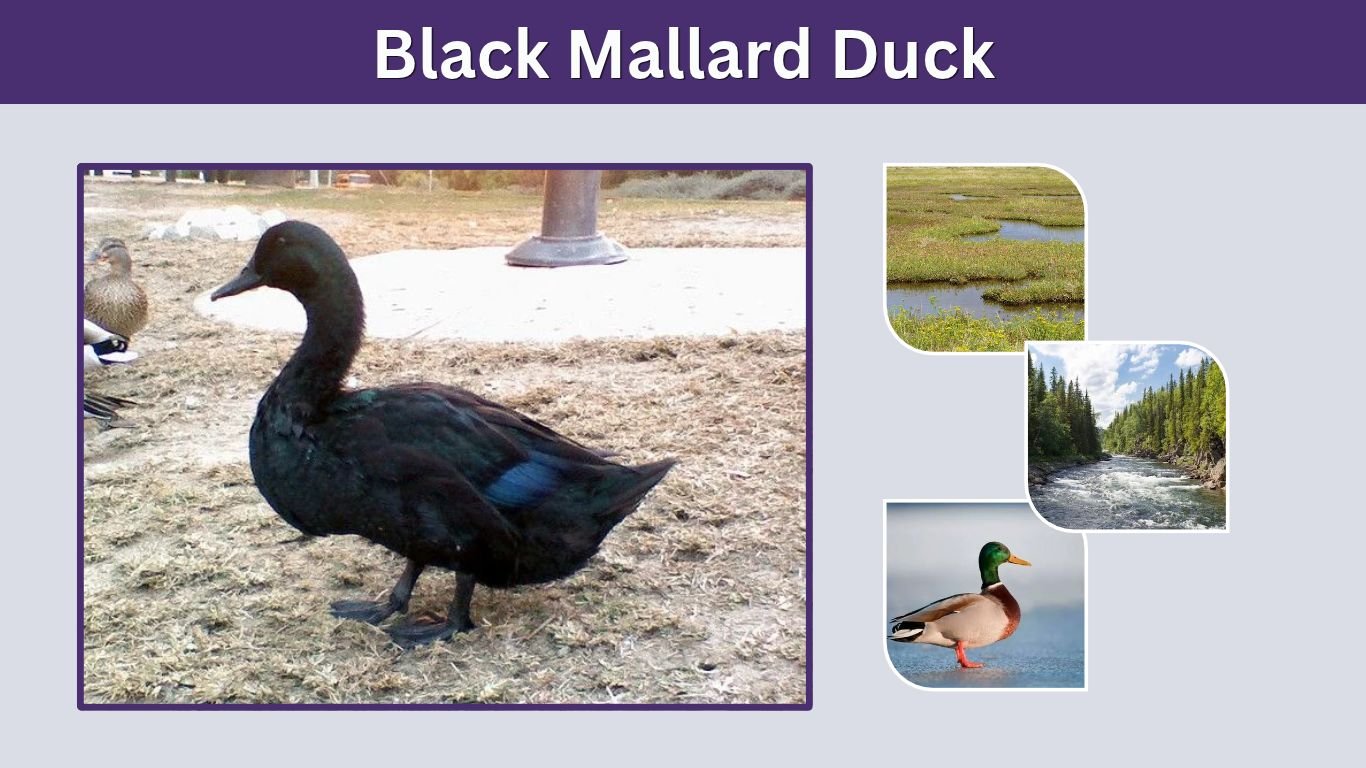
Black Mallard Duck: Identification, Hybrids & Differences
A black Mallard duck can look unusual compared with the familiar green-headed drakes and brown females commonly seen in wetlands. However, not every dark-colored duck … Read More
A black Mallard duck can look unusual compared with the familiar green-headed drakes and brown females commonly seen in wetlands. However, not every dark-colored duck … Read More
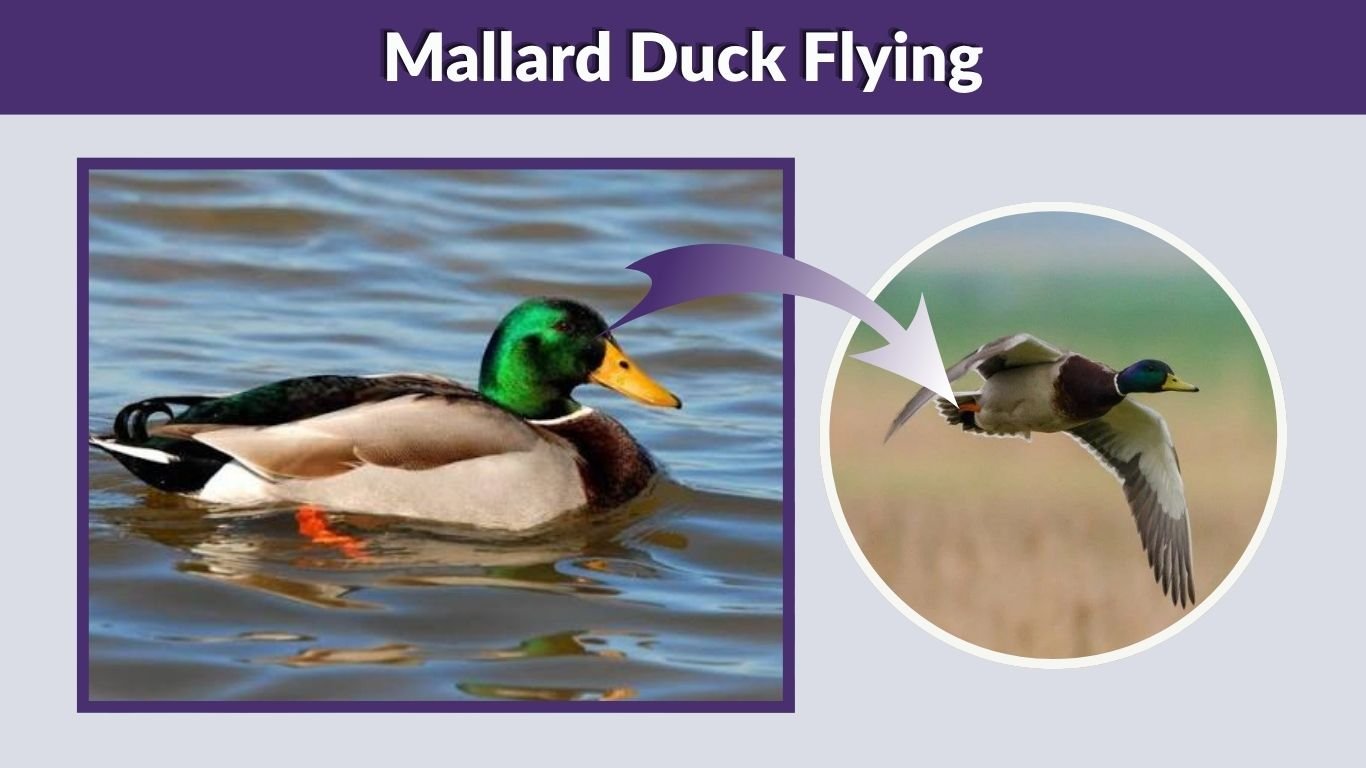
Mallard ducks are powerful and agile fliers, capable of traveling long distances during seasonal migration. Known for their colorful feathers, rapid wingbeats, and impressive aerial … Read More
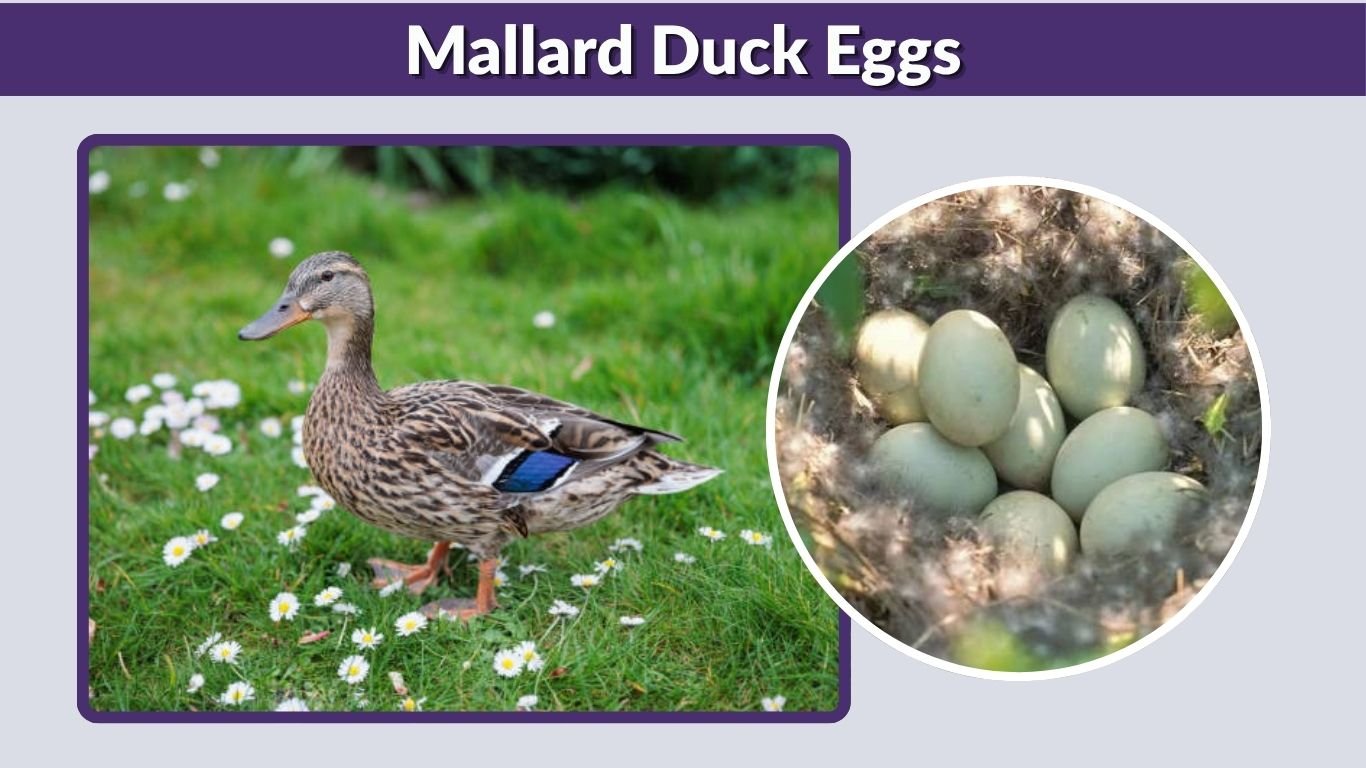
Mallard duck eggs are fascinating because of their pale colors, relatively large size, and carefully timed hatching process. Female Mallards (Anas platyrhynchos) typically lay around … Read More
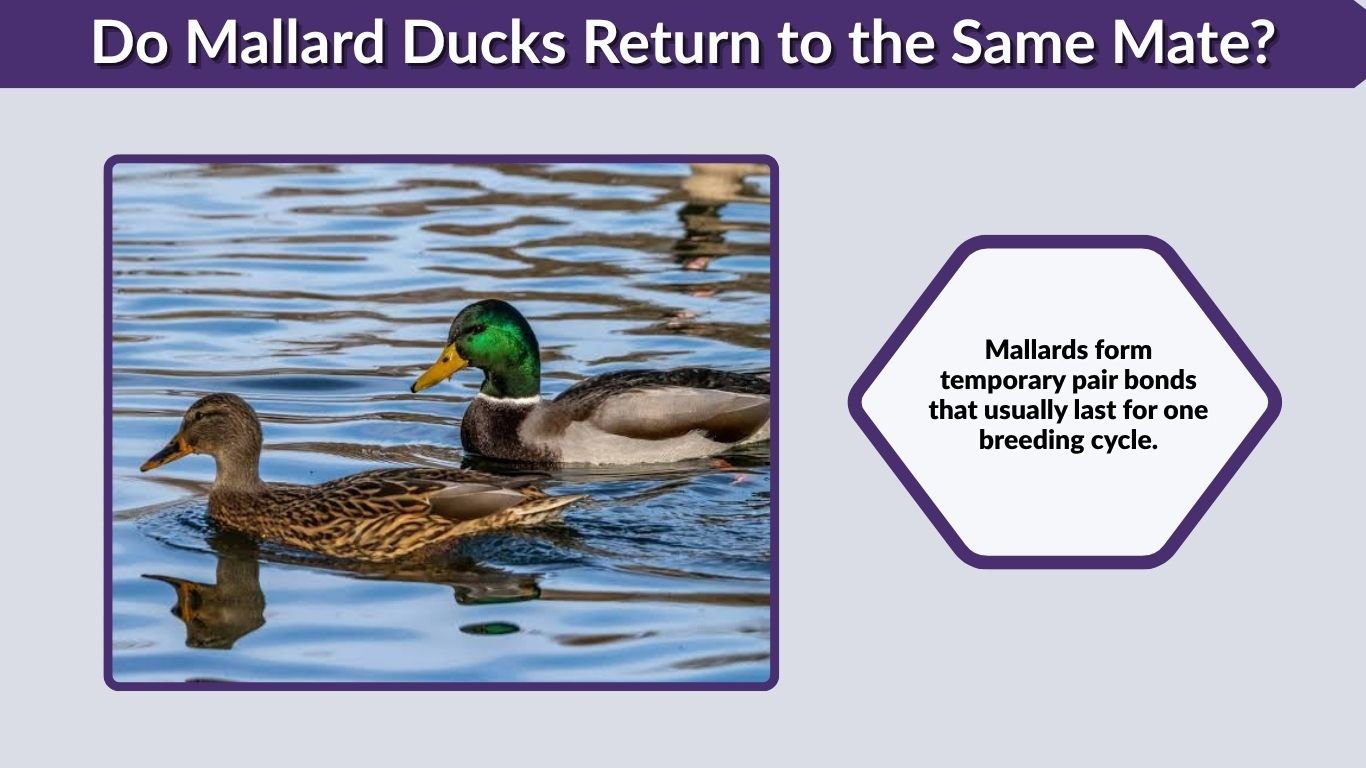
Mallard ducks are among the most familiar waterfowl, often seen swimming together in ponds, lakes, and wetlands. Their close companionship during breeding season raises an … Read More
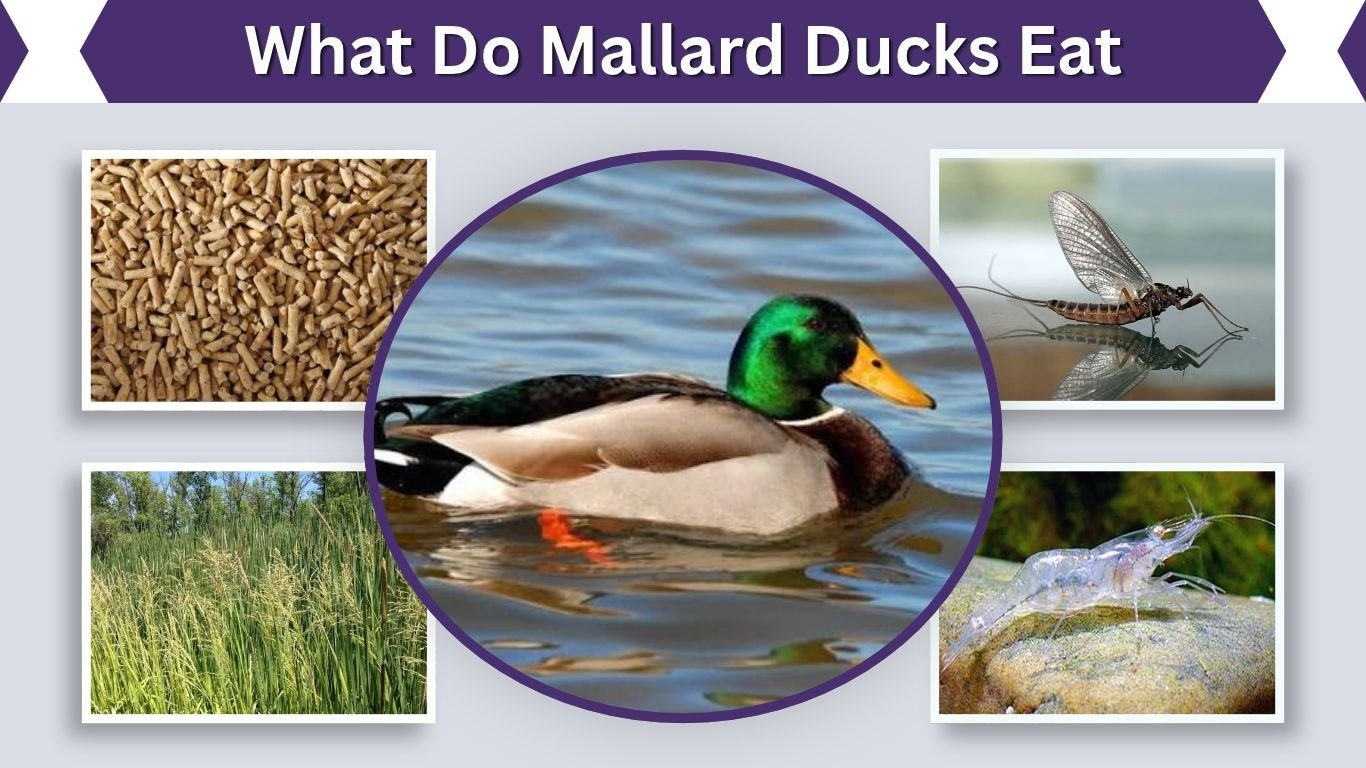
Mallard ducks are adaptable waterbirds that eat a wide variety of natural foods, including aquatic plants, seeds, insects, worms, and small freshwater animals. Their omnivorous … Read More
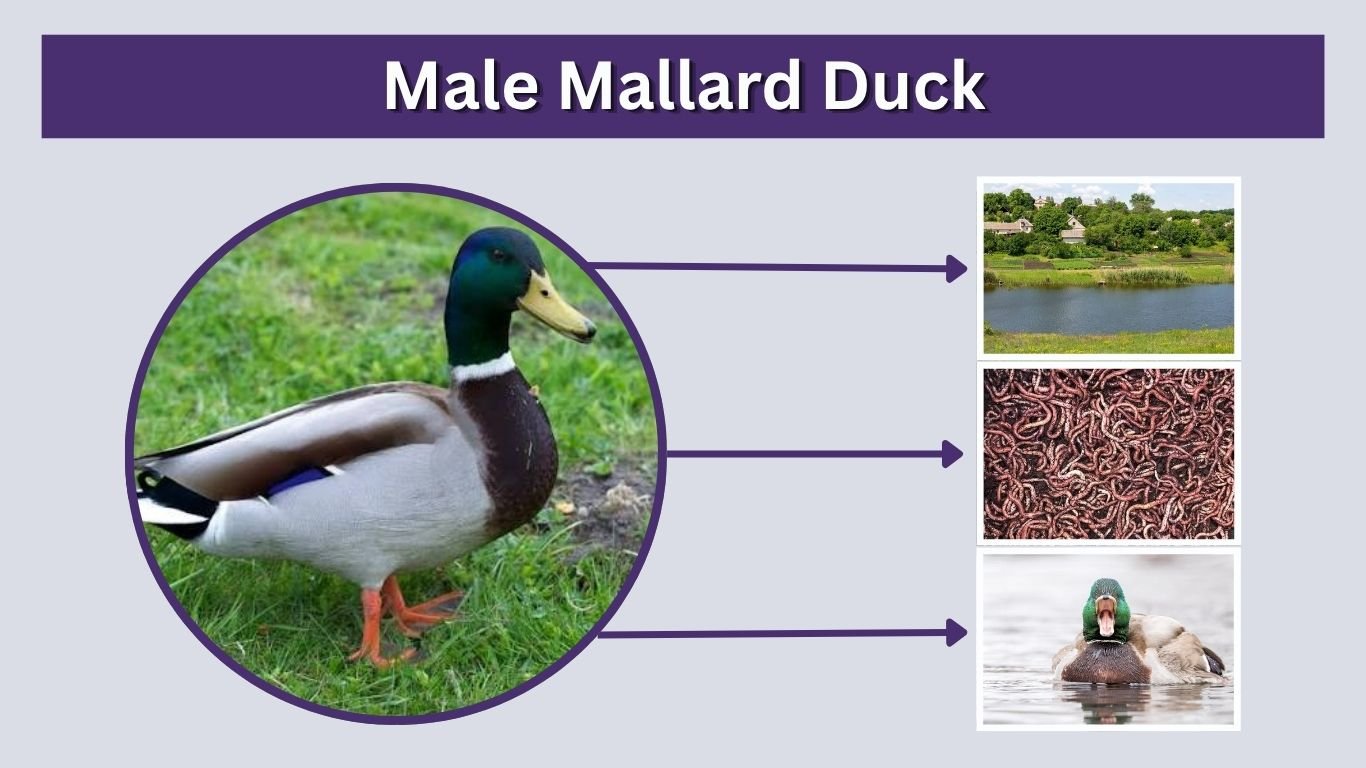
The male Mallard duck is one of the most recognizable waterbirds, famous for its glossy green head, bright yellow bill, and rich chestnut-brown chest. Commonly … Read More
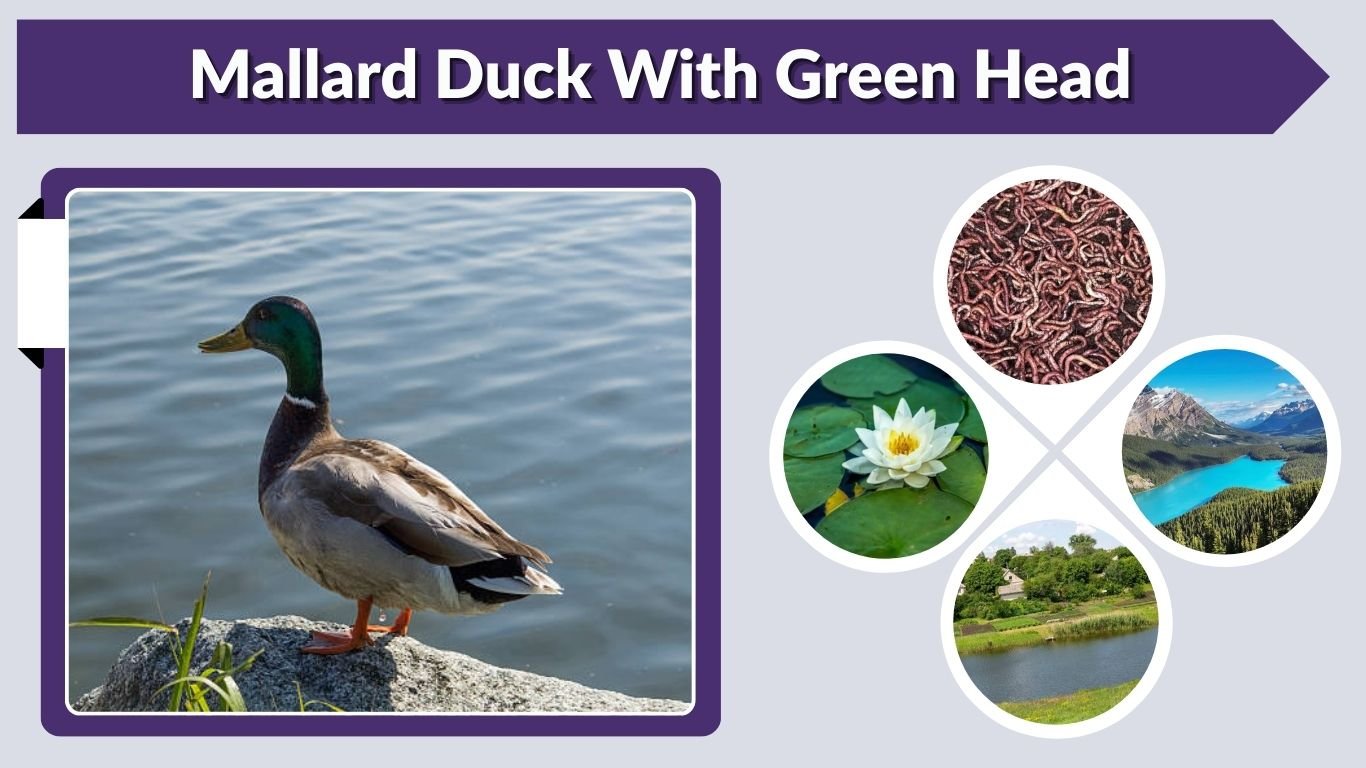
The Mallard duck with a green head is one of the most recognizable waterfowl species in the world. Known for its glossy emerald-green feathers, bright … Read More
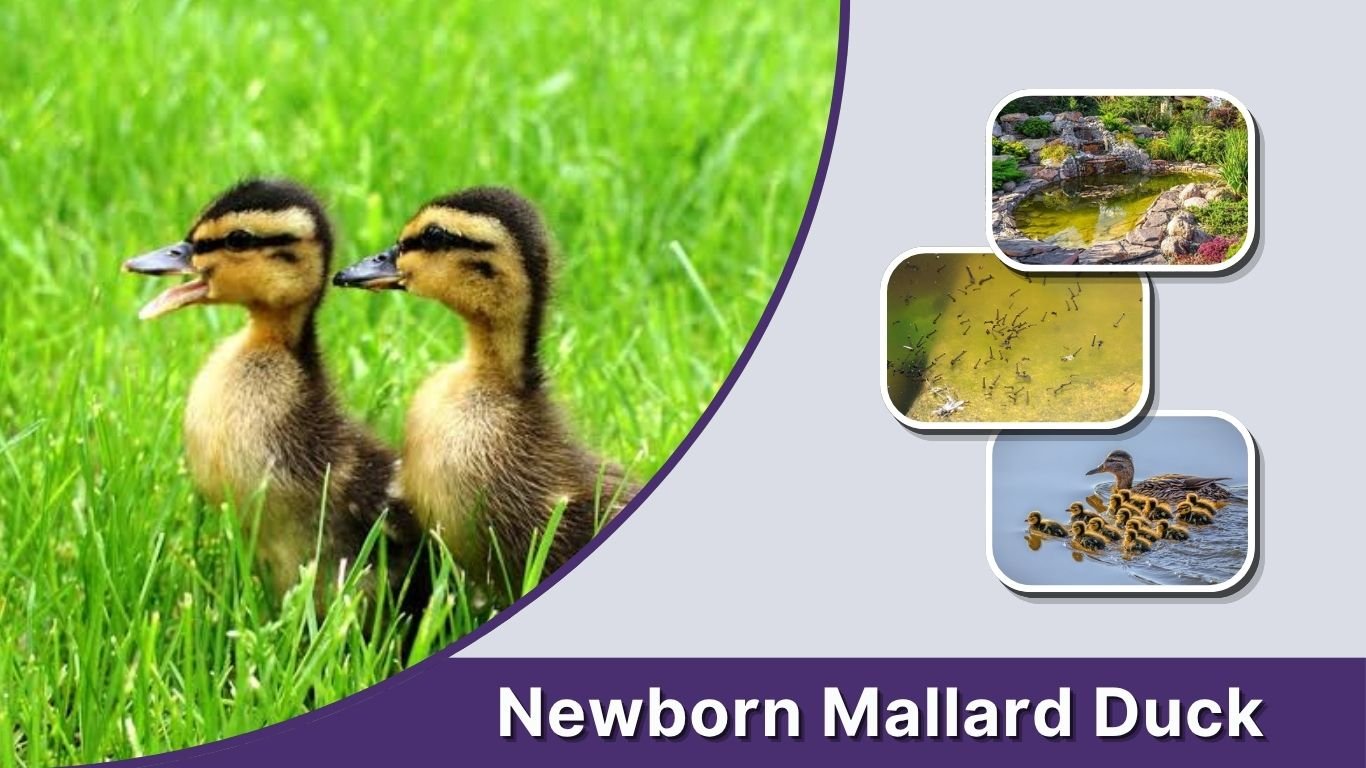
A newborn Mallard duck is a small, fluffy waterbird that begins exploring its surroundings shortly after hatching. Recognized by its yellow and brown down feathers, … Read More
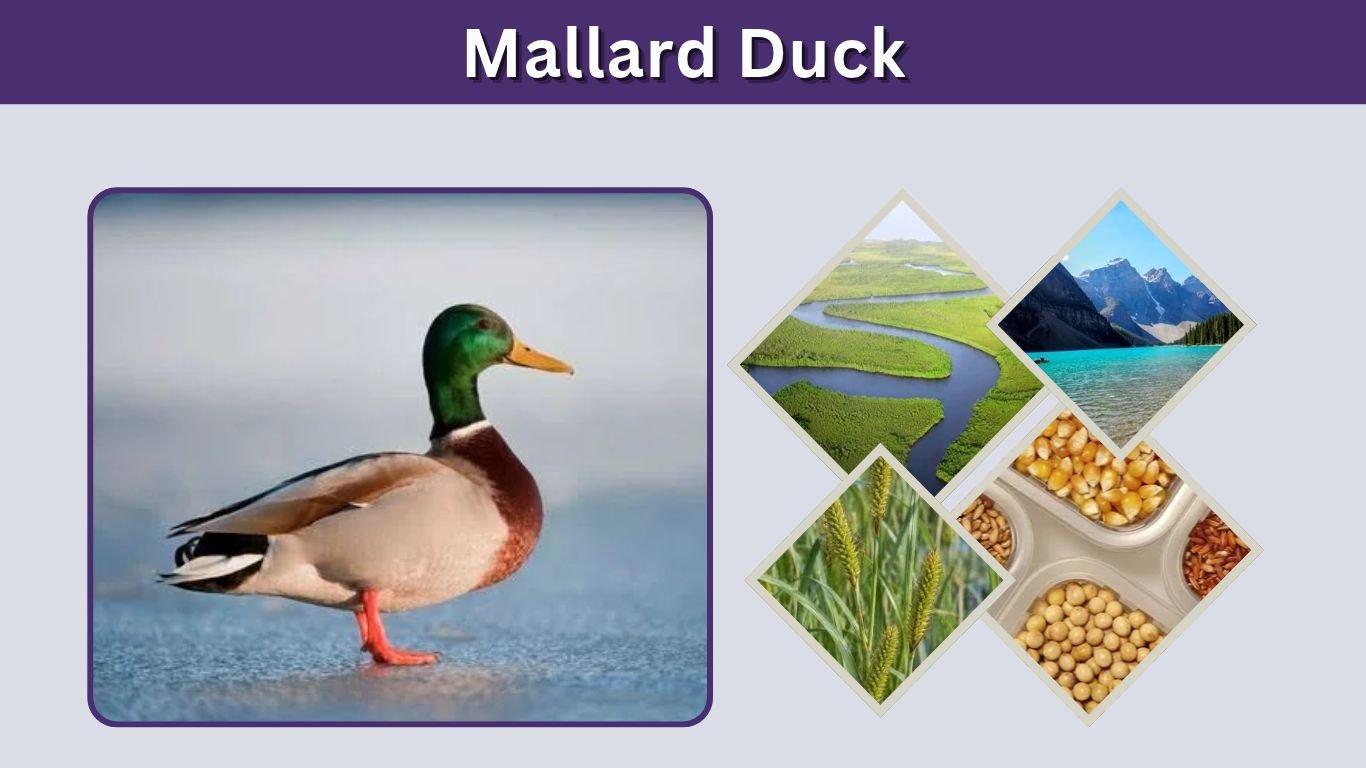
The mallard duck is one of the most recognizable waterbirds in North America, known for its colorful feathers, distinctive calls, and adaptable behavior. Male mallards … Read More