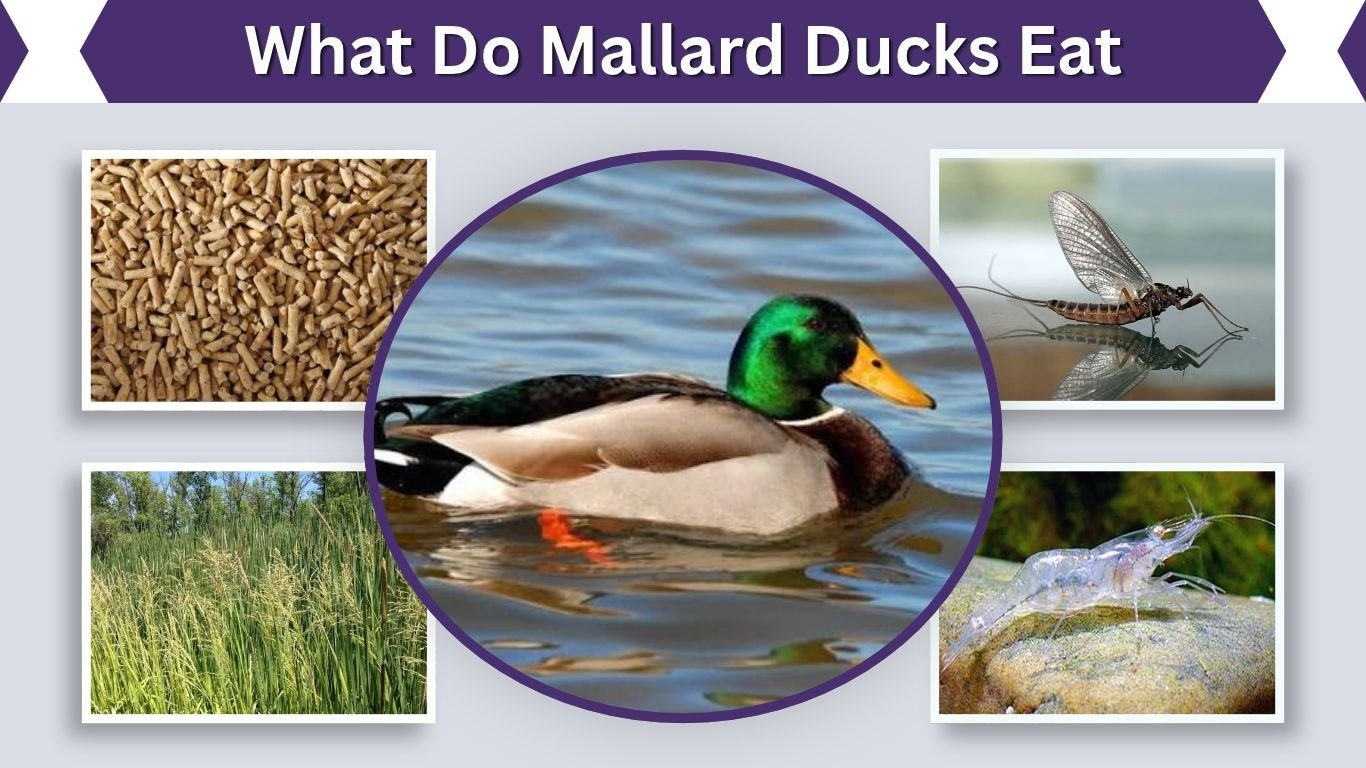
Mallard ducks are adaptable waterbirds that eat a wide variety of natural foods, including aquatic plants, seeds, insects, worms, and small freshwater animals. Their omnivorous diet allows them to survive in ponds, lakes, wetlands, rivers, and agricultural areas throughout the year. However, their feeding preferences change depending on the season, age, and availability of food. Baby Mallards require more protein for growth, while adults often consume seeds and grains during winter. Understanding what Mallard ducks eat in the wild helps explain their feeding habits and nutritional needs.
What Do Mallard Ducks Eat?
Mallard ducks are omnivores, meaning they eat both plants and animals. Their natural diet includes aquatic vegetation, grasses, seeds, grains, insect larvae, worms, snails, and small crustaceans. These foods provide the protein, carbohydrates, fats, vitamins, and minerals necessary for survival. Mallards are opportunistic feeders and adjust their diet according to the habitat and season.
Common Foods Mallard Ducks Eat
- Aquatic plants: Pondweed, duckweed, and other freshwater vegetation.
- Seeds: Seeds from grasses, sedges, and wetland plants.
- Grains: Rice, wheat, corn, and other agricultural crops.
- Insects: Beetles, midges, flies, and aquatic insect larvae.
- Worms: Earthworms and other soft-bodied invertebrates.
- Snails: Small freshwater snails and other mollusks.
- Crustaceans: Freshwater shrimp and other small aquatic animals.
- Small fish: Occasionally consumed when easily available.
- Roots and tubers: Tender underground portions of aquatic plants.
Their diets vary considerably between breeding areas, wintering habitats, and agricultural landscapes.
What Do Wild Mallard Ducks Eat?
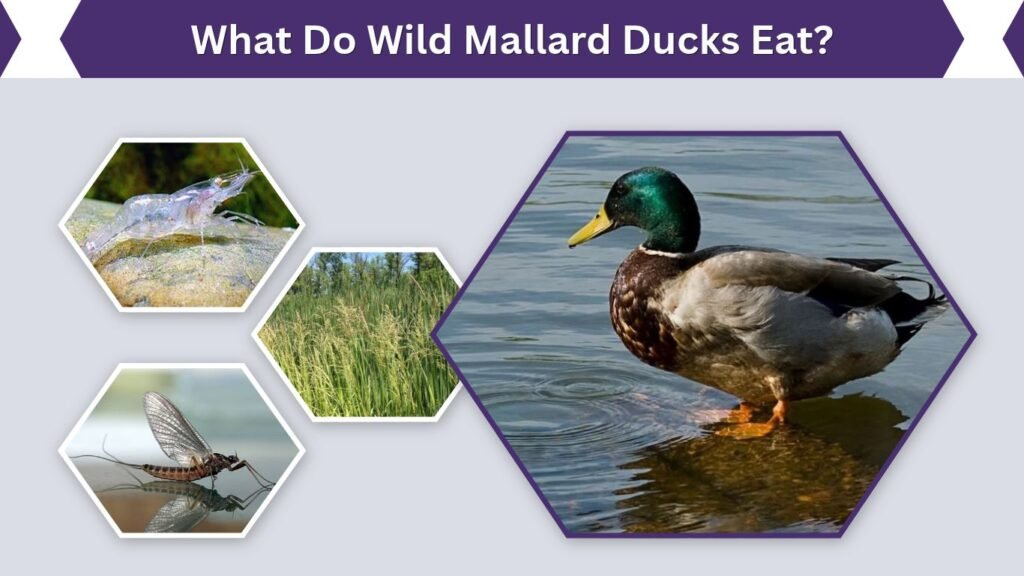
Wild Mallard ducks obtain most of their food by searching through shallow water, muddy shorelines, grasslands, and agricultural fields. They are classified as dabbling ducks because they usually feed near the water’s surface rather than diving deeply underwater.
Aquatic Plants and Seeds
Plant material makes up a substantial portion of the Mallard’s diet during much of the year.
Mallards commonly eat seeds, stems, roots, and tender leaves from aquatic plants. Wetland grasses, sedges, pondweeds, and smartweeds provide important food sources.
They also consume acorns and seeds from other plants when these become available.
Insects and Small Aquatic Animals
Mallards eat a considerable amount of animal matter during the breeding season. Aquatic insects, larvae, snails, freshwater shrimp, and earthworms provide protein and other nutrients.
These foods are especially important for female ducks preparing to lay eggs and for growing ducklings.
The amount of animal food consumed depends on seasonal availability and individual nutritional requirements.
What Do Mallard Ducks Eat in a Pond?
Ponds provide Mallard ducks with numerous food sources, including submerged vegetation, aquatic insects, seeds, and small invertebrates. Their broad, flattened bills are adapted for collecting food from shallow water and soft sediment. Mallards often search for food by dipping their heads underwater while keeping most of their bodies floating near the surface.
How Mallards Find Food Underwater
Mallards use a feeding behavior called dabbling. They lower their heads and necks into the water to collect aquatic plants and small animals.
Sometimes they tip their bodies forward, leaving their tails pointing upward while their bills reach underwater vegetation.
Their bills contain specialized structures called lamellae, which help separate food particles from water and sediment.
Foods Found in Natural Ponds
Common pond foods include:
- Duckweed and other floating vegetation.
- Pondweed seeds and tender shoots.
- Mosquito larvae and other aquatic insects.
- Small freshwater snails.
- Tiny crustaceans.
- Worms living in soft sediment.
- Seeds from surrounding wetland plants.
Healthy wetlands provide diverse natural foods that help Mallards meet their nutritional requirements.
What Do Baby Mallard Ducks Eat?
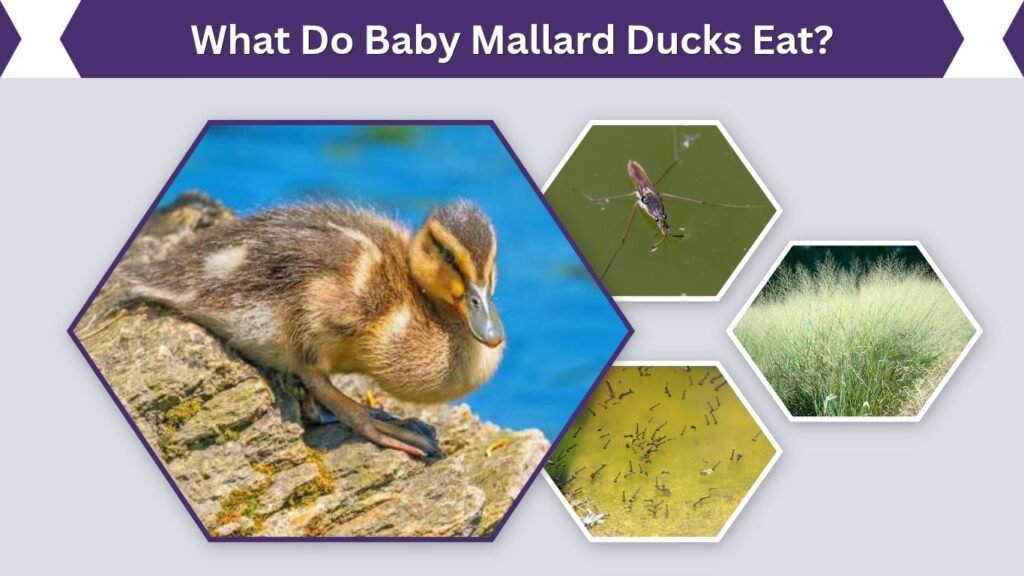
Baby Mallard ducks have different nutritional requirements from adults because they grow rapidly during their first weeks of life. Newly hatched ducklings naturally consume protein-rich foods, particularly aquatic insects and other small invertebrates. These foods support the development of feathers, muscles, and bones.
Natural Foods for Baby Mallards
- Mosquito larvae: Small aquatic organisms that provide protein.
- Midge larvae: Common insects found in freshwater habitats.
- Tiny crustaceans: Small freshwater animals containing important nutrients.
- Small worms: Soft-bodied invertebrates that ducklings can swallow.
- Other aquatic insects: A major component of their early diet.
- Aquatic plant material: Seeds and tender vegetation become increasingly important as they develop.
How Do Baby Mallards Learn to Eat?
Mallard ducklings can feed themselves shortly after hatching. Their mother does not normally place food directly into their mouths.
Instead, she leads them to shallow water and other feeding areas where they can search for insects and vegetation.
Ducklings gradually learn suitable feeding locations while remaining close to their mother for protection.
If a wild duckling appears orphaned, a licensed wildlife rehabilitator should determine its feeding and care needs. Improvised diets can cause nutritional problems.
What Do Mallard Ducks Eat in Winter?
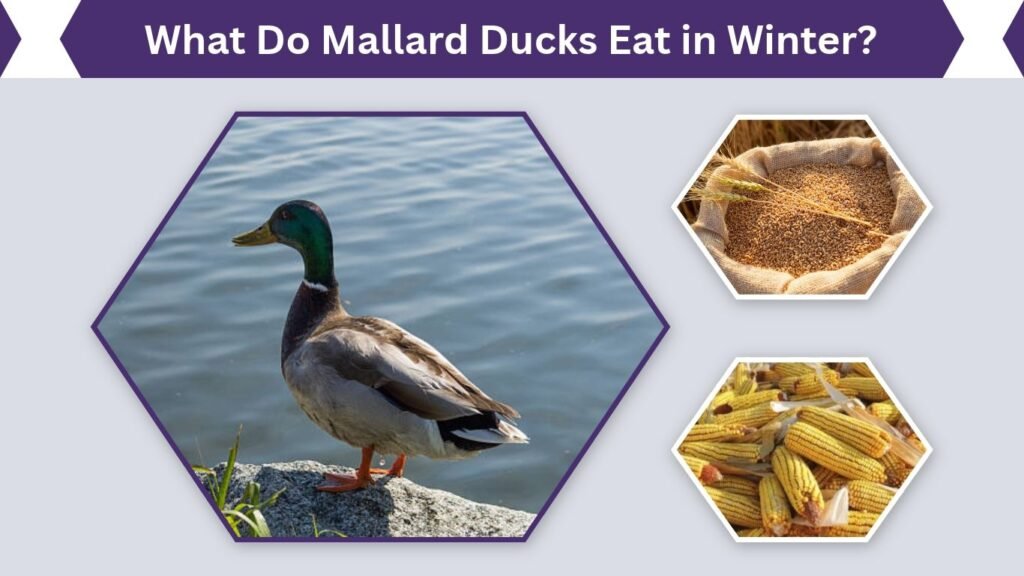
During winter, Mallard ducks often consume more energy-rich plant foods, particularly seeds and agricultural grains. These foods supply carbohydrates that help ducks maintain their body temperature and survive colder conditions. Their feeding locations may also change when ponds freeze or snow covers natural food sources.
Winter Foods for Mallard Ducks
Mallards commonly eat:
- Corn left in harvested agricultural fields.
- Rice and wheat grains.
- Seeds from wetland grasses.
- Pondweed seeds and tubers.
- Acorns and other available plant seeds.
- Aquatic invertebrates when accessible.
Mallards frequently visit agricultural fields during winter to feed on leftover grains.
Why Does Their Diet Change in Winter?
Cold weather increases energy demands, while frozen wetlands can make aquatic food more difficult to access.
Mallards therefore depend heavily on seeds and grains that provide readily available energy.
They may move between wetlands and agricultural fields or migrate to areas where open water and suitable food remain accessible.
What Do Female Mallard Ducks Eat While Nesting?
Female Mallards require additional nutrients during the breeding season because producing eggs demands considerable energy, protein, and minerals. Their diets often contain more animal matter during this period, particularly aquatic invertebrates that provide essential nutrients for egg development.
Protein and Calcium Requirements
Female Mallards eat insects, snails, crustaceans, and other invertebrates to support egg production.
These foods provide protein and minerals, including calcium, which is essential for developing strong eggshells.
During incubation, females may spend long periods on the nest and take shorter feeding breaks.
After the eggs hatch, mothers lead their ducklings to suitable feeding areas where natural food is abundant.
What Can You Safely Feed Mallard Ducks?
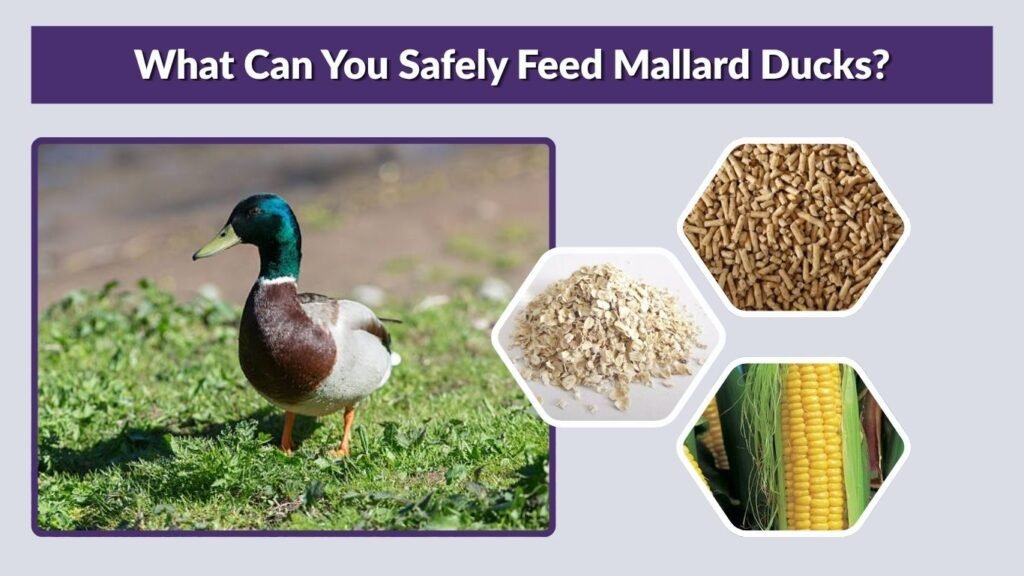
Wild Mallards usually obtain enough food from natural habitats, so supplemental feeding is generally unnecessary. Feeding ducks regularly can encourage overcrowding, increase competition, and contribute to poor water quality. However, where local wildlife rules permit occasional feeding, small portions of suitable foods are preferable to bread or processed snacks.
Better Food Choices for Mallards
- Thawed peas: Plain green peas without salt or seasoning.
- Sweetcorn: Small amounts of plain corn without added ingredients.
- Oats: Plain rolled oats in modest quantities.
- Lettuce: Small pieces of fresh, clean leaves.
- Duck feed: Commercially prepared waterfowl pellets.
- Seeds: Suitable, unsalted seeds offered in small quantities.
These foods should never replace a balanced natural diet. Offer only small amounts, avoid leaving uneaten food behind, and follow any posted feeding restrictions.
Foods Mallard Ducks Should Avoid
Certain human foods provide little nutritional value or can create unnecessary health risks.
Avoid feeding Mallards:
- Bread as a regular food source.
- Chips and salty snacks.
- Chocolate and sugary sweets.
- Moldy or spoiled food.
- Highly processed human foods.
- Foods containing excessive salt or seasoning.
Bread is particularly problematic when offered frequently because ducks may fill up on it instead of eating more nutritious natural foods. Uneaten bread can also pollute waterways.
How Do Mallard Ducks Find and Eat Their Food?
Mallard ducks use their sensitive bills, excellent vision, and adaptable feeding behavior to locate food in different environments. They can forage in shallow water, wet soil, grassy fields, and agricultural areas.
Their broad bills help them collect small food particles, while specialized filtering structures separate edible material from water.
Unlike diving ducks, Mallards usually remain close to the surface. They may occasionally make short dives, but dabbling and grazing are their primary feeding methods.
This versatility allows Mallards to survive in habitats ranging from natural wetlands to urban ponds.
FAQs
1. What do Mallard ducks like to eat most?
Mallard ducks enjoy a varied diet of aquatic plants, seeds, grains, insects, and small invertebrates. Their preferences change with seasonal food availability. During breeding, they often consume more animal protein, while winter diets commonly contain more energy-rich seeds and grains.
2. What do wild Mallard ducks eat naturally?
Wild Mallards naturally eat pondweeds, wetland plant seeds, grasses, aquatic insects, worms, snails, and small crustaceans. They also forage in agricultural fields for leftover grains. Their adaptable feeding behavior allows them to survive in many different wetland environments.
3. Do Mallard ducks eat fish?
Yes, Mallard ducks occasionally eat small fish, but fish are not a major part of their usual diet. They primarily consume aquatic plants, seeds, insects, and invertebrates. Fish are generally taken opportunistically when they are small and easily accessible.
4. What do newborn Mallard ducks eat?
Newborn Mallard ducklings mainly consume aquatic insects, insect larvae, and other tiny invertebrates. These foods provide the protein needed for rapid growth. As ducklings develop, they gradually eat more seeds and plant material while continuing to forage independently under their mother’s supervision.
5. Can Mallard ducks eat bread?
Mallard ducks can physically eat bread, but it is not a recommended food. Bread provides relatively little nutritional value and can displace healthier natural foods. Uneaten bread also contributes to water pollution, so it is better to avoid feeding bread to wild ducks.