Barn owls are skilled nighttime hunters with a diet built around small animals. If you are wondering what barn owls eat, the simple answer is mostly rodents and other small mammals. These pale, heart-faced owls hunt silently over fields, farms, grasslands, marshes, and open countryside. Their food choices depend on location, season, prey availability, and habitat. Below, you will learn about the most common foods barn owls eat, how they hunt, and why their diet makes them helpful natural pest controllers.
Barn Owl Diet Overview
Barn owls are carnivorous birds of prey. They do not eat seeds, grass, bread, or plant-based foods as a normal diet. Instead, they survive by catching live animals, especially small mammals that are active at night.
What Do Barn Owls Eat Most?
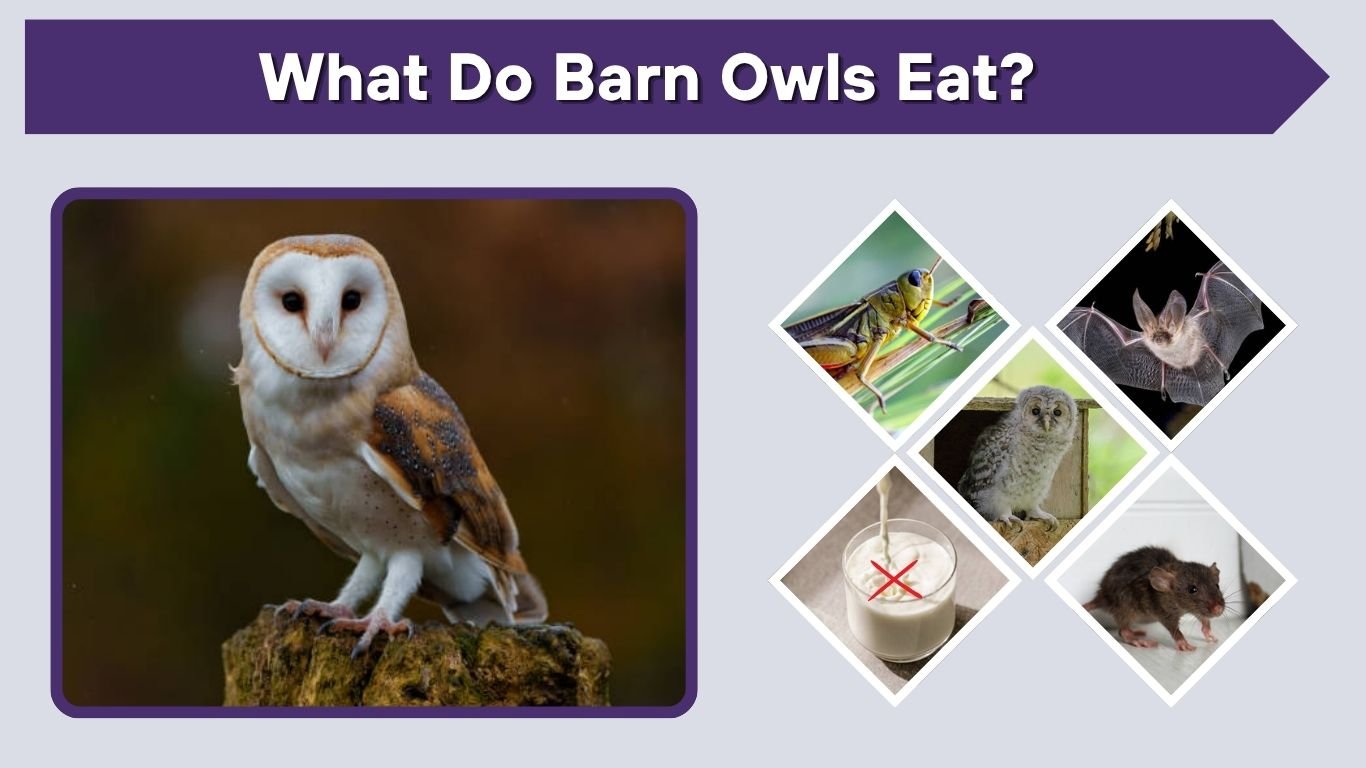
Barn owls mainly eat rodents. Mice, voles, rats, and shrews make up a large part of their diet in many regions. They may also eat small birds, bats, frogs, lizards, insects, and other small prey when available.
Their diet is strongly connected to the habitat around them. A barn owl living near farmland may catch many mice and rats, while one hunting near marshes may eat more voles or shrews. In warmer regions, they may also catch reptiles and insects.
Why Barn Owls Prefer Small Mammals
Small mammals are the perfect prey for barn owls because they are common, active at night, and easy for owls to locate by sound. Barn owls have excellent hearing and can detect tiny movements in grass or leaves.
Their soft-edged wing feathers allow them to fly quietly. This silent flight gives them a major advantage when hunting rodents in open fields.
10 Common Foods Barn Owls Love to Eat
Barn owls are opportunistic hunters, but some prey animals appear in their diet more often than others. Here are 10 common foods barn owls love to eat.
| No. | Food | How Common Is It? | Main Habitat |
|---|---|---|---|
| 1 | Mice | Very common | Farms, fields, barns |
| 2 | Voles | Very common | Grasslands, meadows |
| 3 | Rats | Common | Farms, towns, storage areas |
| 4 | Shrews | Common | Fields, hedges, wetlands |
| 5 | Small birds | Occasional | Gardens, farms, open areas |
| 6 | Bats | Occasional | Wood edges, barns, caves |
| 7 | Frogs | Occasional | Wetlands, ponds, marshes |
| 8 | Lizards | Regional | Warm, dry habitats |
| 9 | Large insects | Occasional | Grasslands, fields |
| 10 | Young rabbits | Rare to occasional | Open countryside |
1. Mice
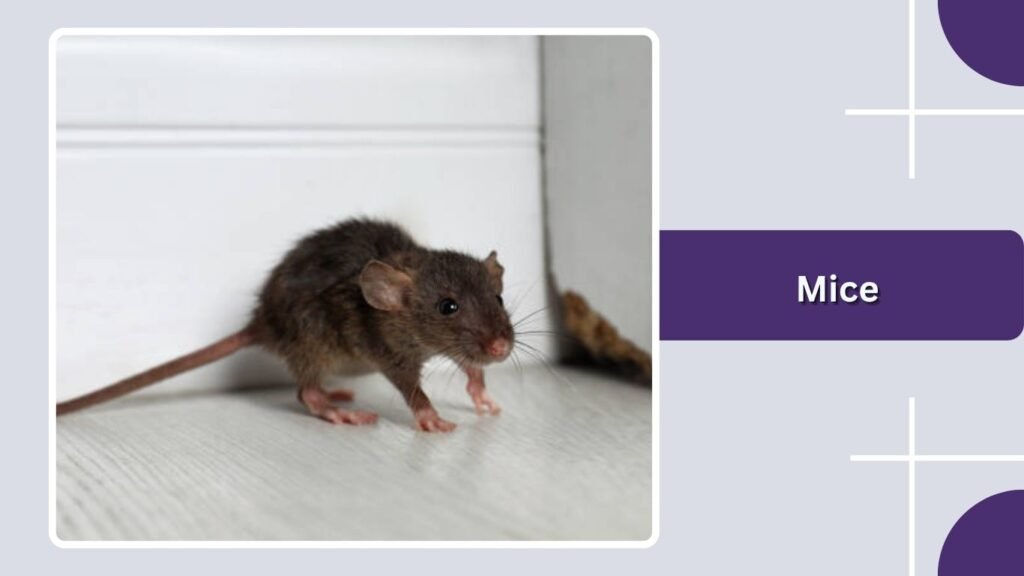
Mice are one of the most important foods in a barn owl’s diet. They are small, active at night, and often live in the same places where barn owls hunt. Fields, barns, grain stores, hedgerows, and farm edges are all good places for mice.
Barn owls catch mice by flying low over open ground and listening for movement. Once they detect a mouse, they drop quickly and grab it with their sharp talons. Mice are especially important during the breeding season because adult owls need to feed hungry chicks.
2. Voles
Voles are another favorite food of barn owls. In many grassland areas, voles may be the most common prey item. They live in grassy fields, meadows, marsh edges, and rough farmland.
Voles are small, round-bodied mammals that create tunnels through grass. Barn owls can hear them moving even when they are hidden under vegetation. Because voles are rich in protein and fairly easy to catch, they are ideal prey for both adult barn owls and growing owlets.
Why Voles Are So Important
Vole numbers can rise and fall from year to year. When vole populations are high, barn owls often have better breeding success. When vole numbers drop, barn owls may need to travel farther or switch to other prey.
This is why good grassland habitat is so important for barn owl survival. Rough grass, field margins, and undisturbed meadow areas can support healthy vole populations.
3. Rats
Barn owls also eat rats, especially smaller or younger rats. Rats are larger and stronger than mice, so they may be harder to catch, but they provide a bigger meal.
Barn owls may hunt rats around farms, barns, grain storage areas, rubbish sites, stables, and old buildings. In rural and suburban areas, rats can become a valuable food source.
Barn Owls as Natural Rat Control
Barn owls are often considered helpful because they reduce rodent numbers naturally. A nesting pair with chicks can catch many rodents during the breeding season. However, barn owls should not be viewed as the only solution for rat problems.
One important warning is rodent poison. If rats or mice eat poison and then a barn owl eats them, the owl may become sick or die. Safer rodent control methods are better for wildlife.
4. Shrews
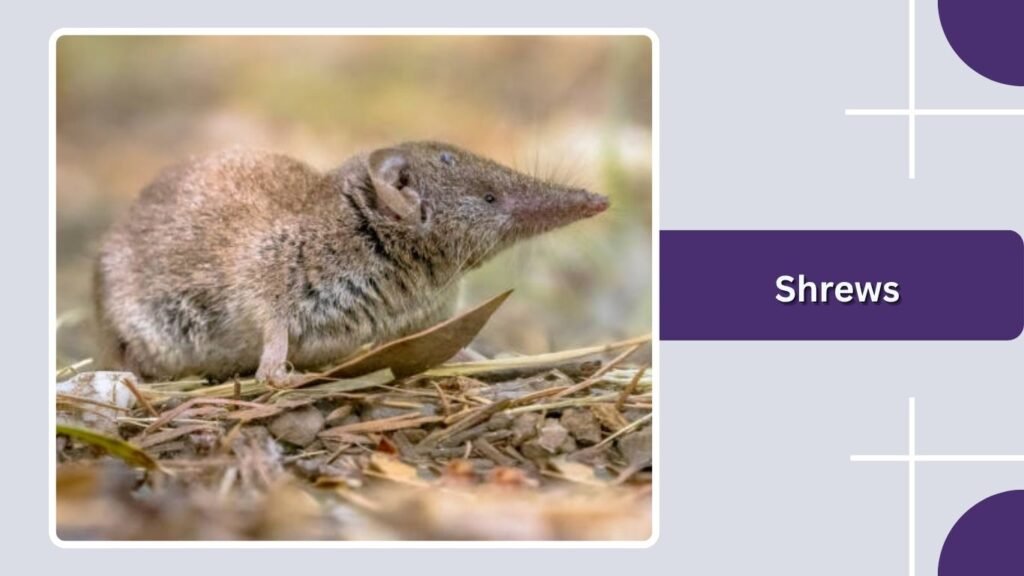
Shrews are small insect-eating mammals that barn owls often catch. They look somewhat like mice but have pointed noses and fast movements. Shrews are common in grasslands, hedgerows, gardens, woodland edges, and wet areas.
Barn owls may catch shrews while hunting low over fields at night. Although shrews are small, they are common enough to become a regular part of the diet in some areas.
Do Barn Owls Like Shrews?
Barn owls do eat shrews, but they may prefer larger prey when available. Since shrews are tiny, an owl needs to catch several to get the same energy it would get from a rat or large vole. Still, shrews are useful prey when other food is limited.
5. Small Birds
Barn owls mostly eat mammals, but they may sometimes catch small birds. This is more likely when rodents are scarce or when birds are easy to catch at night.
Small birds may be taken from roosting places, low vegetation, barns, or open areas. Barn owls are not mainly bird-hunting owls, but they are capable of catching small birds when the chance appears.
When Barn Owls Eat Birds
Barn owls may eat birds more often in certain habitats, such as islands, open farmland, or areas where small mammals are less available. They may also catch young birds or weak birds that are easier to capture.
Even so, birds usually make up a smaller part of their diet compared with mice, voles, rats, and shrews.
6. Bats
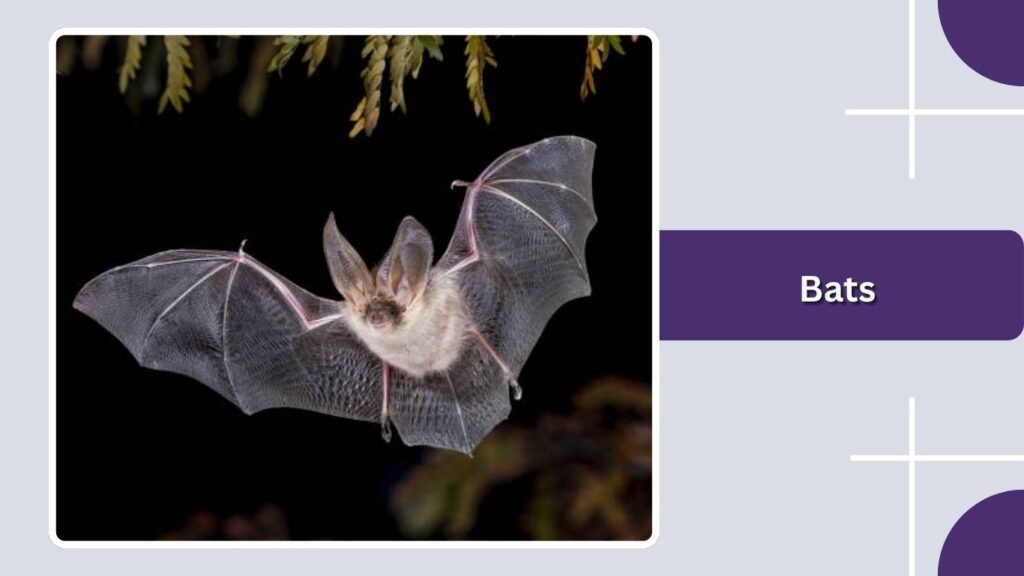
Bats are not the main food of barn owls, but they may be eaten occasionally. Since both animals are active at night, their paths can cross around barns, caves, trees, and old buildings.
Catching bats in flight is difficult, but barn owls are skilled predators. They may catch bats near roost exits or in places where bats fly low.
Are Bats a Regular Food?
For most barn owls, bats are not a regular food. They are more of an occasional prey item. Barn owls depend far more on ground-dwelling mammals than flying prey.
Still, the presence of bats in the diet shows how flexible barn owls can be when hunting opportunities appear.
7. Frogs
In wet habitats, barn owls may eat frogs. This is more common near ponds, marshes, rice fields, wet meadows, and drainage ditches. Frogs are not their favorite prey everywhere, but they can be useful food in damp landscapes.
Barn owls may catch frogs from the ground near water edges. Frogs are easier to catch when they are active at night or after rain.
Frogs in the Barn Owl Diet
Frogs usually make up a small part of the diet. They are more likely to appear in warmer or wetter regions. In dry farmland or grassland, barn owls are much more likely to eat rodents than frogs.
8. Lizards
Barn owls may eat lizards in warmer climates. Lizards are more common in dry, sunny habitats, so they are not a major food everywhere. In regions where reptiles are abundant, barn owls may catch them when they are active or resting in exposed areas.
Lizards provide protein, but they are usually secondary prey compared with small mammals.
Where Lizards Are More Common Food
Lizards may be eaten more often in parts of Africa, Asia, Australia, southern Europe, and warmer areas of the Americas. In colder regions, reptiles are less available, so they are less important in the diet.
9. Large Insects
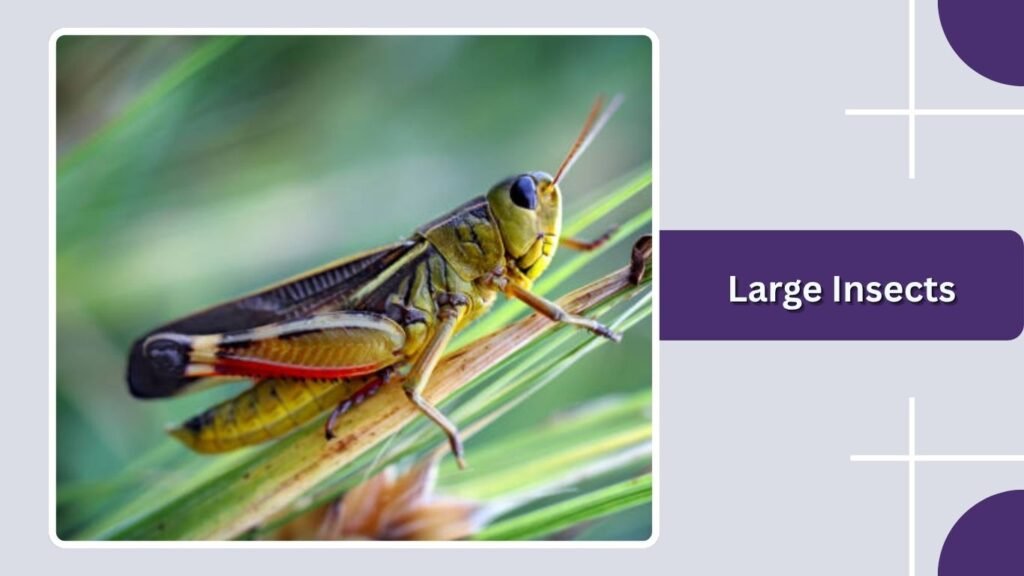
Barn owls may eat large insects, especially when they are young, hungry, or hunting in areas where insects are abundant. Possible insect prey includes beetles, crickets, grasshoppers, moths, and other large insects.
Insects are much smaller than mice or voles, so adult barn owls usually need larger prey for proper energy. However, insects can still be useful as extra food.
Do Barn Owls Eat Bugs?
Yes, barn owls can eat bugs, but insects are not usually their main food. Bugs may become more important in warm seasons or in regions where large insects are easy to find.
10. Young Rabbits
Barn owls may occasionally eat young rabbits, but this is not as common as eating mice or voles. Adult rabbits are usually too large and strong for a barn owl. Young rabbits, however, may be small enough to catch.
This type of prey is more likely in open countryside, grasslands, and farmland where rabbits are common.
Are Rabbits a Main Food?
Rabbits are not a main barn owl food. They are occasional prey. Barn owls are built for catching small animals, not large prey. Rodents remain the most important part of their diet in most places.
How Barn Owls Hunt for Food
Barn owls are nighttime hunters. They usually hunt by flying low over open fields, meadows, marshes, and farm edges. Instead of relying only on sight, they use extremely sharp hearing to find prey in darkness.
Their heart-shaped face helps direct sound toward their ears. This allows them to locate small animals even in tall grass or low light.
Barn Owl Hunting Methods
- Flying slowly and silently over fields
- Listening for prey movement
- Hovering briefly before dropping down
- Perching on posts, trees, or fences
- Hunting along field edges and rough grassland
- Catching prey with sharp talons
Barn owls often swallow small prey whole. Later, they cough up pellets containing bones, fur, teeth, and other parts they cannot digest. These pellets help researchers study what barn owls eat in a specific area.
What Do Baby Barn Owls Eat?
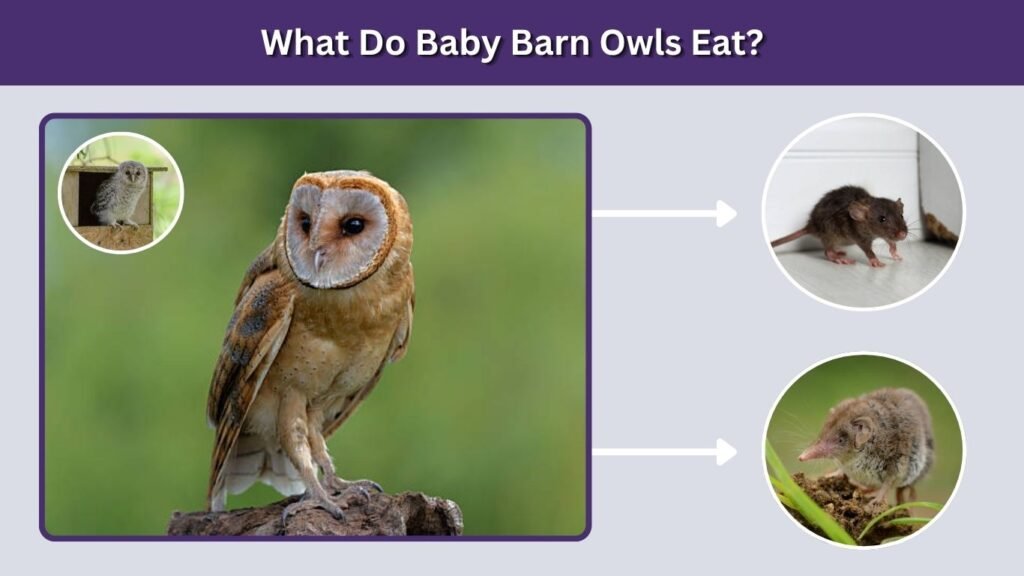
Baby barn owls eat prey brought by their parents. At first, adult owls tear food into small pieces and feed the chicks. As the chicks grow, they can swallow larger pieces and eventually whole prey.
Common Baby Barn Owl Food
- Small mice
- Voles
- Shrews
- Small rats
- Pieces of larger prey
Baby barn owls need a lot of food as they grow. During the nesting season, adult barn owls must hunt constantly to feed the whole family.
What Do Barn Owls Eat in Different Habitats?
Barn owl diets change from place to place. Their main food depends on what prey lives nearby.
| Habitat | Common Foods |
| Farmland | Mice, rats, voles |
| Grassland | Voles, mice, shrews |
| Wetlands | Voles, frogs, shrews |
| Barns and buildings | Mice, rats, small birds |
| Warm dry areas | Mice, lizards, insects |
| Suburban edges | Rats, mice, small birds |
Farm and Barn Areas
In farm areas, barn owls often eat mice and rats. This is one reason farmers may welcome barn owls. A good nest box near fields can encourage barn owls to stay and hunt naturally.
Grasslands and Meadows
Grasslands are excellent hunting areas because they support voles, mice, and shrews. Rough grassland is especially valuable because small mammals can live and move through it.
Wetlands and Marshes
In wet places, barn owls may eat frogs and wetland mammals. They still prefer small mammals when available, but they can adapt to local prey.
Do Barn Owls Eat Chickens or Pets?
Barn owls are not usually a threat to adult chickens, cats, or dogs. They are medium-sized owls that specialize in smaller prey. However, very small chicks or tiny animals could be vulnerable if left outside unprotected at night.
Should You Worry About Barn Owls?
Most people do not need to worry about barn owls attacking pets. They are much more interested in mice, rats, and voles. If you keep poultry, protect young chicks in a secure coop at night.
Barn owls are generally beneficial because they help control rodents around farms and open land.
Foods Barn Owls Should Not Eat
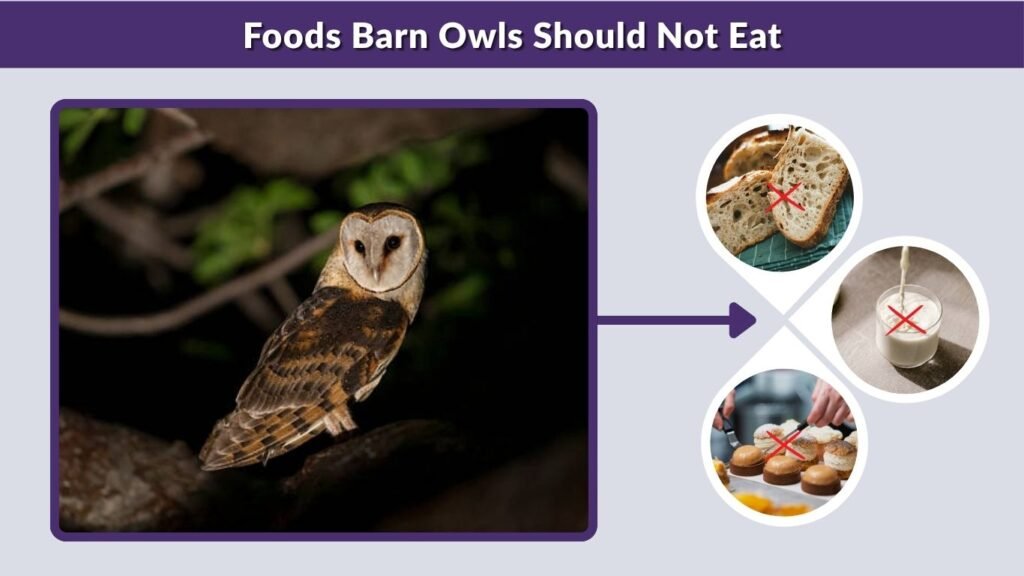
Barn owls should not be fed human food. Bread, rice, milk, sweets, cooked meat, processed food, and pet food are not proper diets for owls. Wild barn owls need whole prey because bones, organs, fur, and muscle all provide important nutrients.
Avoid These Foods
- Bread
- Milk
- Rice
- Cooked leftovers
- Processed meat
- Salty food
- Sugary food
- Random pet food
If you find an injured or young barn owl, do not try to raise it yourself. Contact a licensed wildlife rehabilitator or local rescue service.
FAQs
What is a barn owl’s favorite food?
A barn owl’s favorite and most common foods are small mammals, especially mice, voles, rats, and shrews. The exact favorite depends on what prey is easiest to find in its habitat.
Do barn owls eat rats?
Yes, barn owls eat rats, especially young or smaller rats. They often hunt rats around farms, barns, grain stores, and rural buildings.
Do barn owls eat insects?
Barn owls can eat large insects such as beetles, crickets, grasshoppers, and moths. However, insects are usually a smaller part of the diet than rodents.
What do baby barn owls eat?
Baby barn owls eat small mammals brought by their parents. Young chicks may be fed small pieces of mice, voles, shrews, or rats until they are old enough to swallow larger prey.
Do barn owls eat plants or fruit?
No, barn owls are carnivores. They do not normally eat plants, fruit, seeds, or grains. Their diet is based on animal prey, mainly small mammals.