
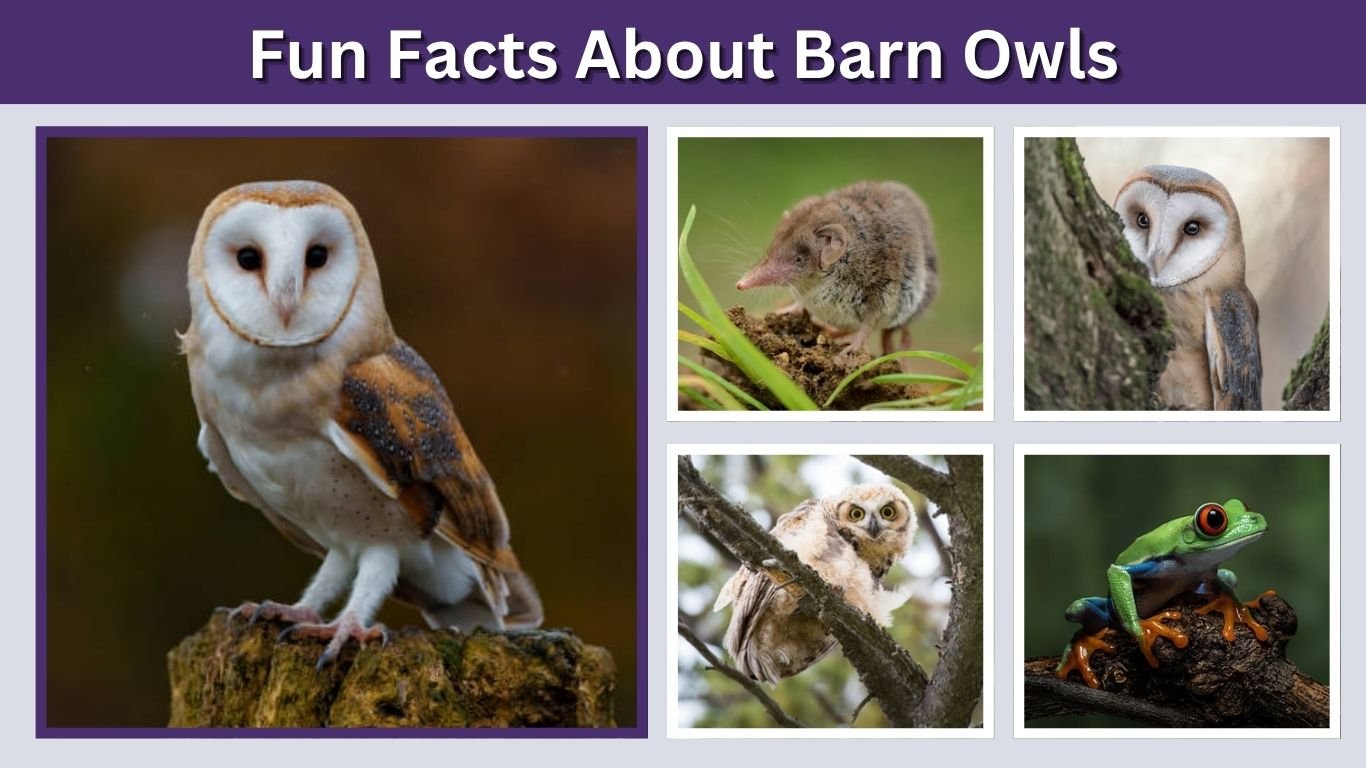
Barn owls are some of the most fascinating birds of prey in the world. With their heart-shaped faces, ghostly pale feathers, silent flight, and strange screeching calls, they are very different from many other owls. Barn owls are mostly nocturnal hunters that live near farms, grasslands, marshes, old buildings, and open countryside. These fun facts about barn owls will help you understand their diet, hunting skills, nesting habits, sounds, and unique adaptations.
Quick Facts About Barn Owls
Barn owls belong to the family Tytonidae, which separates them from many other common owls. They are famous for hunting rodents, flying quietly, and using excellent hearing to locate prey in darkness. Cornell Lab describes the American barn owl as a pale, mostly nocturnal predator and notes that barn owls can find prey by sound extremely well.
| Feature | Barn Owl Fact |
| Common name | Barn owl |
| Scientific group | Tyto owls |
| Main diet | Small mammals |
| Main hunting time | Night |
| Famous feature | Heart-shaped face |
| Common nest sites | Barns, hollow trees, nest boxes, old buildings |
| Common sound | Raspy screech, hiss, scream |
Why Barn Owls Are So Interesting
Barn owls are interesting because they look, sound, and hunt differently from many other owls. They do not usually make the classic “hoot” people expect. Instead, they often make harsh screeches and hissing sounds.
Their pale feathers make them look ghostlike at night, and their silent flight helps them surprise small animals. These features make barn owls both beautiful and mysterious.
1. Barn Owls Have a Heart-Shaped Face
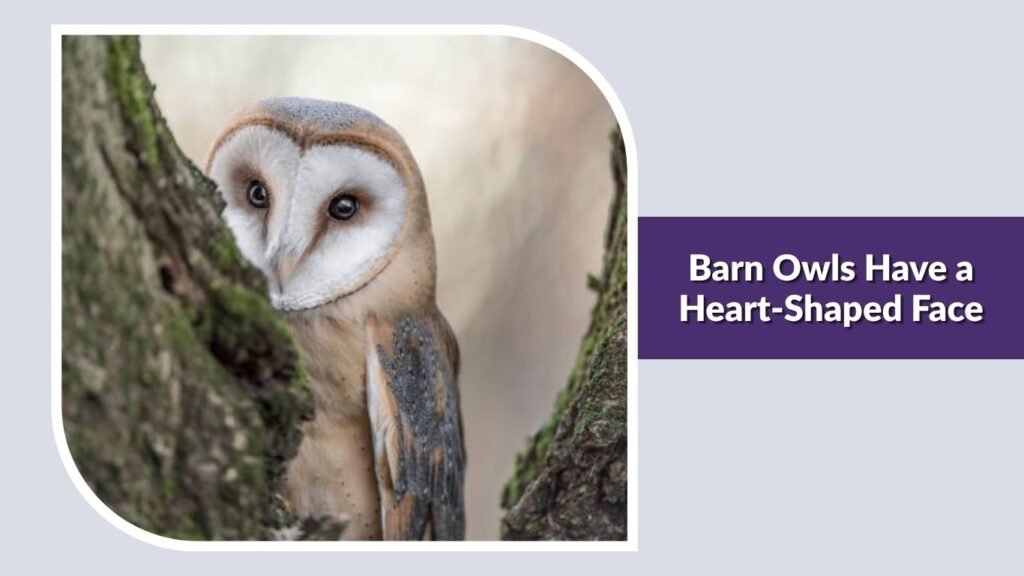
One of the most famous barn owl features is the heart-shaped face. This pale facial disk is not just for looks. It helps direct sound toward the owl’s ears, making it easier to locate prey in the dark.
Why the Face Shape Matters
The heart-shaped face works almost like a natural satellite dish. It gathers sound and helps the owl judge where tiny noises are coming from. This is especially useful when a mouse or vole is moving under grass.
Because of this adaptation, barn owls can hunt effectively even when visibility is poor.
2. Barn Owls Are Silent Flyers
Barn owls are known for extremely quiet flight. Their soft feathers reduce noise as air moves across the wings. This helps them sneak up on prey without being heard.
The Barn Owl Trust explains that barn owl flight feathers have fine hair-like structures and tiny hooks that help smooth airflow and reduce wing noise.
Silent Flight Benefits
- Helps the owl hear prey while flying
- Allows surprise attacks
- Reduces warning sounds for mice and voles
- Makes hunting easier at night
- Helps barn owls move smoothly over fields
Silent flight is one reason barn owls are such effective hunters.
3. Barn Owls Do Not Usually Hoot
Many people think all owls hoot, but barn owls are different. They usually make raspy screeches, screams, hisses, and clicking sounds rather than soft hoots.
What Barn Owls Sound Like
A barn owl call can sound eerie, especially at night. Their harsh screech may surprise people who hear it near a barn, field, or old building.
Young barn owls may hiss or make begging calls when they are hungry. Adults may screech during communication, territorial behavior, or nesting activity.
4. Barn Owls Are Excellent Night Hunters
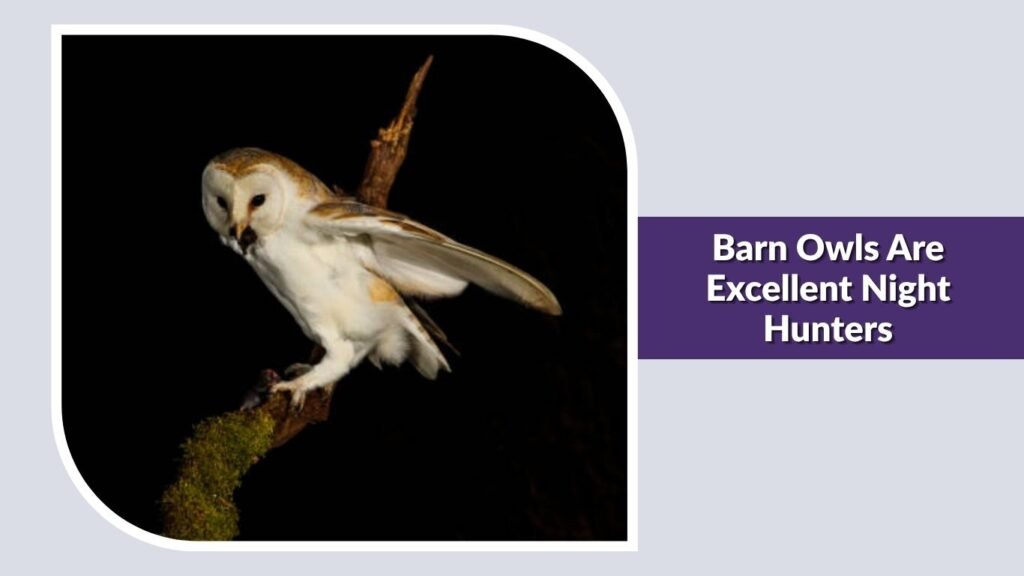
Barn owls are mostly nocturnal, meaning they are most active at night. They hunt by flying low over fields, grasslands, marshes, and farm edges.
Their low-light vision is strong, but hearing is even more important. Cornell Lab notes that barn owls can locate prey by sound alone extremely well and can catch mice in complete darkness in lab conditions.
How Barn Owls Hunt
Barn owls often fly slowly and silently over open land. When they hear a small animal moving, they drop quickly and grab it with sharp talons.
They may also hunt from fence posts, tree branches, or building edges. This sit-and-wait method saves energy while allowing them to watch and listen.
5. Barn Owls Mostly Eat Rodents
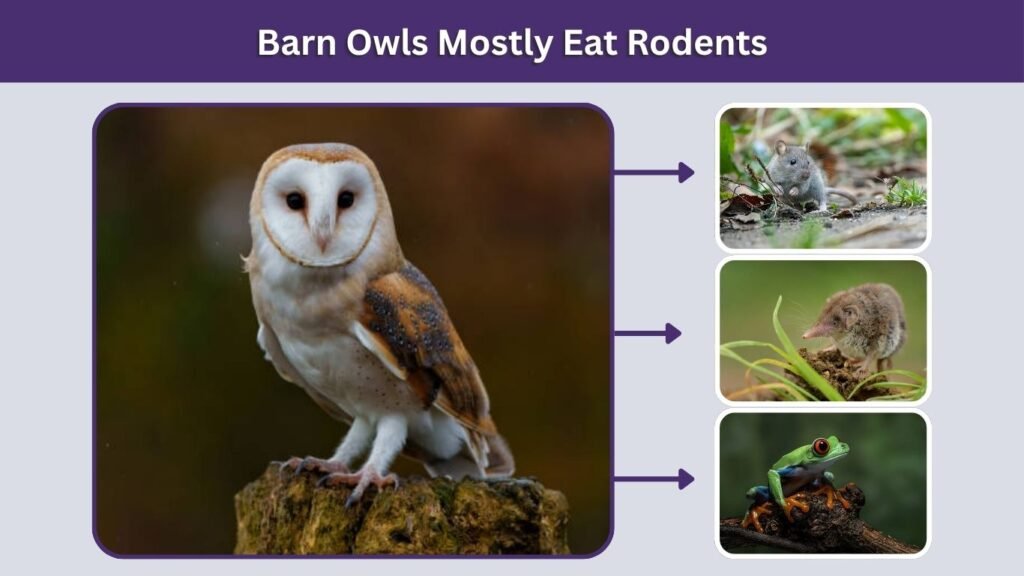
Barn owls are rodent specialists. Their diet is mainly made up of mice, voles, rats, shrews, and other small mammals. Hawk Mountain notes that mammals make up roughly 90% of the barn owl diet, though the exact prey species can vary by location.
Common Barn Owl Foods
| Food | How Often They Eat It |
| Mice | Very common |
| Voles | Very common |
| Rats | Common |
| Shrews | Common |
| Small birds | Occasional |
| Bats | Occasional |
| Frogs | Rare to occasional |
| Insects | Occasional |
Barn owls are helpful to farms because they naturally reduce rodent populations.
6. Barn Owls Swallow Prey Whole
Barn owls often swallow small prey whole. They digest the soft parts, but they cannot digest fur, bones, and teeth. These hard parts are later coughed up as pellets.
The Barn Owl Trust explains that barn owls eat entire prey items and regurgitate indigestible fur and bone in pellet form.
What Are Owl Pellets?
Owl pellets are compact balls of undigested material. They may contain bones, skulls, teeth, and fur from animals the owl has eaten.
Scientists and students often study owl pellets to learn what barn owls eat in a specific area.
7. Barn Owls Can Help Farmers
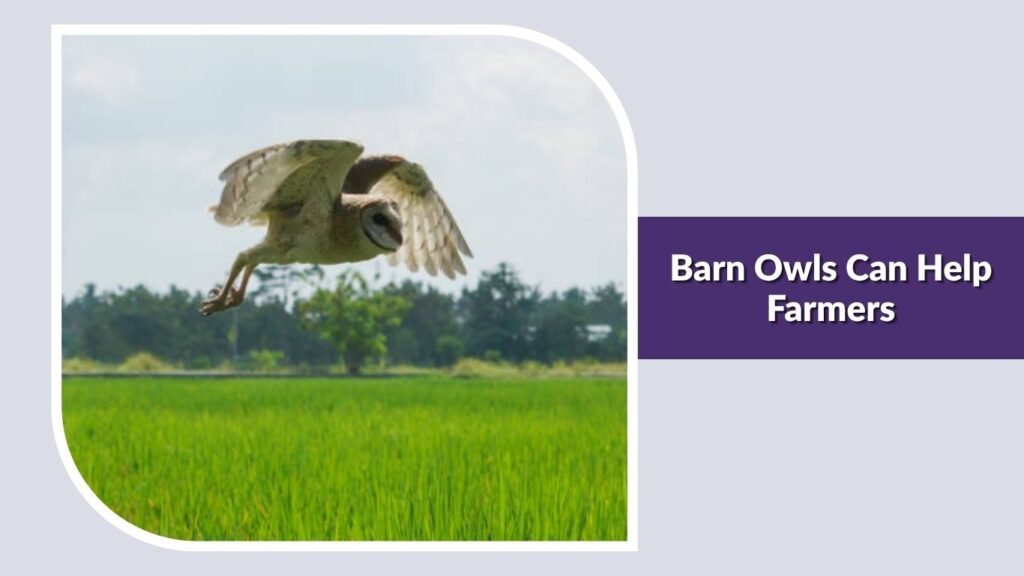
Barn owls are natural pest controllers. Since they eat many mice and rats, they can help reduce rodent numbers around fields, barns, orchards, and grain storage areas.
Why Farmers Like Barn Owls
A nesting pair of barn owls with chicks may catch many rodents during the breeding season. This makes them useful allies in agricultural landscapes.
However, barn owls can be harmed by rodent poison. If a poisoned mouse or rat is eaten by an owl, the owl may become sick or die. Wildlife-friendly rodent control is safer for these birds.
8. Barn Owls Nest in Quiet Hidden Places
Barn owls do not usually build big stick nests like some birds. Instead, they use sheltered spaces that already exist. They may nest in barns, hollow trees, old buildings, cliffs, church towers, or nest boxes.
Cornell’s educational barn owl page notes that barn owls nest in old buildings or hollow trees and often revisit favorite perches.
Common Barn Owl Nest Sites
- Barns
- Hollow trees
- Nest boxes
- Old buildings
- Roof spaces
- Church towers
- Cliff cavities
They choose nest sites close to good hunting areas where small mammals are common.
9. Baby Barn Owls Look Very Different
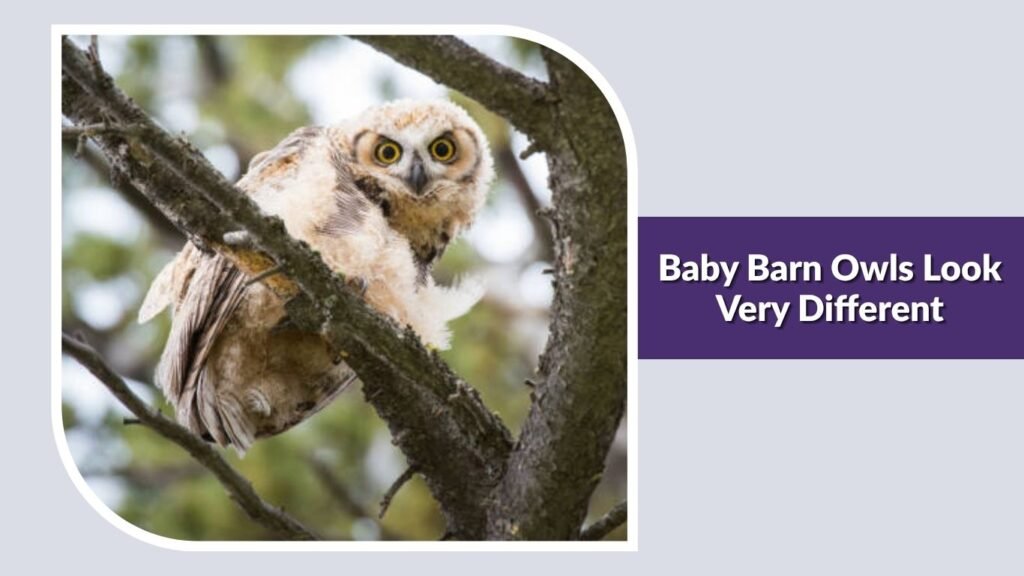
Baby barn owls are called owlets. They hatch covered in soft white down and look very different from adults. Some people think baby barn owls look strange or even alien-like because of their pale bodies, dark eyes, and long faces.
How Owlets Grow
Young barn owls depend completely on their parents at first. As they grow, they become fluffier, stronger, and more active. They may hiss, click, beg for food, stretch their wings, and move around the nest before learning to fly.
Their adult feathers and clear heart-shaped face develop gradually.
10. Barn Owls Have Amazing Hearing
Barn owls have some of the best hearing abilities in the bird world. Their facial disk directs sound, and their ear openings help them locate prey with impressive accuracy.
Why Hearing Is Important
Many prey animals hide in grass or move under vegetation. A barn owl may not see the animal clearly, but it can hear small sounds such as scratching, rustling, or squeaking.
This ability helps the owl hunt even in darkness, tall grass, or low-visibility conditions.
11. Barn Owls Are Found in Many Parts of the World
Barn owls have a wide global range. They live on several continents and adapt to many open habitats, including grasslands, farmland, marshes, deserts, and rural edges.
Where Barn Owls Live
Barn owls are usually linked with open country rather than deep forests. They prefer places where they can fly low and hunt small mammals.
Good barn owl habitat often includes rough grassland, field edges, hedgerows, wetlands, and quiet nesting spaces.
12. Barn Owls Have a Ghostly Appearance
Barn owls are sometimes called ghost owls because of their pale feathers and silent movement at night. Their white or cream-colored undersides can look bright in moonlight.
Why They Look So Pale
Their pale color helps them blend into certain night scenes and makes them easy to recognize. The smooth heart-shaped face and dark eyes add to their mysterious appearance.
This ghostly look is one reason barn owls appear in folklore, myths, and scary stories.
13. Barn Owls Can Live for Many Years
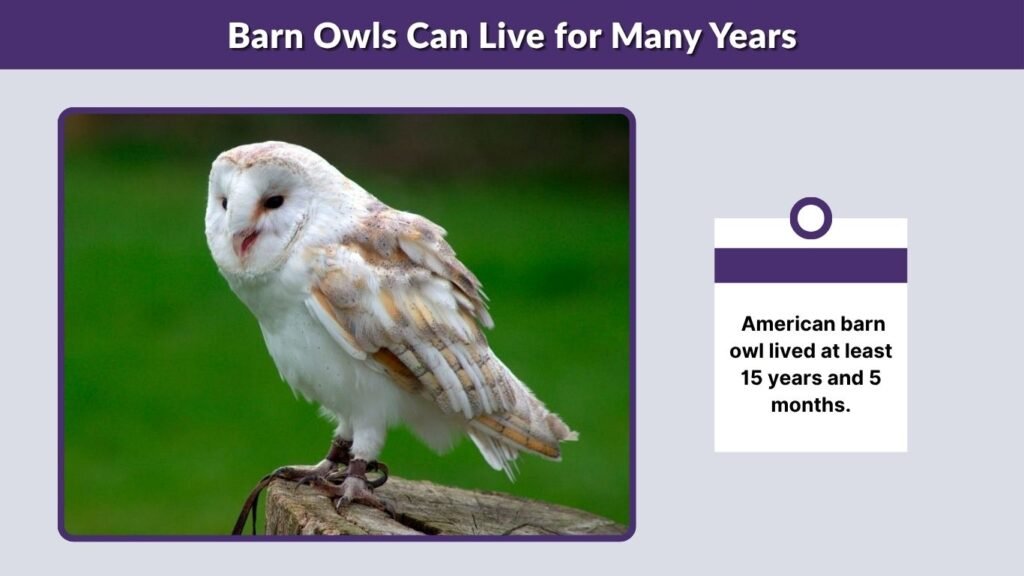
Many wild barn owls face dangers such as harsh weather, lack of food, road traffic, predators, and poisoning. Because of this, many do not survive very long. However, some individuals can live for many years.
Cornell Lab reports that the oldest known American barn owl lived at least 15 years and 5 months, while the Barn Owl Trust notes records of much older barn owls in Europe.
What Affects Lifespan?
Barn owl lifespan depends on food supply, habitat quality, weather, nesting success, and human-related dangers. Safe nesting sites and poison-free hunting areas can improve survival chances.
14. Barn Owls Are Important to the Ecosystem
Barn owls play an important role as predators. By hunting mice, rats, voles, and shrews, they help keep small mammal populations balanced.
Why Barn Owls Matter
Barn owls are part of the natural food web. They control prey populations and also depend on healthy grasslands and open habitats. If barn owl numbers decline, it can signal problems in the environment, such as habitat loss or reduced prey availability.
Protecting barn owls means protecting open fields, nesting sites, and wildlife-friendly landscapes.
Barn Owl Fun Facts Table
Here is a quick table of the most interesting barn owl facts.
| No. | Fun Fact | Why It Matters |
| 1 | They have heart-shaped faces | Helps direct sound |
| 2 | They fly silently | Helps catch prey |
| 3 | They do not usually hoot | They screech and hiss |
| 4 | They hunt at night | Best time for rodent hunting |
| 5 | They eat mostly rodents | Helps control pests |
| 6 | They make pellets | Shows what they ate |
| 7 | They help farmers | Reduce mice and rats |
| 8 | They nest in cavities | Use barns, trees, boxes |
| 9 | Babies look fluffy and strange | Normal owlet stage |
| 10 | They hear extremely well | Helps hunt in darkness |
| 11 | They live widely | Found in many regions |
| 12 | They look ghostly | Pale and silent at night |
| 13 | Some live many years | Survival depends on conditions |
| 14 | They support ecosystems | Balance prey populations |
FAQs
Are barn owls friendly?
Barn owls are wild birds, not pets. They are not usually aggressive toward people, but they should not be handled or disturbed. A nesting barn owl may become defensive if it feels threatened.
What is the most interesting fact about barn owls?
One of the most interesting facts is that barn owls can locate prey by sound extremely well. Their face shape and hearing help them hunt in darkness.
Do barn owls really fly silently?
Yes, barn owls have soft, specially adapted feathers that reduce flight noise. This helps them hear prey and approach quietly.
What do barn owls eat the most?
Barn owls eat small mammals most often, especially mice, voles, rats, and shrews. Their diet can change depending on the habitat and season.
Why are barn owls called ghost owls?
Barn owls are sometimes called ghost owls because they are pale, quiet, and often seen flying at night. Their silent movement and white face can look ghostly in low light.
