
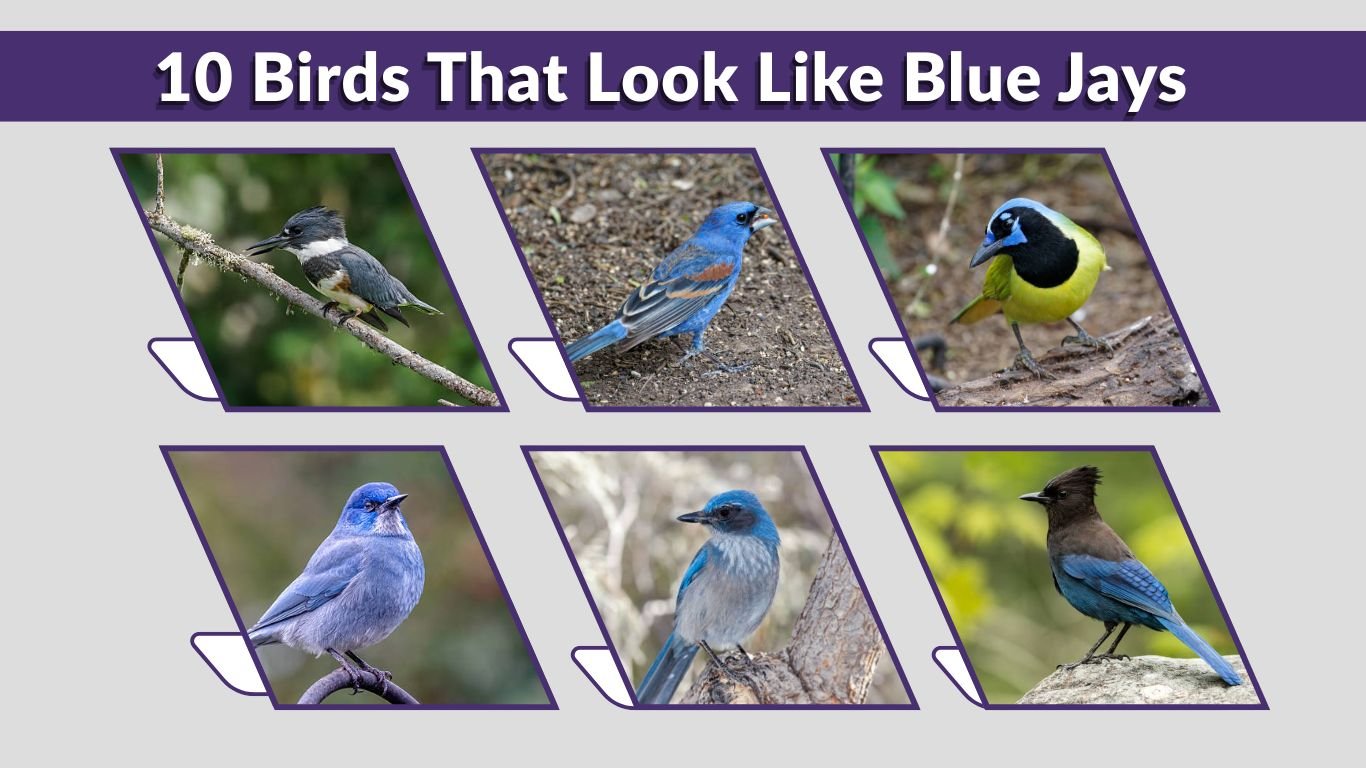
Blue Jays are easy to recognize with their bright blue feathers, bold crest, and noisy calls. However, several other birds can look similar because they share blue coloring, jay-like body shapes, long tails, or crested heads. Some are true jays, while others only resemble Blue Jays from a distance. This guide covers 10 birds that look like Blue Jays and explains how to identify each one by color, shape, behavior, and range.
1. Steller’s Jay
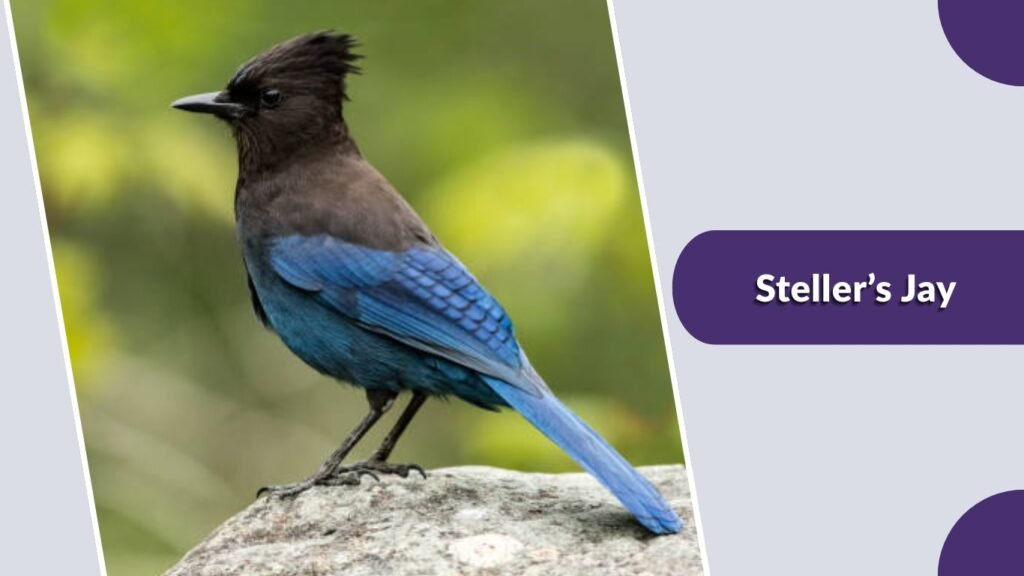
Steller’s Jay is one of the birds most often confused with a Blue Jay because it has bold blue coloring, a loud voice, and a noticeable crest on its head. However, this bird has a much darker upper body and is mostly found in western North America, especially in forests, mountains, and wooded parks.
Why Steller’s Jay Looks Like a Blue Jay
Steller’s Jay looks similar to a Blue Jay because both birds belong to the jay family and share a strong, crested head shape. The bright blue wings, tail, and body can quickly make people think they are seeing a Blue Jay. Like Blue Jays, Steller’s Jays are also noisy, active, and confident around trees, feeders, and picnic areas.
The biggest similarity is their bold appearance. Both birds have a strong bill, long tail, and curious behavior. From a distance, the blue feathers and crest are the main reasons many birdwatchers mix them up.
Key Identification Features
- Dark black or charcoal-colored head and upper body
- Bright blue wings, belly, and tail
- Tall crest on the head
- Long tail and strong black bill
- Often seen in forests, campgrounds, and mountain areas
How to Tell It Apart from a Blue Jay
The easiest way to separate a Steller’s Jay from a Blue Jay is by looking at the head and chest. A Blue Jay has a pale face, white underside, and black necklace-like markings. A Steller’s Jay has a much darker head, neck, and chest, giving it a two-toned look.
Steller’s Jays also lack the white patches and black barring seen on Blue Jays. Their color pattern is simpler: dark on top and blue below.
Where You Can Find Steller’s Jay
Steller’s Jays are common in western parts of North America. They live in conifer forests, mixed woodlands, mountain areas, and sometimes suburban neighborhoods near trees. They are especially common in places like the Pacific Northwest, California, the Rocky Mountains, and parts of Canada.
2. California Scrub-Jay
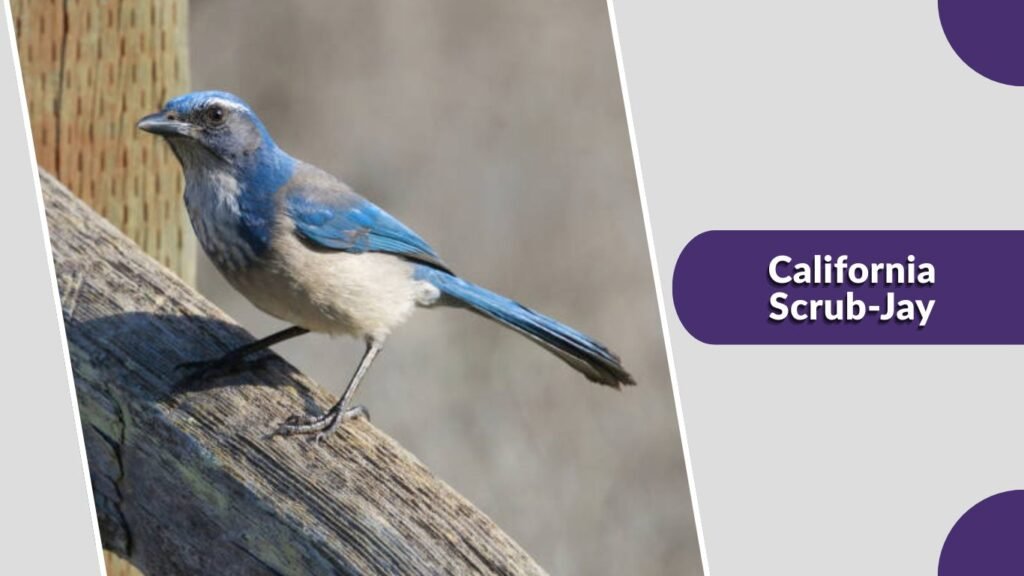
California Scrub-Jay is another bird that can look like a Blue Jay at first glance because of its bright blue feathers, long tail, and bold behavior. Unlike the Blue Jay, this bird does not have a crest, but its blue-and-gray body makes it easy to confuse from a distance.
Why California Scrub-Jay Looks Like a Blue Jay
California Scrub-Jay looks similar to a Blue Jay because both birds have strong blue coloring on the wings, tail, and head. They are also active, noisy birds that often move through trees, yards, and open woodland areas. Their confident personality is another reason people may mistake them for Blue Jays.
This bird also has a strong bill and long tail, giving it the same general jay-like shape. When seen quickly, especially in bright sunlight, the blue feathers can make it look very close to a Blue Jay.
Key Identification Features
- Bright blue head, wings, and tail
- Grayish-brown back
- Pale gray or whitish underparts
- No crest on the head
- Long tail and strong dark bill
How to Tell It Apart from a Blue Jay
The easiest difference is the crest. Blue Jays have a clear crest on top of the head, while California Scrub-Jays have a smooth, rounded head. Blue Jays also have black barring on the wings and tail, but California Scrub-Jays have a cleaner blue pattern.
California Scrub-Jays also look slimmer and less patterned. Their face is plainer, and they do not have the strong black necklace marking seen on Blue Jays.
Where You Can Find California Scrub-Jay
California Scrub-Jays are mostly found along the western coast of North America, especially in California and nearby areas. They live in oak woodlands, parks, suburbs, gardens, and open scrubby habitats. They are often seen hopping on the ground, visiting feeders, or caching food.
3. Florida Scrub-Jay
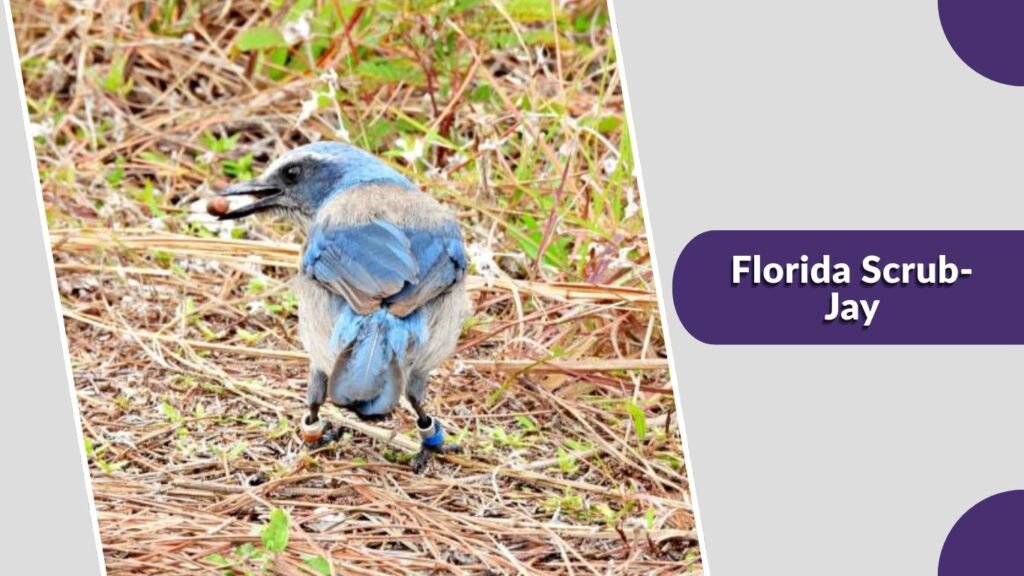
Florida Scrub-Jay is a blue-and-gray bird that can remind people of a Blue Jay, especially because of its bright blue head, wings, and tail. However, this bird is smaller-looking, lacks a crest, and lives in a much more limited area.
Why Florida Scrub-Jay Looks Like a Blue Jay
Florida Scrub-Jay looks like a Blue Jay mainly because of its blue upperparts and long tail. Both birds belong to the jay family, so they share a similar body shape, strong bill, and intelligent behavior. Their blue feathers can cause quick confusion, especially for beginners.
Like Blue Jays, Florida Scrub-Jays are social and curious. They may perch openly, call loudly, and move around in small groups. These behaviors make them feel very similar to Blue Jays in the field.
Key Identification Features
- Blue head, wings, and tail
- Gray back and pale gray underparts
- No crest on the head
- Thin, clean-looking body shape
- Often seen in family groups
How to Tell It Apart from a Blue Jay
A Florida Scrub-Jay does not have the crest, black necklace, or white wing markings of a Blue Jay. Its colors are softer and less patterned. The head is blue, but the body is mostly gray, giving it a simpler appearance.
Another major difference is location. If you see a scrub-jay in Florida’s sandy scrub habitat, it is much more likely to be a Florida Scrub-Jay than a Blue Jay.
Where You Can Find Florida Scrub-Jay
Florida Scrub-Jays are found only in Florida. They prefer dry, sandy scrublands with low oak shrubs. Because their habitat is limited, they are not as widespread as Blue Jays. Birdwatchers often look for them in protected scrub areas, wildlife refuges, and conservation lands.
4. Woodhouse’s Scrub-Jay
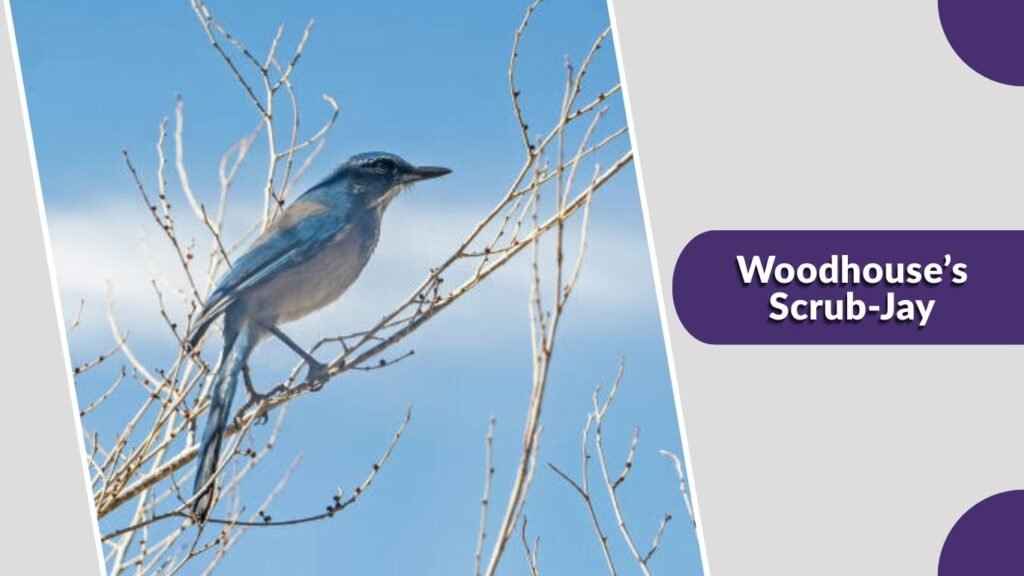
Woodhouse’s Scrub-Jay is a western jay with blue, gray, and white coloring. It can look like a Blue Jay because of its blue head and long blue tail, but it has no crest and usually appears slimmer and plainer.
Why Woodhouse’s Scrub-Jay Looks Like a Blue Jay
Woodhouse’s Scrub-Jay looks like a Blue Jay because both birds have noticeable blue feathers and a long-tailed jay shape. The blue head, wings, and tail can make it seem similar from a distance. It also has a bold, alert posture, which is common among jays.
Both birds are intelligent and vocal. They may call loudly, watch people closely, and search for seeds, insects, or other food in trees and shrubs. These shared behaviors can make identification confusing.
Key Identification Features
- Blue head, wings, and tail
- Grayish back and pale underside
- No crest
- Long tail and strong bill
- Often found in dry woodlands and scrubland
How to Tell It Apart from a Blue Jay
Woodhouse’s Scrub-Jay lacks the raised crest that Blue Jays have. It also does not show the same bold black-and-white wing barring. Its colors are more muted, with a simple mix of blue and gray.
The face is also different. A Blue Jay has a more patterned face with black markings, while Woodhouse’s Scrub-Jay has a cleaner and softer look. Its overall appearance is less flashy than a Blue Jay.
Where You Can Find Woodhouse’s Scrub-Jay
Woodhouse’s Scrub-Jays live in the interior western United States and parts of Mexico. They are common in pinyon-juniper woodlands, dry forests, open scrub, and desert-edge habitats. They are often seen moving through shrubs or calling from low trees.
5. Mexican Jay
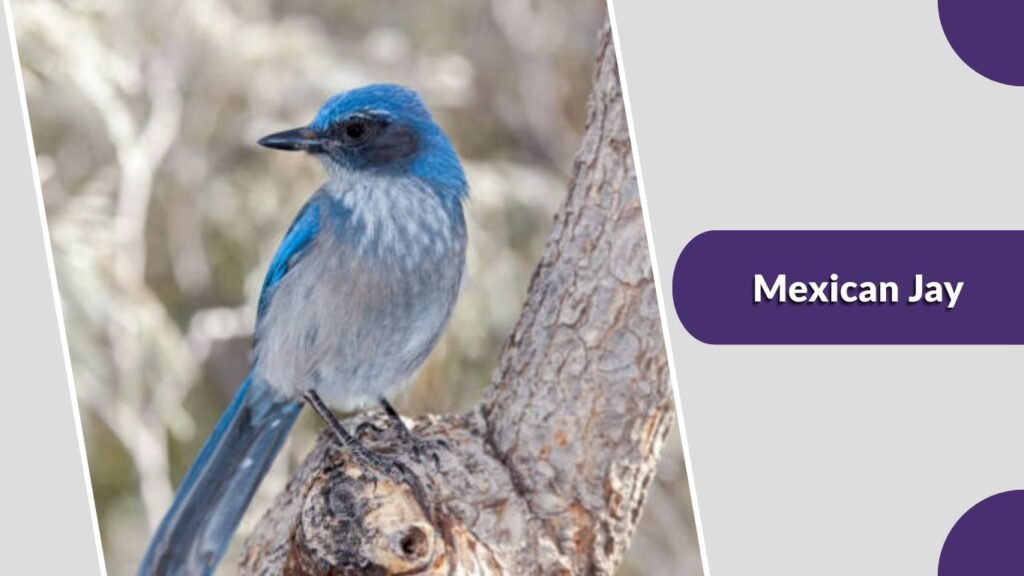
Mexican Jay is a large, blue-and-gray jay that can look similar to a Blue Jay, especially because of its blue wings, tail, and head. However, it has a smoother head, softer colors, and no crest.
Why Mexican Jay Looks Like a Blue Jay
Mexican Jay looks like a Blue Jay because both birds are medium-sized jays with blue coloring and strong bills. Their long tails and active movement through trees can make them seem very similar at first glance.
This bird is also social and noisy, like the Blue Jay. Mexican Jays often travel in groups and make loud calls while searching for food. Their bold behavior and blue plumage are the main reasons people confuse them with Blue Jays.
Key Identification Features
- Blue head, wings, and tail
- Grayish-blue back and pale gray underside
- No crest on the head
- Strong dark bill
- Usually seen in groups
How to Tell It Apart from a Blue Jay
Mexican Jays do not have the tall crest found on Blue Jays. They also lack the strong black necklace and bright white wing patches. Their colors are softer, with more gray mixed into the blue.
Another clue is the face. Mexican Jays have a plainer face and less contrast than Blue Jays. They usually look smoother and less sharply marked.
Where You Can Find Mexican Jay
Mexican Jays are found in parts of the southwestern United States and Mexico. They prefer oak woodlands, pine-oak forests, canyons, and mountain habitats. In the United States, they are most often seen in areas of Arizona, New Mexico, and western Texas.
6. Canada Jay
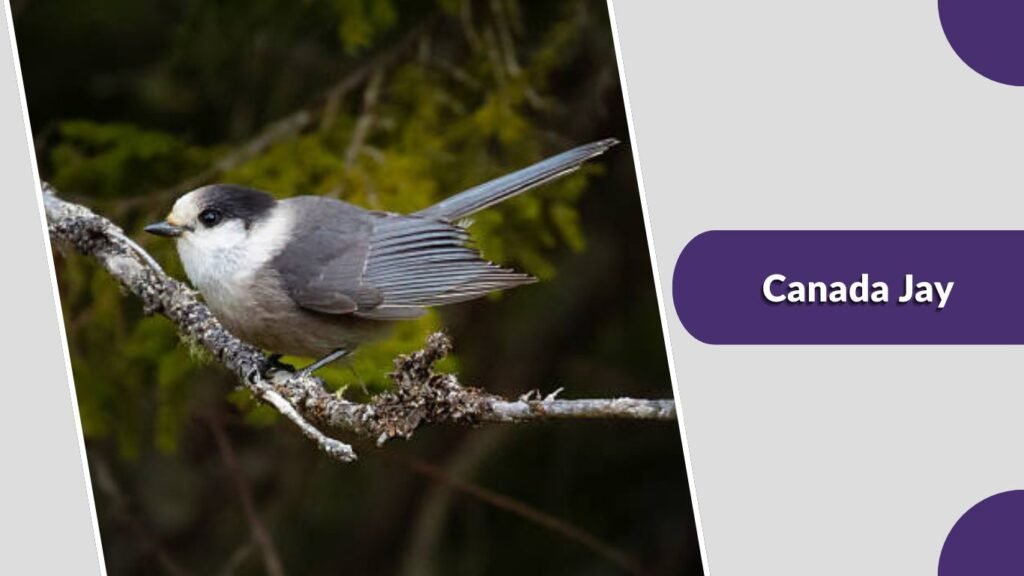
Canada Jay is a soft gray-and-white bird that may remind some people of a Blue Jay because of its jay-like body shape, long tail, and bold behavior. It does not have bright blue feathers, but its size, posture, and curious nature can make it look similar from a distance.
Why Canada Jay Looks Like a Blue Jay
Canada Jay looks like a Blue Jay mainly because both birds belong to the jay family. They have strong bills, rounded bodies, and long tails. Both birds are also intelligent and confident, often coming close to campsites, picnic areas, and forest trails.
Even though Canada Jays are not blue, their gray body can sometimes appear bluish in certain light. Their active movement through trees and habit of calling loudly also make them feel similar to Blue Jays.
Key Identification Features
- Pale gray body with a white face
- Dark gray cap on the head
- Long tail and rounded body
- No crest
- Often friendly around people in forests
How to Tell It Apart from a Blue Jay
The biggest difference is color. A Blue Jay has bright blue wings and tail with black-and-white markings, while a Canada Jay is mostly gray and white. Canada Jays also lack the tall crest and black necklace found on Blue Jays.
Canada Jays look softer and fluffier, especially in cold northern forests. Their face is pale and plain, giving them a gentler appearance than the sharply marked Blue Jay.
Where You Can Find Canada Jay
Canada Jays live mostly in northern forests across Canada, Alaska, and parts of the northern and western United States. They prefer spruce, fir, and pine forests. They are often seen near campgrounds, mountain trails, and quiet woodland areas.
7. Green Jay
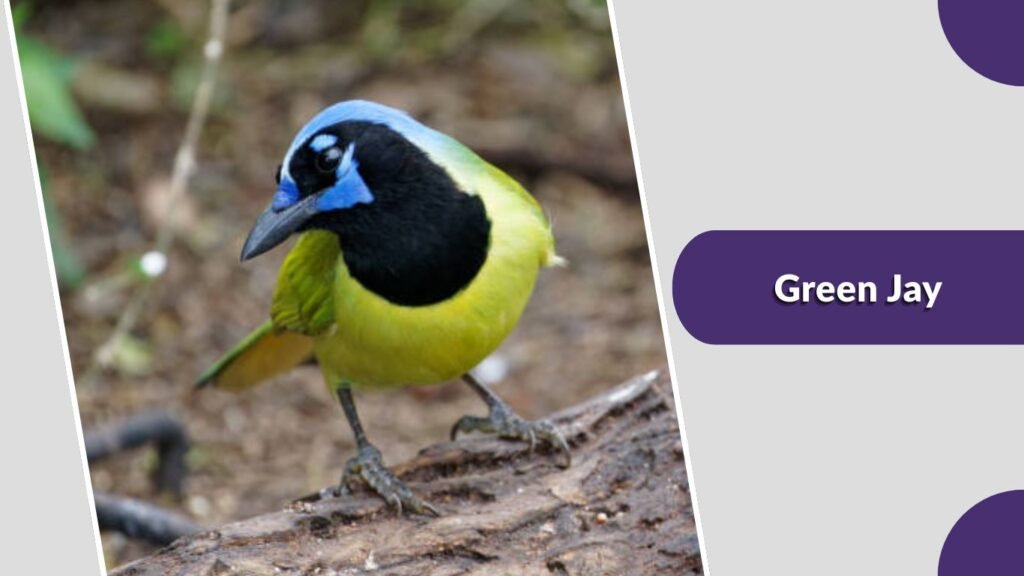
Green Jay is a colorful bird that can be mistaken for a Blue Jay because it has blue on the head and face, along with a similar jay-like shape. However, it is much more colorful, with green, yellow, black, and blue mixed together.
Why Green Jay Looks Like a Blue Jay
Green Jay looks like a Blue Jay because both birds have blue coloring on the head and a strong, active jay appearance. They also have long tails, bold personalities, and loud calls. When seen quickly, the blue face and head can create confusion.
Like Blue Jays, Green Jays are clever and social. They move through trees in small groups, search for insects and fruit, and often give harsh calls. Their behavior is very similar to other jays.
Key Identification Features
- Blue and black head pattern
- Green back and wings
- Yellowish-green underparts
- Long tail
- Bright, tropical-looking colors
How to Tell It Apart from a Blue Jay
Green Jays are much more colorful than Blue Jays. Instead of mostly blue, white, and black, they show green, yellow, blue, and black. They also do not have the same crest shape as a Blue Jay.
The body color is the fastest clue. A Blue Jay has a white or pale underside, while a Green Jay has yellow-green underparts. Its overall look is brighter and more tropical.
Where You Can Find Green Jay
Green Jays are found in southern Texas, Mexico, and Central America. In the United States, they are mainly seen in the Lower Rio Grande Valley of Texas. They prefer brushy woodlands, forest edges, parks, and areas with thick vegetation.
8. Pinyon Jay
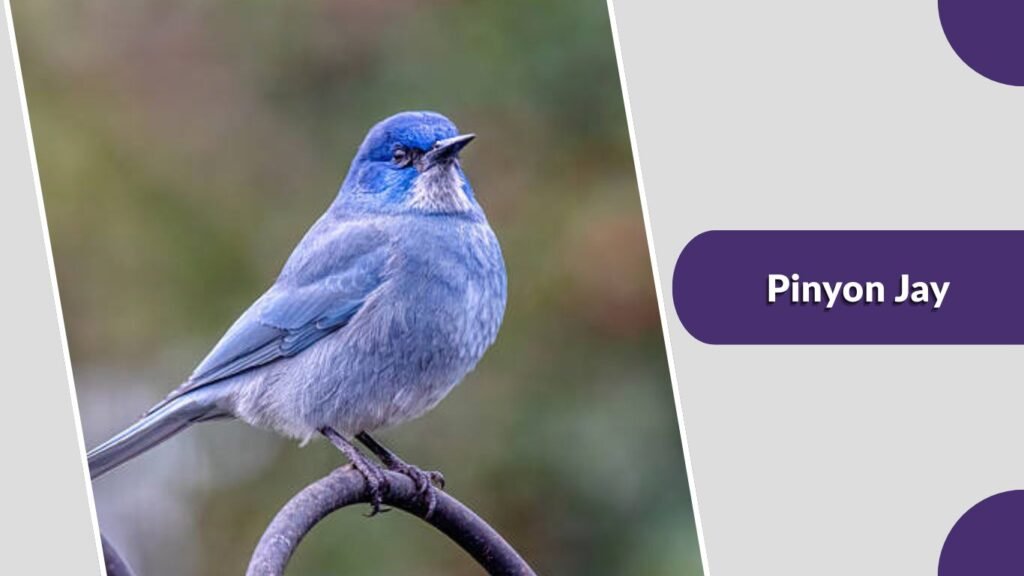
Pinyon Jay is a blue-gray bird that can look like a Blue Jay because of its overall bluish color and long-tailed shape. However, it has no crest and usually appears more uniform in color.
Why Pinyon Jay Looks Like a Blue Jay
Pinyon Jay looks similar to a Blue Jay because both birds are jays with blue-toned feathers, strong bills, and social behavior. From a distance, the blue-gray body can make people think they are seeing a Blue Jay.
This bird is often seen in noisy flocks, which is also common among many jay species. Its active movements and loud calls can add to the confusion, especially in wooded or open forest habitats.
Key Identification Features
- Overall blue-gray body
- No crest
- Long pointed bill
- Shorter tail than many other jays
- Often travels in large flocks
How to Tell It Apart from a Blue Jay
Pinyon Jays are much plainer than Blue Jays. They do not have black bars on the wings, white patches, or a black necklace. Their color is more uniform blue-gray, without the strong contrast of a Blue Jay.
They also lack a crest. Their head is smooth and rounded, and their bill often looks longer and more pointed. In groups, Pinyon Jays may look like a flock of plain blue-gray birds.
Where You Can Find Pinyon Jay
Pinyon Jays live in the western United States, especially in pinyon-juniper woodlands. They are closely linked with pinyon pine trees, where they feed on pine seeds. They may also appear in open woodlands, scrublands, and dry forest edges.
9. Blue Grosbeak
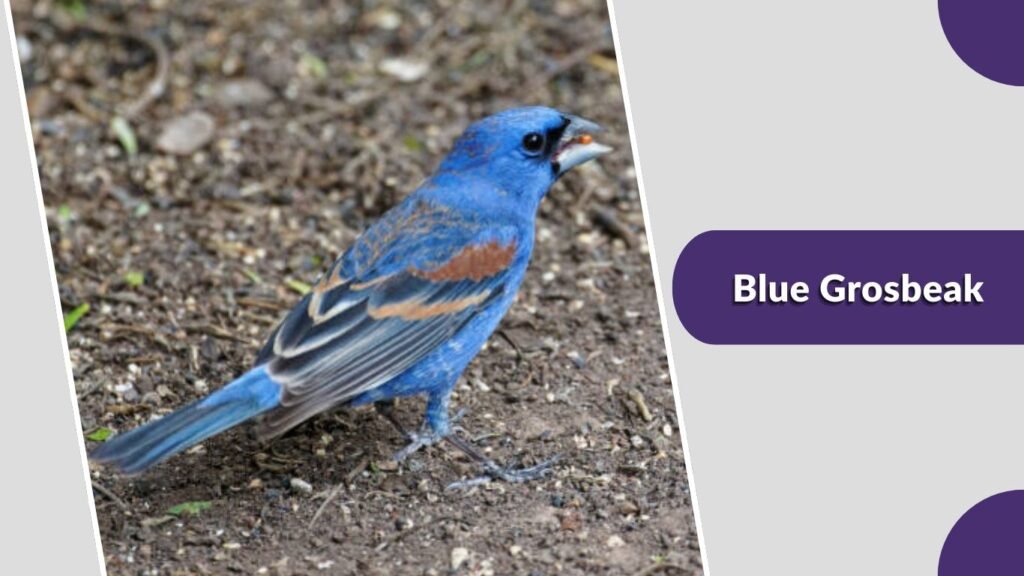
Blue Grosbeak is not a jay, but the male’s deep blue color can make it look like a Blue Jay to beginners. It is smaller, stockier, and has a thick seed-cracking bill.
Why Blue Grosbeak Looks Like a Blue Jay
Blue Grosbeak looks like a Blue Jay because male birds have rich blue feathers that stand out in sunlight. From a quick look, especially when perched in shrubs or low trees, the blue body can cause confusion.
However, Blue Grosbeaks have a different shape. They are songbirds with thick triangular bills, not large jays with crests. Their behavior is also quieter and less aggressive than a Blue Jay’s behavior.
Key Identification Features
- Deep blue body on adult males
- Thick, heavy bill
- Rusty-brown wing bars
- No crest
- Smaller and stockier than a Blue Jay
How to Tell It Apart from a Blue Jay
The bill is the best clue. Blue Grosbeaks have a thick, cone-shaped bill for eating seeds, while Blue Jays have a longer, stronger jay bill. Blue Grosbeaks also lack the crest, black necklace, and bold white wing markings of a Blue Jay.
Male Blue Grosbeaks are darker and more solid blue. They also have rusty wing bars, which Blue Jays do not have. Their movements are usually slower and less noisy.
Where You Can Find Blue Grosbeak
Blue Grosbeaks are found in many parts of the southern and central United States during breeding season. They prefer brushy fields, woodland edges, hedgerows, roadsides, and areas with scattered shrubs. In winter, many migrate to Mexico, Central America, and the Caribbean.
10. Belted Kingfisher
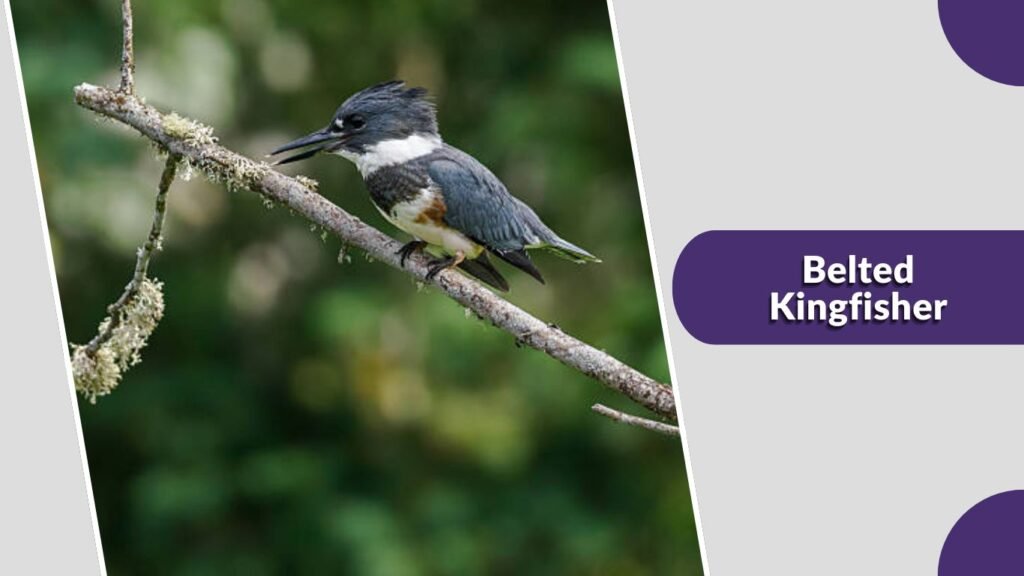
Belted Kingfisher is not closely related to the Blue Jay, but it can look similar because it has a blue-gray body, a shaggy crest, and a loud call. Its head shape and bluish color are the main reasons people may confuse it with a Blue Jay.
Why Belted Kingfisher Looks Like a Blue Jay
Belted Kingfisher looks like a Blue Jay because both birds can show blue tones and a noticeable crest. They are also noisy birds, often making loud calls that attract attention. From a distance, a perched kingfisher may look like a chunky blue bird with a crest.
Still, its body shape is very different. Belted Kingfishers have a large head, short legs, and a dagger-like bill. They are usually seen near water, not moving through trees like Blue Jays.
Key Identification Features
- Blue-gray head, back, and wings
- Shaggy crest
- Large head and long pointed bill
- White collar and belly
- Usually seen near rivers, ponds, lakes, or coasts
How to Tell It Apart from a Blue Jay
The easiest difference is the bill. A Belted Kingfisher has a long, sharp bill used for catching fish, while a Blue Jay has a shorter, stronger bill. Belted Kingfishers also have a stockier body and are almost always found near water.
Their flight is different too. Belted Kingfishers often fly over water and may hover before diving. Blue Jays usually fly between trees and do not dive for fish.
Where You Can Find Belted Kingfisher
Belted Kingfishers are found across much of North America near water. They live around rivers, lakes, ponds, marshes, streams, and coastal areas. They often perch on branches, wires, or banks while watching for fish below.
