
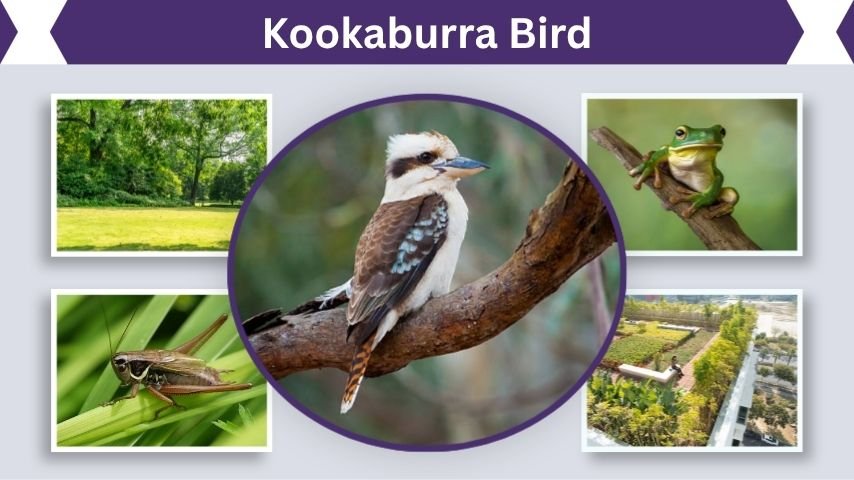
Kookaburra Bird Facts, Identification, Habitat, Diet, and Behavior
The kookaburra is one of Australia’s most famous birds, known for its loud laughing call and bold personality. These birds belong to the kingfisher family … Read More
The kookaburra is one of Australia’s most famous birds, known for its loud laughing call and bold personality. These birds belong to the kingfisher family … Read More
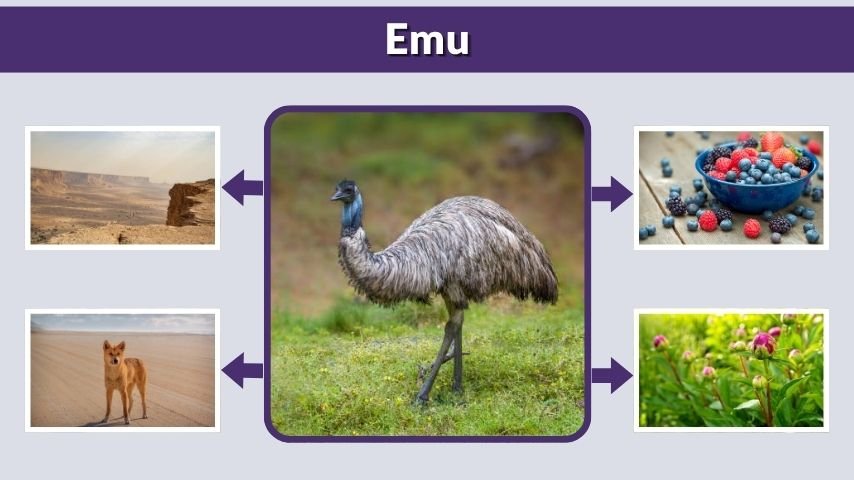
The Emu is a large flightless bird native to Australia and is known for its long legs, shaggy feathers, and incredible running ability. As the … Read More
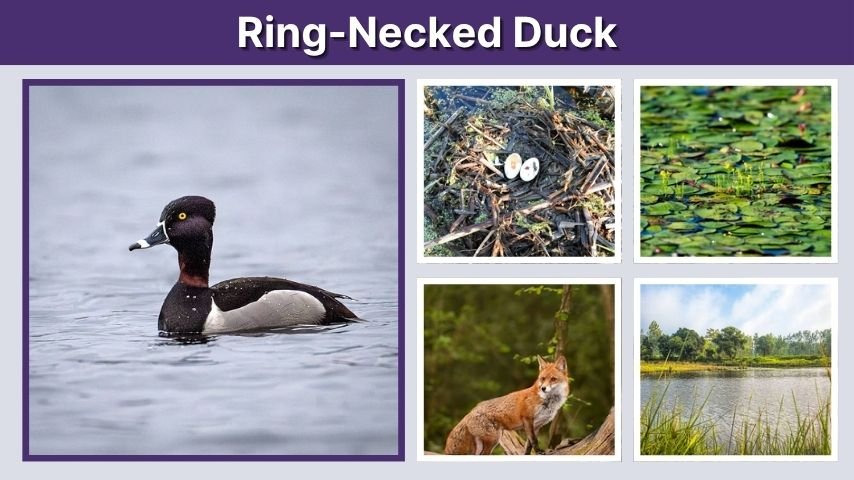
The Ring-Necked Duck is a medium-sized diving duck known for its sharp bill markings, peaked head shape, and excellent underwater feeding skills. Although named for … Read More
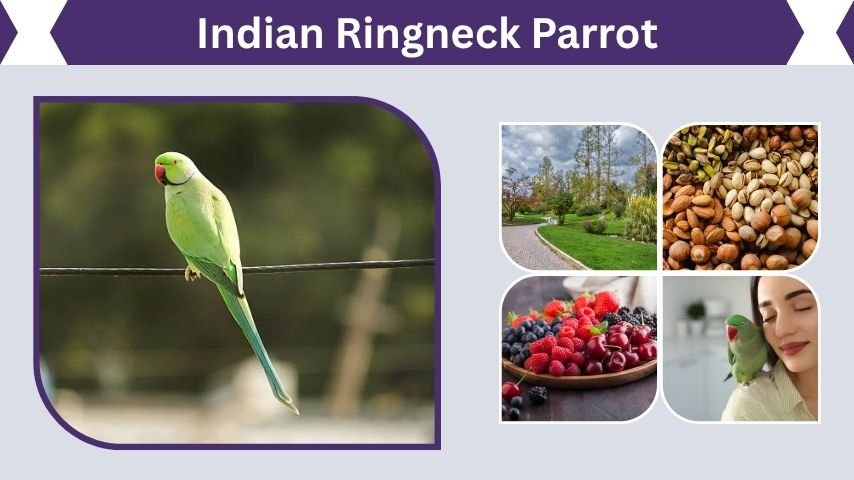
The Indian Ringneck Parrot is a colorful and intelligent bird famous for its talking ability, playful behavior, and long tail feathers. Native to South Asia, … Read More
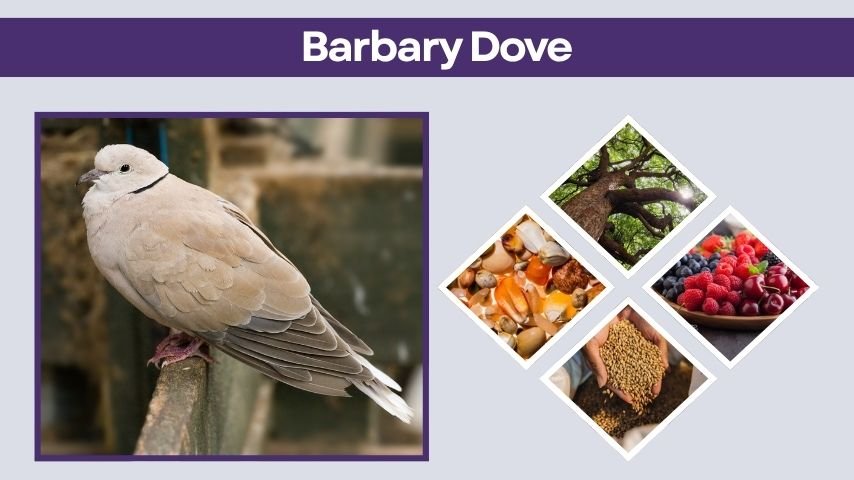
The Barbary Dove is a gentle and social bird known for its soft cooing sounds, pale feathers, and calm personality. Popular as both a pet … Read More
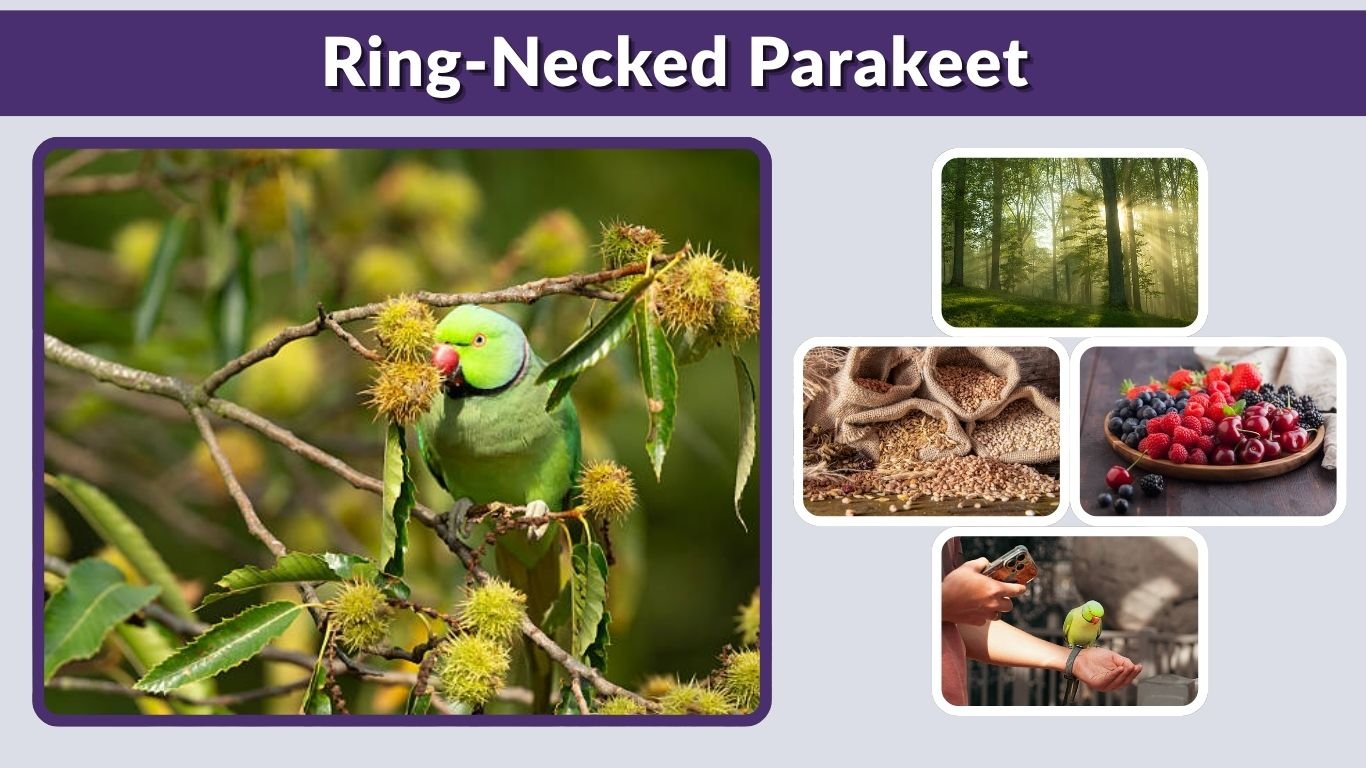
The Ring-Necked Parakeet is a colorful and intelligent bird known for its bright green feathers, long tail, and loud calls. Native to parts of Asia … Read More
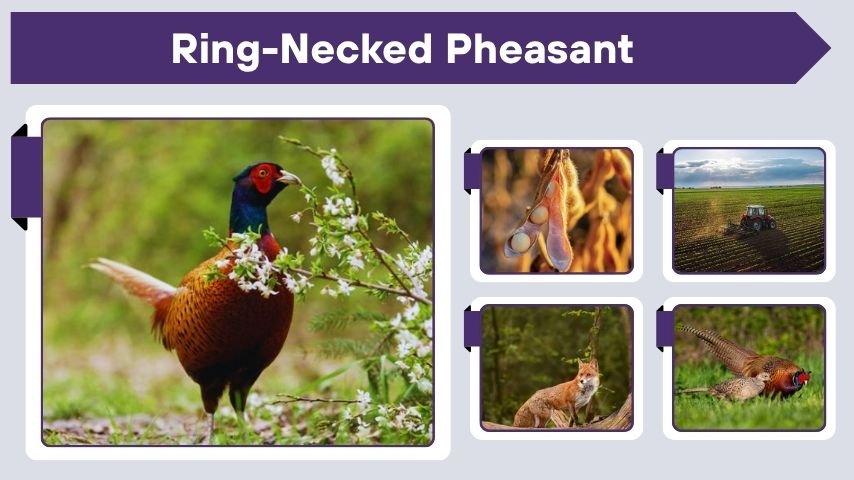
The Ring-necked Pheasant is one of the most colorful and recognizable game birds in the world. Famous for its long tail, bright feathers, and explosive … Read More
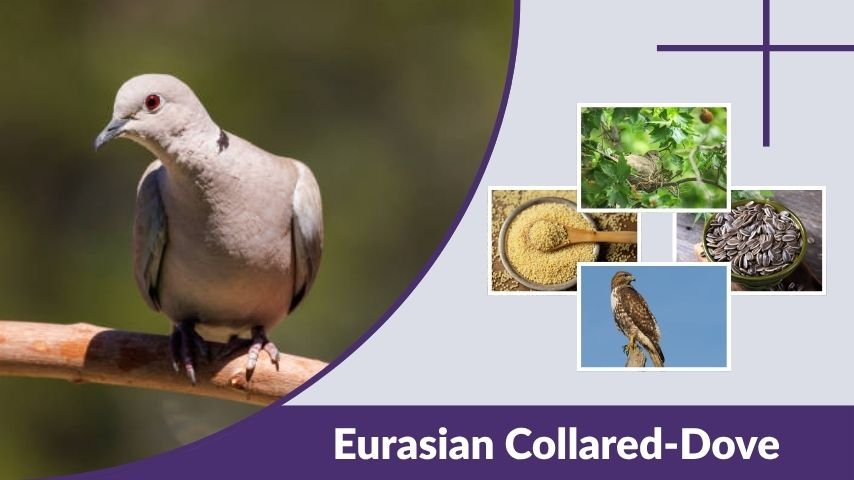
The Eurasian Collared-Dove is a pale-colored dove commonly seen in cities, suburbs, farms, and backyard feeders. Known for its soft cooing calls and black neck … Read More
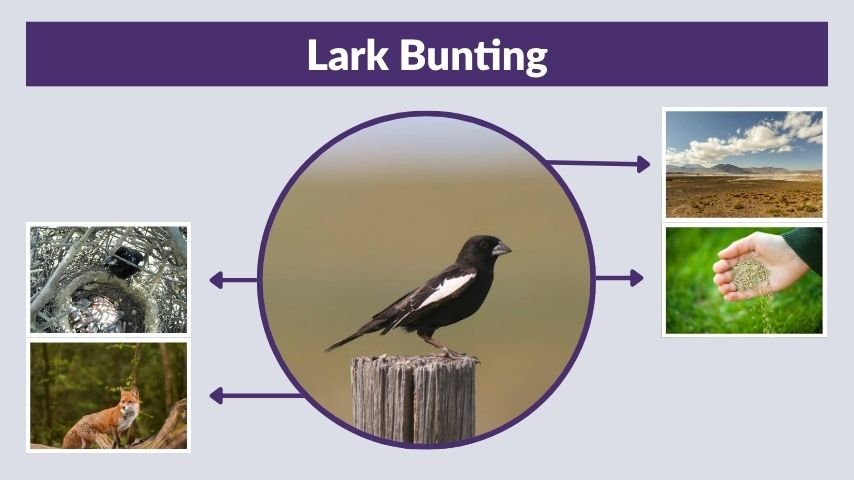
The Lark Bunting is a striking grassland bird best known for its beautiful songs and dramatic seasonal colors. During breeding season, male lark buntings display … Read More
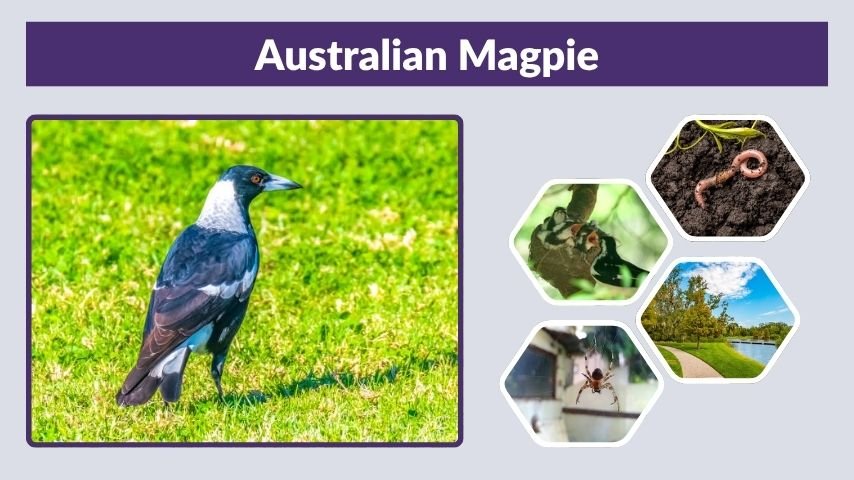
The Australian Magpie is one of Australia’s most recognizable birds, famous for its beautiful warbling song and bold territorial behavior. Found in suburbs, parks, farms, … Read More