
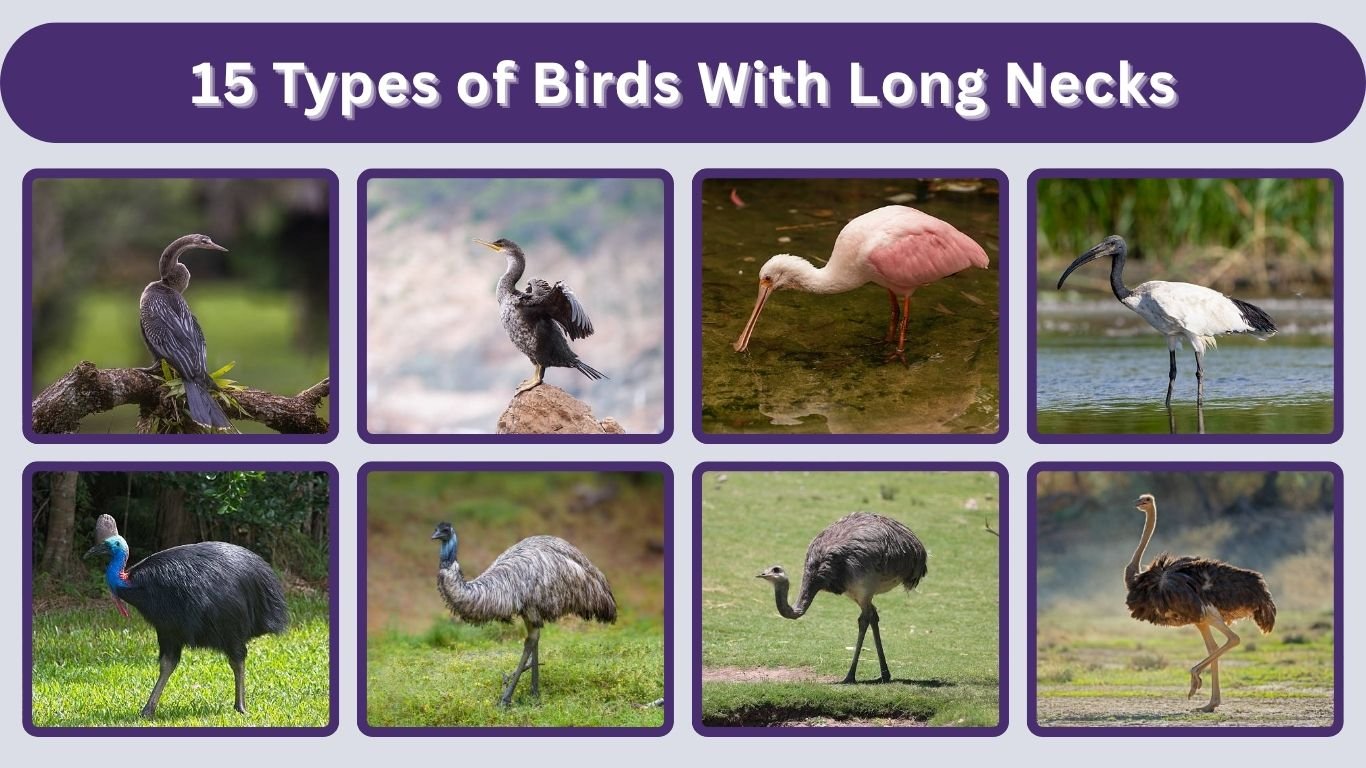
Birds with long necks are some of the most elegant and adaptable species in the natural world. Their extended necks help them reach food in water, grass, or trees, making them highly efficient in different environments. This unique feature also plays a role in balance, visibility, and communication.
From the graceful swan to the powerful ostrich, each bird on this list uses its long neck in a different way. In this guide, you’ll explore 15 types of birds with long necks, along with their key features, habitats, diets, and how their necks help them survive.
1. Swan
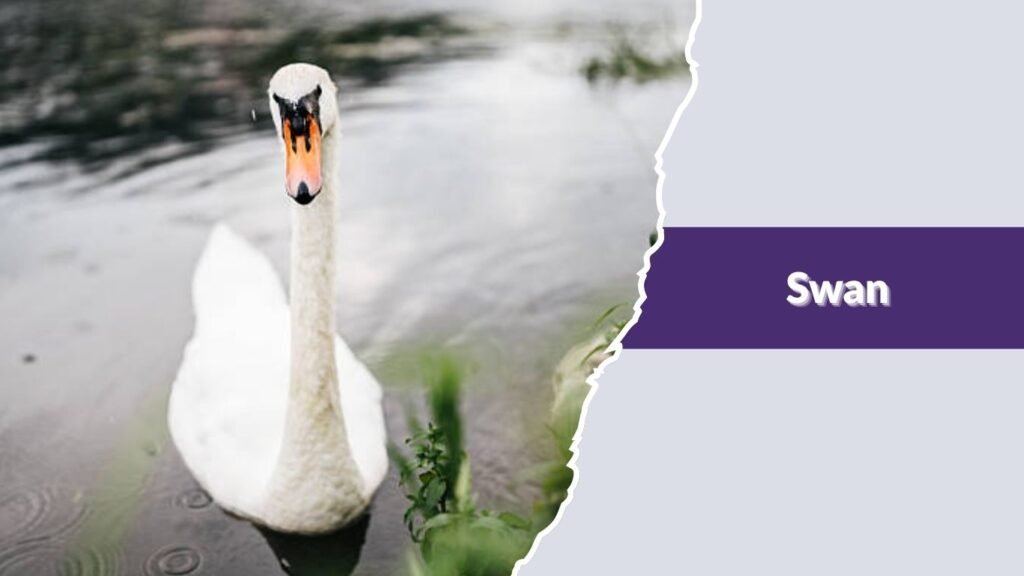
Swans are large, graceful water birds known for their elegant appearance and long, curved necks. They are often associated with beauty and calmness, commonly seen gliding smoothly across lakes and rivers. Swans belong to the duck family but are much larger in size.
Identification
- Large white or black body depending on species
- Very long, curved neck
- Broad wings and strong body
- Orange or black bill with a smooth face
Habitat
Swans are commonly found in freshwater environments such as lakes, ponds, rivers, and wetlands. They prefer calm waters with plenty of vegetation. Some species also migrate to coastal areas during winter, depending on climate and food availability.
Diet
Swans are mostly herbivorous and feed on aquatic plants, algae, and grasses. They often dip their long necks underwater to reach food at the bottom. Occasionally, they may eat small aquatic animals, but plant material makes up most of their diet.
Neck Characteristics
The swan’s neck is long, flexible, and very strong. It allows the bird to reach underwater vegetation without diving its whole body. This extended neck also plays a role in display and communication, especially during courtship or when showing dominance.
2. Flamingo
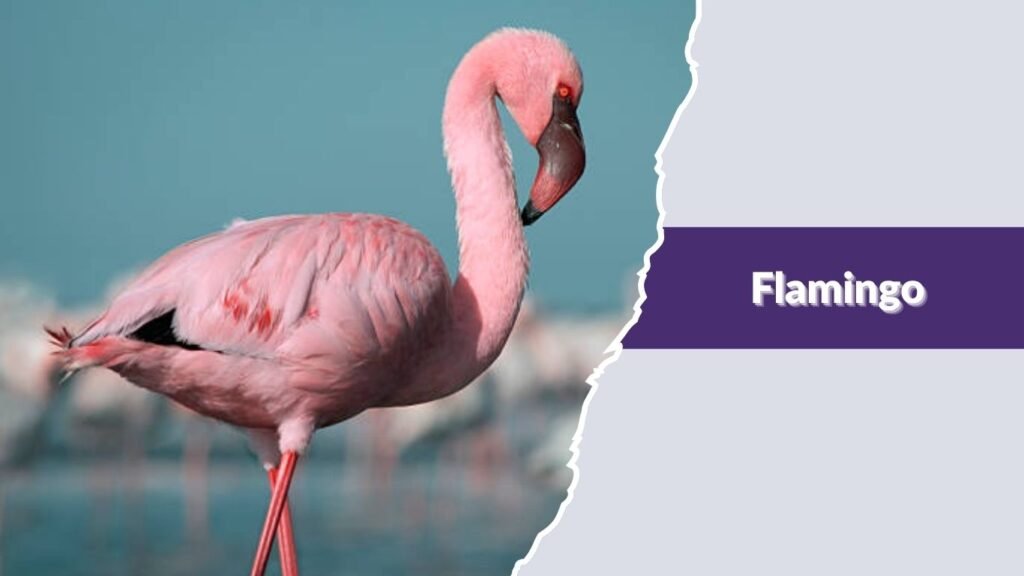
Flamingos are tall, elegant birds famous for their bright pink color and extremely long necks. They are social birds, often seen standing in large groups in shallow waters. Their unique posture and graceful movements make them one of the most recognizable birds in the world.
Identification
- Tall body with long, thin legs
- Pink, orange, or reddish feathers
- Distinctive curved bill
- Long neck with an S-shaped curve
Neck Characteristics
The flamingo’s neck is long, flexible, and typically held in an S-shape. It allows the bird to reach down into the water while feeding. This extended neck also helps in balance and plays a role in social displays and group behavior.
Habitat
Flamingos live in shallow lakes, lagoons, and wetlands. They prefer salty or alkaline waters where fewer predators exist. These birds are highly social and usually found in large colonies.
Diet
Flamingos mainly feed on algae, small crustaceans, and plankton. They use a filter-feeding method by lowering their heads into the water. Their diet is rich in pigments, which gives them their characteristic pink color.
3. Crane
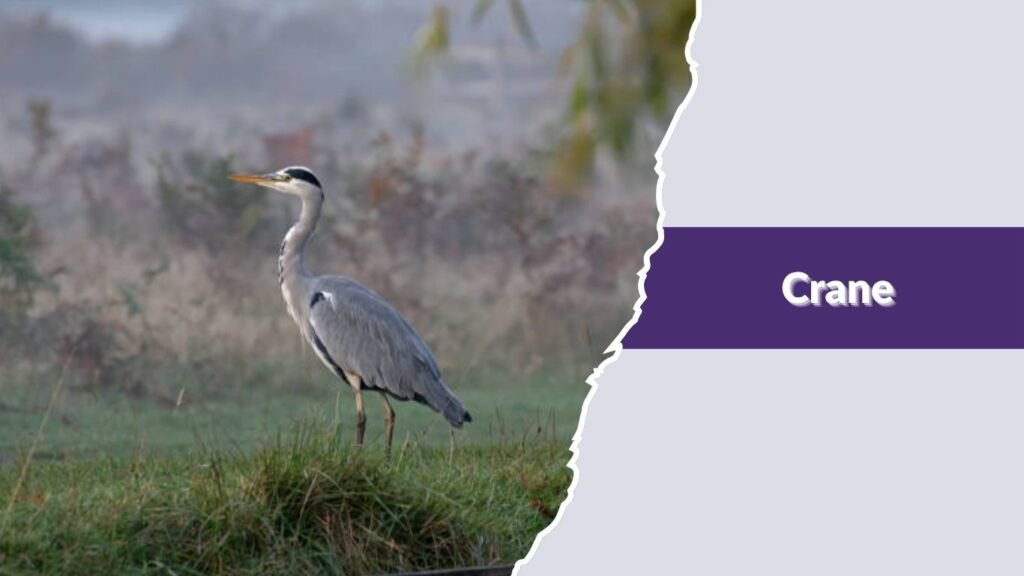
Cranes are tall, elegant birds known for their long legs and long necks. They are often associated with wetlands and open landscapes. These birds are also famous for their graceful movements and elaborate courtship dances.
Identification
- Tall body with long legs
- Long, straight neck
- Wide wings for soaring flight
- Usually gray, white, or black feathers
Neck Characteristics
The crane’s neck is long and straight, helping it spot danger from a distance. It also allows the bird to reach food easily while standing in shallow water or grasslands. The neck plays an important role in their courtship displays.
Habitat
Cranes are found in wetlands, grasslands, and open plains. They prefer areas near water such as marshes and rivers. Some species migrate long distances between breeding and wintering grounds.
Diet
Cranes are omnivorous and eat a mix of plants, grains, insects, and small animals. They forage on the ground, using their long necks to pick up food from water or land.
4. Heron
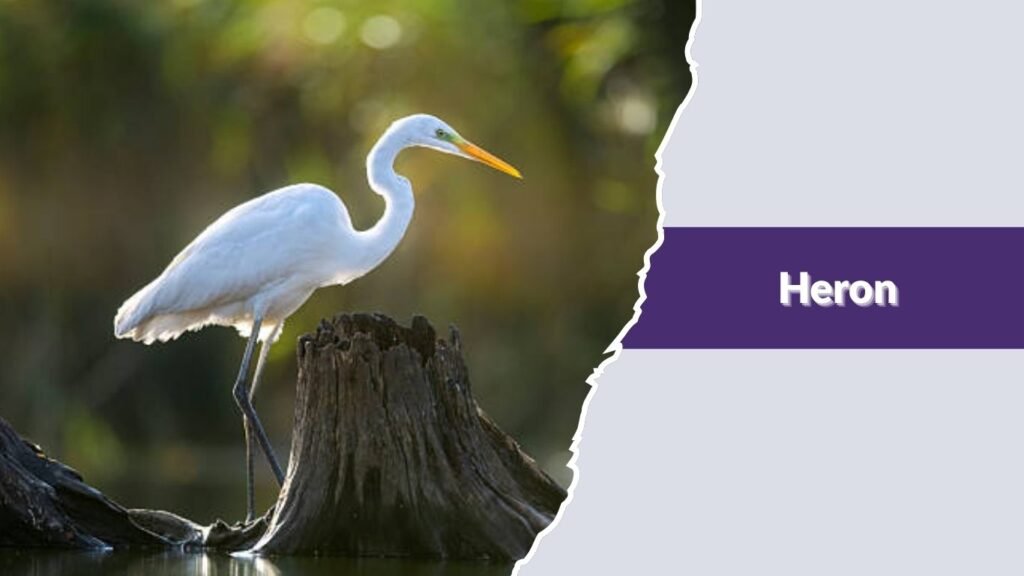
Herons are wading birds known for their long legs, sharp beaks, and long necks. They are often seen standing still in shallow water, waiting patiently to catch prey.
Identification
- Long legs and slender body
- Long, S-shaped neck
- Sharp, pointed beak
- Usually gray, white, or blue feathers
Neck Characteristics
The heron’s neck is long and flexible, often held in an S-shape. It can quickly extend forward to catch prey with great speed and accuracy. This feature makes the heron an excellent hunter.
Habitat
Herons live in wetlands, rivers, lakes, and coastal areas. They prefer shallow waters where fish and other prey are abundant. They are adaptable and can also be found in urban water bodies.
Diet
Herons mainly feed on fish, frogs, and small aquatic animals. They use a “wait and strike” method, standing still before quickly grabbing prey with their beak.
5. Egret
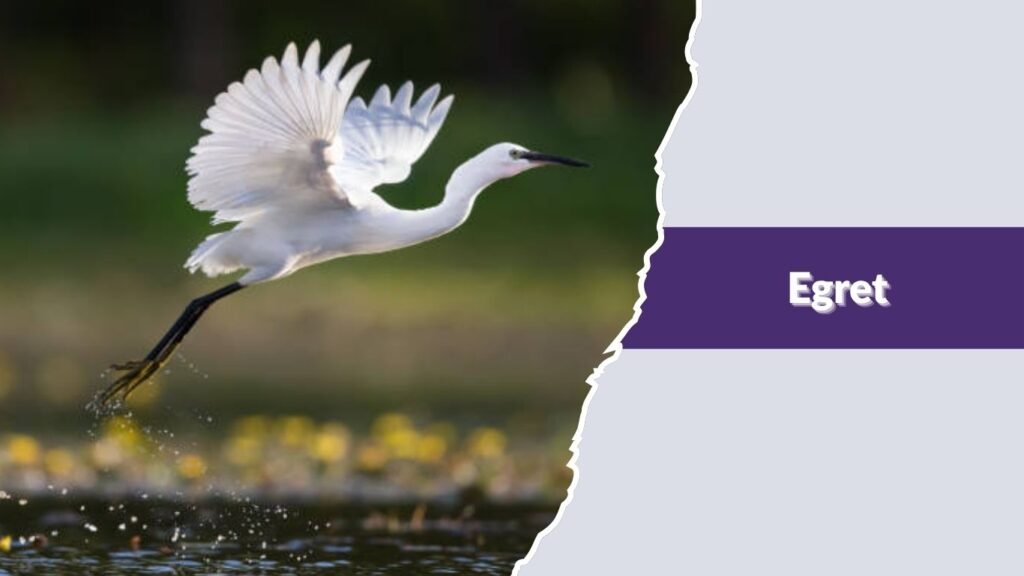
Egrets are graceful white birds closely related to herons, known for their slender bodies and long necks. They are often seen walking slowly through shallow water while hunting for food.
Identification
- Slim body with pure white feathers
- Long legs and thin body
- Long, elegant neck
- Slow and graceful movements
Neck Characteristics
The egret’s neck is long, slender, and highly flexible. It allows the bird to stretch forward quickly to catch prey. The neck is often curved in an S-shape when resting or moving slowly.
Habitat
Egrets are commonly found in wetlands, marshes, rivers, and coastal areas. They prefer shallow waters where they can easily hunt. They are also seen in flooded fields and agricultural lands.
Diet
Egrets feed on fish, insects, frogs, and small aquatic animals. They often walk through water to stir up prey before striking quickly with precision.
6. Stork
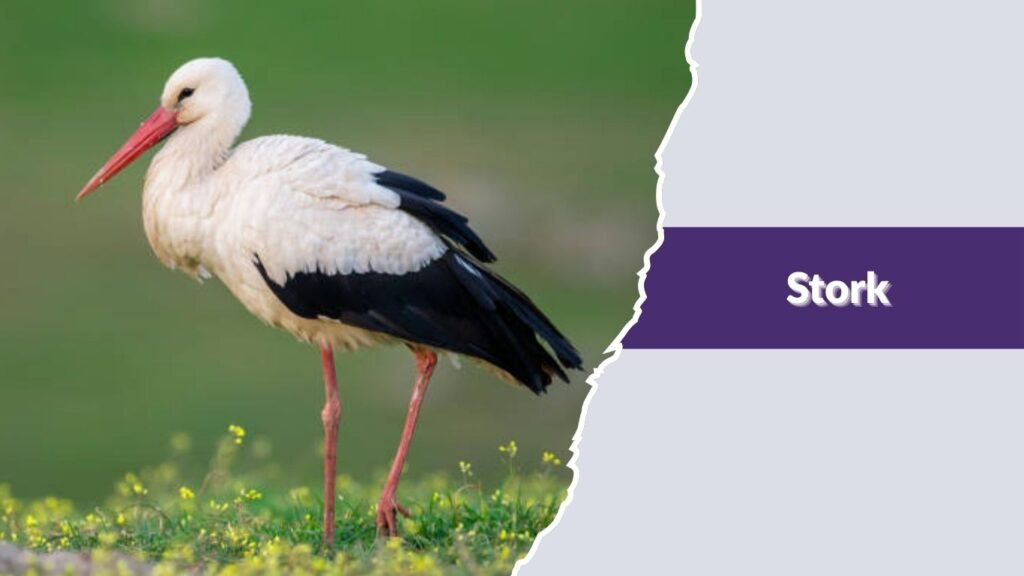
Storks are large, long-legged birds known for their long necks and strong bodies. They are often seen in open landscapes and near water sources, and some species are famous for nesting near human settlements.
Identification
- Large body with long legs
- Long, straight neck
- Broad wings for soaring
- White, black, or mixed plumage
Neck Characteristics
The stork’s neck is long and straight, helping it reach food easily on land or in water. It also aids in scanning the surroundings for prey or danger. The strong neck supports their large head and beak.
Habitat
Storks live in wetlands, grasslands, savannas, and near rivers or lakes. Some species adapt well to human environments and build nests on rooftops or tall structures.
Diet
Storks are carnivorous and eat fish, frogs, insects, and small animals. They forage by walking slowly and picking up prey with their beak.
7. Ostrich
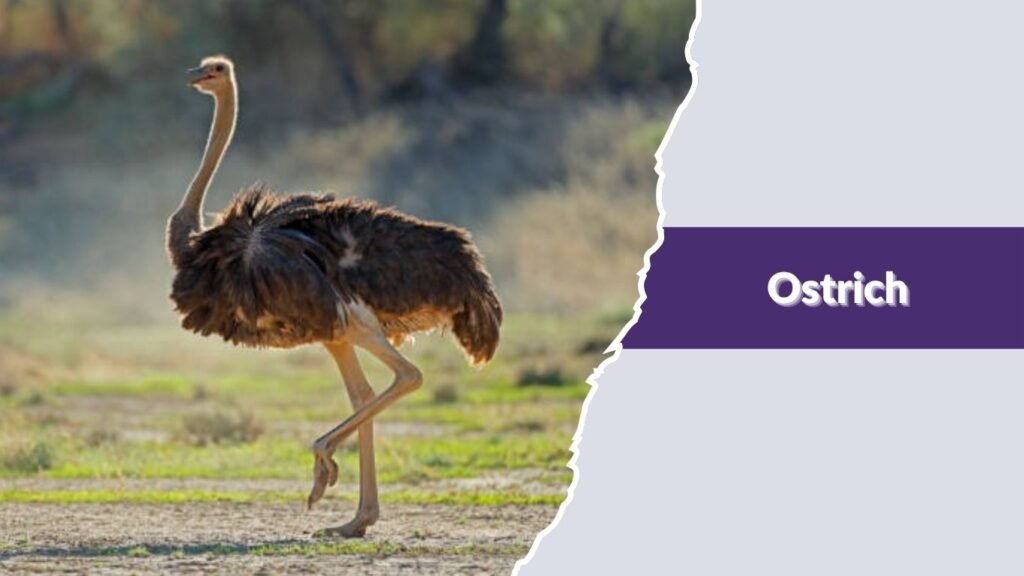
Ostriches are the largest living birds and are known for their long necks and powerful legs. Native to Africa, they are flightless birds but can run at very high speeds, making them well adapted to open landscapes.
Identification
- Very large body with long, strong legs
- Long, bare neck
- Small head compared to body
- Black and white or brown feathers
Neck Characteristics
The ostrich’s neck is long, flexible, and mostly bare of feathers. It helps the bird spot predators from far distances in open areas. The neck also allows it to reach food on the ground easily.
Habitat
Ostriches live in savannas, deserts, and open grasslands. They prefer wide, open spaces where they can run freely and detect threats early.
Diet
Ostriches are omnivorous and eat plants, seeds, insects, and small animals. They mostly feed on the ground, using their long necks to pick up food.
8. Emu
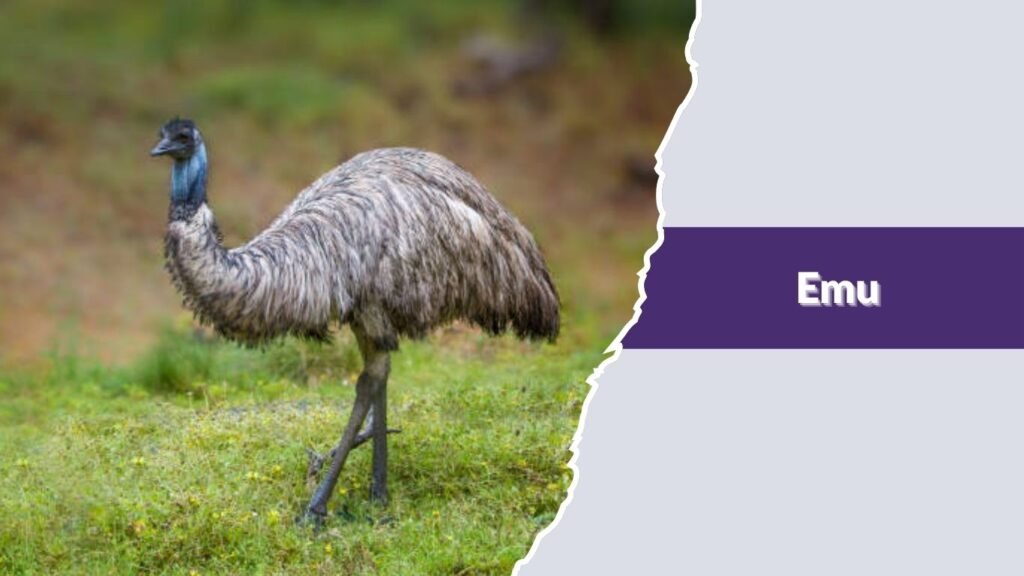
Emus are large, flightless birds native to Australia, known for their long necks and strong legs. They are the second-largest birds in the world after ostriches and are well adapted to a variety of environments.
Identification
- Large, bulky body
- Long neck with sparse feathers
- Long legs adapted for running
- Brown, shaggy feathers
Neck Characteristics
The emu’s neck is long and slightly curved, covered with sparse feathers. It helps the bird see over tall grass and detect predators. The neck also assists in reaching food on the ground.
Habitat
Emus are found in forests, grasslands, and semi-arid regions across Australia. They are highly adaptable and can survive in different climates.
Diet
Emus are omnivores, feeding on plants, seeds, fruits, and insects. They forage on the ground and use their long necks to access a wide range of food sources.
9. Rhea
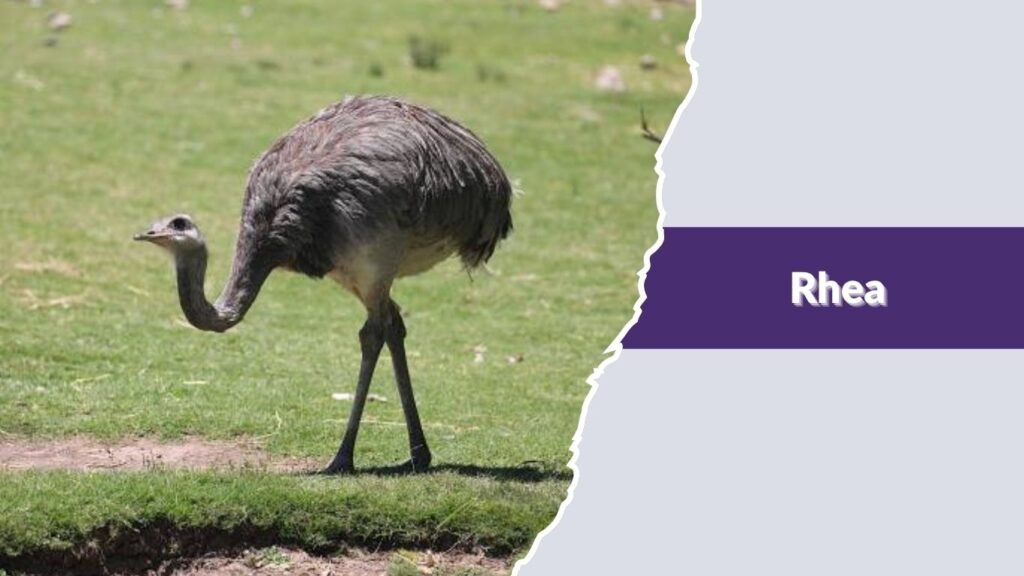
Rheas are large, flightless birds native to South America. They resemble ostriches and emus but are slightly smaller. Known for their long necks and strong legs, rheas are well adapted to open grasslands.
Identification
- Large, flightless bird with long legs
- Long neck with a small head
- Soft, gray or brown feathers
- Broad wings used for balance while running
Neck Characteristics
The rhea’s neck is long and flexible, helping it scan the surroundings for predators. It also allows the bird to reach food easily while grazing on the ground. The neck plays a key role in maintaining awareness in open habitats.
Habitat
Rheas are found in grasslands, savannas, and open plains of South America. They prefer wide, open areas where they can run quickly to escape danger.
Diet
Rheas are omnivorous and feed on plants, seeds, fruits, and insects. They also eat small animals when available. Their long neck helps them forage efficiently across the ground.
10. Cassowary
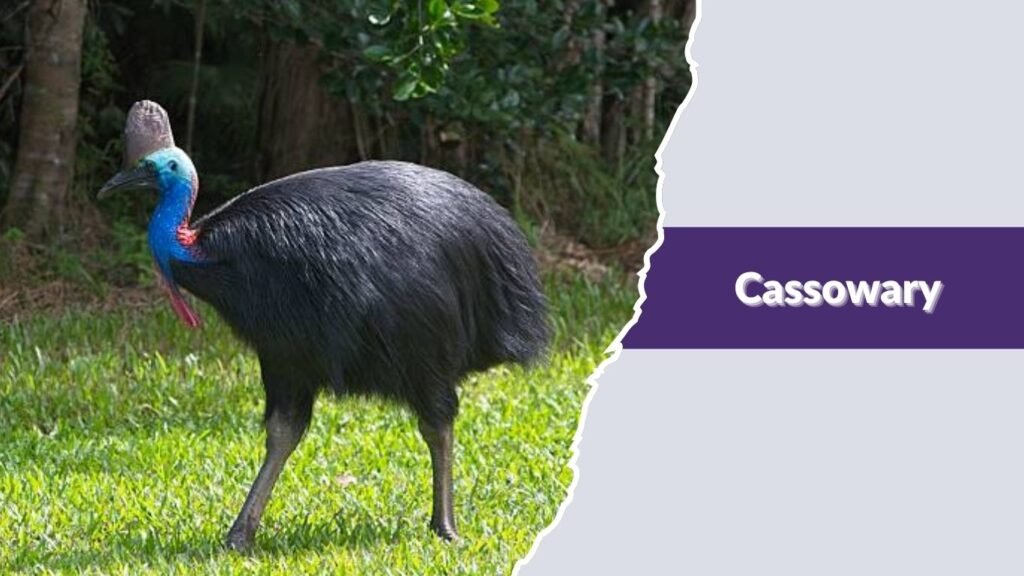
Cassowaries are large, flightless birds found in the tropical forests of New Guinea and northern Australia. They are known for their striking appearance and powerful build.
Identification
- Large body with strong legs
- Long neck with bright blue skin
- Helmet-like structure (casque) on the head
- Black, coarse feathers
Neck Characteristics
The cassowary’s neck is long, thick, and brightly colored. It is strong and supports the heavy head and casque. The neck also helps in reaching food and plays a role in display and communication.
Habitat
Cassowaries live in dense tropical rainforests. They prefer areas with thick vegetation and access to water sources. These birds are mostly solitary and stay hidden within forest cover.
Diet
Cassowaries mainly eat fruits that fall from trees. They also consume insects, small animals, and fungi. Their diet helps in seed dispersal, making them important for forest ecosystems.
11. Pelican
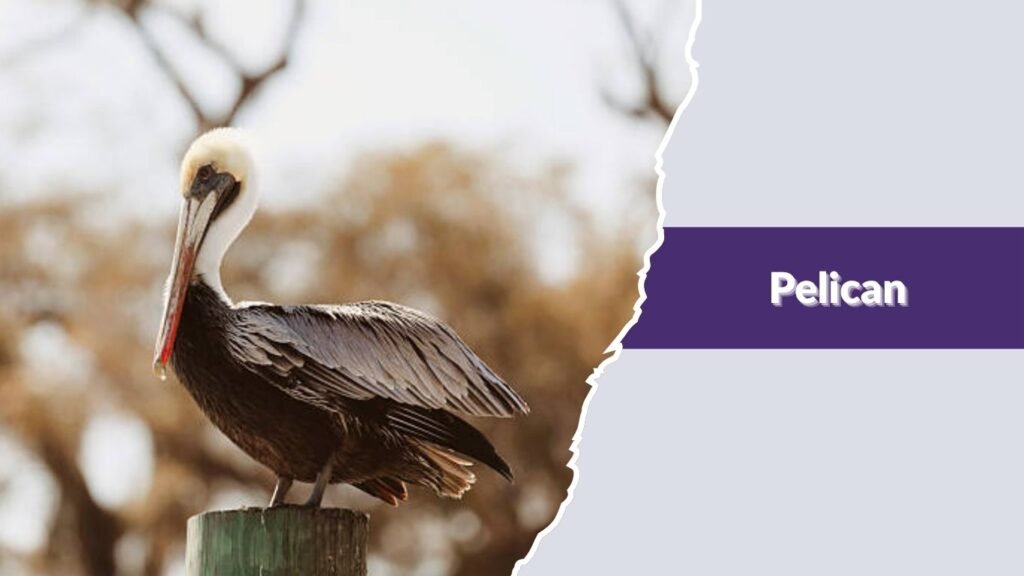
Pelicans are large water birds known for their long necks and broad wings. They are commonly seen near oceans, lakes, and rivers, often gliding gracefully or floating on water.
Identification
- Large body with broad wings
- Long neck and big body
- Short legs with webbed feet
- Usually white, gray, or brown feathers
Neck Characteristics
The pelican’s neck is long and flexible, helping it position its head while catching fish. It also supports the large beak and pouch, allowing smooth movement during feeding.
Habitat
Pelicans live in coastal areas, lakes, rivers, and wetlands. They prefer open water where fish are abundant. Many species gather in groups and rest on shores or islands.
Diet
Pelicans mainly eat fish. They catch prey by scooping it up with their beak while swimming or diving. Some species hunt in groups to improve their chances of catching food.
12. Ibis
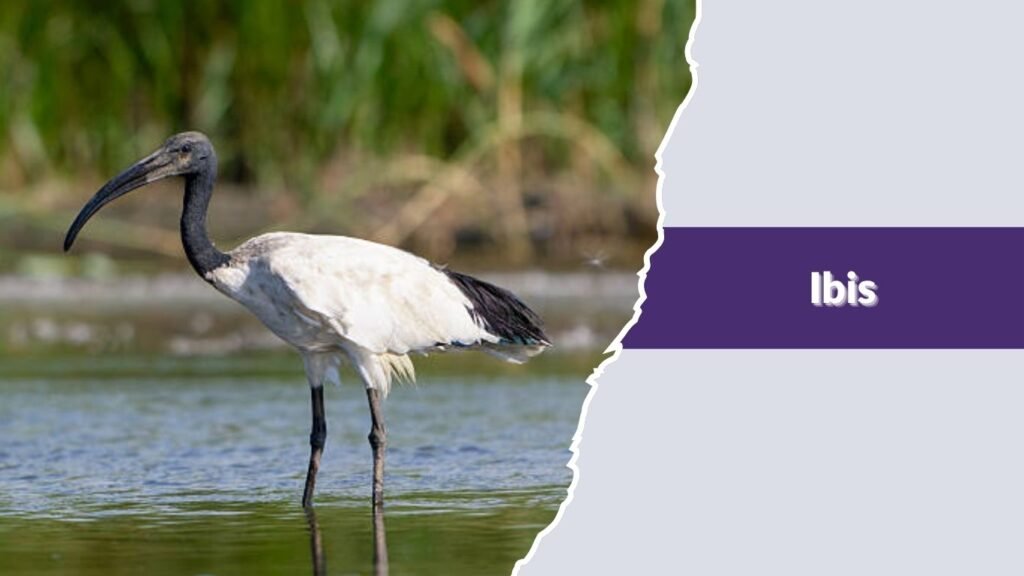
Ibises are wading birds known for their slender bodies and long necks. They are often seen in groups, searching for food in shallow water or muddy areas.
Identification
- Slender body with long legs
- Long, curved beak
- Long neck with smooth posture
- Feathers usually white, brown, or black
Neck Characteristics
The ibis has a long and slightly curved neck that helps it reach into water and mud while feeding. This flexible neck allows smooth movement when searching for hidden prey.
Habitat
Ibises live in wetlands, marshes, lagoons, and coastal regions. They prefer shallow water environments where food is easy to find. Some species also live in grasslands and fields.
Diet
Ibises feed on insects, worms, crustaceans, and small fish. They use their beak to probe into mud and water, using their neck to guide precise movements while foraging.
13. Spoonbill
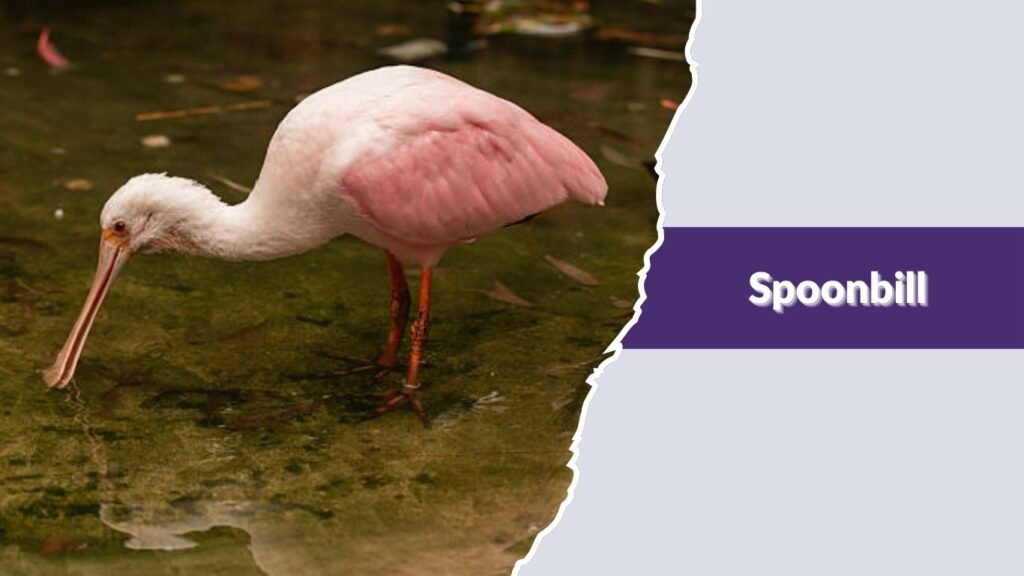
Spoonbills are wading birds known for their long necks and unique feeding style. They are often seen moving slowly through shallow water while sweeping their beaks side to side.
Identification
- Long legs and slender body
- Long neck with smooth posture
- White or pinkish feathers
- Distinctive spoon-shaped beak
Neck Characteristics
The spoonbill’s neck is long and flexible, allowing it to move its head easily while feeding. It helps the bird maintain balance and reach different areas in shallow water.
Habitat
Spoonbills live in wetlands, marshes, lagoons, and coastal areas. They prefer shallow water environments where they can easily search for food. These birds are often found in groups.
Diet
Spoonbills feed on small fish, insects, and crustaceans. They sweep their beaks through the water and rely on touch to detect prey.
14. Cormorant
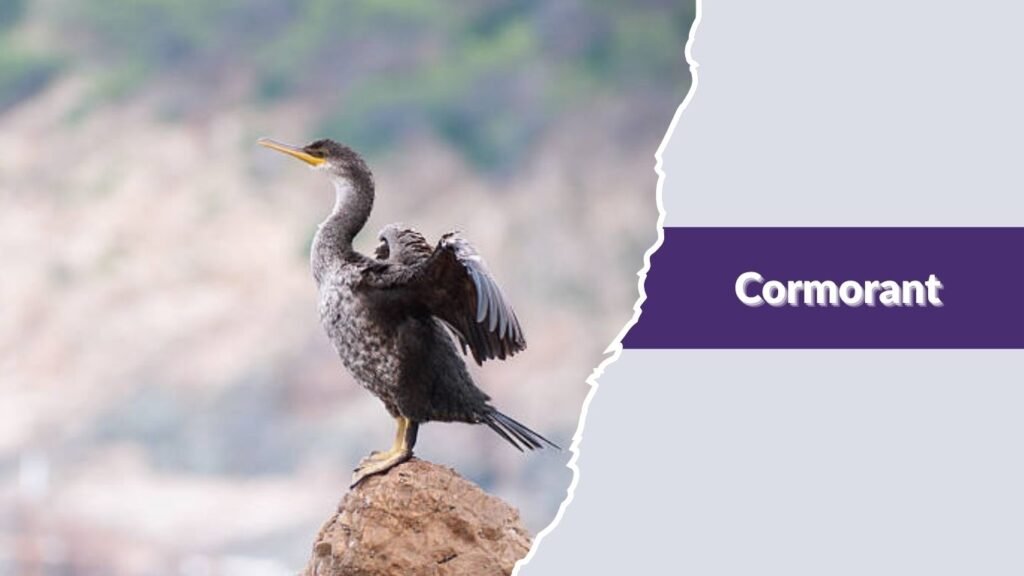
Cormorants are water birds known for their long necks and diving ability. They are often seen perched near water with their wings spread out to dry.
Identification
- Medium to large body
- Long neck and slightly hooked beak
- Dark, often black feathers
- Strong swimmer and diver
Neck Characteristics
The cormorant’s neck is long and slightly curved, helping it move quickly underwater while chasing fish. It provides flexibility and control during swimming and diving.
Habitat
Cormorants live near rivers, lakes, and coastal areas. They prefer places with plenty of fish and safe spots for resting and nesting.
Diet
Cormorants mainly eat fish. They dive underwater to catch prey, using their neck and body to move swiftly and accurately.
15. Anhinga
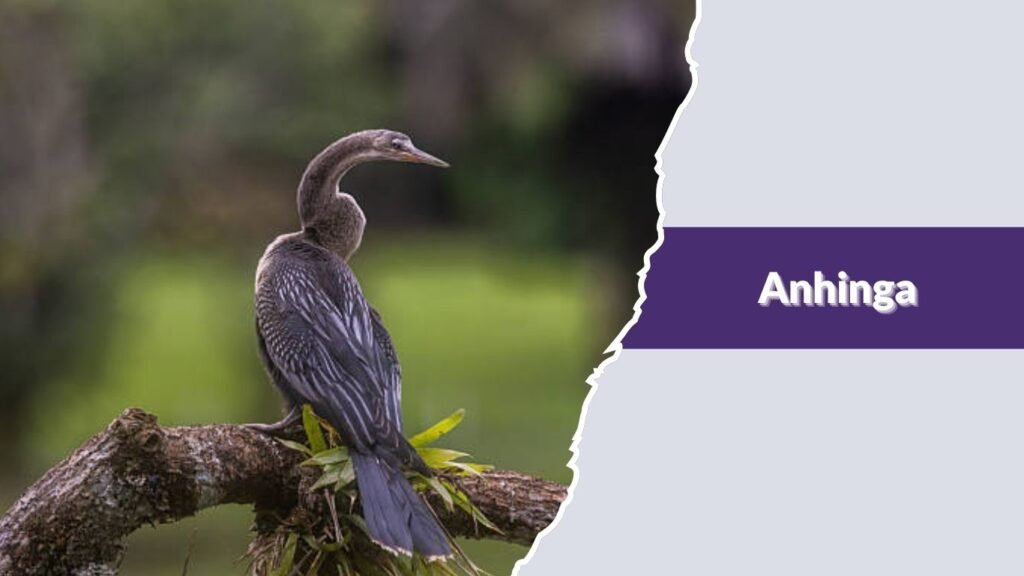
Anhingas are water birds known for their long necks and snake-like appearance when swimming. They are often called “snake birds” because only their neck is visible above water while the rest of the body stays submerged.
Identification
- Slender body with long neck
- Dark feathers with silvery patterns
- Sharp, pointed beak
- Often seen swimming with only neck visible
Neck Characteristics
The anhinga’s neck is long, thin, and highly flexible. It moves quickly like a spear, helping the bird catch fish underwater. This snake-like neck gives it excellent speed and precision while hunting.
Habitat
Anhingas are found in freshwater environments such as lakes, rivers, swamps, and marshes. They prefer warm climates and areas with plenty of fish and perching spots.
Diet
Anhingas mainly eat fish. They dive underwater and use their sharp beak to spear prey. After catching fish, they bring it to the surface and toss it into the air before swallowing.
