
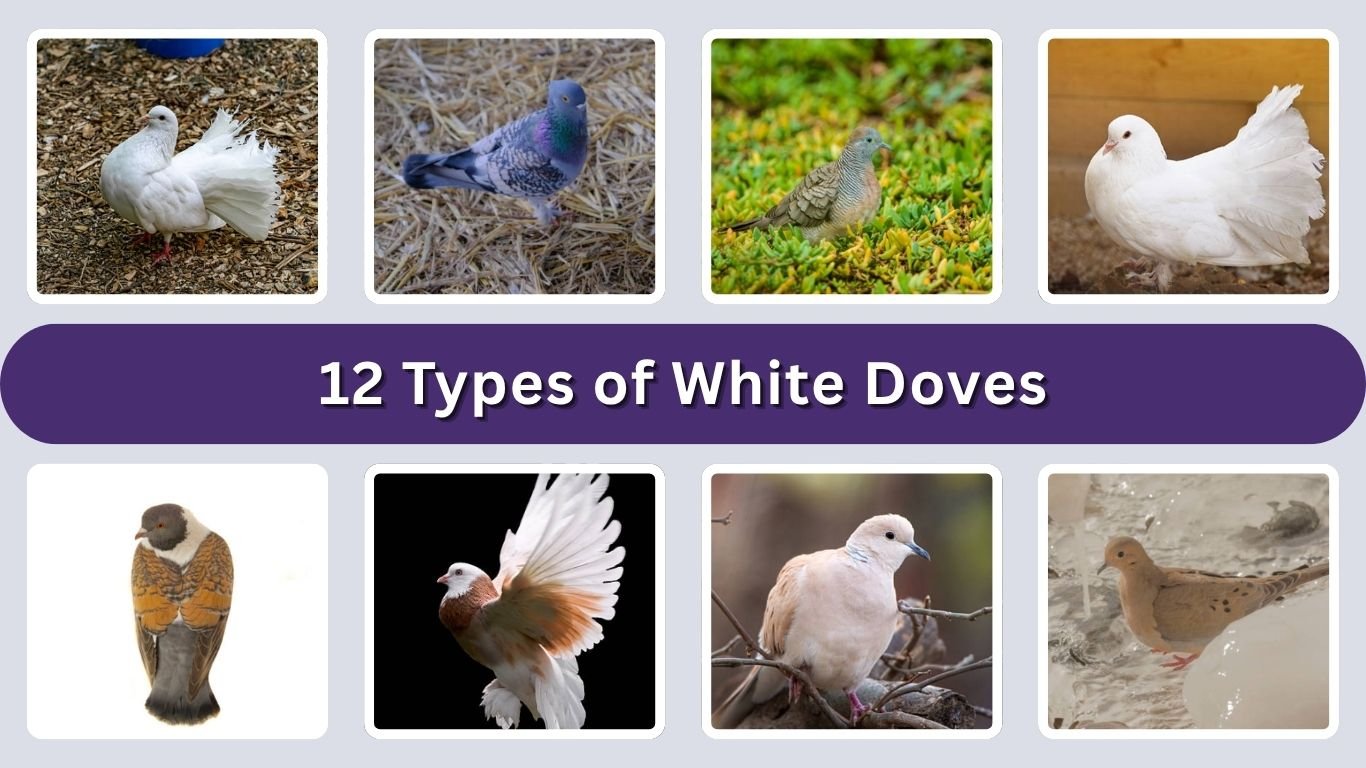
White doves are admired around the world for their beauty, grace, and symbolic meaning. Often associated with peace, love, and purity, these birds are commonly seen in ceremonies, cultural events, and as pets. While many people think of white doves as a single type, they actually include a variety of species and domesticated breeds with unique features and behaviors.
In this guide, we explore 12 types of white doves, highlighting their identification, habitat, differences, and lifestyle. Understanding these birds will help you appreciate their diversity and recognize the unique characteristics that make each one special.
1. White Rock Dove
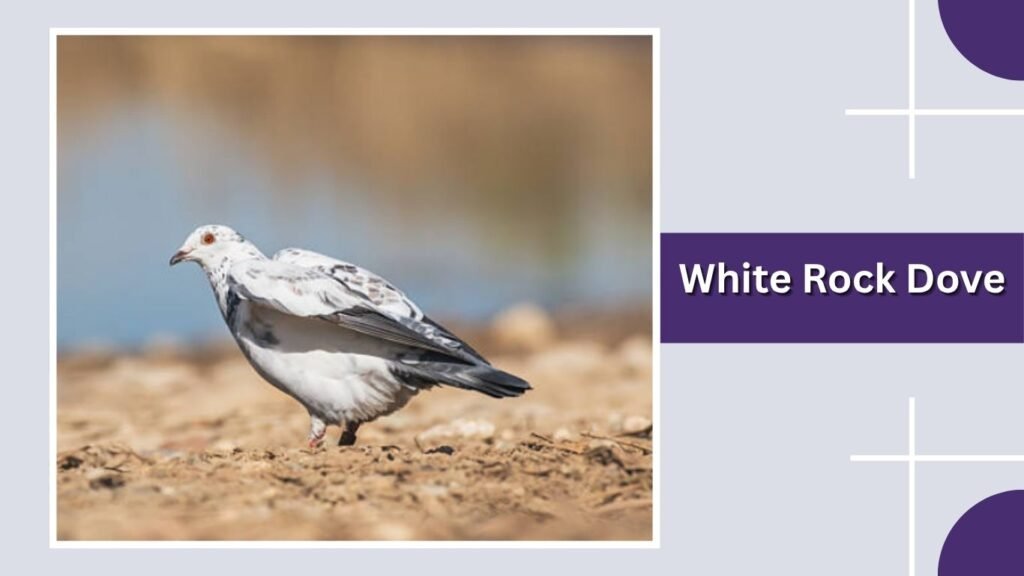
The White Rock Dove is a color variation of the common Rock Dove (Rock Pigeon), widely seen in cities and towns around the world. Known for its pure white plumage, this bird is often associated with peace and is commonly used in ceremonies and releases. It is highly adaptable and thrives in both urban and rural environments.
Identification
- Medium-sized bird with a plump body
- Pure white plumage (no markings in most individuals)
- Small head with dark or reddish eyes
- Short, dark bill with a pale base
- Pinkish legs
- Rounded wings and strong flight
- Smooth, direct flying style
Habitat
The White Rock Dove is commonly found in urban areas such as cities, buildings, bridges, and parks. Like its wild counterpart, it originally inhabited rocky cliffs, but now uses man-made structures as substitutes. It can also be found in farmland and open countryside, especially near human settlements where food is available.
Comparison
Compared to the standard Rock Dove, the White Rock Dove lacks the typical gray coloration and black wing bars. Its all-white appearance makes it more noticeable and symbolic. However, behavior, size, and habitat preferences remain nearly identical between the two.
Diet and Lifespan
The White Rock Dove feeds mainly on seeds, grains, and human food scraps, especially in urban environments. It often forages on the ground in groups. Like other pigeons, it is opportunistic and adapts easily to available food sources. Its average lifespan is around 3 to 6 years in the wild, though it may live longer in protected conditions.
2. White Homing Pigeon
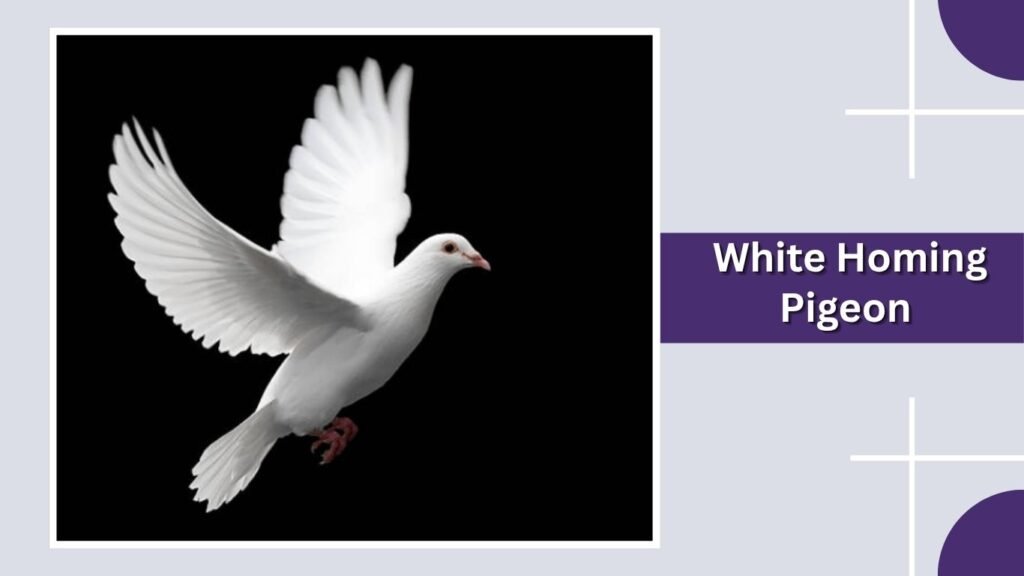
The White Homing Pigeon is a domesticated variety of pigeon known for its remarkable ability to navigate and return to its home over long distances. Its pure white color makes it popular for ceremonial releases and symbolic events. This bird combines beauty with strong flying ability and intelligence.
Identification
- Medium-sized pigeon with a strong, muscular body
- Pure white plumage with a smooth appearance
- Small head with bright, alert eyes
- Medium-length, sturdy bill
- Pink or reddish legs
- Broad wings built for long-distance flight
- Fast, powerful, and direct flight
Habitat
The White Homing Pigeon is mainly found in captivity or around human settlements. It is often kept by breeders and trainers, especially in areas where pigeon racing or homing activities are popular. When released, it can travel across various environments, including cities, countryside, and open landscapes.
Comparison
Compared to the White Rock Dove, the White Homing Pigeon is more specialized for navigation and long-distance flight. It has a stronger build and better endurance. While both may look similar in color, the homing pigeon is more athletic and purpose-bred for performance.
Diet and Lifespan
The White Homing Pigeon feeds mainly on grains, seeds, and specially prepared pigeon feed in captivity. It requires a balanced diet for energy and endurance. With proper care, its lifespan can range from 10 to 15 years, often longer than wild pigeons due to protection and regular feeding.
3. White Ring-necked Dove
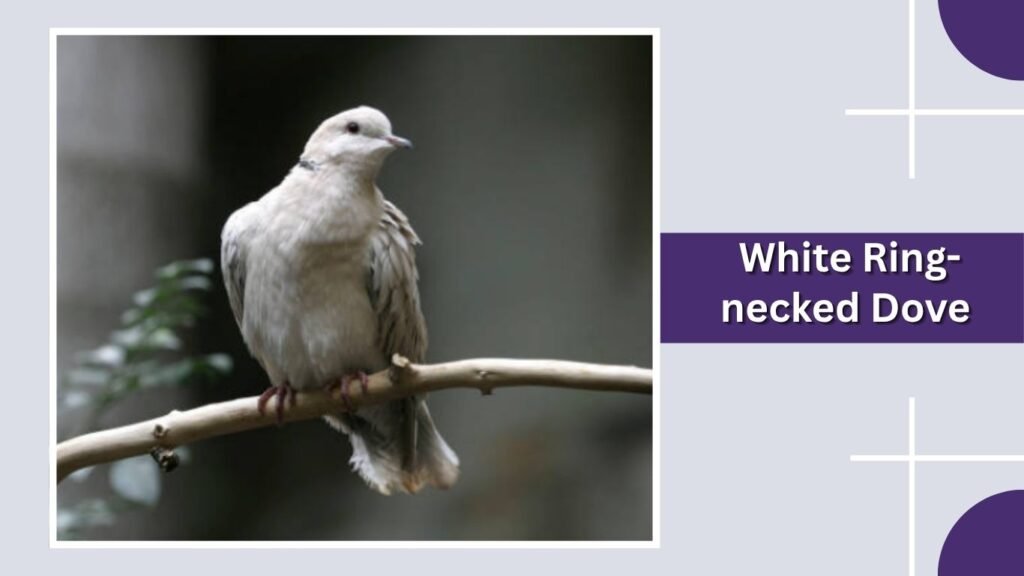
The White Ring-necked Dove is a gentle and elegant bird often kept as a pet or used in ceremonial releases. It is a color variation of the Ring-necked Dove, known for its calm behavior and soft cooing sounds. Its clean white appearance makes it a popular symbol of peace and purity.
Identification
- Medium-sized dove with a slender body
- Pure white plumage with a smooth texture
- Faint or visible thin black ring on the back of the neck (may be subtle)
- Long, slightly pointed tail
- Small head with dark or reddish eyes
- Light-colored, slender bill
- Graceful, steady flight
Habitat
The White Ring-necked Dove is commonly found in captivity, aviaries, and around human settlements. When free-ranging, it prefers open areas such as gardens, parks, and suburban environments. It is closely associated with human care and is rarely found in completely wild habitats.
Comparison
Compared to the White Homing Pigeon, the White Ring-necked Dove is more slender and delicate. It may also show a faint neck ring, which the homing pigeon lacks. Its flight is less powerful, and it is generally more suited to calm environments rather than long-distance travel.
Diet and Lifespan
This dove feeds mainly on seeds, grains, and small plant materials. In captivity, it is often given a balanced diet of grains and supplements. It is easy to care for and adapts well to human environments. Its lifespan typically ranges from 10 to 15 years, especially with proper care.
4. White Mourning Dove
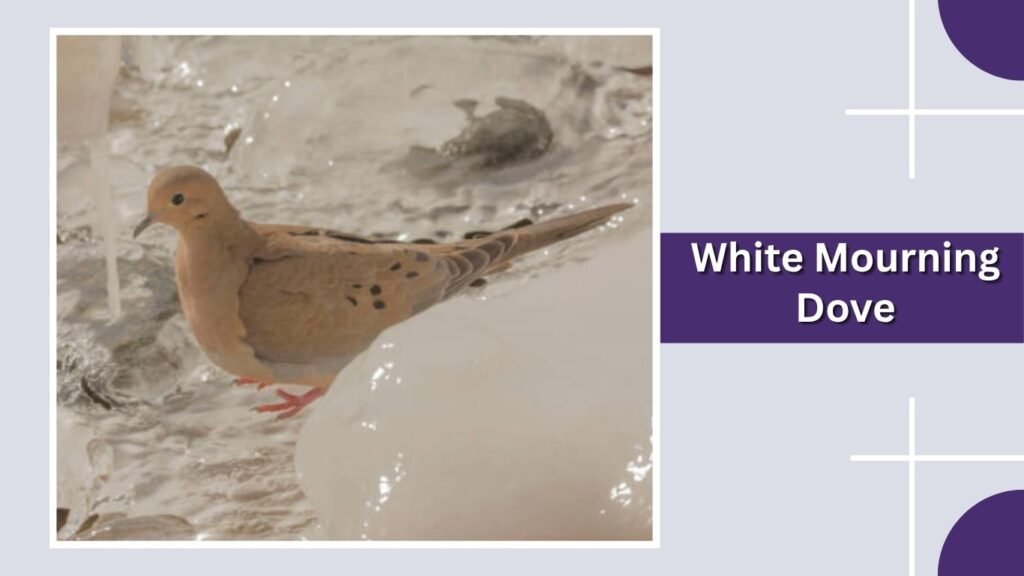
The White Mourning Dove is a rare color variation of the common Mourning Dove, known for its soft, peaceful appearance and gentle cooing call. Its pure white feathers make it stand out from the typical gray-brown form. Like other Mourning Doves, it is calm, graceful, and often seen in open areas.
Identification
- Medium-sized dove with a slender, streamlined body
- Pure white plumage with no visible markings
- Long, pointed tail with pale edges
- Small head with dark eyes
- Thin, pointed bill
- Smooth, fast flight
- Elegant posture when perched
Habitat
The White Mourning Dove prefers open and semi-open habitats such as grasslands, farmland, gardens, and suburban areas. It is often found near human settlements where food is available. Like the typical Mourning Dove, it avoids dense forests and favors areas with open ground for feeding.
Comparison
Compared to the White Ring-necked Dove, the White Mourning Dove has a longer, more pointed tail and a more streamlined body. It also lacks the neck ring seen in Ring-necked Doves. Its flight is faster and more direct, while the Ring-necked Dove appears more relaxed and slower.
Diet and Lifespan
The White Mourning Dove feeds mainly on seeds, grains, and small plant materials, usually foraging on the ground. It may occasionally eat small insects. This species is calm and often seen feeding alone or in pairs. Its average lifespan is around 2 to 5 years in the wild.
5. White Zebra Dove
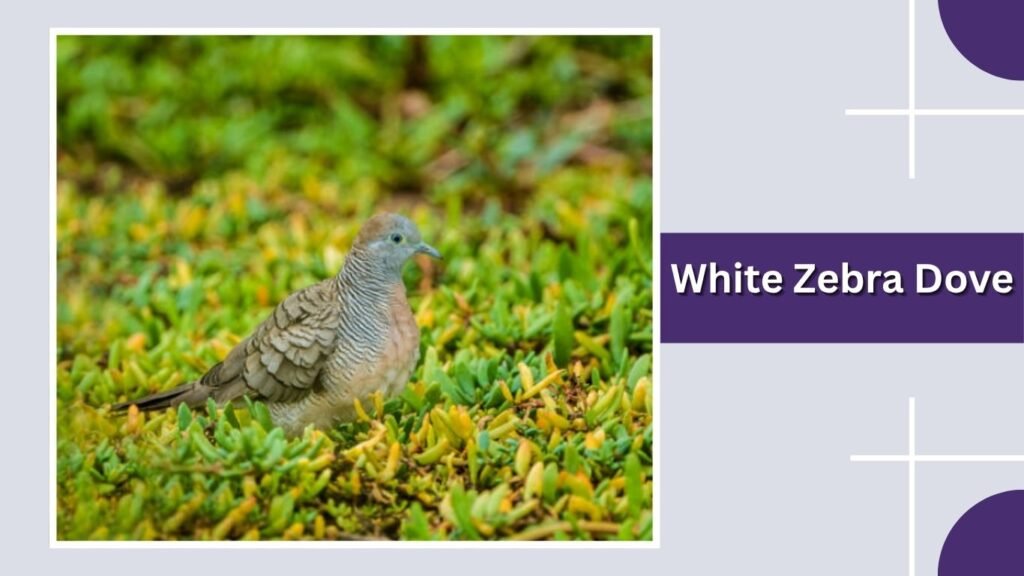
The White Zebra Dove is a rare and delicate color variation of the Zebra Dove, known for its soft white plumage and gentle nature. While the typical Zebra Dove has fine barring, this white form appears clean and bright. It is often kept as a pet and admired for its calm behavior and soft cooing.
Identification
- Small dove with a slim, graceful body
- Pure white plumage, lacking the usual barred pattern
- Long, narrow tail with pale edges
- Small head with dark or reddish eyes
- Slender, pointed bill
- Pinkish legs
- Quick, low flight close to the ground
Habitat
The White Zebra Dove is mostly found in captivity, aviaries, and around human settlements. When free-ranging, it prefers open areas such as gardens, parks, and farmland. Like the standard Zebra Dove, it favors warm climates and open ground for feeding.
Comparison
Compared to the White Mourning Dove, the White Zebra Dove is much smaller and more delicate. It has a shorter body and a quicker, lower flight pattern. It also lacks the long, pointed tail and larger size seen in the Mourning Dove.
Diet and Lifespan
The White Zebra Dove feeds mainly on small seeds and grains, usually foraging on the ground. It may occasionally consume tiny insects. This species is calm and often feeds quietly alone or in pairs. Its average lifespan is around 5 to 7 years, especially in protected environments.
6. White Fantail Dove
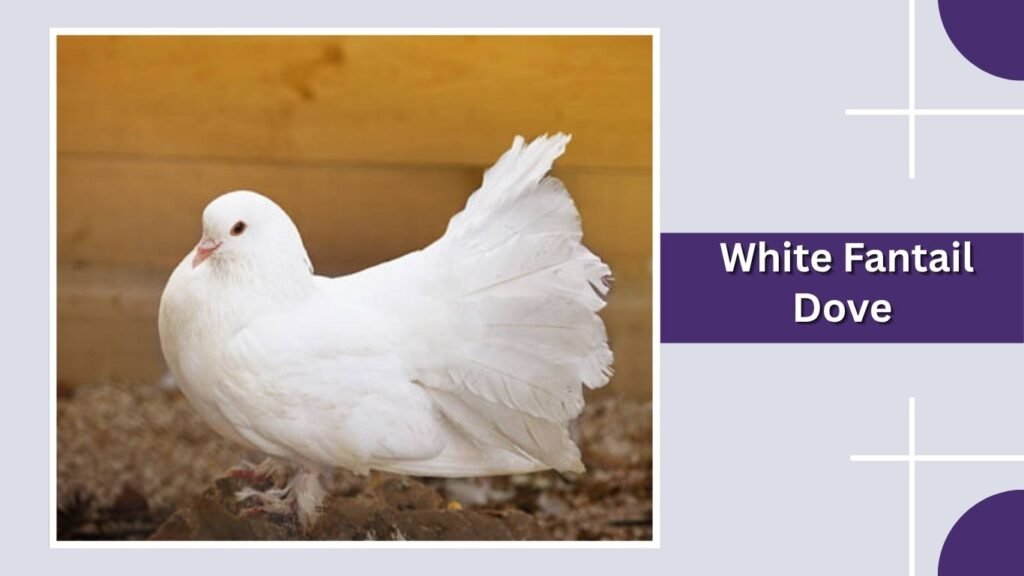
The White Fantail Dove is a beautiful ornamental breed known for its large, fan-shaped tail and elegant posture. It is commonly kept in aviaries and used in exhibitions due to its striking appearance. Its pure white plumage and graceful movements make it one of the most admired domestic doves.
Identification
- Medium-sized dove with a rounded body
- Pure white plumage with a smooth texture
- Large, fan-shaped tail held upright
- Small head with dark eyes
- Short, slender bill
- Pinkish legs
- Distinct upright posture with puffed chest
Habitat
The White Fantail Dove is primarily found in captivity, such as aviaries, gardens, and breeding facilities. It is not commonly seen in the wild due to its ornamental nature. It thrives in safe, controlled environments where it can move freely and display its unique tail.
Comparison
Compared to the White Zebra Dove, the White Fantail Dove is larger and has a very distinctive fan-shaped tail. It also has a more upright posture and is less suited for long flights, while the Zebra Dove is more agile and active in flight.
Diet and Lifespan
The White Fantail Dove feeds mainly on seeds, grains, and specially prepared bird feed. In captivity, it requires a balanced diet and proper care. With good conditions, its lifespan can range from 10 to 15 years.
7. White Barbary Dove
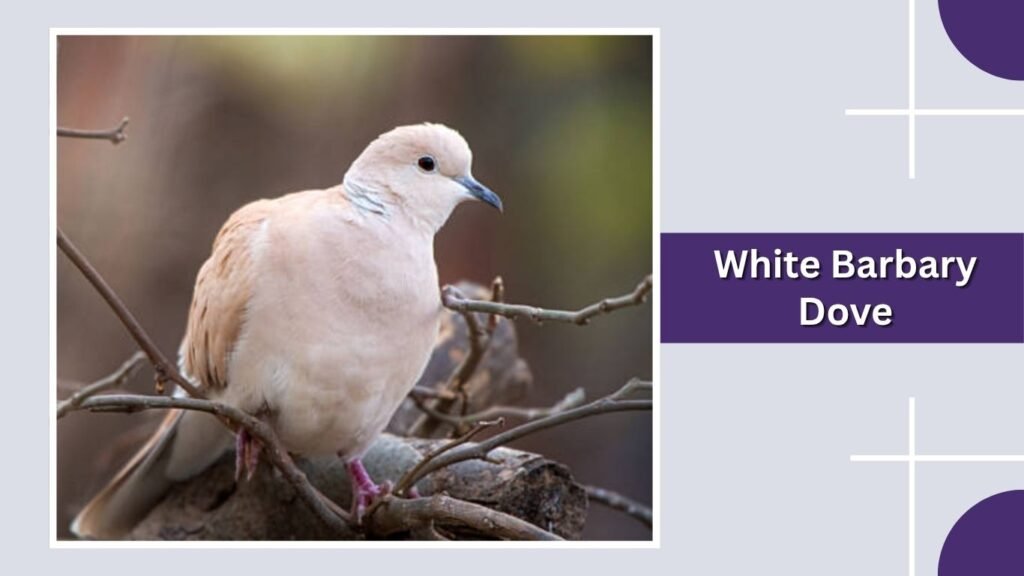
The White Barbary Dove is a domesticated form of the collared dove, widely known for its calm temperament and pure white appearance. It is commonly kept as a pet and used in ceremonial releases due to its symbolic meaning of peace. This bird is gentle, easy to care for, and closely associated with human environments.
Identification
- Medium-sized dove with a slender body
- Pure white plumage with a soft, smooth texture
- Thin black collar on the neck (may be faint or absent in some individuals)
- Long, slightly pointed tail
- Small head with dark or reddish eyes
- Light-colored bill
- Graceful, steady flight
Habitat
The White Barbary Dove is primarily found in captivity, aviaries, and around human settlements. When free-flying, it prefers open environments such as gardens, parks, and suburban areas. It is not typically found in wild, natural habitats and depends on human care for survival.
Comparison
Compared to the White Fantail Dove, the White Barbary Dove has a more natural body shape and lacks the large fan-shaped tail. It is also more active in flight, while the Fantail is more ornamental and less suited for extended flying.
Diet and Lifespan
The White Barbary Dove feeds mainly on seeds, grains, and small plant materials. In captivity, it is given a balanced diet with grains and supplements. With proper care, its lifespan can range from 10 to 15 years or more.
8. White King Pigeon
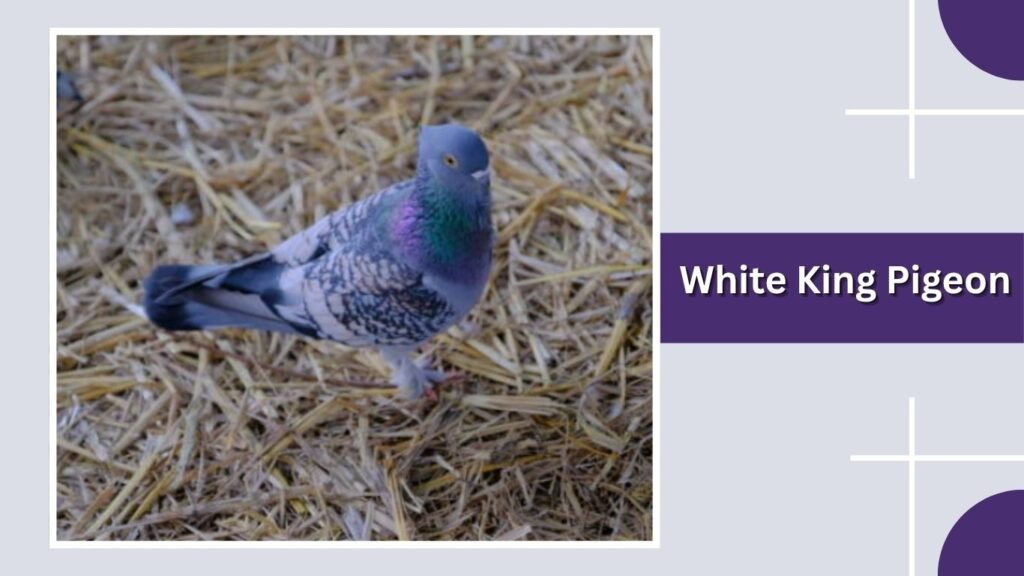
The White King Pigeon is a large, domesticated breed known for its strong build and pure white plumage. It is often raised for exhibition, meat production, or ceremonial releases. This bird has a calm temperament and a powerful body, making it stand out among other white doves.
Identification
- Large pigeon with a heavy, muscular body
- Pure white plumage with a smooth finish
- Broad chest and thick neck
- Short tail compared to body size
- Small head with dark or reddish eyes
- Strong, slightly curved bill
- Steady but less agile flight
Habitat
The White King Pigeon is primarily found in captivity, including farms, aviaries, and breeding facilities. It is rarely seen in the wild due to its domesticated nature. When allowed to roam, it prefers open areas such as yards, fields, and enclosures where it can move comfortably.
Comparison
Compared to the White Barbary Dove, the White King Pigeon is much larger and heavier. It has a more robust body and is less agile in flight. While the Barbary Dove is slender and delicate, the King Pigeon appears strong and bulky.
Diet and Lifespan
The White King Pigeon feeds mainly on grains, seeds, and specially prepared feed. In captivity, it requires a balanced diet to maintain its size and health. With proper care, its lifespan typically ranges from 10 to 15 years.
9. White Modena Dove
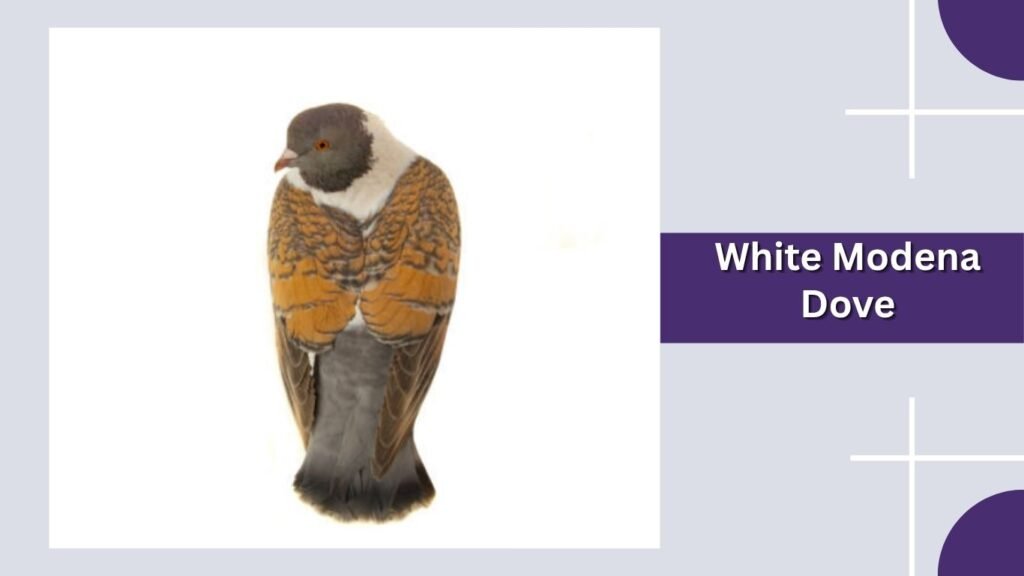
The White Modena Dove is a domesticated breed known for its rounded body and calm nature. Originally bred in Italy, it is popular in exhibitions and aviculture. Its clean white plumage and compact shape give it a neat and attractive appearance, making it a favorite among pigeon enthusiasts.
Identification
- Medium-sized dove with a rounded, compact body
- Pure white plumage with a smooth texture
- Broad chest and slightly short neck
- Short tail
- Small head with dark or reddish eyes
- Short, sturdy bill
- Upright posture
Habitat
The White Modena Dove is mainly found in captivity, such as aviaries, breeding lofts, and exhibitions. It is not suited for wild living and depends on human care. When allowed outside, it prefers enclosed spaces like yards or gardens.
Comparison
Compared to the White King Pigeon, the White Modena Dove is smaller and more compact. It has a rounder body and shorter tail, while the King Pigeon is larger and more muscular. The Modena is also more commonly bred for show rather than utility.
Diet and Lifespan
The White Modena Dove feeds on grains, seeds, and formulated pigeon feed. In captivity, it requires proper nutrition and care to stay healthy. Its average lifespan ranges from 7 to 12 years, depending on conditions.
10. White Tumbler Pigeon
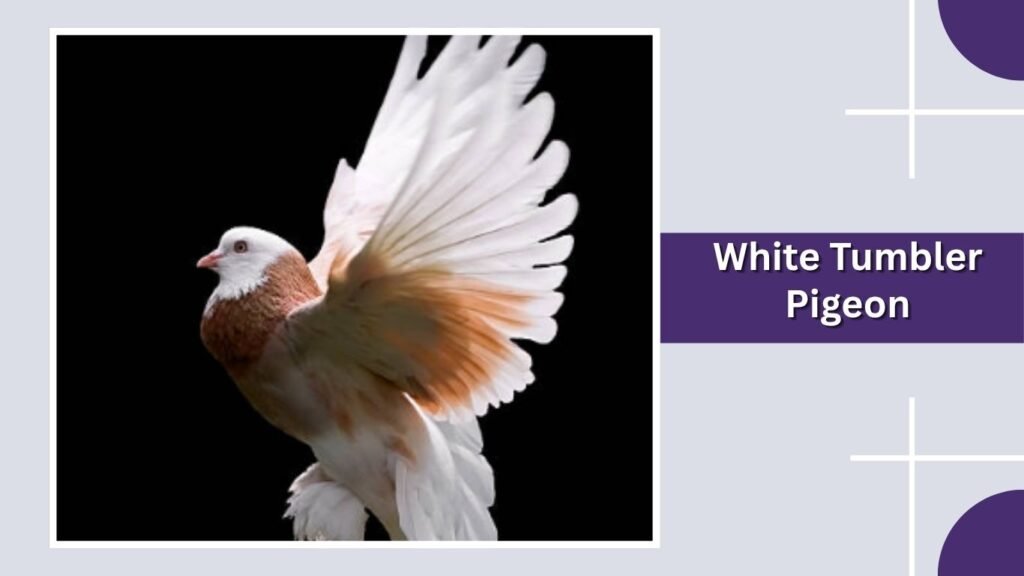
The White Tumbler Pigeon is a unique and active breed known for its ability to perform aerial flips or “tumbles” during flight. Its pure white color and energetic behavior make it popular among pigeon fanciers. This bird combines beauty with playful flying skills, making it especially interesting to watch.
Identification
- Medium-sized pigeon with a compact body
- Pure white plumage with a smooth appearance
- Small head with bright, alert eyes
- Short to medium-length tail
- Strong, well-shaped wings
- Slender, slightly curved bill
- Agile flight with tumbling movements
Habitat
The White Tumbler Pigeon is mainly found in captivity, including lofts, aviaries, and training environments. It is often raised by breeders who train it for performance flying. When released, it prefers open skies and safe areas where it can fly freely.
Comparison
Compared to the White Modena Dove, the White Tumbler Pigeon is more active and specialized for flight performance. While the Modena is bred mainly for appearance, the Tumbler is known for its aerial tricks and agility.
Diet and Lifespan
The White Tumbler Pigeon feeds mainly on grains, seeds, and pigeon feed. It requires a balanced diet to maintain energy for flying. With proper care, its lifespan typically ranges from 7 to 12 years.
11. White Jacobin Pigeon
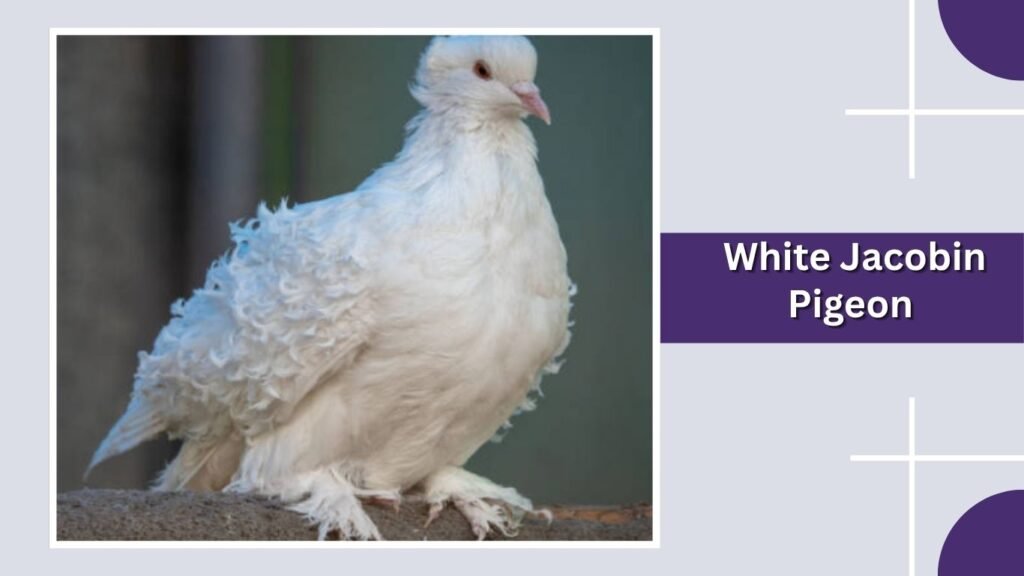
The White Jacobin Pigeon is a striking ornamental breed known for its unique hood of feathers that surrounds its head. Its elegant appearance and pure white plumage make it highly valued in exhibitions and aviculture. This bird is more appreciated for its beauty than for flight ability.
Identification
- Medium-sized pigeon with a rounded body
- Pure white plumage
- Distinctive “hood” of long feathers around the head and neck
- Small head often partially hidden by feathers
- Short tail
- Pinkish legs
- Upright and elegant posture
Habitat
The White Jacobin Pigeon is primarily found in captivity, such as aviaries, breeding lofts, and exhibitions. Due to its heavy feathering, it is not well suited for wild conditions. It thrives in safe, controlled environments where it can be protected and cared for properly.
Comparison
Compared to the White Tumbler Pigeon, the White Jacobin Pigeon is less active in flight and more focused on appearance. Its most distinctive feature is the feather hood, which the Tumbler lacks. It is bred mainly for display rather than performance.
Diet and Lifespan
The White Jacobin Pigeon feeds mainly on grains, seeds, and balanced pigeon feed. In captivity, it requires proper nutrition and regular care to maintain its feathers and health. Its average lifespan ranges from 7 to 12 years.
12. White Frillback Pigeon
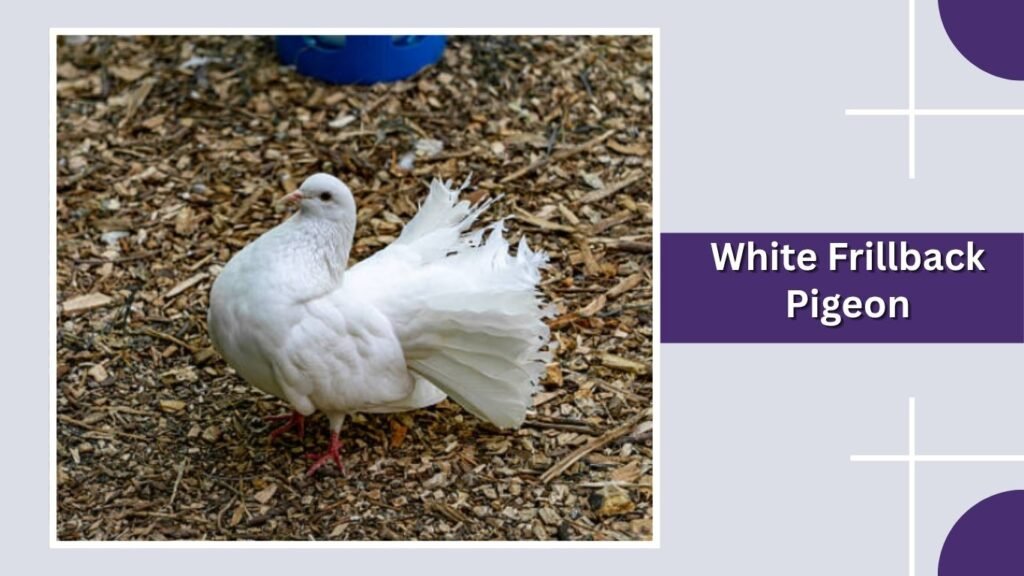
The White Frillback Pigeon is an ornamental breed admired for its unique curled feathers that give it a decorative and elegant look. Its pure white color combined with its distinctive feather texture makes it a popular choice in exhibitions and among bird enthusiasts.
Identification
- Medium-sized pigeon with a rounded body
- Pure white plumage with curled (frilled) feathers on wings and back
- Small head with dark or reddish eyes
- Short to medium-length tail
- Pinkish legs
- Slightly upright posture
- Less suited for strong flight
Habitat
The White Frillback Pigeon is primarily found in captivity, such as aviaries, breeding lofts, and exhibitions. Due to its specialized feather structure, it is not well adapted to survival in the wild. It thrives in protected environments where it can be cared for properly.
Comparison
Compared to the White Jacobin Pigeon, the White Frillback Pigeon lacks the hood around the head but stands out with its curled feathers. While both are ornamental, their feather styles are very different, making them easy to distinguish.
Diet and Lifespan
The White Frillback Pigeon feeds mainly on grains, seeds, and specially prepared pigeon feed. In captivity, it requires proper care and nutrition to maintain feather quality and health. Its average lifespan is around 7 to 12 years.
FAQs
What are white doves a symbol of?
White doves are widely recognized as symbols of peace, love, purity, and hope. They are often used in ceremonies such as weddings and religious events to represent harmony and new beginnings.
Are white doves a separate species?
No, most white doves are not separate species. They are usually color variations or domesticated forms of existing dove or pigeon species, such as the Rock Dove or Ring-necked Dove.
Can white doves survive in the wild?
Many white doves, especially domesticated breeds, struggle to survive in the wild due to lack of survival skills and visibility to predators. Some may survive if they are strong flyers, but most depend on human care.
What do white doves eat?
White doves primarily eat seeds, grains, and small plant materials. In captivity, they are often given a balanced diet that includes grains, pellets, and occasional supplements for proper health.
How long do white doves live?
White doves typically live between 7 to 15 years, especially in captivity where they receive proper care and protection. In the wild, their lifespan may be shorter due to predators and environmental challenges.