
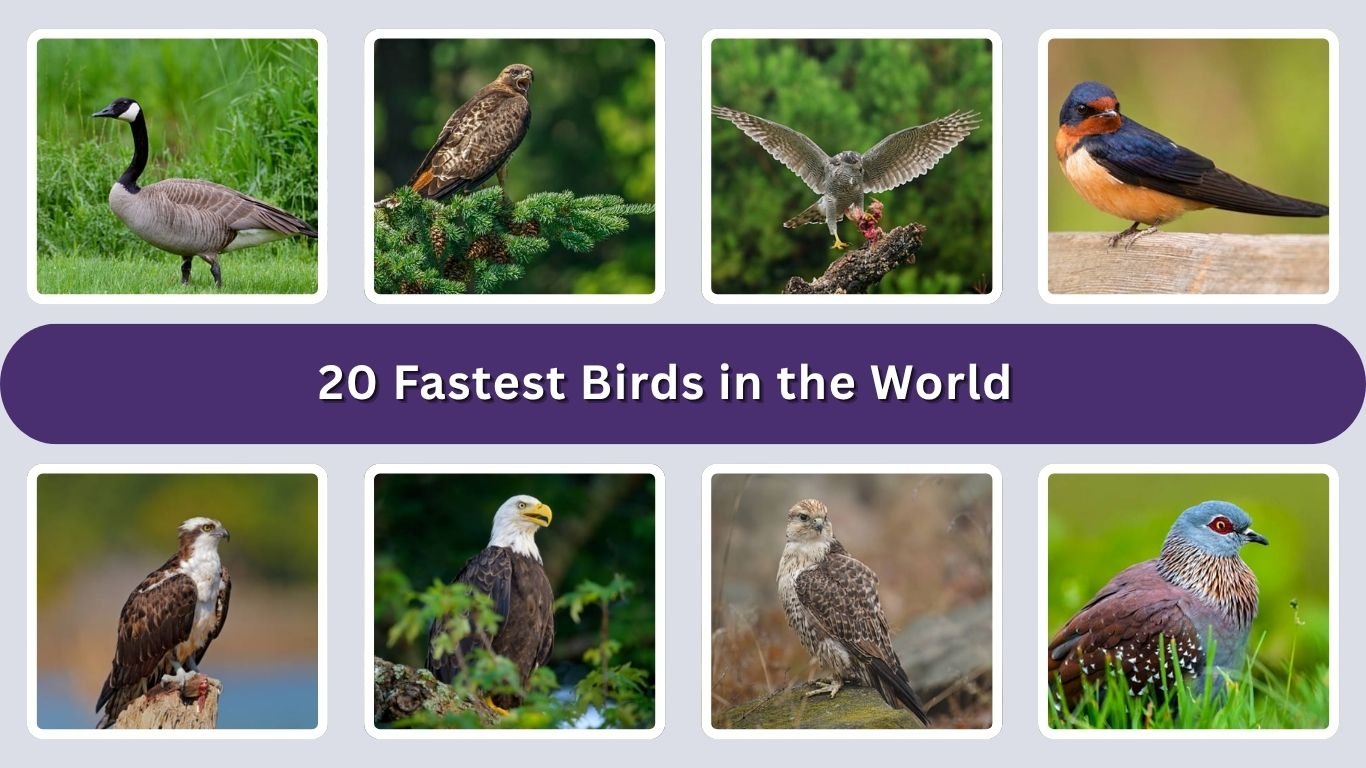
Speed in the bird world is truly fascinating, with some species capable of reaching incredible velocities both in the air and during hunting dives. These fast-flying birds have evolved streamlined bodies, powerful wings, and sharp instincts to survive and hunt efficiently. From the record-breaking peregrine falcon to agile swifts and strong eagles, each bird on this list showcases unique adaptations for speed. In this guide, you’ll explore 20 of the fastest birds in the world along with their size, diet, habitat, and remarkable flight performance.
1. Peregrine Falcon
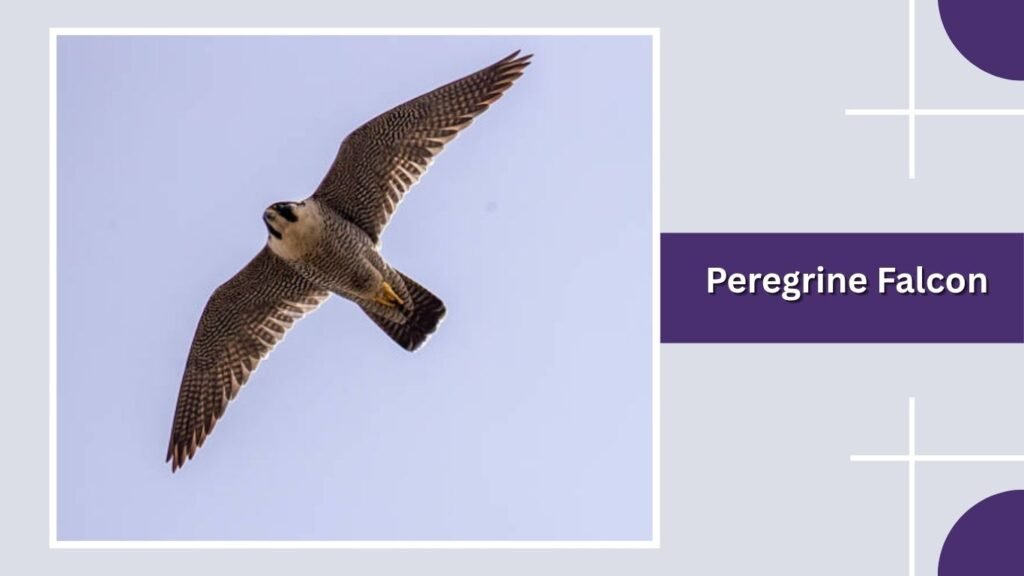
The peregrine falcon is widely recognized as the fastest bird in the world, famous for its incredible speed during hunting dives. Found on every continent except Antarctica, this bird of prey is highly adaptable and thrives in both wild and urban environments.
Identification
- Medium-sized bird of prey with long, pointed wings
- Dark bluish-gray back with a lighter underside
- Black markings on the head, often called a “mustache”
- Sharp, hooked beak and strong talons
- Keen eyesight for spotting prey from great distances
Speed
The peregrine falcon can reach astonishing speeds of over 320 km/h (200 mph) during its hunting dive, known as a stoop. This makes it not only the fastest bird but also the fastest animal on Earth when in motion.
Diet & Size
Peregrine falcons mainly feed on other birds, such as pigeons, doves, and smaller songbirds. They hunt by striking prey mid-air at high speed. In terms of size, they typically measure about 14 to 19 inches (34 to 50 cm) in length and weigh between 0.7 to 1.5 kilograms (1.5 to 3.3 pounds).
Habitat
These falcons are highly adaptable and can be found in a wide range of habitats, including cliffs, mountains, coastal regions, and even cities. In urban areas, they often nest on tall buildings, using them as substitutes for natural cliffs while hunting abundant city birds.
2. Golden Eagle
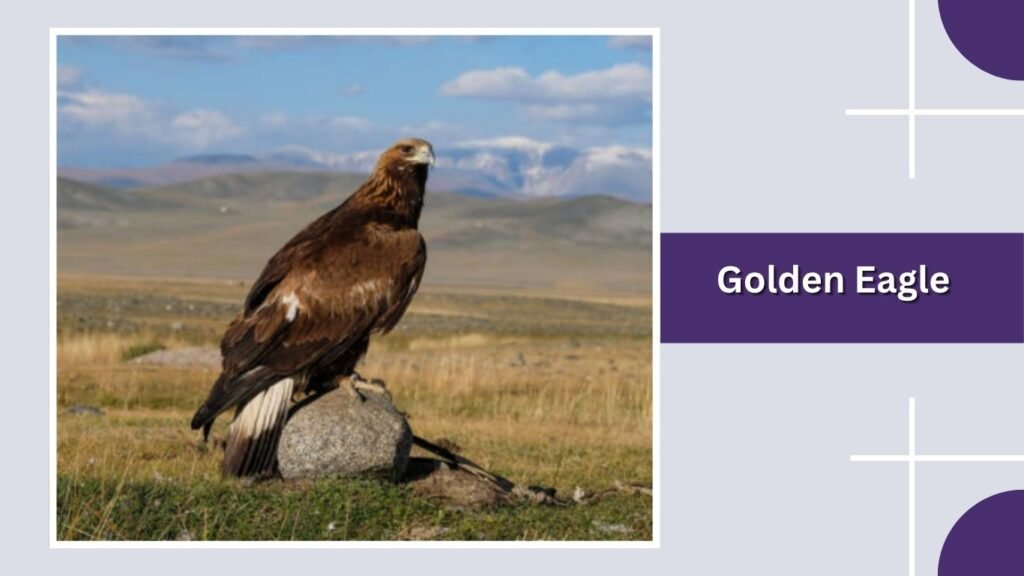
The golden eagle is one of the most powerful and fastest birds of prey, known for its strength, sharp vision, and impressive hunting skills. It is widely found across the Northern Hemisphere and is admired for its majestic appearance and soaring flight.
Identification
- Large bird with broad wings and a long tail
- Dark brown body with golden feathers on the neck
- Strong, hooked beak and powerful talons
- Keen eyesight for spotting prey from far distances
- Wingspan can appear massive in flight
Speed
Golden eagles can reach speeds of up to 240 to 320 km/h (150 to 200 mph) when diving to catch prey. Their speed combined with strength makes them highly effective hunters in open landscapes.
Diet & Size
Golden eagles are carnivores and mainly hunt mammals such as rabbits, hares, and ground squirrels. They may also prey on birds and reptiles. In size, they typically measure about 26 to 40 inches (66 to 102 cm) long, with a wingspan of up to 7.5 feet (2.3 meters), and weigh between 3 to 6.5 kilograms (6.6 to 14 pounds).
Habitat
They are commonly found in mountains, cliffs, grasslands, and open plains. Golden eagles prefer wide, open spaces where they can soar and hunt efficiently, often nesting on high cliffs or tall trees.
3. White-throated Needletail
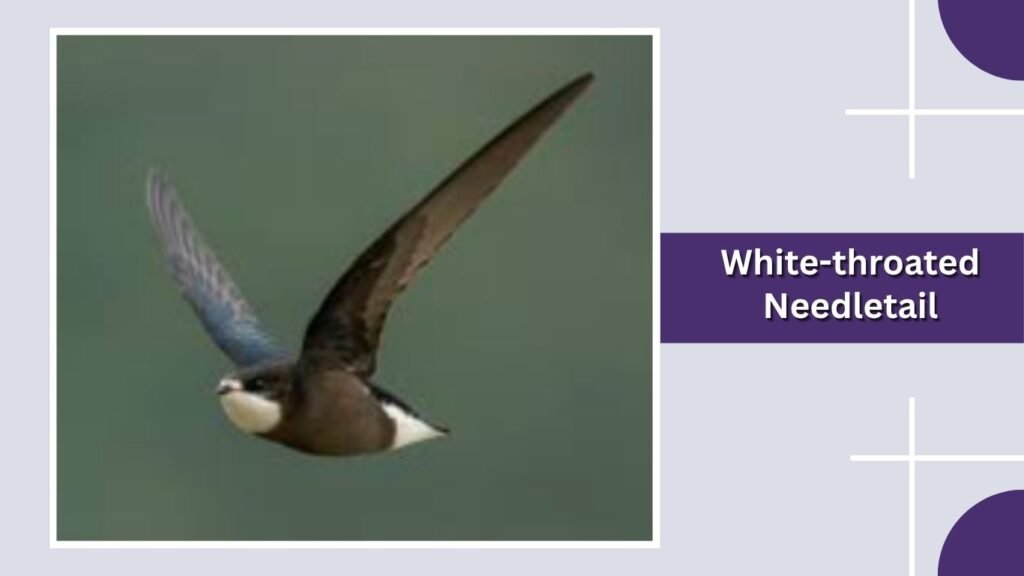
The white-throated needletail is considered one of the fastest birds in level flight. This swift species is known for its incredible speed, endurance, and agile flying ability, spending most of its life in the air.
Identification
- Medium-sized bird with a streamlined body
- Dark brown plumage with a distinct white throat
- Long, pointed wings designed for fast flight
- Short tail with stiff, spine-like feathers
- Small beak adapted for catching insects
Speed
The white-throated needletail can reach speeds of up to 170 km/h (105 mph) in level flight, making it one of the fastest birds without diving.
Diet & Size
This bird mainly feeds on flying insects such as beetles, flies, and ants. It catches prey mid-air while flying. It typically measures about 7 to 8 inches (18 to 20 cm) in length and weighs around 100 to 150 grams (3.5 to 5.3 ounces).
Habitat
White-throated needletails are found in forests, open woodlands, and mountainous regions across Asia and parts of Australia. They prefer areas with open skies where they can fly freely and hunt insects efficiently.
4. Eurasian Hobby
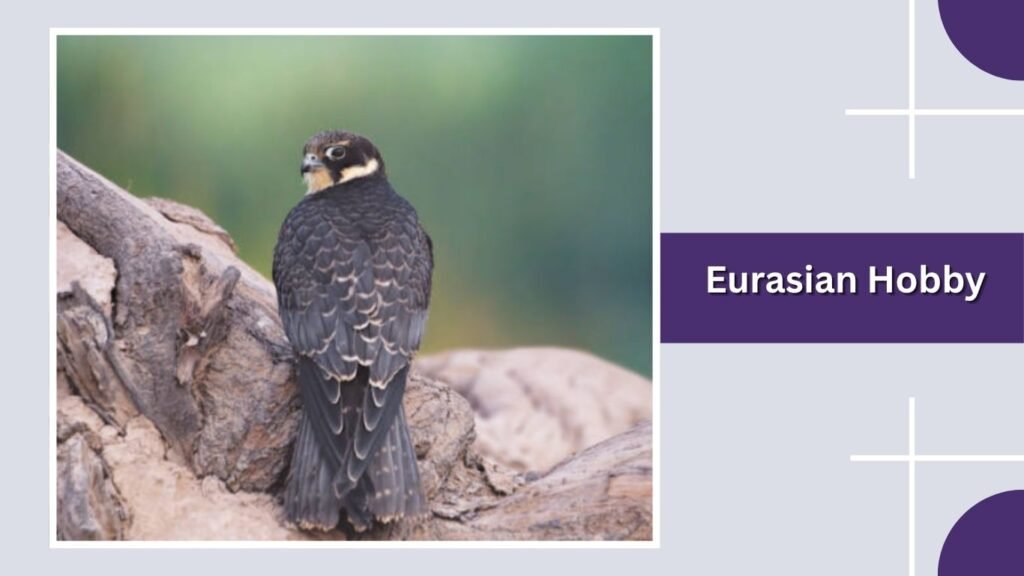
The Eurasian hobby is a small but extremely fast falcon known for its agility and speed in the air. It is a skilled hunter that catches prey mid-flight and is commonly found across Europe, Asia, and parts of Africa.
Identification
- Slim bird with long, pointed wings
- Dark gray upper body with lighter underside
- Distinct dark “mustache” markings on the face
- Reddish-brown feathers on the thighs
- Sharp beak and strong talons
Speed
The Eurasian hobby can reach speeds of up to 160 km/h (99 mph) during flight, especially when chasing prey. Its speed and agility make it highly effective in aerial hunting.
Diet & Size
This bird mainly feeds on insects such as dragonflies and beetles, as well as small birds. It catches prey in mid-air with precision. It usually measures about 11 to 14 inches (29 to 36 cm) in length and weighs around 130 to 340 grams (4.6 to 12 ounces).
Habitat
Eurasian hobbies are found in open woodlands, farmland, and near wetlands. They prefer areas with scattered trees and open skies, which allow them to hunt easily while flying at high speeds.
5. Gyrfalcon
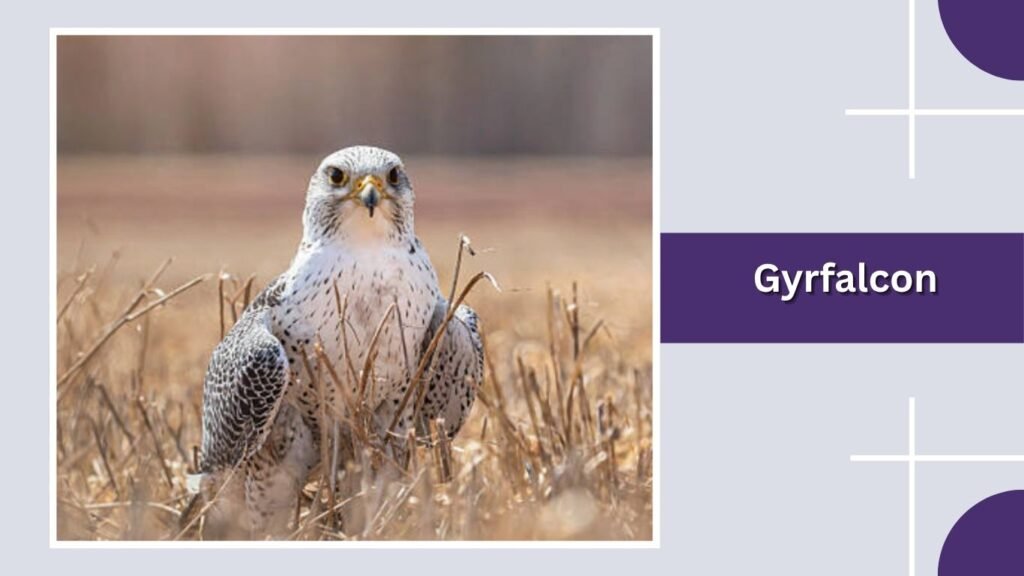
The gyrfalcon is the largest species of falcon and one of the fastest birds in the world. Native to Arctic regions, it is a powerful predator known for its strength and endurance in harsh environments.
Identification
- Large, robust falcon with broad wings
- Plumage varies from white to gray or dark brown
- Strong beak and powerful talons
- Thick feathers for cold climates
- Heavy body compared to other falcons
Speed
Gyrfalcons can reach speeds of up to 209 km/h (130 mph) during hunting dives. Their speed and strength make them formidable hunters in their environment.
Diet & Size
They mainly prey on birds such as ptarmigans and waterfowl, but may also eat small mammals. Gyrfalcons typically measure about 19 to 25 inches (48 to 63 cm) in length and weigh between 0.8 to 2.1 kilograms (1.8 to 4.6 pounds).
Habitat
Gyrfalcons live in Arctic tundra and coastal regions across the Northern Hemisphere. They prefer remote, cold environments with open landscapes, often nesting on cliffs where they have a wide view of their surroundings.
6. Grey-headed Albatross
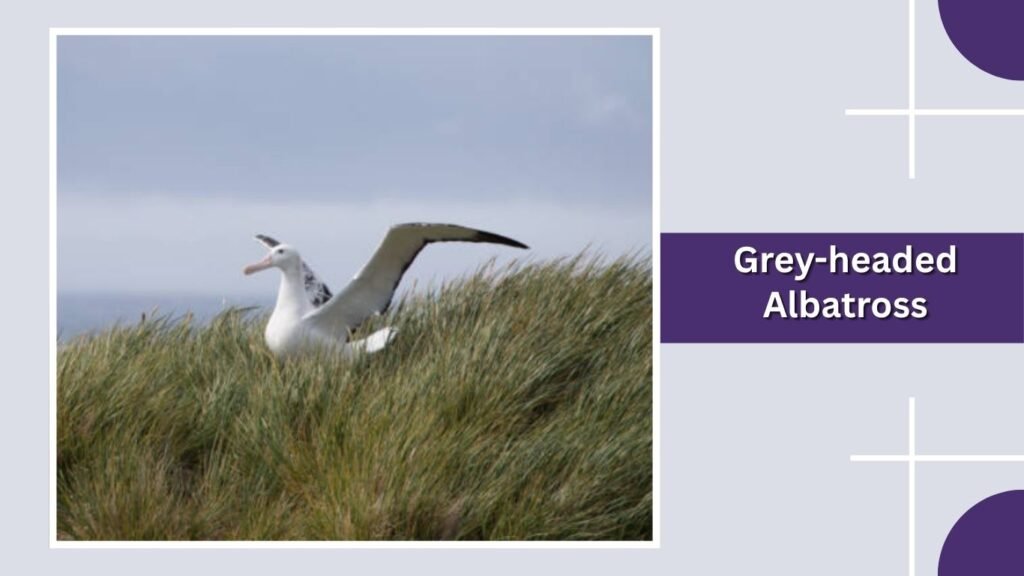
The grey-headed albatross is a large seabird known for its incredible long-distance flying ability and high speeds over the ocean. It spends most of its life gliding above open waters, rarely coming to land except for breeding.
Identification
- Large seabird with long, narrow wings
- Grey head with a white body
- Black upper wings and tail
- Strong, hooked beak
- Long wings adapted for gliding
Speed
The grey-headed albatross can reach speeds of up to 127 km/h (79 mph) while gliding over the ocean. It uses wind currents efficiently to maintain high speeds with minimal effort.
Diet & Size
This bird mainly feeds on squid, fish, and crustaceans. It catches prey from the ocean surface or by shallow diving. It typically measures about 31 to 37 inches (80 to 95 cm) in length and has a wingspan of up to 7 feet (2.1 meters), weighing around 2.5 to 4 kilograms (5.5 to 8.8 pounds).
Habitat
Grey-headed albatrosses are found in the Southern Ocean, especially around sub-Antarctic islands. They prefer open ocean environments and come to remote islands only for nesting and breeding.
7. Frigatebird
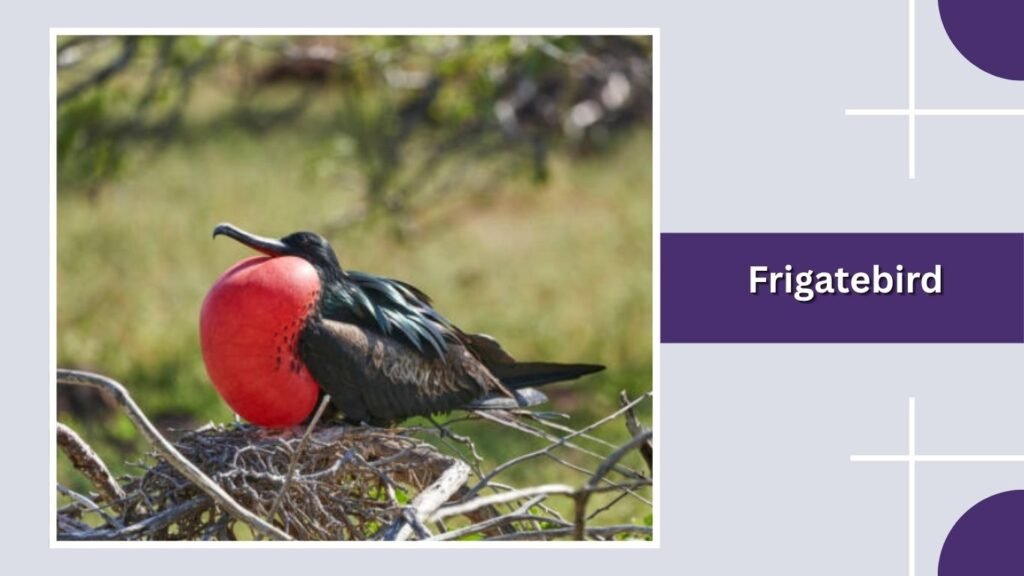
The frigatebird is a unique seabird known for its lightweight body and exceptional flying ability. It is famous for soaring high in the sky and staying airborne for long periods without landing.
Identification
- Large bird with long, pointed wings
- Deeply forked tail
- Black feathers, males have a red throat pouch
- Long, hooked beak
- Very lightweight body structure
Speed
Frigatebirds can reach speeds of up to 153 km/h (95 mph) in flight. They are highly efficient fliers and can glide for hours using air currents without flapping their wings much.
Diet & Size
Frigatebirds mainly feed on fish and squid, often catching prey from the ocean surface. They are also known to steal food from other birds. They measure about 28 to 45 inches (71 to 114 cm) in length, with a wingspan of up to 7.5 feet (2.3 meters), and weigh around 1 to 1.8 kilograms (2.2 to 4 pounds).
Habitat
Frigatebirds are found in tropical and subtropical oceans around the world. They prefer coastal regions and islands, where they nest in colonies, but spend most of their time flying over open seas.
8. Spur-winged Goose
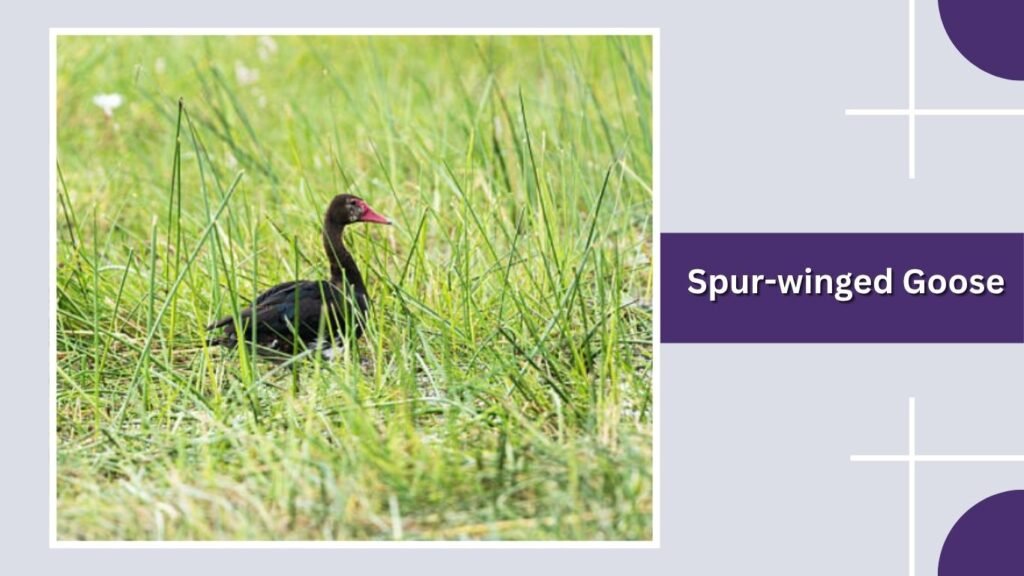
The spur-winged goose is the largest species of goose and is known for its strong flight and surprising speed. Native to Africa, it is a powerful bird often found near water bodies.
Identification
- Large, heavy-bodied goose with long wings
- Mostly dark plumage with white patches on wings
- Distinct red facial skin and long legs
- Strong beak and sharp wing spurs
- Broad wings suited for powerful flight
Speed
Spur-winged geese can reach speeds of up to 142 km/h (88 mph) in flight, making them one of the fastest waterfowl species.
Diet & Size
They are mainly herbivores, feeding on grasses, seeds, and aquatic plants. Occasionally, they may eat small insects. These geese typically measure about 30 to 45 inches (76 to 115 cm) in length and can weigh between 4 to 6.8 kilograms (8.8 to 15 pounds).
Habitat
Spur-winged geese are commonly found near rivers, lakes, wetlands, and grasslands across sub-Saharan Africa. They prefer areas with access to water and open land for feeding.
9. Red-breasted Merganser
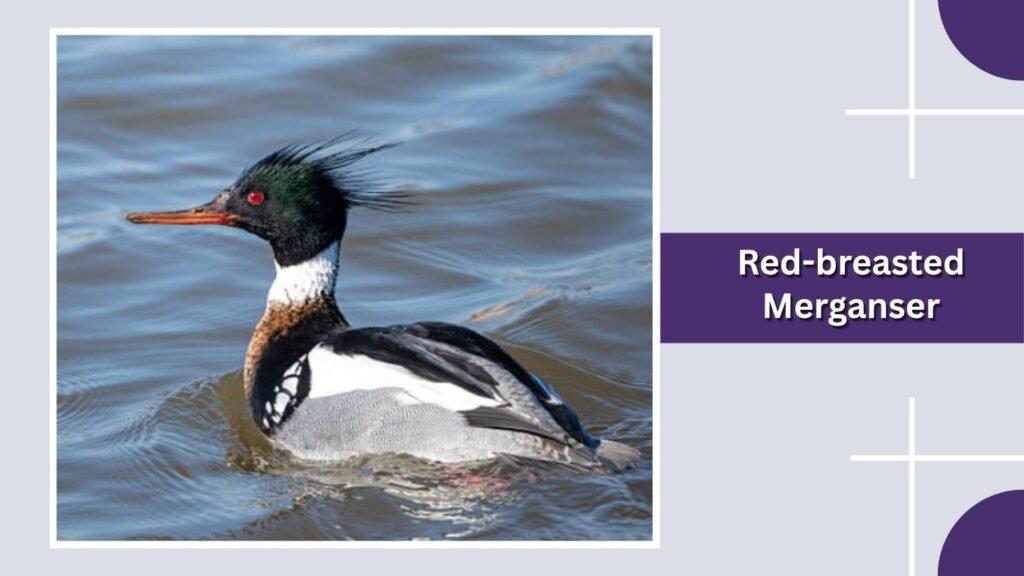
The red-breasted merganser is a fast-flying duck known for its slender body and excellent diving ability. It is commonly found in coastal and freshwater environments.
Identification
- Medium-sized duck with a long, thin body
- Spiky crest on the head
- Narrow, serrated beak
- Males have a reddish chest and dark green head
- Streamlined shape for diving and flight
Speed
Red-breasted mergansers can reach speeds of up to 130 km/h (81 mph) in flight. Their streamlined bodies help them move quickly through both air and water.
Diet & Size
They mainly feed on fish, which they catch by diving underwater. They may also eat crustaceans and aquatic insects. These birds typically measure about 20 to 26 inches (51 to 66 cm) in length and weigh around 0.8 to 1.4 kilograms (1.8 to 3.1 pounds).
Habitat
Red-breasted mergansers are found in coastal waters, lakes, and rivers across North America, Europe, and Asia. They prefer aquatic environments where fish are abundant and suitable nesting areas are nearby.
10. Common Swift
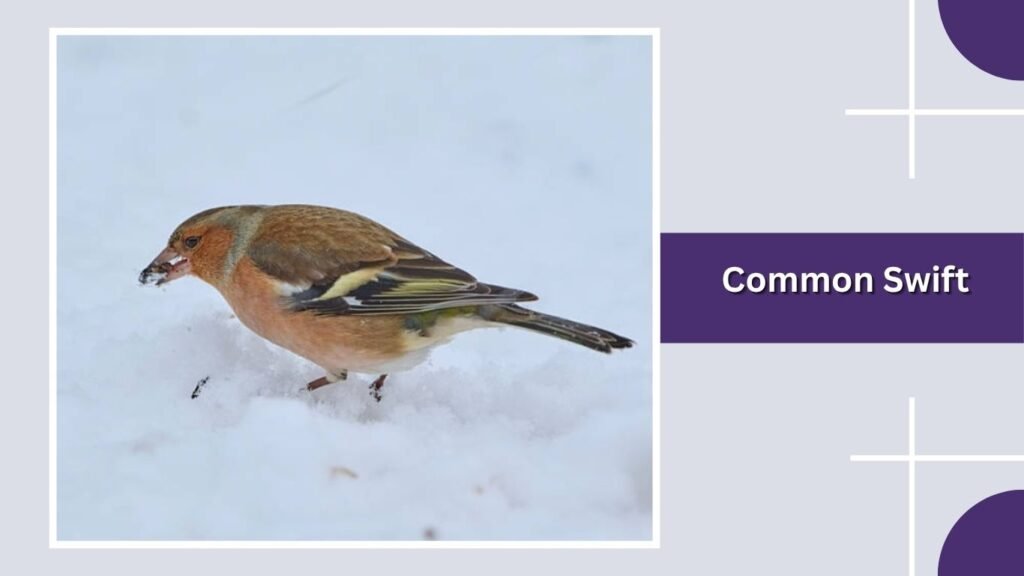
The common swift is one of the fastest birds in level flight and spends most of its life in the air. It rarely lands except for breeding, making it one of the most aerial birds in the world.
Identification
- Medium-sized bird with long, curved wings
- Dark brown to black plumage
- Short forked tail
- Small beak with a wide mouth
- Streamlined body for fast flight
Speed
Common swifts can reach speeds of up to 111 km/h (69 mph) in level flight. Their speed and endurance allow them to travel long distances without landing.
Diet & Size
They mainly feed on flying insects such as flies, mosquitoes, and beetles. Swifts catch their prey while flying. They typically measure about 6 to 7 inches (16 to 17 cm) in length and weigh around 30 to 50 grams (1 to 1.8 ounces).
Habitat
Common swifts are found across Europe, Asia, and Africa. They prefer open skies and are often seen flying over cities, towns, and countryside. They nest in buildings, cliffs, and tree cavities.
11. Anna’s Hummingbird
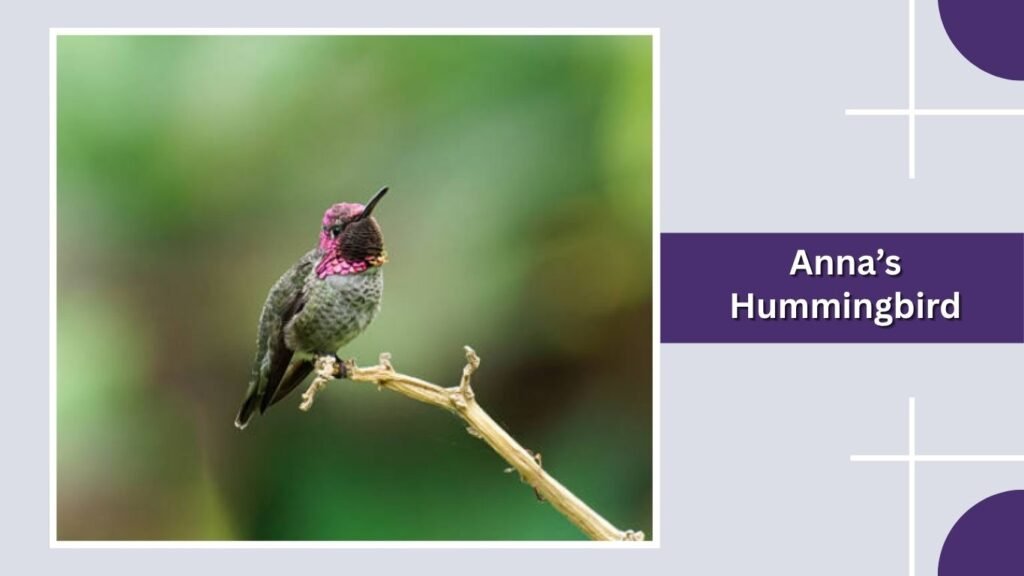
Anna’s hummingbird is a small but incredibly fast bird, known for its rapid wing beats and agile flight. It is one of the few hummingbirds that can hover and fly in all directions with ease.
Identification
- Very small bird with a compact body
- Males have a bright pinkish-red head and throat
- Green body with short wings
- Long, slender beak
- Rapid wing movement
Speed
Anna’s hummingbird can reach speeds of up to 98 km/h (61 mph) during courtship dives. Its wing beats can exceed 50 times per second, allowing for precise and fast movement.
Diet & Size
They mainly feed on nectar from flowers, along with small insects and spiders for protein. These birds are tiny, measuring about 3.9 to 4.3 inches (10 to 11 cm) in length and weighing only 3 to 6 grams (0.1 to 0.2 ounces).
Habitat
Anna’s hummingbirds are found along the western coast of North America. They live in gardens, forests, and urban areas where flowering plants are abundant, providing a steady food source.
12. Barn Swallow
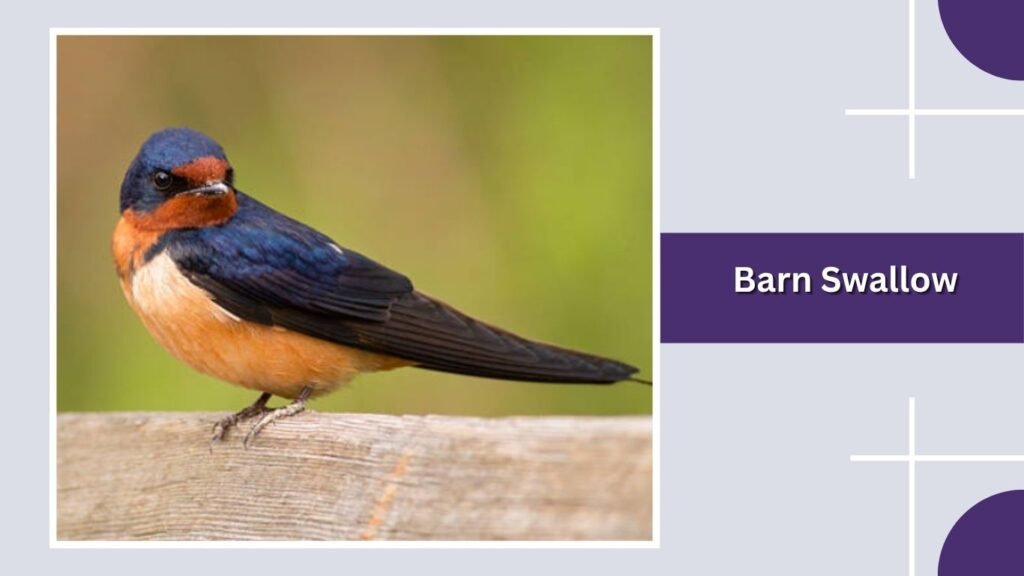
The barn swallow is a graceful and fast-flying bird known for its agility and long migrations. It is one of the most widespread bird species and is often seen flying low over fields and water.
Identification
- Small bird with long, pointed wings
- Deeply forked tail
- Blue upperparts with a reddish throat
- Pale underside
- Slim, streamlined body
Speed
Barn swallows can reach speeds of up to 74 km/h (46 mph) in flight. Their speed and agility help them catch insects mid-air with precision.
Diet & Size
They mainly feed on flying insects such as flies, beetles, and mosquitoes. Barn swallows catch their prey while flying. They typically measure about 6 to 8 inches (15 to 20 cm) in length and weigh around 16 to 22 grams (0.6 to 0.8 ounces).
Habitat
Barn swallows are found across the world, including Europe, Asia, Africa, and the Americas. They prefer open areas like farmlands, fields, and near water bodies, often nesting in barns, bridges, and buildings.
13. Rock Dove (Pigeon)
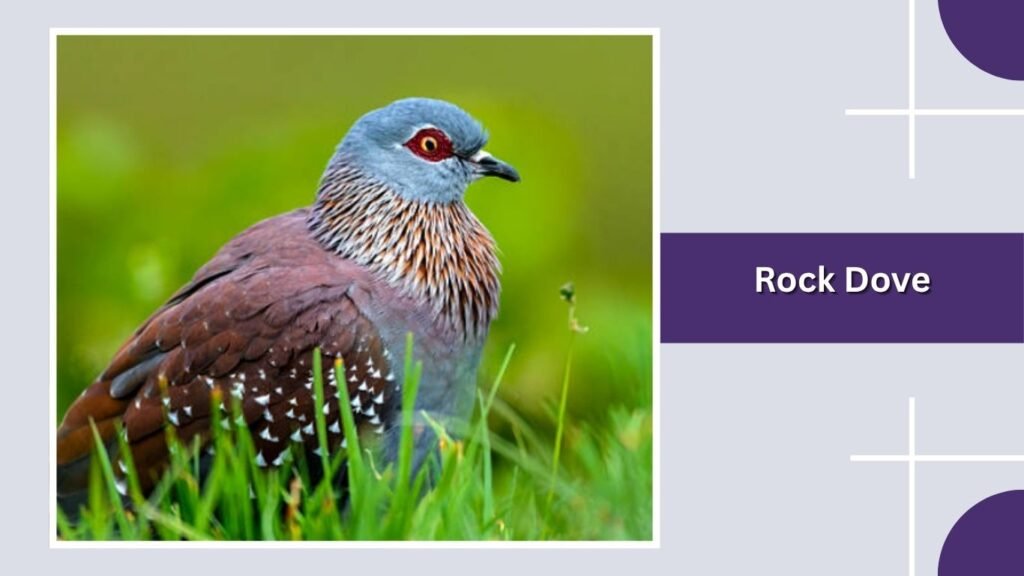
The rock dove, commonly known as the pigeon, is a highly adaptable bird found in cities worldwide. It is known for its strong flight and ability to navigate long distances.
Identification
- Medium-sized bird with a compact body
- Gray plumage with iridescent neck feathers
- Two dark bars on the wings
- Short neck and small head
- Strong wings for sustained flight
Speed
Rock doves can fly at speeds of up to 97 km/h (60 mph). They are capable of long-distance travel and are often used in racing and message delivery.
Diet & Size
They mainly feed on seeds, grains, and food scraps. In urban areas, they adapt to a wide variety of food sources. These birds measure about 11 to 13 inches (28 to 33 cm) in length and weigh around 240 to 380 grams (8.5 to 13.5 ounces).
Habitat
Rock doves are found almost everywhere in the world, especially in cities, towns, and coastal cliffs. They prefer ledges and structures that mimic natural cliffs for nesting.
14. Mallard Duck
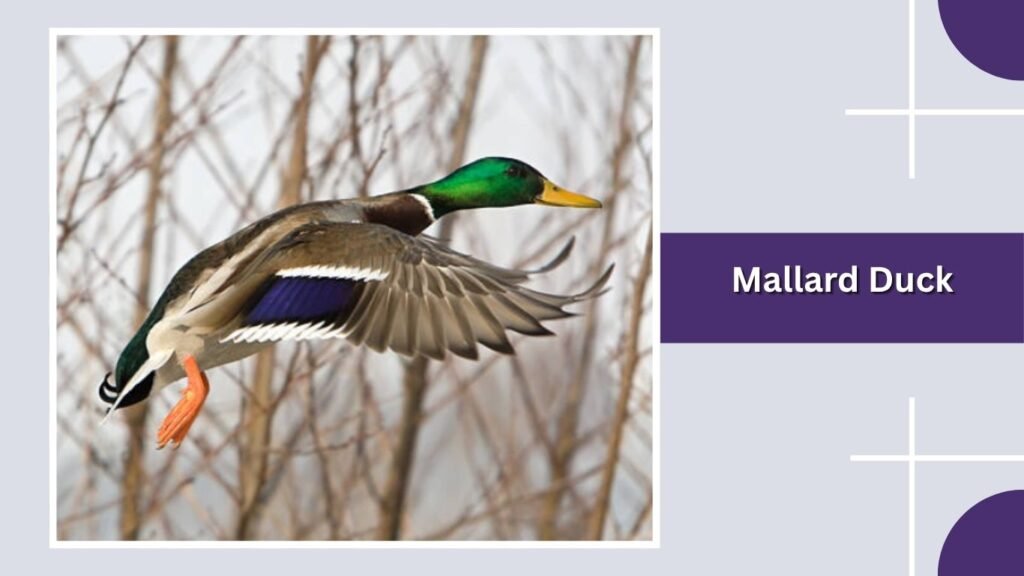
The mallard duck is one of the most common and recognizable duck species in the world. Known for its strong flight and adaptability, it is found in a wide range of environments and is a capable long-distance flyer.
Identification
- Medium-sized duck with a rounded body
- Males have a glossy green head and yellow bill
- Females are mottled brown with an orange bill
- Both have a blue patch (speculum) on the wings
- Broad wings and webbed feet
Speed
Mallard ducks can reach speeds of up to 88 km/h (55 mph) in flight. Their strong wings allow them to migrate long distances efficiently.
Diet & Size
Mallards are omnivores, feeding on aquatic plants, seeds, insects, and small fish. They usually measure about 20 to 26 inches (50 to 65 cm) in length and weigh between 0.7 to 1.6 kilograms (1.5 to 3.5 pounds).
Habitat
Mallards are found across North America, Europe, Asia, and parts of Africa. They prefer wetlands, lakes, rivers, and ponds, but are also common in urban parks and waterways.
15. Northern Goshawk
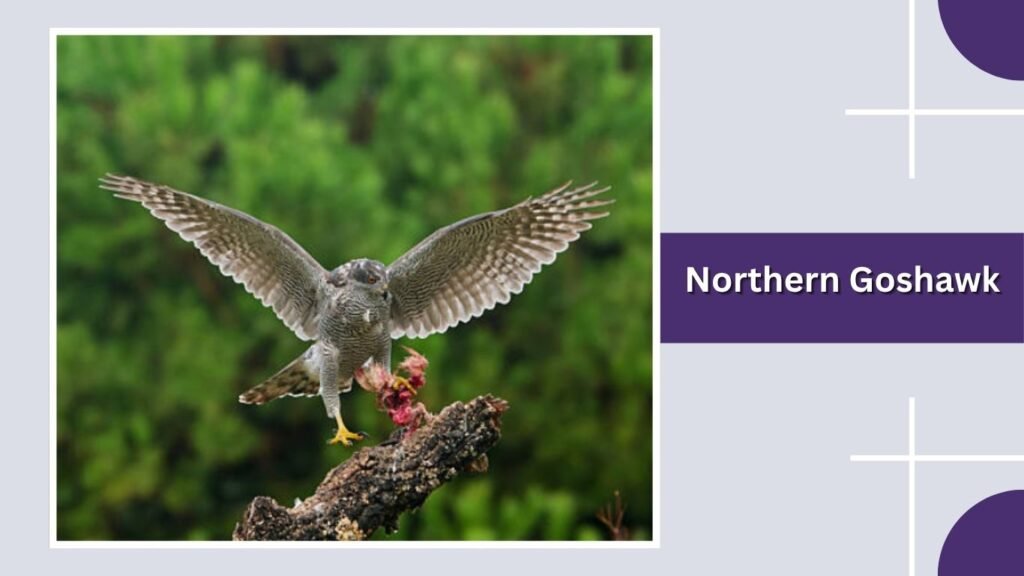
The northern goshawk is a powerful bird of prey known for its speed and agility in forested environments. It is an expert hunter that can maneuver quickly through dense trees.
Identification
- Medium to large hawk with broad wings
- Gray upperparts and lighter underparts
- Distinct white stripe above the eye
- Long tail for steering in flight
- Strong talons and sharp beak
Speed
Northern goshawks can reach speeds of up to 80 km/h (50 mph) during flight, especially when chasing prey through forests.
Diet & Size
They are carnivores, feeding on birds, small mammals, and reptiles. Northern goshawks typically measure about 18 to 25 inches (46 to 64 cm) in length and weigh between 0.6 to 1.4 kilograms (1.3 to 3.1 pounds).
Habitat
Northern goshawks are found in forests across North America, Europe, and Asia. They prefer dense woodlands where they can hunt efficiently and build nests high in trees.
16. Saker Falcon
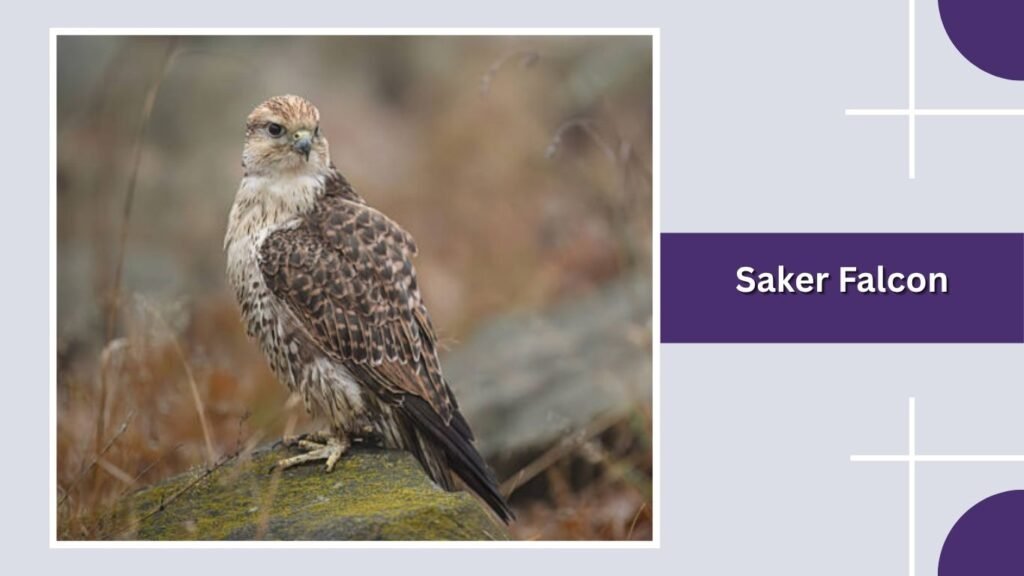
The saker falcon is a large and powerful bird of prey known for its speed and endurance. It is widely used in falconry and is found across parts of Europe and Asia, especially in open landscapes.
Identification
- Large falcon with broad wings
- Brownish plumage with streaked patterns
- Strong hooked beak
- Sharp talons for hunting
- Long tail and powerful body
Speed
Saker falcons can reach speeds of up to 150 km/h (93 mph) during flight, especially when chasing prey across open terrain.
Diet & Size
They mainly feed on small mammals like rodents, as well as birds. Saker falcons typically measure about 18 to 23 inches (45 to 57 cm) in length and weigh between 0.7 to 1.3 kilograms (1.5 to 2.9 pounds).
Habitat
Saker falcons are found in grasslands, steppes, and open plains across Eastern Europe and Central Asia. They prefer wide, open areas where they can hunt efficiently.
17. Bald Eagle
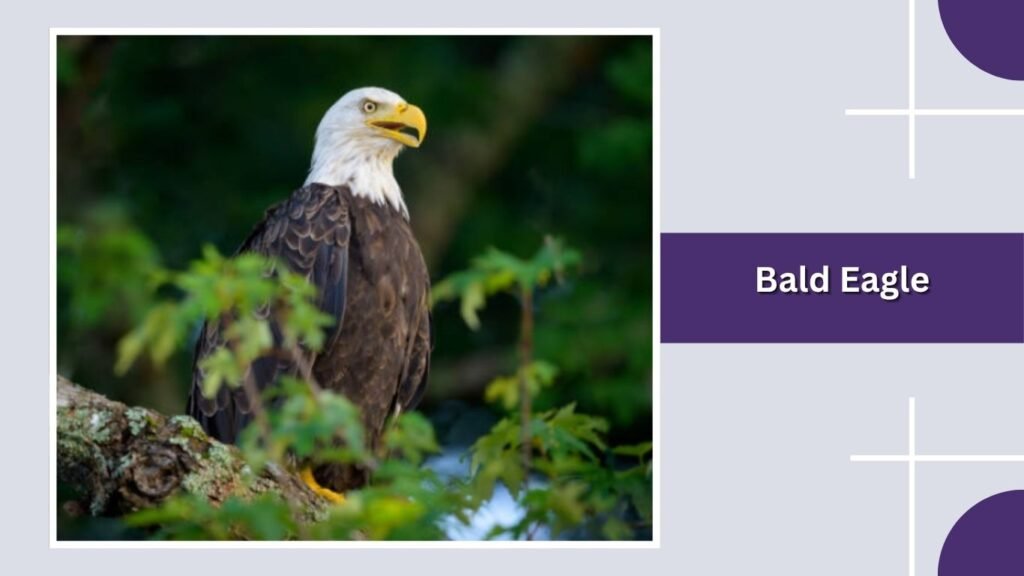
The bald eagle is a large bird of prey and a symbol of strength and freedom. It is known for its powerful flight and impressive wingspan, commonly found across North America.
Identification
- Large bird with broad wings
- White head and tail with a dark brown body
- Strong yellow beak and talons
- Sharp eyesight for spotting prey
- Massive wingspan
Speed
Bald eagles can reach speeds of up to 120 to 160 km/h (75 to 100 mph) during dives. Their strong wings allow them to soar and glide efficiently.
Diet & Size
They mainly feed on fish but also eat birds and small mammals. Bald eagles typically measure about 28 to 40 inches (71 to 102 cm) in length and weigh between 3 to 6.3 kilograms (6.6 to 14 pounds).
Habitat
Bald eagles are found near large bodies of water such as lakes, rivers, and coastal areas. They prefer regions with tall trees for nesting and abundant food sources nearby.
18. Red-tailed Hawk
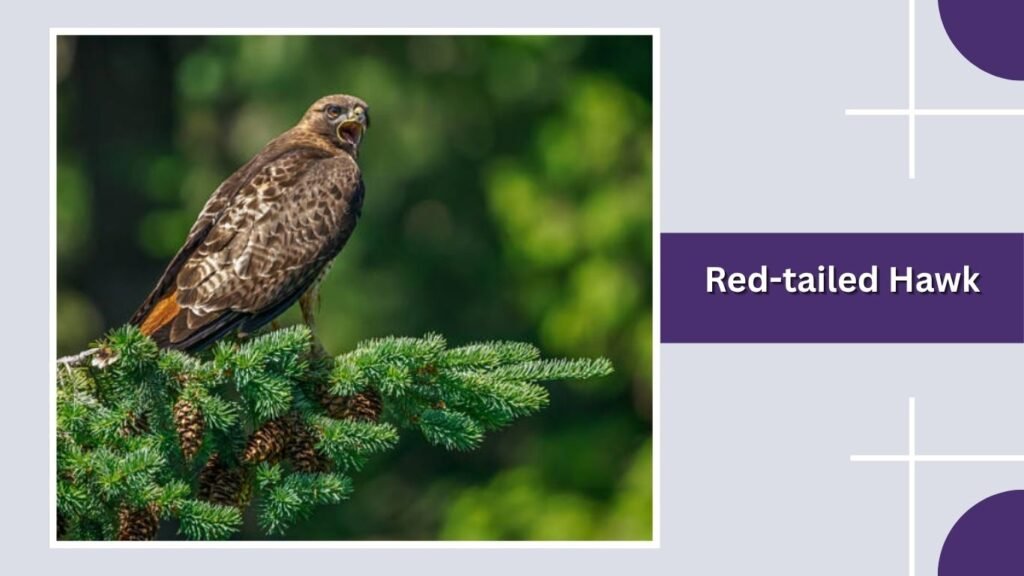
The red-tailed hawk is one of the most common and widespread birds of prey in North America. It is known for its soaring flight and sharp hunting skills, often seen gliding high in the sky.
Identification
- Large hawk with broad, rounded wings
- Reddish-brown tail (especially visible in adults)
- Brown upper body with a pale underside
- Strong, hooked beak
- Keen eyesight and powerful talons
Speed
Red-tailed hawks can reach speeds of up to 190 km/h (120 mph) during dives. They use this speed to strike prey quickly and effectively.
Diet & Size
They mainly feed on small mammals such as rodents, rabbits, and squirrels. Occasionally, they eat birds and reptiles. These hawks typically measure about 18 to 26 inches (45 to 65 cm) in length and weigh between 0.7 to 1.6 kilograms (1.5 to 3.5 pounds).
Habitat
Red-tailed hawks are found in open areas such as fields, deserts, and grasslands, as well as near forests. They often perch on trees or poles, scanning the ground for prey.
19. Osprey
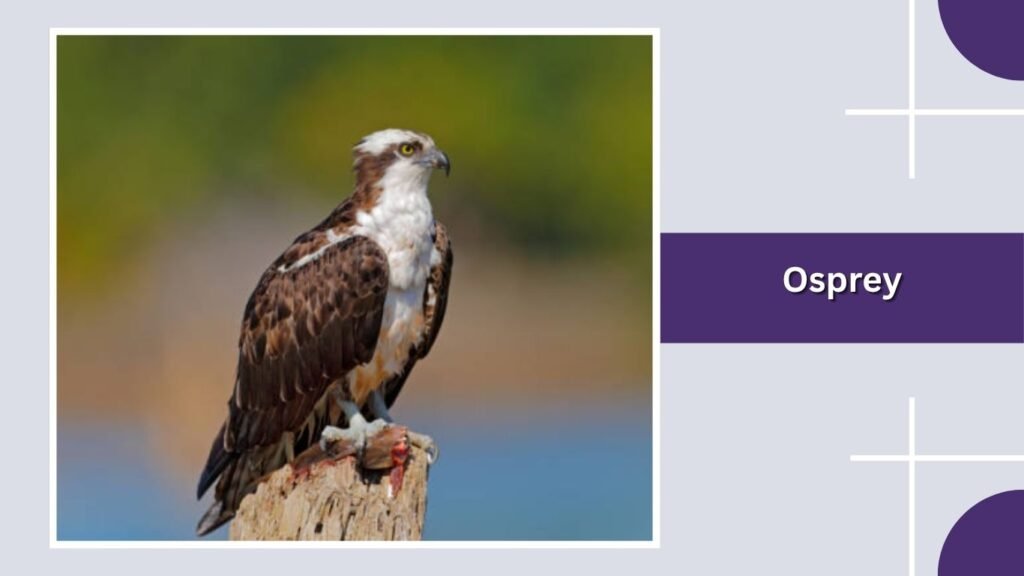
The osprey is a large bird of prey that specializes in catching fish. It is known for its powerful flight and remarkable ability to dive into water to capture prey.
Identification
- Large bird with long, narrow wings
- White underparts and dark brown upperparts
- Distinct dark stripe through the eye
- Hooked beak and strong talons
- Reversible outer toe for gripping fish
Speed
Ospreys can reach speeds of up to 130 km/h (81 mph) when diving for fish. Their speed and precision make them highly effective hunters.
Diet & Size
They mainly feed on fish, which make up almost their entire diet. Ospreys typically measure about 21 to 26 inches (53 to 66 cm) in length and weigh between 1.4 to 2 kilograms (3 to 4.4 pounds).
Habitat
Ospreys are found near water bodies such as lakes, rivers, and coastal areas worldwide. They prefer habitats with abundant fish and tall structures for nesting, such as trees or man-made platforms.
20. Canada Goose
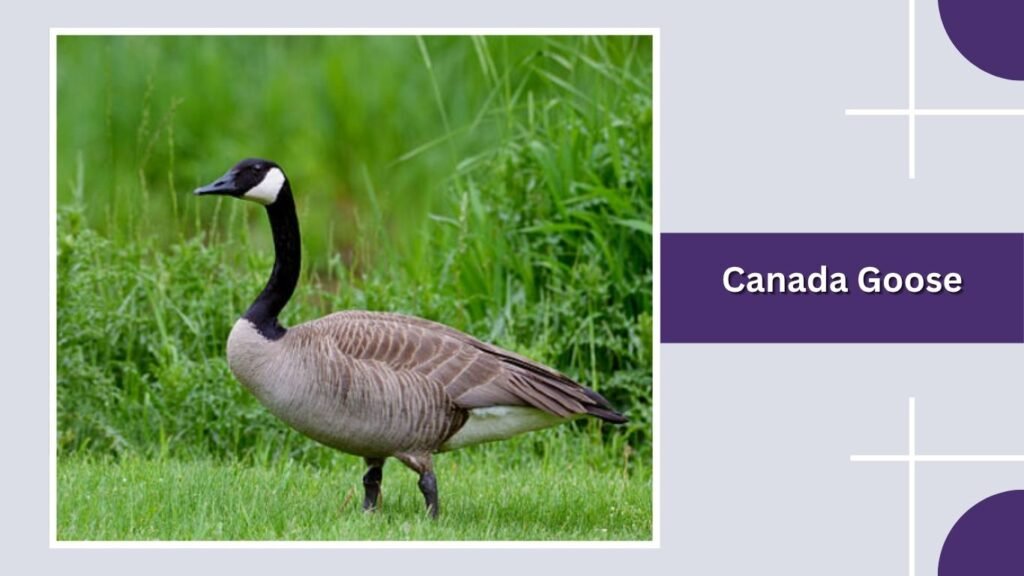
The Canada goose is a large and powerful bird known for its strong, steady flight and long-distance migrations. It is commonly seen flying in a V-shaped formation, which helps conserve energy during travel.
Identification
- Large bird with a long black neck
- White chinstrap marking on the face
- Brown body with lighter underparts
- Broad wings and strong build
- Loud honking call
Speed
Canada geese can reach speeds of up to 95 km/h (59 mph) during flight. With favorable wind conditions, they can travel even faster while migrating over long distances.
Diet & Size
They are herbivores, mainly feeding on grasses, grains, and aquatic plants. Sometimes they also eat small insects. Canada geese typically measure about 30 to 43 inches (76 to 110 cm) in length and weigh between 3 to 6.5 kilograms (6.6 to 14.3 pounds).
Habitat
Canada geese are found across North America and in parts of Europe and Asia. They prefer habitats near lakes, rivers, ponds, and wetlands. These birds are highly adaptable and are also commonly seen in urban parks and agricultural fields.
