
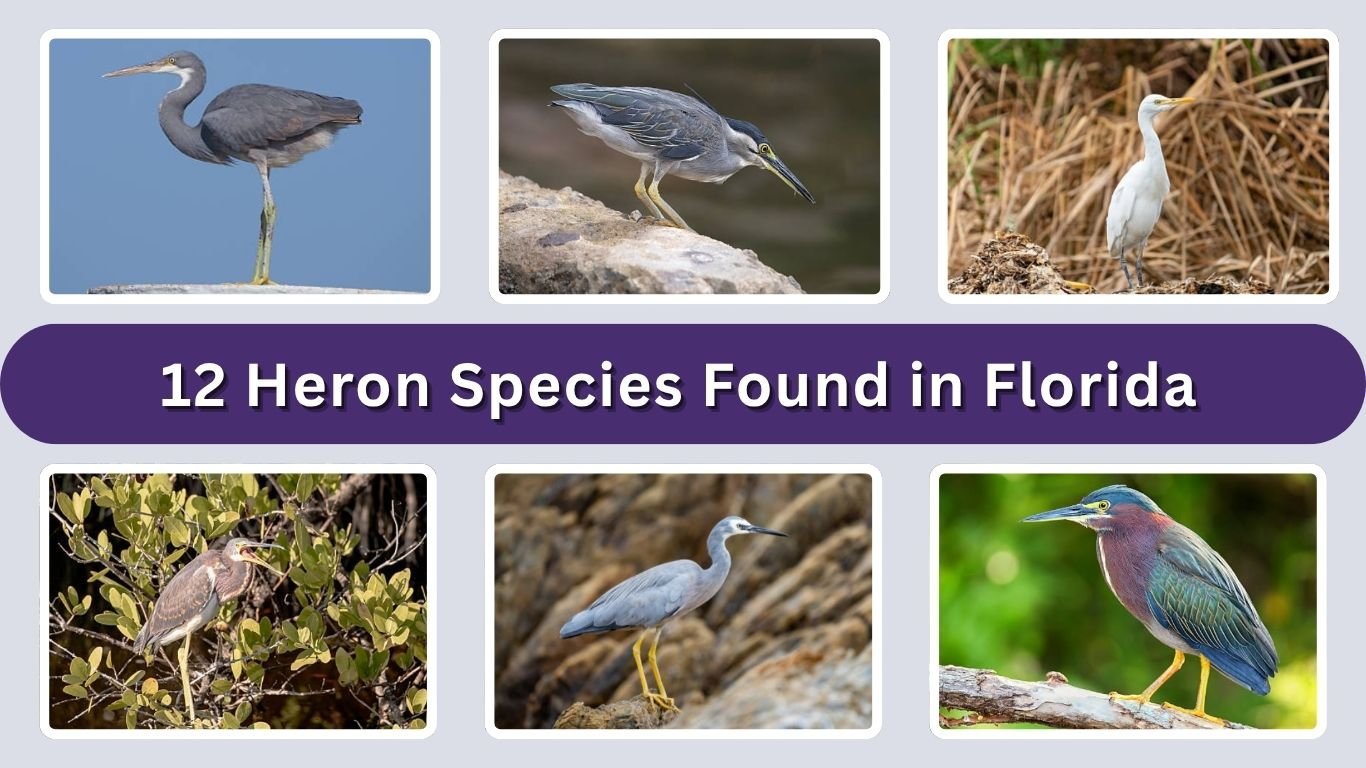
Florida is home to a rich variety of heron species, thanks to its extensive wetlands, marshes, and coastal habitats. From large and graceful birds like the Great Blue Heron to smaller, more secretive species, these birds are an essential part of the state’s ecosystem. This guide highlights 12 heron species found in Florida, helping you identify them based on their appearance, behavior, and habitat.
1. Great Blue Heron
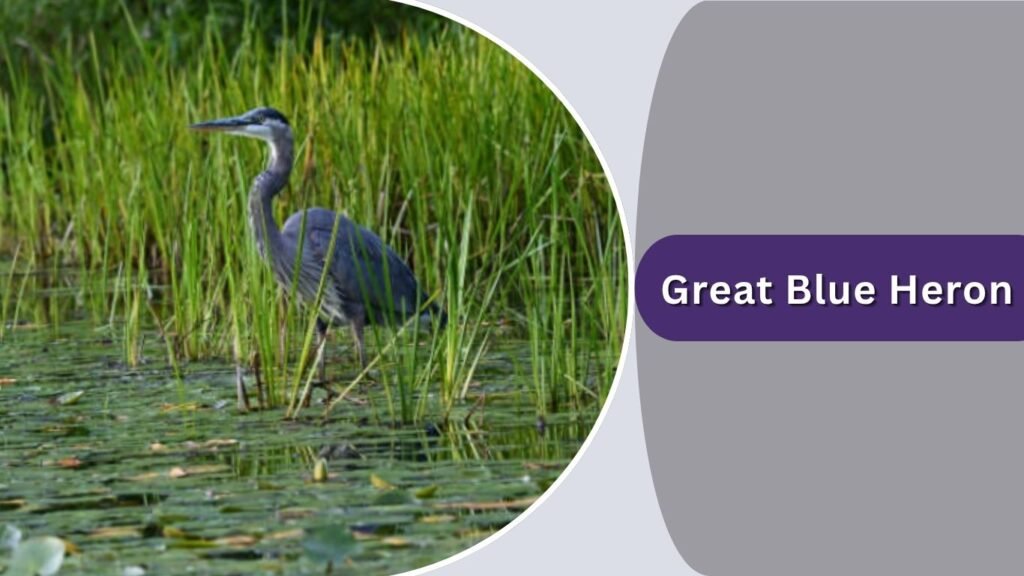
The Great Blue Heron is the largest and most common heron species found in Florida. It is easily recognized by its tall stature, slow movements, and impressive wingspan. This bird is often seen standing quietly in shallow water, making it one of the most iconic wading birds in the region.
Identification
- Large bird, about 4–4.5 feet tall with a wingspan up to 6.5 feet
- Blue-gray body with a long neck and long legs
- White face with a bold black stripe extending behind the eye
- Long, sharp yellow bill used for catching prey
Habitat and Distribution
Great Blue Herons are widely found across Florida, especially in wetlands such as marshes, swamps, rivers, lakes, and coastal areas. They are also common in the Everglades and can even be seen in urban parks and ponds where water is present.
Behavior and Diet
These herons are solitary hunters and are known for their patience. They stand still or move slowly through shallow water before striking quickly at prey. Their diet mainly consists of fish, but they also eat frogs, insects, small mammals, and even birds.
Conservation Status
The Great Blue Heron is classified as a species of least concern, with a stable and widespread population. Its adaptability to different environments has helped it thrive, although protecting wetlands remains important for its long-term survival.
2. Great Egret
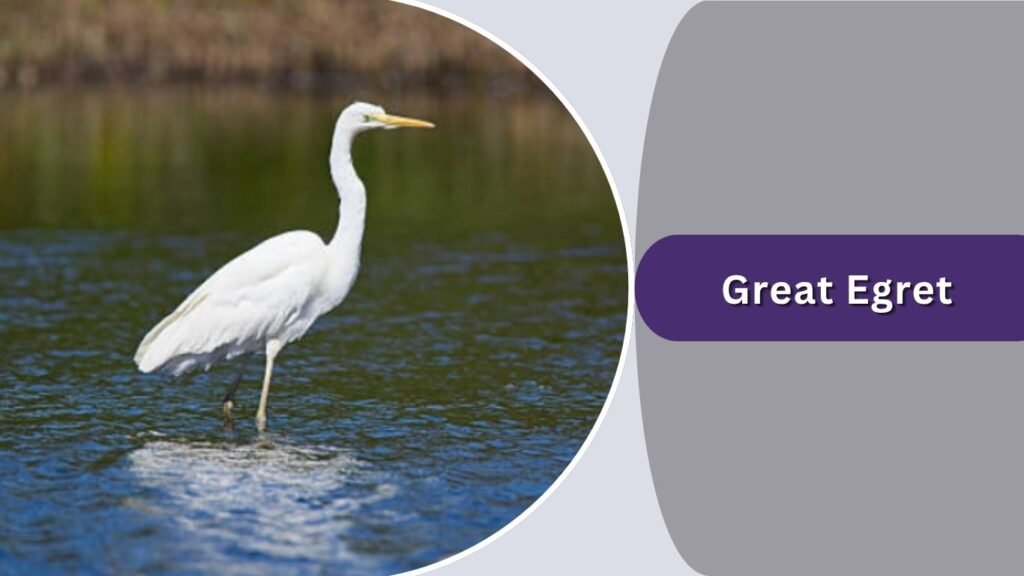
The Great Egret is a large and elegant white heron commonly found throughout Florida. Known for its graceful appearance and slow, deliberate movements, it is a familiar sight in wetlands, coastal areas, and even urban water bodies.
Identification
- Large heron, about 3–3.5 feet tall with a wingspan up to 5.5 feet
- Pure white plumage with a slender body
- Long S-shaped neck and thin profile
- Yellow bill and black legs
Habitat and Distribution
Great Egrets are widely distributed across Florida, especially in marshes, swamps, lakes, rivers, and coastal wetlands. They are commonly seen in the Everglades and along shorelines, as well as in ponds and parks within cities.
Behavior and Diet
These herons are usually solitary feeders, though they may gather in groups where food is abundant. They hunt by standing still or slowly stalking prey in shallow water. Their diet mainly includes fish, but they also eat frogs, insects, and small aquatic animals.
Conservation Status
The Great Egret is listed as a species of least concern, with a stable population. Once heavily hunted for its feathers, it has recovered well due to legal protection and conservation of wetland habitats.
3. Snowy Egret
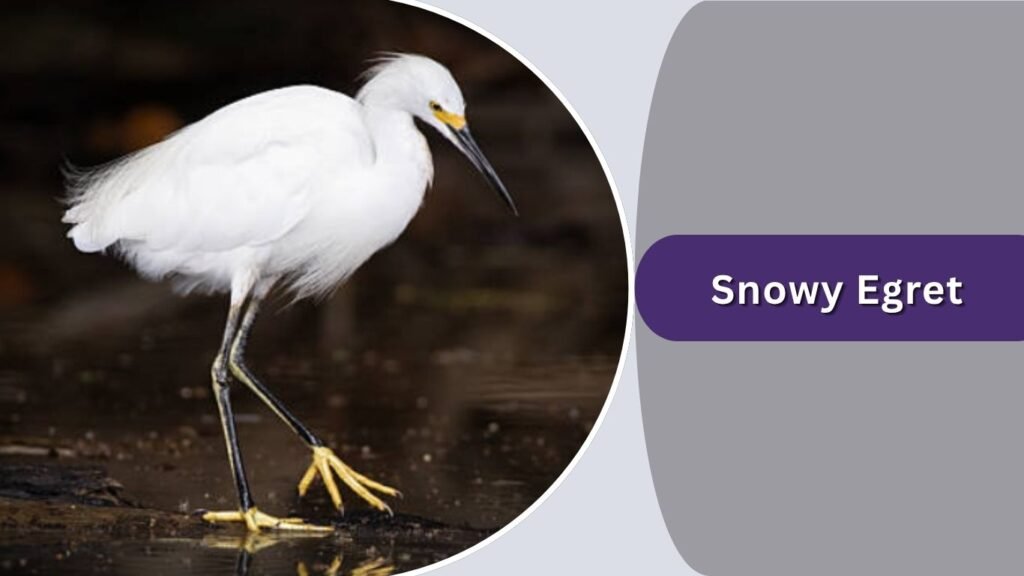
The Snowy Egret is a small and active heron species commonly found in Florida, known for its bright white plumage and energetic feeding behavior. It is one of the most easily recognizable egrets due to its contrasting features and lively movements.
Identification
- Small to medium-sized heron, about 2 feet tall
- Pure white feathers with a slim body
- Black bill and black legs with bright yellow feet
- Thin neck and active posture
Habitat and Distribution
Snowy Egrets are widespread across Florida, especially in coastal wetlands, marshes, mangroves, and shallow lakes. They are commonly seen in the Everglades, estuaries, and even urban ponds and shorelines.
Behavior and Diet
Unlike many herons, Snowy Egrets are very active feeders. They often run, stir the water with their feet, or use their wings to flush out prey. Their diet includes small fish, crustaceans, insects, and other aquatic animals.
Conservation Status
The Snowy Egret is classified as a species of least concern, with a stable population. Although they were once heavily hunted for their feathers, conservation laws have helped their numbers recover successfully.
4. Tricolored Heron
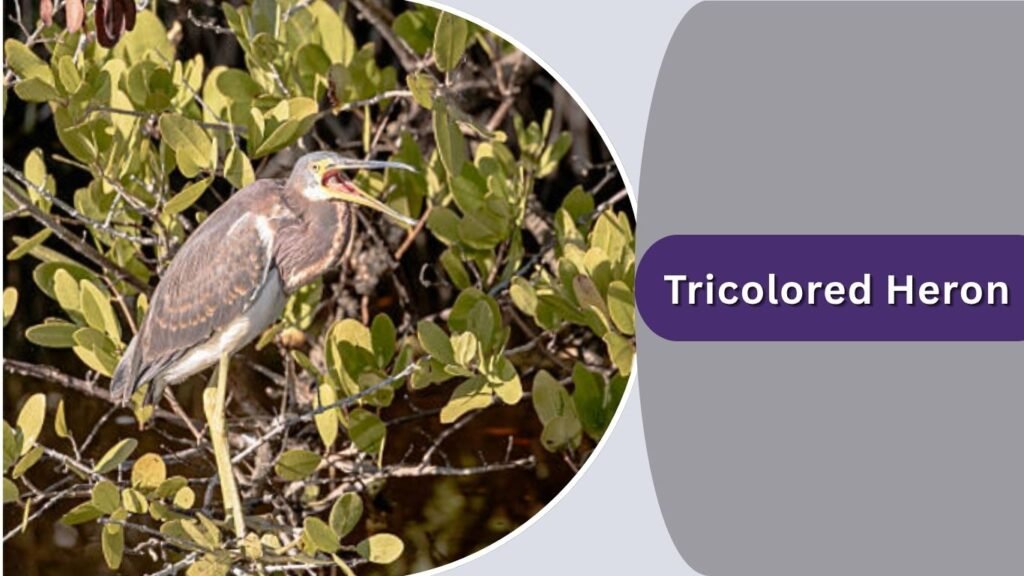
The Tricolored Heron is a slender and graceful heron commonly found in Florida, especially in coastal areas. It is known for its contrasting colors and active hunting style, making it easy to distinguish from other herons.
Identification
- Medium-sized heron, about 2–2.5 feet tall
- Blue-gray upper body with a white belly
- Long neck with a white stripe down the front
- Thin, pointed bill and long legs
Habitat and Distribution
Tricolored Herons are widespread across Florida, particularly in coastal marshes, mangroves, estuaries, and shallow wetlands. They are frequently seen in the Everglades and along shorelines where shallow water is available.
Behavior and Diet
These herons are active feeders and often chase prey in shallow water. They may run, spread their wings, or move quickly to catch food. Their diet mainly includes small fish, crustaceans, and aquatic insects.
Conservation Status
The Tricolored Heron is listed as a species of least concern, with a stable population. However, habitat loss and water pollution can impact local populations, making wetland conservation important.
5. Reddish Egret
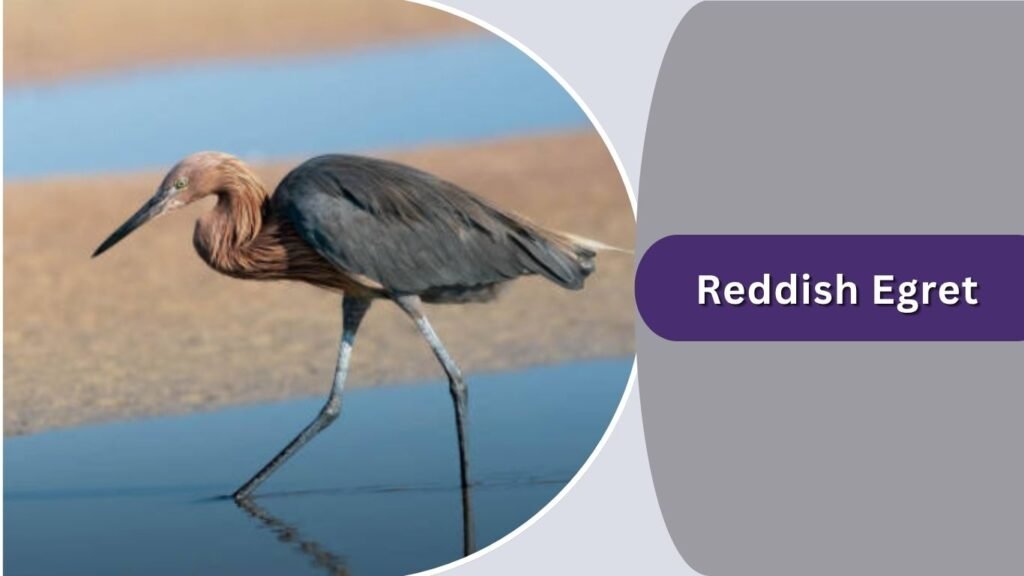
The Reddish Egret is one of the most unique and energetic heron species found in Florida, especially along coastal areas. It is known for its active hunting style and comes in two color forms, making it visually distinctive.
Identification
- Medium-sized heron, about 2.5–3 feet tall
- Two color morphs: dark (reddish-brown and gray) and all-white
- Shaggy feathers on the head and neck
- Pink-based bill with a dark tip and long legs
Habitat and Distribution
Reddish Egrets are mainly found along Florida’s coastal regions, including beaches, lagoons, mangroves, and tidal flats. They are especially common in the Florida Keys and along the Gulf Coast.
Behavior and Diet
These herons are very active feeders, often seen running, jumping, and spreading their wings to catch prey. They use this energetic style to confuse fish before striking. Their diet mainly consists of small fish.
Conservation Status
The Reddish Egret is classified as near threatened due to its limited range and sensitivity to habitat loss. Coastal development and disturbance can affect their populations, making habitat protection important.
6. Little Blue Heron
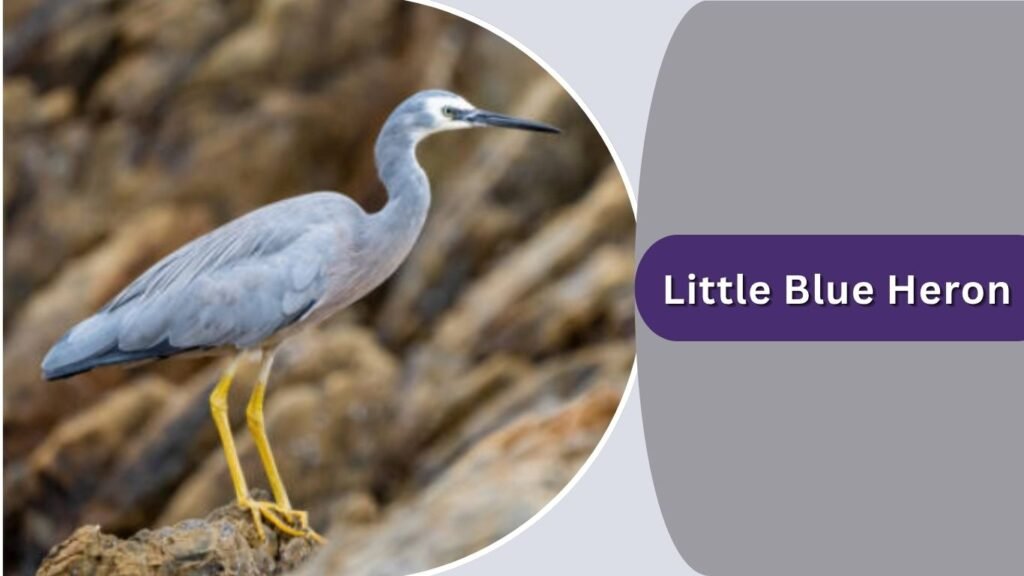
The Little Blue Heron is a medium-sized heron commonly found in Florida, known for its smooth blue-gray plumage and slow, graceful movements. It is often seen in wetlands and shallow waters, sometimes mixed with other wading birds.
Identification
- Medium-sized heron, about 2–2.5 feet tall
- Slate-blue body with a purplish head and neck
- Grayish bill with a dark tip
- Long legs and a slender neck
Habitat and Distribution
Little Blue Herons are widely found across Florida, especially in marshes, swamps, ponds, and coastal wetlands. They are common in the Everglades and other shallow water habitats where food is abundant.
Behavior and Diet
These herons are usually solitary feeders and move slowly while hunting. They feed on fish, insects, crustaceans, and small amphibians. Unlike more active species, they rely on patience and careful stalking to catch prey.
Conservation Status
The Little Blue Heron is classified as a species of least concern, with a stable population. Its ability to adapt to different wetland habitats helps maintain its numbers, though habitat protection remains important.
7. Green Heron
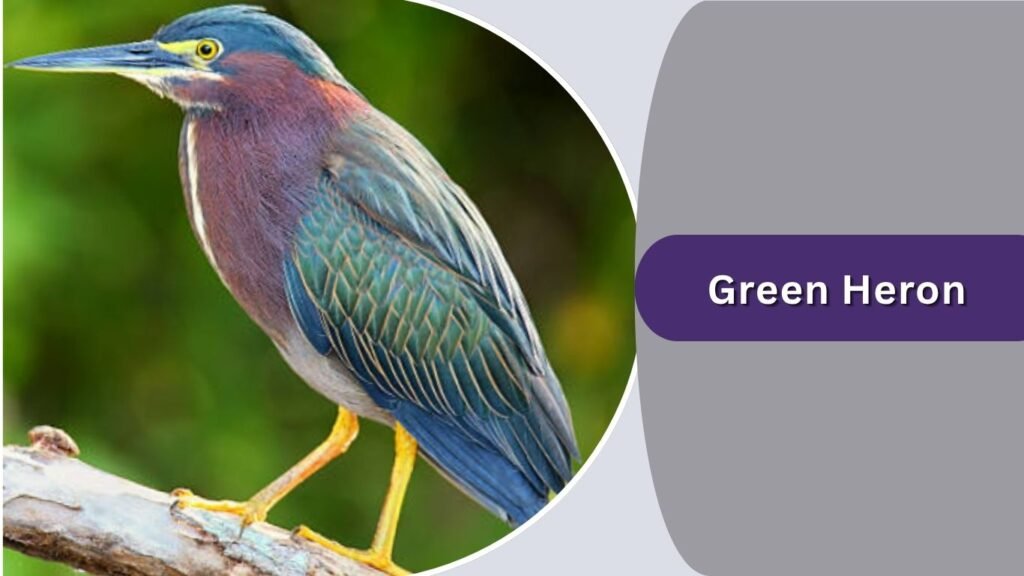
The Green Heron is a small and stocky heron commonly found in Florida, known for its secretive nature and clever hunting behavior. It is often seen alone near quiet water bodies, blending well into its surroundings.
Identification
- Small heron, about 16–18 inches tall
- Dark greenish-black cap with a chestnut neck
- Greenish back and wings with a glossy sheen
- Short legs and a thick, pointed bill
Habitat and Distribution
Green Herons are widespread across Florida, especially in ponds, marshes, swamps, canals, and slow-moving rivers. They prefer areas with dense vegetation and are often seen perched quietly near the water’s edge.
Behavior and Diet
These herons are solitary and known for their intelligence. They sometimes use bait, such as insects or small objects, to lure fish—one of the few birds known to use tools. Their diet includes fish, insects, frogs, and small aquatic animals.
Conservation Status
The Green Heron is listed as a species of least concern, with stable populations. However, habitat loss and water pollution can affect local numbers, making wetland conservation important.
8. Black-crowned Night Heron
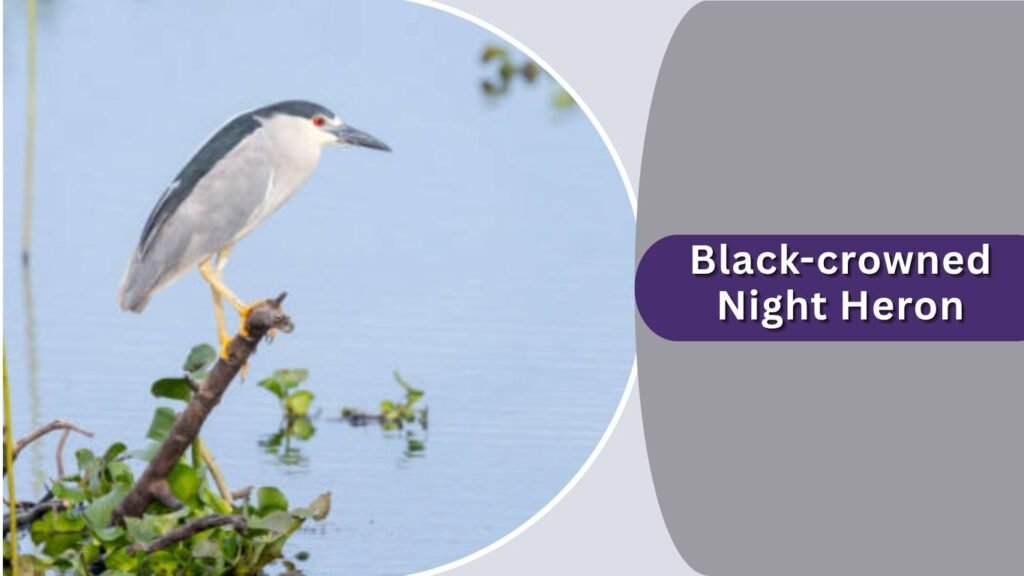
The Black-crowned Night Heron is a stocky and distinctive heron commonly found in Florida. Unlike many herons, it is mostly active at night or during twilight, making it unique among wading birds in the region.
Identification
- Medium-sized heron, about 2–2.5 feet tall
- Black crown and back with gray wings
- White underparts and striking red eyes
- Shorter neck and legs compared to other herons
Habitat and Distribution
Black-crowned Night Herons are found throughout Florida, especially in wetlands, mangroves, lakes, and coastal areas. They are also common in urban environments near water, including parks and ponds.
Behavior and Diet
These herons are mainly nocturnal, resting during the day and feeding at dusk or night. They hunt fish, frogs, insects, and small animals by standing still or slowly stalking prey in shallow water.
Conservation Status
The Black-crowned Night Heron is classified as a species of least concern, with a stable population. Its ability to adapt to both natural and urban habitats helps maintain its numbers.
9. Yellow-crowned Night Heron
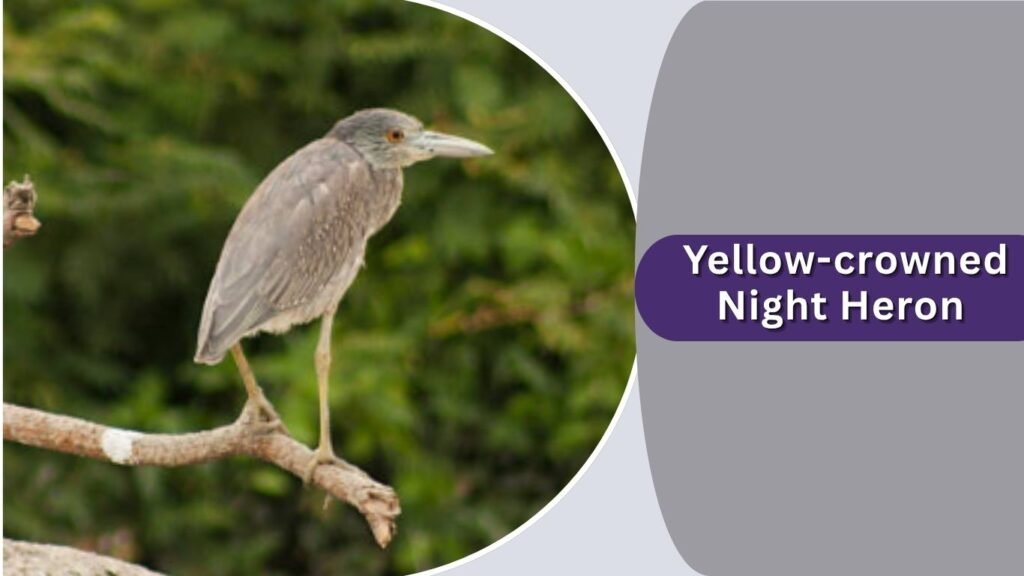
The Yellow-crowned Night Heron is a medium-sized heron found in Florida, known for its distinctive head pattern and preference for feeding on crustaceans. Like other night herons, it is most active during the evening and nighttime hours.
Identification
- Medium-sized heron, about 2–2.5 feet tall
- Gray body with a black face and crown
- Pale yellow or white crown stripe
- Red eyes and a relatively short neck
Habitat and Distribution
Yellow-crowned Night Herons are common across Florida, especially in coastal wetlands, mangroves, swamps, and urban areas near water. They are often seen around shorelines and places where crabs are abundant.
Behavior and Diet
These herons are mostly nocturnal and are often seen foraging at dusk or night. They specialize in feeding on crabs and other crustaceans but may also eat insects, fish, and small reptiles.
Conservation Status
The Yellow-crowned Night Heron is listed as a species of least concern, with a stable population. However, habitat changes and pollution in coastal areas can affect local populations.
10. Cattle Egret
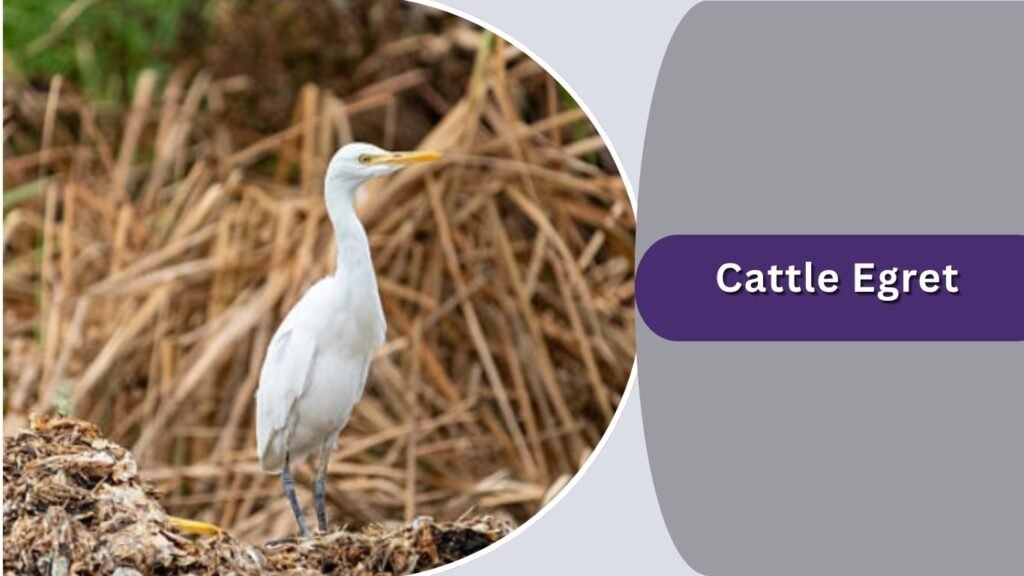
The Cattle Egret is a small, adaptable heron commonly found across Florida, especially in open fields and agricultural areas. Unlike most herons, it is often seen away from water, usually near livestock.
Identification
- Small to medium-sized heron, about 18–22 inches tall
- White plumage, with buff-orange patches during breeding season
- Shorter neck and more compact body than other herons
- Yellow bill and relatively short legs
Habitat and Distribution
Cattle Egrets are widespread throughout Florida, commonly seen in grasslands, pastures, farms, and roadsides. They are also found near wetlands but are more often associated with dry, open areas compared to other herons.
Behavior and Diet
These herons are highly social and often seen in flocks. They frequently follow cattle or machinery to catch insects stirred up by movement. Their diet mainly includes insects like grasshoppers, as well as small frogs and reptiles.
Conservation Status
The Cattle Egret is classified as a species of least concern, with a large and increasing population. Its ability to adapt to human environments has helped it spread widely across many regions, including Florida.
11. Striated Heron (Rare)
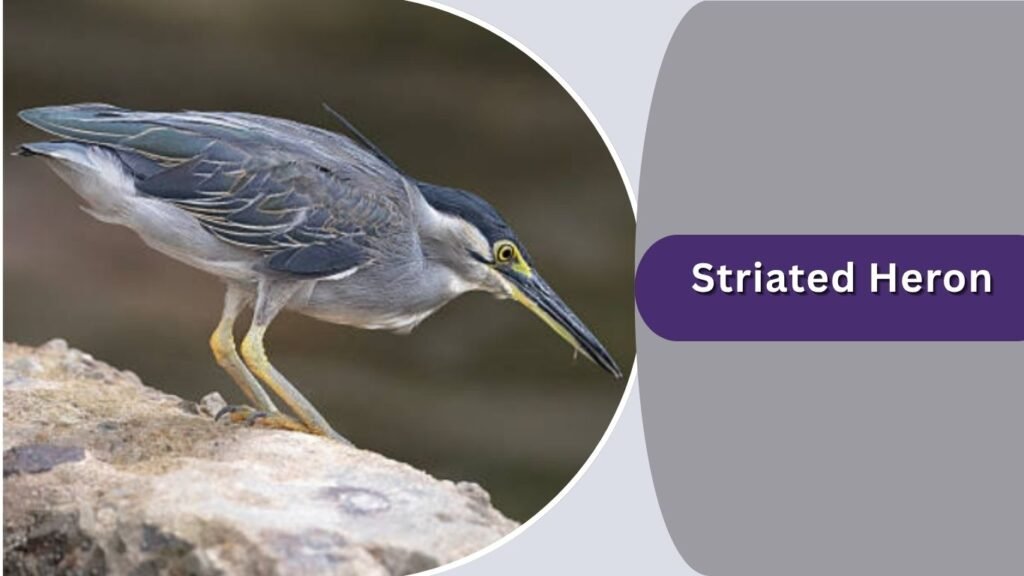
The Striated Heron is a small and uncommon heron in Florida, considered a rare visitor. It is more commonly found in tropical regions, but occasional sightings may occur in coastal or mangrove habitats.
Identification
- Small heron, about 16–18 inches tall
- Dark gray to greenish upperparts
- Fine streaks on the neck and chest
- Short legs and a sharp, pointed bill
Habitat and Distribution
Striated Herons are widely distributed across tropical regions of the world, including parts of the Caribbean and Central America. In Florida, they are considered rare and are usually seen in coastal wetlands, mangroves, or quiet shoreline areas.
Behavior and Diet
These herons are solitary and prefer calm, hidden environments. They feed on fish, crustaceans, insects, and small aquatic animals. Their hunting style involves standing still or moving slowly before striking prey.
Conservation Status
The Striated Heron is listed as a species of least concern globally, with a stable population. However, in Florida, it is a rare and irregular visitor rather than a resident species.
12. Western Reef Heron (Very Rare)
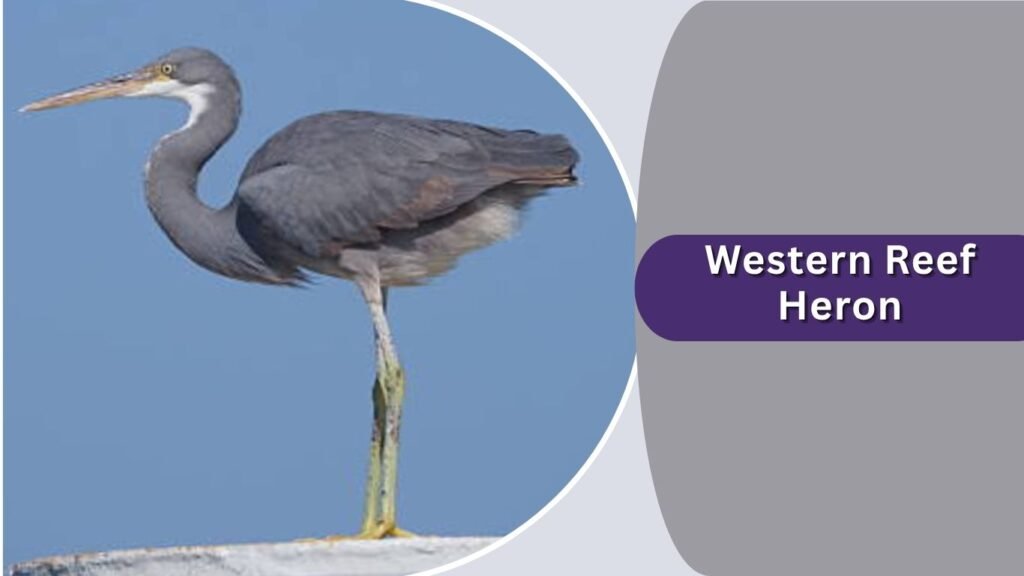
The Western Reef Heron is a coastal heron species that is extremely rare in Florida. It is primarily found in the Old World, and any sightings in Florida are considered accidental or exceptional occurrences.
Identification
- Medium-sized heron, about 2–2.5 feet tall
- Two color forms: dark gray and pure white
- Slender body with long legs and neck
- Sharp, pointed bill
Habitat and Distribution
Western Reef Herons are native to coastal regions of Africa, the Middle East, and South Asia. They inhabit shorelines, mudflats, and lagoons. In Florida, they are not native and are only recorded as very rare accidental visitors.
Behavior and Diet
These herons are active feeders, often walking or running in shallow water to catch prey. They feed mainly on fish, crustaceans, and small aquatic animals. In rare Florida sightings, they display similar coastal foraging behavior.
Conservation Status
The Western Reef Heron is classified as a species of least concern globally. However, its presence in Florida is extremely rare and does not represent an established or breeding population in the region.
FAQs
How many heron species are found in Florida?
Florida is home to around 12 commonly recognized heron species, including both resident and rare visitors. These birds thrive in the state’s wetlands, marshes, and coastal habitats, making Florida one of the best places in the U.S. to observe herons.
Which heron is most common in Florida?
The Great Blue Heron is the most common and widely seen heron in Florida. It can be found in almost all types of wetland habitats, including marshes, lakes, rivers, and coastal areas.
Are all Florida herons found near water?
Most herons are closely associated with water, as they depend on aquatic habitats for food. However, species like the Cattle Egret are often found in dry fields and grasslands, especially near livestock.
Do herons in Florida migrate?
Some herons in Florida are year-round residents, while others may migrate or move seasonally depending on weather and food availability. Migration patterns vary by species.
What do herons in Florida eat?
Herons are carnivorous birds that mainly eat fish, frogs, insects, crustaceans, and small animals. Their diet depends on their size, habitat, and feeding behavior, but most hunt in shallow water using quick, precise strikes.
