
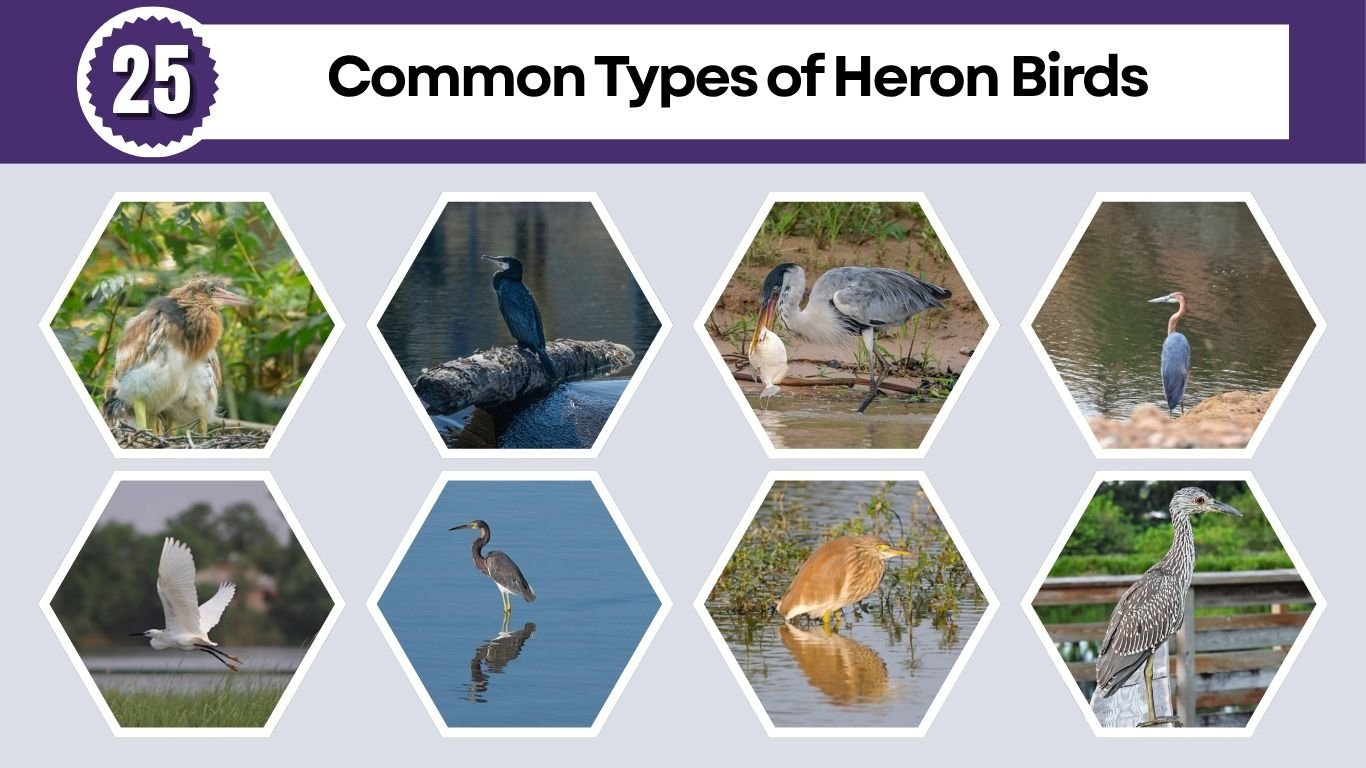
Heron birds are elegant, long-legged wading birds known for their sharp bills, slow movements, and excellent hunting skills. Found across wetlands, rivers, lakes, and coastal areas worldwide, they play a vital role in aquatic ecosystems. This guide covers 25 common types of heron birds, helping you identify each species based on their unique physical features, habitats, and behaviors.
1. Great Blue Heron
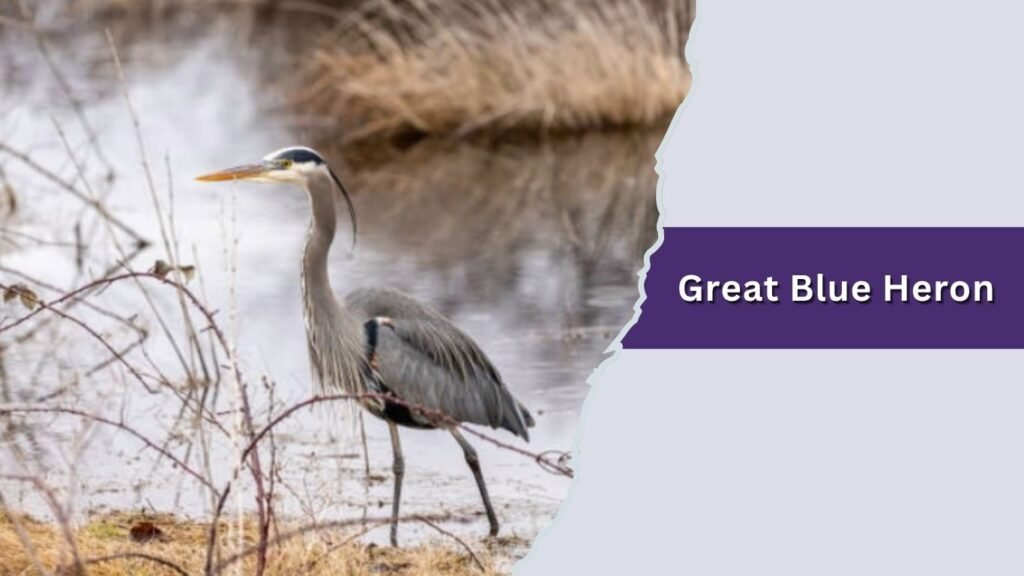
The Great Blue Heron is the largest and most widespread heron species in North America, known for its tall stature, slow movements, and impressive wingspan. It is commonly seen standing motionless in shallow water, patiently waiting to catch prey.
Identification
- Large bird, about 4–4.5 feet tall with a wingspan up to 6.5 feet
- Blue-gray body with long legs and a long neck
- White face with a black stripe extending over the eye
- Sharp, yellowish bill used for spearing prey
Habitat and Distribution
Great Blue Herons are found across North America, from Canada to Central America. They inhabit wetlands, lakes, rivers, marshes, and coastal areas. They are highly adaptable and can also be seen in urban parks and ponds where water is available.
Behavior and Diet
These herons are solitary hunters, often seen standing still or slowly stalking prey in shallow water. They primarily feed on fish but also eat frogs, insects, small mammals, and even birds. Their hunting technique involves a quick, precise strike with their bill.
Conservation Status
The Great Blue Heron is classified as a species of least concern, with a stable population. Its adaptability to various habitats has helped maintain its numbers, although wetland conservation remains important for long-term survival.
2. Grey Heron
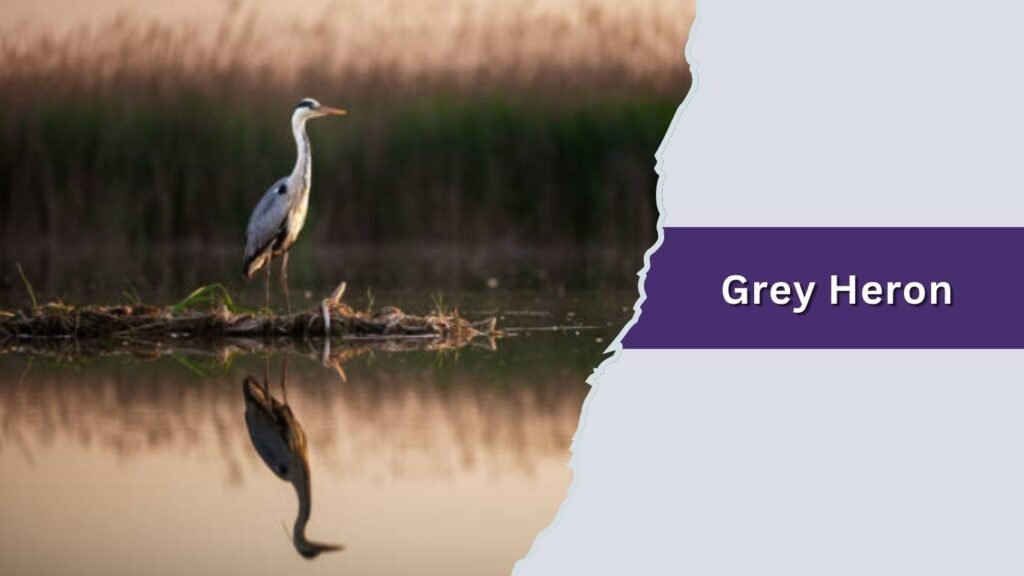
The Grey Heron is a large and elegant bird commonly found across Europe, Asia, and parts of Africa. It closely resembles the Great Blue Heron but is generally slimmer and more widespread across the Eastern Hemisphere.
Identification
- Large bird, about 3–4 feet tall with a wingspan up to 6 feet
- Gray body with a long neck and long legs
- White head with a bold black stripe extending backward
- Long, sharp yellow bill
Habitat and Distribution
Grey Herons are widely distributed across Europe, Asia, and Africa. They inhabit wetlands, rivers, lakes, marshes, and coastal areas. They are also commonly seen in urban parks and ponds where water and food are available.
Behavior and Diet
These herons are usually solitary hunters, standing still in shallow water before striking quickly at prey. Their diet mainly includes fish, but they also eat amphibians, insects, and small mammals. They are patient and efficient predators.
Conservation Status
The Grey Heron is classified as a species of least concern, with a large and stable population. It has adapted well to human-altered environments, although wetland protection is still important for its long-term survival.
3. Little Egret
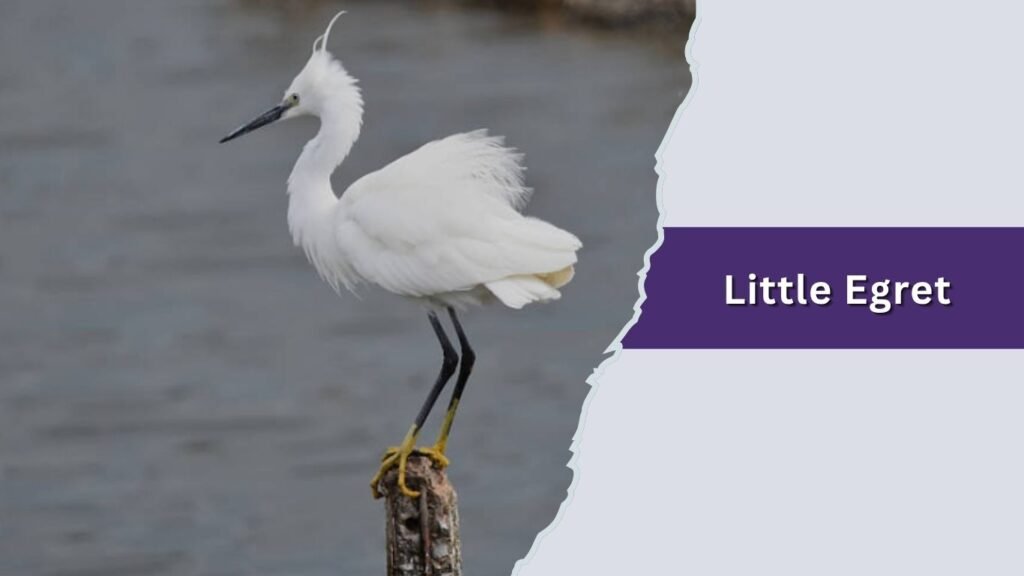
The Little Egret is a small, graceful heron known for its bright white plumage and active feeding style. It is commonly found in Europe, Africa, Asia, and Australia, often near shallow water bodies.
Identification
- Small to medium-sized heron, about 2 feet tall
- Pure white plumage with a slender body
- Black bill and black legs with bright yellow feet
- Thin, elegant neck and active posture
Habitat and Distribution
Little Egrets are found across Europe, Africa, Asia, and parts of Australia. They prefer wetlands, coastal lagoons, rivers, and marshes. They are also often seen in estuaries and shallow coastal waters.
Behavior and Diet
Unlike many herons, Little Egrets are active feeders. They often stir the water with their feet to flush out prey. Their diet includes fish, crustaceans, insects, and small aquatic animals.
Conservation Status
The Little Egret is listed as a species of least concern, with an increasing population in many regions. Conservation of wetlands and clean water sources supports their continued success.
4. Great Egret
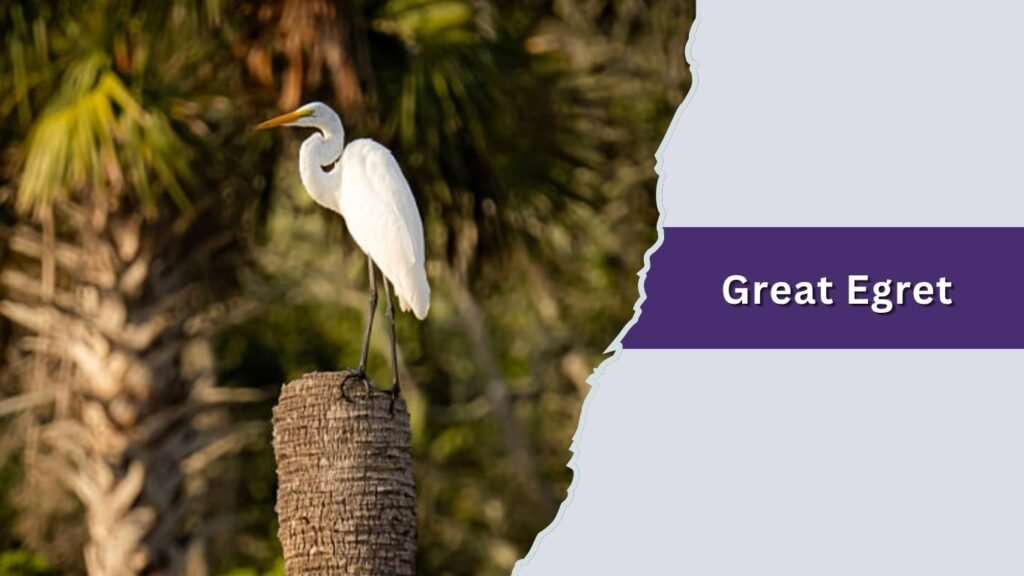
The Great Egret is a tall, elegant heron species recognized for its pure white plumage and graceful presence in wetlands around the world. It is one of the most widely distributed herons, found across North America, Europe, Asia, Africa, and Australia. Known for its slow, deliberate movements and striking appearance, it is often seen standing quietly in shallow water, waiting for prey.
Identification
- Large heron, about 3–3.5 feet tall with a wingspan up to 5.5 feet
- Entirely white plumage with a slender body
- Long, S-shaped neck and thin profile
- Yellow bill and black legs (bill may darken during breeding season)
Habitat and Distribution
Great Egrets inhabit a wide range of wetland environments, including marshes, lakes, rivers, estuaries, and coastal lagoons. They are highly adaptable and can also be found in flooded fields and urban wetlands. Their global distribution makes them one of the most familiar herons worldwide. Some populations are migratory, especially in colder regions, moving to warmer areas during winter.
Behavior and Diet
These herons are typically solitary feeders, though they may gather in loose groups where food is abundant. They hunt by standing still or slowly stalking through shallow water before striking quickly with their sharp bill. Their diet mainly consists of fish, but they also consume frogs, insects, small reptiles, and occasionally small mammals or birds.
Conservation Status
The Great Egret is classified as a species of least concern, with a stable and widespread population. In the past, they were heavily hunted for their ornamental plumes, but legal protection has allowed their numbers to recover. Continued wetland conservation is important to maintain their healthy populations.
5. Cattle Egret
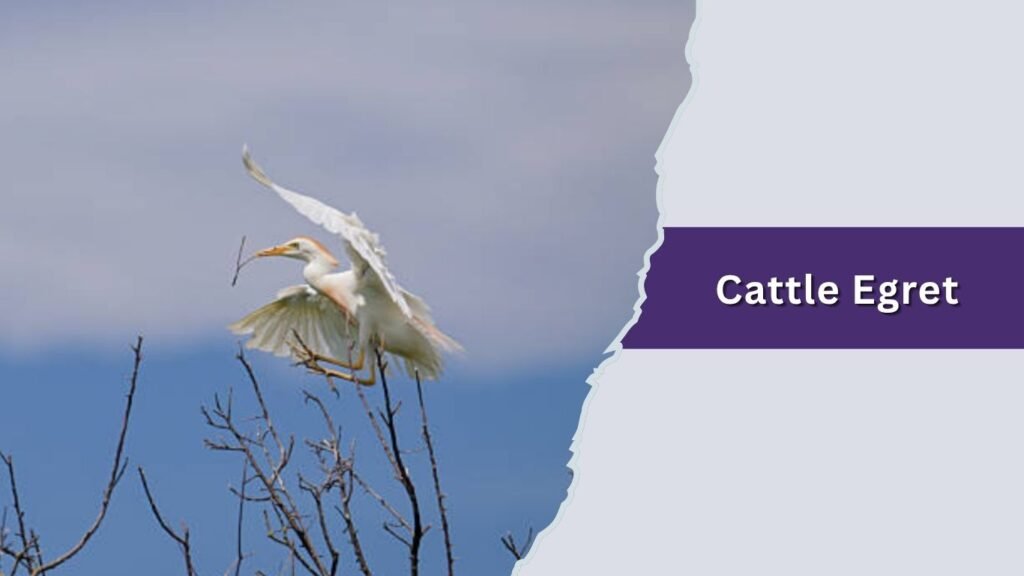
The Cattle Egret is a unique and highly adaptable heron species known for its close association with livestock and agricultural areas. Unlike most herons that depend heavily on water, this species is often seen in dry fields, following grazing animals to catch insects disturbed by their movement.
Identification
- Medium-sized heron, about 18–22 inches tall
- White plumage, with buff-orange patches on the head, chest, and back during breeding season
- Shorter neck and thicker build compared to other egrets
- Yellow bill and relatively short legs
Habitat and Distribution
Cattle Egrets have a wide global distribution and are found on every continent except Antarctica. They are commonly seen in grasslands, pastures, farmland, and wetlands. Their ability to adapt to human-altered environments has helped them expand their range rapidly over the past century.
Behavior and Diet
This species is highly social and often seen in flocks, especially near grazing animals such as cattle, buffalo, or even tractors. They feed mainly on insects like grasshoppers, flies, and beetles, but also eat frogs and small reptiles. Their feeding strategy of following animals makes them unique among herons.
Conservation Status
The Cattle Egret is listed as a species of least concern due to its large and expanding population. Its adaptability to different environments and association with agriculture have contributed to its success. However, pesticide use and habitat changes can still impact local populations.
6. Black-crowned Night Heron
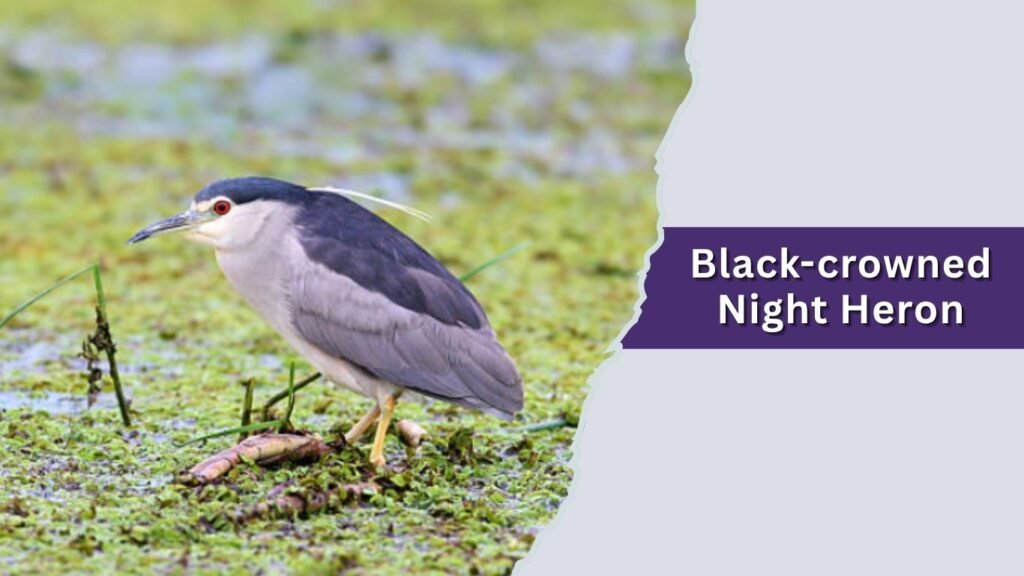
The Black-crowned Night Heron is a stocky and distinctive heron known for its nocturnal habits and striking appearance. Unlike many herons that are active during the day, this species is mostly active at dusk and night, making it unique among heron birds.
Identification
- Medium-sized heron, about 2–2.5 feet tall
- Black crown and back with gray wings
- White underparts and red eyes
- Shorter neck and legs compared to other herons
Habitat and Distribution
Black-crowned Night Herons are found across North and South America, Europe, Asia, and Africa. They inhabit wetlands, marshes, lakes, rivers, and coastal areas. They are also commonly seen in urban environments near water bodies.
Behavior and Diet
These herons are primarily nocturnal feeders, resting during the day and becoming active at dusk. They feed on fish, frogs, insects, and small mammals. They often hunt by standing still at the water’s edge or slowly stalking prey in low light conditions.
Conservation Status
The Black-crowned Night Heron is classified as a species of least concern, with a stable global population. Its adaptability to both natural and urban environments has helped maintain its numbers.
7. Yellow-crowned Night Heron
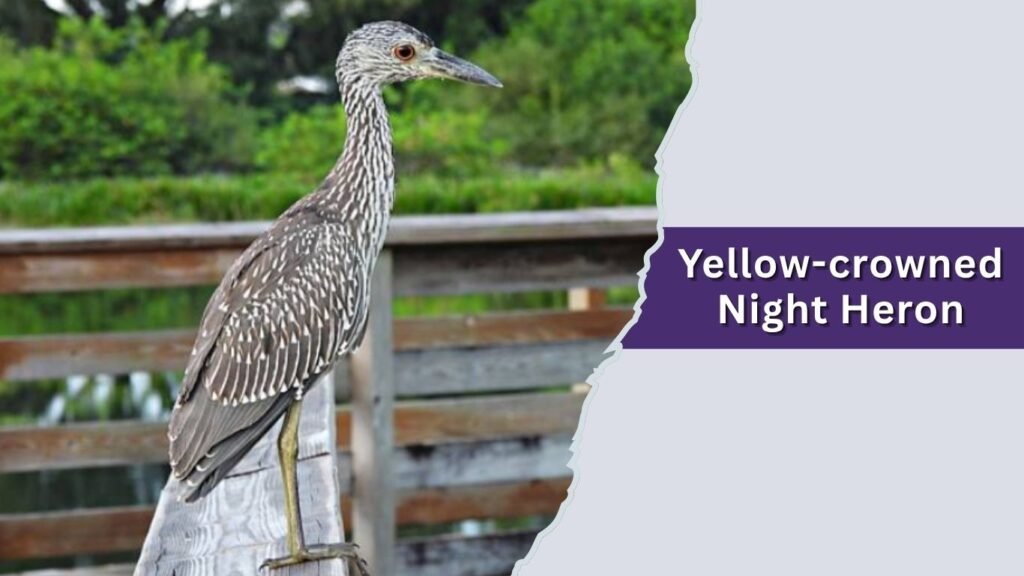
The Yellow-crowned Night Heron is another nocturnal species, closely related to the Black-crowned Night Heron but with distinct features and feeding habits. It is especially known for its preference for crustaceans in its diet.
Identification
- Medium-sized heron, about 2–2.5 feet tall
- Gray body with a black face and crown
- Pale yellow or white crown stripe
- Red eyes and relatively shorter neck
Habitat and Distribution
Yellow-crowned Night Herons are found mainly in the Americas, from the United States to South America. They prefer coastal wetlands, mangroves, swamps, and riverbanks. They are often seen near areas rich in crabs and other crustaceans.
Behavior and Diet
These herons are mostly active at night or during twilight. They specialize in feeding on crabs and other crustaceans, using their strong bill to break shells. They may also eat insects, fish, and small reptiles.
Conservation Status
The Yellow-crowned Night Heron is listed as a species of least concern, with a stable population. However, habitat loss and pollution in coastal areas can affect local populations, making habitat conservation important.
8. Green Heron
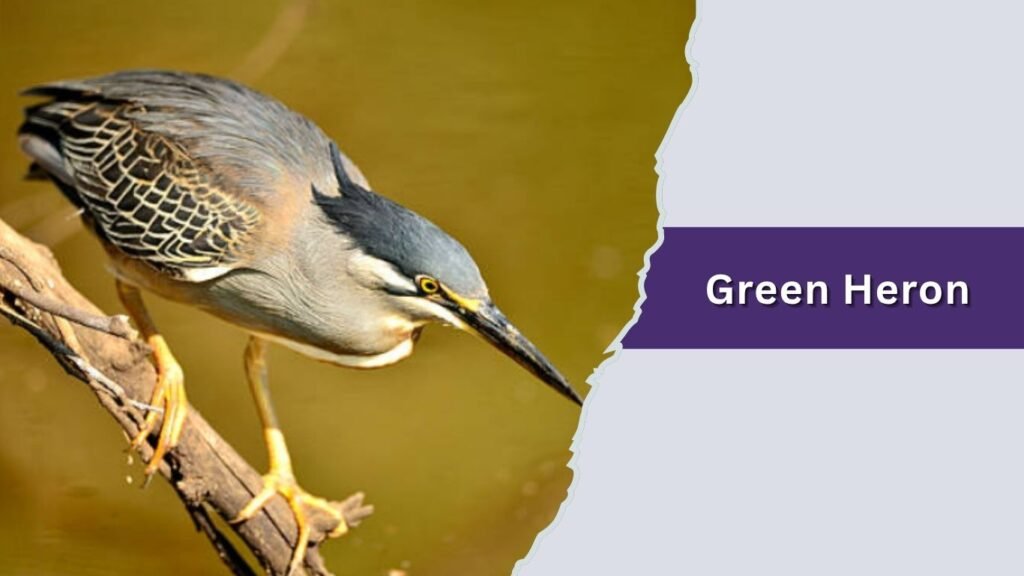
The Green Heron is a small but striking heron species known for its compact size and clever hunting techniques. It is often found near quiet water bodies and is one of the few bird species known to use tools to catch prey.
Identification
- Small heron, about 16–18 inches tall
- Dark greenish-black cap with a chestnut neck and breast
- Greenish back and wings with a glossy sheen
- Short legs and a relatively thick, pointed bill
Habitat and Distribution
Green Herons are found across North and Central America, especially in the United States. They prefer freshwater habitats such as ponds, marshes, swamps, and slow-moving rivers. They are often seen alone in shaded, vegetated areas near water.
Behavior and Diet
These herons are solitary and known for their intelligence. They sometimes use bait, such as insects or small objects, to lure fish—a rare behavior among birds. Their diet includes fish, insects, frogs, and small aquatic creatures.
Conservation Status
The Green Heron is classified as a species of least concern, though some populations have declined slightly due to habitat loss. Protecting wetlands is important for maintaining stable numbers.
9. Striated Heron
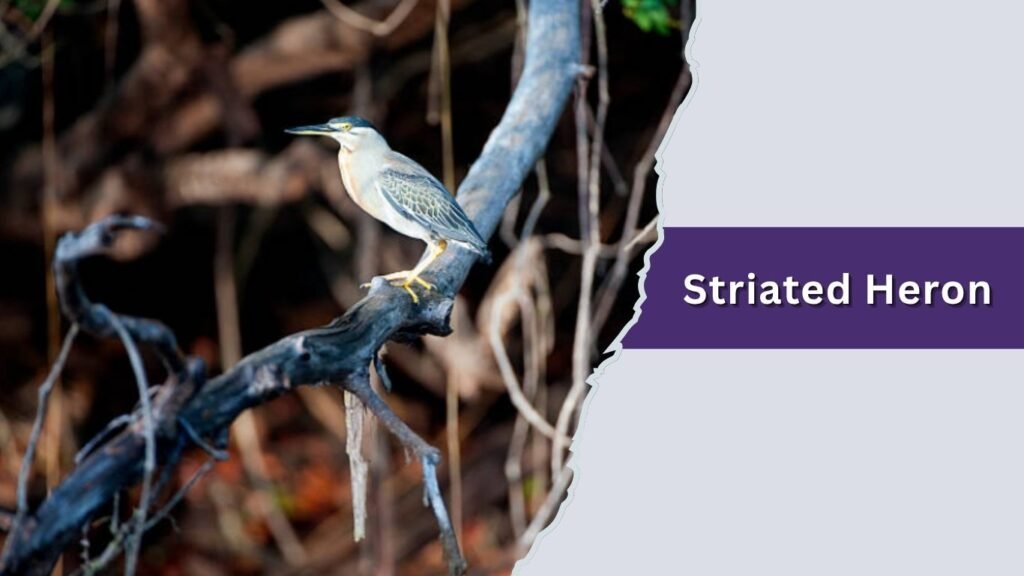
The Striated Heron, also known as the Little Heron, is a small and adaptable species found across tropical and subtropical regions. It is similar in size to the Green Heron and shares many behavioral traits.
Identification
- Small heron, about 16–18 inches tall
- Dark gray to greenish upperparts
- Fine streaking on the neck and chest
- Short legs and a sharp, pointed bill
Habitat and Distribution
Striated Herons are widely distributed across Africa, Asia, Australia, and parts of the Americas. They inhabit mangroves, coastal areas, rivers, and wetlands. They are often found in dense vegetation near water.
Behavior and Diet
These herons are usually solitary and prefer quiet environments. They feed on fish, crustaceans, insects, and small amphibians. Like the Green Heron, they are patient hunters and may occasionally use bait to attract prey.
Conservation Status
The Striated Heron is listed as a species of least concern due to its wide range and stable population. Its adaptability to different habitats has helped it maintain healthy numbers worldwide.
10. Squacco Heron
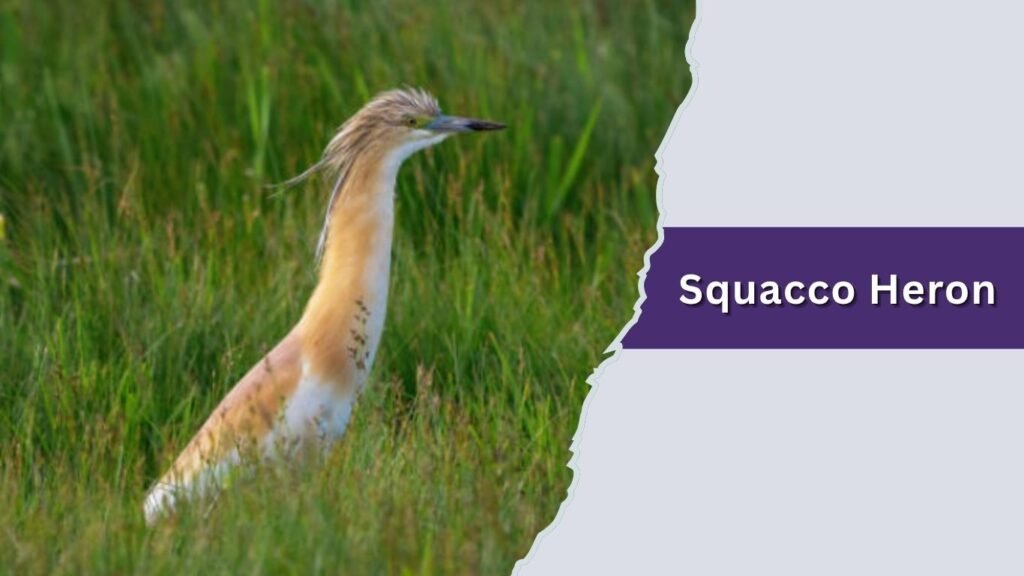
The Squacco Heron is a small and attractive heron species known for its buff-colored plumage and striking appearance in flight. It is commonly found in wetlands across Europe, Africa, and Asia.
Identification
- Small heron, about 18–20 inches tall
- Buff-brown body when at rest
- Bright white wings visible in flight
- Short neck and yellow bill
Habitat and Distribution
Squacco Herons are found across southern Europe, Africa, and parts of Asia. They prefer marshes, swamps, rice fields, and shallow lakes. They often stay hidden in vegetation, making them harder to spot when not in flight.
Behavior and Diet
These herons are usually solitary and rely on camouflage while resting. They feed on fish, insects, amphibians, and small aquatic animals. Their hunting style involves slow movement or standing still before striking prey.
Conservation Status
The Squacco Heron is classified as a species of least concern, with a stable population. However, wetland loss in some areas can impact local populations.
11. Indian Pond Heron
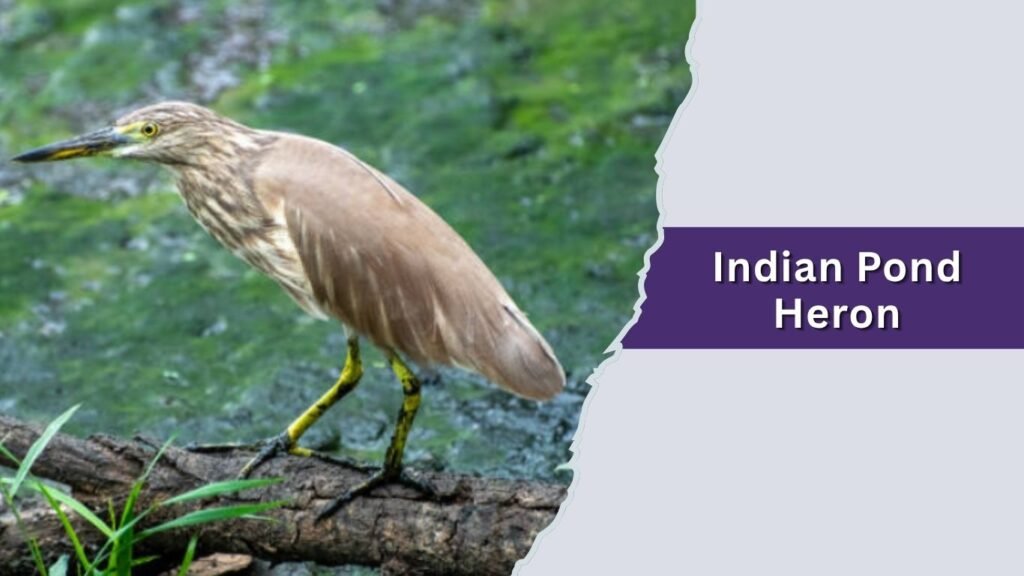
The Indian Pond Heron is a common and widespread species in South Asia, often seen near water bodies and human settlements. It is known for its excellent camouflage when at rest.
Identification
- Small heron, about 16–18 inches tall
- Brown and streaked body when perched
- Bright white wings visible during flight
- Yellow bill with a dark tip
Habitat and Distribution
Indian Pond Herons are widely found across India, Bangladesh, Sri Lanka, and nearby regions. They inhabit ponds, lakes, rivers, marshes, and even urban water bodies. They are often seen near villages and agricultural fields.
Behavior and Diet
These herons are usually solitary and remain still for long periods, blending into their surroundings. They feed on fish, insects, frogs, and small aquatic animals. Their sudden, quick strikes help them catch prey efficiently.
Conservation Status
The Indian Pond Heron is listed as a species of least concern, with a large and stable population. Its adaptability to human environments has helped it thrive across its range.
12. Chinese Pond Heron
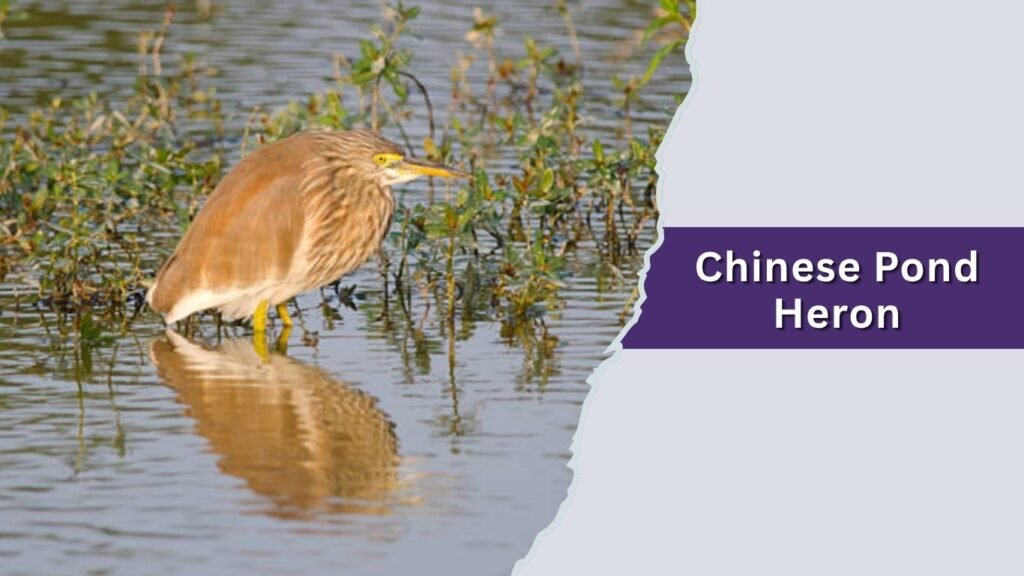
The Chinese Pond Heron is a small heron species commonly found in East and Southeast Asia. It is known for its excellent camouflage while resting and its striking white wings when in flight.
Identification
- Small heron, about 18–20 inches tall
- Brown-streaked body when perched
- Bright white wings clearly visible in flight
- Yellow bill with a darker tip
Habitat and Distribution
Chinese Pond Herons are found across China, Japan, Korea, and Southeast Asia. They prefer wetlands such as ponds, rice fields, marshes, and riverbanks. They are also commonly seen near human settlements and agricultural areas.
Behavior and Diet
These herons are usually solitary and rely on stillness to ambush prey. They feed on fish, insects, frogs, and small aquatic animals. Their hunting style involves waiting patiently before making a quick strike.
Conservation Status
The Chinese Pond Heron is classified as a species of least concern, with a stable population. Its adaptability to different environments helps it survive in both natural and human-modified habitats.
13. Purple Heron
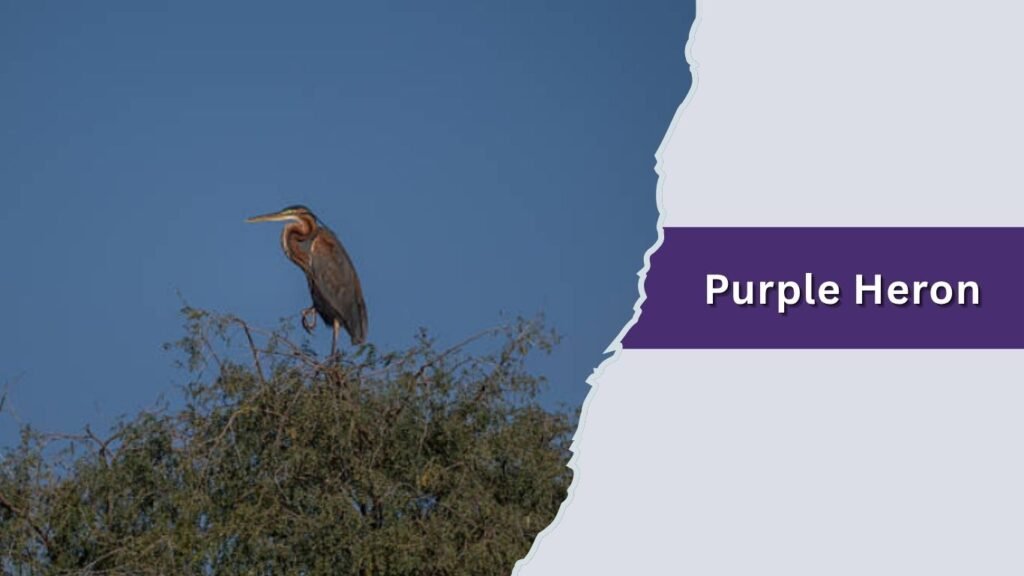
The Purple Heron is a tall and slender heron species known for its rich coloration and preference for dense wetland vegetation. It is more secretive than many other large herons.
Identification
- Large heron, about 3–3.5 feet tall
- Reddish-brown and gray body with darker streaks
- Long neck with black streaking
- Sharp, yellowish bill and long legs
Habitat and Distribution
Purple Herons are found across Europe, Africa, and Asia. They inhabit reed beds, marshes, and swamps with dense vegetation. They prefer secluded wetlands where they can remain hidden.
Behavior and Diet
These herons are usually solitary and less visible than other large herons. They feed mainly on fish, amphibians, and insects. They often hunt by moving slowly through dense reeds or standing still in shallow water.
Conservation Status
The Purple Heron is listed as a species of least concern, although local populations may be affected by wetland loss. Protecting marshes and reed beds is important for their continued survival.
14. Tricolored Heron
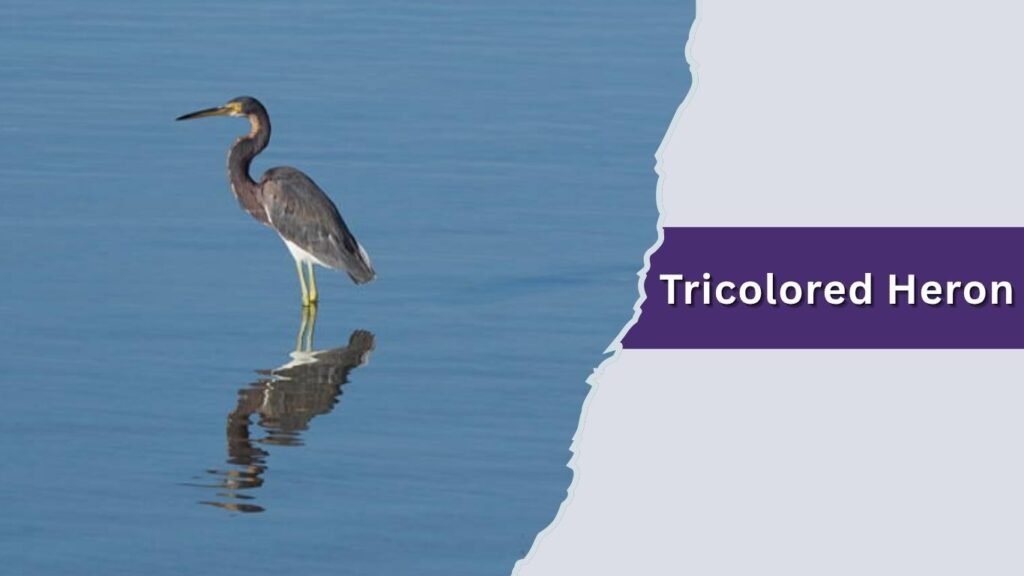
The Tricolored Heron is a slender and active heron species commonly found in coastal and freshwater habitats of the Americas. It is known for its graceful movements and contrasting plumage.
Identification
- Medium-sized heron, about 2–2.5 feet tall
- Blue-gray upperparts with a white belly
- Long neck with a white stripe down the front
- Thin, pointed bill and long legs
Habitat and Distribution
Tricolored Herons are found in the southeastern United States, Central America, and parts of South America. They prefer coastal marshes, lagoons, mangroves, and shallow freshwater wetlands.
Behavior and Diet
These herons are active feeders and often chase prey in shallow water. Their diet mainly includes small fish, crustaceans, and aquatic insects. They are usually seen alone but may gather in small groups where food is plentiful.
Conservation Status
The Tricolored Heron is classified as a species of least concern, with a stable population. However, habitat degradation and water pollution can affect local populations.
15. Reddish Egret
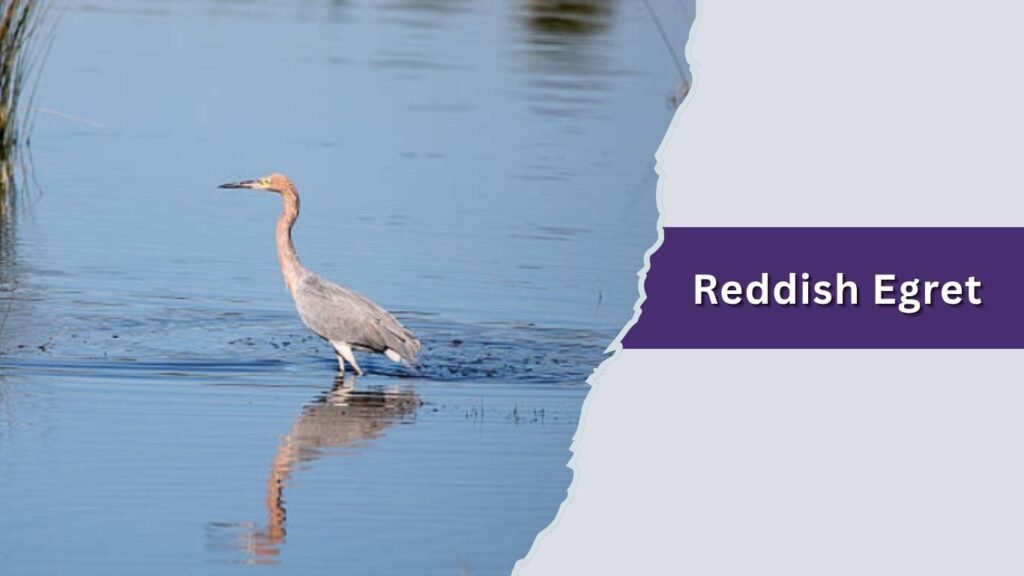
The Reddish Egret is one of the most energetic and unique heron species, known for its lively feeding behavior. It is mostly found along coastal regions and is less common than many other herons.
Identification
- Medium-sized heron, about 2.5–3 feet tall
- Two color forms: dark (reddish-brown and gray) and white morph
- Shaggy feathers on the neck and back
- Long legs and a pink-based bill with a dark tip
Habitat and Distribution
Reddish Egrets are found along coastal areas of the Gulf of Mexico, the Caribbean, and parts of Central America. They prefer shallow coastal waters, lagoons, and tidal flats.
Behavior and Diet
These herons are highly active hunters, often running, jumping, and spreading their wings to catch prey. Their diet mainly consists of small fish, which they chase in shallow water using energetic movements.
Conservation Status
The Reddish Egret is listed as near threatened due to its limited range and habitat loss. Protection of coastal wetlands is important for maintaining its population.
16. Western Reef Heron
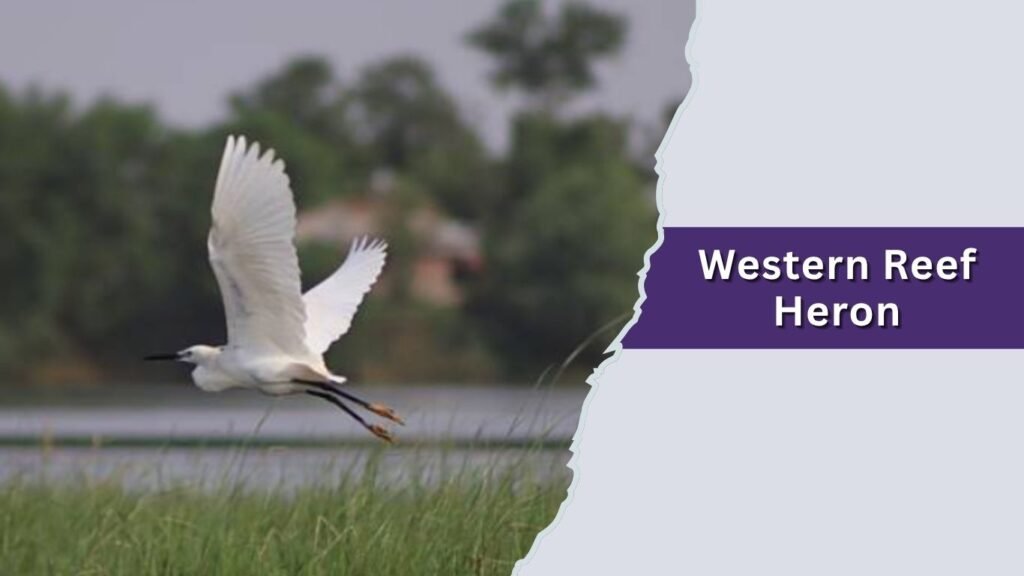
The Western Reef Heron is a coastal heron species known for its adaptability and variable plumage, which can range from dark gray to pure white. It is commonly found along shorelines and tidal areas.
Identification
- Medium-sized heron, about 2–2.5 feet tall
- Two color forms: dark gray or entirely white
- Slender body with long legs and neck
- Sharp, pointed bill adapted for catching fish
Habitat and Distribution
Western Reef Herons are found along the coasts of Africa, the Middle East, and parts of South Asia. They inhabit rocky shores, mudflats, lagoons, and coastal wetlands where shallow water is available.
Behavior and Diet
These herons are active feeders and often move quickly in shallow water. They feed mainly on fish, crustaceans, and small aquatic animals. Their hunting style may include walking, running, or using their wings to create shade and attract prey.
Conservation Status
The Western Reef Heron is classified as a species of least concern, with a stable population. Its adaptability to coastal environments helps it maintain healthy numbers.
17. Pacific Reef Heron
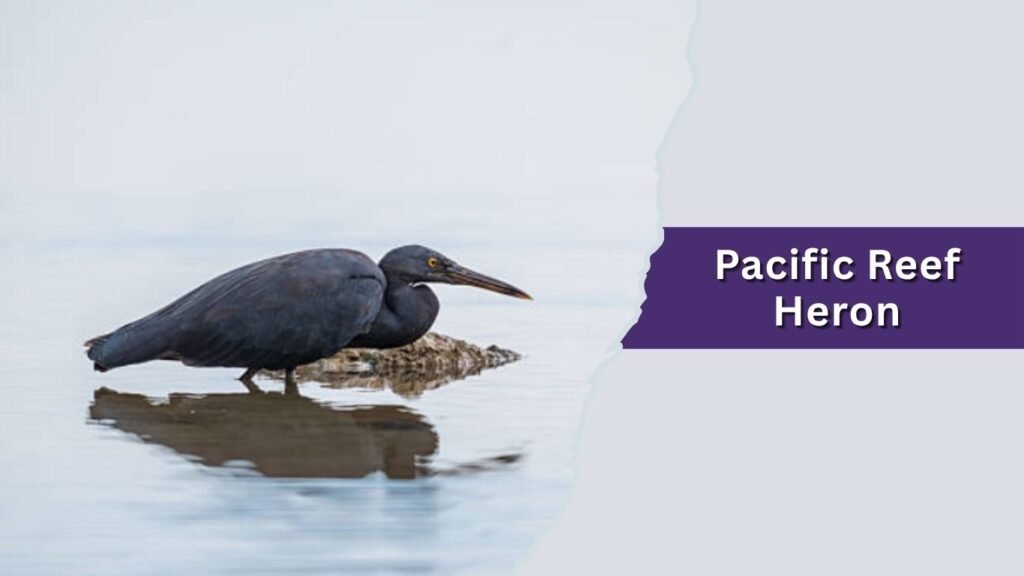
The Pacific Reef Heron is a close relative of the Western Reef Heron and is commonly found across coastal regions of the Indo-Pacific. It is known for its similar color variations and coastal lifestyle.
Identification
- Medium-sized heron, about 2–2.5 feet tall
- Two main color morphs: dark gray and white
- Slender build with long legs and neck
- Straight, pointed bill
Habitat and Distribution
Pacific Reef Herons are widely distributed across the Indo-Pacific region, including Southeast Asia, Australia, and Pacific islands. They inhabit coastal habitats such as reefs, beaches, and mangroves.
Behavior and Diet
These herons are usually solitary and are often seen foraging along shorelines. They feed on fish, crabs, and other small marine creatures. Their hunting behavior includes slow stalking and quick strikes.
Conservation Status
The Pacific Reef Heron is listed as a species of least concern due to its wide range and stable population. Coastal habitat protection is important for maintaining its numbers.
18. Goliath Heron
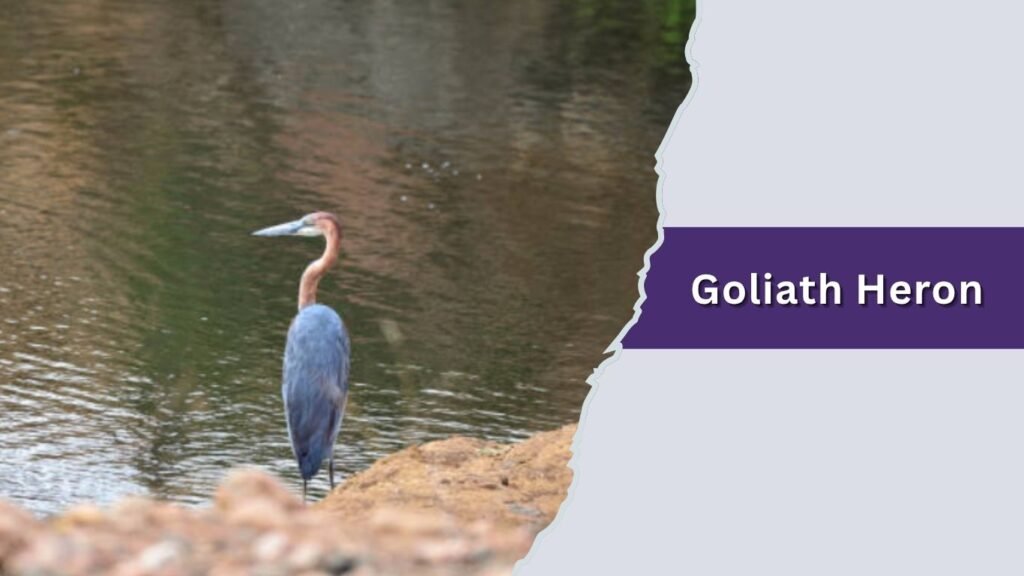
The Goliath Heron is the largest heron species in the world, known for its massive size and powerful presence. It is mainly found in Africa and is often seen near large bodies of water where it hunts for sizeable prey.
Identification
- Very large heron, standing up to 5 feet tall
- Reddish-brown head and neck with gray wings
- Thick, heavy bill adapted for large prey
- Long legs and a strong, bulky build
Habitat and Distribution
Goliath Herons are found across sub-Saharan Africa, with smaller populations in parts of the Middle East and South Asia. They prefer large wetlands, lakes, rivers, and coastal areas where fish are abundant.
Behavior and Diet
These herons are mostly solitary and territorial. They feed primarily on large fish, using slow and deliberate movements before striking with force. Unlike smaller herons, they often target bigger prey, which they handle with their powerful bill.
Conservation Status
The Goliath Heron is classified as a species of least concern, with a stable population. However, habitat disturbance and water pollution can affect local populations.
19. Cocoi Heron
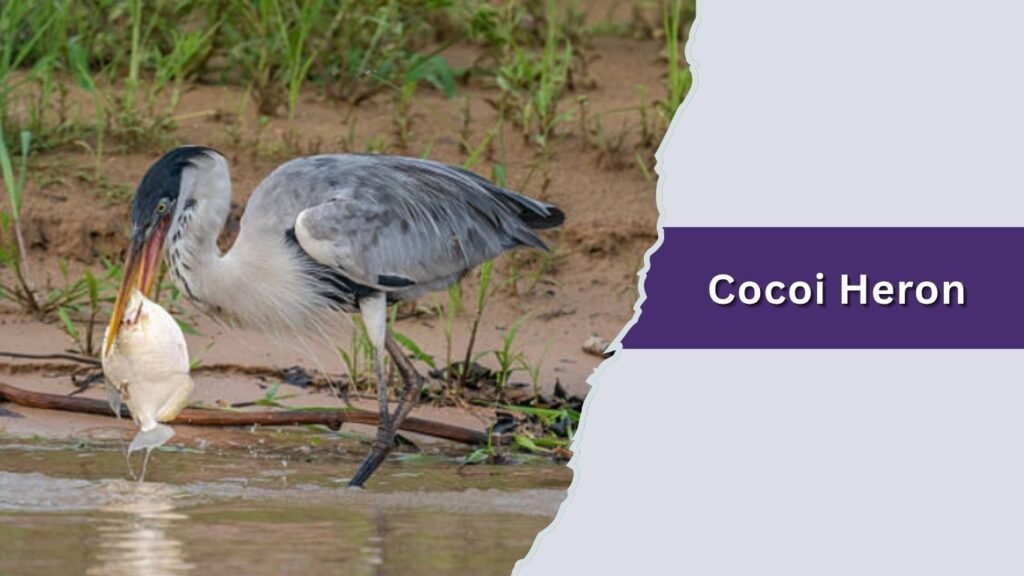
The Cocoi Heron is a large South American heron that closely resembles the Great Blue Heron. It is commonly found in wetlands and river systems across its range.
Identification
- Large heron, about 3.5–4 feet tall
- Gray body with a white neck and black crown
- Long neck with dark streaks
- Sharp, yellowish bill and long legs
Habitat and Distribution
Cocoi Herons are found throughout South America, including countries like Brazil, Argentina, and Colombia. They inhabit rivers, lakes, marshes, and coastal wetlands. They are often seen in open areas near water.
Behavior and Diet
These herons are usually solitary hunters, feeding on fish, amphibians, and small animals. They use a patient hunting style, standing still before striking quickly at prey.
Conservation Status
The Cocoi Heron is listed as a species of least concern, with a stable population. Its wide distribution helps maintain healthy numbers, though habitat protection remains important.
20. Whistling Heron
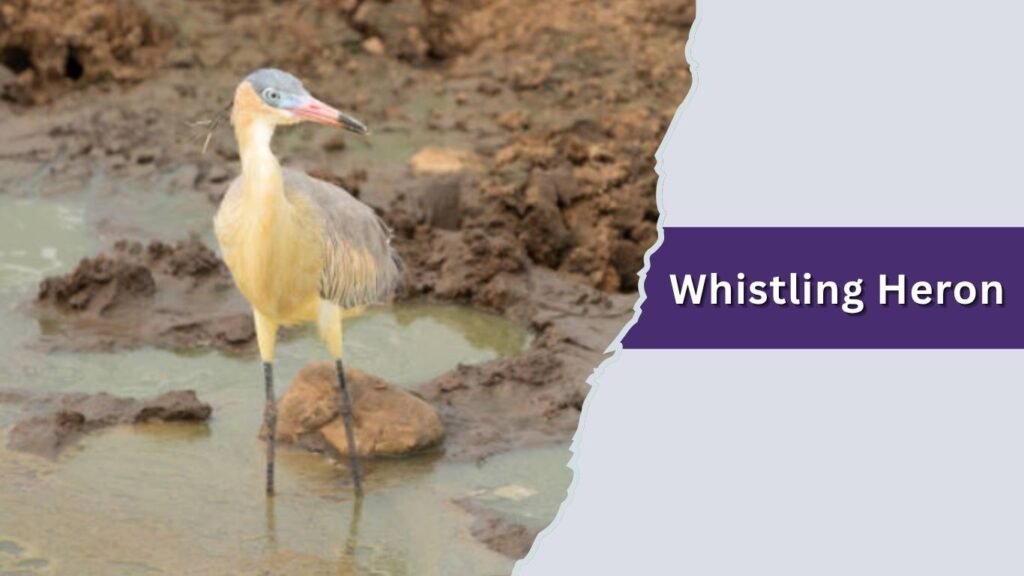
The Whistling Heron is a medium-sized and unique heron species known for its vocal nature, especially its whistling calls. It is native to South America and is often found in open habitats rather than dense wetlands.
Identification
- Medium-sized heron, about 2–2.5 feet tall
- Grayish body with a pale neck and chest
- Black cap and distinctive facial markings
- Long legs and a slender, pointed bill
Habitat and Distribution
Whistling Herons are found across South America, including Brazil, Argentina, and Paraguay. They prefer open grasslands, savannas, and wetlands, often near water sources but also in drier areas compared to many other herons.
Behavior and Diet
These herons are often seen alone or in pairs. They are more vocal than most herons and produce whistling calls. Their diet includes insects, small reptiles, amphibians, and occasionally fish, which they catch by walking slowly and picking prey.
Conservation Status
The Whistling Heron is classified as a species of least concern, with a stable population. Its adaptability to different habitats helps support its continued survival.
21. Agami Heron
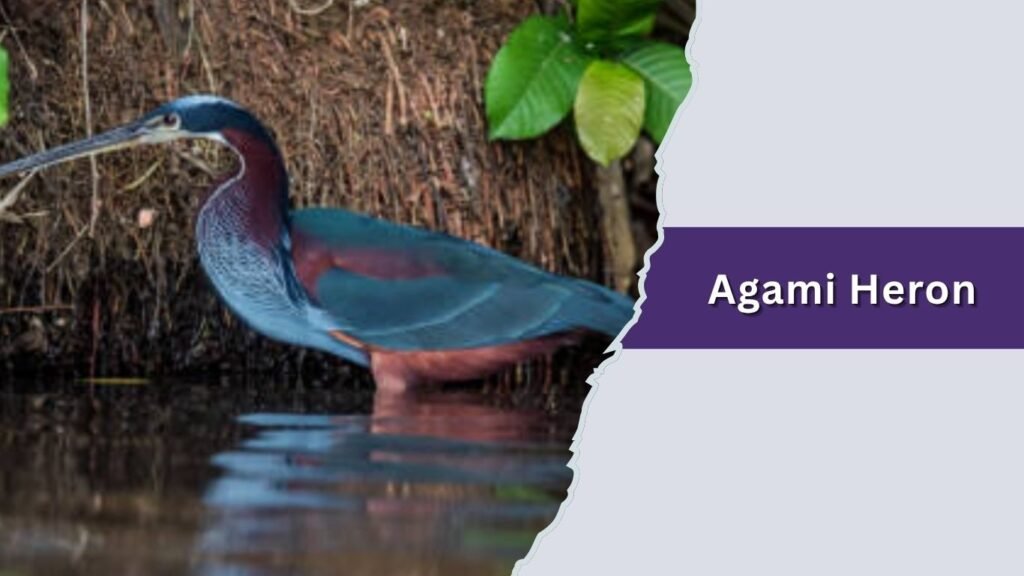
The Agami Heron is one of the most beautiful and colorful heron species, known for its striking plumage and secretive behavior. It is primarily found in tropical regions of Central and South America.
Identification
- Medium-sized heron, about 2–2.5 feet tall
- Rich chestnut neck and body with metallic green wings
- Long, slender neck with fine white streaks
- Long, thin bill adapted for precise hunting
Habitat and Distribution
Agami Herons are found in Central and South America, especially in countries like Brazil, Venezuela, and Costa Rica. They inhabit dense tropical wetlands, swamps, and forested waterways, often staying hidden in vegetation.
Behavior and Diet
These herons are usually solitary and very secretive. They hunt quietly in shaded waters, feeding on fish, insects, and small aquatic animals. Their slow and careful movements help them remain undetected while hunting.
Conservation Status
The Agami Heron is listed as a species of least concern, but it is rarely seen due to its secretive nature. Habitat destruction in tropical wetlands can pose a threat to local populations.
22. Boat-billed Heron
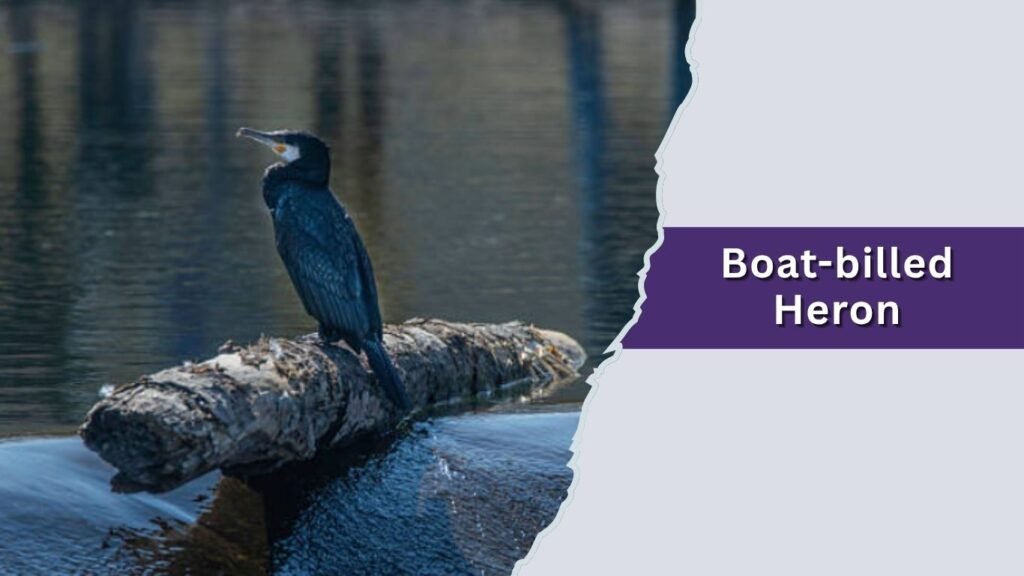
The Boat-billed Heron is a unique and unusual heron species known for its broad, scoop-shaped bill. It is mostly nocturnal and differs in behavior and appearance from typical herons.
Identification
- Medium-sized heron, about 2–2.5 feet tall
- Large, wide bill shaped like a boat
- Black crown with pale gray body
- Big eyes adapted for night vision
Habitat and Distribution
Boat-billed Herons are found in Central and South America, including countries like Mexico, Brazil, and Colombia. They inhabit mangroves, swamps, and forested wetlands, usually near slow-moving water.
Behavior and Diet
These herons are mostly active at night and rest during the day. They feed on fish, crustaceans, insects, and small animals. Their wide bill helps them scoop up prey from the water.
Conservation Status
The Boat-billed Heron is classified as a species of least concern, with a stable population. However, habitat destruction in wetland areas can impact local populations.
23. Zigzag Heron
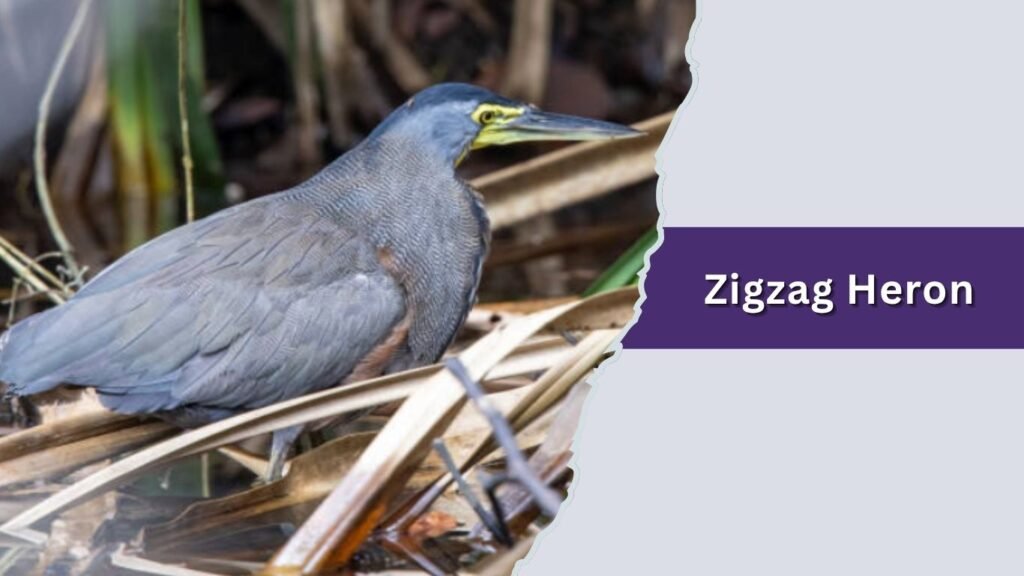
The Zigzag Heron is a rare and secretive species known for its excellent camouflage and elusive nature. It is one of the least commonly seen herons due to its hidden lifestyle.
Identification
- Small heron, about 12–14 inches tall
- Brown and black streaked plumage
- Short neck and compact body
- Sharp, pointed bill
Habitat and Distribution
Zigzag Herons are found in parts of Central and South America, especially in dense tropical forests. They prefer shaded streams, swamps, and forested wetlands where they can remain hidden.
Behavior and Diet
These herons are solitary and extremely secretive. They are usually active during dawn and dusk, feeding on small fish, insects, and amphibians. Their camouflage helps them blend perfectly into their surroundings.
Conservation Status
The Zigzag Heron is listed as a species of least concern, but it is rarely observed. Habitat loss in tropical forests may affect local populations, making conservation important.
24. White-faced Heron
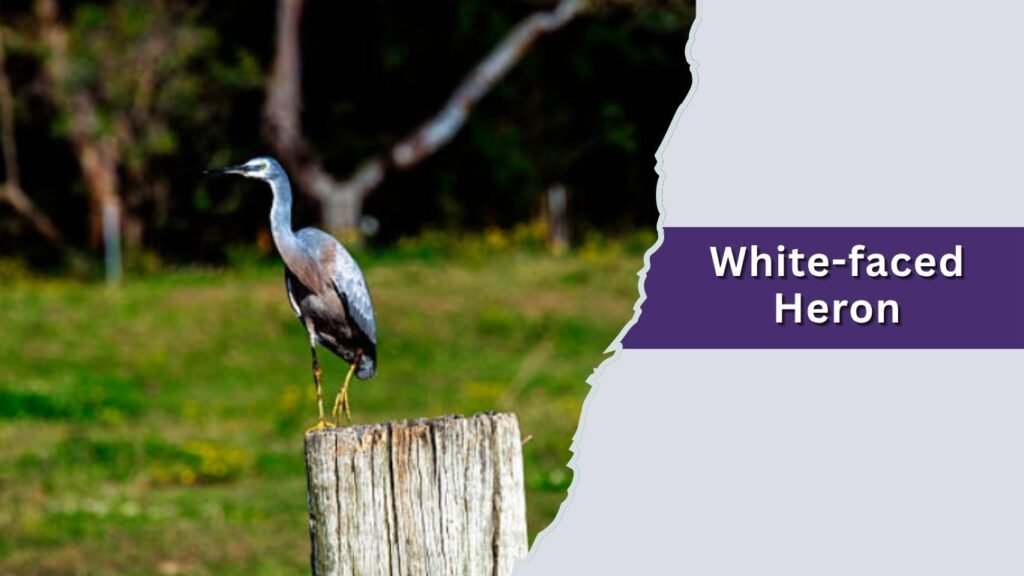
The White-faced Heron is a common and adaptable species found mainly in Australia and nearby regions. It is known for its calm behavior and ability to live in both natural and human-modified environments.
Identification
- Medium-sized heron, about 2–2.5 feet tall
- Blue-gray body with a white face and throat
- Long legs and a slender neck
- Sharp, pointed bill
Habitat and Distribution
White-faced Herons are found across Australia, New Zealand, and parts of Indonesia. They inhabit wetlands, rivers, lakes, coastal areas, and even urban environments like parks and gardens.
Behavior and Diet
These herons are usually seen alone or in pairs. They are patient hunters, feeding on fish, insects, frogs, and small animals. They often stand still or walk slowly while searching for prey.
Conservation Status
The White-faced Heron is classified as a species of least concern, with a stable population. Its adaptability to different habitats has helped it thrive in many areas.
25. Madagascar Pond Heron
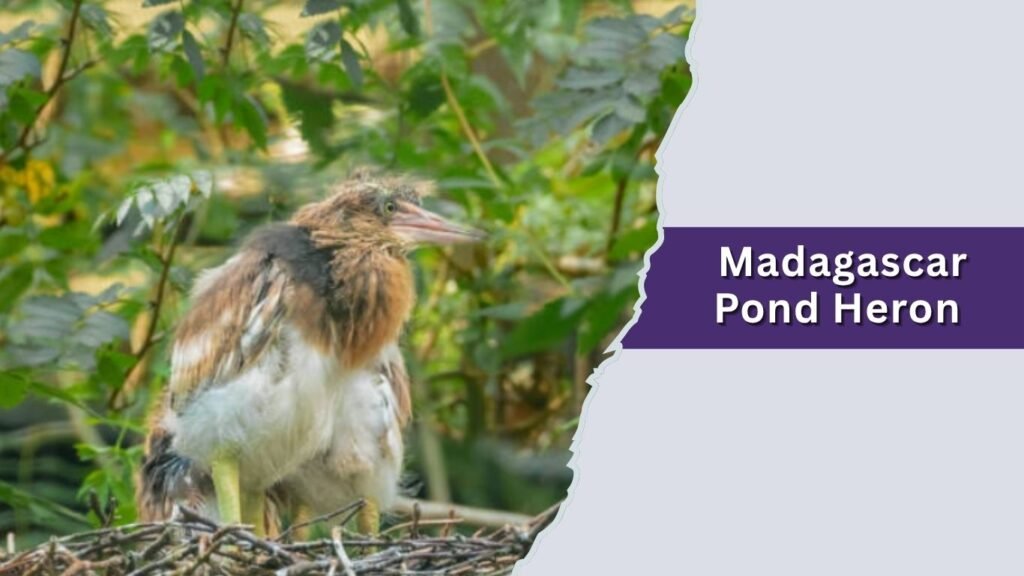
The Madagascar Pond Heron is a small and rare species found mainly on the island of Madagascar. It is known for its limited range and conservation concerns.
Identification
- Small heron, about 18 inches tall
- Brown-streaked body when perched
- Bright white wings visible in flight
- Yellow bill and relatively short legs
Habitat and Distribution
This species is endemic to Madagascar, where it inhabits wetlands such as lakes, marshes, and rice fields. Its restricted range makes it vulnerable to environmental changes.
Behavior and Diet
Madagascar Pond Herons are usually solitary and rely on camouflage while resting. They feed on fish, insects, and small aquatic animals, using quick strikes to catch prey.
Conservation Status
The Madagascar Pond Heron is classified as endangered due to habitat loss and wetland degradation. Conservation efforts are important to protect its limited population and habitat.
