
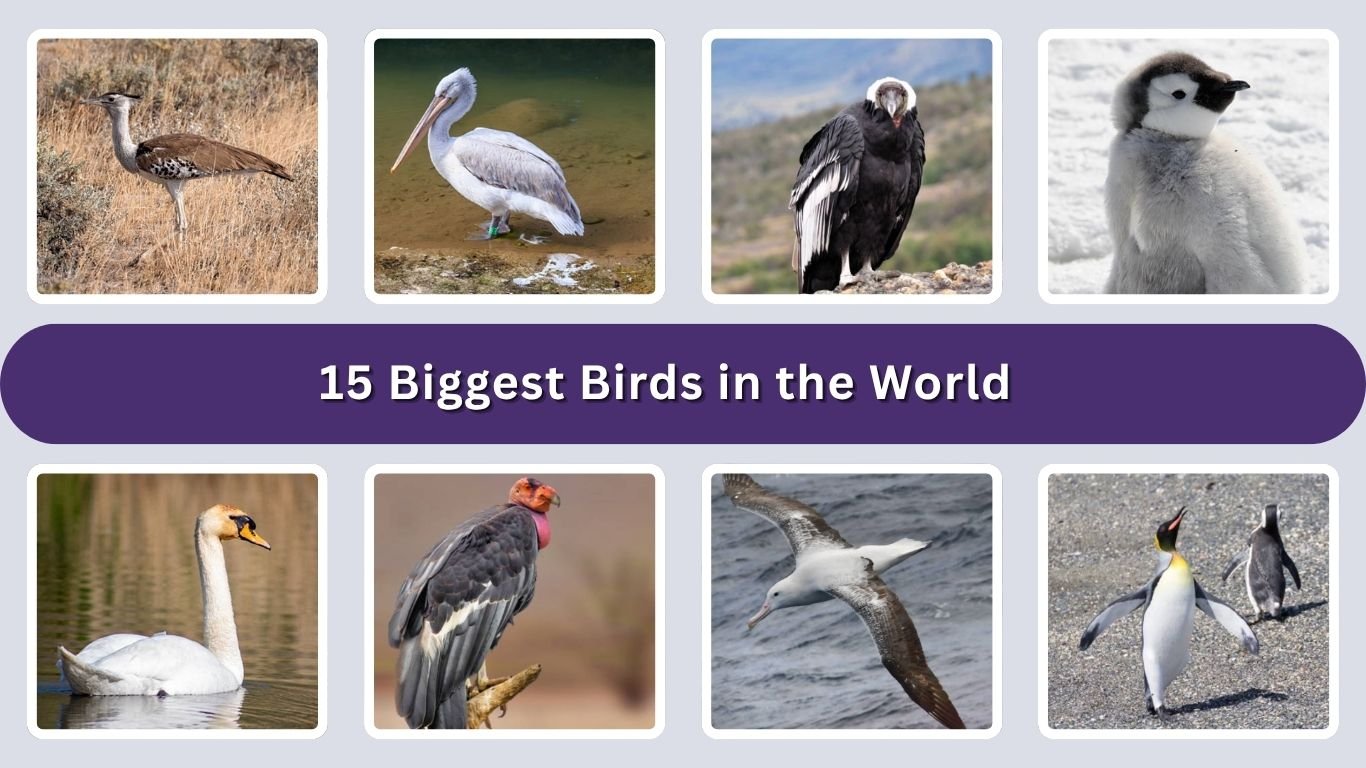
The world of birds includes some truly massive species, ranging from towering flightless giants to heavy birds capable of flight. These largest birds have evolved unique features to survive in their environments, such as powerful legs, विशाल wingspans, or strong bodies. From the record-breaking ostrich to the impressive kori bustard, each species stands out in size and adaptation. In this guide, you’ll explore 15 of the biggest birds in the world, along with their size, diet, habitat, and key identification features.
1. Ostrich
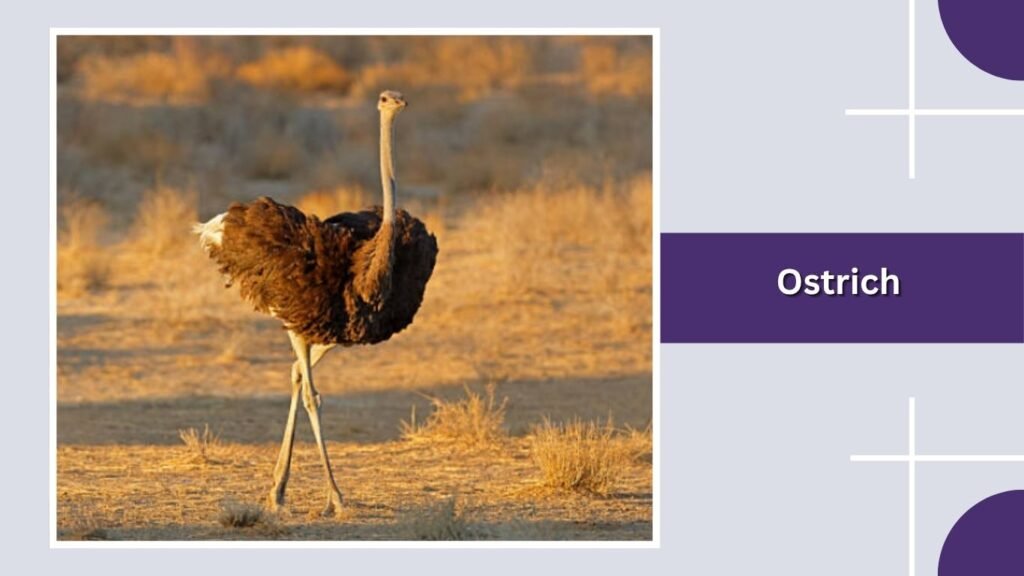
The ostrich is the largest and heaviest bird in the world, native to Africa. It is a flightless bird but extremely powerful, using its long legs for speed and defense. Despite having wings, it relies on running rather than flying to survive in open landscapes.
Identification
- Tall bird with a long neck and small head
- Males have black feathers with white wings and tail
- Females are grayish-brown in color
- Long, strong legs with only two toes
- Large eyes adapted for spotting danger
Size
Ostriches can grow between 7 to 9 feet (2.1 to 2.7 meters) tall, making them the tallest birds on Earth. They typically weigh around 90 to 150 kilograms (200 to 330 pounds). Their large body size makes flight impossible, but they can run at speeds up to 70 km/h (43 mph).
Diet
Ostriches are omnivores and eat a variety of food. Their diet mainly includes grasses, seeds, leaves, and flowers. They also consume insects, small reptiles, and occasionally small animals. To aid digestion, they swallow small stones that help grind food in their stomach.
Habitat
Ostriches are found in savannas, grasslands, and semi-desert regions of Africa. They prefer open areas where they can run freely and easily spot predators. These habitats provide enough vegetation for feeding and space for movement.
2. Emu
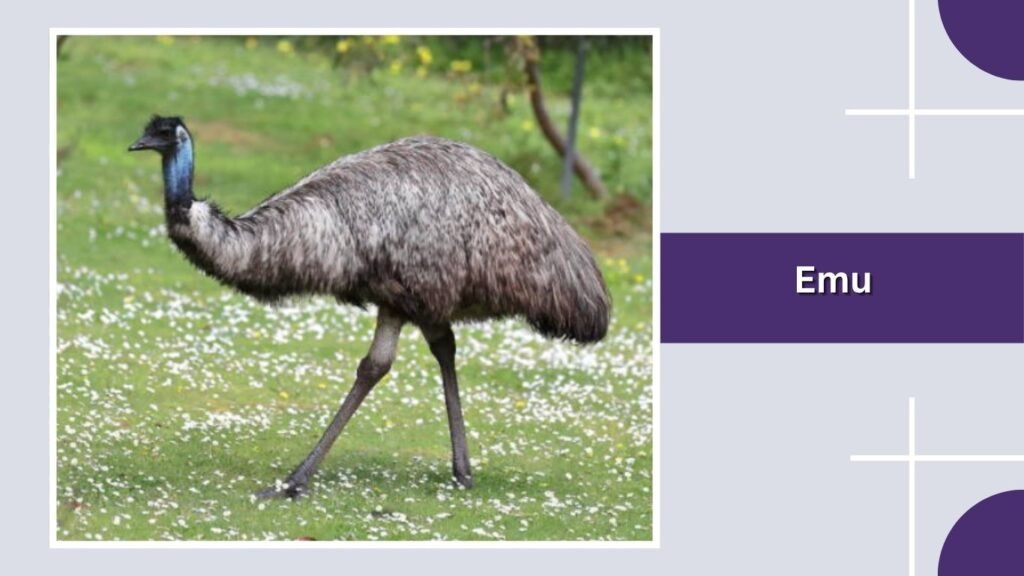
The emu is the second-largest bird in the world and is native to Australia. Like the ostrich, it is flightless but highly adapted for life on land. Emus are known for their speed, endurance, and ability to survive in a variety of environments.
Identification
- Large bird with a long neck and legs
- Shaggy, soft brown feathers
- Small head with a dark, pointed beak
- Short, hidden wings
- Three-toed feet adapted for running
Size
Emus typically stand about 5.5 to 6 feet (1.7 to 1.9 meters) tall. They usually weigh between 30 to 45 kilograms (66 to 100 pounds). Although smaller than ostriches, they are still very large and can run at speeds up to 50 km/h (31 mph).
Diet
Emus are omnivores and eat a wide variety of foods. Their diet includes seeds, fruits, flowers, grasses, and insects. They may also consume small animals when available. This flexible diet helps them adapt to different environments.
Habitat
Emus are found across most of Australia, living in grasslands, savannas, and open forests. They avoid dense forests and extremely dry deserts. These birds prefer open areas where they can move freely and find food easily.
3. Southern Cassowary
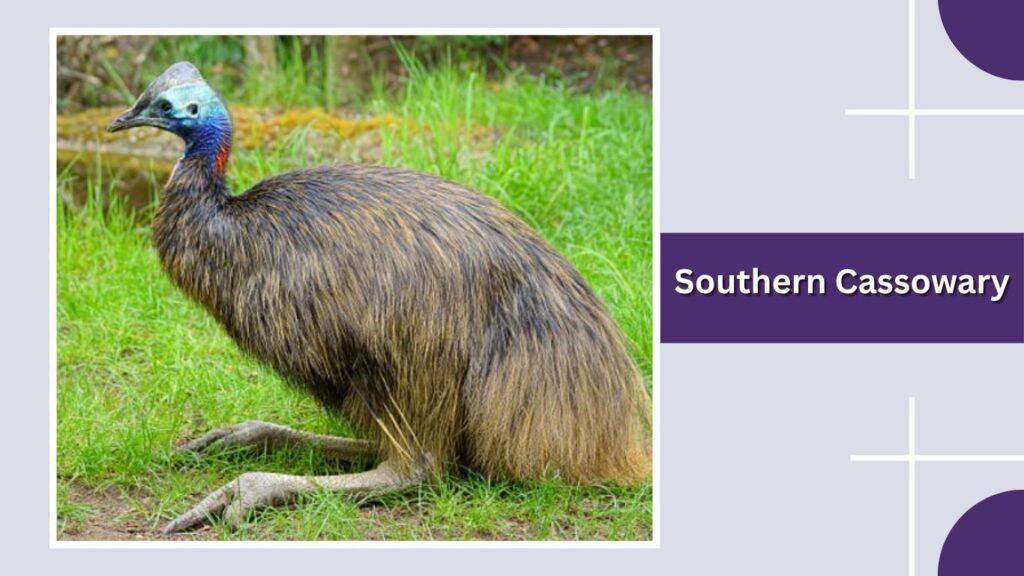
The southern cassowary is one of the largest and most powerful flightless birds in the world. Native to the tropical rainforests of New Guinea and northeastern Australia, it is known for its striking appearance and strong legs.
Identification
- Large bird with black, coarse feathers
- Bright blue and red skin on the neck
- Helmet-like casque on top of the head
- Strong legs with sharp claws
- Short wings and no visible tail
Size
Southern cassowaries can grow up to 5 to 6 feet (1.5 to 1.8 meters) tall and weigh between 30 to 70 kilograms (66 to 154 pounds). They are among the heaviest birds and are built for strength rather than flight.
Diet
They are mainly frugivores, feeding mostly on fallen fruits. They also eat fungi, insects, and small animals like frogs or rodents. Cassowaries play an important role in spreading seeds throughout their forest habitat.
Habitat
Southern cassowaries live in dense tropical rainforests, swamps, and nearby grasslands. They prefer thick vegetation that provides shelter and abundant fruit sources, allowing them to move quietly through their environment.
4. Northern Cassowary
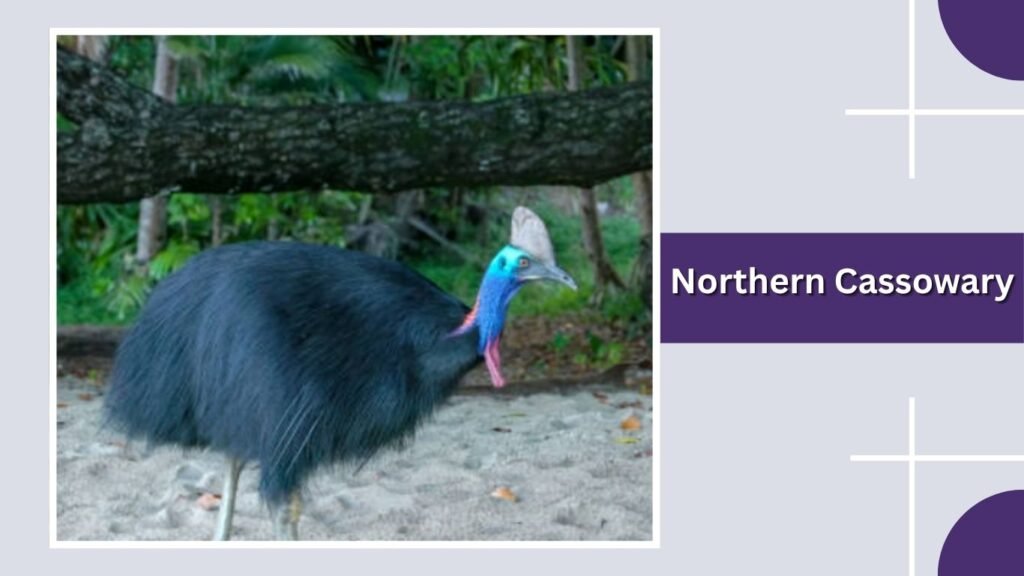
The northern cassowary is a large, flightless bird found in the tropical forests of New Guinea. It is closely related to the southern cassowary and shares many similar features, including its striking colors and powerful build.
Identification
- Large bird with black, coarse feathers
- Bright blue skin on the neck
- Prominent casque on top of the head
- Strong legs with sharp claws
- Short wings and small tail
Size
Northern cassowaries typically grow about 4.5 to 5.5 feet (1.4 to 1.7 meters) tall. They usually weigh between 25 to 58 kilograms (55 to 128 pounds). While slightly smaller than the southern cassowary, they are still very strong and heavy birds.
Diet
They are primarily frugivores, feeding mainly on fruits found on the forest floor. They also consume fungi, insects, and small animals. Their diet helps in seed dispersal, making them important for forest ecosystems.
Habitat
Northern cassowaries live in tropical rainforests, swamps, and lowland forests of New Guinea. They prefer dense vegetation where they can find food and stay hidden from threats, moving quietly through their environment.
5. Dwarf Cassowary
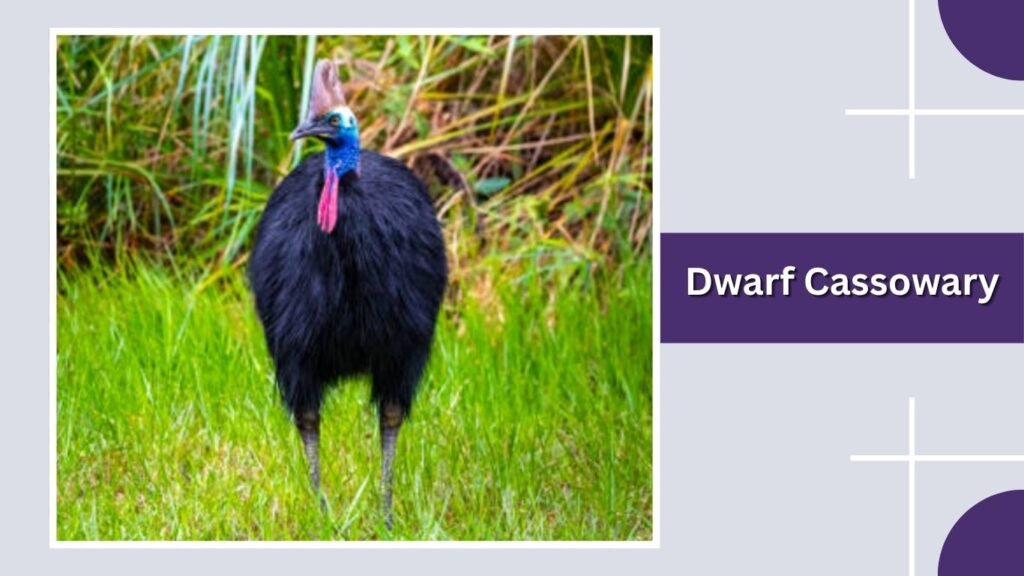
The dwarf cassowary is the smallest of the three cassowary species, but it is still a large and powerful flightless bird. It is native to the mountainous forests of New Guinea and is less commonly seen than its larger relatives.
Identification
- Medium-sized bird with black, coarse feathers
- Bright blue and red skin on the neck (less vibrant than others)
- Smaller casque on top of the head
- Strong legs with sharp claws
- Compact body with short wings
Size
Dwarf cassowaries typically grow about 3 to 5 feet (1 to 1.5 meters) tall. They usually weigh between 17 to 26 kilograms (37 to 57 pounds). Although smaller than other cassowaries, they are still solid and strong birds adapted for life on the ground.
Diet
They mainly feed on fruits, making them important seed dispersers in their habitat. In addition to fruits, they eat fungi, insects, and small animals. Their diet supports the health of forest ecosystems.
Habitat
Dwarf cassowaries live in mountainous tropical rainforests of New Guinea and nearby islands. They prefer dense, high-altitude forests where there is plenty of vegetation and food, allowing them to move quietly and remain well hidden.
6. Greater Rhea
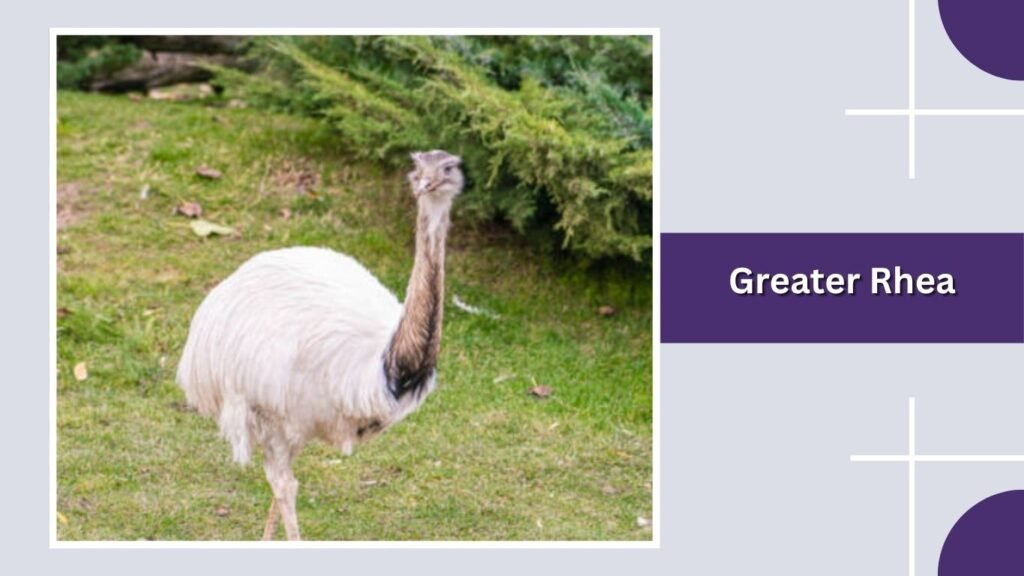
The greater rhea is one of the largest flightless birds in South America, often compared to the ostrich and emu. It is well adapted to open environments and relies on its speed and strong legs for survival.
Identification
- Large bird with long legs and neck
- Gray or brownish fluffy feathers
- Small head with a flat beak
- Long wings used for balance
- Three-toed feet for running
Size
Greater rheas typically stand about 5 to 5.5 feet (1.5 to 1.7 meters) tall. They usually weigh between 20 to 40 kilograms (44 to 88 pounds). While smaller than ostriches, they are still among the largest birds in the Americas.
Diet
They are omnivores and eat a wide range of foods. Their diet includes grasses, seeds, fruits, and leaves. They also consume insects, small reptiles, and occasionally small mammals, making them adaptable feeders.
Habitat
Greater rheas are found in grasslands, savannas, and open plains across countries like Brazil, Argentina, and Uruguay. They prefer open areas where they can run freely and easily detect predators.
7. Lesser Rhea
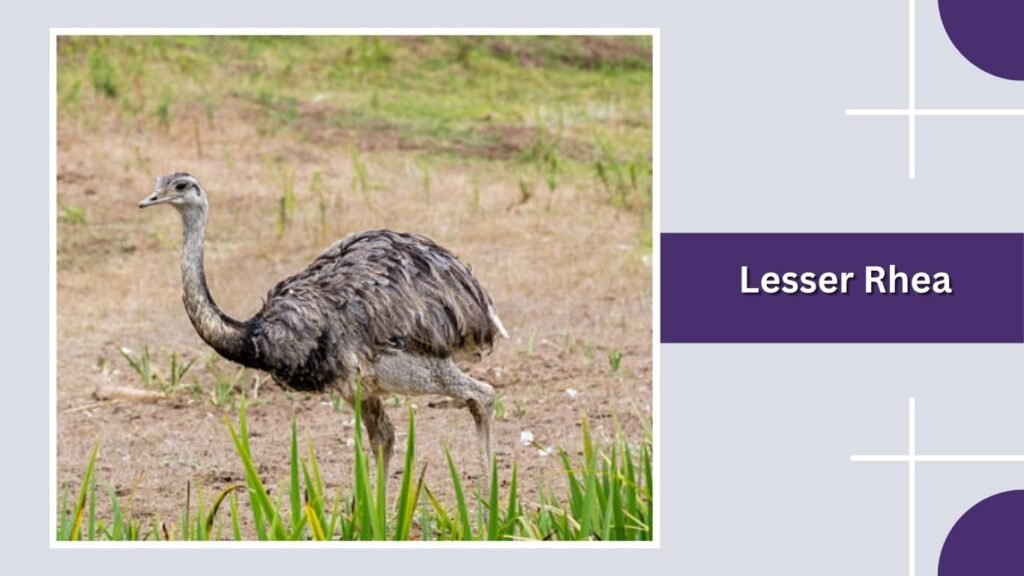
The lesser rhea, also known as Darwin’s rhea, is a smaller relative of the greater rhea and is native to South America. It is a flightless bird adapted to harsh environments, especially cooler and drier regions.
Identification
- Medium-sized bird with long legs and neck
- Brownish-gray feathers with white speckles
- Smaller body compared to the greater rhea
- Long wings used for balance while running
- Three-toed feet adapted for speed
Size
Lesser rheas typically stand about 3 to 4.5 feet (1 to 1.4 meters) tall. They usually weigh between 15 to 28 kilograms (33 to 62 pounds). Though smaller than the greater rhea, they are still large and strong birds.
Diet
They are omnivores and feed on a variety of plant and animal matter. Their diet includes grasses, leaves, seeds, and fruits, along with insects and small animals. This flexible diet helps them survive in tough environments.
Habitat
Lesser rheas are found in Patagonia and other parts of southern South America. They live in grasslands, shrublands, and semi-arid regions. These birds prefer open landscapes where they can run quickly and avoid predators.
8. Emperor Penguin
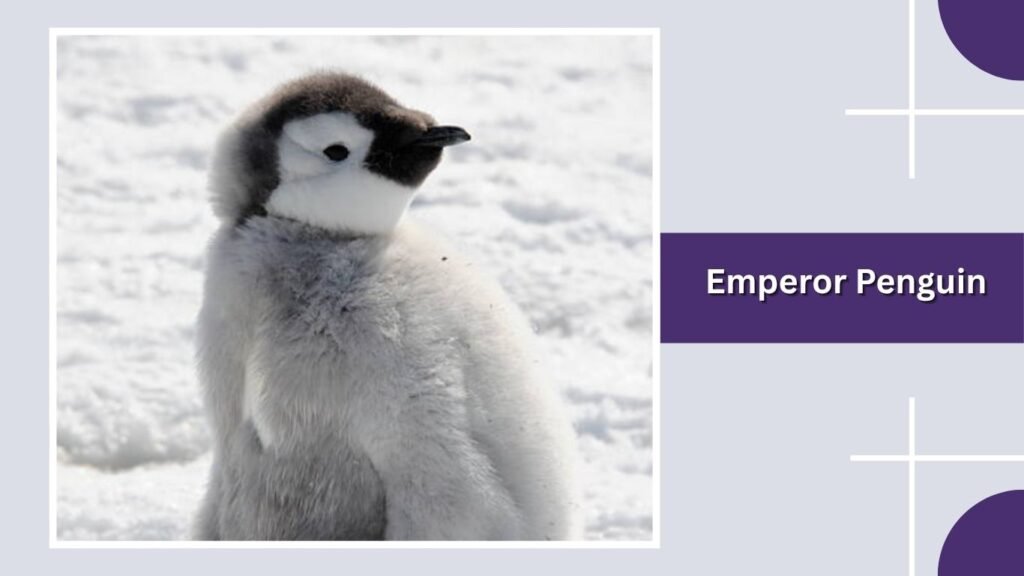
The emperor penguin is the tallest and heaviest of all penguin species, known for its ability to survive in the harsh conditions of Antarctica. Unlike flying birds, it is highly adapted for swimming and life on ice.
Identification
- Tall penguin with a black back and white belly
- Bright yellow and orange markings on the neck
- Short, stiff wings used as flippers
- Upright posture
- Strong, streamlined body for swimming
Size
Emperor penguins can grow up to 3.6 to 4 feet (1.1 to 1.2 meters) tall. They typically weigh between 22 to 45 kilograms (49 to 99 pounds), making them the largest penguin species in the world.
Diet
They are carnivores and mainly feed on fish, squid, and krill. Emperor penguins are excellent divers and can dive deep into the ocean to catch prey, staying underwater for several minutes.
Habitat
Emperor penguins are found exclusively in Antarctica. They live on sea ice and depend on the cold environment for breeding and survival. Their habitat is one of the harshest on Earth, with extreme cold and strong winds.
9. King Penguin
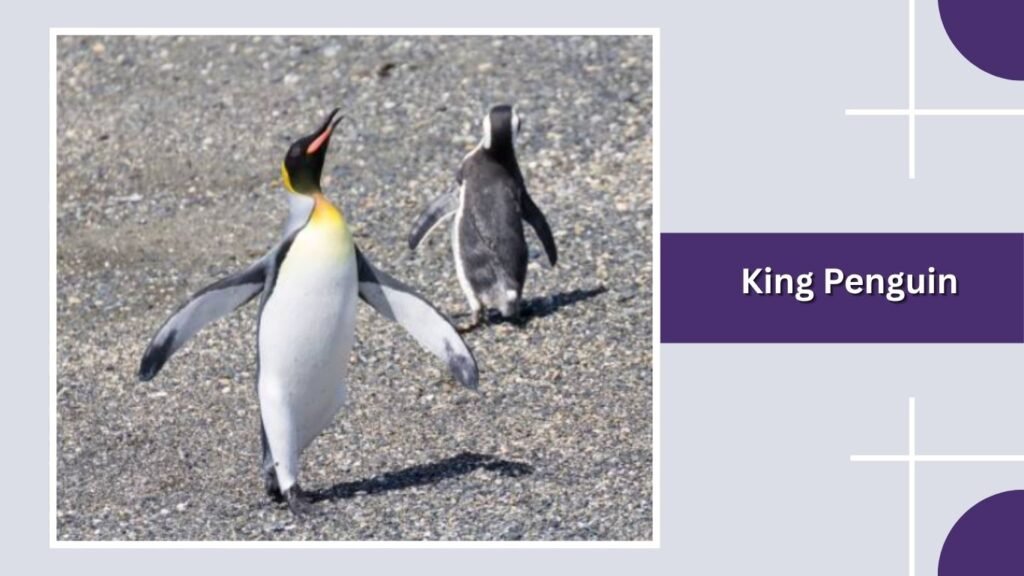
The king penguin is the second-largest penguin species and is known for its elegant appearance and strong swimming ability. It closely resembles the emperor penguin but is slightly smaller and found in milder climates.
Identification
- Large penguin with a black back and white belly
- Bright orange patches on the neck and chest
- Long, slender body
- Short wings shaped like flippers
- Upright stance
Size
King penguins typically grow about 2.8 to 3.3 feet (85 to 100 cm) tall. They usually weigh between 9 to 18 kilograms (20 to 40 pounds). Although smaller than emperor penguins, they are still among the largest penguin species.
Diet
They are carnivores and mainly feed on fish, squid, and krill. King penguins are excellent swimmers and divers, using their flippers to chase prey underwater with great efficiency.
Habitat
King penguins are found on sub-Antarctic islands such as South Georgia and the Falkland Islands. They prefer cold coastal environments with access to the ocean, where they gather in large colonies for breeding.
10. Wandering Albatross
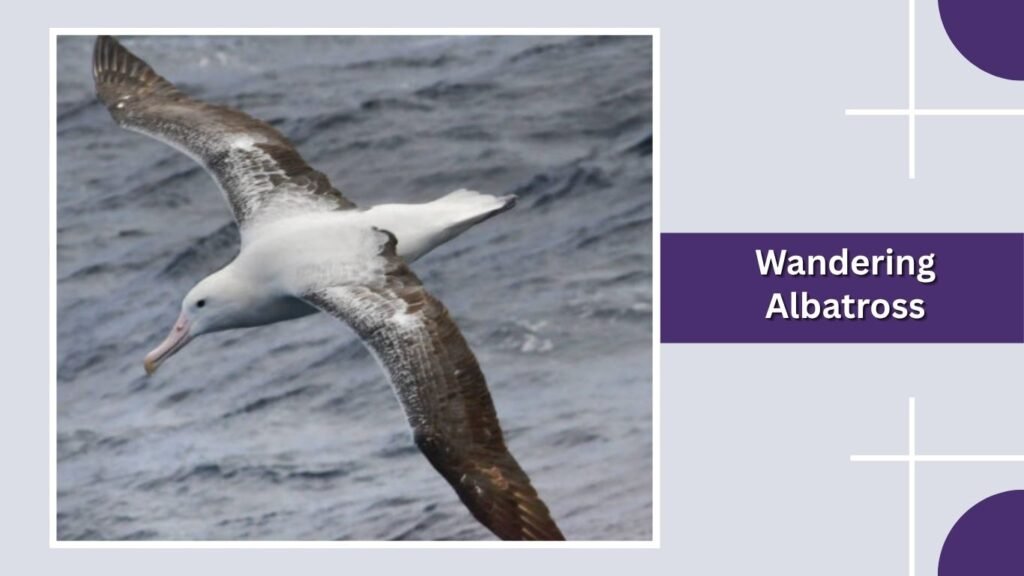
The wandering albatross is one of the largest flying birds in the world, famous for having the longest wingspan of any bird. It is a master of long-distance flight, spending most of its life gliding over oceans.
Identification
- Very large bird with extremely long, narrow wings
- White body with black markings on wings
- Long, pinkish hooked beak
- Short tail and strong body
- Graceful gliding flight
Size
Wandering albatrosses can have a wingspan of up to 10 to 12 feet (3 to 3.7 meters), the largest of any bird. They typically weigh between 6 to 12 kilograms (13 to 26 pounds), making them one of the heaviest flying birds.
Diet
They are carnivores and mainly feed on squid, fish, and crustaceans. They often catch prey from the ocean surface and may also scavenge for food.
Habitat
Wandering albatrosses are found in the Southern Ocean, especially around Antarctica and nearby islands. They spend most of their lives at sea and only come to land on remote islands to breed.
11. Andean Condor
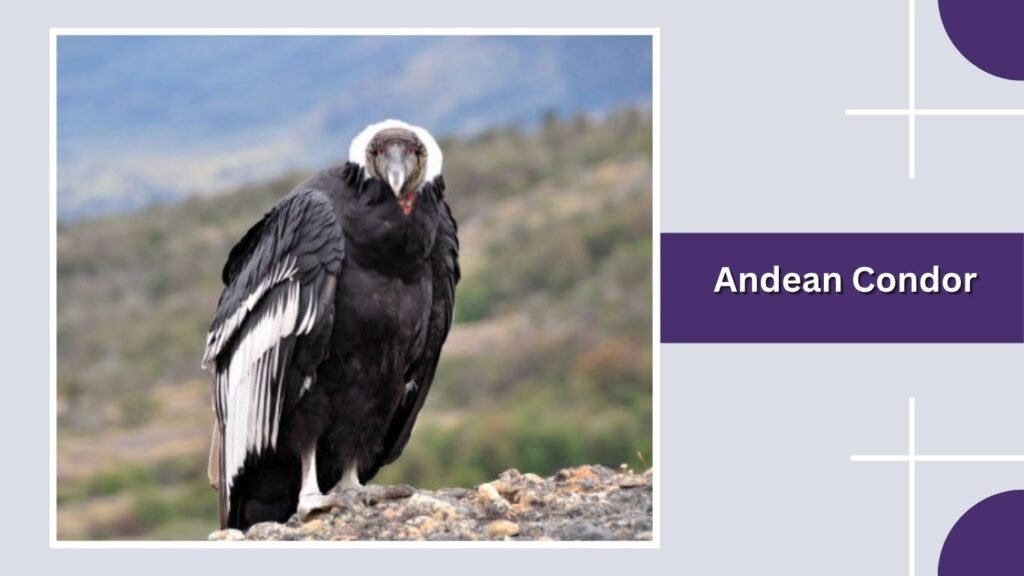
The Andean condor is one of the largest flying birds in the world and is known for its massive wingspan and ability to soar for long periods. It is a symbol of power in South American cultures and thrives in mountainous regions.
Identification
- Very large bird with broad wings
- Black body with white patches on the wings
- Featherless head and neck
- Males have a crest on the head
- Strong hooked beak
Size
Andean condors can have a wingspan of up to 10.5 feet (3.2 meters). They typically weigh between 8 to 15 kilograms (17 to 33 pounds), making them one of the heaviest flying birds.
Diet
They are scavengers and mainly feed on carrion (dead animals). Their diet includes large mammals such as deer and cattle. They rely on their keen eyesight to locate food from high in the sky.
Habitat
Andean condors are found in the Andes Mountains of South America. They prefer open grasslands, cliffs, and mountainous regions where they can soar using rising air currents and nest on high rocky ledges.
12. California Condor
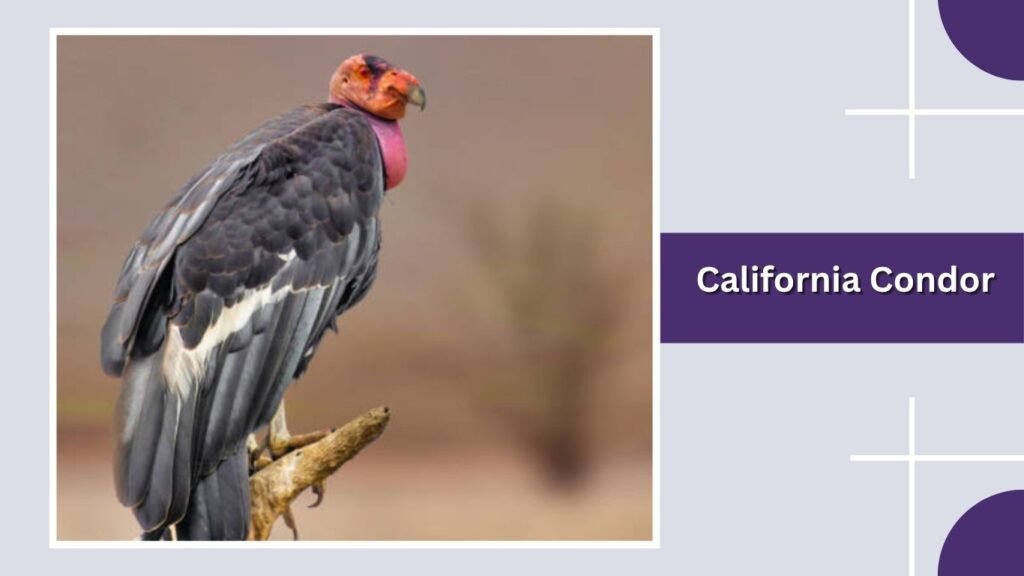
The California condor is one of the largest flying birds in North America and is known for its impressive wingspan and conservation success story. Once nearly extinct, it has been brought back through dedicated protection efforts.
Identification
- Large bird with broad wings
- Black body with white patches under the wings
- Bald head with pinkish-orange skin
- Long, hooked beak
- Strong, heavy body
Size
California condors can have a wingspan of up to 9.5 feet (2.9 meters). They typically weigh between 7 to 14 kilograms (15 to 31 pounds), making them one of the heaviest flying birds in North America.
Diet
They are scavengers and mainly feed on carrion (dead animals). Their diet includes large mammals such as deer, cattle, and marine animals. They play an important role in cleaning the environment.
Habitat
California condors are found in parts of California, Arizona, and Utah. They prefer rocky cliffs, canyons, and open landscapes where they can soar easily and nest in high, secluded areas.
13. Dalmatian Pelican
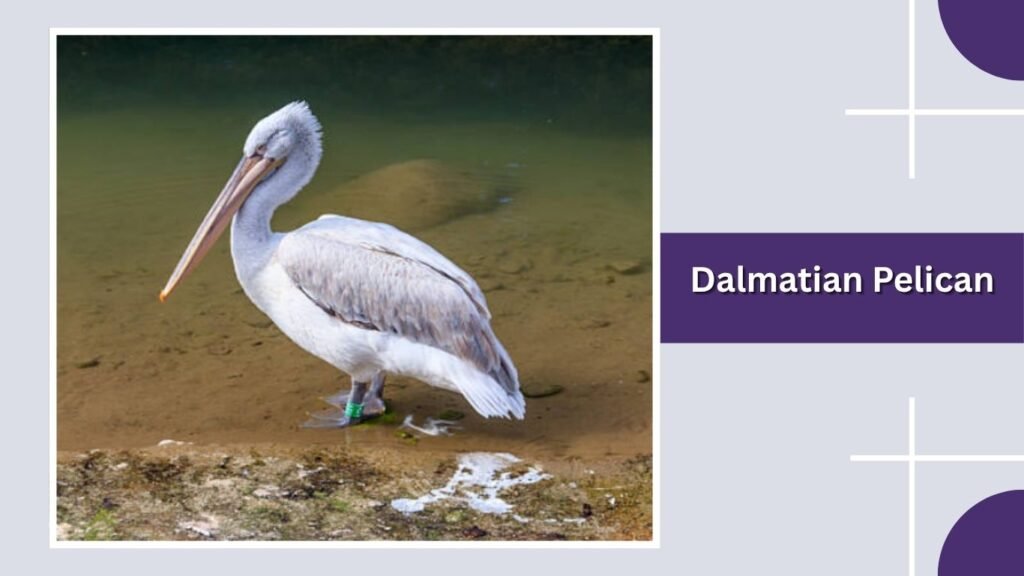
The Dalmatian pelican is one of the largest freshwater birds in the world and the heaviest flying pelican species. It is known for its massive bill and impressive wingspan, making it a striking sight in wetland habitats.
Identification
- Very large bird with pale gray-white feathers
- Curly feathers on the head during breeding season
- Massive orange-red bill with a large pouch
- Broad wings and heavy body
- Short legs with webbed feet
Size
Dalmatian pelicans can reach a wingspan of up to 11 feet (3.3 meters). They typically weigh between 10 to 15 kilograms (22 to 33 pounds), making them one of the heaviest flying birds in the world.
Diet
They mainly feed on fish, which they catch using their large bill and expandable throat pouch. They may also eat small aquatic animals. These birds often hunt in groups to catch prey more efficiently.
Habitat
Dalmatian pelicans are found in freshwater lakes, rivers, and wetlands across Europe and Asia. They prefer shallow waters with abundant fish and quiet areas for nesting, often forming colonies in protected wetland regions.
14. Mute Swan
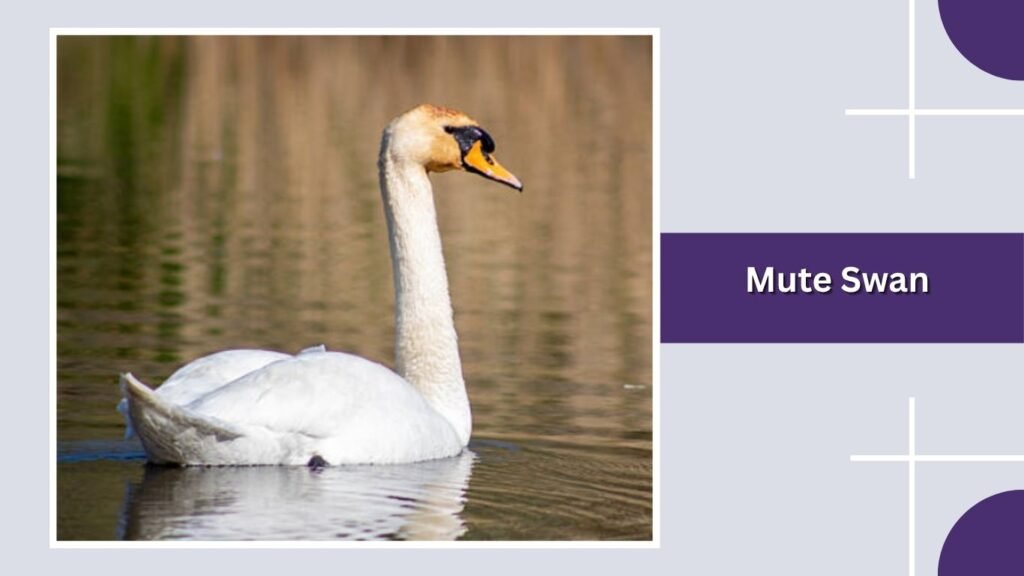
The mute swan is one of the largest and heaviest flying birds, known for its graceful appearance and strong wings. It is commonly found in Europe and parts of Asia, often seen gliding elegantly across water.
Identification
- Large white bird with a long curved neck
- Bright orange bill with a black knob at the base
- Broad wings and heavy body
- Black facial markings
- Smooth, elegant posture
Size
Mute swans can have a wingspan of up to 8 to 10 feet (2.4 to 3 meters). They typically weigh between 9 to 15 kilograms (20 to 33 pounds), making them one of the heaviest flying birds.
Diet
They are herbivores and mainly feed on aquatic plants, algae, and grasses. Occasionally, they may eat small insects or aquatic creatures. They forage by dipping their long necks underwater.
Habitat
Mute swans are found in lakes, ponds, rivers, and wetlands across Europe and parts of Asia. They prefer calm freshwater environments with plenty of vegetation and are also commonly seen in parks and gardens.
15. Kori Bustard
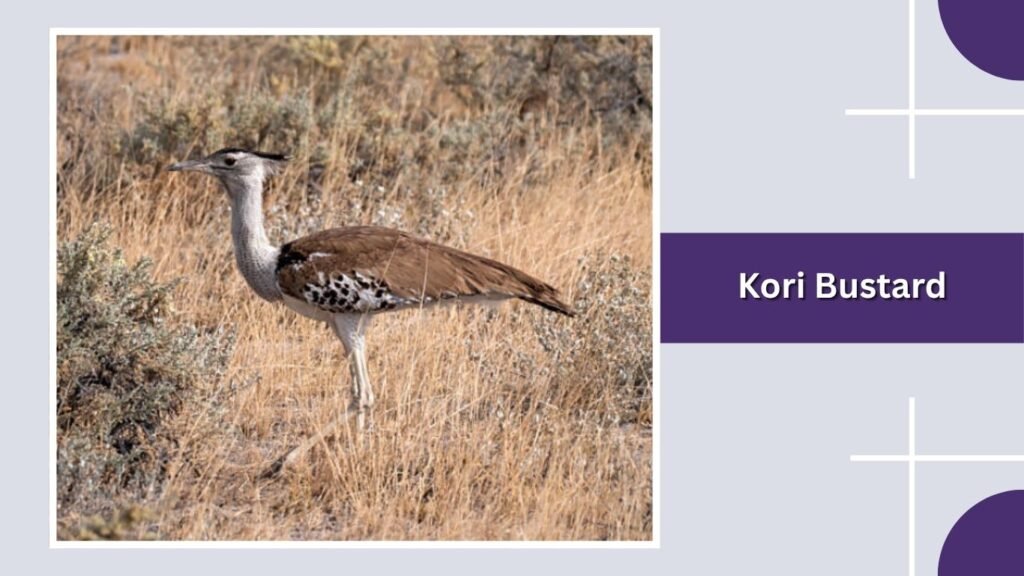
The kori bustard is one of the heaviest flying birds in the world and is native to Africa. Despite its large size, it is capable of flight, although it prefers to spend most of its time walking on the ground.
Identification
- Very large bird with a bulky body
- Brown and gray patterned feathers
- Long legs and thick neck
- Small head with a strong beak
- Broad wings used for short flights
Size
Kori bustards can grow about 3 to 4 feet (0.9 to 1.2 meters) tall. They typically weigh between 10 to 19 kilograms (22 to 42 pounds), making them one of the heaviest birds capable of flight.
Diet
They are omnivores and eat a wide variety of food. Their diet includes insects, small reptiles, seeds, berries, and other plant materials. They often forage on the ground in search of food.
Habitat
Kori bustards are found in grasslands, savannas, and open plains across eastern and southern Africa. They prefer dry, open environments where they can walk freely and spot predators from a distance.
