
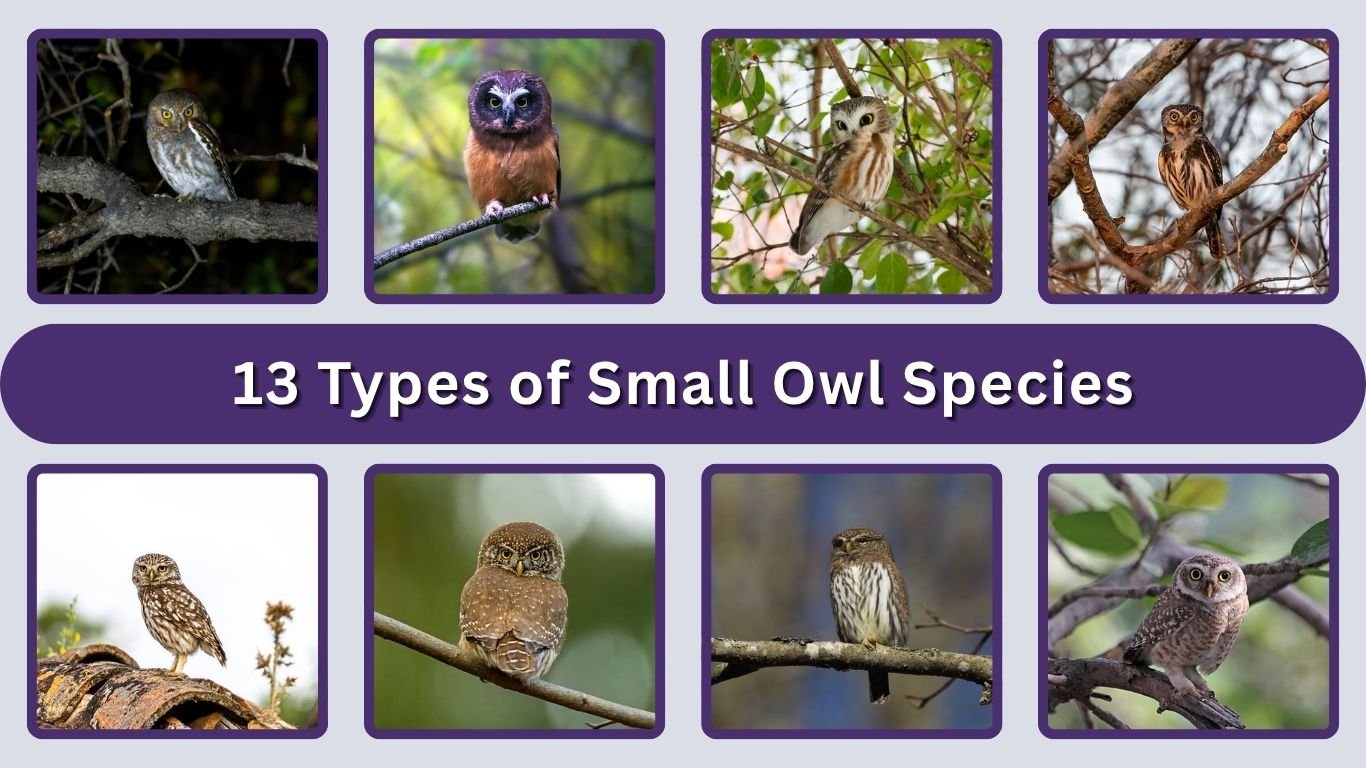
Small owl species are fascinating creatures known for their compact size, sharp hunting skills, and diverse habitats. Despite being smaller than their larger relatives, these owls are highly efficient predators and play an important role in maintaining ecological balance. From desert dwellers to forest inhabitants, each species has unique traits, behaviors, and adaptations that make them truly remarkable.
1. Elf Owl
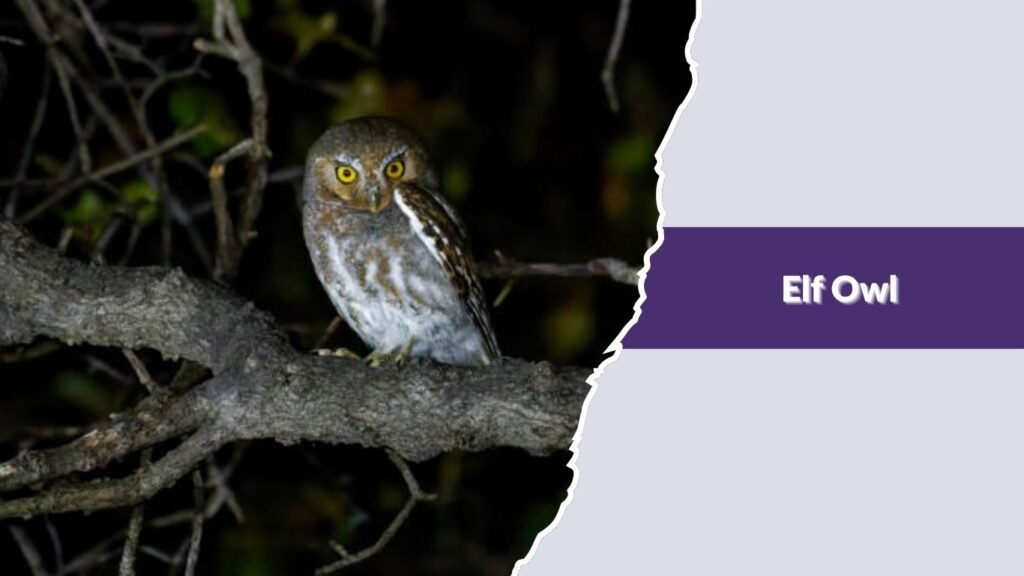
A tiny desert-dwelling owl, the Elf Owl is the smallest owl species in the world. It is known for its lightweight body, nocturnal habits, and preference for nesting in tree cavities, especially in cacti like saguaro.
Identification
- Very small size, about 12–14 cm in length
- Grayish-brown feathers with pale spots
- Round head with no ear tufts
- Yellow eyes and thin, pale beak
- Short tail and compact body
Habitat
The Elf Owl is commonly found in desert and semi-arid regions, particularly in the southwestern United States and Mexico. It prefers areas with saguaro cacti or woodpecker holes where it can nest safely.
Behavior
This owl is strictly nocturnal and highly active at night. It feeds mainly on insects such as moths, beetles, and crickets. Despite its small size, it is agile and an efficient hunter in low light.
Breeding
Elf Owls typically nest in abandoned woodpecker cavities. The female lays a small clutch of eggs, and both parents contribute to feeding the young. Their nesting season usually begins in late spring.
2. Northern Saw-whet Owl
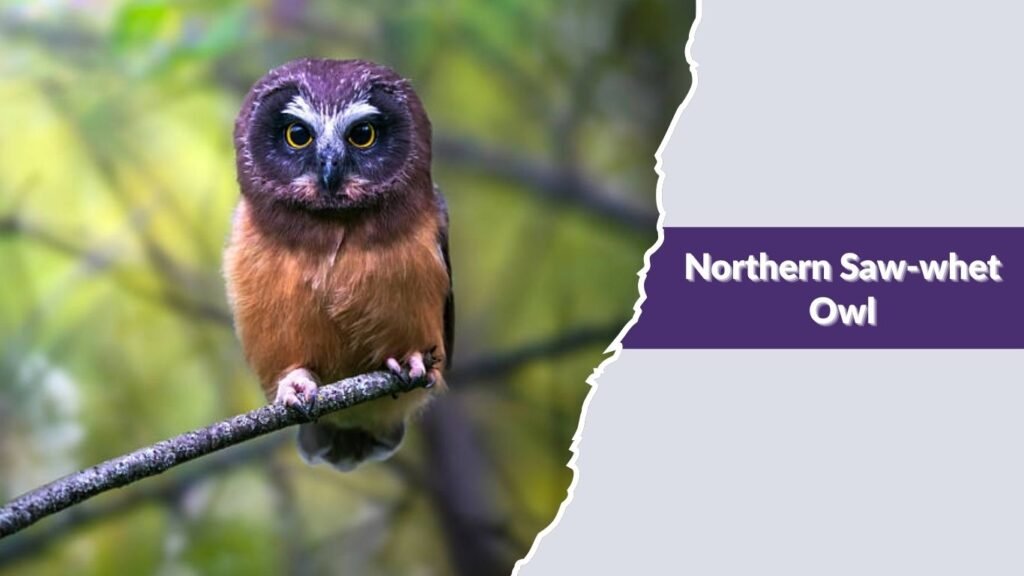
A small and elusive owl, the Northern Saw-whet Owl is known for its secretive nature and soft, repetitive calls that resemble the sound of a saw being sharpened.
Identification
- Small size, around 18–21 cm in length
- Brown body with white streaks and spots
- Large round head without ear tufts
- Bright yellow eyes
- White facial disk with a brown border
Habitat
This owl inhabits dense forests across North America, especially coniferous and mixed woodlands. It prefers areas with thick vegetation that provide good cover during the day.
Behavior
The Northern Saw-whet Owl is nocturnal and rarely seen. It hunts small mammals like mice and voles, relying on its sharp hearing and silent flight to capture prey.
Breeding
Breeding usually occurs in spring. It nests in tree cavities, often using abandoned woodpecker holes. The female incubates the eggs while the male provides food.
3. Southern Saw-whet Owl
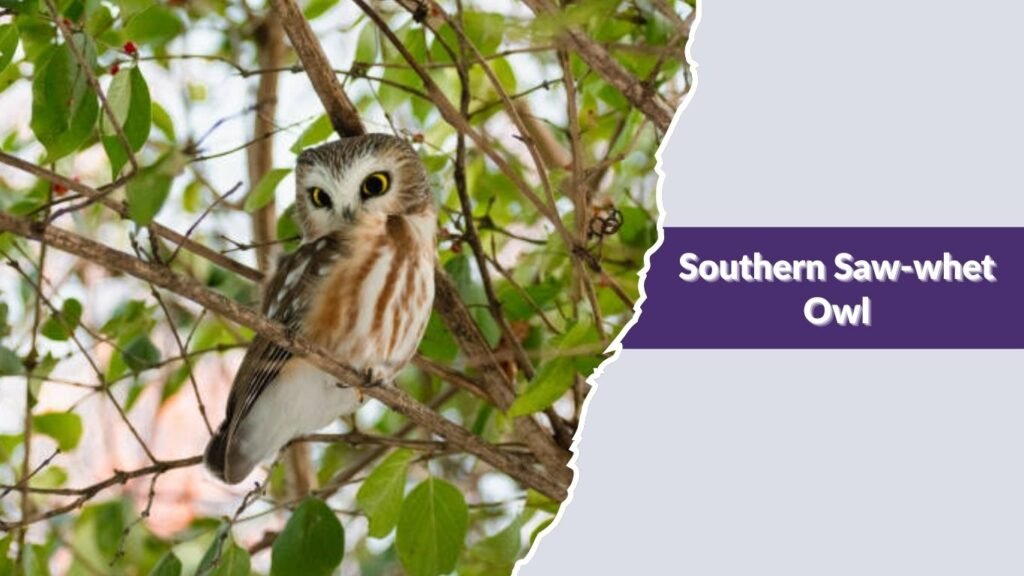
The Southern Saw-whet Owl is a recently recognized species, closely related to its northern counterpart but found in the highland forests of Mexico. It is small, quiet, and rarely seen, making it one of the lesser-known owl species.
Identification
- Small size, similar to the Northern Saw-whet Owl
- Brown plumage with white spotting
- Rounded head with no ear tufts
- Yellow eyes and pale facial disk
- Slightly darker and more uniform coloring than northern species
Habitat
The Southern Saw-whet Owl is primarily found in mountainous regions of Mexico, especially in pine and oak forests. It prefers cooler, high-elevation habitats where dense tree cover provides protection and nesting sites. These environments also support a steady supply of small prey.
Behavior
This owl is nocturnal and highly secretive, which makes observation difficult. It spends most of the daytime resting quietly in dense foliage, becoming active after dusk. Its diet mainly consists of small mammals such as mice, along with insects when available. Like other small owls, it relies on silent flight and keen hearing to hunt efficiently in the dark.
Breeding
Very little is known about the breeding habits of the Southern Saw-whet Owl due to its elusive nature. However, it is believed to nest in tree cavities, similar to related species. The female likely incubates the eggs while the male provides food. Breeding is thought to occur during the warmer months when food is more abundant.
4. Little Owl
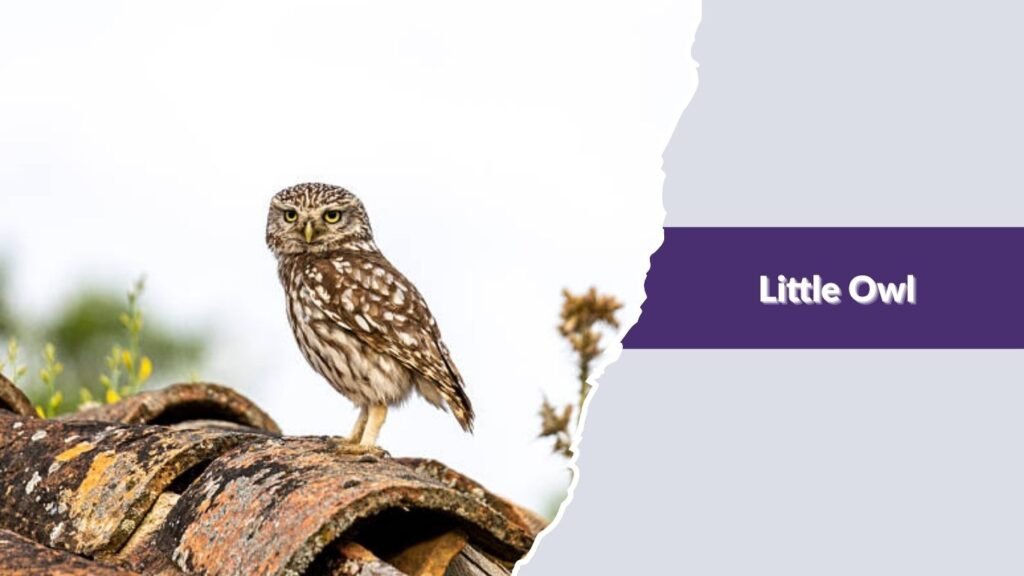
The Little Owl is a small, ground-loving owl widely distributed across Europe, Asia, and parts of North Africa. Unlike many owl species, it is often active during the day, making it easier to observe.
Identification
- Small, stocky body around 21–23 cm in length
- Brown plumage with white spots and streaks
- Flat head with no ear tufts
- Bright yellow eyes with a stern expression
- Short tail and relatively long legs
Habitat
The Little Owl prefers open landscapes such as farmland, grasslands, orchards, and rural areas. It often inhabits regions with scattered trees, stone walls, or old buildings where it can find nesting spots and vantage points.
Behavior
This species is partly diurnal, meaning it can be active both during the day and at night. It is often seen perched on posts or low branches, scanning the ground for prey. Its diet includes insects, small mammals, birds, and reptiles.
Breeding
Little Owls typically nest in tree holes, rock crevices, or old structures. The breeding season begins in spring, with the female laying several eggs. Both parents are involved in feeding and protecting the chicks until they are ready to leave the nest.
5. Ferruginous Pygmy Owl
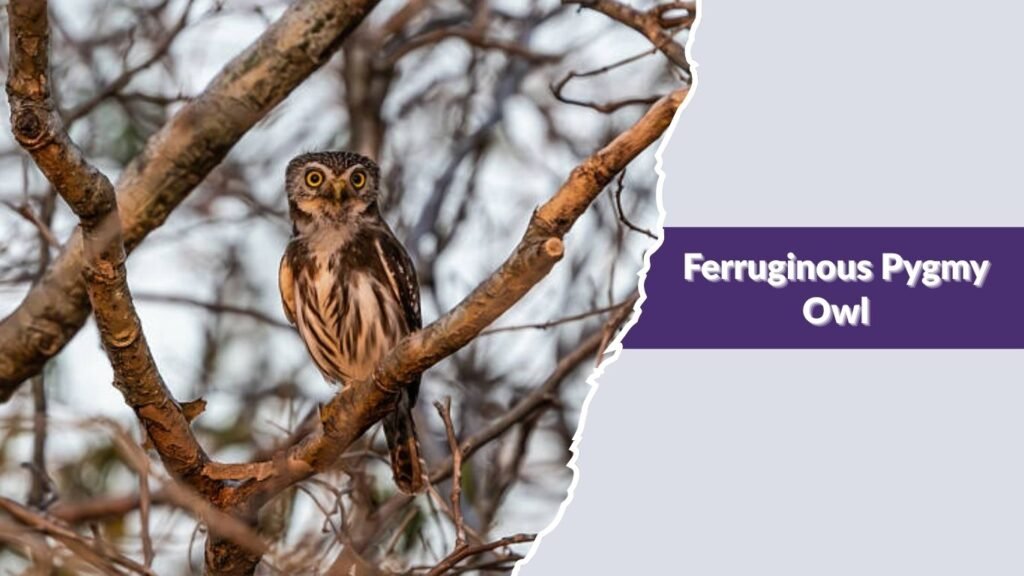
The Ferruginous Pygmy Owl is a small, active owl found in parts of the Americas. Despite its tiny size, it is bold and often hunts during the day, unlike many other owl species.
Identification
- Small size, about 15–17 cm in length
- Reddish-brown (ferruginous) plumage with streaks
- Rounded head with no ear tufts
- Yellow eyes and hooked beak
- Distinct “false eye” spots on the back of the head
Habitat
This owl lives in a variety of environments, including open woodlands, deserts, and tropical forests. It is commonly found in regions with scattered trees, such as savannas and forest edges, where it can easily spot prey.
Behavior
The Ferruginous Pygmy Owl is diurnal and very active during daylight hours. It frequently perches in exposed areas and scans for prey. Its diet includes insects, small birds, and rodents. It is known for its fearless nature and may even chase larger birds.
Breeding
This species nests in tree cavities, often using old woodpecker holes. The female lays a small clutch of eggs, and both parents take part in feeding the young. The breeding season varies depending on location but usually occurs during warmer months.
6. Northern Pygmy Owl
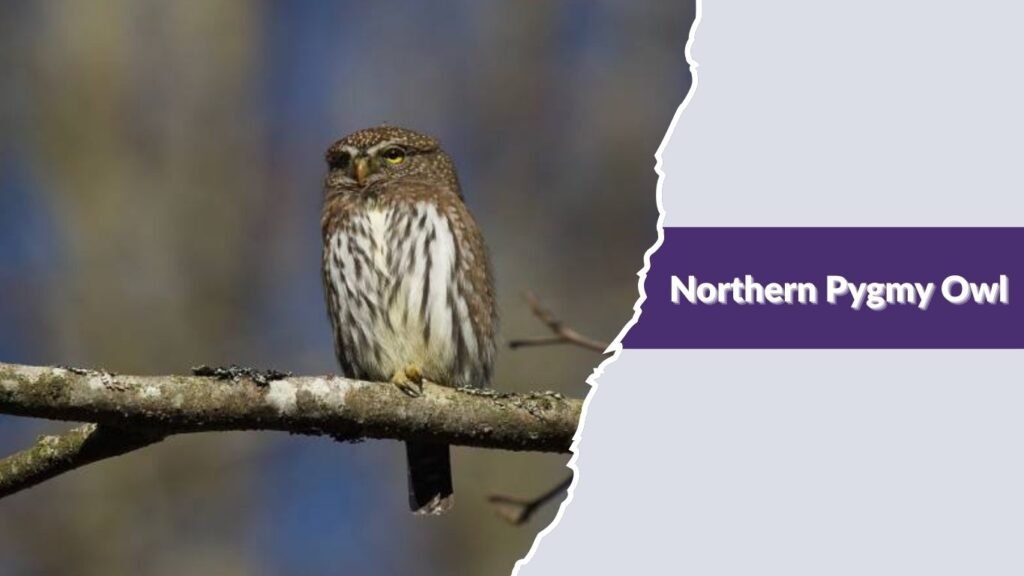
The Northern Pygmy Owl is a small but fierce predator found in North and Central America. Despite its size, it is known for its bold hunting style and ability to take prey nearly as large as itself.
Identification
- Small size, about 15–18 cm in length
- Brown or grayish plumage with white spots
- Rounded head with no ear tufts
- Yellow eyes and a sharp, hooked beak
- Distinct black “eye spots” on the back of the head
Habitat
This owl is commonly found in forests, especially coniferous and mixed woodlands. It prefers mountainous regions but can also live in lower elevations with sufficient tree cover and open hunting spaces.
Behavior
Unlike many owls, the Northern Pygmy Owl is active during the day. It often hunts from a perch, scanning for small birds, mammals, and insects. It is aggressive and may attack prey larger than expected for its size.
Breeding
Northern Pygmy Owls nest in tree cavities, often using old woodpecker holes. The female incubates the eggs while the male provides food. After hatching, both parents help feed and protect the chicks until they are independent.
7. Eurasian Pygmy Owl
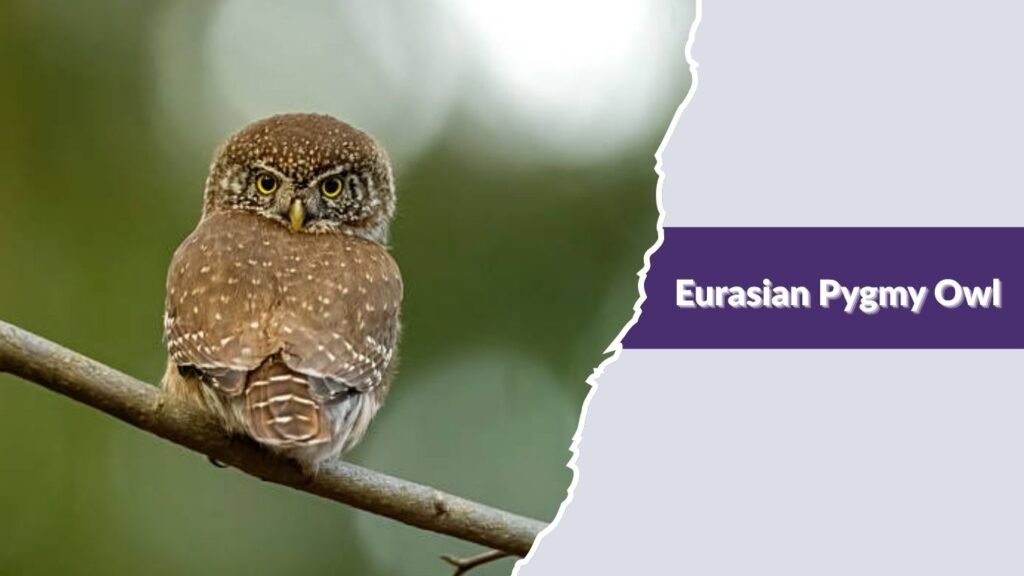
The Eurasian Pygmy Owl is one of the smallest owls in Europe and Asia. Despite its tiny size, it is a skilled hunter and often active during daylight hours, making it easier to spot than many other owl species.
Identification
- Very small size, around 15–19 cm in length
- Brown plumage with fine white spots
- Rounded head without ear tufts
- Bright yellow eyes and small hooked beak
- Black “false eyes” on the back of the head
Habitat
This owl is typically found in dense coniferous and mixed forests across Europe and northern Asia. It prefers wooded areas with clearings, which provide both shelter and open spaces for hunting.
Behavior
The Eurasian Pygmy Owl is partly diurnal and often hunts during early morning and late afternoon. It preys on small birds, rodents, and insects. It is known for storing food in tree cavities to eat later.
Breeding
It nests in tree holes, usually old woodpecker cavities. The female lays a clutch of eggs and stays to incubate them, while the male brings food. Both parents are involved in raising the young until they leave the nest.
8. Jungle Owlet
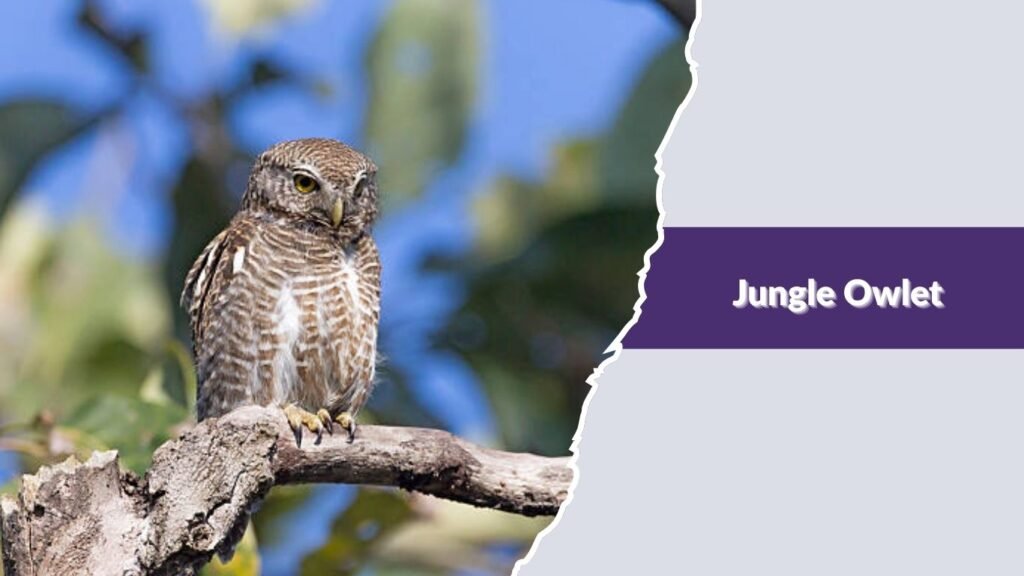
The Jungle Owlet is a small, active owl commonly found in the Indian subcontinent. It is often seen during the day and is known for its curious nature and distinctive repetitive calls.
Identification
- Small size, about 20–22 cm in length
- Brown body with white barring on the chest and belly
- Rounded head with no ear tufts
- Yellow eyes and a short, hooked beak
- Tail marked with narrow white bands
Habitat
This species inhabits forests, open woodlands, scrublands, and even gardens. It is widely distributed across India, Bangladesh, and neighboring regions, adapting well to both natural and semi-urban environments.
Behavior
The Jungle Owlet is largely diurnal and frequently seen perched in open areas. It actively hunts insects, small birds, reptiles, and rodents. Its call is a rhythmic series of notes, often heard during early morning and evening.
Breeding
Jungle Owlets nest in tree cavities or old woodpecker holes. The female lays a small number of eggs and incubates them, while the male supplies food. Both parents care for the chicks until they become independent.
9. Spotted Owlet
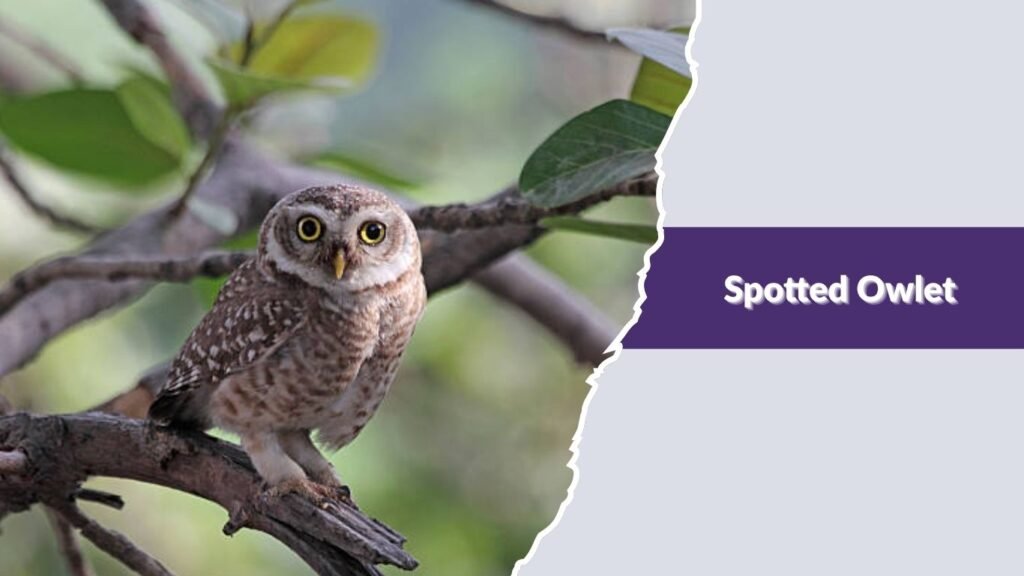
The Spotted Owlet is a small and commonly seen owl in South Asia, especially around human settlements. It is known for its expressive appearance, frequent daytime activity, and chattering calls.
Identification
- Small size, about 21–23 cm in length
- Brown plumage with prominent white spots
- Rounded head with no ear tufts
- Bright yellow eyes and short beak
- White eyebrows giving a stern look
Habitat
This owl thrives in open habitats such as farmland, groves, gardens, and urban areas. It is widely found across India, Bangladesh, and nearby regions, often living close to human habitation where food is abundant.
Behavior
The Spotted Owlet is partly diurnal and often active during early morning and evening. It is frequently seen perched on buildings, trees, or poles. Its diet includes insects, small rodents, birds, and reptiles. It is also known for its noisy and social behavior.
Breeding
Spotted Owlets usually nest in tree cavities, wall holes, or old buildings. The breeding season generally begins in late winter or early spring. Both parents take part in raising the young, with the male often bringing food to the nest.
10. Burrowing Owl
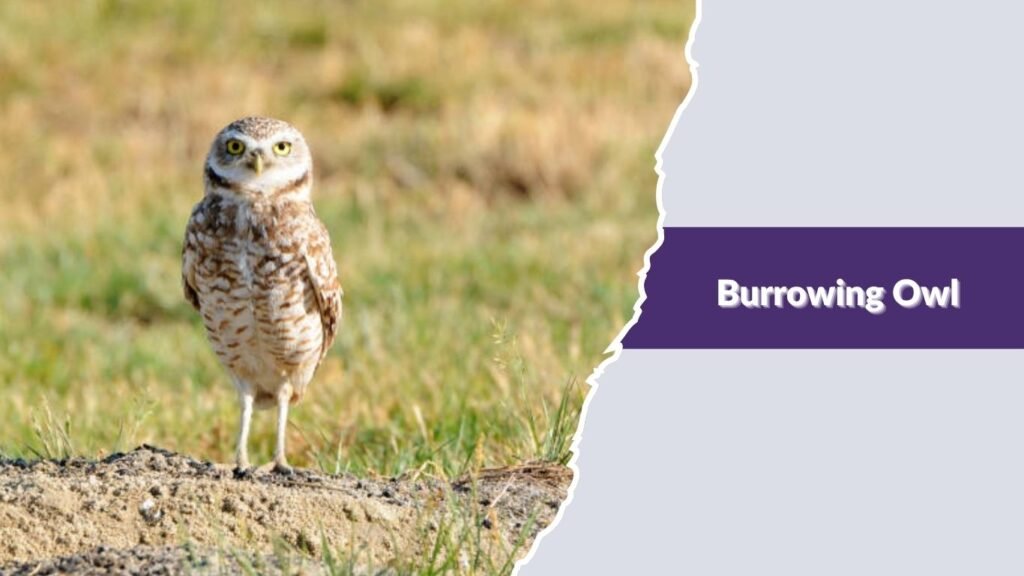
The Burrowing Owl is a unique small owl known for living underground rather than in trees. It is commonly found in open landscapes and is often active during the day.
Identification
- Small size, around 19–25 cm in length
- Sandy brown body with white spots
- Long legs compared to other owls
- Round head with no ear tufts
- Bright yellow eyes and short tail
Habitat
This owl prefers open areas such as grasslands, deserts, and agricultural fields. It is widely found in North and South America, especially in regions where burrowing animals like prairie dogs are present.
Behavior
The Burrowing Owl is diurnal and often seen standing near its burrow during the day. It hunts insects, small mammals, and reptiles. It is known for its bobbing movements and ability to run along the ground.
Breeding
Unlike most owls, it nests in underground burrows, often taken over from other animals. The female lays eggs inside the burrow while the male provides food. Both parents help care for the chicks until they are ready to emerge.
11. African Scops Owl
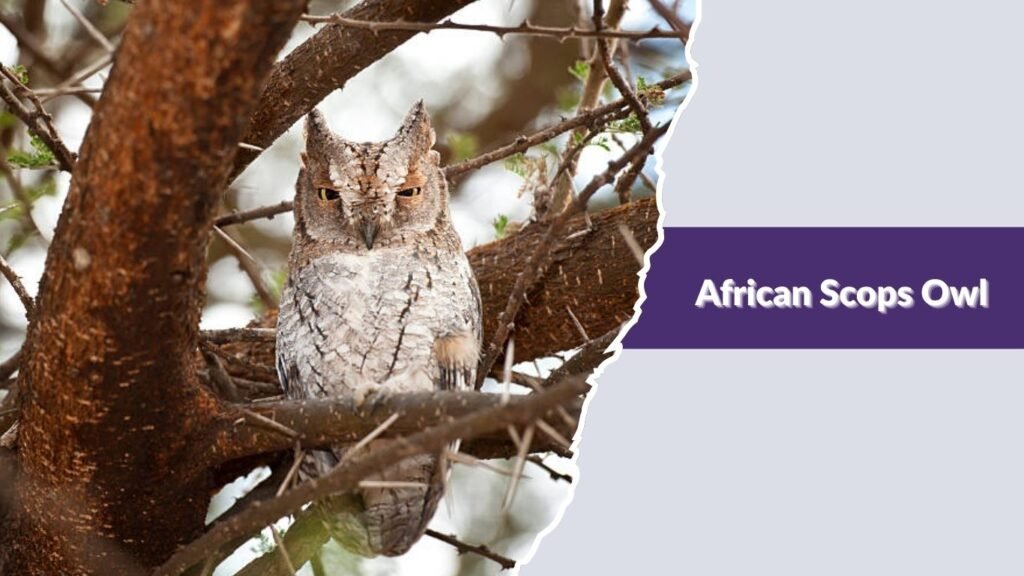
The African Scops Owl is a small, well-camouflaged owl found across sub-Saharan Africa. It is mostly nocturnal and blends easily into its surroundings, making it difficult to spot during the day.
Identification
- Very small size, about 15–17 cm in length
- Gray or brown plumage with fine streaks
- Prominent ear tufts
- Yellow eyes and small hooked beak
- Excellent camouflage resembling tree bark
Habitat
This owl inhabits woodlands, savannas, and forest edges. It prefers areas with scattered trees where it can roost quietly during the day and hunt at night.
Behavior
The African Scops Owl is strictly nocturnal and spends the day resting motionless on tree branches. At night, it becomes active and hunts insects such as beetles and moths. Its soft, repetitive call is often the only sign of its presence.
Breeding
It nests in natural tree cavities or abandoned woodpecker holes. The female lays a small clutch of eggs and incubates them while the male provides food. Both parents take part in caring for the chicks after hatching.
12. Eastern Screech Owl
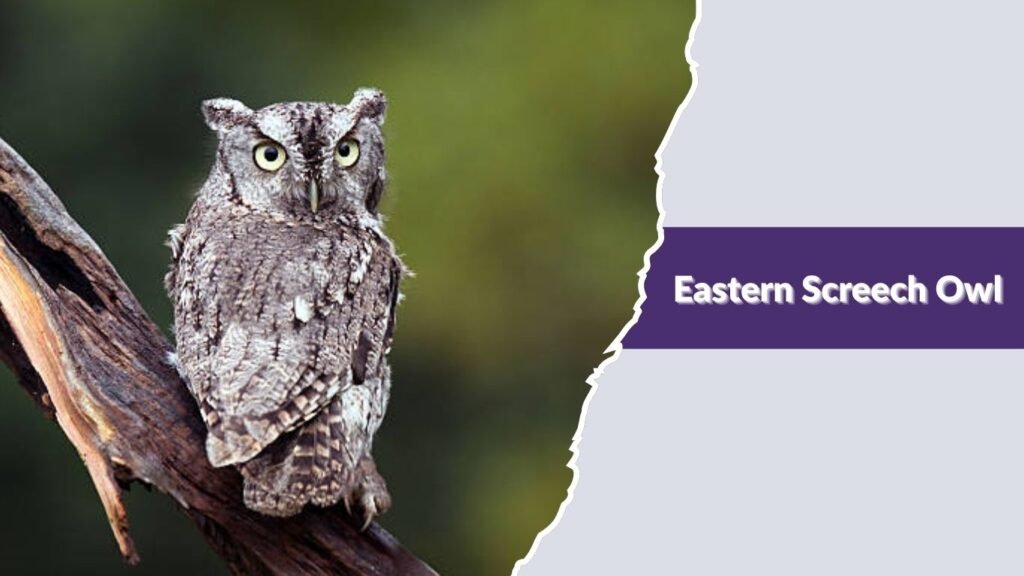
The Eastern Screech Owl is a small, adaptable owl found throughout eastern North America. Despite its name, its call is more of a soft trill than a screech, and it is well known for blending perfectly into tree bark.
Identification
- Small size, about 16–25 cm in length
- Gray or reddish-brown color morphs
- Prominent ear tufts
- Yellow eyes and short, curved beak
- Streaked and mottled pattern for camouflage
Habitat
This owl lives in a wide range of environments, including forests, suburban areas, parks, and farmland. It adapts well to human presence and often nests in tree cavities or nest boxes.
Behavior
The Eastern Screech Owl is nocturnal and becomes active at dusk. It hunts insects, small mammals, birds, and amphibians. It relies on stealth and camouflage, often remaining still during the day to avoid detection.
Breeding
It nests in natural cavities or man-made nest boxes. The female incubates the eggs while the male brings food. After hatching, both parents care for the young until they are ready to leave the nest.
13. Western Screech Owl
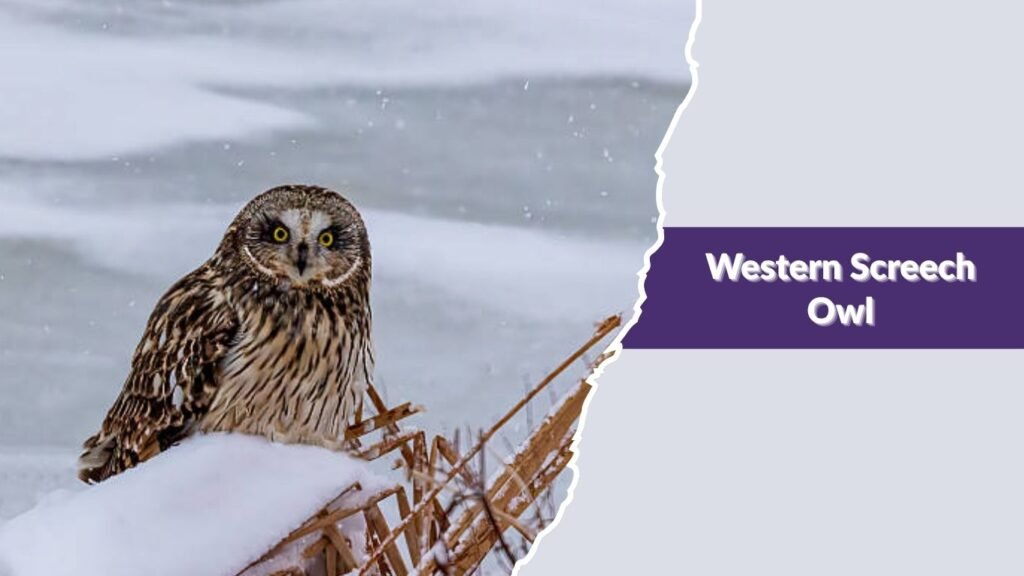
The Western Screech Owl is a small, nocturnal owl native to western North America. It is well adapted to a variety of environments and is more often heard than seen due to its excellent camouflage.
Identification
- Small size, about 19–25 cm in length
- Gray or brown plumage with mottled patterns
- Prominent ear tufts
- Yellow eyes and short hooked beak
- Streaked body that blends with tree bark
Habitat
This owl is found in woodlands, deserts, and suburban areas. It prefers regions with trees near water sources, such as rivers or streams, where prey is more abundant.
Behavior
The Western Screech Owl is nocturnal and active mainly at night. It feeds on insects, small mammals, birds, and reptiles. Its call is a series of soft, whistling notes rather than a harsh screech.
Breeding
It nests in tree cavities, often using abandoned woodpecker holes or nest boxes. The female incubates the eggs while the male provides food. Both parents take care of the young until they are able to survive on their own.
FAQs
What is the smallest owl species in the world?
The Elf Owl is the smallest owl species in the world, measuring around 12–14 cm in length. It is found in desert regions and is known for its lightweight body and insect-based diet, making it unique among owls.
Are small owls dangerous to humans?
Small owls are not dangerous to humans. They primarily hunt insects, rodents, and small animals. While they may defend themselves if threatened, they generally avoid human interaction and pose no real risk.
Do small owls hunt during the day?
Some small owls are active during the day, such as the Burrowing Owl and Northern Pygmy Owl. However, many are nocturnal or crepuscular, meaning they are most active during dawn and dusk.
Where do small owls usually live?
Small owls can live in a variety of habitats, including forests, deserts, grasslands, and even urban areas. Their habitat depends on the species, but most prefer areas with trees or cavities for nesting.
What do small owls eat?
Small owls mainly feed on insects, small mammals, birds, and reptiles. Their diet varies by species and habitat, but they are generally opportunistic hunters that adapt to available food sources.
