
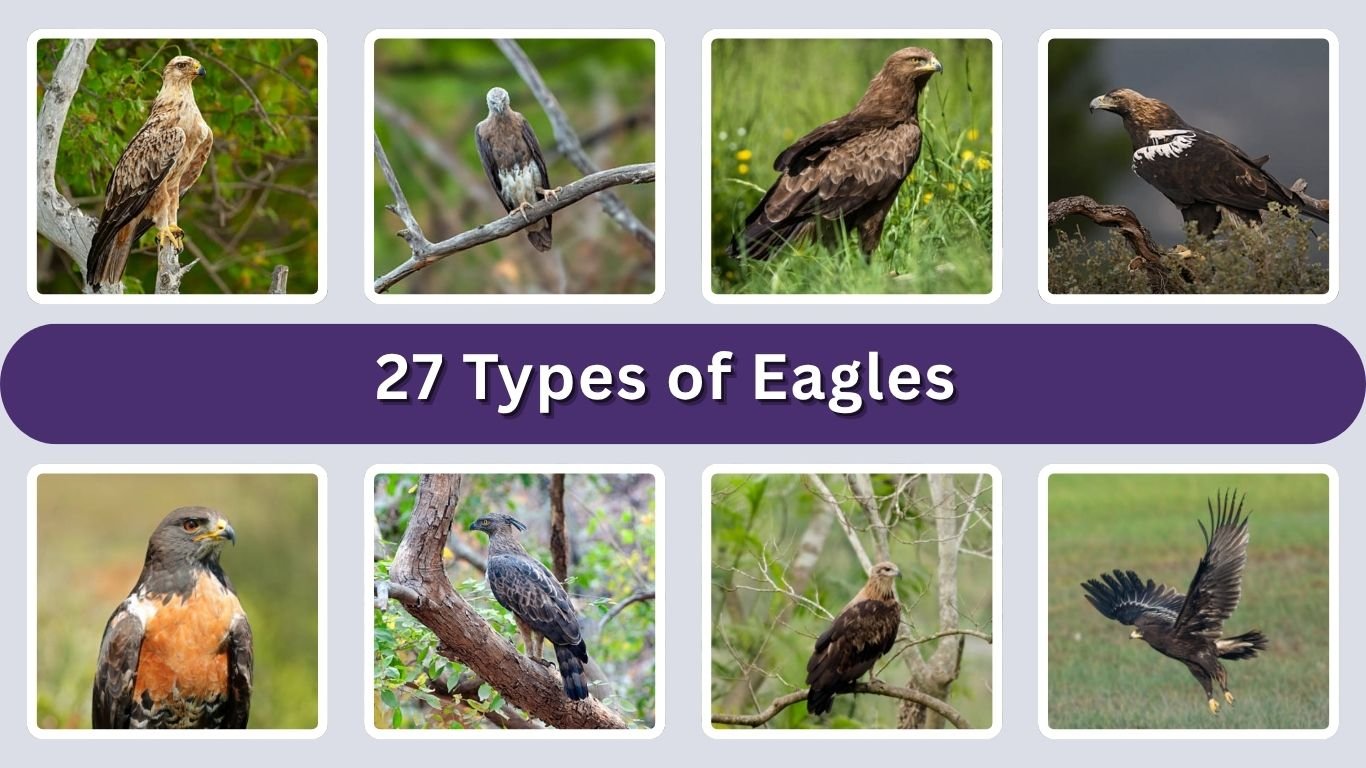
Eagles are among the most powerful and majestic birds of prey in the world. Known for their sharp vision, strong talons, and impressive flight abilities, they inhabit a wide range of environments—from dense forests and mountains to coastal regions and open plains.
In this guide, you’ll discover 27 different types of eagles, each with unique characteristics including size, diet, habitat, speed, and identification features.
1. Bald Eagle

The Bald Eagle is one of the most iconic birds of prey in North America, known for its striking white head and powerful build. It is a symbol of strength and freedom and is commonly found near large bodies of open water.
Identification
- Large raptor with a wingspan of about 6–7.5 feet
- White head and tail with a dark brown body
- Strong yellow beak and sharp talons
- Juveniles are mostly brown with mottled white patches
Size
The Bald Eagle typically measures 28 to 40 inches in length. Females are larger than males, often weighing between 10 to 14 pounds, while males usually weigh 6 to 10 pounds. Their impressive wingspan allows them to glide effortlessly for long distances.
Diet
Bald Eagles primarily feed on fish, which they catch using their sharp talons while flying low over water. They are also opportunistic feeders, sometimes eating birds, small mammals, and carrion when fish are scarce.
Habitat
These eagles prefer habitats near lakes, rivers, and coastal regions where fish are abundant. They build large nests, called eyries, in tall trees or cliffs, often returning to the same nesting site year after year.
Speed
Bald Eagles can reach speeds of up to 30–35 mph while soaring and gliding. During hunting dives, they can achieve speeds of around 75–100 mph, making them highly efficient predators.
2. Golden Eagle
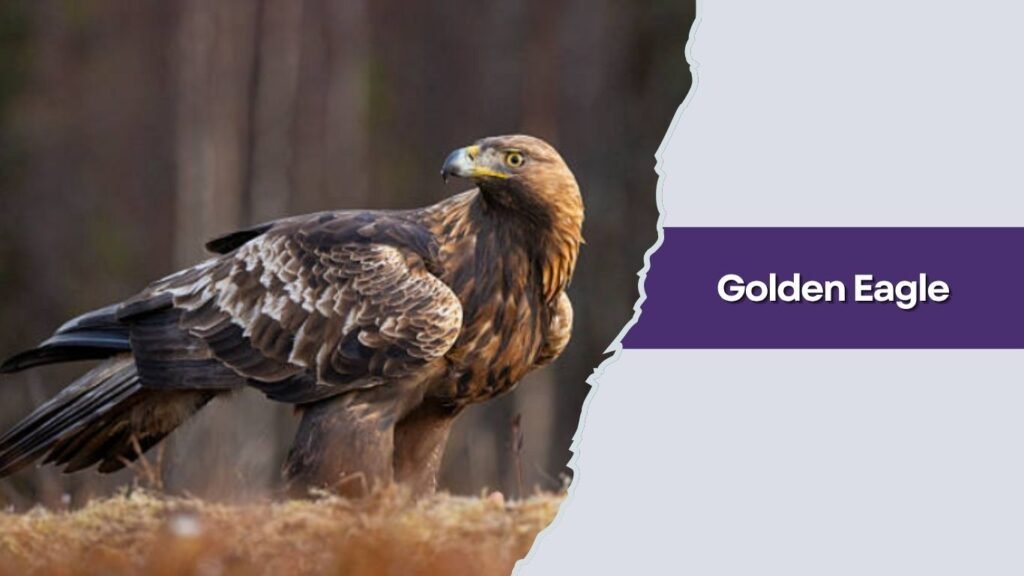
The Golden Eagle is one of the largest and fastest eagles in the world, widely distributed across the Northern Hemisphere. It is known for its dark brown body and golden feathers on the back of its head and neck.
Identification
- Dark brown plumage with a golden sheen on the head and neck
- Large, powerful beak and strong legs feathered down to the feet
- Broad wings with slightly upturned tips when soaring
- Juveniles show white patches on wings and tail
Size
Golden Eagles typically measure 26 to 40 inches in length, with a wingspan of about 6 to 7.5 feet. Females are noticeably larger than males and can weigh up to 15 pounds, while males are usually lighter.
Diet
These eagles mainly hunt small to medium-sized mammals such as rabbits, hares, and ground squirrels. They are also capable of taking down larger prey like foxes or young deer when the opportunity arises.
Habitat
Golden Eagles inhabit a wide range of environments including mountains, grasslands, deserts, and open plains. They prefer remote areas with cliffs or tall trees for nesting and open land for hunting.
Speed
Golden Eagles are extremely fast and agile. They can soar at speeds of around 28–32 mph and dive at incredible speeds exceeding 150 mph, making them one of the fastest birds in the world.
3. Harpy Eagle
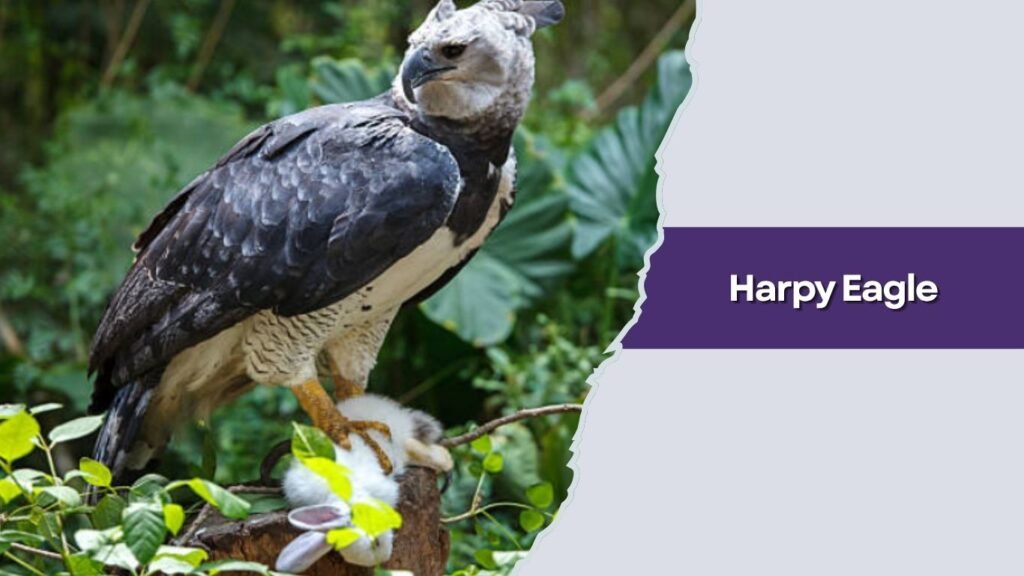
The Harpy Eagle is one of the most powerful and largest eagles in the world, native to tropical rainforests of Central and South America. It is known for its striking appearance and strong hunting ability.
Identification
- Massive body with broad wings and a short tail
- Distinctive double crest on the head
- Grey head, black back, and white underparts
- Thick legs with extremely large talons
Size
Harpy Eagles measure about 34 to 41 inches in length, with a wingspan of around 6.5 to 7.5 feet. Females are significantly larger, often weighing up to 20 pounds, while males are smaller and lighter.
Diet
They mainly prey on tree-dwelling animals such as monkeys and sloths. Their powerful talons allow them to snatch large prey directly from branches with ease.
Habitat
Harpy Eagles live in dense tropical rainforests, especially in lowland regions. They prefer tall emergent trees for nesting and require large territories to hunt effectively.
Speed
Harpy Eagles are not built for high-speed dives like some eagles, but they are incredibly agile in forest environments. They can maneuver quickly through dense trees while hunting.
4. Philippine Eagle
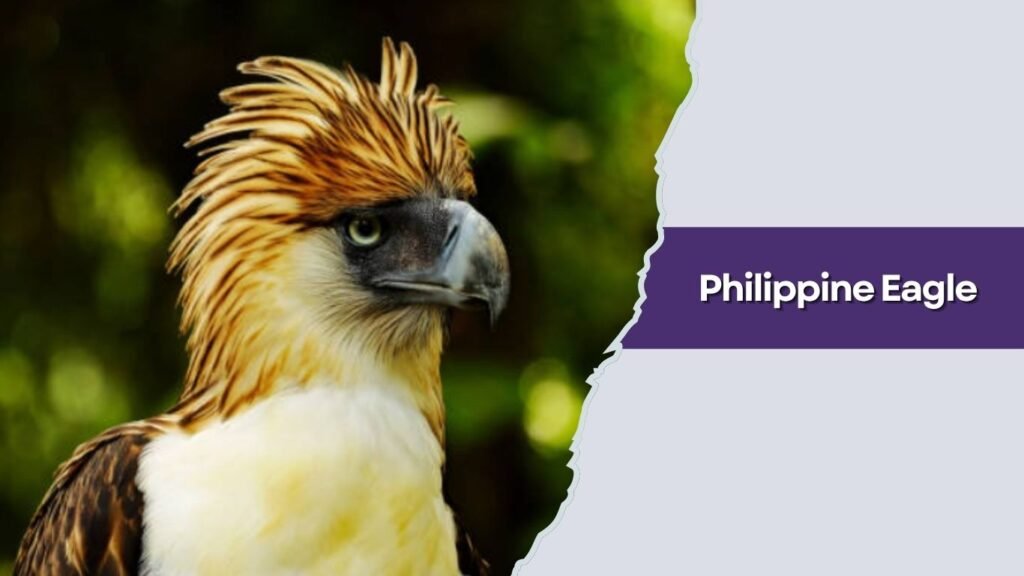
The Philippine Eagle is a rare and critically endangered species found only in the Philippines. It is often called the “Monkey-eating Eagle” due to its diet and is one of the largest eagles in the world.
Identification
- Long, shaggy crest feathers forming a lion-like mane
- Dark brown upperparts with white underparts
- Large bluish-gray beak and powerful legs
- Intense blue-gray eyes
Size
This eagle measures around 34 to 40 inches in length, with a wingspan of about 6.5 to 7 feet. Females are larger than males and can weigh up to 18 pounds.
Diet
The Philippine Eagle feeds on a variety of animals including monkeys, flying lemurs, birds, and reptiles. It is an apex predator within its forest ecosystem.
Habitat
It inhabits tropical rainforests, particularly in mountainous and forested regions of the Philippines. It depends heavily on old-growth forests for nesting and hunting.
Speed
The Philippine Eagle is highly agile rather than extremely fast. It flies swiftly through forest canopies to ambush prey, relying more on stealth and power than speed.
5. Steller’s Sea Eagle

Steller’s Sea Eagle is one of the heaviest and most striking eagles in the world, native to northeastern Asia. It is easily recognized by its bold coloration and massive beak.
Identification
- Dark brown to black body with bright white shoulders and tail
- Very large, thick yellow-orange beak
- White patches on wings and forehead
- Powerful build with broad wings
Size
This eagle measures about 33 to 41 inches in length, with an impressive wingspan of 6.5 to 8 feet. It is one of the heaviest eagles, with females weighing up to 20 pounds.
Diet
Steller’s Sea Eagle primarily feeds on fish, especially salmon. It also eats water birds and carrion, often scavenging when opportunities arise.
Habitat
They are commonly found along coastal regions, rivers, and lakes in Russia and nearby areas. During winter, they migrate to areas with unfrozen water.
Speed
These eagles typically soar at moderate speeds but can dive quickly when hunting. Their strength and precision make them effective fish hunters.
6. White-tailed Eagle
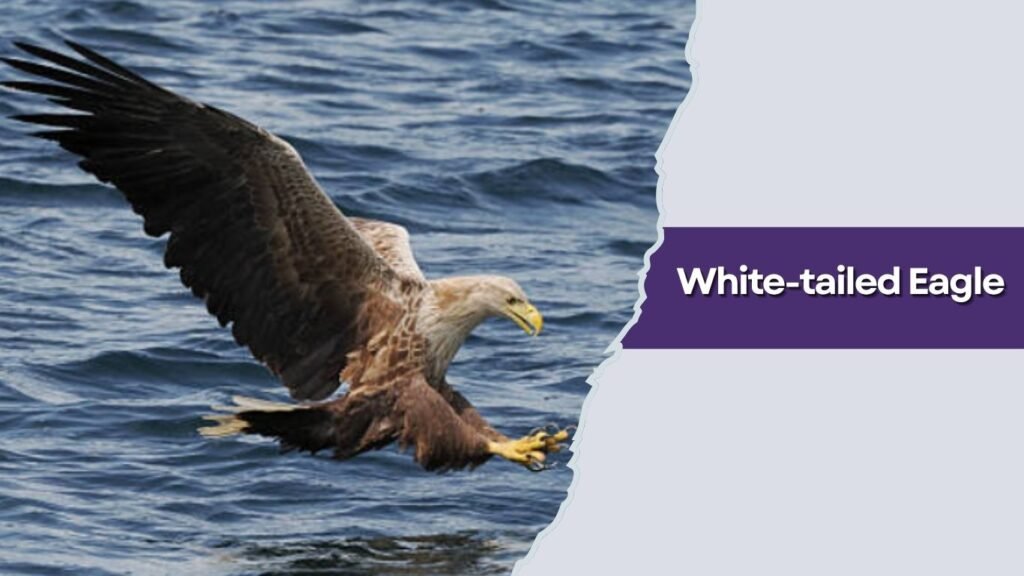
The White-tailed Eagle is a large sea eagle found across Europe and parts of Asia. It is known for its broad wings and distinctive pale head and tail.
Identification
- Pale head with a brown body
- Short, wedge-shaped white tail
- Large yellow beak and strong talons
- Broad wings with fingered tips
Size
White-tailed Eagles range from 26 to 37 inches in length, with a wingspan of about 6 to 8 feet. Females are larger and can weigh up to 15 pounds.
Diet
Their diet mainly consists of fish, but they also eat birds, small mammals, and carrion. They often steal food from other birds as well.
Habitat
They prefer coastal areas, large lakes, and rivers. These eagles build large nests in tall trees or cliffs near water sources.
Speed
White-tailed Eagles can fly at speeds of around 30–40 mph while soaring. During hunting dives, they can move much faster, using surprise to catch prey.
7. African Fish Eagle
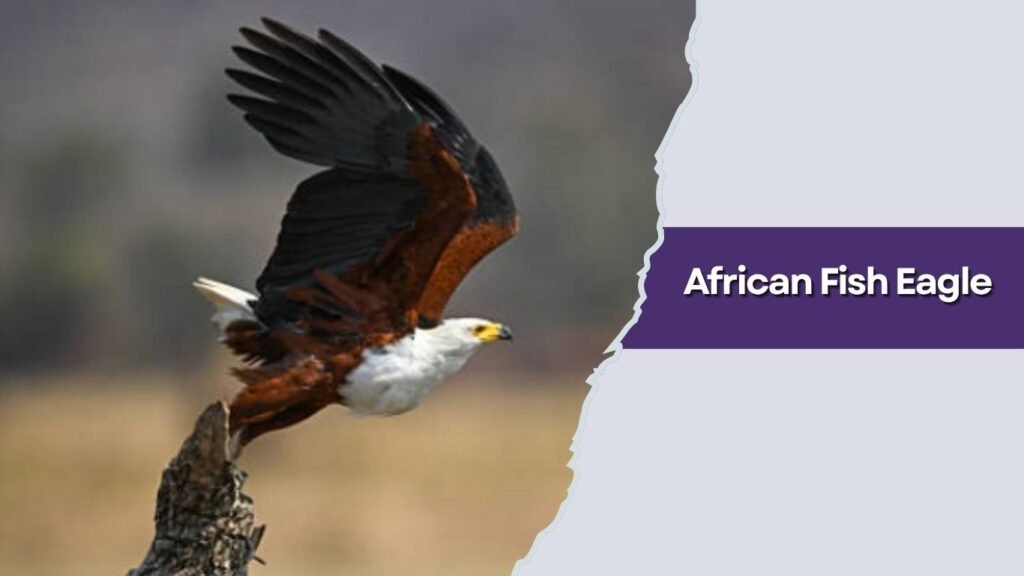
The African Fish Eagle is a well-known bird of prey across sub-Saharan Africa, famous for its distinctive call and striking appearance. It is often seen near water bodies where it hunts efficiently.
Identification
- White head, chest, and tail with a dark brown body
- Strong, hooked yellow beak with a black tip
- Broad wings with contrasting black and white pattern
- Sharp talons adapted for catching fish
Size
African Fish Eagles measure about 24 to 30 inches in length, with a wingspan of 6 to 8 feet. Females are larger than males and can weigh up to 8 pounds.
Diet
They mainly feed on fish, catching them from the water surface with precision. They also eat birds, small mammals, and occasionally carrion when needed.
Habitat
These eagles are commonly found near rivers, lakes, and wetlands across Africa. They prefer tall trees close to water for nesting and perching.
Speed
African Fish Eagles can fly at speeds of around 30–40 mph. When hunting, they swoop down swiftly to snatch fish from the water with great accuracy.
8. Martial Eagle
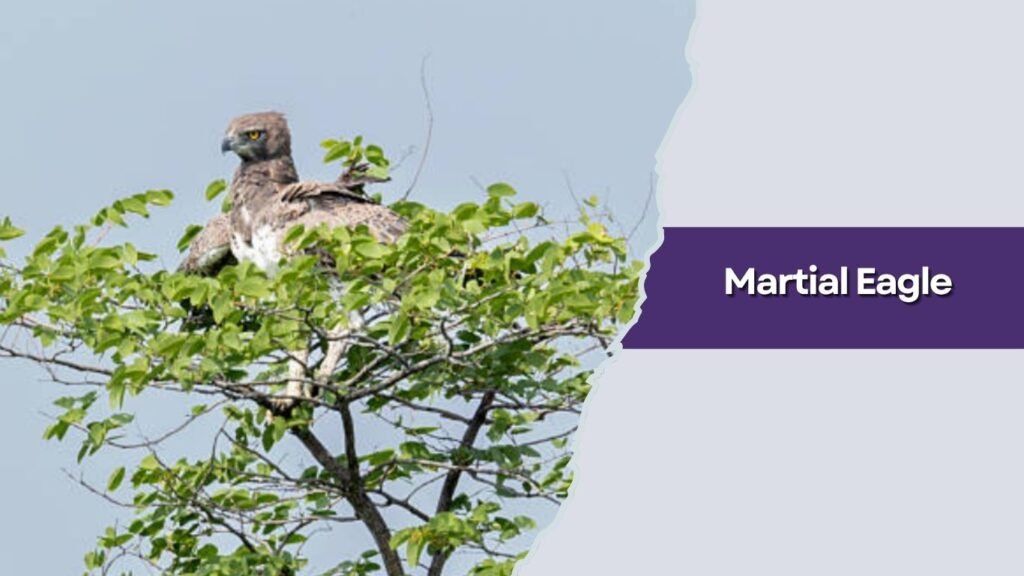
The Martial Eagle is the largest eagle in Africa and a powerful predator known for its strength and keen eyesight. It dominates open landscapes and is capable of taking relatively large prey.
Identification
- Dark brown upperparts with white underparts spotted with black
- Small head with piercing yellow eyes
- Long, broad wings and strong legs
- Feathered legs down to the feet
Size
Martial Eagles measure about 30 to 38 inches in length, with a wingspan of up to 8.5 feet. Females are larger, often weighing up to 14 pounds.
Diet
They hunt a wide variety of prey including birds, reptiles, and mammals such as monkeys and small antelope. Their power allows them to take down surprisingly large animals.
Habitat
Martial Eagles prefer open savannas, woodlands, and semi-arid regions. They require large territories and usually nest in tall trees.
Speed
These eagles can soar at moderate speeds but become extremely fast during hunting dives. Their speed combined with strength makes them highly effective predators.
9. Crowned Eagle
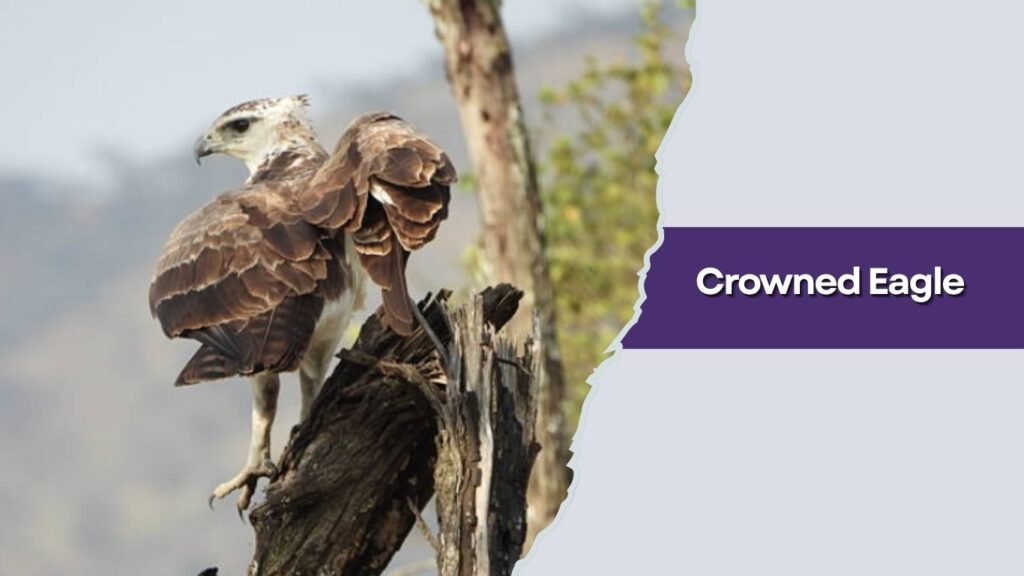
The Crowned Eagle is a powerful forest-dwelling eagle found in sub-Saharan Africa. It is known for its strength and ability to hunt large prey within dense जंगल environments.
Identification
- Dark brown upperparts with a lighter, barred underbody
- Prominent crest on the head, giving a “crowned” look
- Strong legs with large talons
- Yellow eyes with a fierce expression
Size
Crowned Eagles measure about 31 to 39 inches in length, with a wingspan of around 5 to 6 feet. Females are larger and can weigh up to 10 pounds, while males are smaller.
Diet
They primarily hunt mammals such as monkeys and small antelope. They also eat birds and reptiles, using their strength to capture prey in forested areas.
Habitat
Crowned Eagles live in dense forests and woodlands across Africa. They prefer thick canopy cover, which helps them ambush prey effectively.
Speed
These eagles are highly agile rather than extremely fast. They move swiftly through forest trees to surprise prey, relying on stealth and power.
10. Steppe Eagle
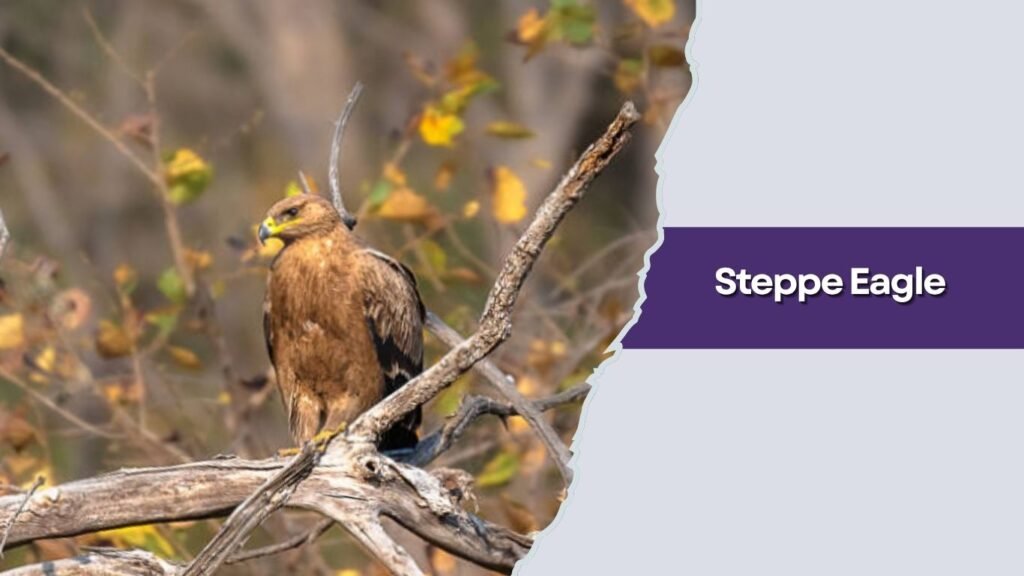
The Steppe Eagle is a migratory eagle commonly found across Central Asia, Eastern Europe, and parts of Africa. It is known for its long-distance travel and adaptability.
Identification
- Dark brown plumage with slightly lighter flight feathers
- Large head with a strong, hooked beak
- Broad wings with visible finger-like tips
- Yellow gape line extending to the eye
Size
Steppe Eagles measure about 24 to 33 inches in length, with a wingspan of 5.5 to 7 feet. Females are larger than males and can weigh up to 11 pounds.
Diet
They mainly feed on small mammals like rodents and ground squirrels. They also eat birds, reptiles, and carrion, especially during migration.
Habitat
These eagles prefer open habitats such as grasslands, steppes, and semi-desert regions. They are often seen soaring over wide, open landscapes.
Speed
Steppe Eagles can soar at speeds of around 25–35 mph. During hunting dives, they can accelerate quickly to capture prey on the ground.
11. Tawny Eagle
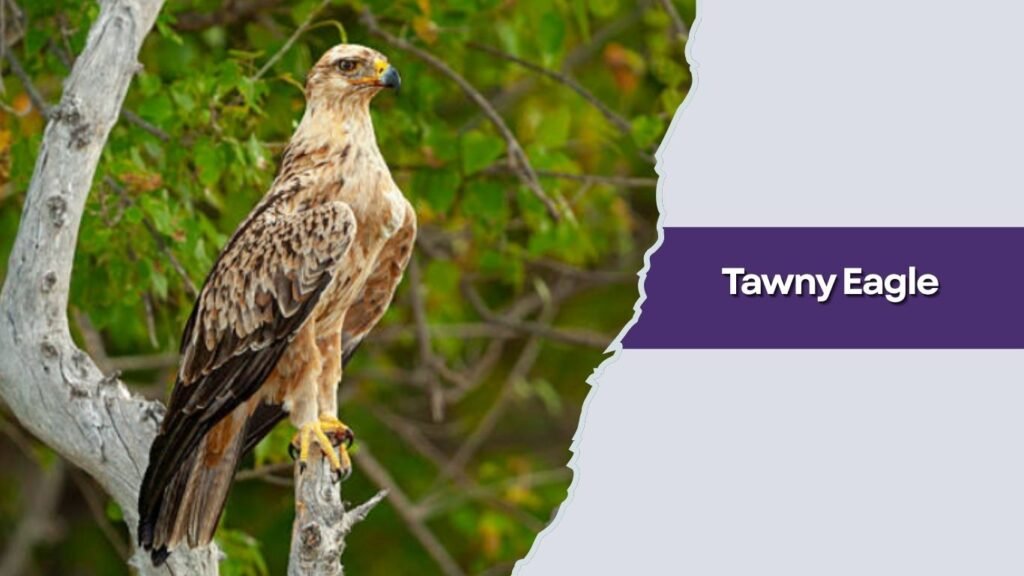
The Tawny Eagle is a medium to large eagle found across Africa and parts of Asia. It is known for its adaptability and variable coloration, ranging from light brown to dark brown.
Identification
- Plumage varies from pale tawny to dark brown
- Strong hooked beak with a yellow base
- Broad wings with slightly rounded tips
- Feathered legs and powerful talons
Size
Tawny Eagles measure about 24 to 30 inches in length, with a wingspan of around 5 to 6 feet. Females are larger and heavier than males, sometimes reaching up to 5 pounds.
Diet
They are opportunistic feeders, eating small mammals, birds, reptiles, and carrion. They often scavenge and may steal food from other birds.
Habitat
Tawny Eagles inhabit open savannas, grasslands, and semi-desert regions. They prefer dry areas with scattered trees for nesting and perching.
Speed
These eagles typically soar at moderate speeds and rely on gliding while searching for food. They can dive quickly when targeting prey.
12. Bonelli’s Eagle
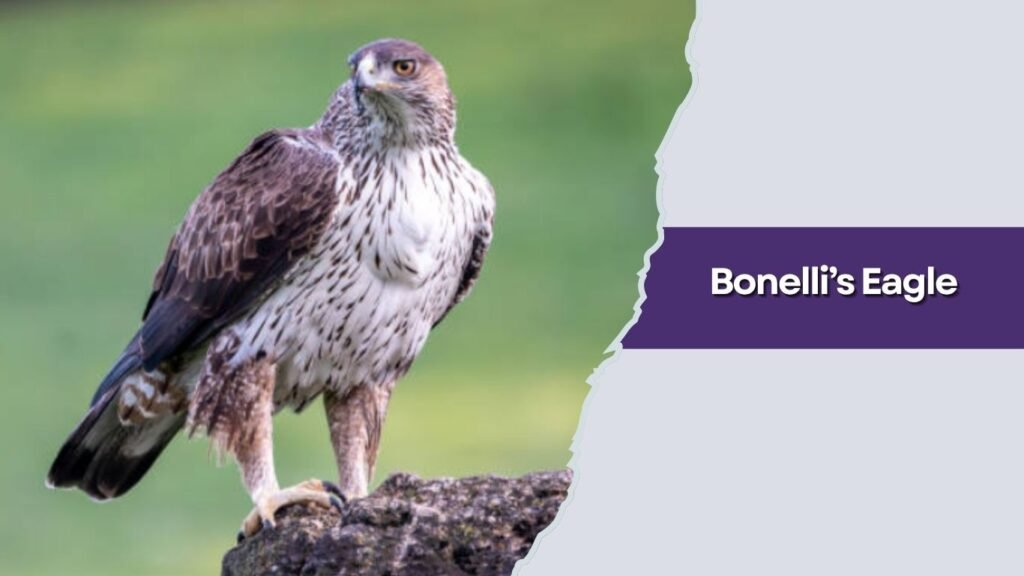
Bonelli’s Eagle is a powerful bird of prey found in southern Europe, Africa, and parts of Asia. It is known for its agility and strong hunting skills.
Identification
- Dark brown upperparts with a white underside streaked with dark lines
- Distinct white patch on the back between the wings
- Yellow legs with sharp talons
- Long tail and broad wings
Size
Bonelli’s Eagles measure about 22 to 28 inches in length, with a wingspan of 4.5 to 6 feet. Females are larger and can weigh up to 6.5 pounds.
Diet
They mainly hunt birds such as pigeons and partridges, along with small mammals like rabbits. They are fast and agile hunters in open terrain.
Habitat
These eagles prefer mountainous areas, cliffs, and open woodlands. They often nest on rocky ledges or tall trees in quiet regions.
Speed
Bonelli’s Eagles are fast flyers and skilled hunters. They can reach high speeds during pursuit and dives, allowing them to catch agile prey mid-air.
13. Booted Eagle
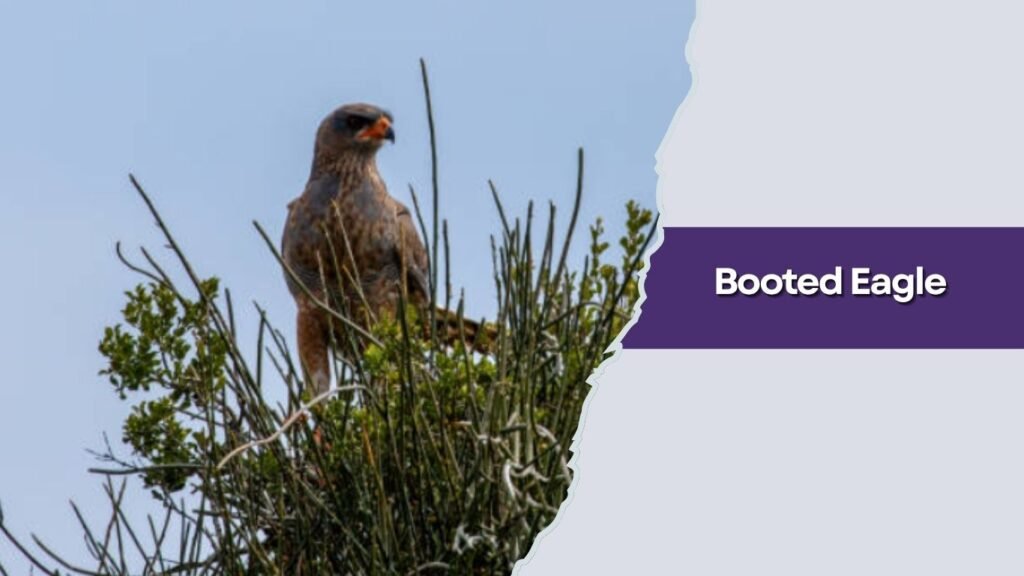
The Booted Eagle is a small to medium-sized eagle found across Europe, Asia, and Africa. It is known for its light and dark color morphs and agile flight.
Identification
- Two color forms: pale (light) and dark morph
- Feathered legs down to the feet (“booted” appearance)
- Compact body with relatively narrow wings
- Dark flight feathers contrasting with lighter underparts (in pale morph)
Size
Booted Eagles measure about 18 to 22 inches in length, with a wingspan of around 3.5 to 4.5 feet. Females are slightly larger than males but similar in appearance.
Diet
They mainly feed on small birds, reptiles, and mammals. Insects are also part of their diet, especially during certain seasons.
Habitat
These eagles prefer open woodlands, forests, and cultivated areas. They often nest in trees and migrate long distances between breeding and wintering grounds.
Speed
Booted Eagles are agile flyers, capable of quick turns and swift glides. They can reach moderate speeds and accelerate rapidly while hunting.
14. Verreaux’s Eagle
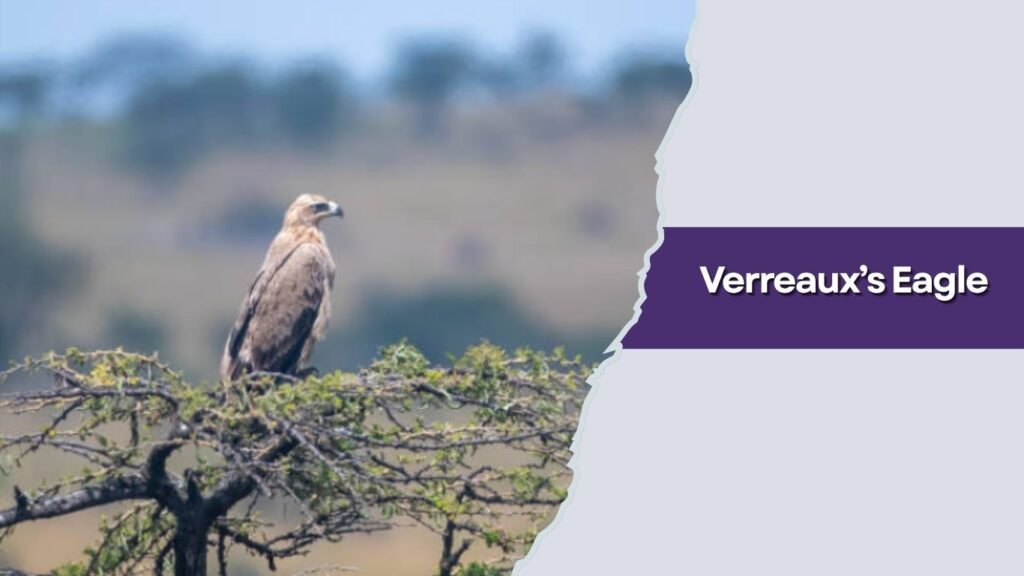
Verreaux’s Eagle, also known as the Black Eagle, is a large African eagle commonly found in mountainous regions. It is known for its striking black plumage and agility in flight.
Identification
- Mostly black plumage with a distinct white “V” shape on the back
- Yellow eyes and strong hooked beak
- Long wings and tail suited for soaring
- Feathered legs with powerful talons
Size
Verreaux’s Eagles measure about 30 to 38 inches in length, with a wingspan of 6 to 7.5 feet. Females are larger and heavier than males.
Diet
They primarily feed on rock hyraxes, which make up a large part of their diet. They may also hunt birds, reptiles, and small mammals.
Habitat
These eagles inhabit mountainous and rocky areas, especially cliffs and steep terrains. They prefer open landscapes where they can soar and spot prey.
Speed
Verreaux’s Eagles are strong and graceful flyers. They soar at moderate speeds and can perform fast, controlled dives when hunting prey among rocky slopes.
15. Wedge-tailed Eagle
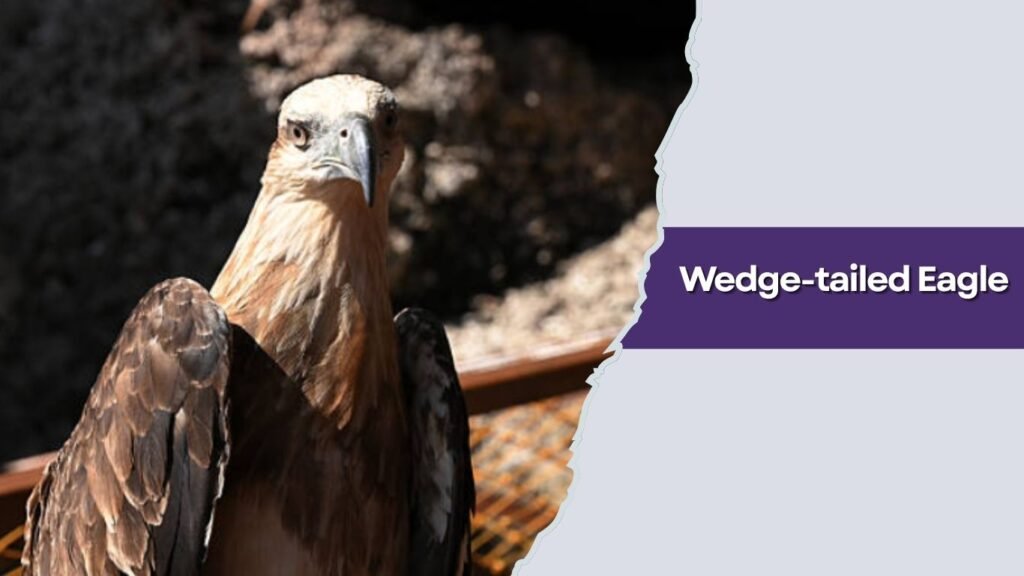
The Wedge-tailed Eagle is the largest bird of prey in Australia, known for its long, wedge-shaped tail and powerful soaring ability.
Identification
- Dark brown plumage with a distinctive wedge-shaped tail
- Long, broad wings with fingered tips
- Pale beak with strong, sharp talons
- Juveniles appear lighter with reddish-brown tones
Size
Wedge-tailed Eagles measure about 32 to 42 inches in length, with a wingspan of up to 7.5 feet. Females are larger and can weigh up to 12 pounds.
Diet
They feed on a variety of prey including rabbits, small mammals, birds, and carrion. They are also known to hunt larger animals when possible.
Habitat
These eagles inhabit open country, forests, grasslands, and mountainous regions across Australia. They prefer areas with good visibility for hunting.
Speed
Wedge-tailed Eagles are powerful soarers, often gliding at moderate speeds. During dives, they can reach high speeds to capture prey.
16. Spanish Imperial Eagle
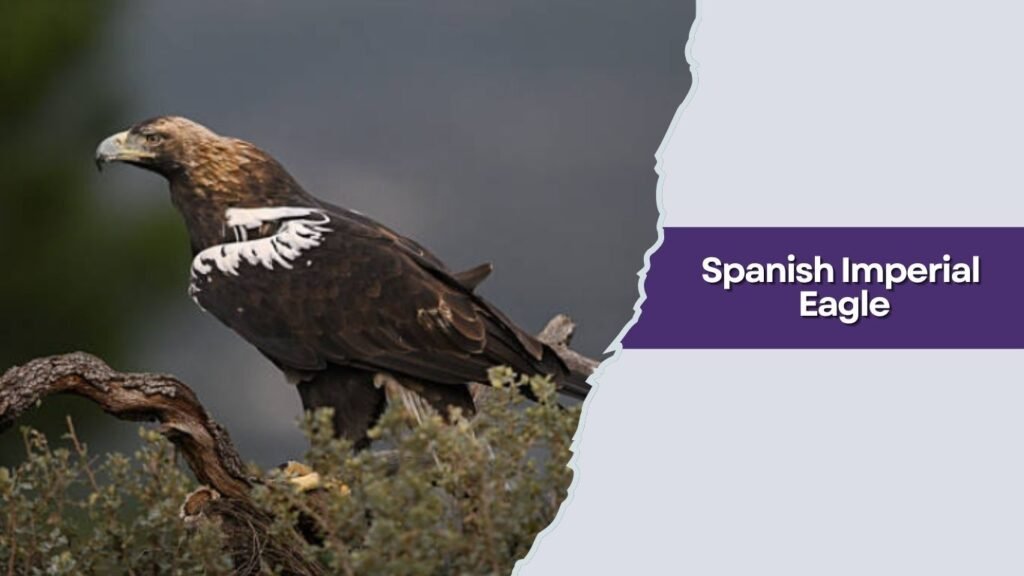
The Spanish Imperial Eagle is a rare and endangered species found mainly in the Iberian Peninsula. It is known for its striking appearance and conservation importance.
Identification
- Dark brown body with bright white shoulder patches
- Pale head and neck compared to the body
- Strong hooked beak and yellow legs
- Broad wings with clear contrasting markings
Size
Spanish Imperial Eagles measure about 28 to 33 inches in length, with a wingspan of around 6 to 7 feet. Females are larger than males and can weigh up to 7 pounds.
Diet
They primarily feed on rabbits, but also eat birds, reptiles, and carrion. Their diet depends heavily on local prey availability.
Habitat
These eagles prefer Mediterranean forests, open woodlands, and grasslands. They build nests in tall trees and require large territories.
Speed
Spanish Imperial Eagles are strong flyers, soaring at moderate speeds. They can dive quickly when hunting, using speed and precision to catch prey.
17. Eastern Imperial Eagle
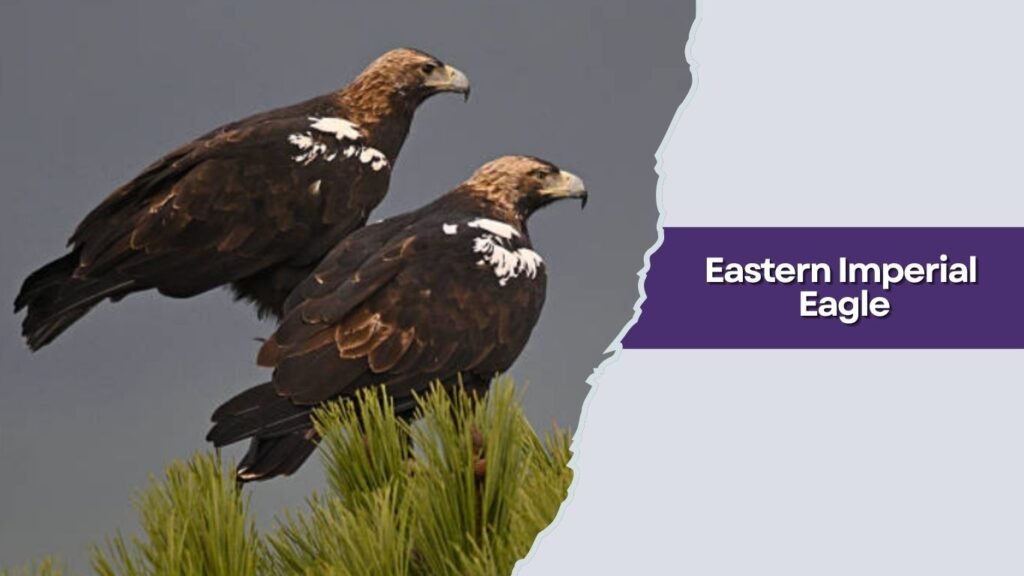
The Eastern Imperial Eagle is a large bird of prey found across Eastern Europe and Asia. It is known for its powerful build and preference for open landscapes.
Identification
- Dark brown plumage with lighter golden-brown head and neck
- Distinct white shoulder patches
- Large, strong beak and feathered legs
- Broad wings and relatively long tail
Size
Eastern Imperial Eagles measure about 28 to 33 inches in length, with a wingspan of 6 to 7 feet. Females are larger and heavier than males.
Diet
They mainly feed on small mammals such as ground squirrels and hares. They also eat birds and carrion, depending on availability.
Habitat
These eagles prefer open plains, grasslands, and agricultural areas with scattered trees. They often nest in tall trees or occasionally on cliffs.
Speed
Eastern Imperial Eagles soar at moderate speeds while scanning for prey. During hunting, they can dive quickly with strong precision.
18. Greater Spotted Eagle
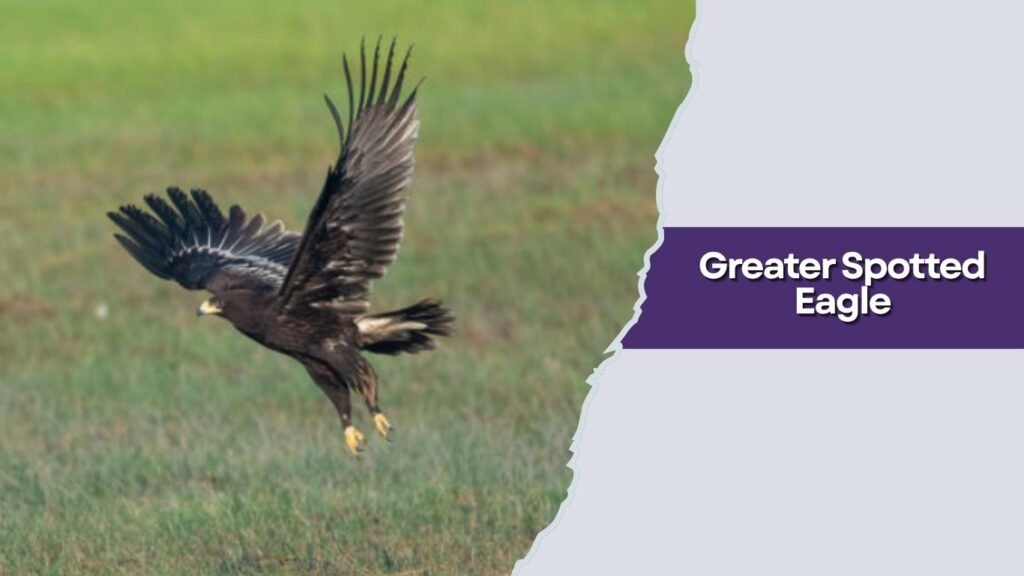
The Greater Spotted Eagle is a medium-sized eagle found in parts of Europe and Asia. It is known for its dark appearance and migratory behavior.
Identification
- Dark brown plumage with faint lighter spots on wings
- Relatively small head with a strong beak
- Broad wings and short tail
- Feathered legs with sharp talons
Size
Greater Spotted Eagles measure about 23 to 28 inches in length, with a wingspan of around 5 to 6 feet. Females are slightly larger than males.
Diet
They feed on small mammals, birds, amphibians, and reptiles. They may also scavenge when food is scarce.
Habitat
These eagles inhabit wetlands, forests, and open lowland areas. They prefer regions near water and migrate to warmer areas during winter.
Speed
Greater Spotted Eagles typically soar at moderate speeds. They rely on gliding and sudden dives to capture prey effectively.
19. Lesser Spotted Eagle
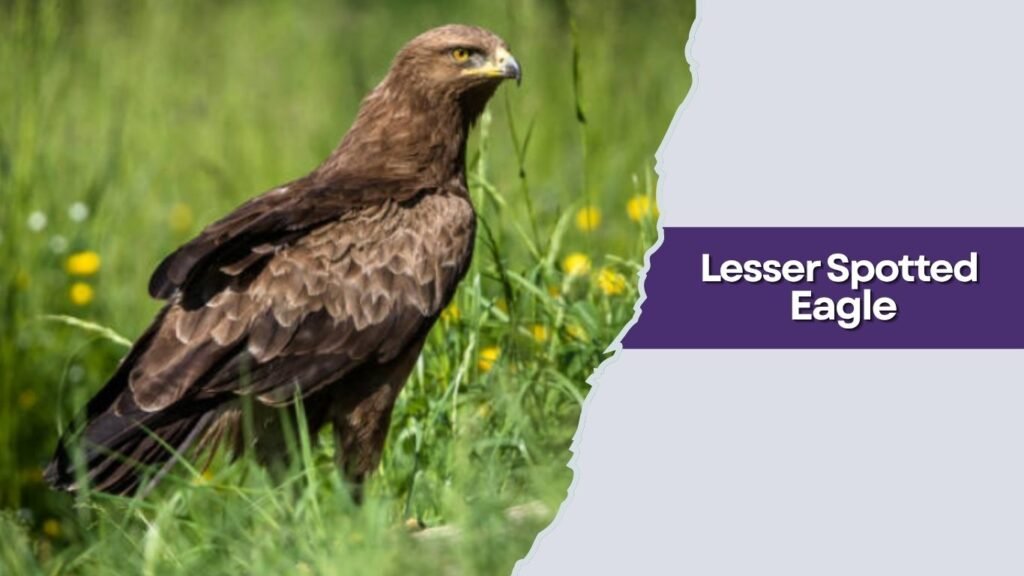
The Lesser Spotted Eagle is a medium-sized migratory eagle found across Europe and parts of Asia. It is known for its elegant flight and preference for mixed landscapes.
Identification
- Brown plumage with lighter head and underparts
- Small head with a relatively slender beak
- Broad wings with slightly rounded tips
- Feathered legs with sharp talons
Size
Lesser Spotted Eagles measure about 21 to 26 inches in length, with a wingspan of 4.5 to 5.5 feet. Females are slightly larger than males.
Diet
They mainly feed on small mammals such as rodents, along with birds, amphibians, and insects. Their diet varies depending on seasonal availability.
Habitat
These eagles prefer forests, meadows, and farmland areas. They often nest in tall trees and migrate to Africa during winter.
Speed
Lesser Spotted Eagles soar at moderate speeds and rely on gliding. They can make quick dives when targeting prey on the ground.
20. Pallas’s Fish Eagle
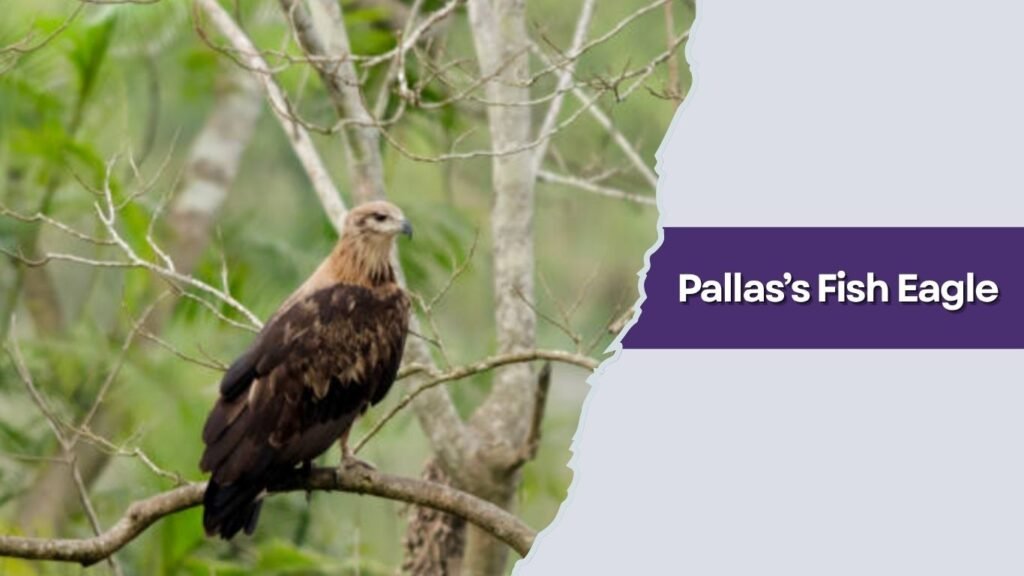
Pallas’s Fish Eagle is a large and rare eagle found in parts of Central and South Asia. It is closely associated with large water bodies and is known for its strong fishing ability.
Identification
- Brown body with a pale head and neck
- White tail with a dark band near the tip
- Large, strong hooked beak
- Broad wings adapted for soaring
Size
Pallas’s Fish Eagles measure about 28 to 33 inches in length, with a wingspan of 6 to 7 feet. Females are larger and heavier than males.
Diet
They mainly feed on fish, which they catch from lakes and rivers. They may also eat water birds and carrion when available.
Habitat
These eagles inhabit large rivers, lakes, and wetlands. They prefer quiet, undisturbed areas with tall trees for nesting.
Speed
Pallas’s Fish Eagles are steady soarers, flying at moderate speeds. When hunting, they swoop down quickly to catch fish near the water surface.
21. Grey-headed Fish Eagle
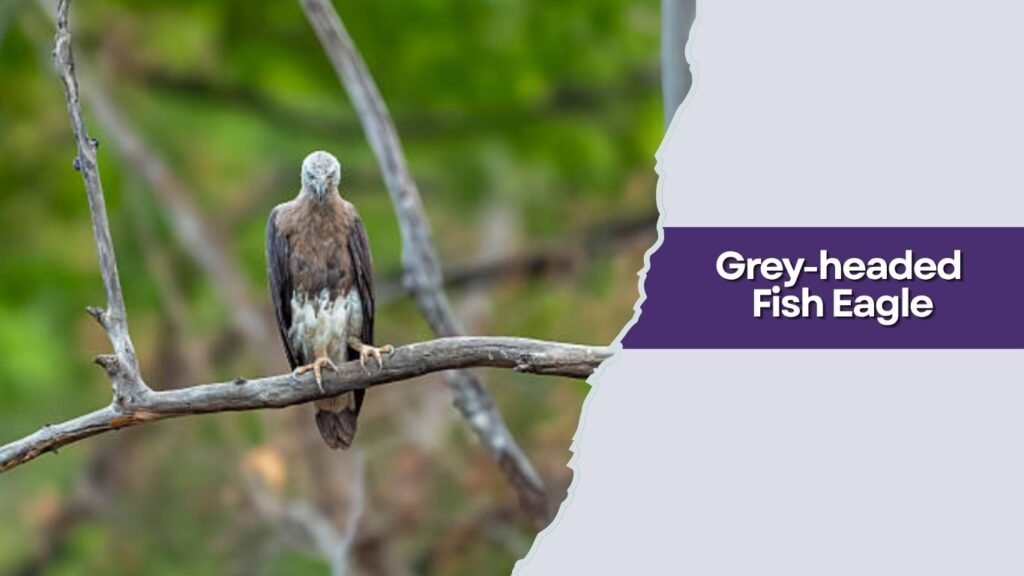
The Grey-headed Fish Eagle is a medium-sized fish-eating eagle found across South and Southeast Asia. It is commonly seen near rivers and wetlands.
Identification
- Grey head and neck with a brown body
- White belly and tail with a dark terminal band
- Strong hooked beak and sharp talons
- Broad wings suited for soaring
Size
Grey-headed Fish Eagles measure about 24 to 30 inches in length, with a wingspan of around 5.5 to 6.5 feet. Females are slightly larger than males.
Diet
They mainly feed on fish, catching them from the water surface. They may also eat reptiles, birds, and small mammals when available.
Habitat
These eagles prefer rivers, lakes, marshes, and coastal areas. They usually nest in tall trees close to water sources.
Speed
Grey-headed Fish Eagles are steady flyers, soaring at moderate speeds. They can swoop down quickly to snatch fish with precision.
22. Black Eagle
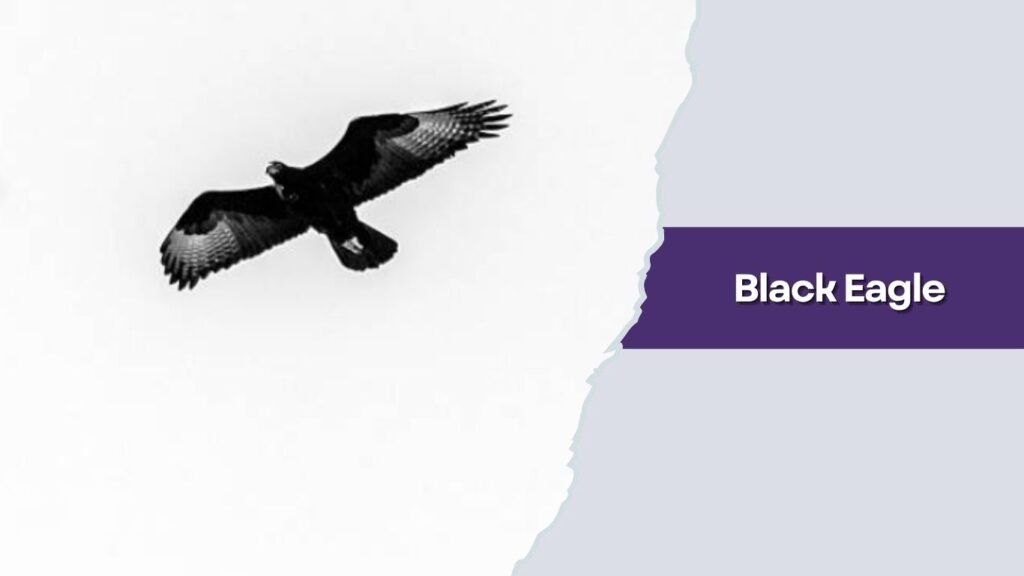
The Black Eagle is a distinctive forest eagle found in South and Southeast Asia. It is known for its slow, graceful flight and long wings.
Identification
- Entirely black plumage with a slightly lighter head
- Long, narrow wings with noticeable “fingers”
- Yellow beak base and legs
- Long tail aiding in maneuverability
Size
Black Eagles measure about 26 to 30 inches in length, with a wingspan of around 5 to 5.5 feet. Females are slightly larger than males.
Diet
They feed mainly on birds’ eggs and nestlings, often raiding nests. They also eat small mammals and reptiles.
Habitat
Black Eagles inhabit dense forests, hills, and mountainous regions. They prefer areas with tall trees and thick canopy cover.
Speed
These eagles are slow but highly controlled flyers. They glide smoothly over forests and can make precise movements while searching for nests.
23. Changeable Hawk-Eagle
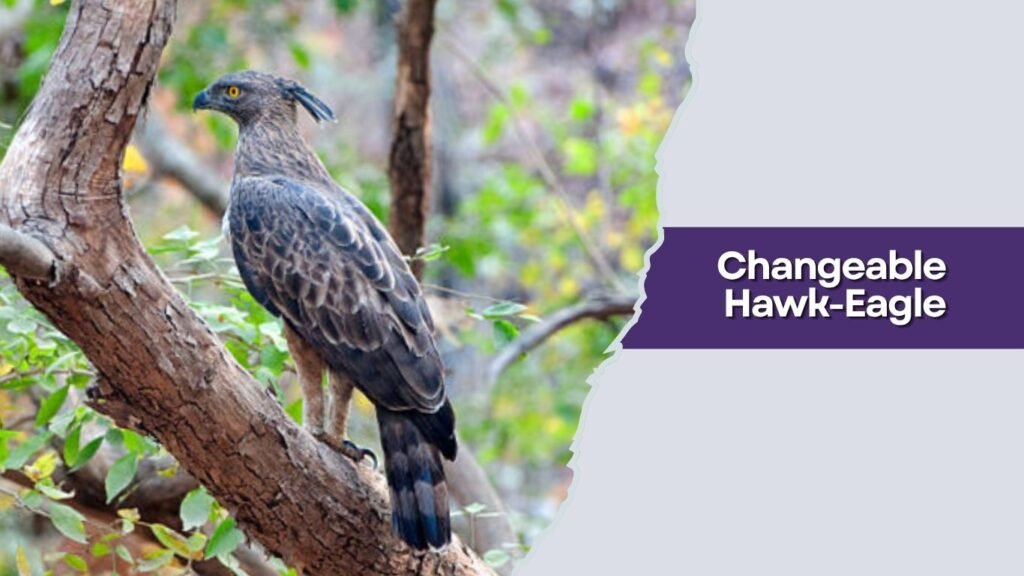
The Changeable Hawk-Eagle is a medium-sized eagle found across South and Southeast Asia. It is known for its variable appearance and strong, agile hunting style.
Identification
- Variable plumage with light and dark forms
- Prominent crest on the head
- White underparts with dark streaks (in light morph)
- Strong legs and sharp talons
Size
Changeable Hawk-Eagles measure about 24 to 30 inches in length, with a wingspan of 4.5 to 5.5 feet. Females are larger than males.
Diet
They feed on birds, small mammals, and reptiles. Their hunting style often involves sudden ambushes from perches.
Habitat
These eagles prefer forests, woodlands, and open country with trees. They are commonly found in tropical and subtropical regions.
Speed
Changeable Hawk-Eagles are fast and agile. They can move quickly through trees and perform rapid dives to catch prey.
24. Mountain Hawk-Eagle

The Mountain Hawk-Eagle is a powerful forest eagle found in mountainous regions of Asia. It is known for its strength and ability to hunt in dense terrain.
Identification
- Dark brown upperparts with barred underparts
- Prominent crest and strong hooked beak
- Long tail and broad wings
- Yellow eyes with fierce expression
Size
Mountain Hawk-Eagles measure about 27 to 35 inches in length, with a wingspan of 5 to 6.5 feet. Females are larger and heavier than males.
Diet
They hunt birds, mammals, and reptiles, often targeting prey in forested or hilly areas.
Habitat
These eagles inhabit mountainous forests and hilly regions. They prefer dense woodland areas with tall trees for nesting.
Speed
Mountain Hawk-Eagles are powerful flyers. They are capable of fast, controlled dives and agile flight through forested terrain.
25. Rufous-bellied Eagle
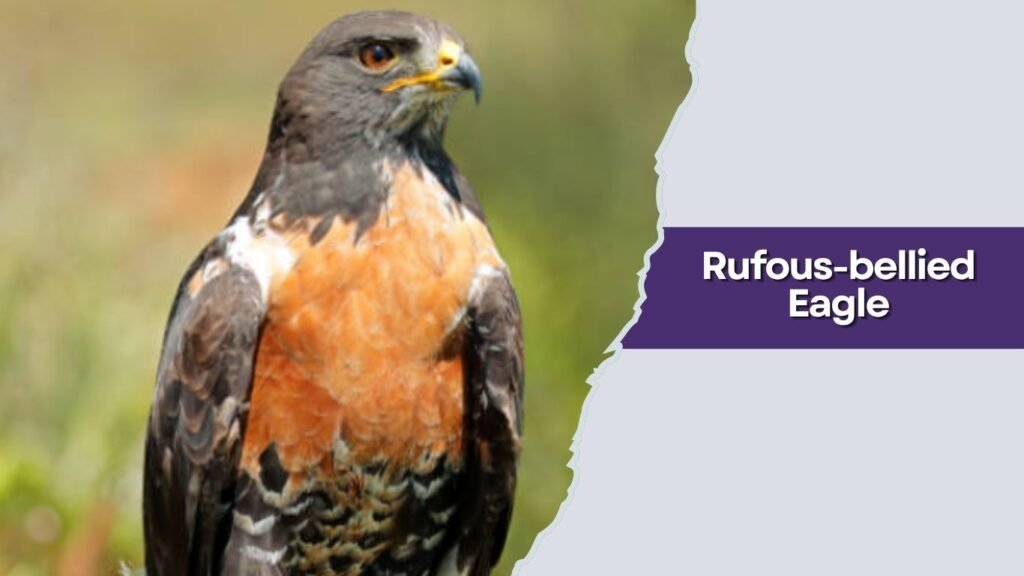
The Rufous-bellied Eagle is a forest-dwelling eagle found in South and Southeast Asia. It is known for its striking coloration and elusive nature.
Identification
- Dark upperparts with a rich rufous (reddish-brown) belly
- Black head with a short crest
- Broad wings and relatively short tail
- Strong legs with sharp talons
Size
Rufous-bellied Eagles measure about 24 to 28 inches in length, with a wingspan of around 5 to 5.5 feet. Females are slightly larger than males.
Diet
They mainly feed on birds and small mammals. They are skilled hunters, often catching prey in mid-air or from tree branches.
Habitat
These eagles prefer dense tropical forests and wooded hills. They are usually found in undisturbed forest areas.
Speed
Rufous-bellied Eagles are agile and swift flyers. They can maneuver quickly through trees while hunting.
26. Wallace’s Hawk-Eagle
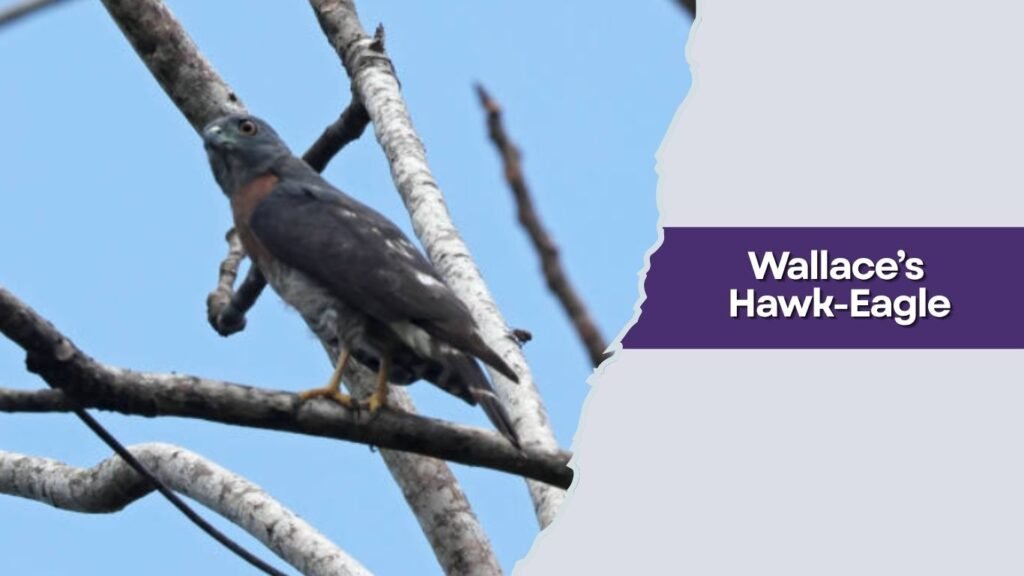
Wallace’s Hawk-Eagle is a rare and lesser-known eagle found in Southeast Asia. It is named after the naturalist Alfred Russel Wallace.
Identification
- Dark brown upperparts with lighter underparts
- Small crest on the head
- Broad wings and long tail
- Strong hooked beak and sharp talons
Size
Wallace’s Hawk-Eagles measure about 20 to 24 inches in length, with a wingspan of around 4 to 5 feet. Females are larger than males.
Diet
They feed on small mammals, birds, and reptiles. Their hunting style involves sudden attacks from hidden perches.
Habitat
These eagles inhabit tropical rainforests, especially lowland and hill forests. They prefer dense, undisturbed habitats.
Speed
Wallace’s Hawk-Eagles are agile flyers, capable of quick bursts of speed. They rely on stealth and maneuverability rather than long, fast flights.
27. Crested Serpent Eagle
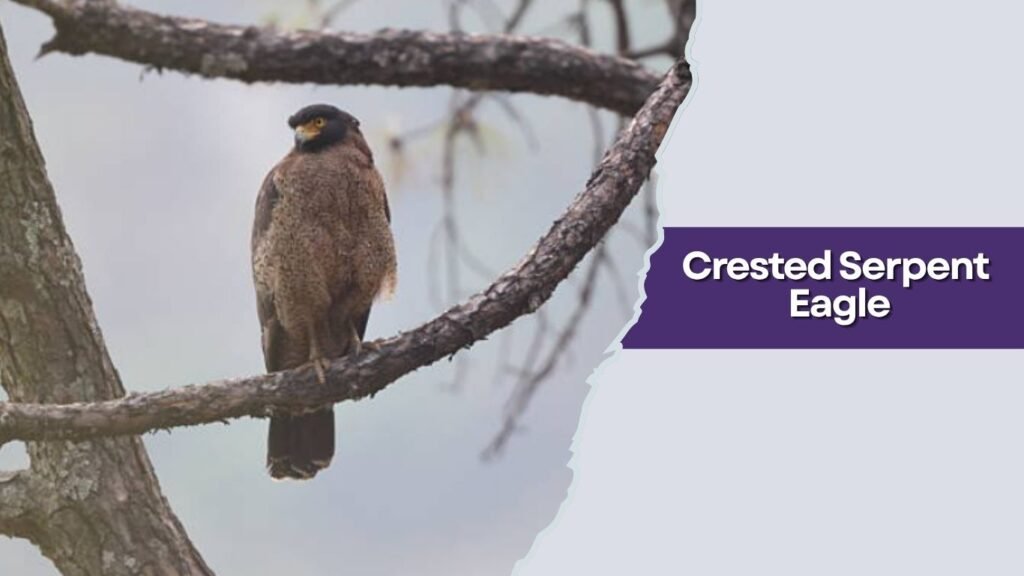
The Crested Serpent Eagle is a medium-sized eagle commonly found across Asia. It is well known for its distinctive call and its specialization in hunting reptiles, especially snakes.
Identification
- Dark brown body with a short, prominent crest
- Yellow face and legs with striking yellow eyes
- Broad wings with white bands visible in flight
- Short tail with black and white pattern
Size
Crested Serpent Eagles measure about 20 to 29 inches in length, with a wingspan of 4 to 5.5 feet. Females are slightly larger than males but similar in appearance.
Diet
They mainly feed on snakes and other reptiles such as lizards. They may also eat amphibians and small mammals when available.
Habitat
These eagles inhabit forests, wetlands, and open woodlands. They are often seen perched quietly or soaring above forested areas.
Speed
Crested Serpent Eagles are not extremely fast flyers. They soar at moderate speeds and rely on patience and sharp vision to locate prey before striking.
