
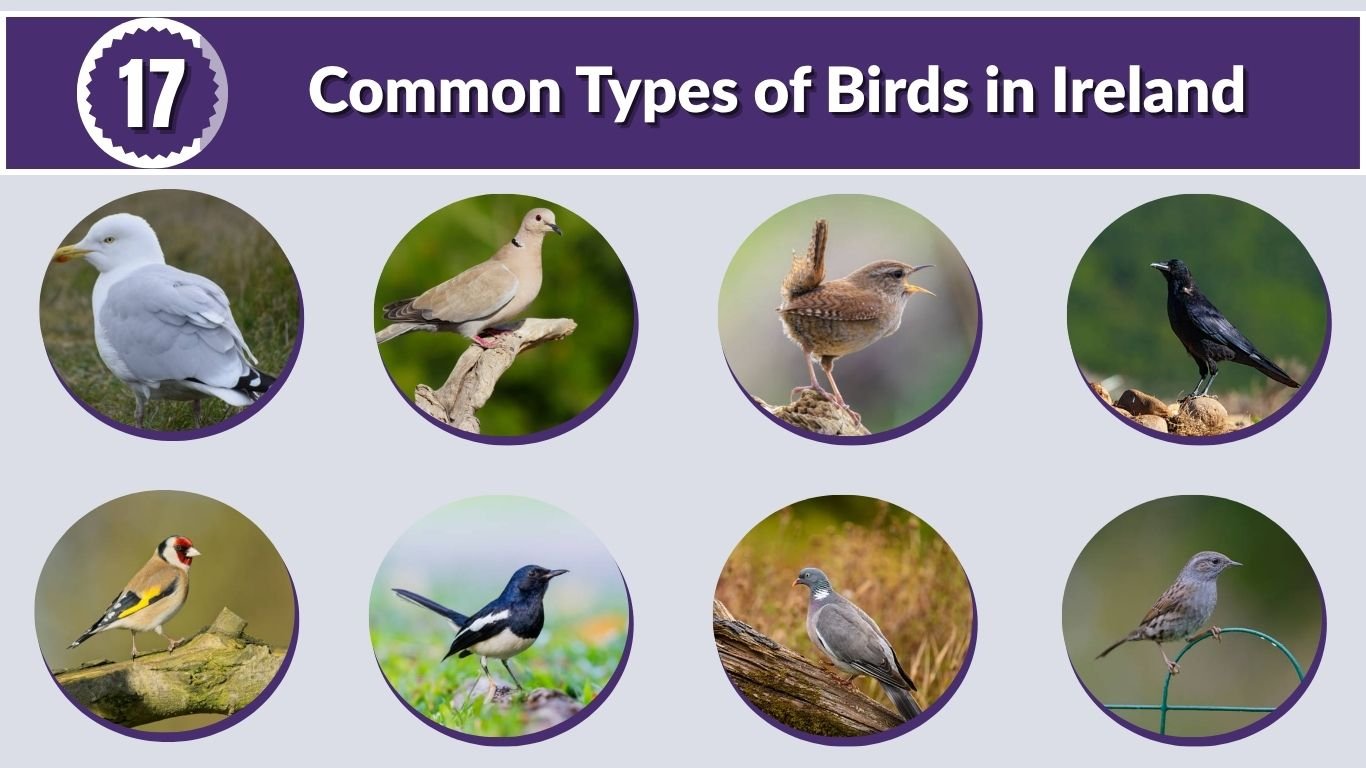
Ireland is home to a wide variety of bird species, ranging from small garden birds to large waterfowl and coastal species. These birds can be found across diverse habitats, including woodlands, farmlands, wetlands, and urban areas. Many are year-round residents, while others appear seasonally during migration. Their behaviors, songs, and appearances add life to the Irish landscape. Learning about these common birds can help you easily identify them and enjoy birdwatching across different regions of Ireland.
1. Robin
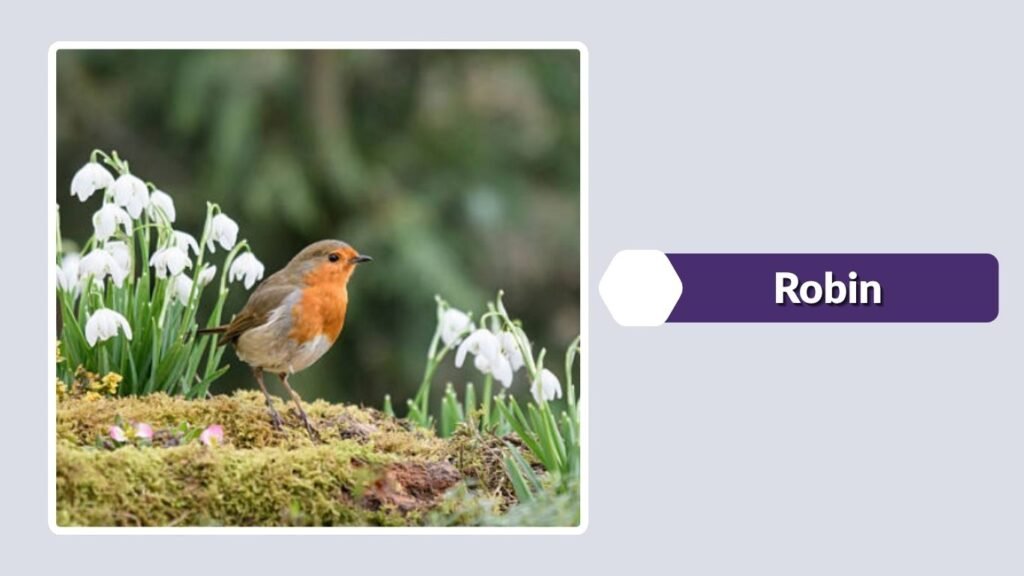
The Robin is one of the most beloved and recognizable birds in Ireland. Known for its bright red-orange breast and friendly nature, it is commonly seen in gardens, parks, and woodlands. This small bird is active year-round and is often associated with Irish culture and folklore.
Identification
- Small, round-bodied bird with a short tail
- Bright red-orange face and breast
- Brown back and wings
- Pale belly with soft contrast
- Thin, pointed beak
- Large, dark eyes giving a gentle appearance
- Both males and females look similar
Habitat
Robins are found throughout Ireland in a wide range of habitats, including gardens, hedgerows, parks, and forests. They prefer areas with dense vegetation for cover but also need open ground for feeding. They are especially common in residential areas where they can easily find food and nesting spots.
Behaviors
Robins are known for their bold and curious nature. They are often seen hopping on the ground in search of food and may come quite close to humans. Unlike many birds, they are territorial year-round and will defend their space aggressively. They are also known for their beautiful, melodic songs, which can be heard even during winter.
Diet and Lifespan
Robins mainly feed on insects, worms, and small invertebrates. They may also eat berries and seeds, especially in colder months when insects are scarce. Their diet makes them helpful for controlling garden pests. In the wild, robins typically live around 1 to 3 years, although some individuals may live longer under favorable conditions.
2. Blackbird
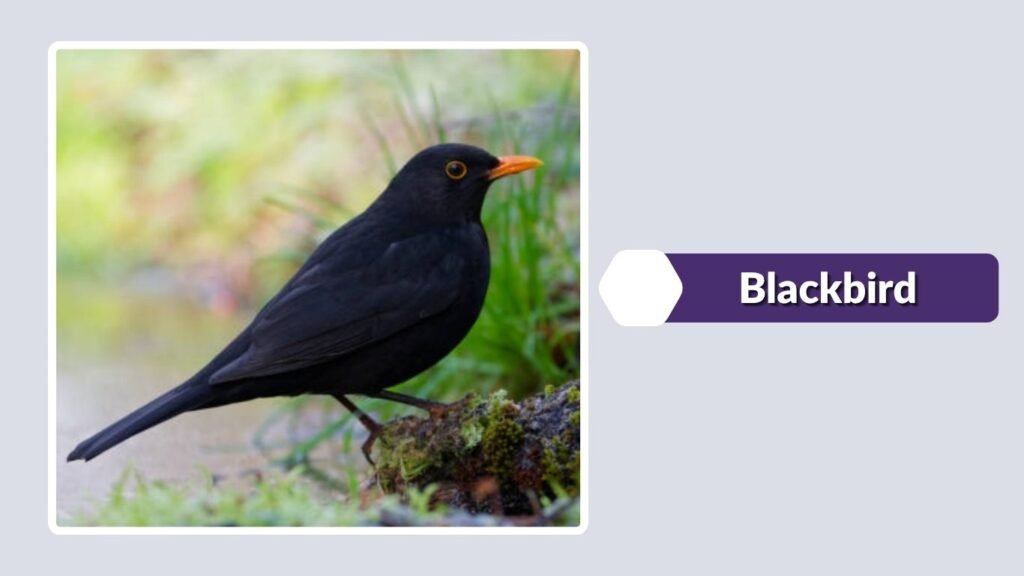
The Blackbird is a common and well-known bird across Ireland, easily recognized by its rich song and striking appearance. Often seen in gardens and parks, it is a familiar presence throughout the year. Its melodic voice, especially at dawn and dusk, makes it one of the most appreciated songbirds in the region.
Identification
- Medium-sized bird with a long tail
- Adult males are entirely black with a bright yellow-orange beak
- Females are brown with lighter streaking on the chest
- Eyes are dark, often surrounded by a faint ring
- Body appears sleek with a slightly rounded shape
- Strong legs adapted for ground movement
- Juveniles resemble females but are more heavily spotted
Habitat
Blackbirds are highly adaptable and can be found in a wide range of habitats across Ireland. They are common in gardens, parks, woodlands, and farmland edges. They prefer areas with dense shrubs or trees for nesting, along with open ground nearby for feeding. Their ability to thrive in both rural and urban environments makes them one of the most widespread birds in Ireland.
Behaviors
These birds are often seen foraging on the ground, hopping and pausing as they search for food. Males are territorial and may be seen defending their space, especially during breeding season. Blackbirds are known for their rich, flute-like song, which is often heard early in the morning and late in the evening. They are generally solitary but may gather in small groups outside the breeding season.
Diet and Lifespan
Blackbirds primarily feed on insects, worms, and other invertebrates. They also consume fruits and berries, particularly in autumn and winter. Their varied diet helps them adapt to different environments throughout the year. In the wild, Blackbirds typically live around 3 to 5 years, though some may survive longer depending on conditions.
3. Blue Tit
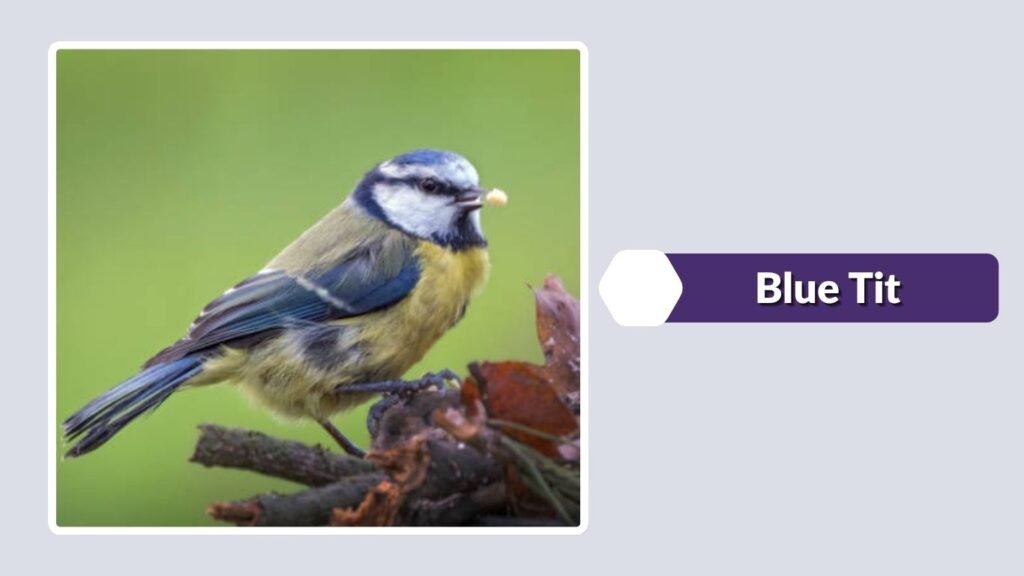
The Blue Tit is a small, colorful bird commonly found across Ireland. Known for its bright blue and yellow plumage and energetic behavior, it is a frequent visitor to gardens and feeders. Its lively nature and acrobatic feeding habits make it a favorite among birdwatchers.
Identification
- Small bird with a short, pointed beak
- Bright blue cap, wings, and tail
- Yellow underparts with a slight dark line down the belly
- White face with a dark eye stripe
- Greenish back
- Short tail and compact body
- Males and females look very similar
Habitat
Blue Tits are widespread in Ireland and are commonly found in woodlands, parks, hedgerows, and gardens. They prefer areas with plenty of trees and shrubs for nesting and feeding. They adapt well to human environments and are especially common in suburban areas with bird feeders.
Behaviors
These birds are highly active and agile, often seen hanging upside down while feeding. They are social and may form small flocks, especially in winter. Blue Tits are curious and bold, frequently exploring feeders and nesting boxes. They communicate with high-pitched calls and are constantly on the move.
Diet and Lifespan
Blue Tits mainly feed on insects, caterpillars, and spiders, especially during the breeding season. They also eat seeds and nuts, particularly in winter when insects are scarce. They are regular visitors to feeders offering peanuts and sunflower seeds. In the wild, they typically live around 2 to 4 years, though some may live longer.
4. Great Tit
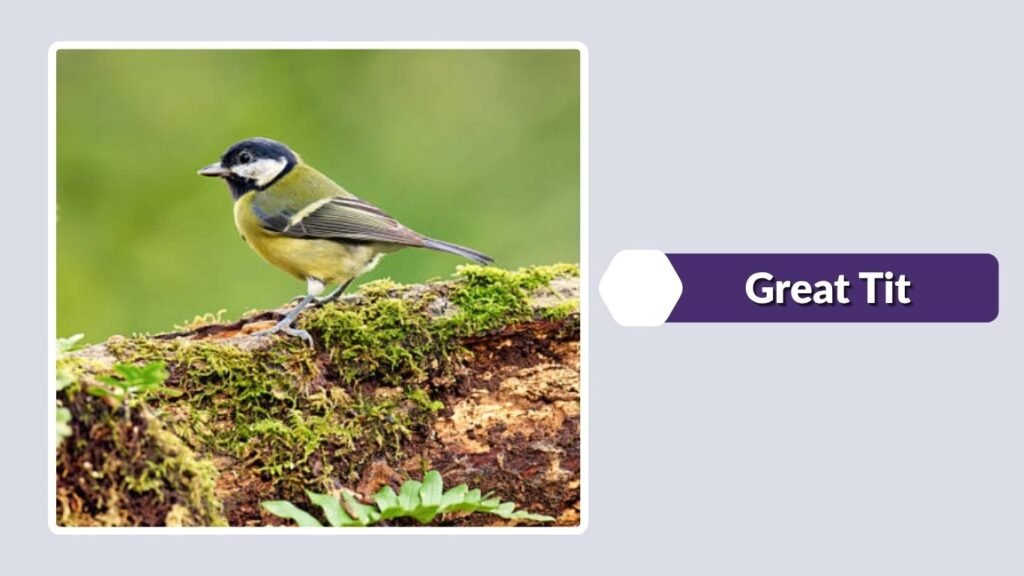
The Great Tit is one of the largest and most widespread tit species in Ireland. Easily recognized by its bold markings and confident behavior, it is a regular visitor to gardens and woodlands. Its loud, varied calls and adaptability make it a very noticeable and familiar bird.
Identification
- Medium-sized songbird with a strong, pointed beak
- Black head with bright white cheek patches
- Yellow underparts with a bold black stripe down the center
- Greenish back with bluish wings
- Tail is medium length and slightly rounded
- Males have a wider black stripe than females
- Overall appearance is bold and well-defined
Habitat
Great Tits are found across Ireland in a variety of habitats, including woodlands, parks, gardens, and hedgerows. They prefer areas with mature trees for nesting but are highly adaptable and often thrive in suburban environments. They frequently use nest boxes and are common in places where food is readily available.
Behaviors
These birds are active and confident, often dominating feeders over smaller birds. They are curious and intelligent, quickly learning where food sources are located. Great Tits are usually seen alone or in small groups, but they may join mixed flocks in winter. Their calls are loud and varied, making them easy to detect.
Diet and Lifespan
Great Tits feed mainly on insects, caterpillars, and spiders, especially during the breeding season. In colder months, they switch to seeds and nuts and often visit feeders. Their varied diet helps them survive in different environments. In the wild, they typically live around 2 to 5 years, depending on conditions.
5. Chaffinch
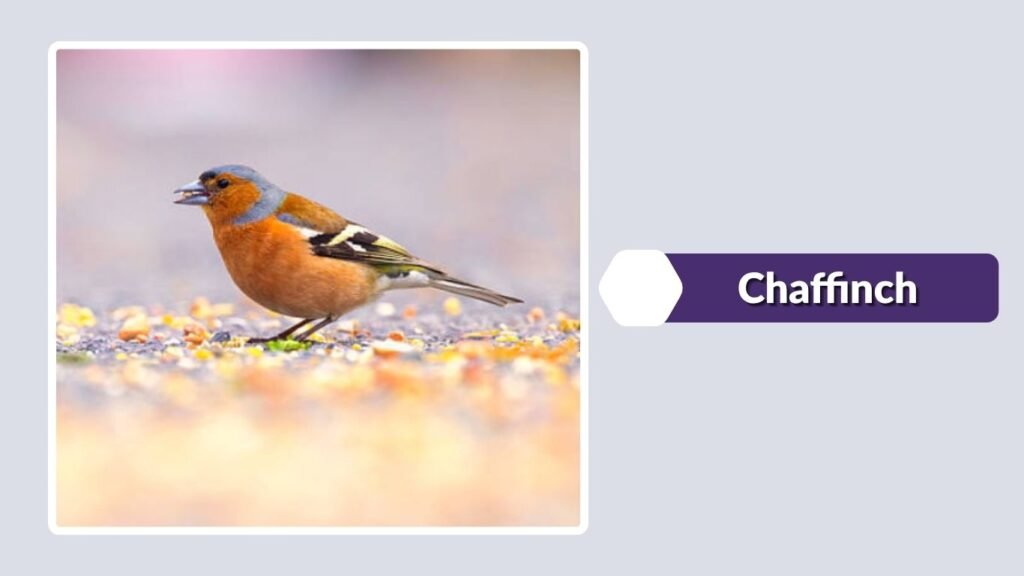
The Chaffinch is one of the most common and widespread birds in Ireland. Known for its attractive coloring and cheerful song, it is often seen in gardens, woodlands, and farmland. Its lively presence and frequent visits to feeders make it a familiar bird to many people.
Identification
- Medium-sized finch with a short, conical beak
- Males have a reddish-brown chest and face
- Blue-gray cap and nape on males
- Wings are dark with bold white wing bars
- Females are more subdued, with brown and gray tones
- Tail is fairly long with white edges visible in flight
- Overall body shape is compact and rounded
Habitat
Chaffinches are found throughout Ireland in a wide range of habitats, including woodlands, parks, gardens, and farmland. They prefer areas with trees for nesting and open ground for feeding. They adapt well to human environments and are commonly seen in residential areas with bird feeders.
Behaviors
These birds are often seen foraging on the ground, hopping as they search for food. Males are known for their repeated, rhythmic song, especially during the breeding season. Chaffinches are usually seen alone or in small groups but may form larger flocks in winter. They are active during the day and are regular visitors to feeders.
Diet and Lifespan
Chaffinches mainly eat seeds, especially from grasses and weeds. During the breeding season, they also consume insects to feed their young. They often visit feeders for sunflower seeds and other grains. In the wild, Chaffinches typically live around 3 to 5 years, depending on environmental conditions.
6. Goldfinch
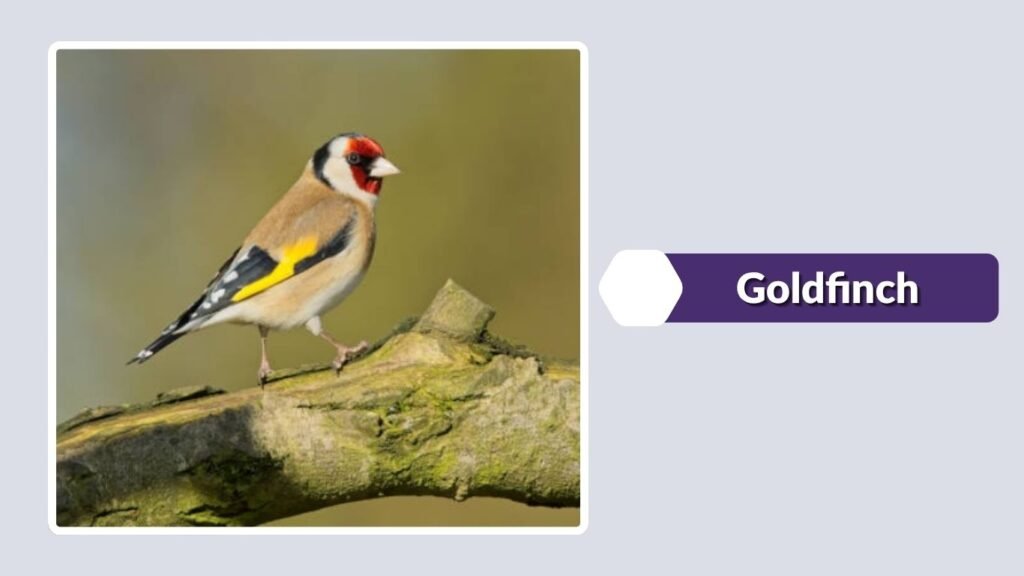
The Goldfinch is a colorful and charming bird commonly found across Ireland. Known for its bright red face and yellow wing patches, it is often seen in gardens and open countryside. Its delicate appearance and pleasant song make it a favorite among birdwatchers.
Identification
- Small finch with a short, conical beak
- Bright red face with black and white head
- Brown back with white underparts
- Wings are black with bold yellow patches
- Tail is black with white spots
- Slim body with a slightly pointed appearance
- Males and females look very similar
Habitat
Goldfinches are widespread in Ireland and are commonly found in gardens, parks, meadows, and farmland. They prefer open areas with plenty of seed-producing plants such as thistles. They are also frequent visitors to feeders, especially in areas with nearby trees and shrubs for shelter.
Behaviors
These birds are social and are often seen in small flocks, especially outside the breeding season. They have a light, bouncing flight and communicate with soft, musical calls. Goldfinches are active during the day and are often observed feeding on seed heads. They are generally calm and tolerant of other birds.
Diet and Lifespan
Goldfinches mainly feed on seeds, particularly from thistles and other weeds. They may also eat small insects during the breeding season. Their feeding habits help control weed growth. In the wild, they typically live around 3 to 6 years, depending on environmental conditions.
7. Wren
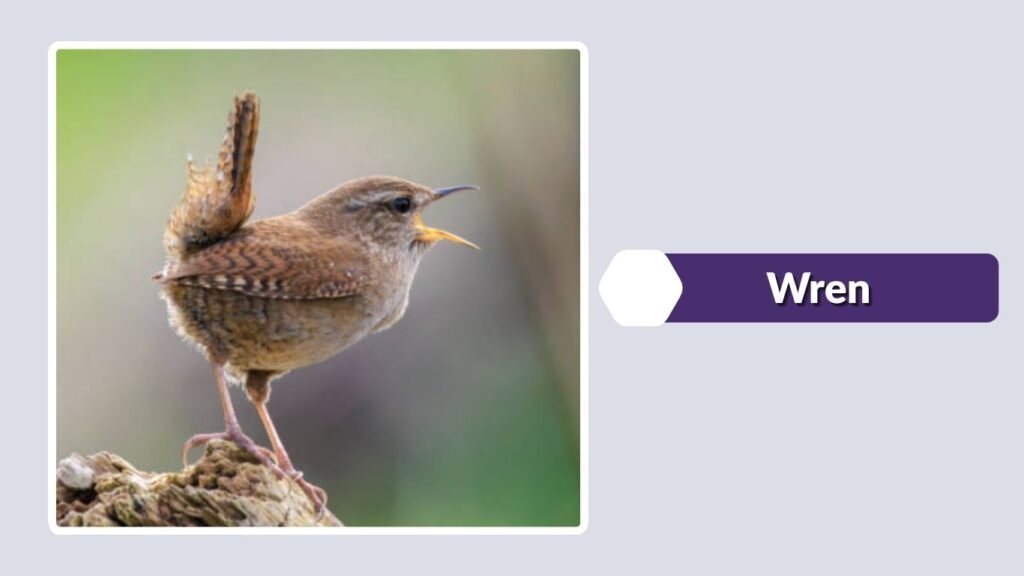
The Wren is a tiny but energetic bird commonly found throughout Ireland. Despite its small size, it has a powerful voice and is often heard before it is seen. It is a familiar species in gardens, hedgerows, and woodlands, known for its quick movements and upright tail.
Identification
- Very small, round-bodied bird
- Brown overall with fine barring on wings and tail
- Short, thin, slightly curved beak
- Tail is short and often held upright
- Pale eyebrow stripe above the eye
- Legs appear relatively long for its size
- Both males and females look similar
Habitat
Wrens are widespread across Ireland and can be found in a variety of habitats, including woodlands, gardens, hedgerows, and scrublands. They prefer areas with dense vegetation that provide cover and nesting sites. They are also commonly found near walls, fences, and piles of vegetation where they can hide easily.
Behaviors
Wrens are highly active and constantly on the move, often darting through low vegetation. They are usually seen alone and can be quite secretive. Despite their size, they are territorial and may defend their area aggressively. Their song is loud and complex, often heard throughout the year.
Diet and Lifespan
Wrens mainly feed on insects, spiders, and other small invertebrates. They forage close to the ground, searching in crevices and under leaves. Their diet helps control insect populations. In the wild, Wrens typically live around 2 to 3 years, although many do not survive their first year.
8. Dunnock
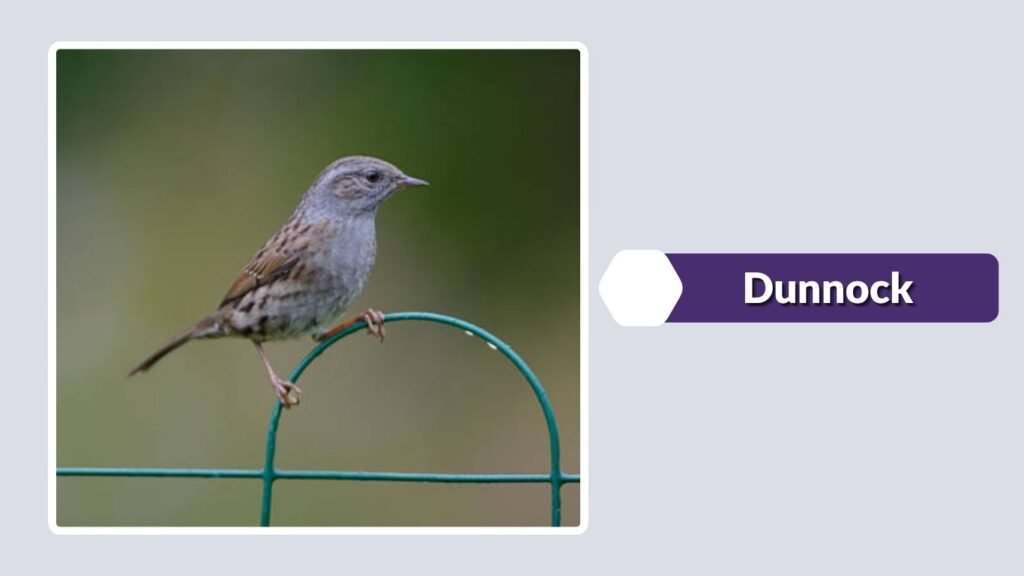
The Dunnock, often called the “hedge sparrow,” is a small, quiet bird commonly found across Ireland. It is usually seen near the ground in gardens and hedgerows. Its plain appearance makes it easy to overlook, but it is a regular and widespread species.
Identification
- Small, slim bird with a thin, pointed beak
- Brown back with dark streaks
- Gray head and chest
- Pale belly with subtle shading
- Wings are brown with darker markings
- Tail is medium length and often flicked
- Overall appearance is plain and understated
Habitat
Dunnocks are widely distributed across Ireland and are commonly found in gardens, hedgerows, parks, and woodland edges. They prefer areas with dense shrubs or low vegetation where they can hide and forage. They are especially common in suburban areas with plenty of cover.
Behaviors
These birds are usually seen alone, quietly hopping along the ground in search of food. They are shy and less noticeable than many other garden birds. Dunnocks are known for their interesting breeding behavior, sometimes forming complex social groups. They are active during the day and stay close to cover.
Diet and Lifespan
Dunnocks mainly feed on insects, spiders, and other small invertebrates. They may also eat seeds, especially in winter. They forage on the ground, often picking food from leaf litter. In the wild, Dunnocks typically live around 2 to 3 years, depending on environmental conditions.
9. Starling
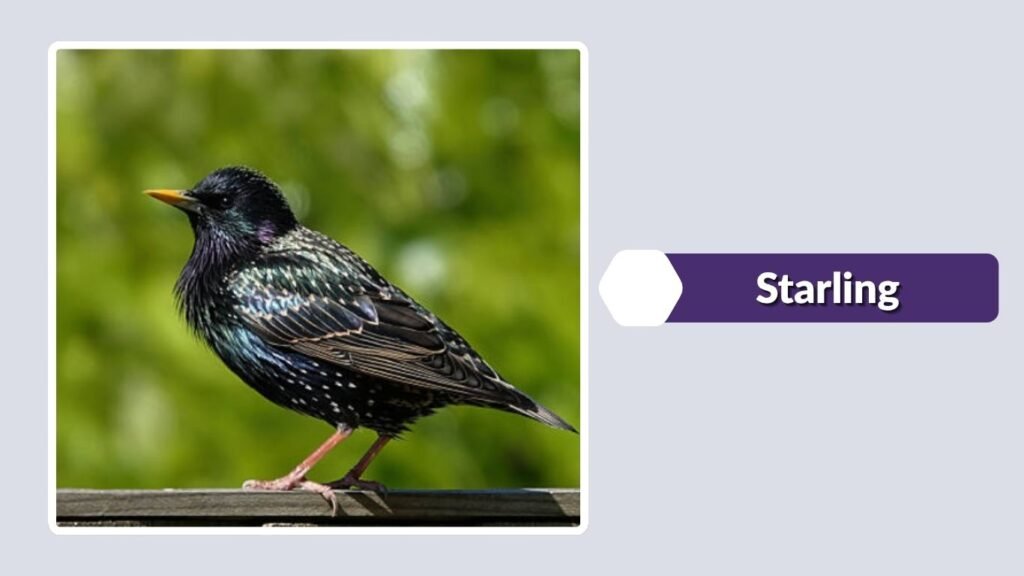
The Starling is a highly social and adaptable bird commonly found across Ireland. Known for its glossy, speckled plumage and impressive flocking displays, it is often seen in large groups. Its ability to mimic sounds and thrive in different environments makes it a very noticeable species.
Identification
- Medium-sized bird with a short tail and pointed beak
- Glossy black feathers with purple and green iridescence
- Covered in white spots, especially in winter
- Beak turns yellow during breeding season
- Legs are pinkish
- Wings are triangular and pointed
- Overall appearance is sleek and shiny
Habitat
Starlings are widespread in Ireland and can be found in towns, cities, farmland, and coastal areas. They prefer open spaces for feeding, such as lawns and fields, along with buildings or trees for nesting. They are highly adaptable and often nest in roof spaces, tree holes, or other cavities.
Behaviors
These birds are extremely social and are often seen in large flocks. They are famous for their synchronized flight patterns, known as murmurations, which occur mainly in the evening. Starlings are active and noisy, producing a mix of whistles, clicks, and mimicry of other sounds. They are bold and often dominate feeding areas.
Diet and Lifespan
Starlings mainly feed on insects, worms, and other invertebrates, especially during warmer months. In winter, they also eat fruits, berries, and seeds. They forage on the ground, probing soil with their beaks. In the wild, Starlings typically live around 2 to 5 years, though some may live longer.
10. Woodpigeon
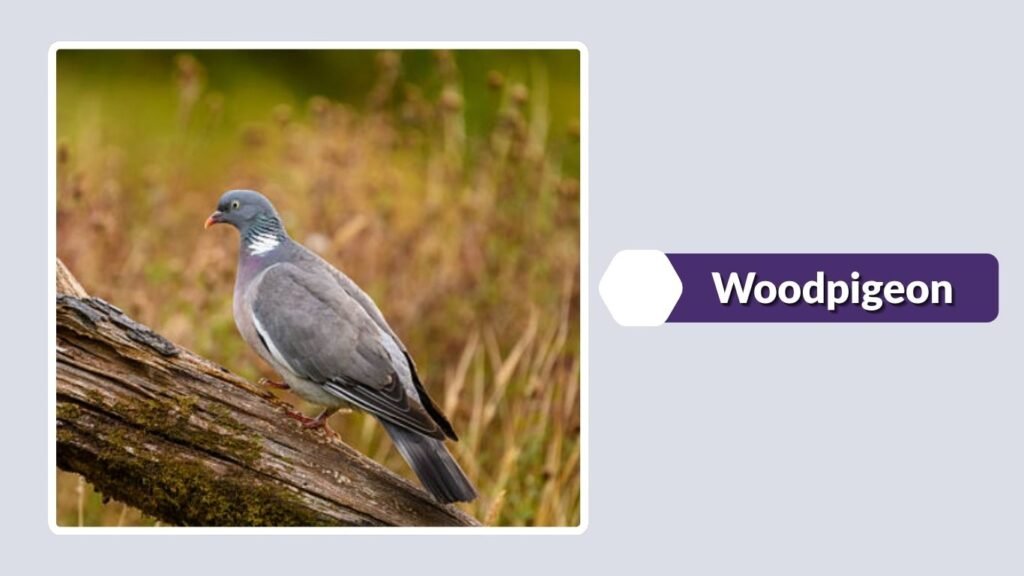
The Woodpigeon is the largest and most common pigeon species in Ireland. It is easily recognized by its size and distinctive white neck patches. Often seen in both rural and urban areas, this bird is a familiar presence in gardens, woodlands, and farmland.
Identification
- Large, bulky bird with a small head
- Gray body with a pinkish chest
- Distinct white patch on each side of the neck
- Broad wings with white bands visible in flight
- Tail is long with a dark band near the tip
- Beak is short with a pale tip
- Overall appearance is smooth and rounded
Habitat
Woodpigeons are widespread across Ireland and can be found in woodlands, farmland, parks, and gardens. They prefer areas with trees for nesting and open ground for feeding. They are highly adaptable and are commonly seen in both rural countryside and urban settings.
Behaviors
These birds are often seen in pairs or small groups, though larger flocks may form in winter. Their flight is strong and direct, often accompanied by loud wing claps. Woodpigeons are generally calm but can be cautious. Their soft, repetitive cooing call is a common sound in many parts of Ireland.
Diet and Lifespan
Woodpigeons mainly feed on seeds, grains, leaves, and crops. They often forage on the ground, especially in fields and gardens. Their diet allows them to thrive in agricultural areas. In the wild, Woodpigeons typically live around 3 to 5 years, though some may live longer.
11. Collared Dove
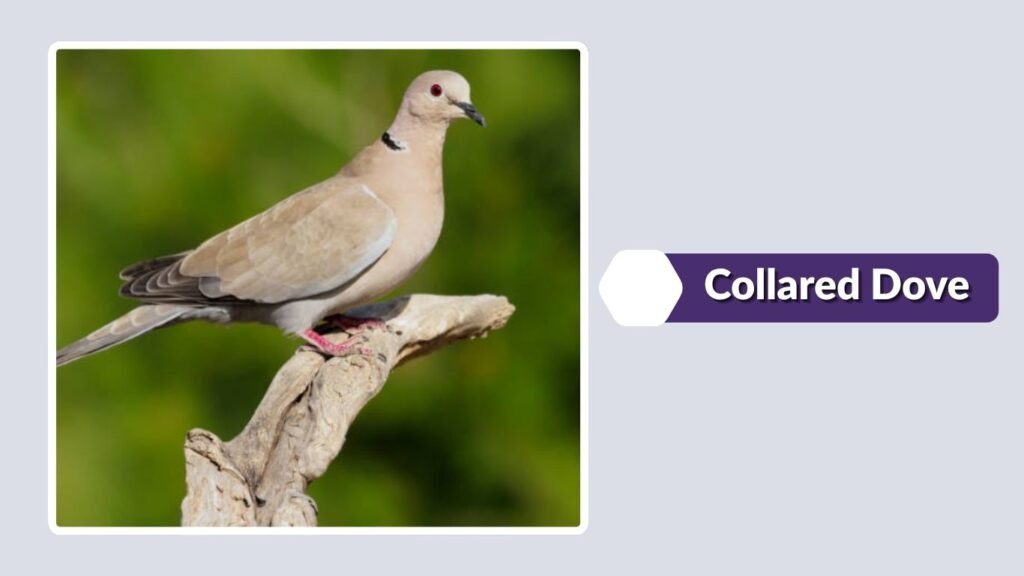
The Collared Dove is a pale, gentle-looking bird that has become increasingly common across Ireland. Recognized by the thin black collar on the back of its neck, it is often seen in towns, villages, and farmland. Its calm behavior and soft cooing make it a familiar and peaceful presence.
Identification
- Medium-sized dove with a slim body
- Pale gray or buff-colored plumage
- Distinct narrow black “collar” on the back of the neck
- Long tail with white edges visible in flight
- Small, dark eye and short black beak
- Wings are light gray with subtle shading
- Overall appearance is soft and smooth
Habitat
Collared Doves are widely distributed across Ireland and are especially common in urban and suburban areas. They prefer open habitats such as gardens, parks, farmland, and village outskirts. They often nest in trees, hedges, or even on buildings, showing strong adaptability to human environments.
Behaviors
These doves are generally calm and are often seen perched quietly on wires, trees, or rooftops. They are usually found alone or in pairs but may gather in small groups. Their flight is steady and direct. Collared Doves are known for their soft, repetitive cooing call, which is commonly heard throughout the day.
Diet and Lifespan
Collared Doves mainly feed on seeds and grains, often foraging on the ground. They may also visit bird feeders in gardens. Their diet allows them to thrive in agricultural and residential areas. In the wild, they typically live around 3 to 5 years, depending on environmental conditions.
12. Magpie
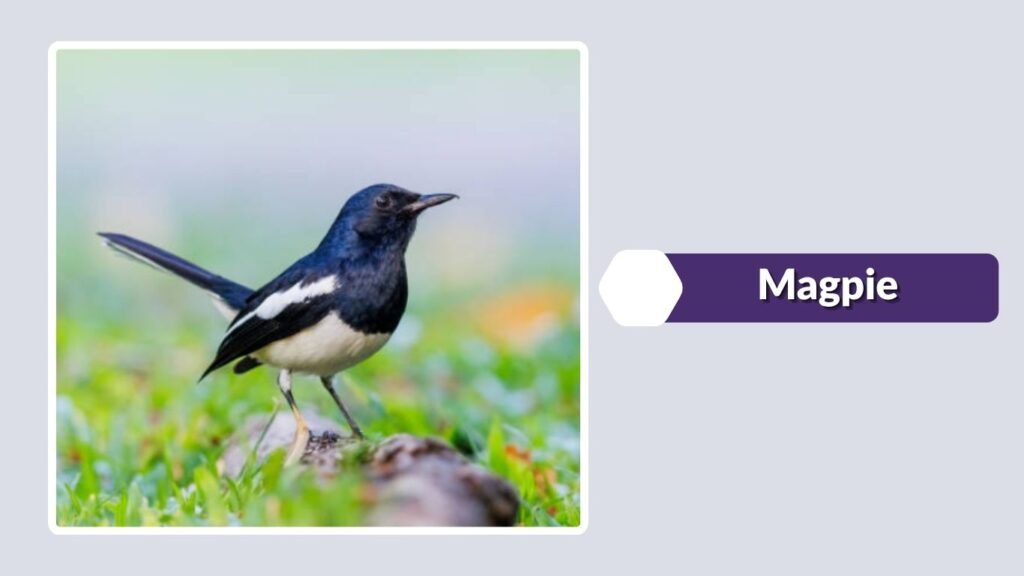
The Magpie is a striking and intelligent bird commonly found across Ireland. Known for its bold black-and-white coloring and long tail, it is a highly adaptable species. Magpies are often seen in open areas and are well known for their curiosity and problem-solving abilities.
Identification
- Medium-sized bird with a long, graduated tail
- Black and white plumage with glossy blue-green iridescence
- Black head, chest, and back
- White belly and shoulder patches
- Strong, straight black beak
- Wings show a metallic sheen in sunlight
- Overall appearance is bold and highly contrasting
Habitat
Magpies are widespread in Ireland and are found in a variety of habitats, including farmland, parks, gardens, and urban areas. They prefer open spaces with scattered trees or shrubs for nesting. Their adaptability allows them to thrive in both rural and city environments.
Behaviors
Magpies are highly intelligent and curious birds. They are often seen walking on the ground or perched in visible locations. They can be solitary or seen in pairs, but may gather in small groups. Known for their complex social behavior, they communicate with a range of calls and are very alert to their surroundings.
Diet and Lifespan
Magpies are omnivorous and eat a wide range of foods, including insects, small animals, eggs, seeds, and scraps. They often forage on the ground and are known to scavenge. Their flexible diet helps them survive in many environments. In the wild, they typically live around 4 to 6 years, though some may live longer.
13. Rook
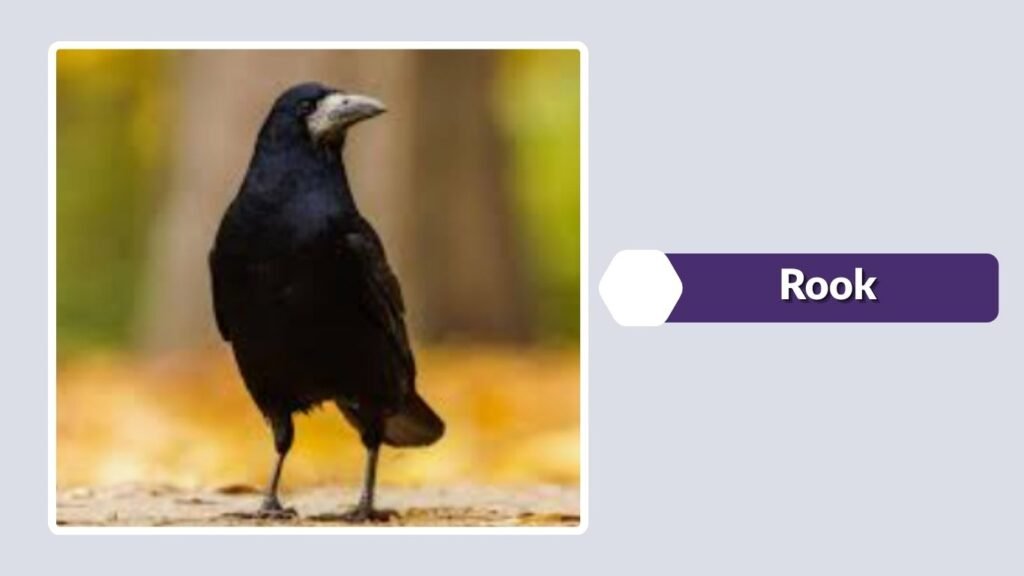
The Rook is a large, social crow species commonly found across Ireland, especially in rural areas. It is often seen in groups and is known for nesting in large colonies called rookeries. Its presence is closely associated with farmland and open countryside.
Identification
- Large black bird with a long, slender body
- Bare grayish-white skin around the base of the beak (adults)
- Strong, pointed beak
- Feathers have a slight glossy sheen
- Legs and feet are black
- Tail is relatively short compared to body size
- Juveniles lack the bare facial skin
Habitat
Rooks are widely distributed across Ireland, mainly in farmland, grasslands, and open countryside. They prefer areas with tall trees for nesting and open fields for feeding. Large colonies are often found near farms or villages where food sources are reliable.
Behaviors
Rooks are highly social and are usually seen in flocks. They nest in large groups, often returning to the same trees year after year. They are active during the day and spend much of their time foraging on the ground. Their calls are loud and harsh, often heard when groups are gathered.
Diet and Lifespan
Rooks mainly feed on insects, worms, and other invertebrates found in soil. They also eat grains, seeds, and occasionally small animals. Their feeding habits make them important for controlling pests. In the wild, Rooks typically live around 5 to 10 years, depending on environmental conditions.
14. Jackdaw
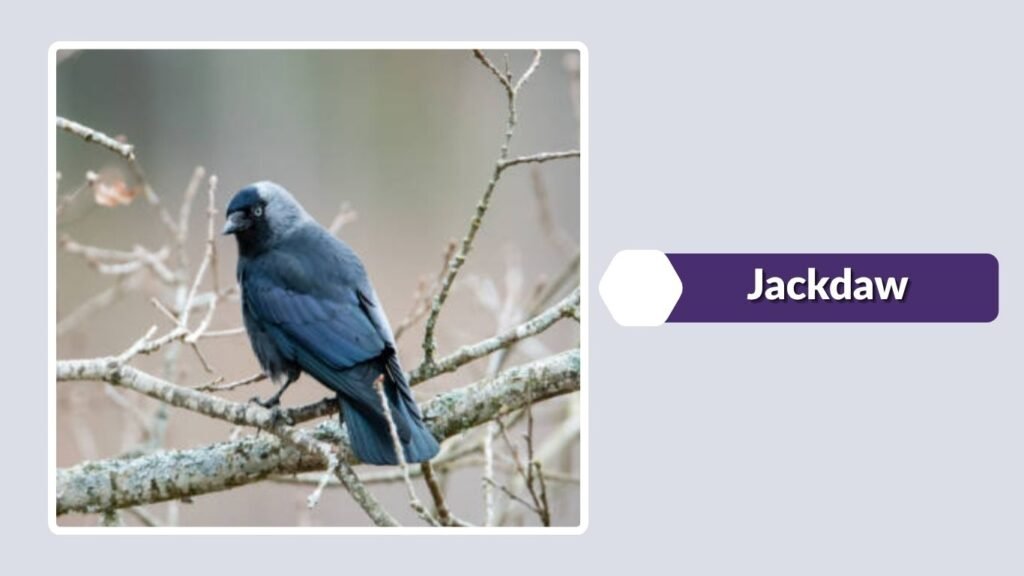
The Jackdaw is a small, intelligent member of the crow family commonly found across Ireland. It is easily recognized by its pale eyes and compact shape. Often seen in groups, Jackdaws are highly social and adaptable, making them a familiar sight in both rural and urban areas.
Identification
- Small crow with a compact body
- Black head with a grayish nape and neck
- Pale gray or bluish-white eyes (very distinctive)
- Short, stout black beak
- Wings are dark with a slight sheen
- Tail is short and squared
- Overall appearance is neat and compact
Habitat
Jackdaws are widespread in Ireland and can be found in towns, cities, farmland, and coastal areas. They prefer places with access to nesting sites such as chimneys, tree holes, cliffs, or buildings. Their adaptability allows them to thrive in both natural and human-made environments.
Behaviors
These birds are very social and are often seen in flocks, sometimes mixing with other crow species. They are intelligent and curious, frequently exploring their surroundings. Jackdaws communicate with a range of sharp, chattering calls. They are active during the day and often gather in large groups to roost at night.
Diet and Lifespan
Jackdaws are omnivorous and eat a wide variety of foods, including insects, seeds, fruits, and scraps. They often forage on the ground and are quick to take advantage of available food sources. In the wild, Jackdaws typically live around 5 to 8 years, though some may live longer under favorable conditions.
15. Carrion Crow
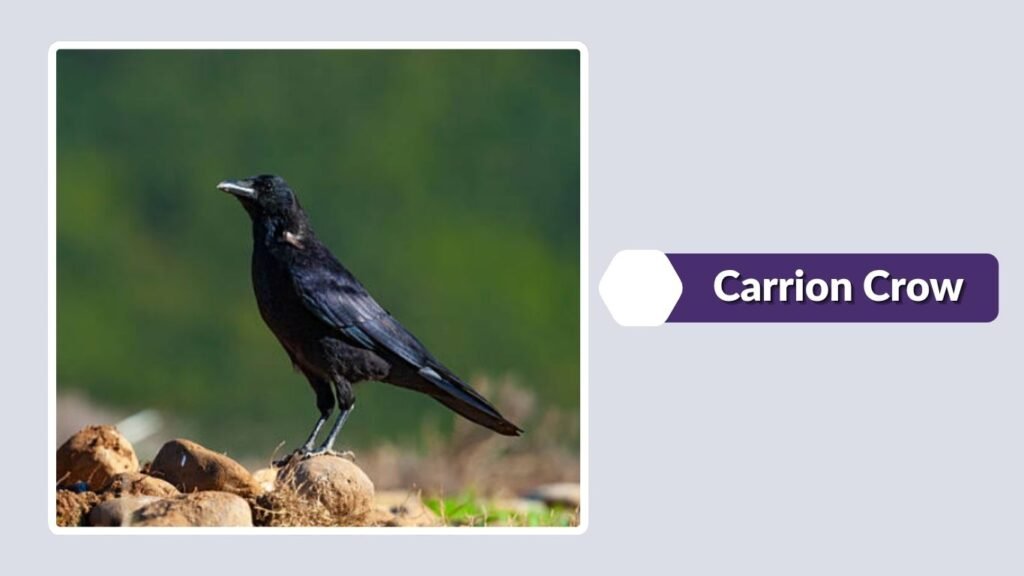
The Carrion Crow is a large, all-black bird commonly found across Ireland. Known for its intelligence and adaptability, it thrives in a wide range of environments. It is often seen alone or in pairs and is easily recognized by its deep black plumage and strong presence.
Identification
- Large bird with entirely black plumage
- Thick, strong black beak
- Feathers have a slight glossy sheen
- Eyes are dark and blend with the face
- Broad wings and medium-length tail
- Sturdy legs adapted for walking
- Overall appearance is solid and powerful
Habitat
Carrion Crows are widespread across Ireland and can be found in farmland, woodlands, coastal areas, and urban environments. They prefer open landscapes with scattered trees or structures for nesting. Their adaptability allows them to live close to humans as well as in remote areas.
Behaviors
These birds are intelligent and often seen foraging on the ground. They are usually solitary or found in pairs, especially during breeding season. Carrion Crows are known for their problem-solving skills and cautious nature. Their call is a loud, harsh “caw,” commonly heard across open areas.
Diet and Lifespan
Carrion Crows are omnivorous and eat a wide variety of foods, including insects, small animals, carrion, seeds, and human scraps. They are opportunistic feeders and can adapt their diet easily. In the wild, they typically live around 6 to 10 years, though some may live longer.
16. Herring Gull
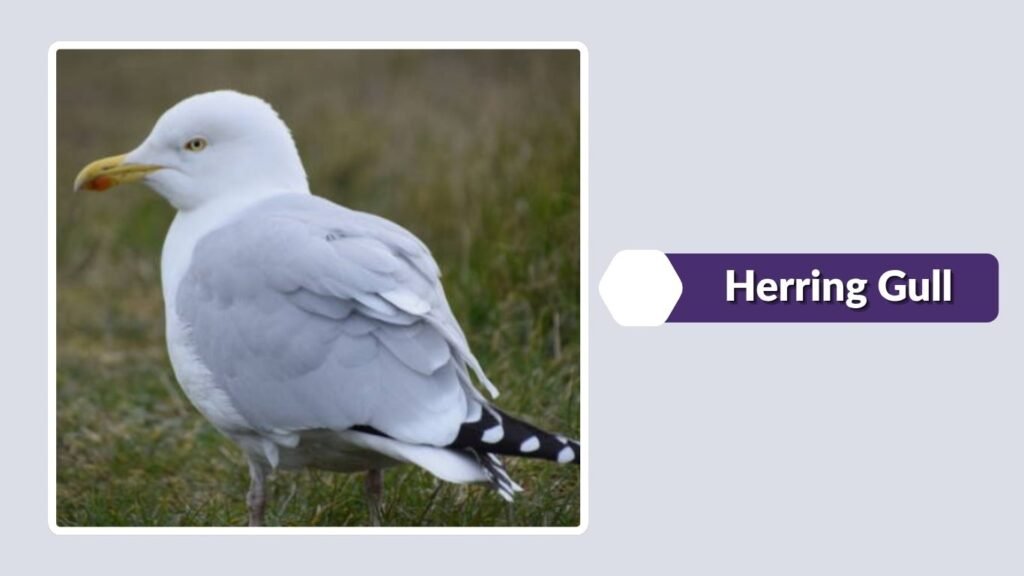
The Herring Gull is a large and familiar coastal bird found throughout Ireland. Often seen near the sea as well as inland towns and cities, it is known for its loud calls and bold behavior. Its adaptability has made it a common sight in both natural and urban environments.
Identification
- Large gull with a strong, bulky body
- White head and underparts
- Pale gray back and wings
- Black wing tips with white spots
- Yellow beak with a red spot near the tip
- Pink legs
- Juveniles are brown and mottled before turning gray and white
Habitat
Herring Gulls are widespread across Ireland, especially along coastlines, cliffs, harbors, and beaches. They are also commonly found inland in towns, cities, and farmland. They often nest on cliffs, rooftops, or flat surfaces, showing strong adaptability to human environments.
Behaviors
These gulls are bold and opportunistic. They are often seen scavenging for food in coastal areas, streets, and landfill sites. Herring Gulls can be aggressive, especially when defending food or nesting sites. They are social birds and may gather in large groups, particularly near food sources.
Diet and Lifespan
Herring Gulls have a varied diet that includes fish, invertebrates, scraps, and carrion. They are skilled scavengers and can adapt their feeding habits easily. In the wild, they typically live around 10 to 15 years, though some individuals may live much longer.
17. Mute Swan
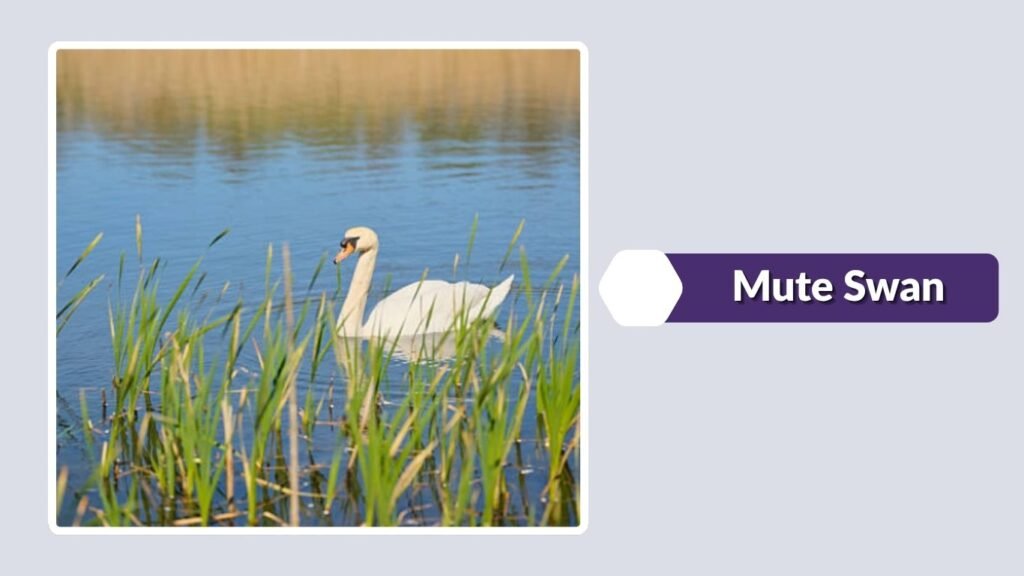
The Mute Swan is one of the most elegant and recognizable birds in Ireland. Commonly found on lakes, rivers, and ponds, it is known for its graceful appearance and calm behavior. Despite its name, it is not completely silent and can produce soft sounds.
Identification
- Large white waterbird with a long, curved neck
- Bright orange beak with a black base and knob
- Black facial markings around the beak
- Wings are broad and often held slightly raised when swimming
- Legs and feet are black
- Juveniles are grayish-brown before turning white
- Overall appearance is graceful and striking
Habitat
Mute Swans are widely distributed across Ireland and are commonly found in freshwater habitats such as lakes, rivers, canals, and ponds. They prefer calm waters with plenty of aquatic vegetation. They are also seen in parks and estates where water bodies are present.
Behaviors
These swans are usually seen in pairs or family groups. They are territorial during the breeding season and may become aggressive if approached too closely. Mute Swans are strong swimmers and spend much of their time gliding on water. They communicate with soft hissing or snorting sounds rather than loud calls.
Diet and Lifespan
Mute Swans mainly feed on aquatic plants, algae, and vegetation found in water. They may also eat small invertebrates occasionally. They forage by dipping their long necks underwater. In the wild, they typically live around 10 to 20 years, depending on environmental conditions and habitat quality.
FAQs
What is the most common bird in Ireland?
The Robin is one of the most common and recognizable birds in Ireland. It is found year-round in gardens, parks, and woodlands. Other very common birds include Blackbirds, Starlings, and Woodpigeons, which are also widely seen across the country.
Do birds in Ireland migrate?
Yes, some birds in Ireland migrate while others stay year-round. Species like swallows and certain finches migrate seasonally, while birds such as Robins, Blackbirds, and Crows are resident and remain in Ireland throughout the year.
Where is the best place to see birds in Ireland?
You can see birds across Ireland in many habitats, including woodlands, wetlands, coastlines, and gardens. Coastal areas are great for seabirds, while parks and countryside areas are ideal for spotting common land birds.
What do most birds in Ireland eat?
Bird diets vary by species, but many eat insects, seeds, berries, and small invertebrates. Some birds, like gulls and crows, are omnivorous and will eat a wide range of foods, including scraps and carrion.
Are birds in Ireland protected?
Yes, most birds in Ireland are protected under wildlife laws. It is illegal to harm birds, destroy nests, or collect eggs without permission. These protections help conserve bird populations and maintain ecological balance.
