
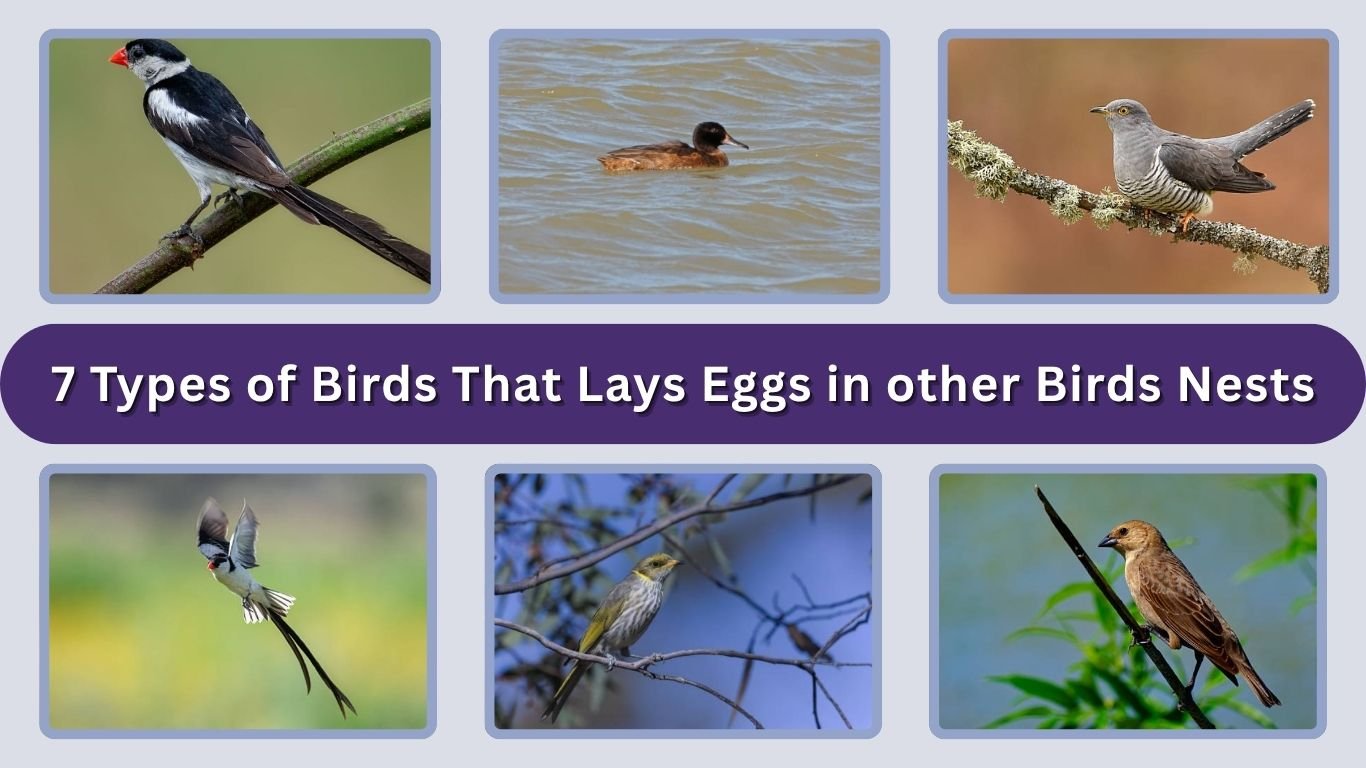
Some birds have developed a fascinating and unusual way of raising their young known as brood parasitism. Instead of building nests and caring for their chicks, these birds lay their eggs in the nests of other species, leaving the host birds to do all the work. This strategy saves time and energy while increasing their chances of reproduction. From the well-known cuckoo to lesser-known species like the honeyguide and indigobird, these birds show remarkable adaptations that help them survive and thrive in different environments around the world.
1. Cuckoo
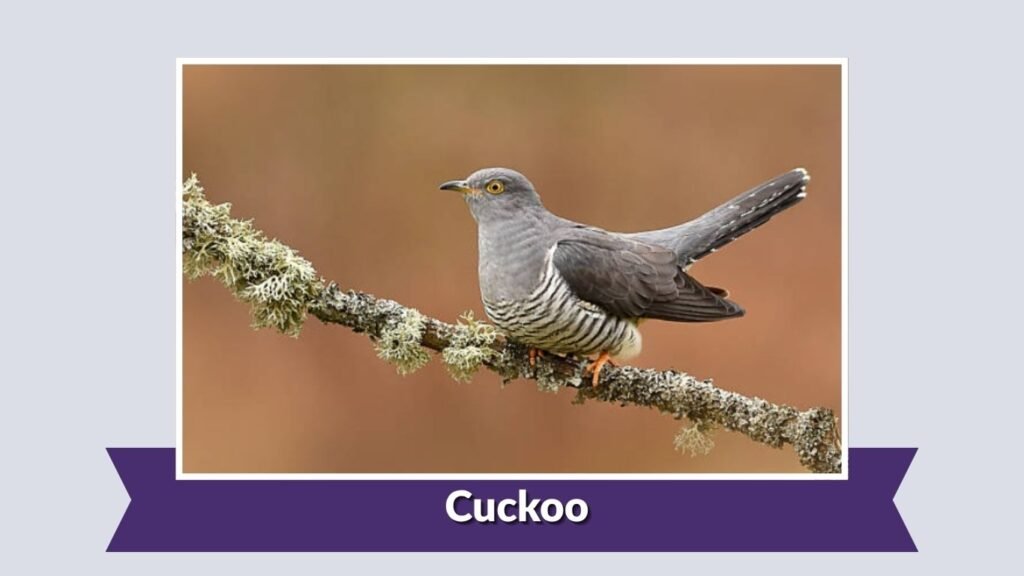
Cuckoos are among the most well-known brood parasites in the bird world. Instead of building their own nests, many cuckoo species lay their eggs in the nests of other birds, leaving the responsibility of incubation and chick-rearing to the unsuspecting host. This unique reproductive strategy allows cuckoos to conserve energy and increase their chances of producing more offspring. Found across various continents, cuckoos have adapted to a wide range of environments and host species, making them highly successful in their ecological niche. Their distinct calls and secretive behavior also make them fascinating subjects for bird watchers and researchers alike.
Identification
- Medium-sized bird with a slim, elongated body
- Long tail with noticeable barring
- Pointed wings suited for swift flight
- Plumage often gray, brown, or patterned
- Slightly curved and narrow bill
Habitat
Cuckoos inhabit diverse environments depending on the species. They can be found in forests, woodlands, grasslands, wetlands, and even urban or suburban areas. Many species prefer regions where suitable host birds are abundant, as their breeding success depends heavily on host availability. Migratory cuckoos travel long distances between breeding and wintering grounds, often moving from temperate regions to tropical areas. In tropical zones, some species remain year-round, thriving in dense vegetation and open landscapes alike.
Behaviors
Cuckoos are best known for their brood parasitic behavior. The female carefully observes potential host nests and lays her egg quickly, often removing one of the host’s eggs to avoid suspicion. The cuckoo chick usually hatches earlier and may instinctively push out other eggs or chicks, ensuring it receives all parental care. Adult cuckoos are generally solitary and secretive, often heard more than seen. Their distinctive calls are used for communication and territory marking.
Diet and Lifespan
Cuckoos primarily feed on insects, especially caterpillars, including hairy species that many other birds avoid. They also consume beetles, grasshoppers, fruits, and occasionally small vertebrates. Their specialized diet helps control insect populations in their habitats. The lifespan of cuckoos varies by species but typically ranges from 5 to 10 years in the wild. Some individuals may live longer under favorable conditions, especially where food is abundant and predation is low.
2. Cowbird
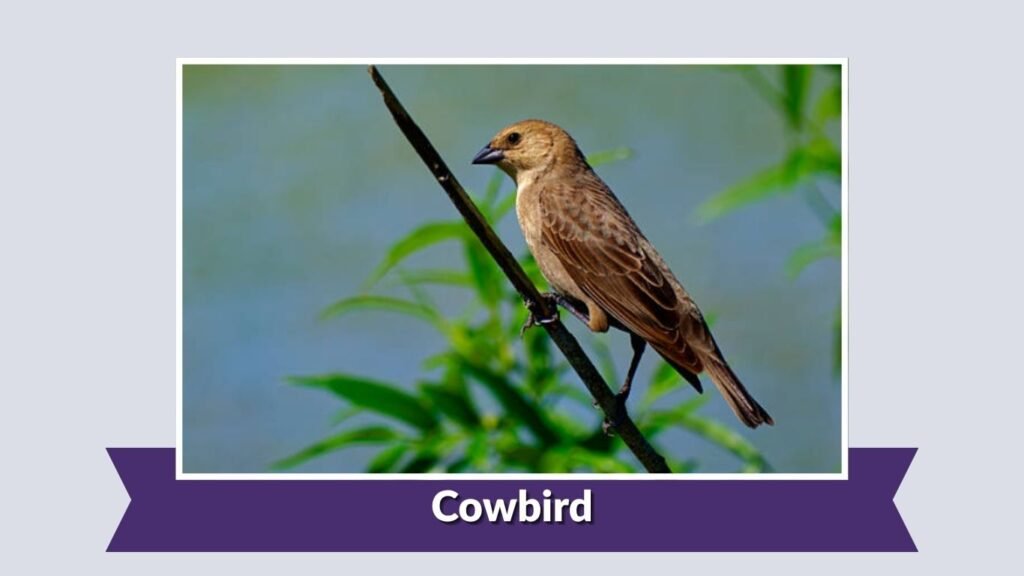
Cowbirds are another well-known group of brood parasitic birds, primarily found in the Americas. Unlike many birds that build and defend their own nests, cowbirds rely entirely on other species to raise their young. This behavior evolved as an adaptation to their historical lifestyle of following grazing animals, which made staying in one place to nest impractical. As a result, cowbirds developed a strategy that allows them to reproduce without the need for nest building or parental care. They are highly adaptable and have successfully expanded their range due to habitat changes caused by human activity.
Identification
- Small to medium-sized bird with a stout body
- Short, thick bill adapted for seed eating
- Males often glossy black or dark with a slight sheen
- Females are typically brown or dull gray
- Relatively short tail compared to body size
Habitat
Cowbirds are commonly found in open habitats such as grasslands, farmlands, pastures, and forest edges. They thrive in areas where forests have been cleared, as this increases access to host nests. Originally associated with bison herds on the plains, they followed grazing animals to feed on insects stirred up from the ground. Today, they are also found in suburban and urban environments, where they continue to exploit a wide range of host species for reproduction.
Behaviors
Cowbirds are obligate brood parasites, meaning they never build their own nests. Females lay eggs in the nests of over 200 different bird species. Unlike cuckoos, cowbird chicks usually grow up alongside the host’s chicks rather than eliminating them, but they often outcompete them for food. Adult cowbirds are social and frequently seen in flocks, especially outside the breeding season. Their adaptability and opportunistic behavior have made them one of the most successful parasitic birds.
Diet and Lifespan
Cowbirds have a varied diet that includes seeds, grains, and insects. They often forage on the ground, sometimes near livestock, feeding on insects disturbed by movement. During the breeding season, protein-rich insects become more important. Their lifespan typically ranges from 5 to 7 years in the wild, although some individuals may live longer under favorable conditions with abundant food and fewer predators.
3. Honeyguide
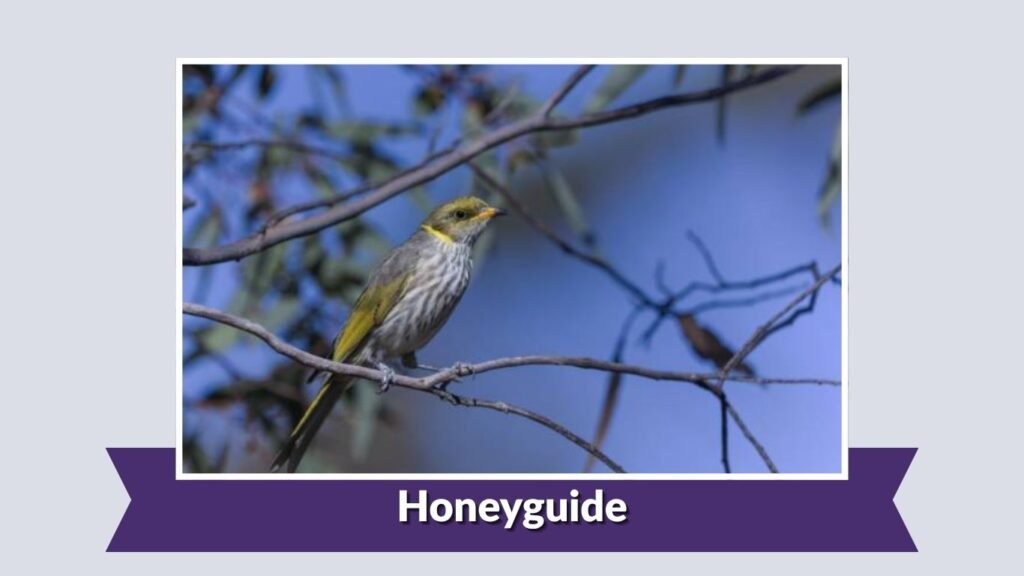
Honeyguides are unique brood parasitic birds best known not only for laying their eggs in other birds’ nests but also for their remarkable relationship with humans and animals in locating honey. Found mainly in Africa and parts of Asia, they rely on host species to incubate their eggs and raise their chicks. This survival strategy allows honeyguides to focus on feeding and reproduction rather than parental care. Their name comes from their unusual habit of guiding humans or animals to beehives, after which they feed on leftover wax and larvae.
Identification
- Small to medium-sized bird with a compact body
- Short tail and relatively strong bill
- Plumage usually dull brown, gray, or olive tones
- Some species have subtle streaks or markings
- Strong legs adapted for perching
Habitat
Honeyguides are typically found in forests, woodlands, savannas, and shrublands. They prefer areas where bees are abundant, as their diet depends heavily on bee products. These birds are well adapted to both dense forest environments and more open landscapes. They are most commonly seen in sub-Saharan Africa, although some species also inhabit parts of South and Southeast Asia. Their presence is closely tied to the availability of host birds and bee colonies.
Behaviors
Honeyguides are obligate brood parasites, laying their eggs in the nests of other bird species, such as barbets and bee-eaters. The female often punctures the host’s eggs to increase the survival chances of her own chick. Once hatched, the honeyguide chick may have specialized structures to harm or outcompete host chicks. Beyond parasitism, some species are famous for guiding humans to beehives using calls and movements, benefiting from the remains after the hive is opened.
Diet and Lifespan
Honeyguides have a specialized diet that includes beeswax, bee larvae, and insects. They are among the few birds capable of digesting wax efficiently. They also consume small invertebrates and occasionally fruits. Their lifespan in the wild is not well documented for all species, but it is generally estimated to range between 6 to 10 years, depending on environmental conditions and predation risks.
4. Whydah
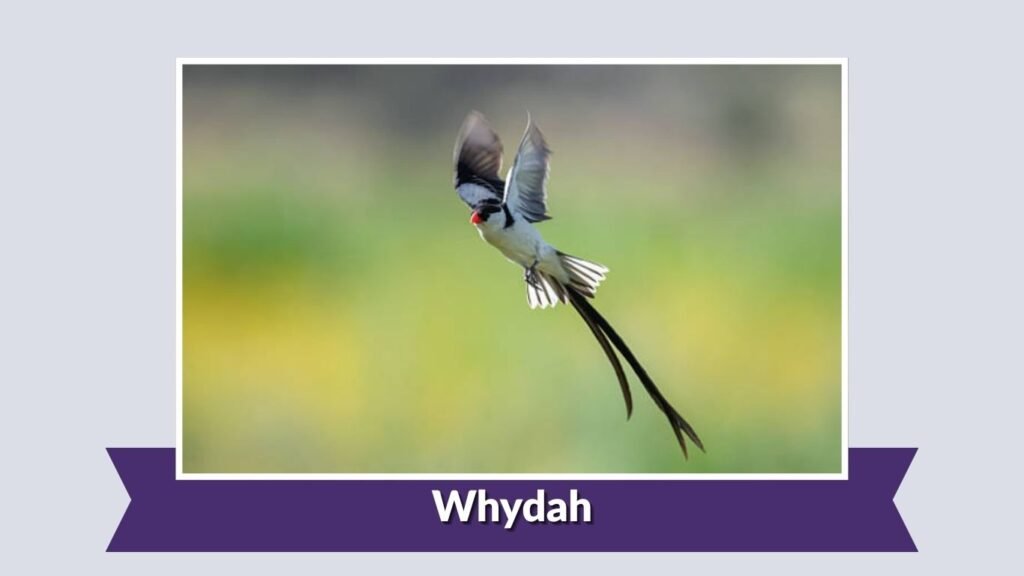
Whydahs are small, striking birds known for their brood parasitic behavior and dramatic appearance, especially in males during the breeding season. Native to sub-Saharan Africa, they depend on other bird species—mainly finches—to raise their young. This reproductive strategy allows them to invest more energy in producing multiple eggs rather than building nests or caring for chicks. Their close relationship with host species has led to fascinating adaptations, including eggs that closely mimic those of their hosts.
Identification
- Small bird with a compact body
- Males develop long, flowing tail feathers during breeding season
- Plumage often black, white, or mixed with chestnut tones
- Females are duller, usually brown or streaked
- Short, conical bill suited for seed eating
Habitat
Whydahs are commonly found in grasslands, savannas, open woodlands, and agricultural areas. They prefer regions where their host species, such as waxbills and other small finches, are abundant. These birds are well adapted to open environments and are often seen near human settlements, farms, and grassy fields. Their distribution is mainly across sub-Saharan Africa, although some species have been introduced to other regions.
Behaviors
Whydahs are obligate brood parasites, laying their eggs in the nests of specific host species. The eggs often closely resemble those of the host, helping them go unnoticed. After hatching, the chicks mimic the begging calls and mouth patterns of host chicks to receive food. Males are highly territorial during breeding season and perform elaborate displays, using their long tails to attract females. Outside of breeding, they are more social and may form flocks.
Diet and Lifespan
Whydahs primarily feed on seeds, especially grasses, along with small insects during the breeding season for added protein. They forage mostly on the ground or among low vegetation. Their lifespan typically ranges from 5 to 8 years in the wild, depending on environmental conditions and availability of food.
5. Indigobird
Indigobirds are small brood parasitic birds closely related to whydahs and are mainly found in Africa. They are known for their fascinating relationship with specific host species, particularly finches. Like other parasitic birds, indigobirds do not build their own nests but instead rely on host birds to incubate their eggs and raise their chicks. What makes them especially interesting is their ability to mimic the songs of their host species, which plays a crucial role in their breeding success and mate selection.
Identification
- Small bird with a slender body
- Males often display glossy blue or greenish plumage
- Females are dull brown or gray
- Short, conical bill suited for seeds
- Compact tail and rounded wings
Habitat
Indigobirds are commonly found in grasslands, savannas, and open woodlands across sub-Saharan Africa. They prefer areas where their host species, mainly small finches, are abundant. These birds are often seen in open grassy regions, near water sources, and around agricultural lands. Their distribution is closely linked to the presence of suitable host birds, as their reproductive success depends entirely on them.
Behaviors
Indigobirds are obligate brood parasites and lay their eggs in the nests of specific host species. Each indigobird species is usually associated with a particular host, and the chicks mimic the mouth patterns and begging calls of the host’s young. Males learn and imitate the songs of their host species, which helps attract females that were raised by the same host. This unique behavior ensures that breeding pairs match the correct host species.
Diet and Lifespan
Indigobirds mainly feed on seeds, especially grass seeds, along with small insects during the breeding season. They forage on the ground or in low vegetation. Their lifespan in the wild is generally estimated to be around 5 to 7 years, depending on environmental conditions and food availability.
6. Black-headed Duck
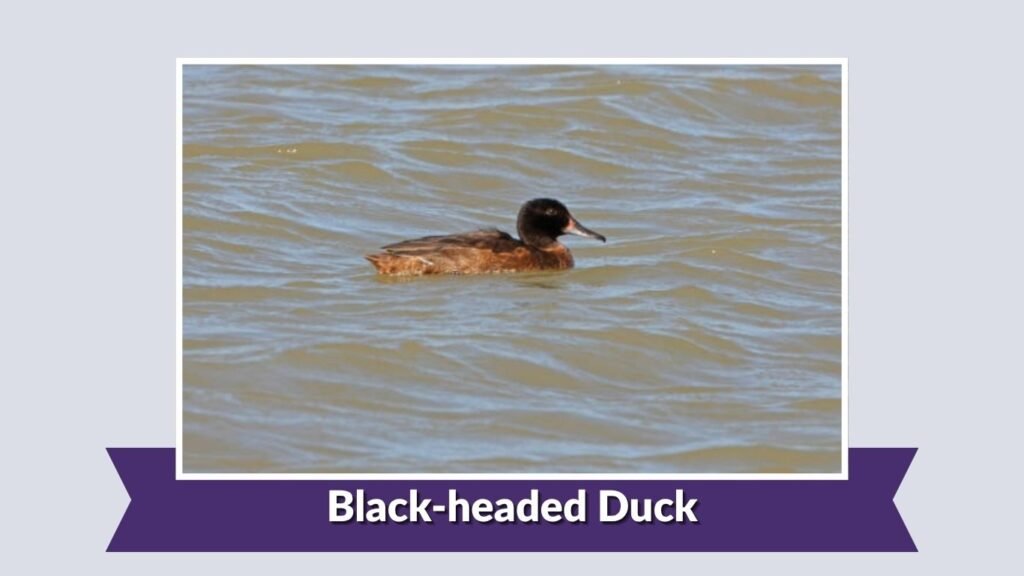
The black-headed duck is a unique brood parasitic bird native to South America. Unlike most parasitic birds, its chicks are highly independent from the moment they hatch. While the female lays her eggs in the nests of other waterbirds, such as coots and gulls, the host parents do not need to feed the ducklings extensively. This unusual strategy sets the black-headed duck apart from other brood parasites, as it relies less on host care after hatching.
Identification
- Medium-sized duck with a compact body
- Distinct black head contrasting with lighter body
- Grayish to brown plumage on the body
- Broad, flat bill typical of ducks
- Short tail and strong legs for swimming
Habitat
Black-headed ducks are found in freshwater wetlands, marshes, and lakes across South America. They prefer areas with dense aquatic vegetation, which provides shelter and nesting opportunities for host species. These ducks are commonly seen in Argentina, Chile, and surrounding regions. Their habitat choice is closely linked to the availability of suitable host nests near water.
Behaviors
This species practices brood parasitism by laying eggs in the nests of other waterbirds. However, unlike cuckoos or cowbirds, the ducklings are precocial, meaning they are well-developed at birth and can feed themselves shortly after hatching. As a result, they do not rely heavily on foster parents. Adults are generally quiet and less social compared to other duck species, often seen alone or in small groups.
Diet and Lifespan
Black-headed ducks feed mainly on aquatic plants, seeds, and small invertebrates found in wetlands. They forage by dabbling in shallow water or grazing on vegetation. Their lifespan in the wild is not extensively documented but is estimated to be around 5 to 10 years, depending on environmental conditions and predation.
7. Vidua
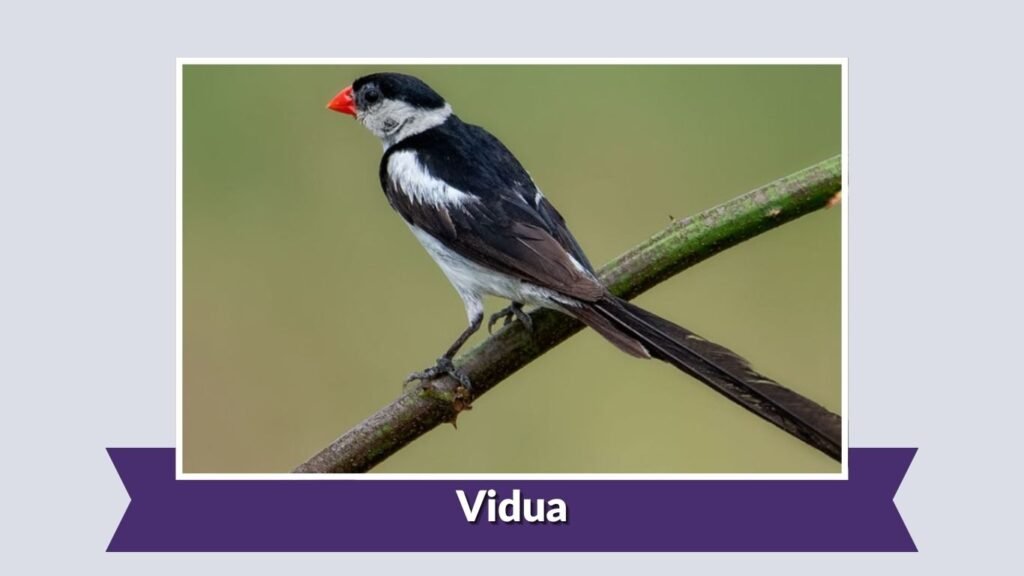
Vidua is a group of small African birds that includes species commonly known as whydahs and indigobirds. They are well known for their brood parasitic lifestyle, relying entirely on host birds—usually finches—to raise their young. These birds have evolved highly specialized adaptations, such as egg mimicry and behavioral imitation, to ensure their chicks are accepted and successfully raised by host parents.
Identification
- Small bird with a slim body
- Males may have long tails or bright breeding plumage
- Colors often include black, white, or iridescent shades
- Females are typically brown and less noticeable
- Short, thick bill adapted for seed eating
Habitat
Vidua species are found mainly in sub-Saharan Africa, inhabiting grasslands, savannas, and open woodlands. They prefer areas where their host species, particularly estrildid finches, are common. These birds are often seen in open grassy areas, agricultural lands, and near water sources. Their distribution and habitat choice are strongly influenced by the presence of suitable host birds.
Behaviors
Vidua birds are obligate brood parasites, laying eggs in the nests of specific host species. Their eggs often closely resemble those of their hosts, reducing the chances of rejection. After hatching, the chicks mimic the appearance and begging calls of the host’s young. Males are known for learning and imitating the songs of their host species, which helps them attract females that share the same host origin.
Diet and Lifespan
Vidua birds primarily feed on seeds, especially grasses, along with small insects during the breeding season. They forage on the ground or among low vegetation. Their lifespan in the wild generally ranges from 5 to 8 years, depending on environmental conditions and food availability.
FAQs
What is brood parasitism in birds?
Brood parasitism is a reproductive strategy where a bird lays its eggs in the nest of another species. The host bird unknowingly incubates the eggs and raises the chicks. This allows the parasitic bird to save energy and produce more offspring instead of caring for them.
Which bird is the most famous brood parasite?
The cuckoo is the most famous brood parasitic bird. It is widely known for laying its eggs in other birds’ nests and for its chicks often removing host eggs or chicks. This behavior has made cuckoos a classic example in studies of bird behavior.
Do host birds ever recognize foreign eggs?
Yes, some host birds can recognize and reject foreign eggs by removing them or abandoning the nest. However, many parasitic birds have evolved eggs that closely mimic the host’s eggs, making it difficult for the host to detect the difference.
Are brood parasitic birds harmful to other species?
They can negatively affect host species by reducing the survival chances of the host’s own chicks. In some cases, this can impact bird populations. However, this relationship is a natural part of ecosystems and has evolved over time.
Do all cuckoos and similar birds practice brood parasitism?
No, not all species within these groups are brood parasites. While many cuckoos, cowbirds, and related birds use this strategy, some species build their own nests and care for their young like typical birds.
