
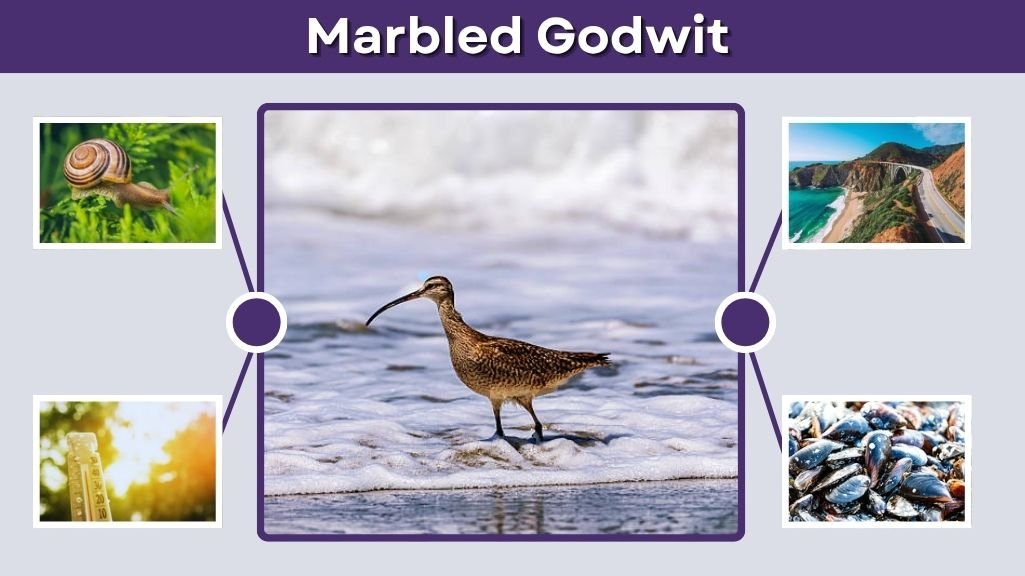
The Marbled Godwit is a large shorebird recognized for its long, slightly upturned bill, striking plumage, and elegant flight. Known for long-distance migration and distinctive vocalizations, this bird captivates birdwatchers and researchers alike. Found across North America and coastal regions worldwide, Marbled Godwits play a vital role in estuarine ecosystems. This guide covers their physical traits, habitats, feeding behavior, migration, and conservation, providing a detailed look at one of North America’s most fascinating shorebirds.
Marbled Godwit Overview
The Marbled Godwit is a large shorebird in the Scolopacidae family. Known for its slightly upturned bill and marbled brown plumage, it breeds in northern grasslands and winters along coastal mudflats. This section introduces the species, including its taxonomy, naming history, and key physical traits, providing a foundation for identification and field observation.
What is a Marbled Godwit?
- Definition: A large migratory shorebird with a long, slightly upturned bill.
- Scientific name: Limosa fedoa
- Origin of the name: “Marbled” refers to streaked plumage resembling marbled patterns.
Key Features
- Plumage: Brownish with marbled streaking across back and wings.
- Bill: Long, slightly upturned, ideal for probing mud and sand.
- Size: Approximately 40–50 cm in length with a wingspan of 70–90 cm.
Marbled Godwit Physical Characteristics and Size
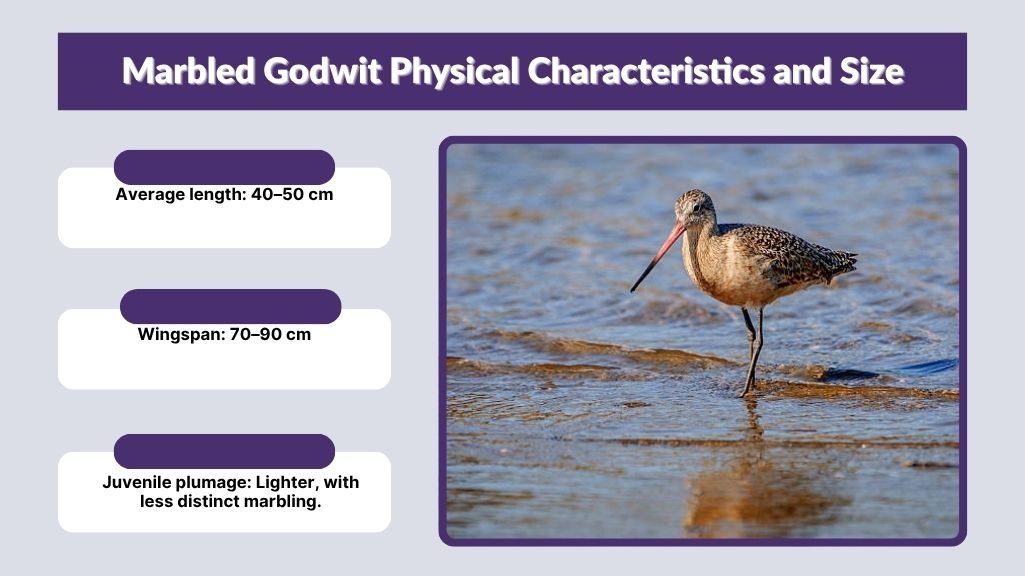
Marbled Godwits are medium-to-large shorebirds, with elongated bodies and long legs. Size, plumage, and bill shape distinguish adults from juveniles and from similar species. Breeding plumage can be darker and more vibrant. Observing these characteristics helps birdwatchers accurately identify the species in the wild.
Size and Appearance
- Average length: 40–50 cm
- Wingspan: 70–90 cm
- Breeding vs. non-breeding plumage: Breeding adults show darker, more patterned feathers; non-breeding birds appear paler.
Juveniles and Babies
- Juvenile plumage: Lighter, with less distinct marbling.
- Bill and leg differences: Shorter bill and paler legs than adults.
- Behavioral traits: More cautious and often seen foraging in smaller groups.
Marbled Godwit Identification and Similar Species
Marbled Godwits are often confused with other shorebirds. Key identification features include bill shape, plumage, size, and vocalizations. Comparing them with similar species like Bar-tailed, Hudsonian Godwits, and Long-billed Dowitchers helps birdwatchers distinguish them in coastal and inland habitats.
Distinguishing from Other Godwits
- Marbled vs. Bar-tailed Godwit: Marbled has a straighter bill and paler legs; Bar-tailed has dark tail bands.
- Marbled vs. Hudsonian Godwit: Hudsonian is smaller, with a slightly shorter bill and lighter underparts.
- Marbled vs. Whimbrel: Whimbrel has a more curved bill and a striped head pattern.
Other Comparisons
- Long-billed Dowitcher: Smaller, shorter bill, and different feeding behavior.
- Greater Yellowlegs: Marbled Godwits are larger with longer bills and more subdued plumage.
Marbled Godwit Sounds and Vocalizations
Marbled Godwits use vocalizations for communication, especially during migration and breeding. Calls are high-pitched and rolling, helping locate individuals within flocks. Recognizing these sounds is useful for birdwatchers and researchers monitoring populations.
Call Types
- Typical call: High-pitched rolling “tu-tu-tu” repeated in flight or while feeding.
- Song: Series of short, sharp notes used during courtship.
- Chords: Occasionally complex, especially during territorial displays.
Marbled Godwit Range and Distribution
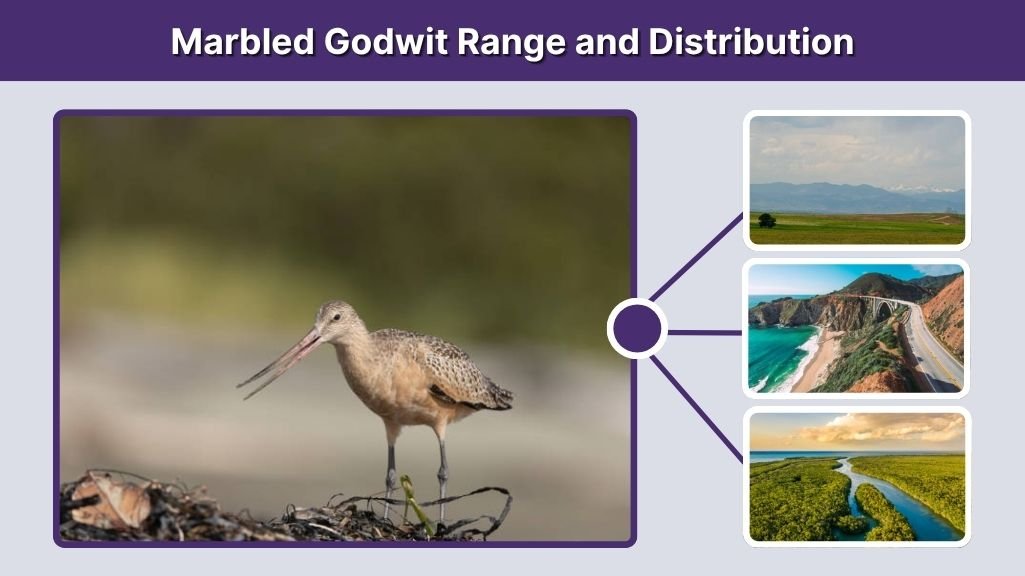
Marbled Godwits breed in northern North America and migrate to coastal wintering grounds. Key habitats include Alaska, Canada, and central U.S. breeding areas, with wintering along the Gulf Coast, California, and parts of Central and South America. Stopover sites like Wilapa Bay are critical for refueling during migration.
Migration Routes
- Breeding areas: Central and northern U.S., Canada, Alaska
- Wintering areas: Coastal mudflats in California, Florida, Mexico, and Central America
- Stopover sites: Wilapa Bay, Mission Bay, Bunche Beach Preserve
Geographic Highlights
- Alaska and northern grasslands: Summer breeding
- California coast: Wintering and migration observation
- Florida and other Gulf Coast areas: Feeding during non-breeding season
Marbled Godwit Habitat Preferences
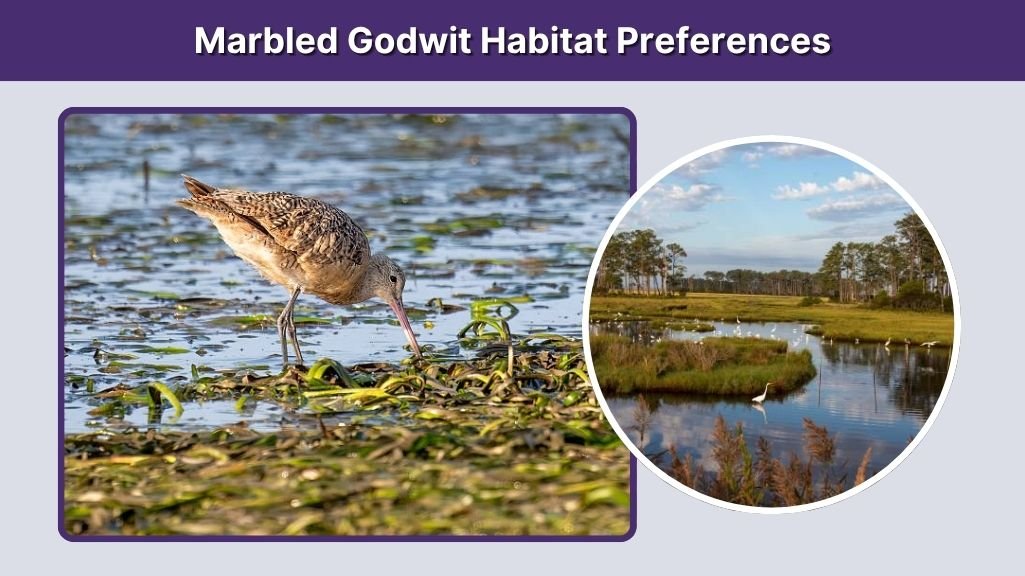
Marbled Godwits thrive in coastal and inland habitats where mudflats, estuaries, and wetlands provide abundant food and safe resting areas. Their habitat choices change seasonally, with breeding in northern grasslands and wintering along estuarine coasts. Understanding their preferred habitats is essential for birdwatching and conservation efforts.
Common Habitats
- Mudflats and estuaries rich in invertebrates
- Coastal wetlands with shallow water for feeding
- Inland grasslands and marshes during the breeding season
Notable Locations
- Point Reyes, California: Important stopover site
- Mission Bay, San Diego: Known for wintering flocks
- Bunche Beach Preserve: Coastal wintering habitat
- Wilapa Bay: Key migratory refueling site
Marbled Godwit Diet and Feeding Behavior
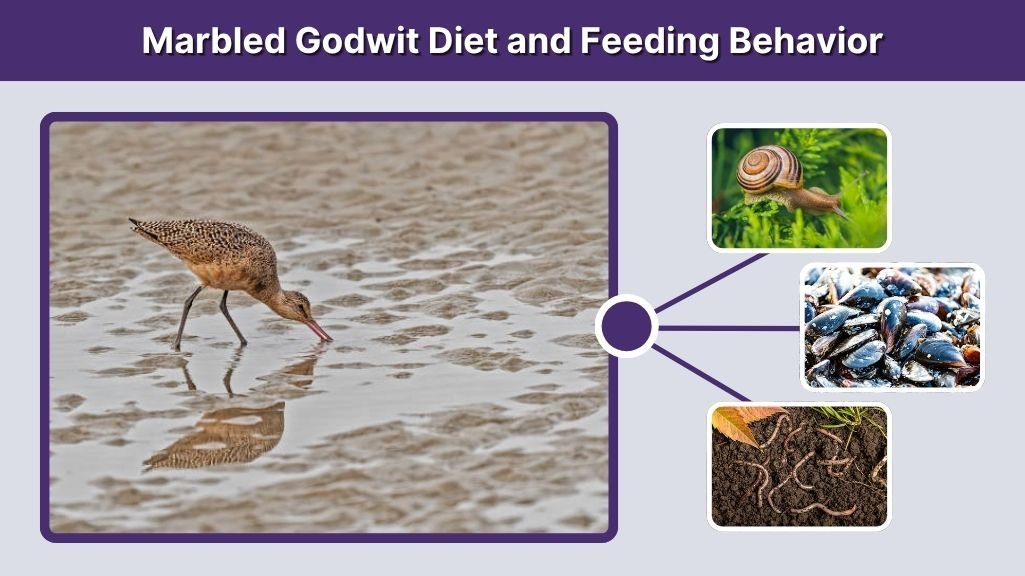
Marbled Godwits use their long bills to probe mud and shallow water for invertebrates. Their diet includes worms, crustaceans, mollusks, and insects. Feeding habits vary seasonally, with birds forming small groups during migration to maximize foraging efficiency.
Typical Diet
- Worms, mollusks, and crustaceans
- Aquatic insects and larvae
- Occasional seeds or berries during migration
Foraging Techniques
- Probing mudflats with the bill for buried prey
- Picking prey from shallow water surfaces
- Group feeding during low tide to reduce predation risk
Marbled Godwit Behavior and Lifestyle
Marbled Godwits are social and agile, often flying in tight flocks during migration. They display characteristic feeding, flight, and courtship behaviors, adapting well to coastal environments. Their long migrations and group behaviors make them a captivating species to observe.
Flocking and Migration
- Migratory flocks often consist of dozens to hundreds of birds
- Coordinated flight patterns help conserve energy
- Interaction with other shorebirds at feeding sites
Breeding and Nesting
- Nests in northern grasslands or open prairies
- Ground nests lined with grasses and feathers
- Clutch size: typically 3–5 eggs
- Both parents care for young until fledging
Conservation and Population
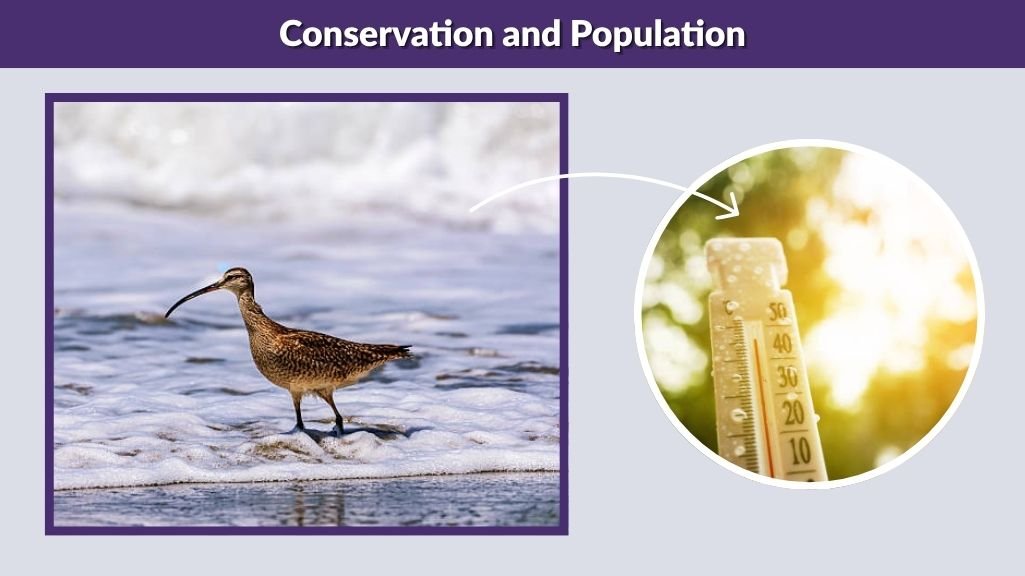
While Marbled Godwits are not critically endangered, habitat loss, human disturbance, and climate change threaten their populations. Conservation efforts focus on preserving wetland habitats, monitoring populations, and maintaining key migratory stopovers. Awareness of threats ensures sustainable populations for future generations.
Population Status
- Stable in some regions, declining in others due to habitat loss
- Threats: coastal development, pollution, disturbance from humans and pets
Conservation Efforts
- Wetland and estuary protection programs
- Migratory route monitoring through eBird and Audubon initiatives
- Local habitat restoration projects in key wintering areas
Observation and Birdwatching Tips
Marbled Godwits are popular with birdwatchers for their striking plumage and long migrations. Observers can improve spotting success by learning habitat preferences, migration timing, and vocalizations.
Best Observation Times
- Spring and fall during migration
- Low tide at coastal mudflats and estuaries
- Wintering months along California and Gulf Coast coasts
Photography Tips
- Capture flight and feeding behavior with telephoto lenses
- Use calls to locate birds in flocks
- Early morning or late afternoon light provides optimal visibility
Fun Facts and Trivia
Interesting facts about Marbled Godwits highlight their unique characteristics and cultural references. This section adds a memorable touch for readers and bird enthusiasts.
Interesting Facts
- The “marbled” name comes from streaked plumage resembling marbled patterns
- One of the largest North American shorebirds, with elegant long legs
- They can migrate thousands of kilometers non-stop
- Sea birds often form loose coastal flocks outside breeding season
- Referenced in literature and media as “The Marbled Godwit”
FAQs
How can I identify a Marbled Godwit in the field?
Look for a large shorebird with a long, slightly upturned bill, marbled brown plumage, and long legs. Breeding adults show darker streaked feathers, while juveniles are paler. Calls are high-pitched rolling “tu-tu-tu” sounds.
Where do Marbled Godwits breed and winter?
Breeding occurs in northern grasslands and prairies across Canada and the northern U.S., while wintering takes place along coastal mudflats in California, Florida, Mexico, and Central America.
What does a Marbled Godwit eat?
They feed mainly on invertebrates, including worms, mollusks, and crustaceans. During migration, they may also eat small aquatic insects and occasional seeds.
Are Marbled Godwits endangered?
Currently, they are not critically endangered, but habitat loss, coastal development, and human disturbance pose significant threats. Conservation measures help maintain stable populations.
What are the best places to observe Marbled Godwits?
Key observation sites include Point Reyes (California), Mission Bay (San Diego), Bunche Beach Preserve, and Wilapa Bay along the Pacific Coast. Timing visits during low tide improves spotting chances.