
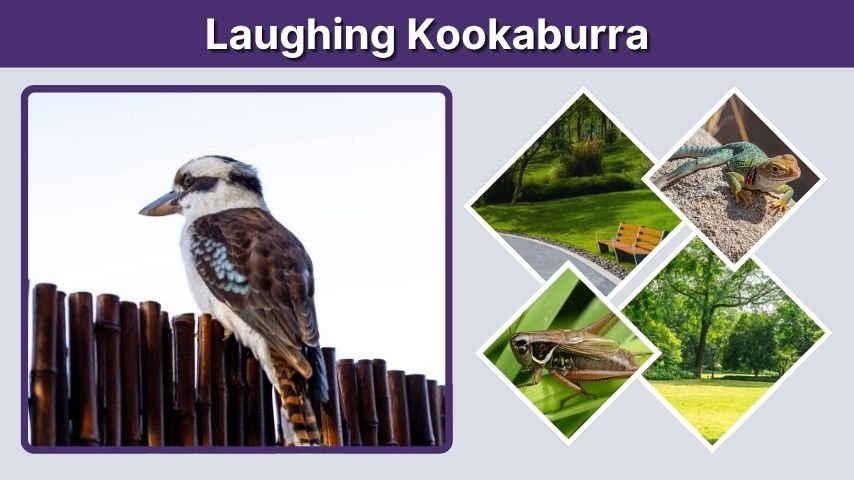
The laughing kookaburra is one of Australia’s most recognizable birds because of its loud, human-like laugh. This large kingfisher is famous for its unique calls that echo through forests, parks, and suburban areas. Many people search for the laughing kookaburra sound online because it sounds like a group of people laughing together. Besides its unusual voice, the bird is also known for its strong hunting skills and social family behavior. The laughing kookaburra lives mainly in Australia and has become a symbol of the country’s wildlife and natural beauty.
What Is a Laughing Kookaburra?
The laughing kookaburra is a large bird belonging to the kingfisher family. It is best known for its loud laughing call, which many people hear during early morning or evening hours. These birds are native to Australia and are commonly found in forests, parks, and gardens. Their friendly appearance and unique sounds make them popular among birdwatchers and nature lovers around the world.
Laughing Kookaburra Scientific Name
The scientific name of the laughing kookaburra is Dacelo novaeguineae. It belongs to the kingfisher family called Alcedinidae. Unlike small kingfishers that mainly eat fish, the laughing kookaburra hunts small animals on land. It is considered the largest kingfisher species in the world and is widely recognized for its powerful beak and loud voice.
Laughing Kookaburra Appearance
The laughing kookaburra has a sturdy body, a large head, and a thick beak. Its feathers are mostly brown, cream, and white with darker wing markings. The bird usually grows around 15 to 18 inches long. Male and female birds look very similar, although females may have slightly darker tail feathers. Their strong beaks help them catch and crush prey easily.
Australian Laughing Kookaburra
The laughing kookaburra is strongly connected to Australia and is often called an iconic Australian bird. It lives mainly in eastern and southern parts of the country. Many people visiting Australia hope to hear a kookaburra laughing in the wild because the sound is so unique and memorable. The bird has also appeared in Australian stories, songs, and television programs for many years.
Why Do Kookaburras Laugh?
The famous kookaburra laugh is actually a form of communication. These birds use their loud calls to defend territory and communicate with family members. Their calls often begin softly before becoming louder and more energetic. A group of kookaburras laughing together can sound very similar to human laughter, which is why the bird became famous around the world.
What Does a Kookaburra Laugh Sound Like?
The laughing kookaburra sound is often described as a loud cackling laugh. The call usually starts with short chuckles before becoming a series of noisy laughs. Many people compare it to people laughing together in the distance. The sound can travel long distances through forests and open woodlands, especially during calm mornings.
Why Does the Kookaburra Laugh?
Kookaburras laugh mainly to mark and protect their territory. Family groups use these calls to warn other birds to stay away from their area. The laughing sound also helps family members stay connected while moving through trees and hunting grounds. Some people believe kookaburras laugh before rain, but scientists say the calls are mainly related to communication and territory defense.
When Do Kookaburras Laugh?
Kookaburras are most active during early morning and late afternoon. Their loud laughing calls are commonly heard at sunrise and sunset. These times help birds communicate with nearby groups and establish territory boundaries. Sometimes several kookaburras join together in a chorus of laughter that can last for several minutes.
Laughing Kookaburra Habitat and Distribution
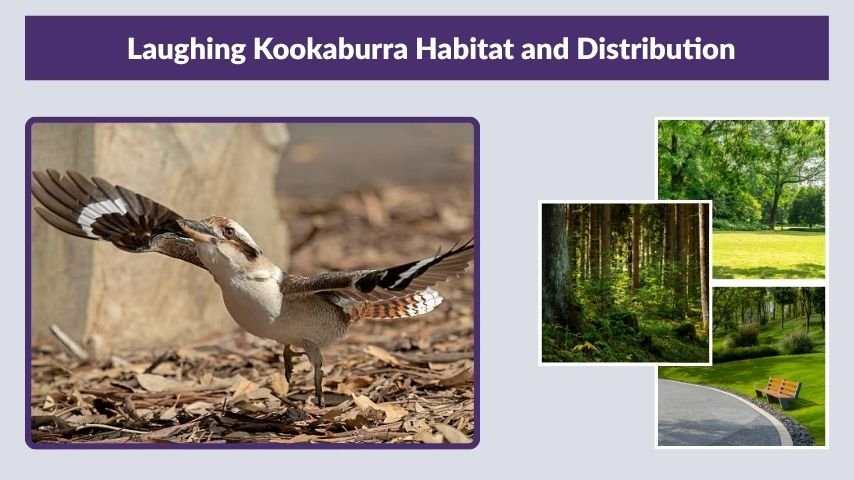
The laughing kookaburra prefers wooded habitats with open spaces for hunting. It adapts well to both natural forests and human environments like parks and suburban gardens. These birds spend much of their time sitting quietly on tree branches while searching for prey. Their ability to live near people has helped their population remain stable in many regions.
Where Do Laughing Kookaburras Live?
List items:
- Eastern Australia
- Southern Australia
- Woodlands
- Forest edges
- City parks
- Suburban gardens
Laughing Kookaburra Habitat
List items:
- Tall trees for nesting
- Open hunting areas
- Tree hollows for eggs
- Quiet woodland spaces
- Areas with insects and small animals
- Safe branches for resting
Are Laughing Kookaburras Endangered?
The laughing kookaburra is currently not considered endangered. Its population remains stable across much of Australia because the species adapts well to different environments. However, habitat destruction and land clearing can still affect local populations. Predators such as large birds of prey, snakes, and feral cats may also threaten young kookaburras and eggs in nests.
What Do Laughing Kookaburras Eat?
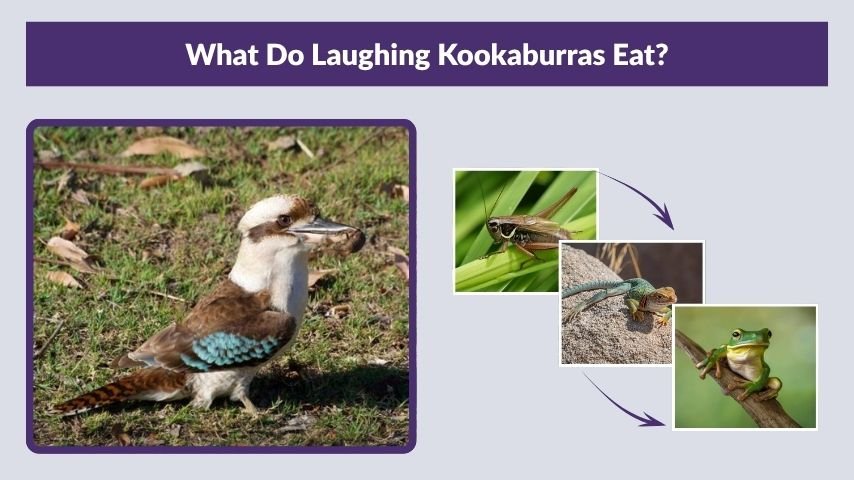
The laughing kookaburra is a carnivorous bird that hunts from tree branches and fence posts. It watches the ground carefully before quickly diving onto prey. These birds are skilled hunters with strong beaks that allow them to catch and kill a variety of small animals. Their feeding habits help control insect and rodent populations in many areas where they live.
Laughing Kookaburra Diet
List items:
- Insects
- Small snakes
- Lizards
- Frogs
- Mice
- Small birds
Hunting and Feeding Behavior
Kookaburras often sit still for long periods while searching for movement below them. Once they spot prey, they swoop down quickly and grab it with their large beaks. The bird may hit larger prey against a branch before swallowing it whole. Their hunting style makes them effective predators in forests, grasslands, and suburban environments.
What Does a Laughing Kookaburra Eat in the Wild?
In the wild, laughing kookaburras mainly eat small animals found on the ground. They commonly hunt insects such as beetles and grasshoppers, but they also catch reptiles and small mammals. Some kookaburras are known for catching small snakes, which has made them popular with farmers and rural communities in Australia.
Laughing Kookaburra Adaptations and Behavior
The laughing kookaburra has several physical and behavioral adaptations that help it survive in the wild. Its strong beak, sharp eyesight, and loud calls make it an excellent hunter and territorial bird. These kookaburras are also social animals that often live in family groups and cooperate while protecting their territory and raising young birds.
Laughing Kookaburra Adaptations
List items:
- Powerful beak for catching prey
- Sharp eyesight for spotting movement
- Loud call for communication
- Strong neck muscles
- Camouflage feather colors
- Fast diving movements
Social and Family Behavior
Laughing kookaburras usually live in small family groups. Young birds sometimes stay with their parents and help raise new chicks. Family members work together to protect nesting areas and warn intruders away. Their group laughter is often a sign of strong social bonding and territory defense.
Predators of the Laughing Kookaburra
Although adult kookaburras have few natural enemies, young birds and eggs can still face danger. Large birds of prey, snakes, and feral cats may attack nests when given the opportunity. Habitat destruction can also reduce safe nesting spaces and food sources for local kookaburra populations.
Laughing Kookaburra Nest and Lifespan
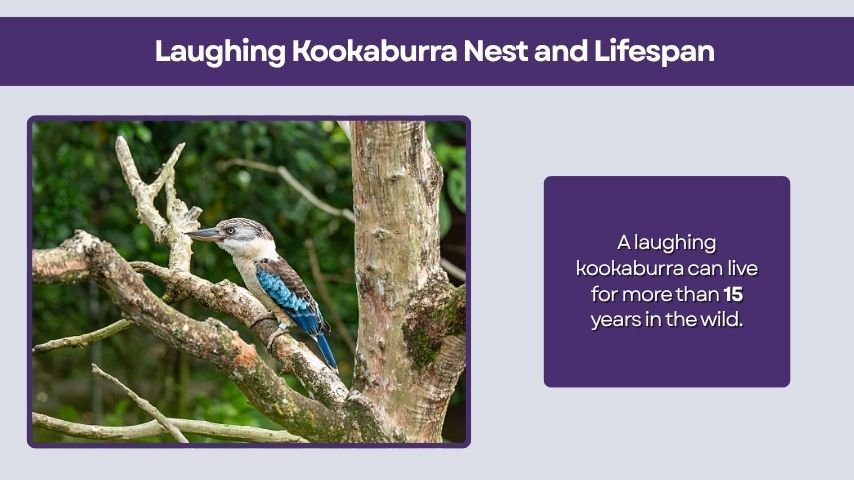
The laughing kookaburra builds nests in natural tree hollows or holes formed by termites in old trees. These birds are protective parents and work together to raise their chicks safely. Their long lifespan and strong family structure allow them to survive well in both wild habitats and protected environments like wildlife parks and zoos.
Laughing Kookaburra Nest
List items:
- Tree hollows
- Old eucalyptus trees
- Termite mound openings
- Safe elevated spaces
- Hidden nesting areas
- Shared family nesting sites
Laughing Kookaburra Lifespan
A laughing kookaburra can live for more than 15 years in the wild. In protected environments such as zoos, some birds may live even longer due to steady food supplies and medical care. Young kookaburras learn hunting and survival skills from adult family members during their early years.
Male vs Female Laughing Kookaburra
Male and female laughing kookaburras look very similar, which makes them difficult to identify from appearance alone. Females may have slightly darker feathers on the tail, but both sexes share the same body shape and loud laughing calls. Both parents help protect nests and care for young chicks.
Laugh Kookaburra Laugh Song and Popular Culture
The laughing kookaburra became famous worldwide partly because of the traditional children’s song “Kookaburra Sits in the Old Gum Tree.” Its unique laughing sound is also commonly used in movies, cartoons, and nature recordings. Videos and memes featuring kookaburras laughing continue to attract millions of viewers online because the bird’s call sounds so unusual and entertaining.
Kookaburra in Songs and Media
The classic “Laugh Kookaburra Laugh” song has been sung by children for generations. The bird’s call is also used in jungle scenes in films and television shows, even in places where kookaburras do not naturally live. Its distinctive sound instantly creates a wild and tropical atmosphere for audiences.
Fun Facts About the Laughing Kookaburra
List items:
- Largest kingfisher species
- Famous for human-like laughter
- Hunts snakes and insects
- Lives in family groups
- Native to Australia
- Calls are loudest at dawn and dusk
FAQs
Why do kookaburras laugh?
Kookaburras laugh to communicate with family members and protect their territory. Their loud calls warn other birds to stay away from their area. Groups of kookaburras often laugh together, creating the famous human-like sound that makes the species so recognizable.
What does a laughing kookaburra eat?
Laughing kookaburras mainly eat insects, small snakes, lizards, frogs, mice, and other small animals. They hunt by sitting quietly on branches before swooping down quickly to catch prey on the ground.
Where do laughing kookaburras live?
Laughing kookaburras live mostly in eastern and southern Australia. They prefer forests, woodlands, parks, and suburban gardens with tall trees and open hunting spaces. These birds adapt well to areas close to people.
Are laughing kookaburras endangered?
No, laughing kookaburras are currently not endangered. Their population remains stable across much of Australia. However, habitat loss and predators such as snakes and feral cats can still affect local populations and nesting areas.
Do female kookaburras laugh too?
Yes, female kookaburras also produce the famous laughing call. Male and female birds sound very similar, and both participate in group calling. Family members often laugh together to strengthen social bonds and defend territory.
