
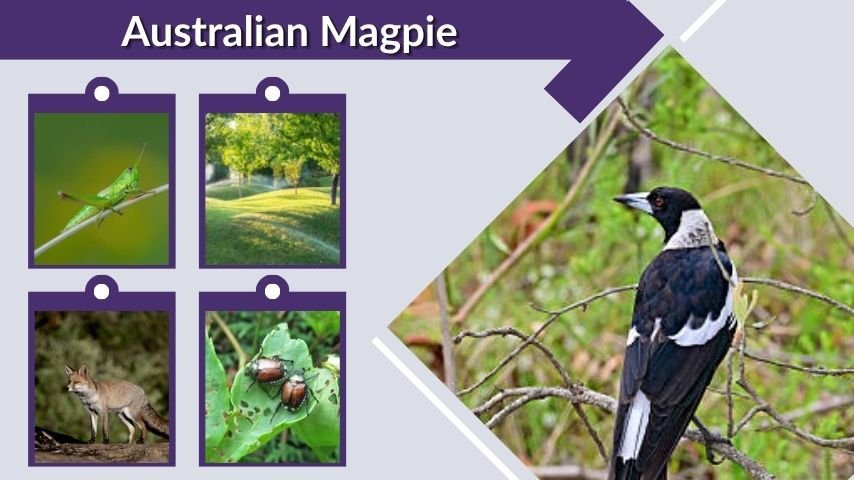
The Australian magpie is one of the most well-known birds in Australia because of its beautiful singing voice and famous swooping behavior. These intelligent black-and-white birds are commonly seen in parks, gardens, and suburban neighborhoods across the country. Many people search for Australian magpie sounds online because their calls are musical and easy to recognize. While magpies can become aggressive during breeding season, they are also highly social birds with strong family bonds and impressive memory skills that make them unique among Australian wildlife.
What Is an Australian Magpie?
The Australian magpie is a medium-sized bird native to Australia. It is known for its striking black-and-white feathers, loud musical calls, and territorial behavior. Although its name includes “magpie,” this species is different from the European magpie. Australian magpies are intelligent birds that can recognize faces, remember people, and adapt well to both city and rural environments throughout Australia.
Australian Magpie Scientific Name
The scientific name of the Australian magpie is Gymnorhina tibicen. It belongs to the Artamidae family, which includes butcherbirds and currawongs. Despite their similar appearance, Australian magpies are not true corvids like crows or European magpies. They are a unique Australian species known for their intelligence and strong territorial instincts.
Australian Magpie Appearance
Australian magpies have glossy black and white feathers with strong legs and pointed beaks. Adults usually grow between 14 and 18 inches long. Male magpies often have brighter white feathers on the back, while females may show more gray coloring. Young magpies have duller feathers and softer facial markings until they mature.
Australian Magpie vs European Magpie
The Australian magpie looks very different from the European magpie despite sharing the same common name. European magpies belong to the crow family and have long tails with shiny blue-green feathers. Australian magpies are larger, have shorter tails, and are famous for their singing calls instead of harsh chatter sounds.
Australian Magpie Habitat and Distribution
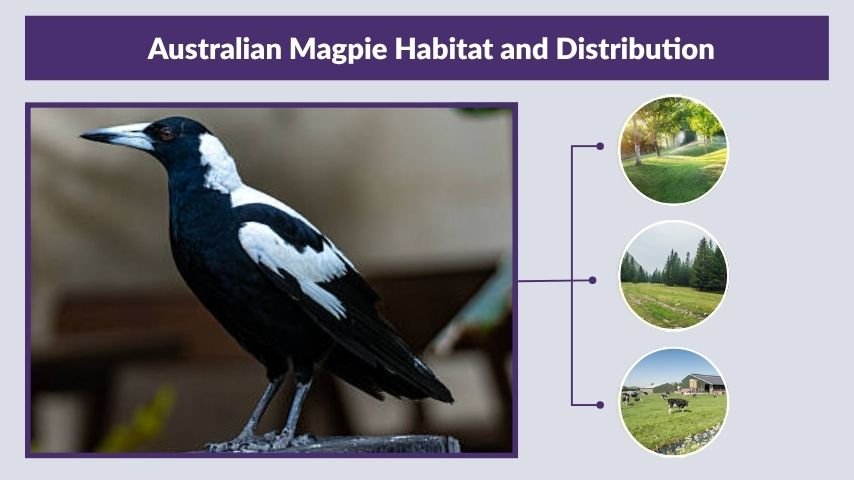
Australian magpies are highly adaptable birds that live across most of Australia. They thrive in both natural landscapes and busy urban areas. These birds prefer open spaces with trees nearby because they search for food on the ground while using branches for nesting and safety. Their ability to live near humans has helped them become one of Australia’s most familiar bird species.
Where Do Australian Magpies Live?
List items:
- Parks and gardens
- Woodland edges
- Open forests
- Farmland areas
- Suburban neighborhoods
- Sports fields
Australian Magpie Habitat
List items:
- Tall trees for nesting
- Open grassy areas
- Safe water sources
- Quiet woodland spaces
- Areas rich in insects
- Urban parks with shade
Are Magpies Native to Australia?
Yes, Australian magpies are native to Australia and are found across much of the country. They have adapted well to different climates and environments, from forests to city suburbs. Because they adjust easily to human activity, magpie populations remain stable in many regions throughout Australia.
Australian Magpie Sounds and Singing
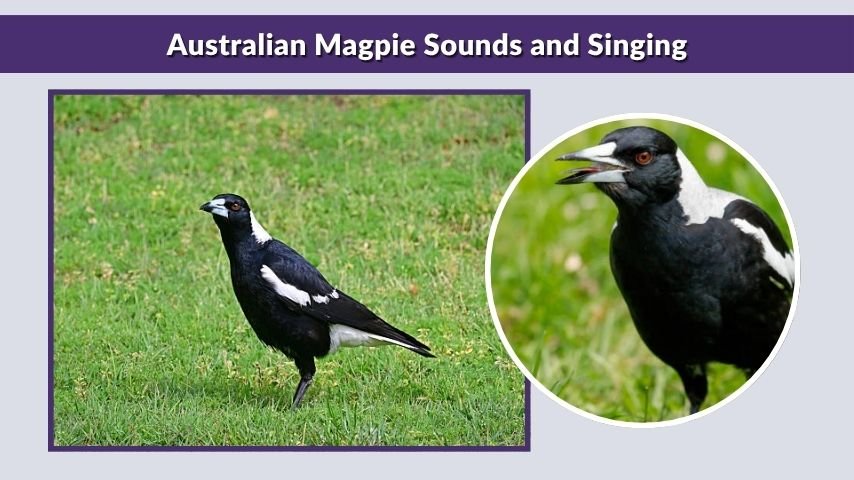
Australian magpies are famous for their rich and musical songs. Their calls include whistles, warbles, and flute-like sounds that many people consider beautiful and calming. These birds often sing during sunrise and sunset, creating loud choruses in parks and neighborhoods. Their ability to produce complex sounds makes them one of Australia’s most recognizable birds.
Australian Magpie Sound
The Australian magpie produces a wide range of sounds, including whistles, chirps, and deep warbling calls. Their songs are often loud and melodic, carrying across long distances. Many people search for Australian magpie sound recordings because the bird’s voice is unique and relaxing to hear.
Australian Magpie Singing
Magpies often sing together in groups, especially during early morning hours. These calls help birds communicate with family members and defend territory from other magpies. Some magpies can even mimic sounds they hear regularly in their environment, including noises made by humans and other birds.
Australian Magpie Sounds Download and Ringtones
List items:
- Nature sound collections
- Birdwatching recordings
- Relaxation audio clips
- Mobile phone ringtones
- Wildlife documentaries
- Social media videos
Why Do Australian Magpies Attack People?
Australian magpies are known for swooping at people during breeding season. This behavior happens when adult birds feel that their nests or chicks are threatened. While swooping can seem aggressive, it is mainly a defensive action meant to scare away potential dangers. Cyclists and pedestrians are the most common targets during nesting season.
Australian Magpie Swooping Season
Swooping season usually occurs during spring in Australia when magpies are raising chicks. Adult birds become protective of their nesting areas and may dive toward people who come too close. Most swooping incidents last only a few weeks until the young birds leave the nest.
Why Do Magpies Swoop?
List items:
- Protecting chicks
- Defending nests
- Warning intruders
- Guarding territory
- Protecting food areas
- Scaring away predators
Are Australian Magpies Dangerous?
Australian magpies are generally not dangerous, but swooping birds can sometimes cause minor injuries if people panic or lose balance. Cyclists are often affected because fast movement can trigger defensive behavior. Most magpies never attack humans, and only a small number become aggressive during breeding season. The birds usually stop swooping once nesting season ends.
How to Avoid Magpie Attacks
List items:
- Wear sunglasses
- Avoid known nesting areas
- Walk calmly without running
- Wear a bicycle helmet
- Use a different route
- Do not throw objects at birds
Australian Magpie Diet and Hunting Behavior
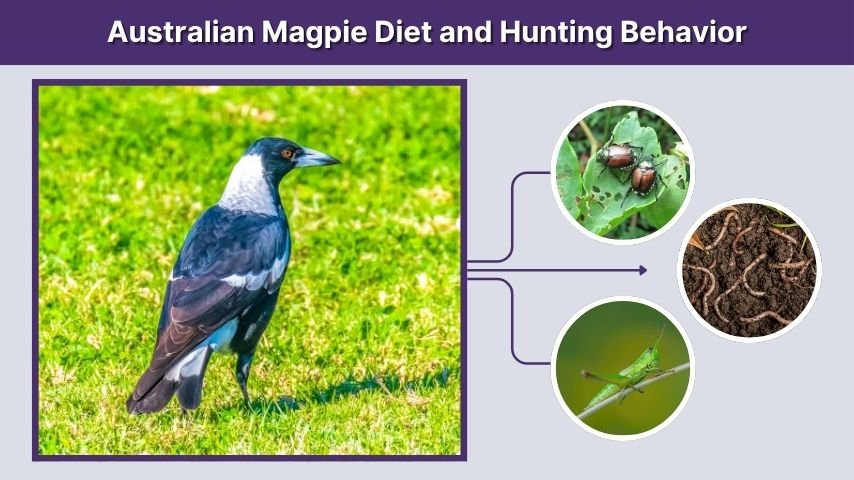
Australian magpies are omnivorous birds that spend much of their time searching for food on the ground. They use their sharp eyesight to locate insects and other small animals hiding in grass or soil. Magpies are active hunters and often walk slowly across lawns while carefully watching for movement. Their flexible diet helps them survive in many different environments.
Australian Magpie Diet
List items:
- Beetles
- Worms
- Grasshoppers
- Small reptiles
- Seeds
- Frogs
Hunting and Feeding Habits
Australian magpies usually hunt alone or in small groups. They walk across open ground and quickly grab insects or worms using their pointed beaks. During dry seasons, they may search deeper in the soil for food. Their strong legs and sharp vision make them efficient hunters in parks, gardens, and farmland.
What to Feed Australian Magpies
Some people enjoy feeding magpies, but experts recommend using caution. Small amounts of natural foods like insects or specially prepared bird food are safer than processed human food. Bread and salty foods should be avoided because they may harm the birds over time. Wild magpies still need to hunt naturally to stay healthy.
Australian Magpie Intelligence and Behavior
Australian magpies are considered among the smartest birds in Australia. They have strong memories, recognize human faces, and show complex social behavior within family groups. Researchers have observed magpies learning from experience and communicating using different sounds. Their intelligence helps them adapt successfully to urban life and changing environments.
Are Australian Magpies Smart?
Australian magpies can remember faces for many years and may react differently to people they recognize. Studies suggest these birds solve simple problems and learn quickly from their surroundings. Their intelligence is one reason magpies adapt so well to living near humans in cities and suburbs.
Social and Family Life
Magpies usually live in family groups that work together to defend territory and raise young birds. Older offspring sometimes remain with parents and help feed new chicks. This strong social structure allows magpies to communicate effectively and protect each other from danger.
Australian Magpie Playing and Talking
List items:
- Mimic certain sounds
- Recognize familiar people
- Play with objects
- Learn routines
- Communicate with group members
- Show curiosity around humans
Australian Magpie Nesting and Lifespan
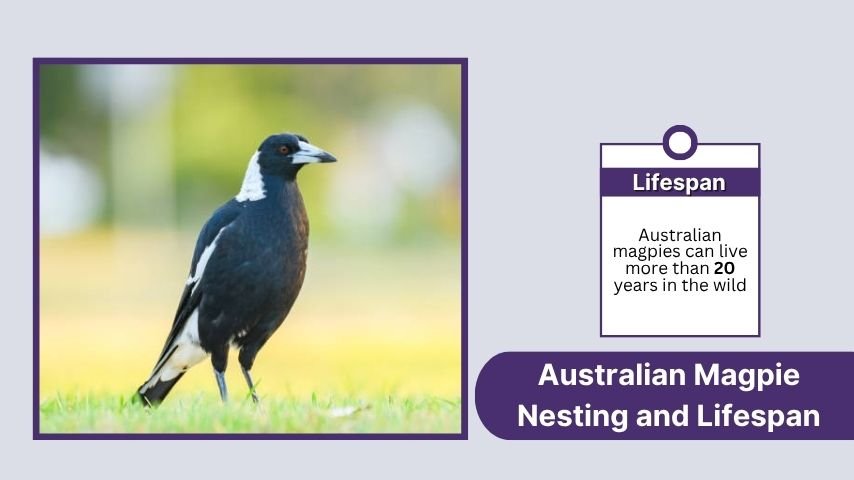
Australian magpies build strong nests high in trees using sticks, grass, and soft materials. Both parents help care for eggs and chicks during breeding season. These birds can live for many years in safe environments, especially in urban areas where food is easier to find and predators are less common.
Australian Magpie Nest
Magpie nests are usually built high in tree branches where chicks remain protected from ground predators. The female mainly builds the nest while the male helps guard the area. Eggs are incubated for several weeks before chicks hatch and begin growing rapidly.
Australian Magpie Breeding Season
Breeding season usually occurs during spring in Australia. During this period, adult magpies become more territorial and protective. Chicks stay in the nest for several weeks and continue depending on their parents even after learning to fly.
Australian Magpie Lifespan
Australian magpies can live more than 20 years in the wild under favorable conditions. Their intelligence, social behavior, and ability to adapt help them survive in many habitats. Young magpies learn important survival skills from older birds within their family group.
Australian Magpie Predators and Threats
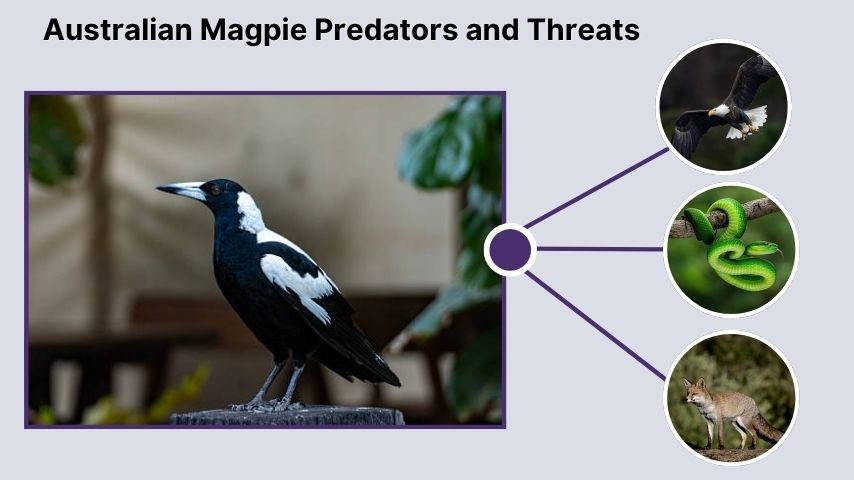
Although adult magpies are strong birds, they still face threats from predators and environmental changes. Eggs and young chicks are especially vulnerable during nesting season. Human activities such as habitat destruction and traffic accidents can also affect magpie populations in urban areas.
Predators of Australian Magpies
List items:
- Eagles
- Hawks
- Snakes
- Feral cats
- Foxes
- Large owls
Human-Related Threats
Urban development and tree removal can reduce safe nesting areas for magpies. Vehicle collisions and pollution may also harm local bird populations. Despite these threats, Australian magpies remain widespread because they adapt well to changing environments.
FAQs
Why do Australian magpies swoop people?
Australian magpies swoop people to protect their nests and chicks during breeding season. This defensive behavior usually happens in spring when adult birds become highly territorial. Most swooping stops once the young birds leave the nest and become independent.
Are Australian magpies dangerous?
Australian magpies are usually not dangerous, although swooping birds can frighten people and occasionally cause small injuries. Most magpies avoid humans outside the breeding season. Staying calm and avoiding nesting areas can greatly reduce the chance of being swooped.
What do Australian magpies eat?
Australian magpies eat insects, worms, beetles, frogs, seeds, and small reptiles. They search for food mainly on the ground and use their strong beaks to catch prey. Their varied diet helps them survive in both rural and urban environments.
Are Australian magpies intelligent?
Yes, Australian magpies are highly intelligent birds. They can recognize human faces, remember experiences, and communicate using different calls. Researchers also believe they learn quickly from their surroundings and show strong social behavior within family groups.
When is magpie swooping season in Australia?
Magpie swooping season usually takes place during spring, mainly from August to October in many parts of Australia. This is the time when adult birds protect their nests and young chicks from possible threats near their territory.