

The Carolina Wren is a small but bold songbird known for its loud, cheerful voice and energetic personality. Commonly found in backyards, forests, and gardens across the southeastern United States, this bird is easy to hear but sometimes harder to spot. Its rich reddish-brown color and distinctive white eyebrow stripe make it stand out among other small birds. With unique nesting habits and a varied diet, the Carolina Wren plays an important role in local ecosystems.
What is a Carolina Wren?
The Carolina Wren (Thryothorus ludovicianus) is a non-migratory songbird belonging to the wren family, Troglodytidae. Unlike many other wrens, it remains in the same region throughout the year, making it a familiar presence in many areas. It is especially common in the southeastern United States but has expanded its range northward in recent decades.
This bird is well known for its strong, musical voice, which is surprisingly loud for its small size. Carolina Wrens are also highly adaptable, able to thrive in both natural and human-altered environments such as gardens, parks, and suburban areas.
Key Characteristics
- Small but very vocal songbird
- Non-migratory and active year-round
- Strong territorial behavior
- Often found near human dwellings
Carolina Wren Physical Description

The Carolina Wren has a warm, reddish-brown coloration on its upper body, while its underside is lighter, often appearing buff or cream-colored. This contrast gives the bird a distinct and attractive appearance. Its compact body and rounded shape help it move easily through dense vegetation and small spaces.
Another defining feature is its long, slightly curved bill, which is perfectly suited for catching insects. The bird’s short tail is often held upright, adding to its alert and energetic posture.
Identification Features
- Color: Reddish-brown back with pale underside
- Eyebrow Stripe: Bold white stripe above the eye
- Bill: Long and slightly curved
- Tail: Short and upright
- Body Shape: Rounded and compact
These features make the Carolina Wren relatively easy to identify, especially when combined with its distinctive voice.
Carolina Wren Habitat

Carolina Wrens are highly adaptable birds that can live in a variety of environments. They are commonly found in forests, woodlands, and brushy areas, but they are also frequent visitors to gardens and backyards. Their ability to live near humans makes them one of the more recognizable songbirds in their range.
They prefer areas with dense vegetation, where they can find shelter and food. Fallen logs, shrubs, and thick undergrowth provide ideal conditions for nesting and foraging.
Where Do Carolina Wrens Live?
Carolina Wrens are primarily found in the southeastern United States, though their range extends into parts of the Midwest and northeastern regions. They thrive in both rural and urban settings.
In urban environments, they often nest in unusual places such as flowerpots, mailboxes, garages, or even inside sheds. Their flexibility in choosing nesting sites helps them adapt to changing environments and human presence.
Carolina Wren Nest
Nest Structure
The Carolina Wren builds a distinctive dome-shaped nest with a side entrance. This design provides protection from predators and harsh weather conditions. The nest is constructed using a variety of materials, including twigs, grass, leaves, moss, and even animal hair.
Inside, the nest is lined with softer materials to create a comfortable space for eggs and chicks. Both the structure and placement of the nest reflect the bird’s need for safety and warmth.
Nesting Locations
One of the most interesting aspects of the Carolina Wren is its choice of nesting locations. It often selects sheltered spots that are hidden from view. Common nesting sites include tree cavities, dense shrubs, and man-made structures.
In residential areas, Carolina Wrens may build nests in unexpected places such as hanging baskets, old boots, or outdoor equipment. This adaptability makes them a frequent and delightful visitor in many homes and gardens.
Carolina Wren Eggs
Egg Appearance
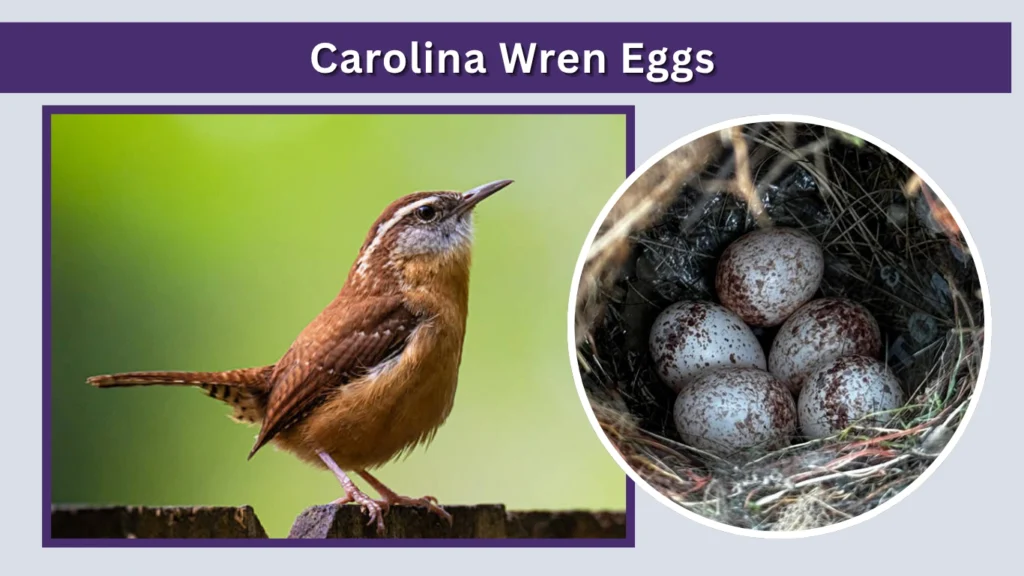
Carolina Wren eggs are small and typically white or pinkish in color, covered with fine reddish-brown speckles. These markings help camouflage the eggs within the nest, providing some protection from predators.
Breeding Details
A typical clutch contains about 3 to 7 eggs. The female is primarily responsible for incubation, which usually lasts around two weeks. During this period, the male helps by defending the territory and occasionally bringing food.
Once the eggs hatch, both parents take part in feeding the chicks. The young birds grow quickly and leave the nest within a couple of weeks, beginning their own journey in the wild.
Carolina Wren Diet

What Do Carolina Wrens Eat?
The Carolina Wren mainly feeds on insects and small invertebrates. Its diet includes beetles, spiders, caterpillars, and grasshoppers. These food sources are abundant in the bird’s natural habitat, making it well-suited for survival.
Feeding Behavior
Carolina Wrens are active and resourceful feeders. They typically forage close to the ground, hopping among leaves, logs, and low branches in search of insects. Their curved bill allows them to probe into crevices, bark, and soil to uncover hidden prey.
In colder months, when insects are less available, Carolina Wrens may expand their diet to include seeds and small fruits. They are also known to visit backyard feeders, especially if mealworms or suet are offered. Their adaptability in feeding habits helps them survive year-round without migrating.
Behavior and Personality
The Carolina Wren is known for its bold and curious nature. Despite its small size, it is highly confident and often explores areas close to human activity. It may even enter open structures like garages or porches while searching for food or nesting spots.
This bird is also strongly territorial. Pairs maintain and defend their territory throughout the year, using loud songs and aggressive displays to keep intruders away. Their energetic behavior and constant movement make them lively and engaging to observe.
Carolina Wrens are usually seen alone or in pairs rather than large groups. They form strong pair bonds, and mated pairs often stay together for extended periods, sometimes for life.
Carolina Wren Lifespan
The average lifespan of a Carolina Wren in the wild is relatively short, typically around 3 to 6 years. However, some individuals may live longer under favorable conditions.
Several factors influence their lifespan, including weather, availability of food, and predation. Harsh winters can be particularly challenging, as cold temperatures reduce insect populations and increase the risk of starvation.
Predators such as snakes, cats, and larger birds may also threaten both adult wrens and their nests. Despite these risks, the Carolina Wren’s adaptability and strong survival instincts help maintain stable populations in many areas.
Carolina Wren vs House Wren
Key Differences
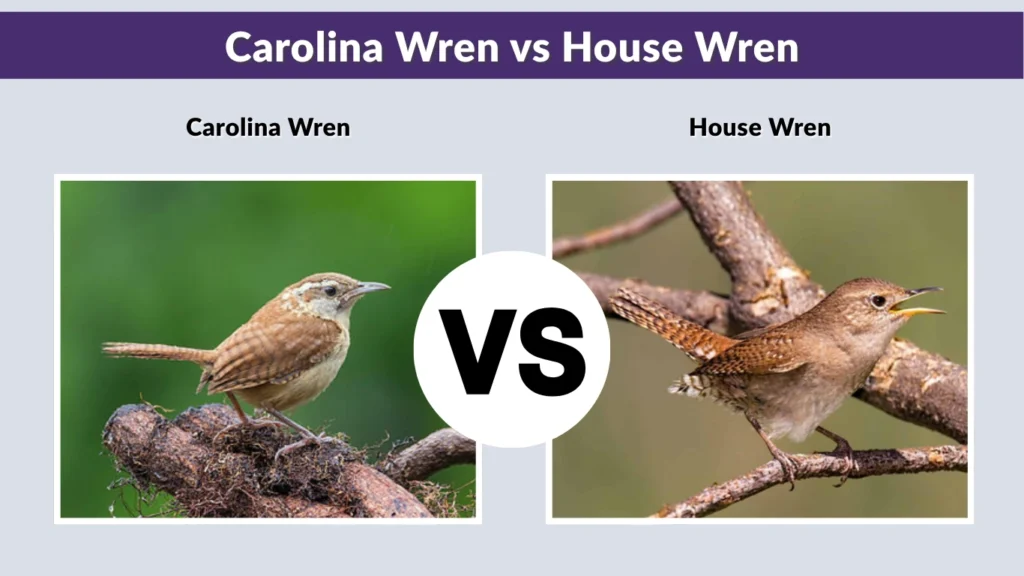
Although both species belong to the same family, the Carolina Wren and House Wren differ in several important ways. One of the most noticeable differences is their habitat preference. Carolina Wrens are year-round residents and are commonly found in wooded areas and backyards, while House Wrens are migratory and often inhabit more open environments.
In terms of appearance, Carolina Wrens tend to have a richer reddish-brown color and a more prominent white eyebrow stripe. House Wrens are generally duller in color and lack this strong facial marking.
Their songs also differ. The Carolina Wren produces a loud, clear, and repeated song, while the House Wren’s song is more rapid and varied. These differences make it easier for birdwatchers to distinguish between the two species.
Carolina Wren Facts
The Carolina Wren is full of interesting traits that make it unique among small birds. It is one of the few wren species that does not migrate, allowing it to be observed year-round. Its loud voice is another standout feature, often heard echoing through forests and neighborhoods.
This bird is also known for its unusual nesting choices, frequently selecting man-made objects as nesting sites. Additionally, Carolina Wrens are highly adaptable and can thrive in a wide range of environments, from dense forests to suburban gardens.
Ecological Importance
Carolina Wrens play an important role in maintaining ecological balance. By feeding on insects and other small invertebrates, they help control pest populations that could otherwise damage plants and crops.
Their presence also contributes to the biodiversity of their habitats. As a common backyard bird, they provide opportunities for people to connect with nature and observe wildlife up close. Protecting species like the Carolina Wren supports healthier ecosystems overall.
How to Attract Carolina Wrens
Attracting Carolina Wrens to your yard can be both enjoyable and beneficial. Providing suitable habitat is the first step. Dense shrubs, brush piles, and natural cover offer ideal shelter for these birds.
Installing a birdhouse can also encourage nesting, especially if it is placed in a quiet, sheltered location. Offering food such as mealworms, suet, or seeds can further increase the chances of attracting them.
Additionally, providing a clean water source for drinking and bathing can make your yard even more appealing. With the right conditions, Carolina Wrens may become regular visitors.
FAQs
What do Carolina Wrens eat?
Carolina Wrens mainly eat insects such as beetles, spiders, and caterpillars. They may also consume seeds and fruits, especially during winter.
Where do Carolina Wrens build nests?
They build nests in sheltered locations like tree cavities, shrubs, and even man-made structures such as mailboxes or flowerpots.
How long do Carolina Wrens live?
Carolina Wrens typically live around 3 to 6 years in the wild, though some may live longer.
What do Carolina Wren eggs look like?
Their eggs are small, white or pinkish, and covered with reddish-brown speckles.
Are Carolina Wrens aggressive?
Yes, they can be quite territorial, especially during the breeding season, and may aggressively defend their nesting area.
Conclusion
The Carolina Wren is a lively and adaptable bird that brings energy and song to both natural and urban environments. From its distinctive call to its unique nesting habits, it offers a fascinating glimpse into the world of small songbirds. By understanding its behavior, diet, and habitat, we can better appreciate its role in the ecosystem. Supporting and protecting environments where Carolina Wrens thrive ensures that future generations can continue to enjoy this remarkable bird.
