
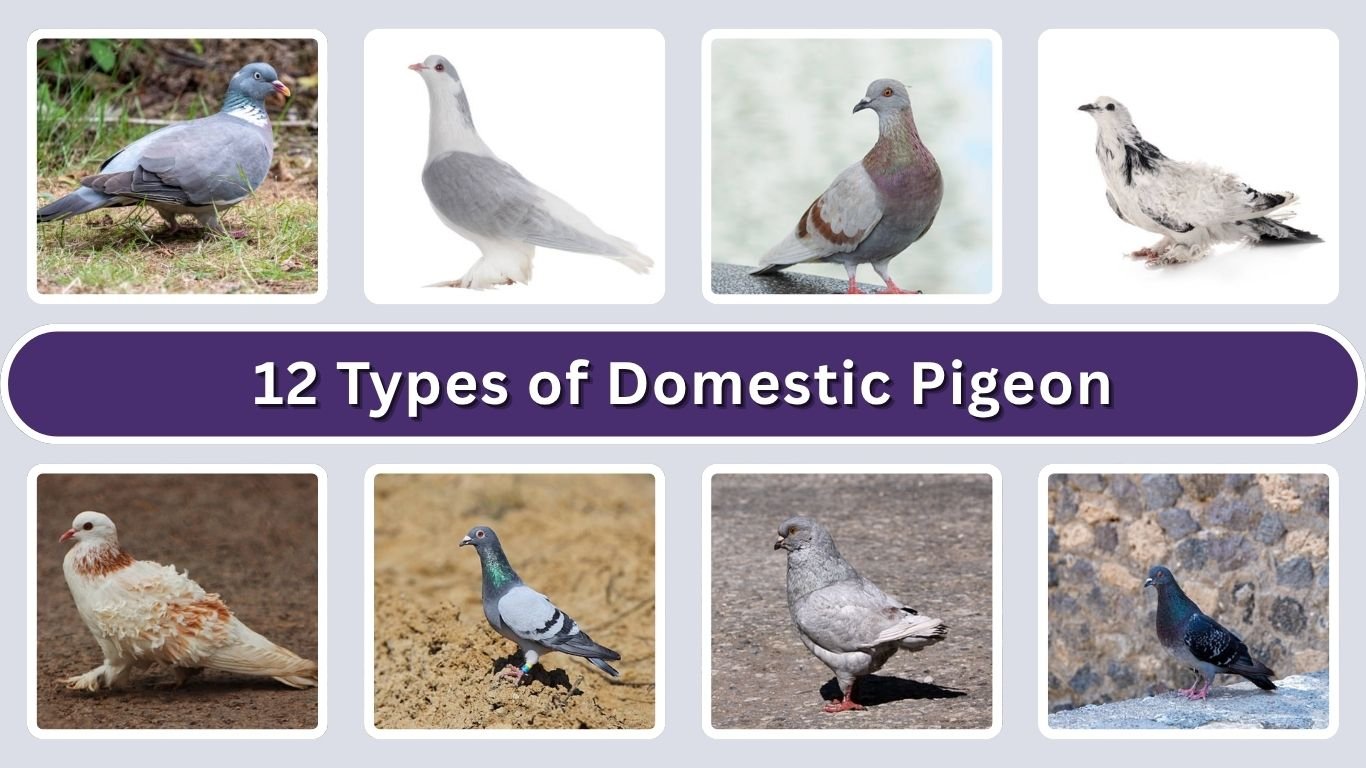
Domestic pigeons come in a wide variety of breeds, each with unique features, behaviors, and purposes. Some are bred for racing and flying, while others are kept for their beauty, size, or calm temperament. From the fast Racing Homer to the decorative Fantail and the sturdy King Pigeon, every breed has its own charm. Understanding these different types helps pigeon lovers choose the right breed based on their interest, whether for sport, exhibition, or simple enjoyment.
1. Racing Homer
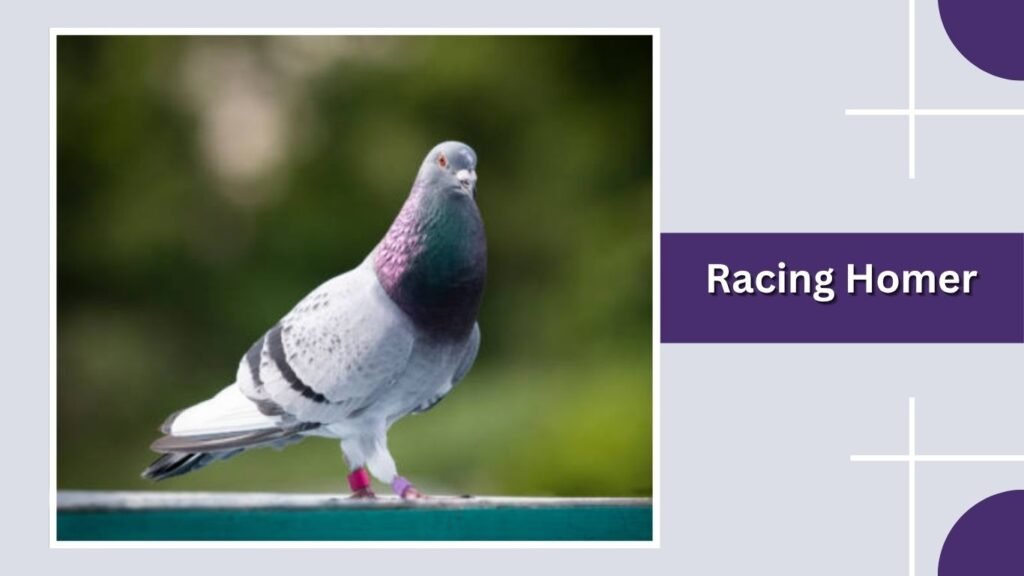
The Racing Homer is one of the most popular domestic pigeon breeds, widely known for its exceptional homing ability and speed. It has been specially developed for pigeon racing, making it a favorite among enthusiasts worldwide. These birds can travel long distances and return to their home loft with impressive accuracy.
Identification
- Medium-sized body with a sleek, aerodynamic shape
- Strong chest and muscular wings for powerful flight
- Smooth, tight feathers that help reduce air resistance
- Bright eyes and a slightly curved beak
- Found in colors like blue, black, red, and checkered
Characteristics
Racing Homers are highly intelligent and have a strong natural instinct to return home. They are known for their endurance and can fly hundreds of kilometers without losing direction. These pigeons are active and require regular flying to stay healthy. Although they are athletic, they are usually calm and can adapt well to human care.
Care and Training
Proper care is essential for maintaining their performance. Racing Homers need a clean, dry, and well-ventilated loft. Training begins at a young age with short flights, gradually increasing distance to build stamina and navigation skills. Consistent routines, along with clean water and good hygiene, help keep them in top condition.
Diet
A balanced diet is very important for Racing Homers, especially for racing performance. Their main food includes grains such as corn, wheat, peas, and barley. During training and racing seasons, they may require extra nutrients and energy-rich seeds. Fresh water must always be available. Occasionally, vitamins and minerals are added to support their overall health and recovery.
2. King Pigeon
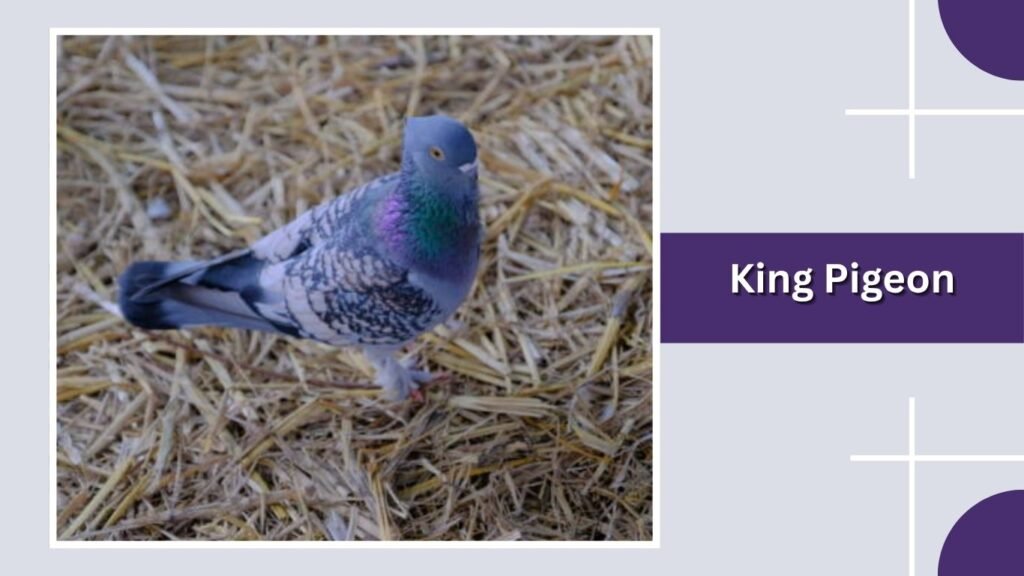
The King Pigeon is a large domestic breed mainly raised for meat production and exhibition purposes. Known for its strong body and calm nature, this pigeon is quite different from flying breeds. It is valued for its size, fast growth, and ease of care.
Identification
- Large, heavy body with a broad and deep chest
- Short legs and an upright posture
- Smooth feathers with a clean appearance
- Small head with a short, thick beak
- Commonly seen in white, but also found in other colors
Characteristics
King Pigeons are known for their calm and gentle temperament. Unlike racing breeds, they are not strong fliers and prefer to stay close to the ground. They grow quickly and are highly productive, which makes them popular among breeders. Their quiet nature also makes them easy to manage, even for beginners.
Care and Training
Caring for King Pigeons is relatively simple. They require a clean, spacious loft with enough room to move comfortably. Since they are not active flyers, they need proper space on the ground. Regular cleaning and good ventilation are important to prevent diseases. While they do not need flight training, maintaining a consistent routine helps keep them healthy.
Diet
The diet of King Pigeons should be rich and balanced to support their large body size. They are usually fed grains such as corn, wheat, and peas. Protein-rich feed is important for growth, especially in young birds. Clean water must always be available. Supplements like vitamins and minerals can be added to improve health and support breeding.
3. Fantail Pigeon
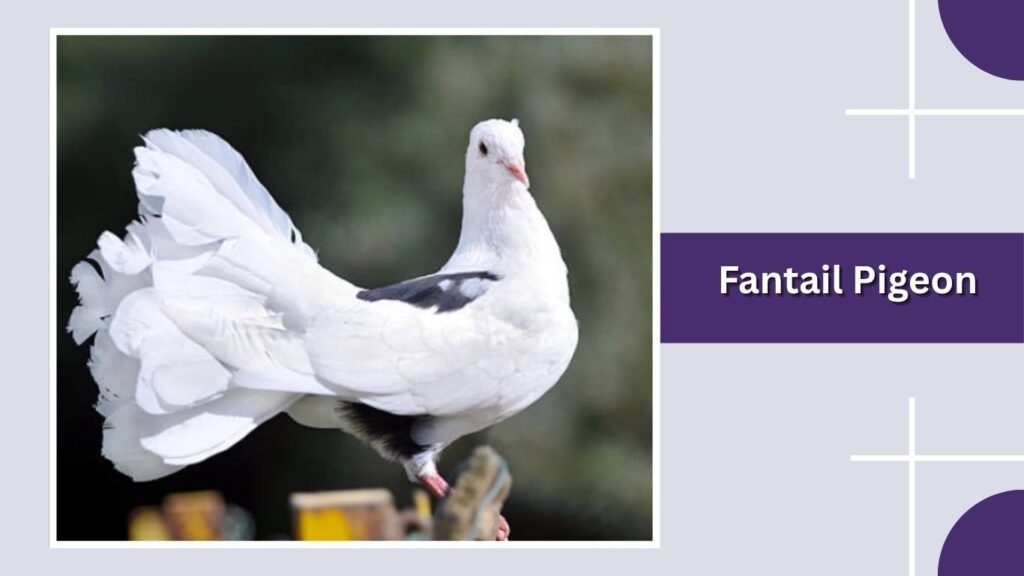
The Fantail pigeon is one of the most beautiful and popular ornamental pigeon breeds. It is mainly kept for exhibition and decorative purposes due to its unique fan-shaped tail and graceful posture. This breed is admired for its elegance and calm behavior.
Identification
- Medium-sized body with an upright stance
- Large, fan-shaped tail with many feathers spread out
- Small head and short beak
- Chest held high, giving a proud appearance
- Common colors include white, black, red, and mixed patterns
Characteristics
Fantail pigeons are known for their gentle and friendly nature. They are not strong fliers and prefer to walk gracefully on the ground. Their unique tail display is their most distinctive feature, often held fully spread like a fan. These pigeons are calm, making them suitable for beginners and hobbyists who enjoy ornamental birds.
Care and Training
Fantails require proper care to maintain their beauty. A clean and dry loft is essential, especially to keep their tail feathers in good condition. They need enough space to move comfortably without damaging their feathers. Regular cleaning and protection from dirt and moisture are important. Since they are not active flyers, they do not require flight training.
Diet
Fantail pigeons need a balanced and nutritious diet to stay healthy. Their food mainly includes grains such as wheat, millet, corn, and peas. Clean, fresh water should always be available. Occasionally, vitamins and minerals can be added to support feather health and overall well-being. A proper diet helps maintain their attractive appearance.
4. Jacobin Pigeon
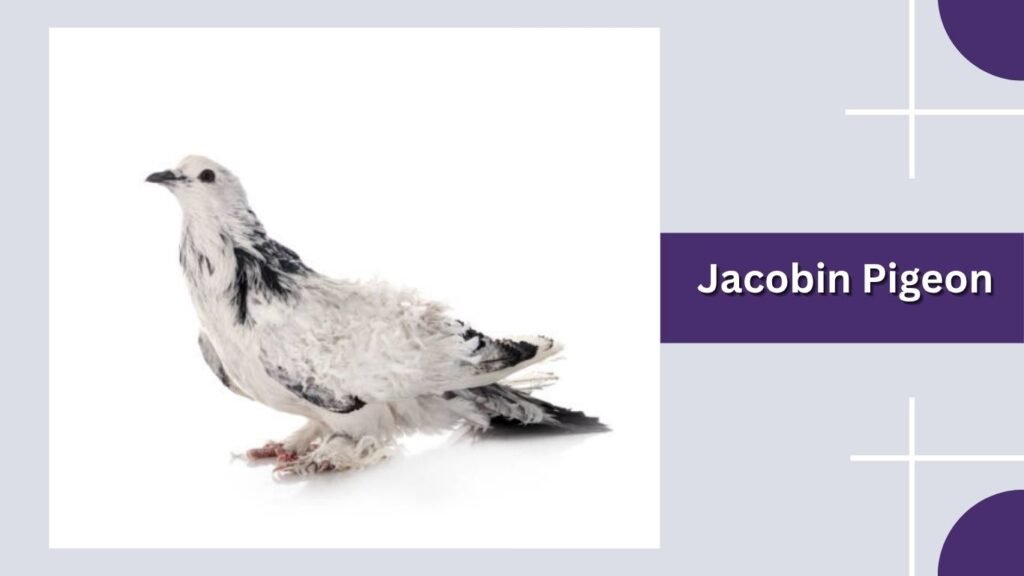
The Jacobin pigeon is a unique and ornamental breed, best known for the hood of feathers that surrounds its head. This distinctive feature gives it an elegant and somewhat royal appearance. It is mainly kept for exhibition and is highly valued by pigeon enthusiasts.
Identification
- Medium-sized body with a slim build
- Distinct feather hood covering the head and neck
- Small head, often partially hidden by feathers
- Upright posture with a graceful stance
- Found in colors like white, black, red, yellow, and silver
Characteristics
Jacobin pigeons are calm and gentle by nature. Due to their heavy feather hood, their vision can be limited, making them less active and poor fliers. They prefer a quiet environment and are best suited for display rather than performance. Their unique look makes them one of the most eye-catching pigeon breeds.
Care and Training
Caring for Jacobins requires extra attention, especially for their feathers. Their hood must be kept clean and dry to prevent dirt buildup and health issues. They need a well-maintained loft with good ventilation. Because of their limited vision, they should be kept in a safe space to avoid injury. Training is minimal, as they are not flying pigeons.
Diet
Jacobin pigeons need a nutritious and balanced diet to stay healthy. Their food usually includes grains like wheat, millet, corn, and peas. Clean water must always be available. Adding vitamins and minerals occasionally helps maintain feather quality and overall health. Proper nutrition supports their beauty and well-being.
5. Tumbler Pigeon
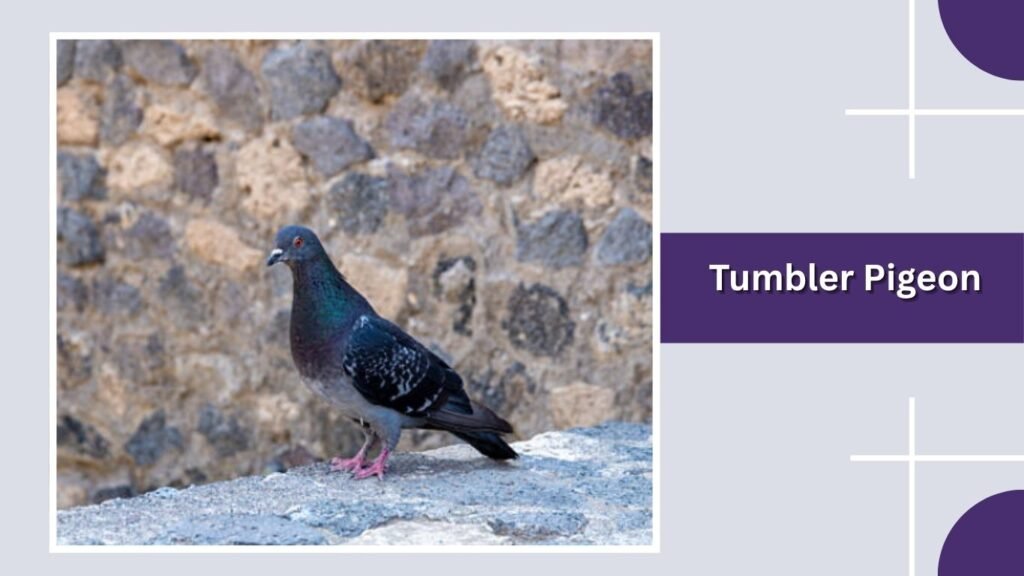
The Tumbler pigeon is a fascinating breed known for its unique flying behavior, especially its ability to perform backward somersaults in the air. This breed is popular among pigeon enthusiasts who enjoy watching aerial performances. Tumblers are kept both for their skills and their attractive appearance.
Identification
- Small to medium-sized body with a compact shape
- Short neck and rounded head
- Strong wings suited for quick aerial movements
- Smooth feathers with a neat appearance
- Comes in a wide variety of colors and patterns
Characteristics
Tumbler pigeons are energetic and playful birds, especially during flight. Their most notable trait is their tumbling or flipping action while flying, which can vary in frequency and style. They are active and alert, often showing excitement when released for flight. Despite their lively nature, they can also be gentle and adaptable to human care.
Care and Training
Proper care is important to keep Tumblers healthy and active. They need a clean, secure loft with enough space. Regular flying time is essential to maintain their skills and fitness. Training usually involves controlled releases to encourage their natural tumbling behavior. Clean surroundings and protection from predators are also important.
Diet
A balanced diet is necessary to support the energy needs of Tumbler pigeons. Their food typically includes grains such as wheat, millet, corn, and peas. Fresh, clean water should always be available. During active periods, additional nutrients and supplements may be provided to maintain strength and overall health.
6. Tippler Pigeon
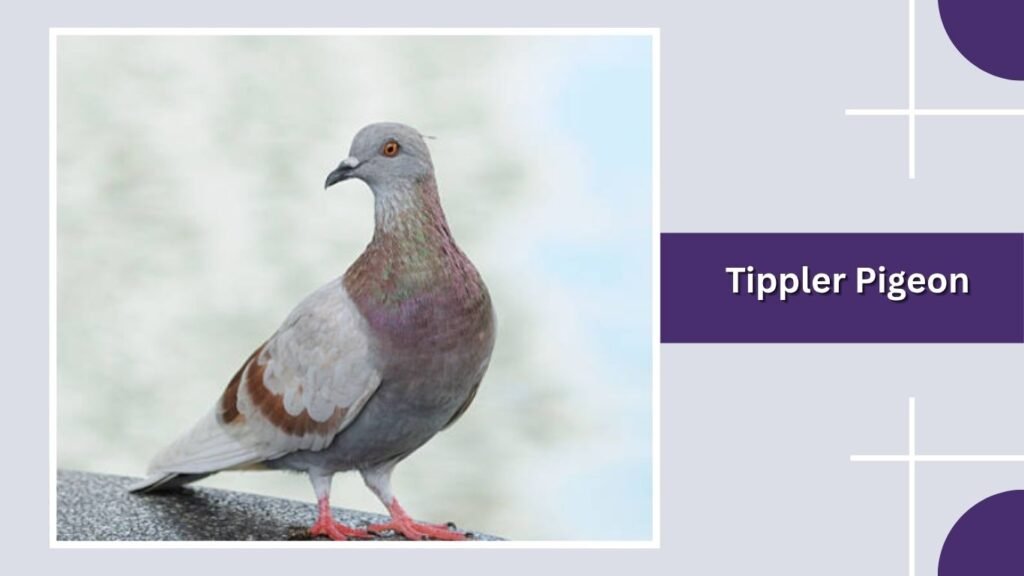
The Tippler pigeon is a remarkable breed known for its extraordinary endurance in flight. Unlike other pigeons, Tipplers are famous for staying in the air for very long periods, sometimes flying continuously for many hours. They are highly valued by enthusiasts who focus on endurance flying competitions.
Identification
- Medium-sized body with a slim and lightweight build
- Long, strong wings designed for extended flight
- Smooth feathers that support aerodynamic movement
- Small head with a straight beak
- Usually found in colors like blue, checkered, red, and white
Characteristics
Tippler pigeons are extremely energetic and have unmatched stamina. Their main strength lies in their ability to remain airborne for long durations rather than speed or tricks. They are alert, active, and highly responsive to training. These pigeons are also known for their strong flocking behavior and coordination during flight.
Care and Training
Proper care and consistent training are essential for Tipplers. They need a clean, well-ventilated loft and a structured routine. Training focuses on gradually increasing flight time to build endurance. Flyers often train them in groups to improve performance. Adequate rest and protection from extreme weather are also important for maintaining their stamina.
Diet
Tippler pigeons require a well-balanced diet to support their long flights. Their food includes grains such as wheat, millet, corn, and barley. Energy-rich seeds are often added during training periods. Clean water must always be available. Supplements like vitamins and minerals help improve endurance and recovery after long flights.
7. Modena Pigeon
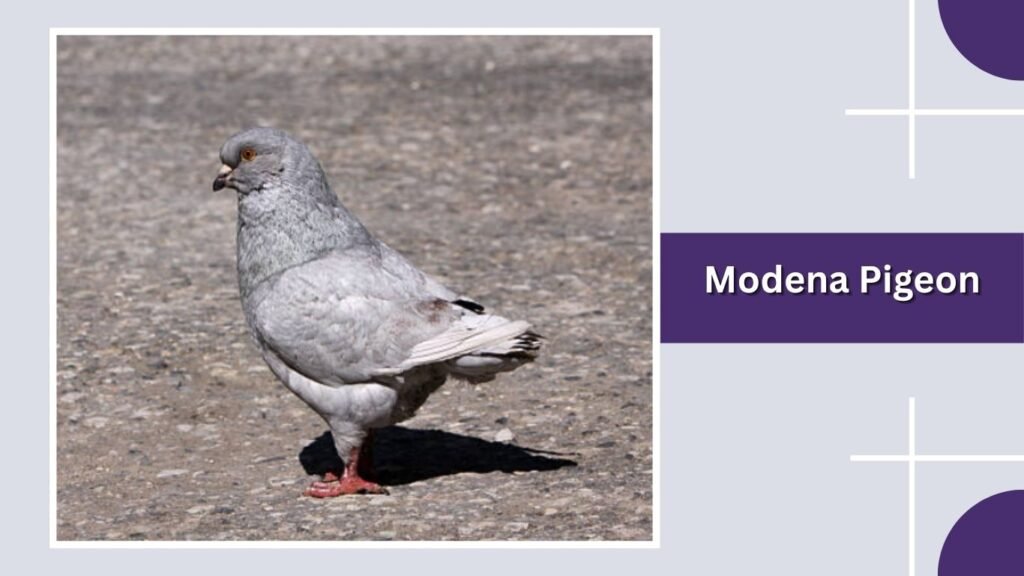
The Modena pigeon is a well-known domestic breed originally developed in Italy. It is mainly kept for exhibition and breeding rather than flying. This breed is admired for its strong body, wide chest, and colorful feather patterns.
Identification
- Medium to large-sized body with a broad and muscular build
- Short neck and rounded chest
- Small head with a short, thick beak
- Upright posture with a compact appearance
- Comes in a wide range of colors and patterns
Characteristics
Modena pigeons are known for their bold and active nature. Unlike flying breeds, they are not strong fliers and prefer staying on the ground. They are hardy birds and can adapt well to different environments. Their attractive color variations and body shape make them very popular in pigeon shows.
Care and Training
Caring for Modena pigeons is relatively easy. They need a clean, spacious loft with proper ventilation. Since they are not active flyers, more ground space is important. Regular cleaning helps prevent disease and keeps them healthy. They do not require flight training, but a consistent routine is beneficial for their well-being.
Diet
A balanced diet is essential for Modena pigeons to maintain their body condition. Their food includes grains such as corn, wheat, peas, and barley. Clean water should always be available. Occasionally, vitamins and minerals can be added to support their health, especially during breeding or molting periods.
8. Lahore Pigeon
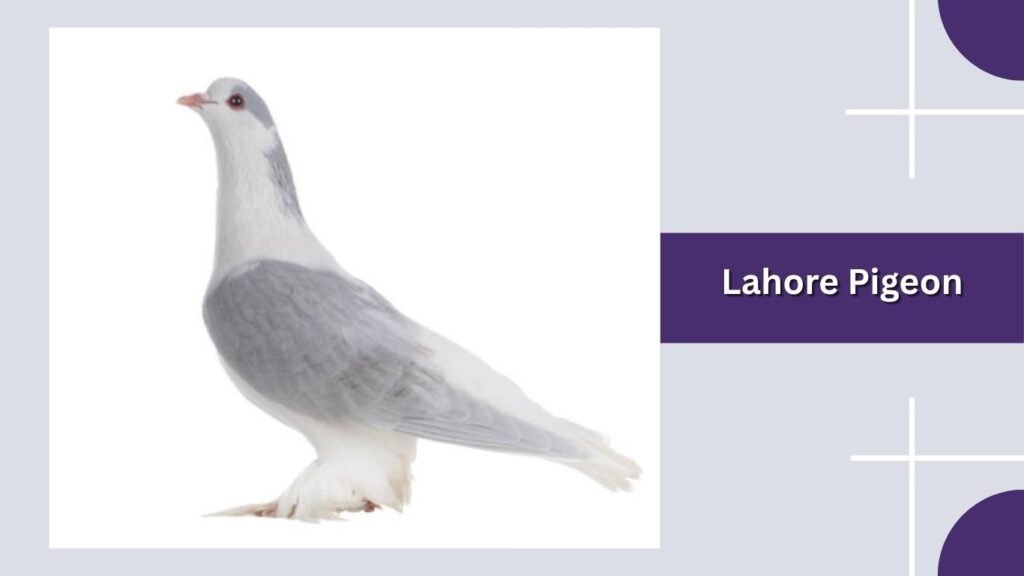
The Lahore pigeon is a beautiful and distinctive breed, known for its striking color patterns and gentle nature. Originating from the region of Lahore (in present-day Pakistan), this pigeon is mainly kept for ornamental and exhibition purposes. Its calm temperament makes it popular among pigeon lovers.
Identification
- Large-sized body with a strong and broad chest
- Unique color pattern with white body and colored wings, head, and tail
- Smooth and tight feathers
- Medium-length neck with an upright posture
- Common color variations include black, red, blue, and brown patterns
Characteristics
Lahore pigeons are known for their calm and friendly behavior. They are not strong fliers and usually prefer staying close to their loft. These pigeons are hardy and can adapt well to different environments. Their attractive appearance and gentle nature make them suitable for both beginners and experienced keepers.
Care and Training
Caring for Lahore pigeons is quite simple. They require a clean and spacious loft with good ventilation. Since they are not active flyers, they need enough ground space to move comfortably. Regular cleaning and proper hygiene are important to prevent diseases. They do not require special training, as they are mainly kept for display.
Diet
A balanced diet is important to keep Lahore pigeons healthy and maintain their appearance. Their food mainly includes grains such as wheat, corn, peas, and millet. Fresh, clean water must always be available. Adding vitamins and minerals occasionally helps improve feather quality and overall health.
9. English Carrier
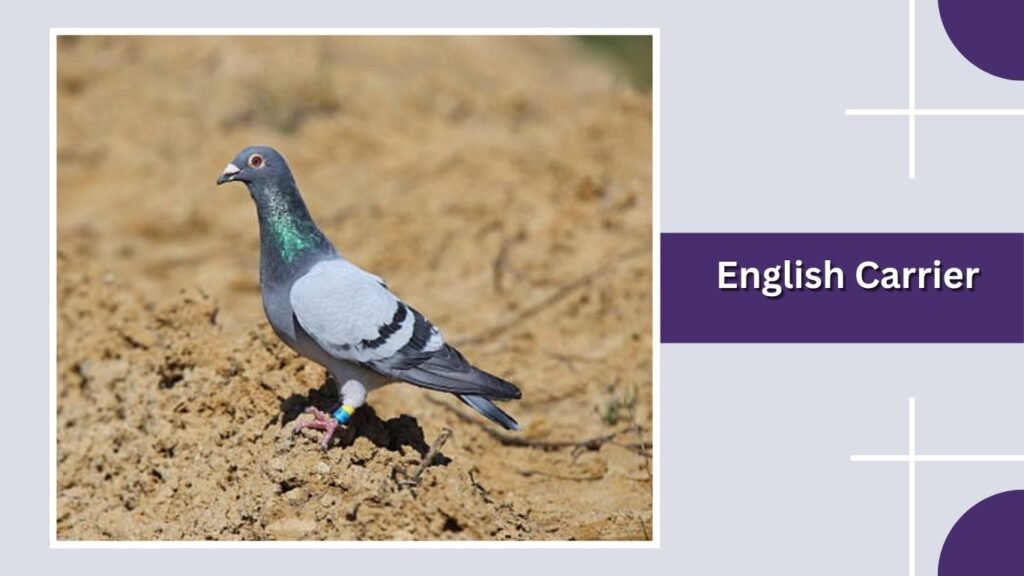
The English Carrier is one of the oldest domestic pigeon breeds, historically used for carrying messages before modern communication systems existed. Today, it is mainly kept for exhibition due to its unique appearance and historical significance.
Identification
- Tall and slender body with a strong frame
- Long neck and upright posture
- Distinctive long beak with a prominent wattle (fleshy growth)
- Bare skin around the eyes, forming a noticeable eye ring
- Usually found in colors like black, white, red, and blue
Characteristics
English Carrier pigeons are known for their alert and active nature. They have a strong presence and are often admired for their unique facial features. Although they were once used for communication, they are now mainly ornamental. They are intelligent birds and can adapt well to human care with proper handling.
Care and Training
Proper care is important to keep English Carriers healthy. They need a clean, well-ventilated loft with enough space to move freely. Regular cleaning helps maintain hygiene, especially around their beak and eye area. While they are capable of flying, they do not require intense training like racing pigeons.
Diet
A balanced diet helps maintain their health and appearance. Their food includes grains such as wheat, corn, peas, and barley. Clean water should always be available. Occasionally, vitamins and mineral supplements can be added to support their immune system and overall well-being.
10. Frillback Pigeon
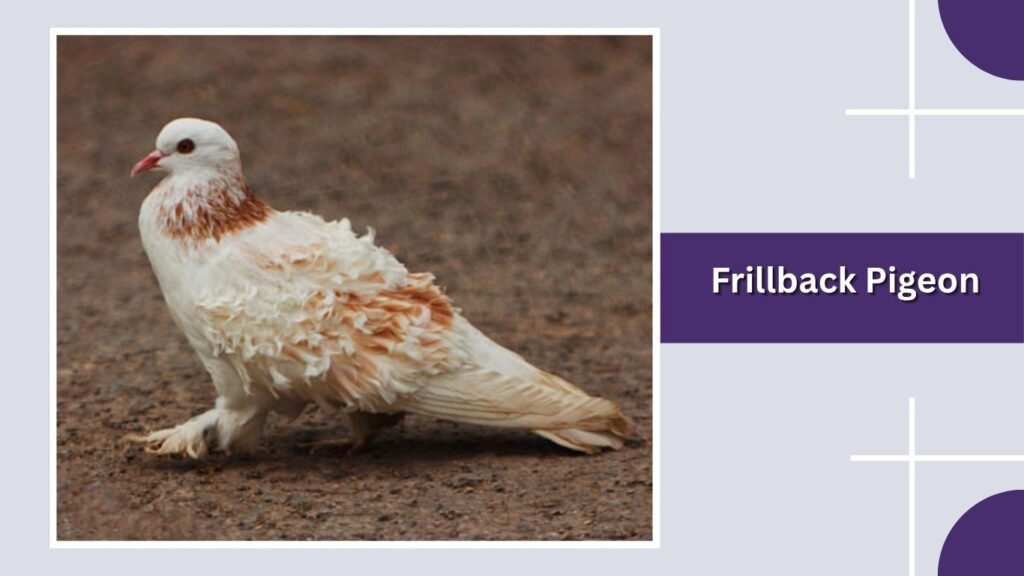
The Frillback pigeon is a unique ornamental breed, easily recognized by the curled or frilled feathers on its wings. This unusual feature makes it one of the most decorative and eye-catching pigeon breeds. It is mainly kept for exhibition and display purposes.
Identification
- Medium-sized body with a balanced shape
- Curled or frilled feathers on the wing shields
- Upright posture with a slightly rounded chest
- Small head with a short beak
- Found in various colors such as white, black, red, and blue
Characteristics
Frillback pigeons are calm and gentle birds, making them suitable for hobbyists and beginners. They are not strong fliers and prefer staying in or near their loft. Their most distinctive feature is the curled feathers, which require special care. They are generally peaceful and adapt well to a controlled environment.
Care and Training
Caring for Frillbacks requires extra attention to their feathers. Their curled feathers can easily get damaged, so they need a clean, dry, and spacious loft. Regular cleaning is important to maintain feather quality. Since they are not active flyers, they do not need flight training, but they should be protected from rough conditions.
Diet
A proper diet helps maintain both their health and feather condition. Frillback pigeons are usually fed grains such as wheat, corn, peas, and millet. Fresh water must always be available. Adding vitamins and minerals occasionally supports feather strength and overall health.
11. Pouter Pigeon
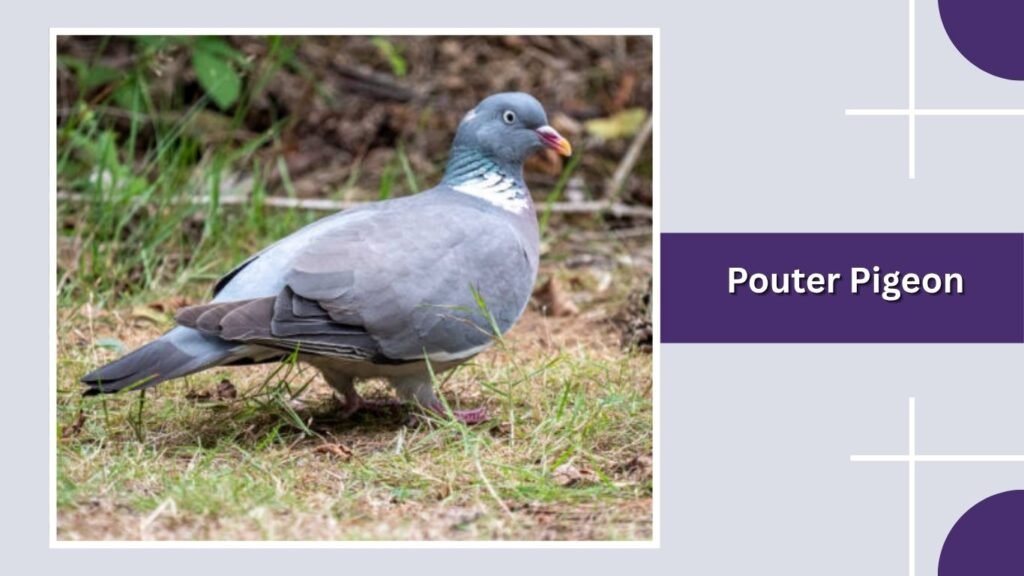
The Pouter pigeon is a very distinctive breed, best known for its ability to inflate its crop (chest area) to an unusual size. This unique feature, along with its tall posture, makes it a popular ornamental bird kept mainly for exhibition.
Identification
- Tall and slender body with long legs
- Large, inflatable crop that expands prominently
- Small head with a thin beak
- Upright stance with a proud appearance
- Found in various colors such as white, black, red, and mixed patterns
Characteristics
Pouter pigeons are known for their unique display behavior, especially inflating their crop to attract attention. They are active but not strong fliers due to their body structure. These birds are generally calm but require careful handling because of their delicate build. Their striking appearance makes them a favorite in pigeon shows.
Care and Training
Pouter pigeons need special care because of their unique body structure. They require a clean, spacious loft with enough room to move comfortably. Since their inflated crop can make feeding and movement slightly difficult, proper monitoring is important. They do not require flight training but should be kept in a safe and stress-free environment.
Diet
A balanced and easy-to-digest diet is important for Pouter pigeons. Their food typically includes grains such as wheat, corn, and peas. Fresh, clean water must always be available. Soft grains and proper feeding routines help ensure they can eat comfortably without difficulty due to their large crop.
12. Dragoon Pigeon
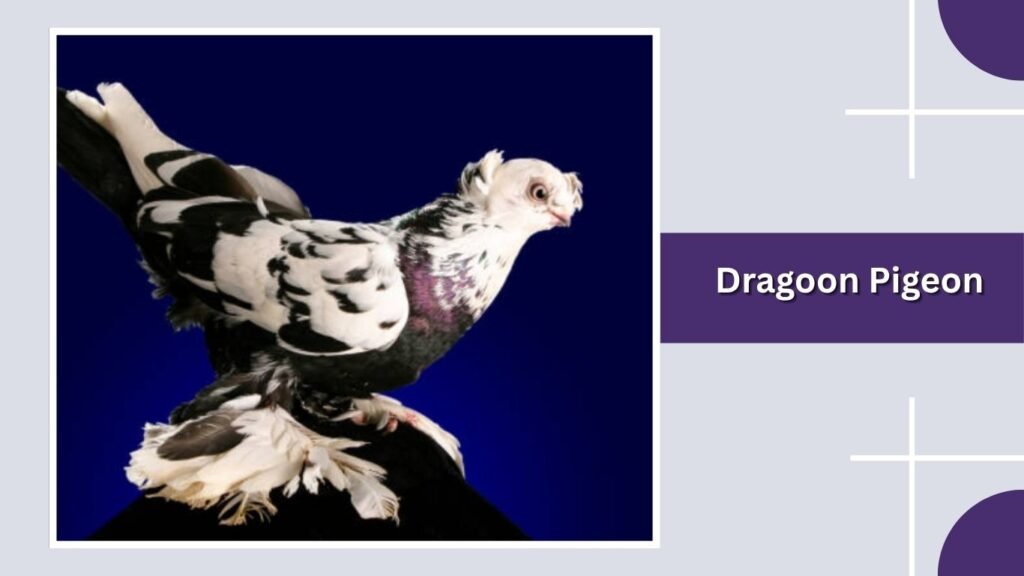
The Dragoon pigeon is a strong and hardy domestic breed, known for its bold appearance and active nature. It was originally developed for message carrying, similar to the English Carrier, but today it is mainly kept for exhibition and breeding purposes.
Identification
- Medium to large-sized body with a muscular build
- Broad chest and strong neck
- Short, thick beak with a noticeable wattle
- Prominent eye ring with bare skin around the eyes
- Common colors include black, red, yellow, white, and blue
Characteristics
Dragoon pigeons are known for their alert and energetic behavior. They are more active compared to many ornamental breeds and have a strong, confident presence. Although they were once used for communication, they are now mostly valued for their appearance. They are hardy birds and can adapt well to different environments.
Care and Training
Caring for Dragoon pigeons is relatively straightforward. They need a clean, well-ventilated loft with enough space to move freely. Regular cleaning is important, especially around their beak and eye areas. While they can fly, they do not require intensive training like racing breeds. A consistent routine helps maintain their health.
Diet
A nutritious and balanced diet is essential for Dragoon pigeons. Their food includes grains such as wheat, corn, peas, and barley. Fresh water should always be available. Adding vitamins and mineral supplements occasionally helps support their immune system and overall health.
FAQs
What is the best breed for beginners?
For beginners, calm and easy-to-manage breeds like Fantail, Lahore, or King Pigeon are ideal. They do not require complex training and adapt well to basic care. Their gentle nature makes them suitable for people who are new to pigeon keeping and learning management.
Which pigeon breed is best for flying?
Racing Homer and Tippler pigeons are best for flying. Racing Homers are known for speed and navigation, while Tipplers are famous for long endurance flights. Both require proper training and care to perform well, making them popular among experienced pigeon enthusiasts.
Do all pigeons need training?
No, not all pigeons require training. Breeds like Racing Homers and Tipplers need structured training for performance. However, ornamental breeds such as Fantail, Jacobin, and Frillback do not need training, as they are mainly kept for appearance and display purposes.
What do domestic pigeons eat?
Domestic pigeons mainly eat grains such as wheat, corn, peas, and millet. A balanced diet ensures good health, growth, and performance. Clean water is essential, and sometimes vitamins or minerals are added to improve immunity and overall condition.
How long do domestic pigeons live?
Domestic pigeons usually live between 10 to 15 years with proper care. Good nutrition, a clean environment, and protection from diseases can increase their lifespan. Some well-maintained pigeons may even live longer depending on their breed and living conditions.
