
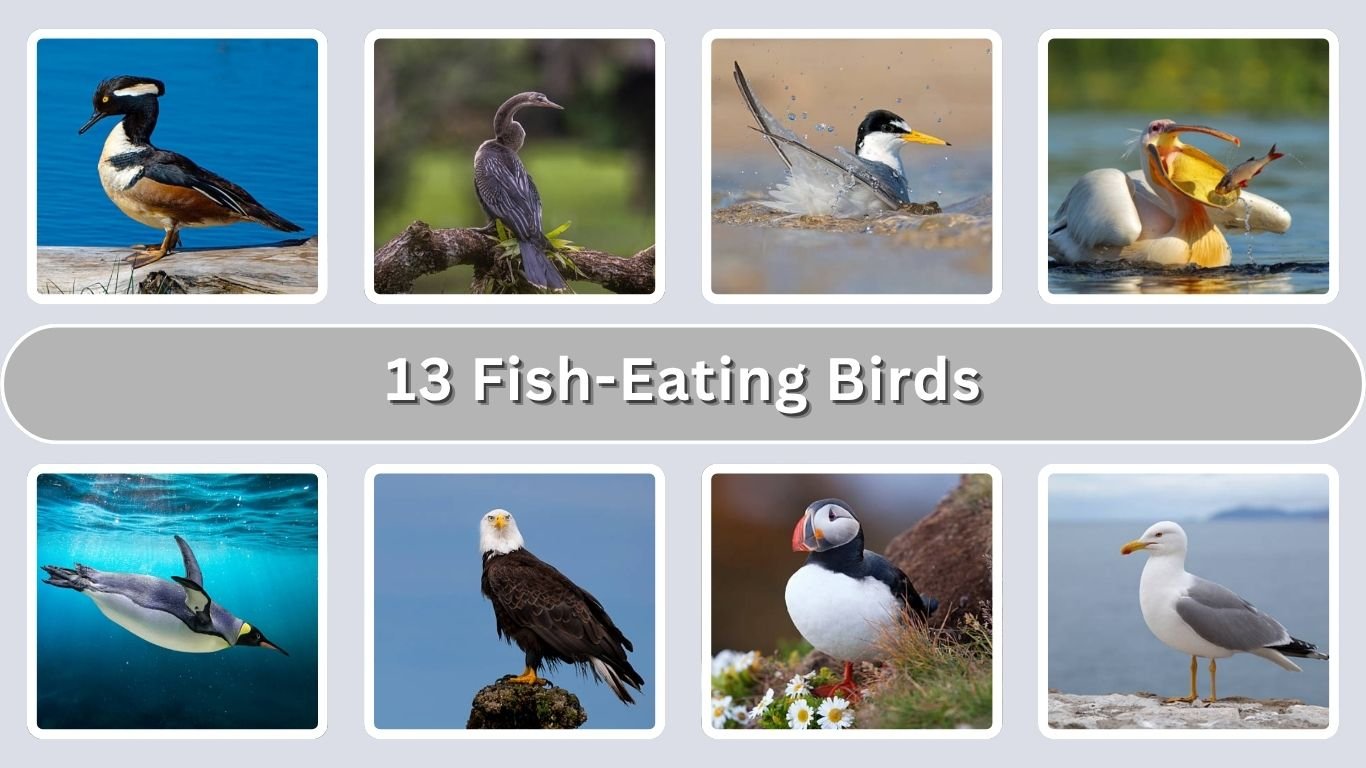
Fish-eating birds are highly specialized hunters that have adapted to life near water. From powerful eagles to skilled divers like penguins and cormorants, these birds rely on sharp eyesight, strong beaks, and unique hunting techniques to catch fish. Some dive from the sky, while others swim underwater or patiently wait at the water’s edge. In this guide, you’ll explore 13 types of fish-eating birds, along with their diet, hunting methods, and natural habitats.
1. Osprey
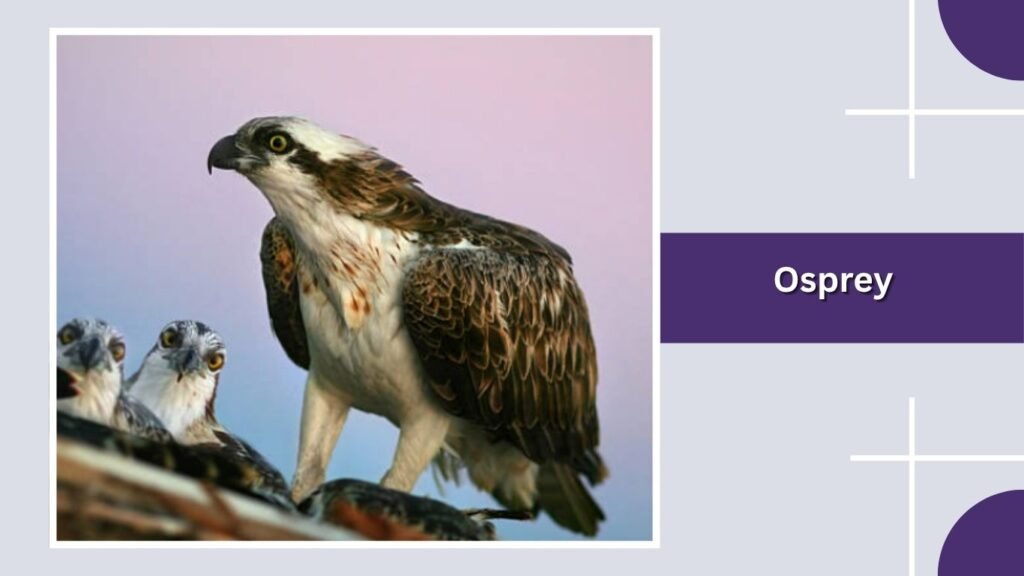
The osprey is a powerful fish-eating bird of prey known for its remarkable diving skills. It is found near water bodies around the world and is highly specialized for catching fish.
Identification
- Large bird with long, narrow wings
- White underparts and dark brown upperparts
- Distinct dark stripe through the eye
- Hooked beak and strong talons
- Reversible outer toe for gripping fish
Diet
Ospreys are almost entirely fish-eaters. They mainly feed on live fish, which they catch by diving feet-first into the water. Their diet depends on the availability of fish in their habitat.
Hunting
Ospreys hunt by hovering or soaring above water and spotting fish near the surface. Once they locate prey, they dive quickly, extending their talons to grab the fish. They are highly skilled and successful hunters.
Habitat
Ospreys are found near lakes, rivers, coastal areas, and wetlands worldwide. They prefer habitats with abundant fish and suitable nesting sites like tall trees, cliffs, or man-made platforms.
2. Kingfisher
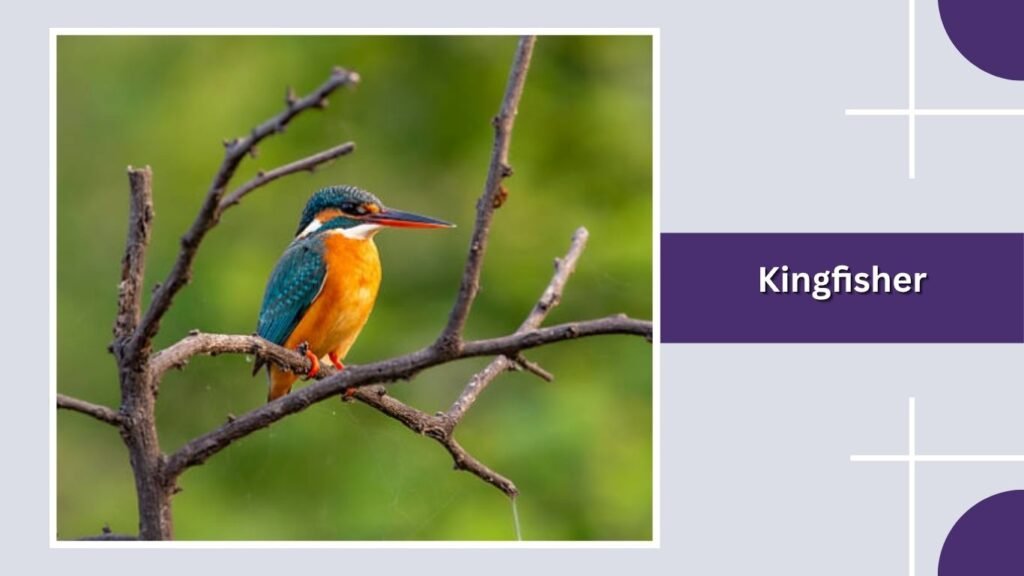
The kingfisher is a small to medium-sized bird known for its bright colors and excellent fishing skills. It is commonly found near water and is famous for diving quickly to catch fish.
Identification
- Small bird with a large head and long, pointed beak
- Bright blue, green, or orange feathers
- Short tail and compact body
- Strong, straight bill for catching fish
- Perches near water before hunting
Diet
Kingfishers mainly feed on small fish. They also eat aquatic insects, crustaceans, and sometimes small amphibians. Their diet depends on the availability of prey in their environment.
Hunting
Kingfishers hunt by sitting on a perch above water and watching for movement. Once they spot a fish, they dive rapidly into the water, grab it with their beak, and return to a perch to eat it.
Habitat
Kingfishers are found near rivers, lakes, streams, and coastal areas around the world. They prefer clear water where fish are easy to see and catch, often nesting in burrows near riverbanks.
3. Heron
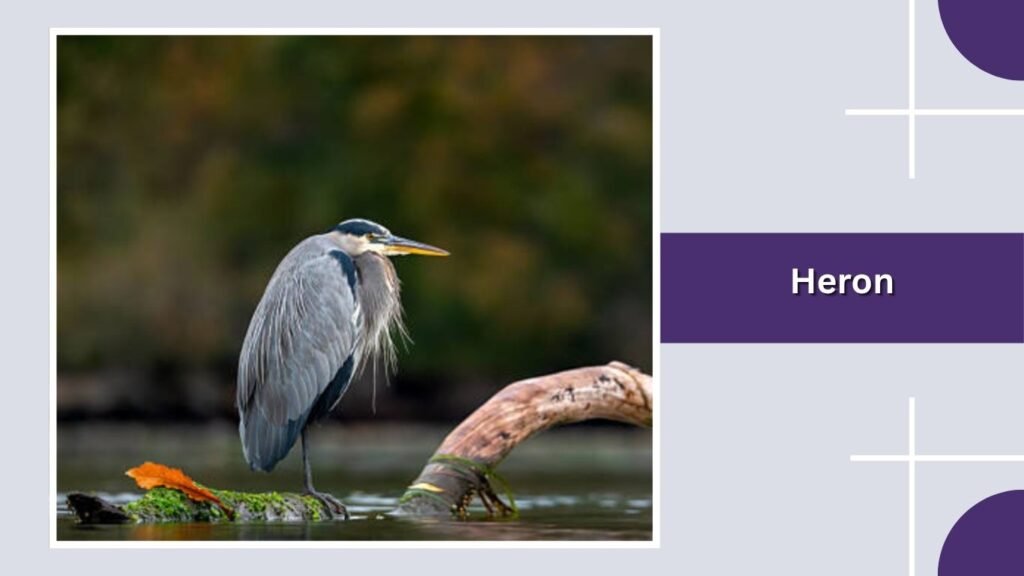
The heron is a large, long-legged bird known for its patience and precision when hunting fish. It is commonly found near water and is easily recognized by its slow, graceful movements.
Identification
- Tall bird with long legs and neck
- Sharp, pointed beak
- Gray, white, or blue plumage
- Long wings and broad body
- Slow, steady walking style
Diet
Herons mainly feed on fish, which make up the majority of their diet. They also eat frogs, insects, and small aquatic animals depending on availability.
Hunting
Herons hunt by standing still in shallow water or slowly walking along the edge. They wait patiently for fish to come close, then quickly strike with their sharp beak to catch their prey.
Habitat
Herons are found near wetlands, rivers, lakes, and coastal areas across the world. They prefer shallow waters where fish are abundant and easy to catch, often nesting in trees or reeds near water.
4. Egret
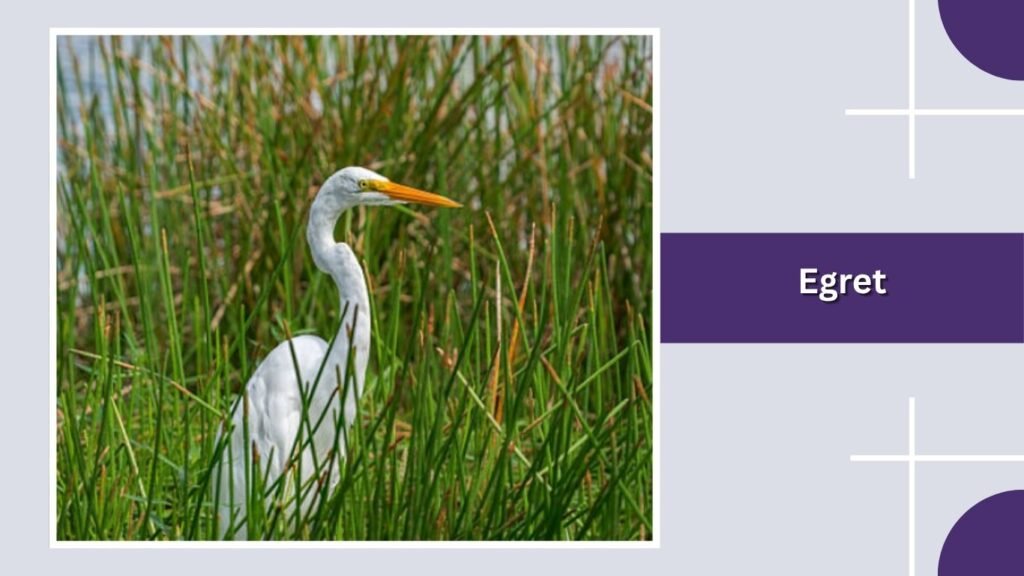
The egret is a graceful, long-legged bird closely related to herons and is well known for its elegant appearance and effective fishing skills. It is commonly seen wading in shallow water while hunting.
Identification
- Tall bird with long legs and neck
- Pure white feathers in most species
- Sharp, pointed beak (often yellow or black)
- Slender body with broad wings
- Slow and deliberate movements
Diet
Egrets mainly feed on fish, which form a large part of their diet. They also eat frogs, insects, and small aquatic creatures depending on what is available in their habitat.
Hunting
Egrets hunt by standing still or slowly walking in shallow water. They use patience to wait for prey, then strike quickly with their sharp beak to catch fish with precision.
Habitat
Egrets are found in wetlands, marshes, rivers, lakes, and coastal areas around the world. They prefer shallow water environments where they can easily spot and catch fish.
5. Cormorant
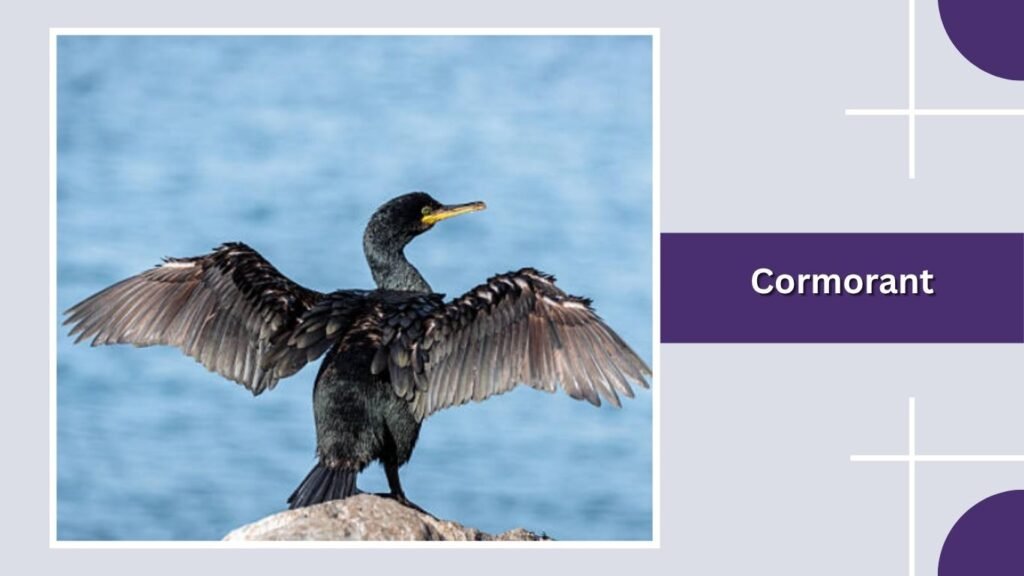
The cormorant is a skilled diving bird known for its excellent ability to catch fish underwater. It is commonly found near water bodies and often seen spreading its wings to dry after diving.
Identification
- Medium to large bird with a long neck
- Dark, often black or brown feathers
- Hooked beak for catching fish
- Webbed feet for strong swimming
- Slender body adapted for diving
Diet
Cormorants mainly feed on fish, which they catch underwater. They may also eat eels, crustaceans, and other aquatic animals depending on availability.
Hunting
Cormorants hunt by diving beneath the water surface and chasing fish using their powerful legs and webbed feet. They can stay underwater for a significant time and are very efficient hunters.
Habitat
Cormorants are found near oceans, rivers, lakes, and wetlands around the world. They prefer areas with abundant fish and suitable places for resting, such as rocks, trees, or shorelines.
6. Pelican
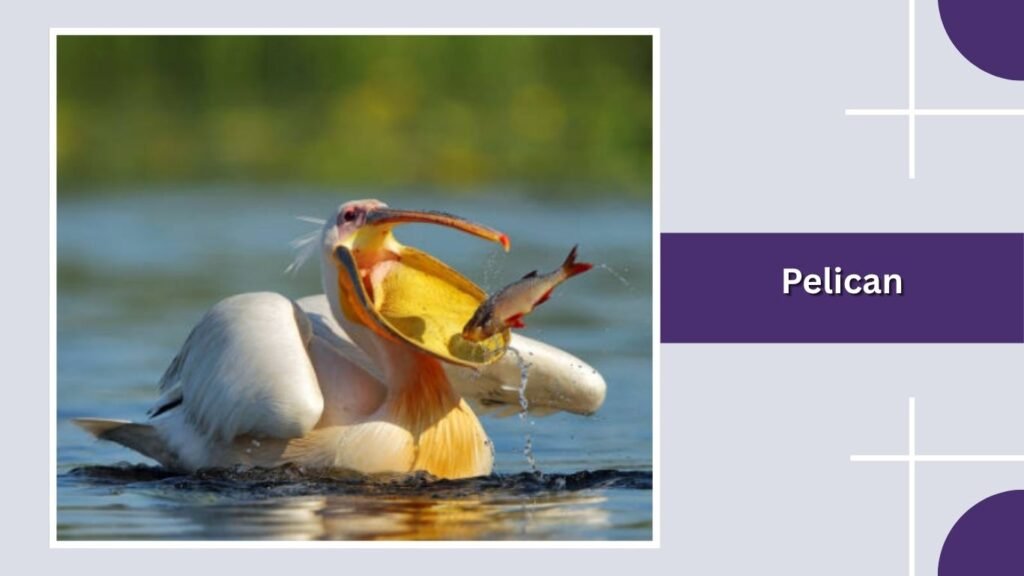
The pelican is a large water bird famous for its huge bill and expandable throat pouch, which it uses to catch fish. It is often seen in groups near water bodies and is a highly efficient fisher.
Identification
- Large bird with long wings
- Huge bill with a flexible throat pouch
- Mostly white or gray feathers
- Short legs with webbed feet
- Heavy body and broad wings
Diet
Pelicans mainly feed on fish, which make up the majority of their diet. They may also eat amphibians and small aquatic animals when available.
Hunting
Pelicans hunt by scooping fish into their throat pouch. Some species dive from the air, while others work together in groups to herd fish into shallow water for easier capture.
Habitat
Pelicans are found in lakes, rivers, coastal regions, and wetlands around the world. They prefer areas with plenty of fish and safe places for nesting, often living in large colonies.
7. Seagull
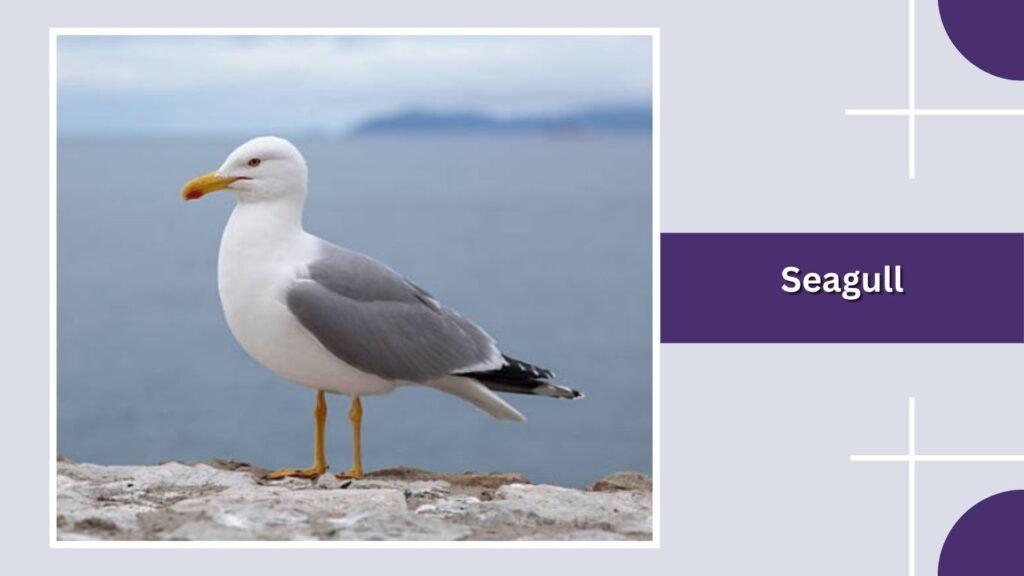
Seagulls are adaptable coastal birds known for their opportunistic feeding habits. While they eat a variety of foods, many species are skilled at catching fish near the water surface.
Identification
- Medium to large bird with long wings
- White and gray feathers with black markings
- Strong, slightly hooked beak
- Webbed feet for swimming
- Loud, distinctive calls
Diet
Seagulls are omnivores, but fish make up an important part of their diet. They also eat crustaceans, insects, small animals, and human food scraps when available.
Hunting
Seagulls hunt by flying over water and spotting fish near the surface. They either dive down to grab prey or pick fish while floating on the water. They may also steal food from other birds.
Habitat
Seagulls are commonly found along coastlines, beaches, and oceans. They also live near lakes, rivers, and even urban areas, showing strong adaptability to different environments.
8. Tern
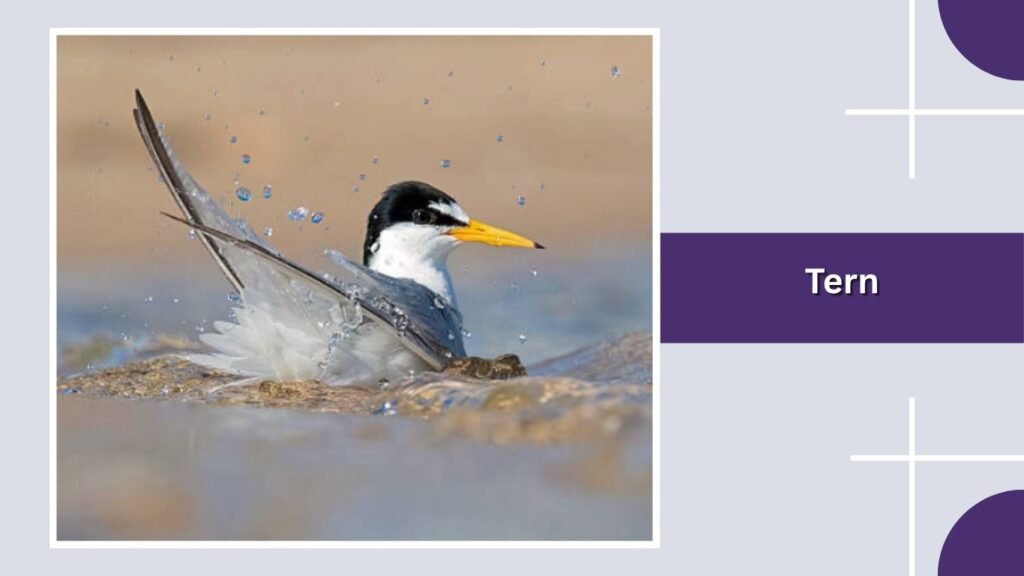
The tern is a slender, fast-flying seabird known for its excellent fishing skills and graceful flight. It is often seen hovering above water before diving to catch fish.
Identification
- Medium-sized bird with long, pointed wings
- Slender body with a forked tail
- Mostly white or light gray feathers
- Sharp, straight beak
- Agile and graceful flight
Diet
Terns mainly feed on small fish, which form the majority of their diet. They may also eat crustaceans and insects depending on availability.
Hunting
Terns hunt by flying above water and spotting fish near the surface. Once they locate prey, they dive sharply into the water to catch it with their beak, often emerging quickly with the fish.
Habitat
Terns are found in coastal areas, beaches, rivers, and lakes around the world. They prefer open water environments with plenty of fish and often nest in colonies on sandy or rocky shores.
9. Puffin
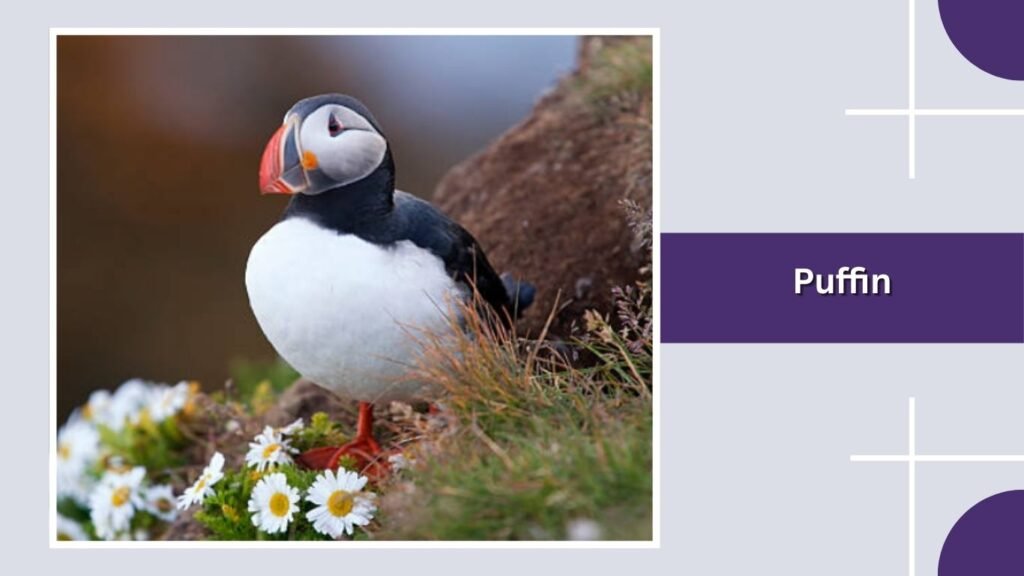
The puffin is a small seabird known for its colorful beak and excellent swimming ability. It is well adapted to catching fish underwater and is often seen in coastal regions.
Identification
- Small bird with a compact body
- Black and white feathers
- Bright, colorful beak (especially during breeding season)
- Short wings used for swimming
- Webbed feet for diving
Diet
Puffins mainly feed on small fish such as sand eels and herring. They can carry multiple fish in their beak at once, making them efficient feeders.
Hunting
Puffins hunt by diving underwater and using their wings to “fly” through the water. They chase fish with speed and agility, catching them with their beak before returning to the surface.
Habitat
Puffins are found along northern ocean coasts, especially in the North Atlantic. They live on rocky cliffs and islands, where they nest in burrows and spend much of their time at sea.
10. Anhinga
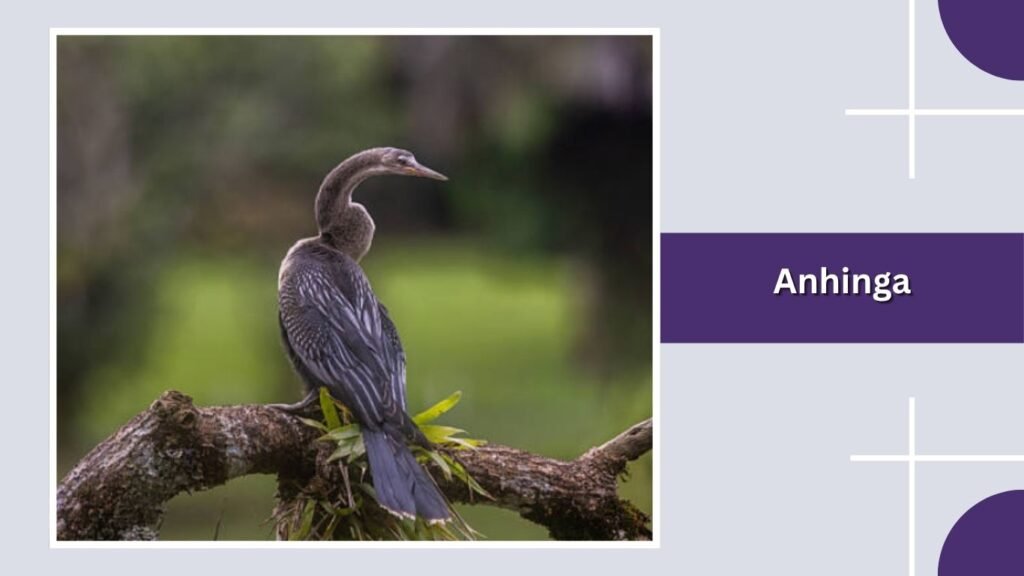
The anhinga is a unique water bird known for its snake-like neck and excellent diving ability. It is often seen swimming with only its neck above water while hunting fish.
Identification
- Medium to large bird with a long, slender neck
- Dark feathers with silver or white markings
- Sharp, pointed beak
- Long tail and slim body
- Often seen with wings spread out to dry
Diet
Anhingas mainly feed on fish, which make up most of their diet. They may also eat amphibians and small aquatic animals when available.
Hunting
Anhingas hunt by diving underwater and stalking fish silently. They use their sharp beak to spear prey with quick, precise movements, then bring it to the surface to swallow.
Habitat
Anhingas are found in warm freshwater environments such as lakes, rivers, swamps, and wetlands. They prefer calm waters with plenty of fish and nearby perches for drying their wings.
11. Bald Eagle
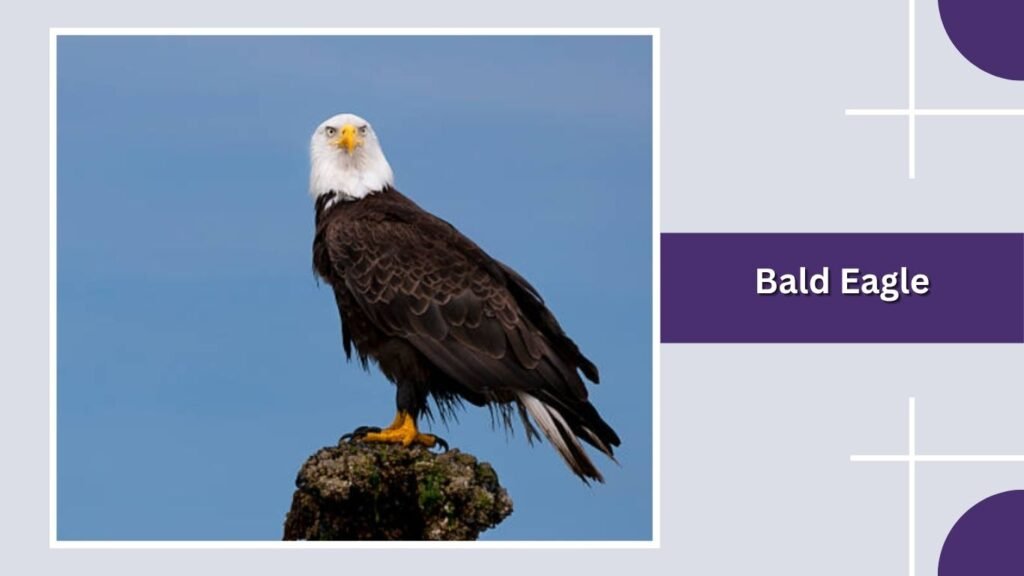
The bald eagle is a powerful bird of prey known for its strong fishing skills and sharp eyesight. It is commonly found near large bodies of water where fish are abundant.
Identification
- Large bird with broad wings
- White head and tail with a dark brown body
- Strong yellow hooked beak
- Sharp talons for catching prey
- Impressive wingspan
Diet
Bald eagles mainly feed on fish, which make up most of their diet. They also eat birds, small mammals, and carrion when necessary.
Hunting
They hunt by soaring high and spotting fish near the water surface. Once they see prey, they swoop down and grab it with their powerful talons. They may also steal fish from other birds.
Habitat
Bald eagles are found near lakes, rivers, and coastal areas across North America. They prefer habitats with abundant fish and tall trees or cliffs for nesting.
12. Penguin
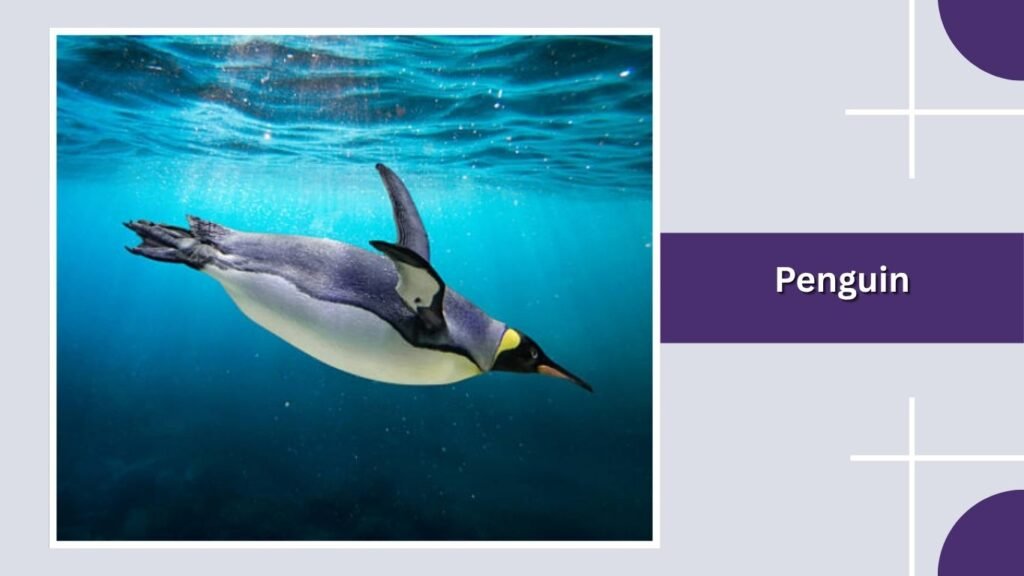
Penguins are flightless seabirds that are excellent swimmers and highly specialized for catching fish in the water. They use their flipper-like wings to move quickly underwater.
Identification
- Medium to large bird with a black and white body
- Upright posture on land
- Wings modified into flippers
- Short legs and webbed feet
- Streamlined body for swimming
Diet
Penguins mainly feed on fish, along with squid and krill. Their diet depends on the species and the availability of food in their environment.
Hunting
Penguins hunt by diving into the water and using their flippers to swim rapidly. They chase fish with agility and can dive deep, staying underwater for several minutes while hunting.
Habitat
Penguins are found mainly in the Southern Hemisphere, especially in Antarctica and surrounding regions. Some species also live in temperate coastal areas, always staying close to the ocean for food.
13. Merganser
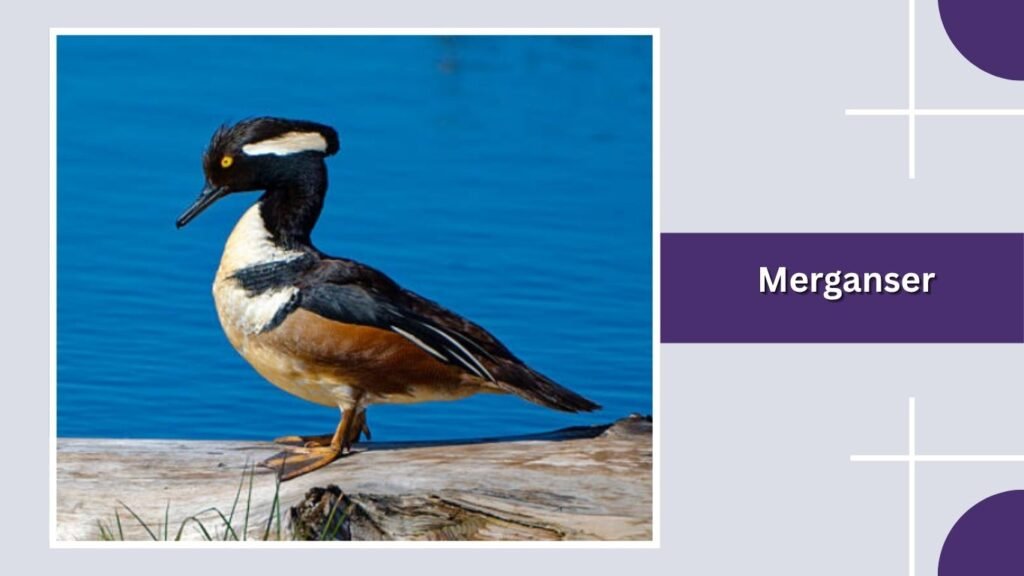
The merganser is a diving duck known for its slender body and specialized beak designed for catching fish. It is an excellent swimmer and is often seen in rivers and lakes.
Identification
- Medium-sized duck with a long, narrow body
- Thin, serrated beak for gripping fish
- Males often have a dark head with a greenish shine
- Females have a reddish-brown head
- Webbed feet for strong swimming
Diet
Mergansers mainly feed on fish, which make up most of their diet. They also eat crustaceans, insects, and small aquatic animals depending on availability.
Hunting
Mergansers hunt by diving underwater and chasing fish. They use their sharp, serrated beak to grip slippery prey and are highly efficient in catching fish in clear water.
Habitat
Mergansers are found near freshwater lakes, rivers, and coastal areas across North America, Europe, and Asia. They prefer clear water where fish are easy to spot and catch.
FAQs
What are fish-eating birds called?
Fish-eating birds are commonly called piscivorous birds. These birds primarily rely on fish as their main food source. Examples include ospreys, pelicans, and kingfishers, all of which have special adaptations that help them catch and eat fish efficiently.
How do fish-eating birds catch fish?
Fish-eating birds use different hunting techniques. Some dive from the air like ospreys, others swim underwater like penguins, and some stand still and strike quickly like herons. Their methods depend on their body structure and habitat.
Do all water birds eat fish?
No, not all water birds eat fish. Some birds that live near water feed on plants, insects, or small animals instead. Fish-eating birds are specifically adapted with features like sharp beaks or strong talons for catching fish.
Why do fish-eating birds have long beaks?
Many fish-eating birds have long, sharp beaks to help them catch slippery fish. These beaks allow them to grab, spear, or hold onto prey easily, making their hunting more effective in water environments.
Where do most fish-eating birds live?
Most fish-eating birds live near water sources such as lakes, rivers, oceans, and wetlands. These habitats provide easy access to fish, which is their primary food source, and also offer safe nesting areas nearby.
