
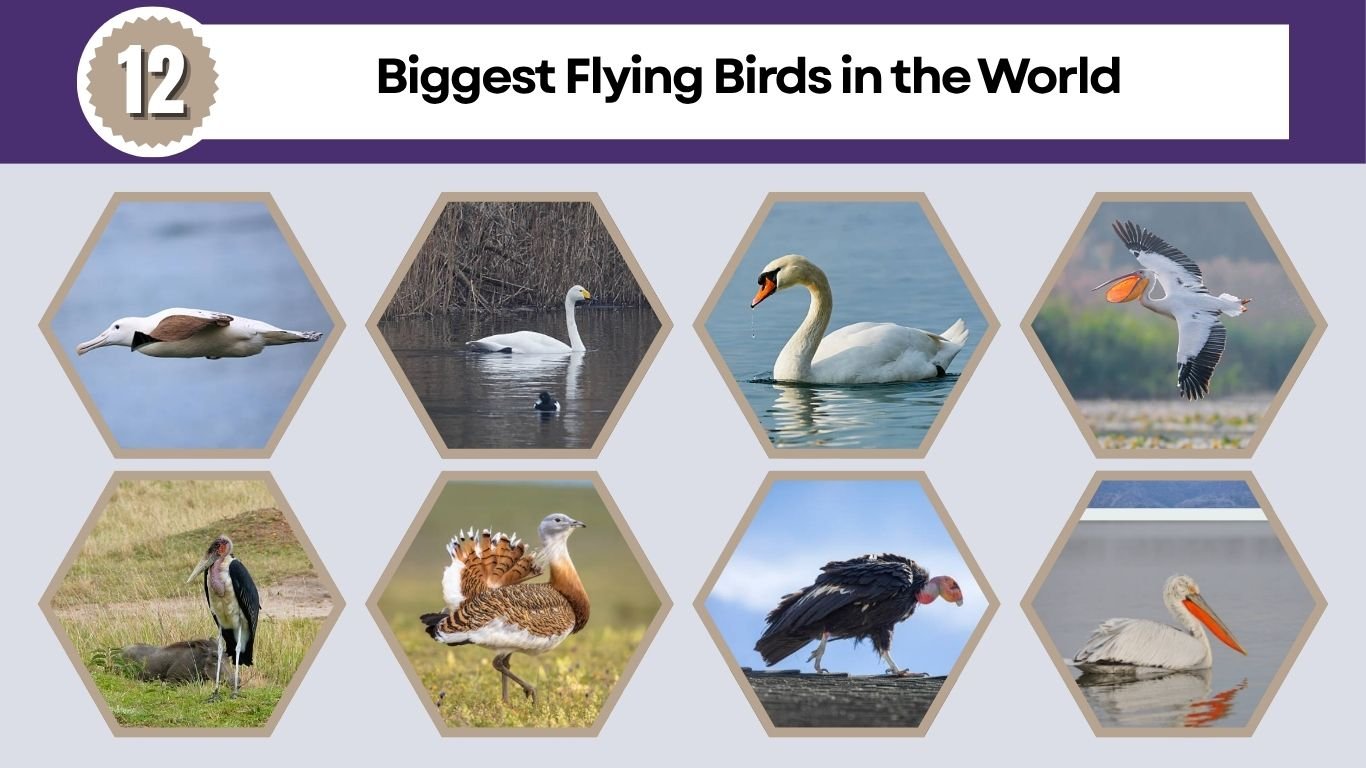
The sky is home to some truly massive and powerful birds that combine size with the ability to fly. These giant birds have evolved strong wings, lightweight bones, and efficient flight techniques to stay airborne despite their large bodies. From the legendary wandering albatross with its record-breaking wingspan to heavy species like bustards and swans, each bird has unique adaptations. In this guide, you’ll explore 12 of the biggest flying birds in the world, including their size, diet, habitat, and key identification features.
1. Wandering Albatross
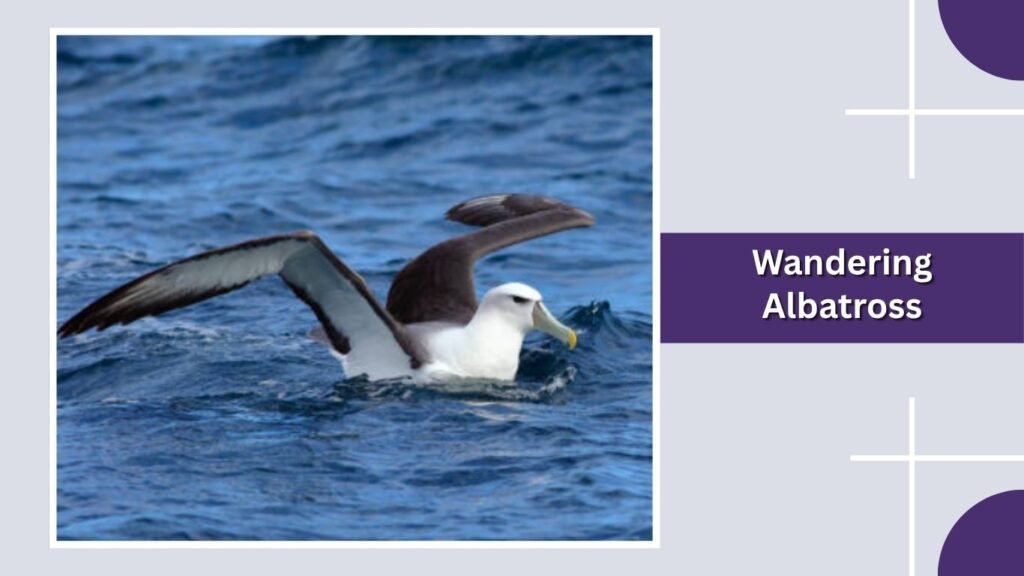
The wandering albatross is the largest flying bird in the world, famous for having the longest wingspan of any bird. It is an expert glider, spending most of its life soaring over open oceans with minimal effort.
Identification
- Extremely long, narrow wings
- White body with black markings on wings
- Long, pinkish hooked beak
- Short tail and large body
- Smooth, gliding flight style
Size
Wandering albatrosses can have a wingspan of up to 10 to 12 feet (3 to 3.7 meters), the largest of any bird. They typically weigh between 6 to 12 kilograms (13 to 26 pounds), making them one of the heaviest flying birds.
Diet
They are carnivores and mainly feed on squid, fish, and crustaceans. They usually catch prey from the ocean surface and may also scavenge when food is available.
Habitat
Wandering albatrosses are found in the Southern Ocean, especially around Antarctica and sub-Antarctic islands. They spend most of their lives at sea and only return to remote islands for breeding.
2. Andean Condor
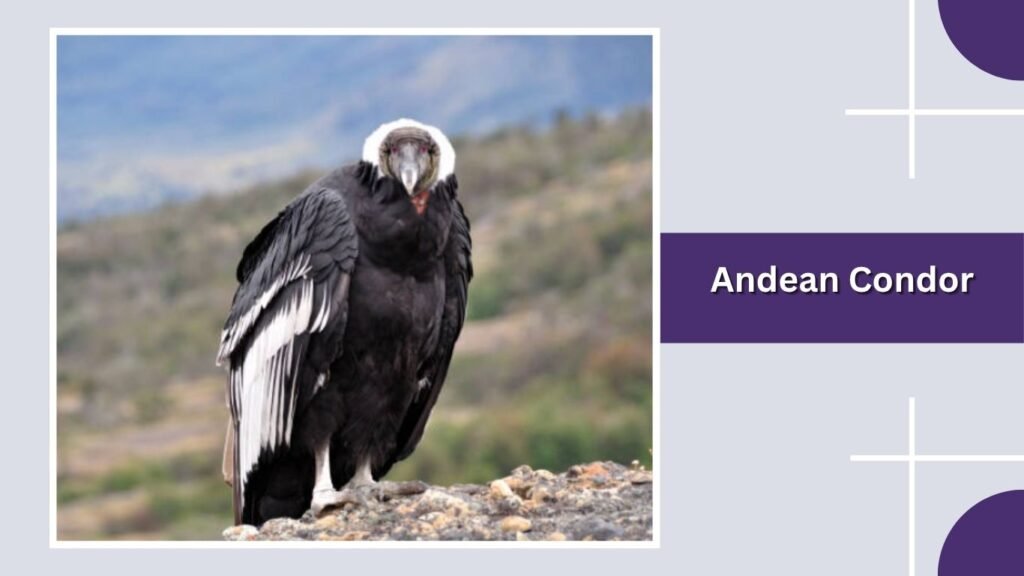
The Andean condor is one of the largest flying birds in the world, known for its massive wingspan and ability to soar for hours without flapping. It is a powerful scavenger and an iconic species of South America.
Identification
- Very large bird with broad wings
- Black body with white patches on the wings
- Featherless head and neck
- Males have a noticeable crest
- Strong hooked beak
Size
Andean condors can reach a wingspan of up to 10.5 feet (3.2 meters). They typically weigh between 8 to 15 kilograms (17 to 33 pounds), making them one of the heaviest flying birds.
Diet
They are scavengers and mainly feed on carrion (dead animals). Their diet includes large mammals such as deer and livestock. They rely on keen eyesight to locate food from high altitudes.
Habitat
Andean condors are found in the Andes Mountains of South America. They prefer open grasslands, cliffs, and mountainous regions where they can soar using rising air currents and nest on high rocky ledges.
3. California Condor
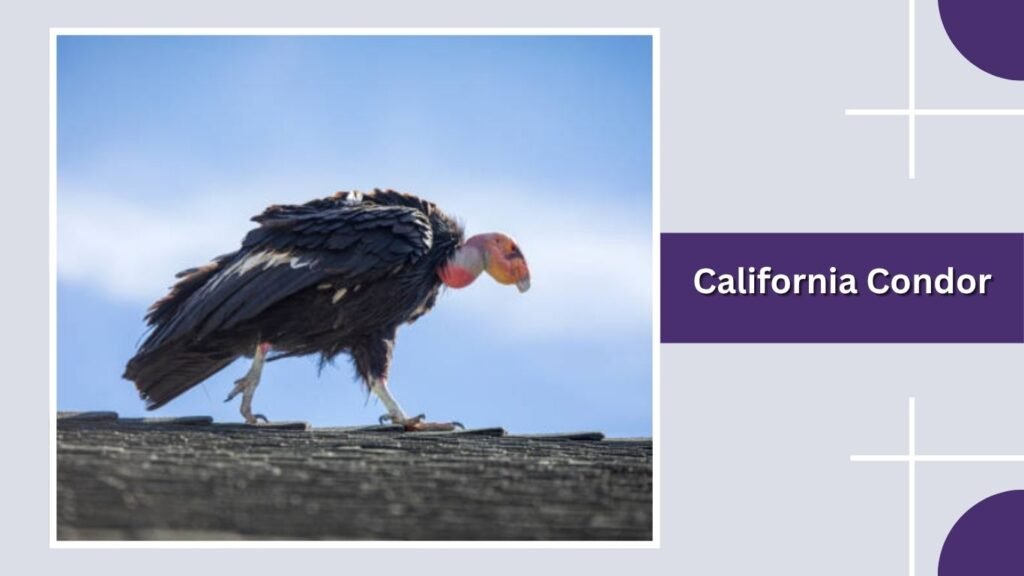
The California condor is one of the largest flying birds in North America and is well known for its impressive wingspan and successful conservation efforts. Once critically endangered, it has made a remarkable comeback in the wild.
Identification
- Large bird with broad wings
- Black body with white patches under the wings
- Bald head with pinkish-orange skin
- Long, hooked beak
- Heavy body with wide wingspan
Size
California condors can have a wingspan of up to 9.5 feet (2.9 meters). They typically weigh between 7 to 14 kilograms (15 to 31 pounds), making them one of the heaviest flying birds in North America.
Diet
They are scavengers and mainly feed on carrion (dead animals). Their diet includes large mammals such as deer and cattle. They play an important role in the ecosystem by cleaning up animal remains.
Habitat
California condors are found in parts of California, Arizona, and Utah. They prefer rocky cliffs, canyons, and open landscapes where they can soar easily and nest in high, secluded areas.
4. Dalmatian Pelican
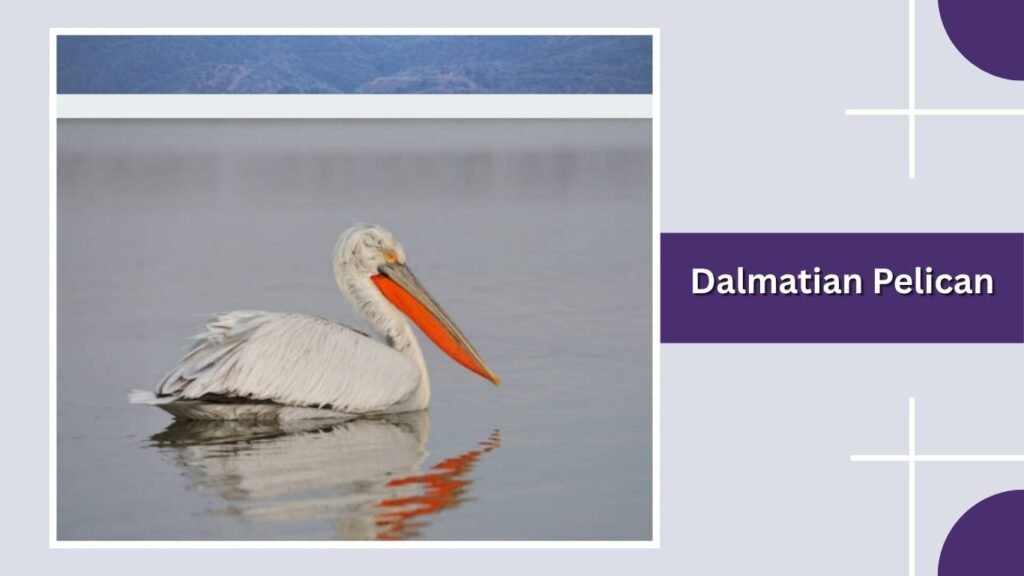
The Dalmatian pelican is one of the largest and heaviest flying birds in the world. It is known for its massive bill and impressive wingspan, making it a dominant presence in wetland ecosystems.
Identification
- Very large bird with pale gray-white feathers
- Curly feathers on the head during breeding season
- Huge orange-red bill with a throat pouch
- Broad wings and bulky body
- Short legs with webbed feet
Size
Dalmatian pelicans can reach a wingspan of up to 11 feet (3.3 meters). They typically weigh between 10 to 15 kilograms (22 to 33 pounds), making them among the heaviest flying birds.
Diet
They mainly feed on fish, which they catch using their large bill and expandable pouch. Occasionally, they may eat small aquatic animals. They often hunt in groups for better success.
Habitat
Dalmatian pelicans are found in lakes, rivers, and wetlands across Europe and Asia. They prefer shallow waters with plenty of fish and quiet areas for nesting, often forming colonies in protected regions.
5. Great White Pelican
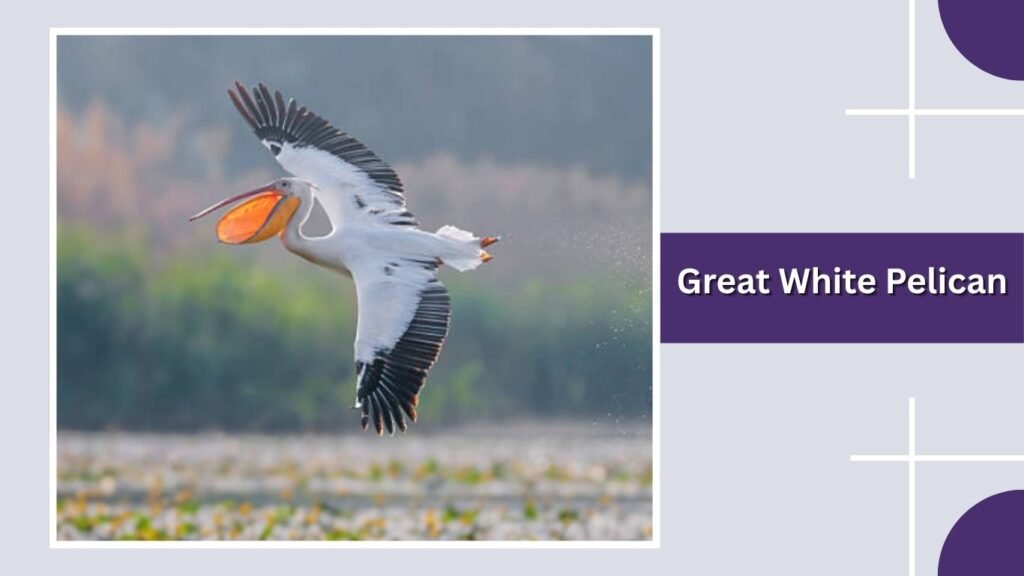
The great white pelican is one of the largest flying birds, known for its huge wingspan and distinctive feeding behavior. It is a social bird that often lives and hunts in groups near water bodies.
Identification
- Large white bird with black flight feathers
- Long, flat bill with a large throat pouch
- Broad wings and heavy body
- Short legs with webbed feet
- Yellowish bill and facial skin
Size
Great white pelicans can have a wingspan of up to 9 to 11 feet (2.7 to 3.4 meters). They typically weigh between 9 to 15 kilograms (20 to 33 pounds), making them among the heaviest flying birds.
Diet
They mainly feed on fish, which they catch using their large throat pouch. They often work together in groups to herd fish into shallow water, making it easier to catch prey.
Habitat
Great white pelicans are found in freshwater lakes, rivers, wetlands, and coastal regions across Africa, Europe, and Asia. They prefer warm climates and areas with abundant fish and safe nesting sites.
6. Mute Swan
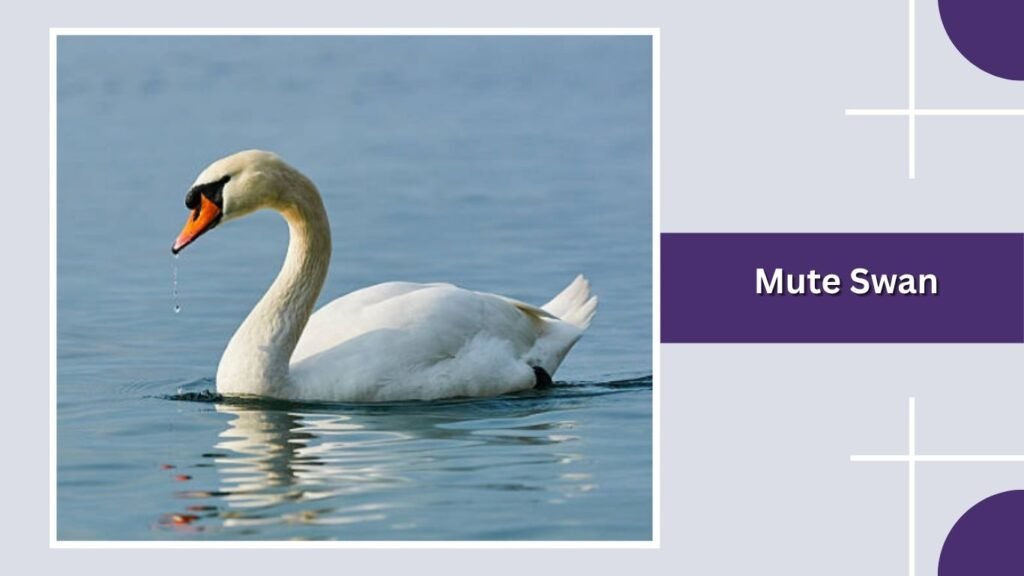
The mute swan is one of the largest and heaviest flying birds, known for its graceful appearance and strong wings. It is commonly found across Europe and parts of Asia, often seen gliding elegantly on calm waters.
Identification
- Large white bird with a long curved neck
- Bright orange bill with a black knob at the base
- Broad wings and heavy body
- Black facial markings
- Smooth, elegant posture
Size
Mute swans can have a wingspan of up to 8 to 10 feet (2.4 to 3 meters). They typically weigh between 9 to 15 kilograms (20 to 33 pounds), making them one of the heaviest flying birds.
Diet
They are herbivores and mainly feed on aquatic plants, algae, and grasses. Occasionally, they may eat small insects or aquatic creatures. They forage by dipping their long necks underwater.
Habitat
Mute swans are found in lakes, ponds, rivers, and wetlands across Europe and parts of Asia. They prefer calm freshwater environments with plenty of vegetation and are also commonly seen in parks and gardens.
7. Trumpeter Swan
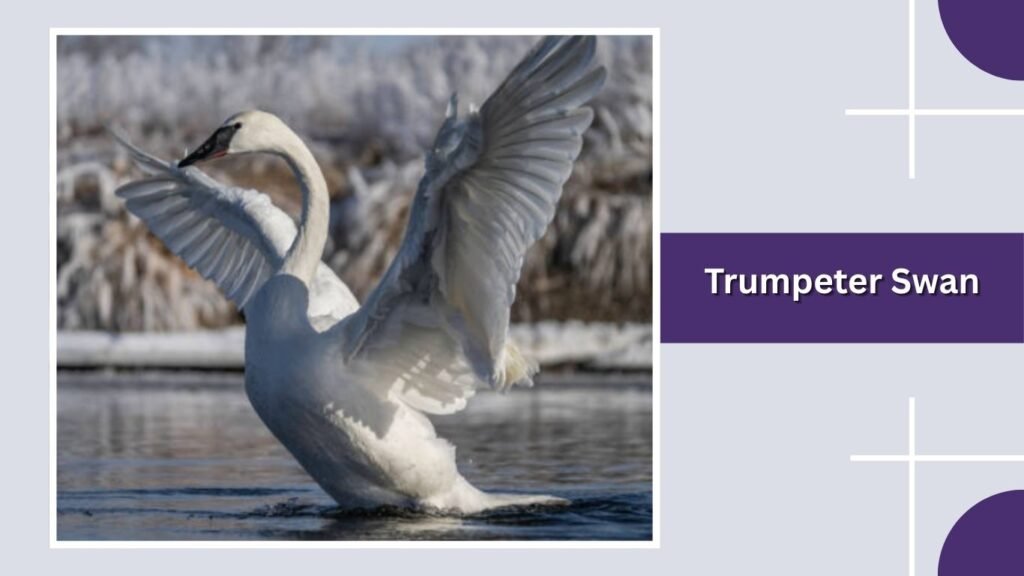
The trumpeter swan is the largest native waterfowl in North America and one of the heaviest flying birds in the world. It is known for its powerful wings and loud, trumpet-like call.
Identification
- Large white bird with a long, straight neck
- Black bill and facial skin
- Broad wings and heavy body
- Smooth white plumage
- Strong, graceful posture
Size
Trumpeter swans can have a wingspan of up to 8 to 10 feet (2.4 to 3 meters). They typically weigh between 7 to 14 kilograms (15 to 31 pounds), making them one of the heaviest flying birds in North America.
Diet
They are herbivores and mainly feed on aquatic plants, roots, and grasses. They may also eat small invertebrates occasionally. They forage in shallow water using their long necks.
Habitat
Trumpeter swans are found in North America, especially in Alaska, Canada, and parts of the northern United States. They prefer lakes, ponds, wetlands, and slow-moving rivers with abundant vegetation.
8. Kori Bustard
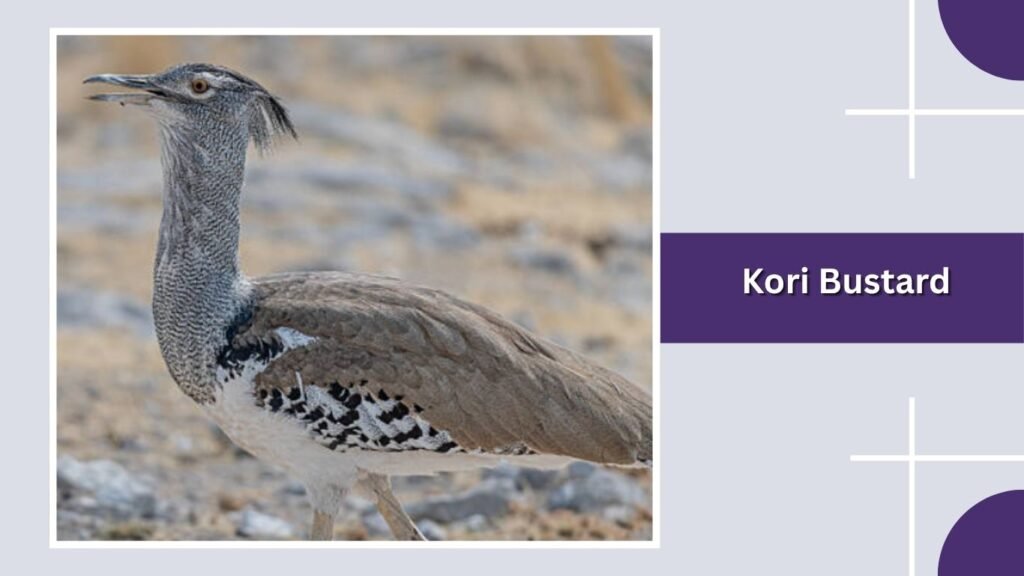
The kori bustard is one of the heaviest flying birds in the world and is native to Africa. Although capable of flight, it spends most of its time walking on the ground and flying only when necessary.
Identification
- Very large bird with a bulky body
- Brown and gray patterned feathers
- Long legs and thick neck
- Small head with a strong beak
- Broad wings used for short flights
Size
Kori bustards typically grow about 3 to 4 feet (0.9 to 1.2 meters) tall. They usually weigh between 10 to 19 kilograms (22 to 42 pounds), making them among the heaviest birds capable of flight.
Diet
They are omnivores and eat a wide variety of food. Their diet includes insects, small reptiles, seeds, berries, and plant material. They mainly forage on the ground in open areas.
Habitat
Kori bustards are found in grasslands, savannas, and open plains across eastern and southern Africa. They prefer dry, open environments where they can move freely and easily spot predators.
9. Great Bustard
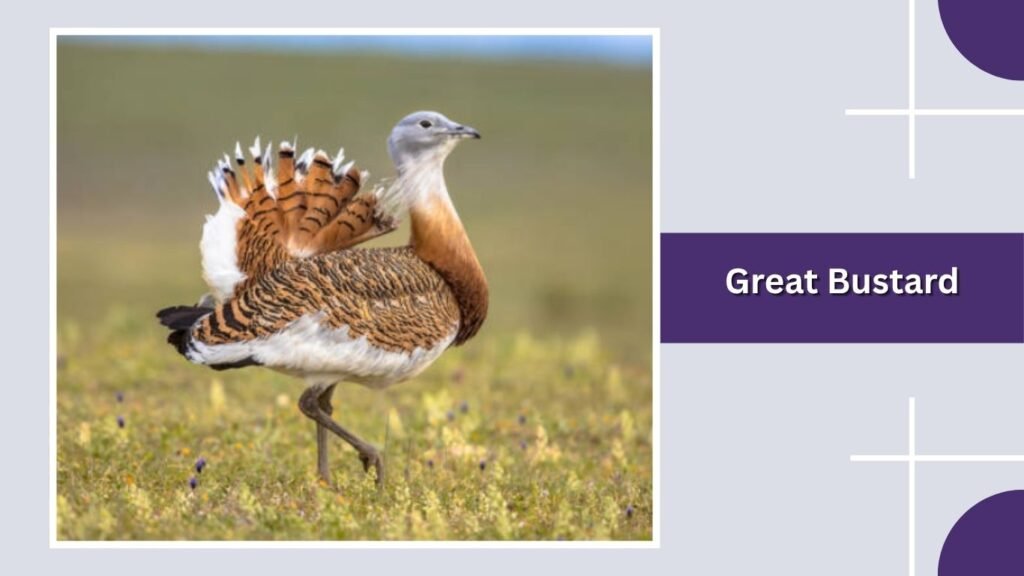
The great bustard is one of the heaviest flying birds in the world, known for its large size and strong, though limited, flight. It is native to parts of Europe and Asia and is often found in open landscapes.
Identification
- Very large bird with a bulky body
- Brown and white patterned feathers
- Long neck and sturdy legs
- Males have a distinctive “beard” of feathers
- Broad wings for flight
Size
Great bustards can grow about 3 to 4 feet (0.9 to 1.2 meters) tall. They typically weigh between 8 to 18 kilograms (17 to 40 pounds), making them one of the heaviest flying birds.
Diet
They are omnivores and feed on a variety of foods. Their diet includes seeds, grains, insects, small reptiles, and plant material. They forage mostly on the ground in open fields.
Habitat
Great bustards are found in grasslands, steppes, and agricultural fields across Europe and Asia. They prefer wide, open areas with low vegetation where they can move freely and detect predators easily.
10. Marabou Stork
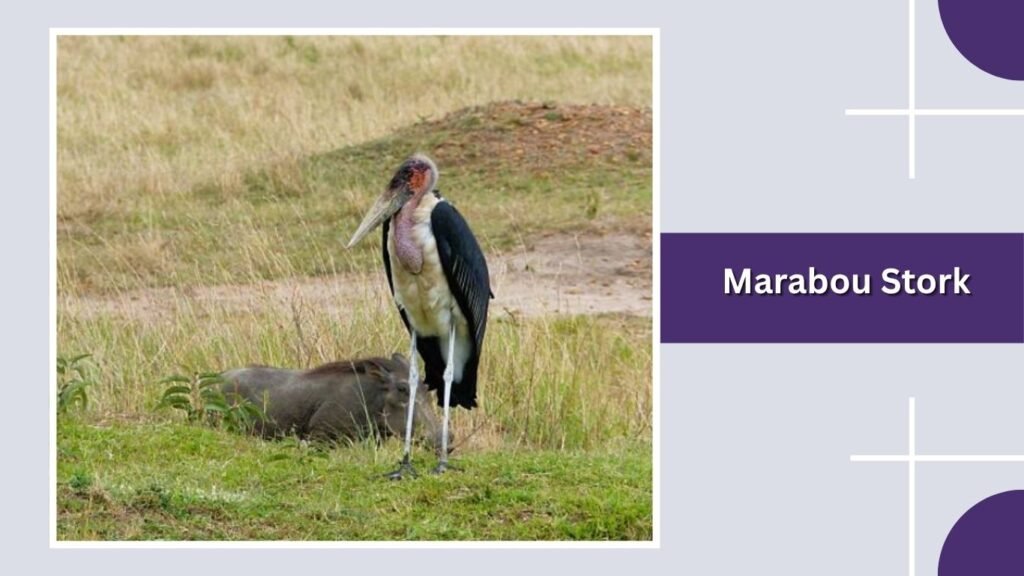
The marabou stork is one of the largest flying birds in Africa, known for its massive size and scavenging behavior. It has a unique appearance and often gathers near carcasses or human settlements.
Identification
- Very large bird with long legs and neck
- Bald head and neck with pinkish skin
- Large, heavy bill
- Black back with white underparts
- Distinct throat pouch
Size
Marabou storks can reach a height of about 4 to 5 feet (1.2 to 1.5 meters) and have a wingspan of up to 10.5 feet (3.2 meters). They typically weigh between 4.5 to 9 kilograms (10 to 20 pounds).
Diet
They are scavengers and mainly feed on carrion. Their diet also includes fish, small animals, and waste from human areas. They play an important role in cleaning up dead matter in their environment.
Habitat
Marabou storks are found across sub-Saharan Africa. They prefer wetlands, riverbanks, savannas, and even urban areas. They often gather near water sources or places where food is easily available.
11. Whooper Swan

The whooper swan is a large and powerful flying bird known for its strong wings and loud, trumpeting calls. It is closely related to the mute swan but is more vocal and migratory in nature.
Identification
- Large white bird with a long, straight neck
- Yellow and black bill
- Broad wings and heavy body
- Smooth white plumage
- Upright and alert posture
Size
Whooper swans can have a wingspan of up to 7.5 to 9 feet (2.25 to 2.7 meters). They typically weigh between 7 to 12 kilograms (15 to 26 pounds), making them one of the largest flying swans.
Diet
They are herbivores and mainly feed on aquatic plants, grasses, and roots. Occasionally, they may consume small aquatic animals. They forage in shallow water using their long necks.
Habitat
Whooper swans are found across northern Europe and Asia. They prefer lakes, rivers, wetlands, and coastal areas. These birds migrate seasonally, moving to warmer regions during winter.
12. Southern Royal Albatross
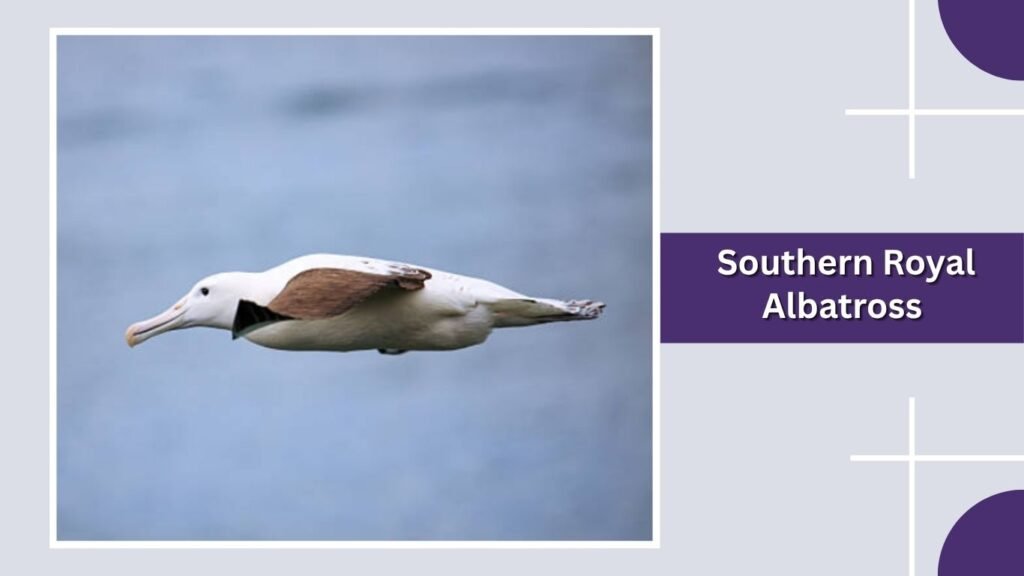
The southern royal albatross is one of the largest flying birds in the world, known for its enormous wingspan and effortless gliding over oceans. It spends most of its life at sea, rarely coming to land except for breeding.
Identification
- Very large bird with long, narrow wings
- Mostly white body with black upper wings
- Large, pale pink hooked beak
- Short tail and streamlined body
- Smooth gliding flight
Size
Southern royal albatrosses can have a wingspan of up to 9.5 to 11 feet (2.9 to 3.4 meters). They typically weigh between 6 to 10 kilograms (13 to 22 pounds), making them one of the heaviest flying birds.
Diet
They mainly feed on squid, fish, and small marine animals. They catch prey from the ocean surface and sometimes dive shallowly to capture food.
Habitat
Southern royal albatrosses are found in the Southern Ocean, especially around New Zealand and sub-Antarctic islands. They spend most of their lives flying over open seas and return to remote islands for nesting and breeding.
FAQs
Which is the largest flying bird in the world?
The wandering albatross is considered the largest flying bird, mainly due to its massive wingspan, which can reach up to 12 feet. This incredible wingspan allows it to glide over oceans for long distances with minimal effort.
Are the heaviest birds able to fly?
Yes, some heavy birds like the kori bustard and great bustard can fly, but they do so with effort. Their large body weight makes takeoff harder, so they prefer walking and only fly when necessary.
Why do large birds have long wingspans?
Large birds need long wingspans to generate enough lift to support their body weight. Wider wings help them glide efficiently and reduce the need for constant flapping, saving energy during flight.
What do the biggest flying birds usually eat?
Most large flying birds have diets that include fish, small animals, or carrion. For example, albatrosses eat marine life, while condors are scavengers that feed on dead animals. Their diet depends on their habitat.
Where are most large flying birds found?
Big flying birds are found worldwide, especially in open environments like oceans, mountains, and grasslands. Many species prefer areas with strong air currents, which help them soar easily and conserve energy.
