

Pelicans are large, majestic waterbirds known for their long bills and expandable throat pouches used for catching fish. Found across coastal and inland waters worldwide, each pelican species has unique features, behaviors, and habitats. In this guide, you’ll explore eight types of pelican birds and learn how to identify them based on their key characteristics.
1. American White Pelican
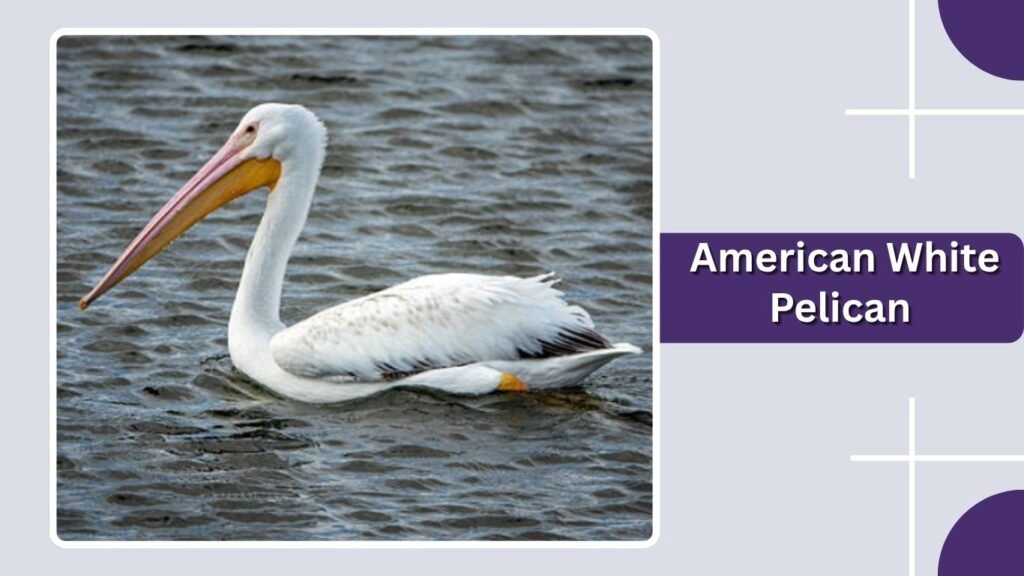
The American White Pelican is one of the largest flying birds in North America, known for its impressive wingspan and bright white plumage. Unlike some other pelicans, it does not dive for food but instead uses cooperative feeding techniques. This species is commonly seen in inland lakes and wetlands.
Identification
- Large white body with black flight feathers visible in wings
- Long orange bill with a throat pouch
- Prominent horn-like growth on the bill during breeding season
- Short tail and broad wings
- Pale orange legs and feet
Habitat
American White Pelicans prefer inland freshwater habitats such as lakes, marshes, and reservoirs. They are also found in coastal areas during migration and winter. These birds require open water and isolated nesting sites for safety.
Behavior
This species is highly social and often seen in large flocks. They are known for cooperative feeding, where groups work together to herd fish into shallow water. Their flight is graceful, often soaring in circles using warm air currents.
Diet
Their diet mainly consists of fish, but they may also eat amphibians and small aquatic animals. Unlike diving pelicans, they scoop up prey while swimming on the water’s surface.
Breeding
American White Pelicans nest in colonies on isolated islands or remote shorelines. The female typically lays 1–3 eggs. Both parents share incubation duties and care for the chicks, which often gather in groups called pods for protection.
2. Brown Pelican
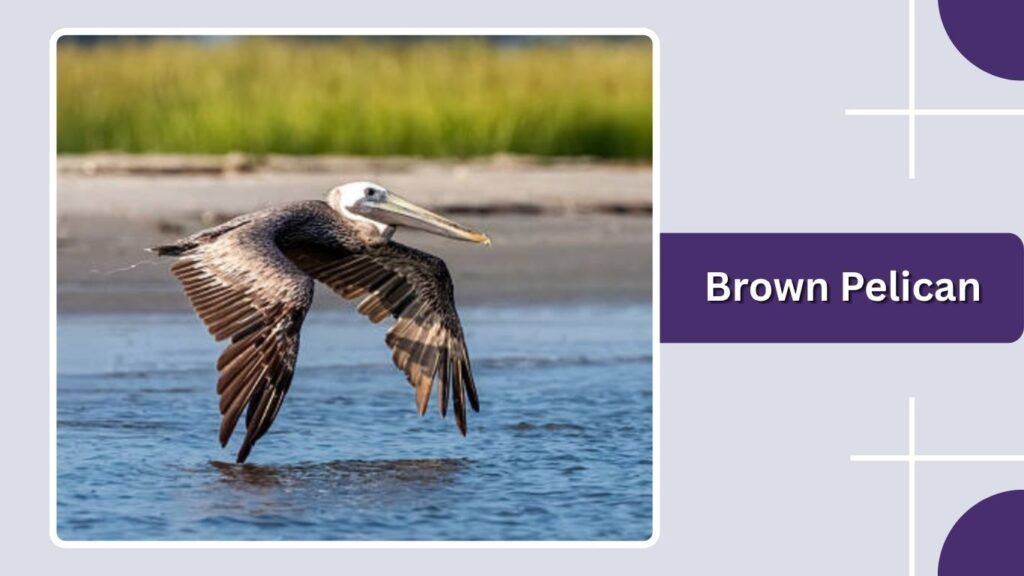
The Brown Pelican is a coastal bird well known for its dramatic diving behavior and skillful fishing techniques. Found along shorelines in the Americas, it is smaller than some other pelican species but highly adapted to marine life. Its unique feeding style makes it one of the most recognizable pelicans.
Identification
- Dark brown body with a lighter head and neck
- Long grayish bill with a large throat pouch
- Yellowish head in breeding adults
- Short legs and webbed feet
- Compact body compared to other pelicans
Habitat
Brown Pelicans are commonly found in coastal areas such as beaches, estuaries, and mangroves. They rarely venture far inland and prefer saltwater environments where fish are abundant.
Behavior
This species is famous for plunge-diving from the air into water to catch fish. They are often seen flying in lines just above the water’s surface. Brown Pelicans are social and may gather in groups, especially around feeding areas.
Diet
Their diet mainly consists of fish such as anchovies and sardines. They catch prey by diving from heights and scooping fish into their expandable throat pouch.
Breeding
Brown Pelicans nest in colonies, usually on islands or coastal trees. The female typically lays 2–3 eggs. Both parents take part in incubation and feeding the chicks, ensuring their survival in coastal habitats.
3. Great White Pelican
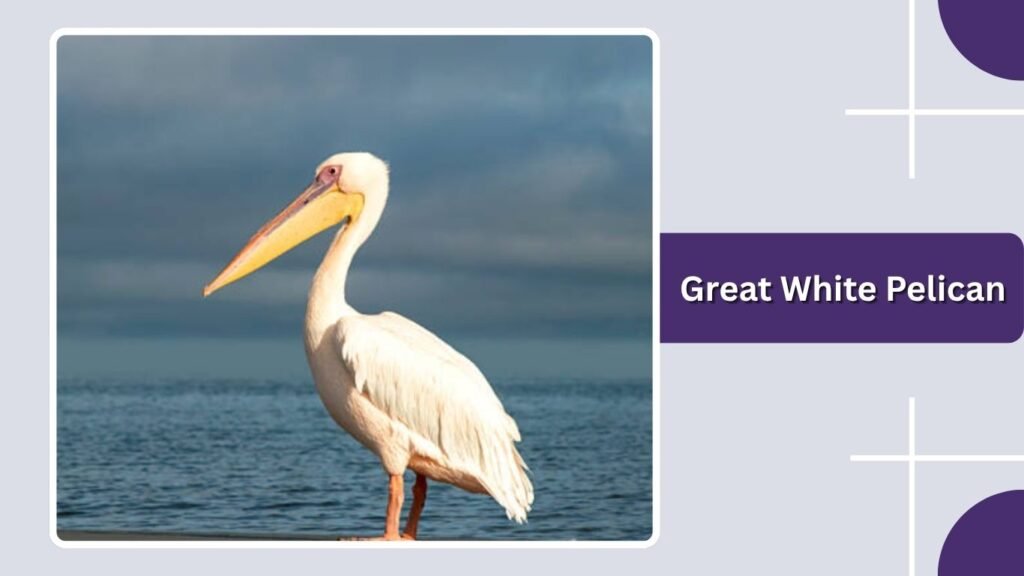
The Great White Pelican is a large and powerful waterbird found across parts of Europe, Asia, and Africa. It is known for its massive wingspan and bright white plumage. This species prefers warm regions and is often seen gliding gracefully over lakes and wetlands.
Identification
- Large white body with pinkish tones
- Black flight feathers visible during flight
- Long pale pink bill with a large throat pouch
- Yellowish facial skin around the eyes
- Short legs with webbed feet
Habitat
Great White Pelicans inhabit shallow lakes, marshes, and inland wetlands. They are also found in coastal regions such as lagoons and deltas. These birds prefer areas with calm water and abundant fish supplies.
Behavior
They are highly social birds, often forming large flocks for feeding and breeding. Great White Pelicans feed cooperatively, working together to herd fish into shallow water. Their flight is strong and steady, often in groups or V-shaped formations.
Diet
Their diet mainly includes fish, which they catch using their large throat pouch. They may also eat amphibians and small aquatic creatures when available.
Breeding
Great White Pelicans breed in large colonies, usually on islands or near water bodies. Nests are built on the ground using vegetation. The female typically lays 1–3 eggs, and both parents share incubation and chick-rearing responsibilities.
4. Australian Pelican
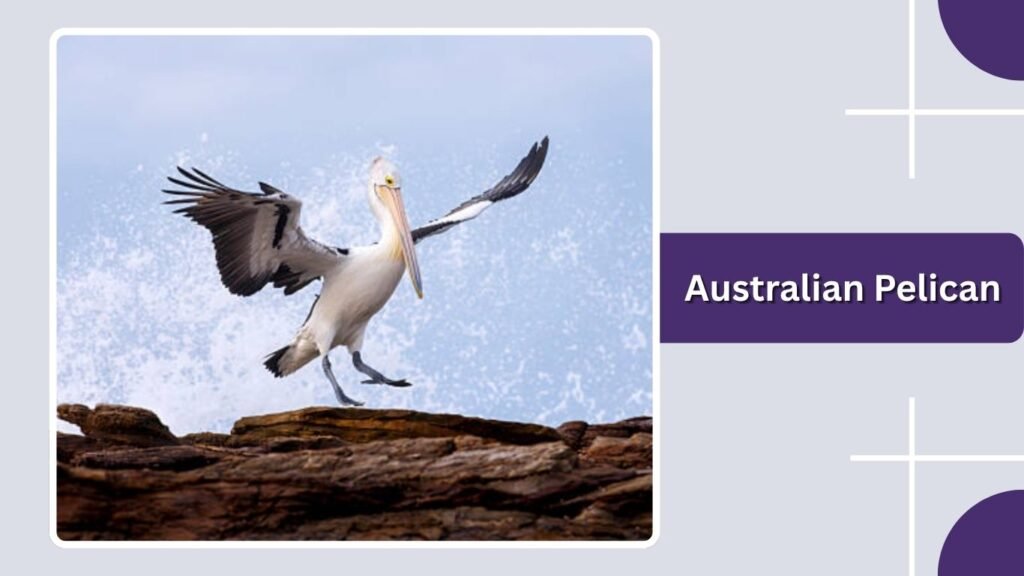
The Australian Pelican is one of the most recognizable pelican species, known for its exceptionally long bill—the longest of any bird. Native to Australia and nearby regions, it is highly adaptable and can be found in a wide range of aquatic environments, from inland lakes to coastal waters.
Identification
- White plumage with black markings on wings
- Extremely long pale pink bill with a large throat pouch
- Bare facial skin around the eyes
- Long neck and large body
- Pale pink legs and webbed feet
Habitat
Australian Pelicans inhabit lakes, rivers, estuaries, and coastal waters. They are highly adaptable and can thrive in both freshwater and saltwater environments. These birds often move to areas where water and food are abundant, especially after rainfall.
Behavior
They are social birds, commonly seen in flocks. Australian Pelicans are strong fliers and can travel long distances in search of food. They usually feed in groups, sometimes working together to herd fish into shallow areas.
Diet
Their diet mainly consists of fish, but they may also eat crustaceans and small aquatic animals. They catch prey by scooping it up with their large bill and throat pouch while swimming.
Breeding
Breeding often depends on water conditions and food availability. They nest in colonies on islands or remote shorelines. The female typically lays 1–3 eggs, and both parents are involved in incubation and caring for the chicks.
5. Pink-backed Pelican
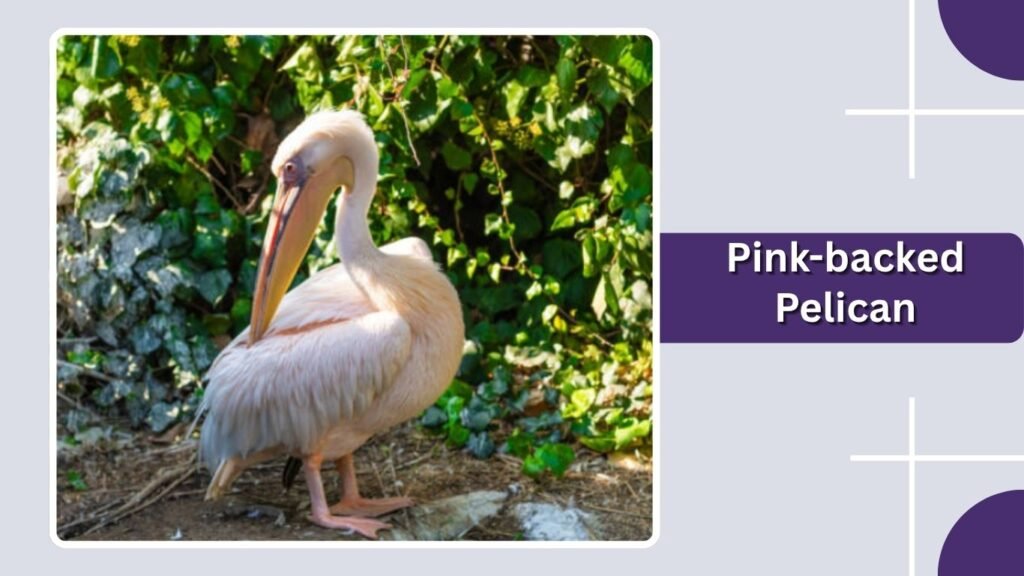
The Pink-backed Pelican is a medium-sized pelican species commonly found across sub-Saharan Africa. It gets its name from the soft pink hue visible on its back, especially during the breeding season. This species is often seen near calm waters where it feeds and nests in groups.
Identification
- Grayish-white plumage with a pinkish back
- Long bill with a large throat pouch
- Pale face with a slightly yellowish tone
- Smaller and more compact than many other pelicans
- Short legs with webbed feet
Habitat
Pink-backed Pelicans prefer freshwater habitats such as lakes, rivers, and wetlands. They are also found in swamps and slow-moving waters. These birds favor areas with plenty of fish and nearby trees for nesting.
Behavior
They are social birds, usually seen in small to medium-sized groups. Unlike some pelicans, they do not dive for food but instead scoop fish while swimming. They are generally quiet but may become more active and vocal during breeding.
Diet
Their diet mainly consists of fish, along with occasional amphibians. They catch prey by dipping their bill into the water and using their pouch to scoop it up.
Breeding
Pink-backed Pelicans nest in colonies, often building their nests in trees near water. The female usually lays 2–3 eggs. Both parents share incubation duties and take care of the chicks until they are ready to leave the nest.
6. Dalmatian Pelican
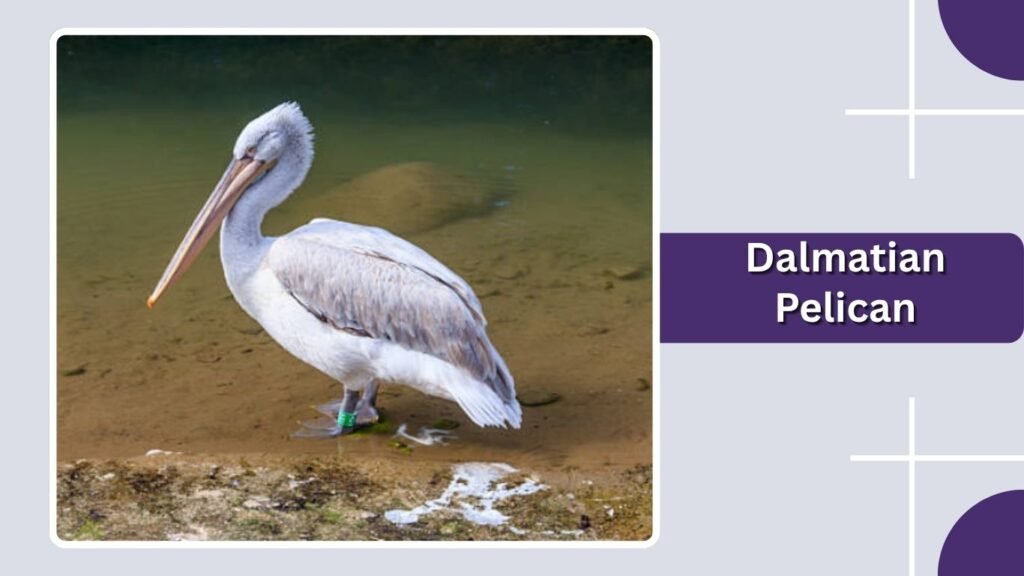
The Dalmatian Pelican is one of the largest pelican species in the world, known for its massive size and distinctive curly feathers on the back of its head. It is mainly found in parts of Europe and Asia and prefers quiet, undisturbed wetlands for breeding and feeding.
Identification
- Silvery-white to pale gray plumage
- Large orange-red bill with a prominent throat pouch
- Curly feathers on the nape forming a shaggy crest
- Massive body with broad wings
- Gray legs and webbed feet
Habitat
Dalmatian Pelicans inhabit freshwater lakes, marshes, and river deltas. They prefer remote wetlands with minimal human disturbance, especially during the breeding season. These habitats provide both food and safe nesting areas.
Behavior
They are generally social birds but may be seen alone or in small groups. Dalmatian Pelicans are strong fliers and often soar gracefully. They feed by swimming and scooping fish rather than diving from the air.
Diet
Their diet mainly includes fish, which they catch using their large bill and expandable pouch. They may also consume small aquatic animals when fish are less available.
Breeding
Dalmatian Pelicans breed in colonies, usually on isolated islands or floating vegetation. Nests are built on the ground using reeds and sticks. The female typically lays 1–2 eggs, and both parents share incubation and chick care.
7. Peruvian Pelican
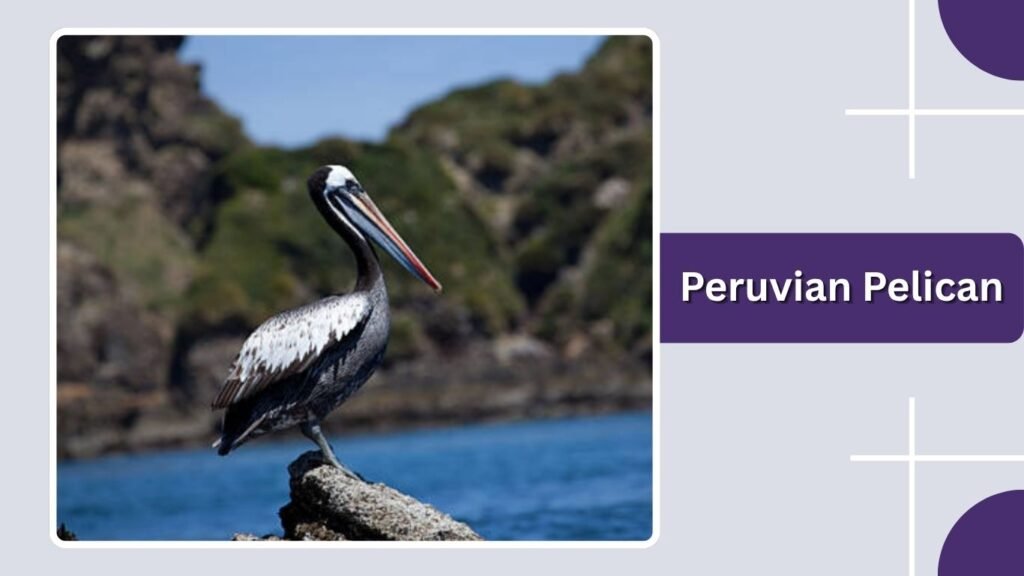
The Peruvian Pelican is a large coastal bird found along the western shores of South America, especially in Peru and Chile. It is closely related to the Brown Pelican but is larger and has more striking coloration. This species thrives in nutrient-rich coastal waters.
Identification
- Dark gray to blackish body with white markings
- Distinct white stripe running from the bill to the sides of the neck
- Reddish throat pouch during breeding season
- Large, heavy bill
- Strong webbed feet
Habitat
Peruvian Pelicans are primarily found along rocky coastlines, beaches, and offshore islands. They prefer cold, nutrient-rich waters influenced by ocean currents, where fish are abundant.
Behavior
These birds are often seen resting on cliffs or flying low over the ocean. Like the Brown Pelican, they are skilled plunge-divers, diving into the water from the air to catch prey. They are usually observed in small groups.
Diet
Their diet mainly consists of fish such as anchovies and sardines. They rely on diving to capture prey, using their pouch to scoop and drain water before swallowing.
Breeding
Peruvian Pelicans nest in colonies on coastal cliffs and rocky islands. The female typically lays 2–3 eggs. Both parents participate in incubation and feeding, ensuring the chicks grow in a safe coastal environment.
8. Spot-billed Pelican
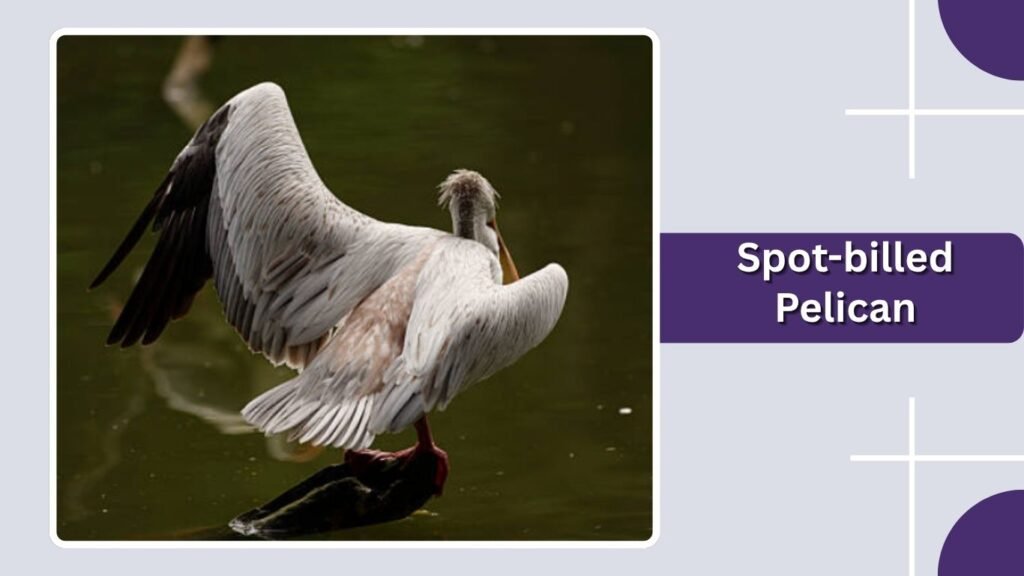
The Spot-billed Pelican is a medium-sized pelican species native to South and Southeast Asia. It is named for the small dark spots visible on its bill. This species is often found near freshwater bodies and is known for its calm nature and social behavior.
Identification
- Grayish-white plumage with a slightly pale tone
- Distinct spots on the upper part of the bill
- Pale pink to gray bill with a large throat pouch
- Bare facial skin around the eyes
- Relatively smaller than many other pelicans
Habitat
Spot-billed Pelicans prefer freshwater environments such as lakes, reservoirs, rivers, and wetlands. They are commonly seen near human settlements if water sources are available, showing some adaptability to disturbed habitats.
Behavior
They are social birds, often seen in small groups or flocks. They feed by swimming and scooping fish rather than diving. Spot-billed Pelicans are generally quiet but may become more vocal during breeding.
Diet
Their diet mainly consists of fish, which they catch using their large bill and pouch. They may also consume small aquatic animals when available.
Breeding
They breed in colonies, often nesting in large trees near water bodies. The female usually lays 2–4 eggs, and both parents share responsibilities for incubation and feeding the chicks.
FAQs
What is the largest pelican species?
The Dalmatian Pelican is considered the largest pelican species. It has a massive wingspan and bulky body, making it one of the heaviest flying birds. Its size, along with its distinctive curly nape feathers, makes it easy to recognize among other pelicans.
Where do pelican birds live?
Pelicans are found on every continent except Antarctica. They typically live near water bodies such as lakes, rivers, wetlands, and coastal areas. Different species prefer either freshwater habitats or marine environments depending on their feeding habits.
What do pelicans eat?
Pelicans mainly eat fish, which they catch using their large throat pouch. Some species scoop fish while swimming, while others, like the Brown Pelican, dive from the air to catch their prey. They may also eat small aquatic animals.
How do pelicans catch fish?
Pelicans use their expandable throat pouch to catch fish. Some species work in groups to herd fish into shallow water, while others dive from above. After catching prey, they drain water from their pouch before swallowing the fish.
Are pelicans social birds?
Yes, pelicans are highly social birds. They often live, feed, and breed in groups or colonies. This social behavior helps them protect themselves from predators and improves their efficiency when searching for food.