
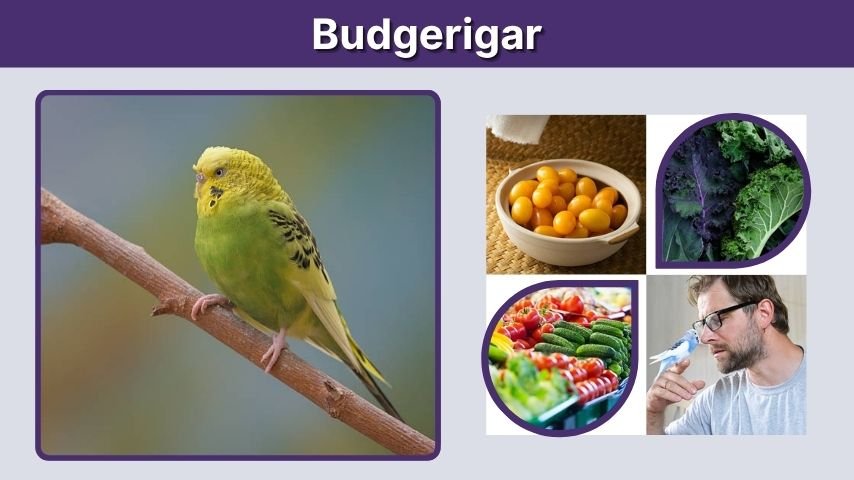
Budgerigars, often called budgies or parakeets, are among the most popular pet birds in the world. These small parrots are loved for their friendly personalities, colorful feathers, and ability to learn sounds and words. Native to Australia, budgerigars are relatively easy to care for, making them an excellent choice for both beginners and experienced bird owners. This guide explores everything you need to know about budgerigars, including their species, colors, lifespan, behavior, and care requirements.
What Is a Budgerigar?
Budgerigars belong to the parrot family and are scientifically known as Melopsittacus undulatus. They are small, social birds that thrive in flocks and enjoy interacting with both humans and other birds. Because of their intelligence and adaptability, budgerigars have become one of the most commonly kept pet birds around the globe.
Budgerigar Meaning and Definition
The word “budgerigar” originates from an Australian Aboriginal term believed to mean “good food.” Today, the bird is commonly known as a budgie. In North America, many people refer to budgerigars as parakeets, although budgerigars represent only one species within the larger parakeet group.
Scientific Classification
Budgerigars are members of the Psittacidae family, which includes parrots and related birds. Their scientific name, Melopsittacus undulatus, distinguishes them from other small parrots. Despite their small size, they share many characteristics with larger parrot species, including intelligence, social behavior, and vocal abilities.
Budgerigar vs Parakeet
Many people use the terms budgerigar and parakeet interchangeably. While every budgerigar is a parakeet, not every parakeet is a budgerigar. The term “parakeet” describes several species of small parrots with long tail feathers, while the budgerigar is one specific species.
Budgerigar Species and Types
Although there is only one true budgerigar species, selective breeding has created several distinct varieties. These varieties differ in size, appearance, and feather characteristics. Understanding the differences can help prospective owners choose a bird that best matches their preferences and lifestyle.
Australian Budgerigar
The Australian budgerigar closely resembles the wild birds found throughout Australia’s grasslands and open habitats. These birds are generally smaller, more active, and often display the classic green-and-yellow coloration seen in nature.
English Budgerigar
English budgerigars are selectively bred for exhibitions and competitions. They are larger than Australian budgies and have fuller feathers around the face and head. Their calm temperament and striking appearance make them popular among bird enthusiasts.
Popular Budgerigar Varieties
Some of the most recognized budgerigar varieties include:
- English Budgerigar
- Australian Budgerigar
- Opaline Budgerigar
- Lutino Budgerigar
- Albino Budgerigar
- Anthracite Budgerigar
- Blackface Budgerigar
Each variety offers unique visual traits while maintaining the friendly personality associated with budgies.
Budgerigar Colors and Mutations
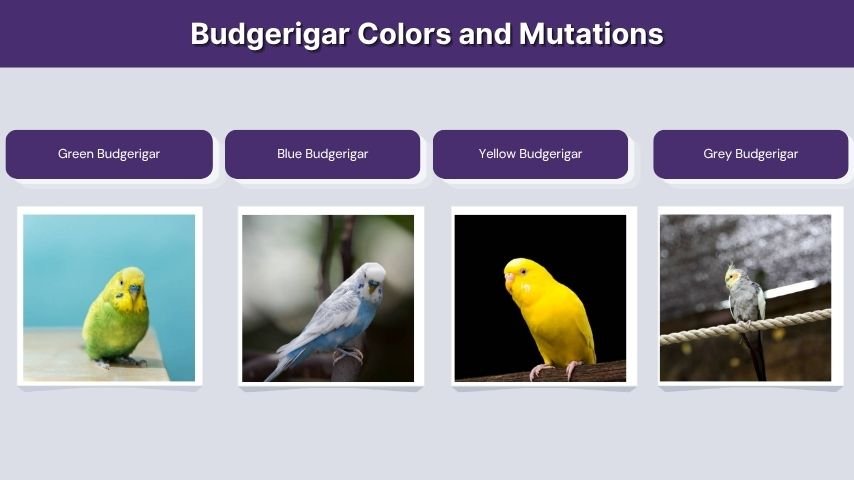
One of the most fascinating aspects of budgerigars is their incredible range of colors. Through selective breeding, bird breeders have developed numerous color mutations that differ significantly from the wild green budgerigar. These color variations continue to attract bird lovers worldwide.
Common Budgerigar Colors
The most frequently seen budgerigar colors include:
- Green Budgerigar
- Blue Budgerigar
- Yellow Budgerigar
- White Budgerigar
- Grey Budgerigar
These colors may appear in various shades and patterns depending on genetics.
Rare Budgerigar Colors
Some budgerigar colors are considered uncommon and highly sought after by breeders and collectors. Examples include violet, rainbow, anthracite, and blackface budgerigars. These rare mutations often require careful breeding programs to maintain their distinctive appearance.
Can Budgerigars Be Pink or Red?
Many people search for pink or red budgerigars, but naturally occurring true red or pink budgies do not exist. Images showing these colors are often digitally altered or enhanced. Certain mutations may create a slight pinkish appearance, but authentic red budgerigars are not recognized within standard breeding classifications.
Budgerigar Lifespan and Growth
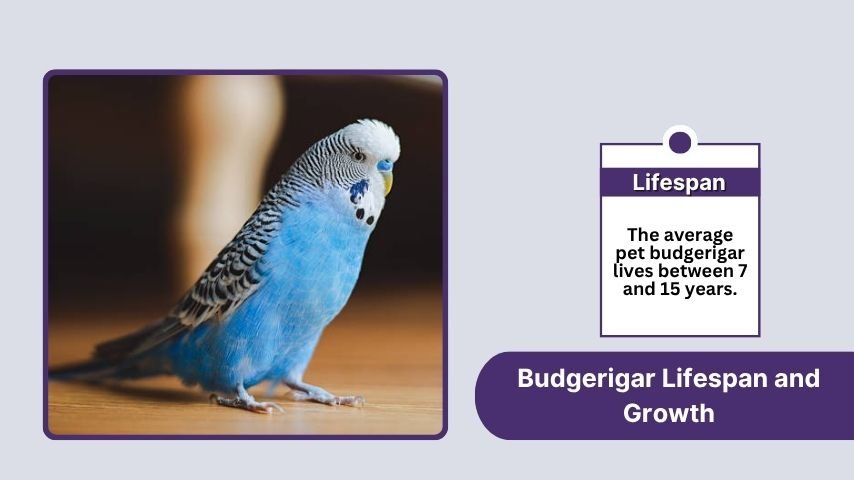
Understanding a budgerigar’s lifespan helps owners prepare for the long-term commitment involved in bird ownership. Although they are smaller than many parrot species, budgerigars can live surprisingly long lives when given proper care, nutrition, and veterinary attention.
How Long Does a Budgerigar Live?
The average pet budgerigar lives between 7 and 15 years. However, some birds exceed this range when they receive excellent care. Genetics, environment, and diet all play significant roles in determining overall longevity.
Lifespan in the Wild
Wild budgerigars generally have shorter lifespans due to predators, disease, harsh weather conditions, and food shortages. Their natural environment presents many challenges that captive birds rarely encounter.
Factors That Affect Lifespan
Several important factors influence how long a budgerigar may live:
- Balanced nutrition
- Clean living environment
- Regular exercise
- Veterinary care
- Mental stimulation
- Social interaction
Providing these essentials can significantly improve both lifespan and quality of life.
Budgerigar Personality and Behavior
Budgerigars are social birds known for their cheerful and energetic personalities. They enjoy interacting with their owners, exploring their surroundings, and engaging in playful activities. Their behavior often reflects their intelligence, making them entertaining and rewarding companions for dedicated bird keepers.
Budgerigar Sounds and Noises
Budgerigars communicate through chirping, singing, and various vocalizations. These sounds help them interact with flock members and express emotions. Happy budgies frequently produce soft chirps and melodic songs throughout the day.
Can Budgerigars Talk?
Many budgerigars can learn to mimic words and phrases through repetition and training. Some birds develop impressive vocabularies, although their voices tend to be softer than those of larger parrots. Consistent interaction greatly improves their ability to learn speech.
Budgerigar Care Guide
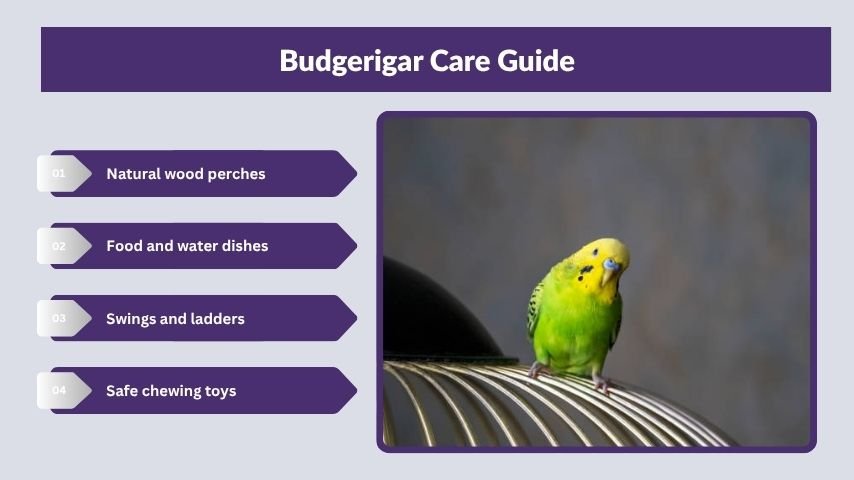
Proper care is essential for keeping a budgerigar healthy, active, and emotionally satisfied. These birds require a safe environment, daily attention, and opportunities for exercise and enrichment. A well-cared-for budgie is more likely to develop a strong bond with its owner and enjoy a longer lifespan.
Choosing the Right Budgerigar Cage
A budgerigar’s cage should provide enough space for flying, climbing, and playing. Horizontal bars are particularly beneficial because they allow birds to climb easily. The cage should be placed in a bright room away from direct sunlight, drafts, and kitchen fumes.
Budgerigar Cage Setup
A properly equipped cage helps support both physical and mental well-being. Essential cage items include:
- Natural wood perches
- Food and water dishes
- Swings and ladders
- Safe chewing toys
- Cuttlebone or mineral block
- Bird-safe play accessories
Rotating toys regularly helps prevent boredom and keeps the bird mentally stimulated.
Daily Care Requirements
Budgerigars need fresh food and water every day. Regular cage cleaning, social interaction, and supervised out-of-cage time contribute to their overall happiness. Consistency in daily routines can also reduce stress and encourage positive behavior.
Budgerigar Diet and Feeding
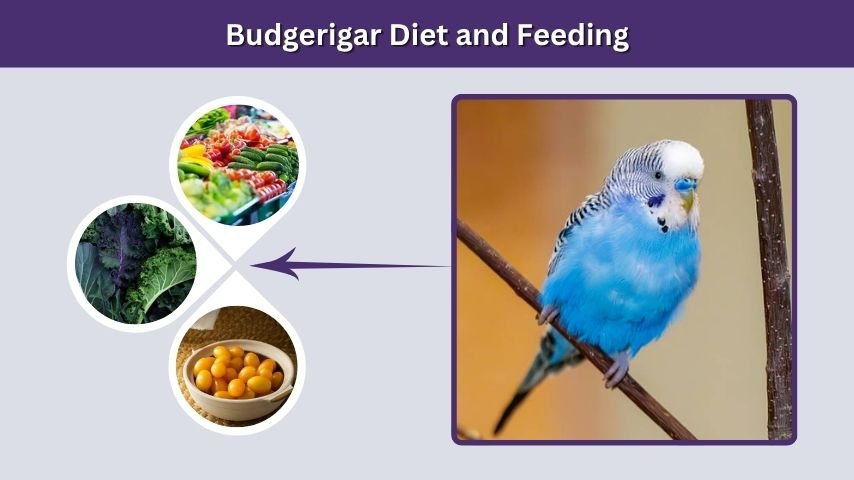
A balanced diet is one of the most important aspects of budgerigar care. While many people associate budgies with seed diets, relying solely on seeds can lead to nutritional deficiencies. A varied diet helps support healthy feathers, strong immunity, and long-term wellness.
What Do Budgerigars Eat?
Budgerigars thrive on a combination of high-quality foods. Their diet should include:
- Formulated bird pellets
- Fresh vegetables
- Leafy greens
- Small portions of fruit
- Healthy seeds in moderation
- Fresh, clean water
Providing a variety of foods encourages natural foraging behavior and improves nutrition.
Healthy Budgerigar Treats
Treats can be useful for bonding and training. Millet sprays are particularly popular among budgies, but treats should always be offered in moderation. Fresh vegetables often make healthier rewards than sugary or processed options.
Foods to Avoid
Certain foods can be harmful or even toxic to budgerigars. Owners should never feed:
- Chocolate
- Avocado
- Alcohol
- Caffeine
- Onion
- Garlic
- Salty snacks
Avoiding these foods helps protect your bird from serious health complications.
Budgerigar Health and Common Problems
Like all pets, budgerigars can experience health issues. Early detection is important because birds often hide signs of illness until a condition becomes serious. Understanding common symptoms allows owners to seek veterinary care before problems worsen.
Signs of a Healthy Budgerigar
A healthy budgerigar typically has bright eyes, smooth feathers, good appetite, and active behavior. Healthy birds are curious, alert, and regularly interact with their surroundings.
Common Health Issues
Some health conditions seen in pet budgerigars include respiratory infections, obesity, mites, feather disorders, and digestive problems. Poor diet and inadequate hygiene often contribute to these issues. Regular observation can help identify problems early.
Preventive Healthcare Tips
Routine care plays a major role in preventing illness. Maintaining a clean cage, providing proper nutrition, and scheduling veterinary checkups can significantly reduce health risks. Preventive care is often less costly and more effective than treating advanced illnesses.
Budgerigar Price and Where to Buy
Before bringing home a budgerigar, it is helpful to understand the costs involved. While budgies are generally affordable compared to larger parrots, owners should budget for housing, food, toys, and veterinary care in addition to the purchase price.
How Much Is a Budgerigar?
Budgerigar prices vary based on age, color mutation, breeder reputation, and location. Standard budgies are usually inexpensive, while rare color varieties and exhibition-quality English budgerigars may cost considerably more.
Buying From Breeders vs Pet Stores
Reputable breeders often provide detailed information about a bird’s health, genetics, and socialization history. Pet stores may offer convenience, but buyers should carefully evaluate the bird’s condition before making a purchase.
Finding a Budgerigar for Sale
Potential owners can find budgerigars through breeders, bird rescues, pet stores, and adoption organizations. Whenever possible, choose sellers who prioritize bird welfare and can provide accurate health information.
Are Budgerigars Good Pets?
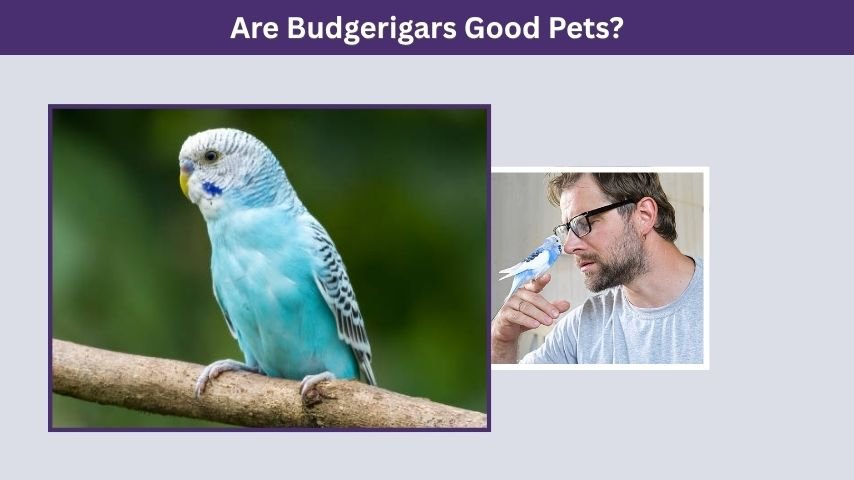
Budgerigars are widely considered one of the best pet birds for beginners. Their manageable size, friendly personalities, and relatively simple care requirements make them appealing companions. However, they still require commitment, attention, and proper housing to thrive.
Advantages of Owning a Budgerigar
Budgerigars offer many benefits as companion birds, including:
- Friendly temperament
- Small size
- Affordable care costs
- Ability to learn words and sounds
- Long lifespan compared to many small pets
- Strong social bonds with owners
These qualities contribute to their popularity worldwide.
Challenges of Budgerigar Ownership
Although budgerigars are easier to care for than many larger parrots, they still require daily attention and enrichment. Owners must be prepared to provide mental stimulation, social interaction, and ongoing healthcare throughout the bird’s life.
Who Should Own a Budgerigar?
Budgerigars are ideal for individuals and families looking for an interactive pet bird. They are especially suitable for people willing to spend time socializing, training, and caring for their feathered companion on a daily basis.
FAQs
What is a budgerigar?
A budgerigar is a small parrot species native to Australia. Commonly called a budgie or parakeet, it is known for its colorful feathers, social personality, and ability to mimic sounds and words.
How long do budgerigars live?
Pet budgerigars typically live between 7 and 15 years. With excellent care, proper nutrition, and regular veterinary attention, some budgies may live even longer.
Can budgerigars talk?
Yes, many budgerigars can learn to mimic words and short phrases. Males are often considered more likely to develop larger vocabularies, although both sexes can learn speech.
How much does a budgerigar cost?
The price of a budgerigar varies depending on age, variety, and location. Standard budgies are usually affordable, while rare color mutations and English budgerigars often cost more.
What is the difference between an English and Australian budgerigar?
English budgerigars are larger, have fuller feathers, and are commonly bred for exhibitions. Australian budgerigars are smaller, more active, and closely resemble the wild birds found in Australia.
