
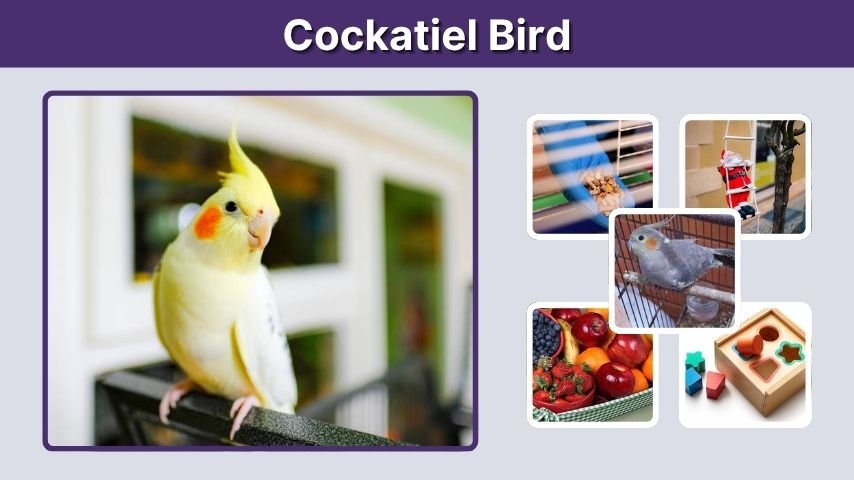
Cockatiels are among the most popular pet birds in the world thanks to their friendly nature, attractive appearance, and ability to form strong bonds with their owners. Native to Australia, these intelligent parrots are known for their expressive crests, cheerful whistles, and affectionate personalities. Whether you are considering buying a cockatiel or already own one, understanding their lifespan, diet, housing needs, and behavior is essential for providing proper care and ensuring a happy, healthy life.
What Is a Cockatiel?
Cockatiels are small parrots belonging to the cockatoo family. They are recognized by their distinctive head crest, long tail feathers, and charming personalities. As social birds, cockatiels thrive on interaction and companionship, making them excellent pets for families, singles, and bird enthusiasts alike.
These birds are naturally curious and intelligent. They enjoy exploring their surroundings, learning simple tricks, and communicating through whistles and body language. Their manageable size and relatively easy care requirements make them one of the best pet bird species for beginners.
Cockatiel Characteristics
Cockatiels possess several unique features that distinguish them from other pet birds.
- Average length ranges from 12 to 14 inches.
- Weight typically falls between 75 and 125 grams.
- Lifespan can reach 15 to 25 years with proper care.
- They belong to the cockatoo family of parrots.
- Most varieties feature a noticeable feather crest.
Why Cockatiels Are Popular Pets
Many bird owners choose cockatiels because they combine intelligence, affection, and relatively low maintenance requirements.
- Friendly and social personalities.
- Capable of learning whistles and sounds.
- Adapt well to family environments.
- Require less space than larger parrots.
- Available in various beautiful color mutations.
Cockatiel Lifespan and Life Expectancy
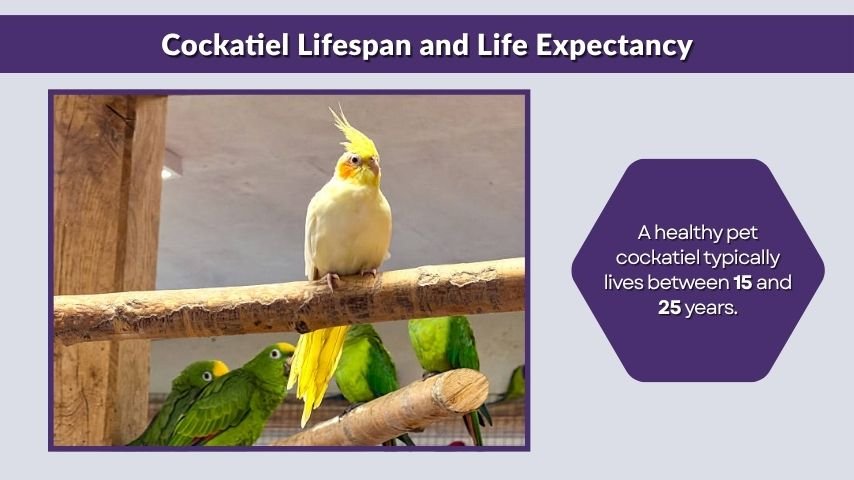
Understanding the lifespan of a cockatiel helps prospective owners prepare for the long-term commitment involved in caring for these birds. While cockatiels are smaller than many parrot species, they can still live for decades when provided with proper nutrition, exercise, and veterinary care.
A healthy pet cockatiel typically lives between 15 and 25 years. Some exceptionally well-cared-for birds have been known to reach their late twenties or even early thirties. Factors such as genetics, diet quality, cage environment, and regular health checkups play significant roles in determining how long a cockatiel will live.
How Long Do Cockatiels Live?
Cockatiels living in captivity generally enjoy longer lives than their wild counterparts due to consistent food supplies, protection from predators, and access to veterinary care. Birds that receive a balanced diet, adequate mental stimulation, and daily social interaction often live significantly longer than those kept in poor conditions.
Factors That Affect Cockatiel Lifespan
Several important factors influence a cockatiel’s longevity.
- Balanced nutrition and fresh water.
- Regular exercise and out-of-cage time.
- Clean living environment.
- Routine veterinary examinations.
- Mental stimulation through toys and interaction.
- Protection from household hazards and toxins.
Cockatiel Personality and Behavior
Cockatiels are widely admired for their gentle and affectionate personalities. Unlike some bird species that may be reserved or independent, cockatiels often seek interaction with their owners and enjoy spending time outside their cages. They frequently display affection through vocalizations, crest movements, and physical closeness.
These birds are highly observant and can quickly learn daily routines. Many cockatiels recognize family members, respond to their names, and become excited when their favorite people enter the room. Their social nature means they generally dislike prolonged isolation and may become bored or stressed without adequate attention.
Do Cockatiels Talk?
Cockatiels are capable of mimicking sounds and occasionally learning words, although they are not considered the strongest talking parrots. Male cockatiels are generally more vocal than females and are more likely to imitate sounds and simple phrases.
Most cockatiels communicate through whistles, chirps, and songs rather than extensive speech. With patience and consistent training, some birds can learn greetings, short words, and household sounds.
Common Cockatiel Behaviors
Cockatiels use body language and vocalizations to express their emotions and needs.
- Whistling often indicates happiness and comfort.
- Crest raised upright may signal curiosity or excitement.
- Head bobbing can be a sign of enthusiasm or courtship.
- Gentle chirping typically reflects contentment.
- Hissing may indicate fear or discomfort.
Cockatiel Colors and Varieties
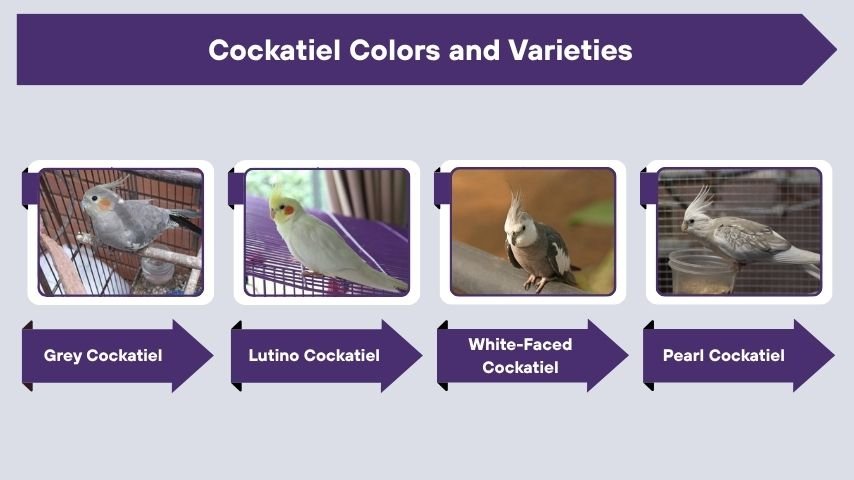
One of the most fascinating aspects of cockatiels is the wide variety of colors available. Through selective breeding, numerous mutations have been developed, giving owners many options when choosing a pet. While the normal grey cockatiel remains the most common variety, many bird enthusiasts are attracted to unique color combinations and patterns.
Color mutations primarily affect feather pigmentation while leaving the bird’s personality and care requirements largely unchanged. Some mutations are more common and affordable, while others are considered rare and often command higher prices.
Popular Cockatiel Color Mutations
Several color varieties are especially popular among bird owners.
- Normal Grey Cockatiel
- Lutino Cockatiel
- Pearl Cockatiel
- Cinnamon Cockatiel
- Pied Cockatiel
- White-Faced Cockatiel
- Albino Cockatiel
Is There a Blue Cockatiel?
Many people search for blue cockatiels, but true blue cockatiels do not naturally exist. Unlike some parrot species, cockatiels lack the genetic pigmentation necessary to produce blue feathers. Photos of blue cockatiels found online are often digitally altered or incorrectly labeled birds of other species.
Best Food for Cockatiel Birds
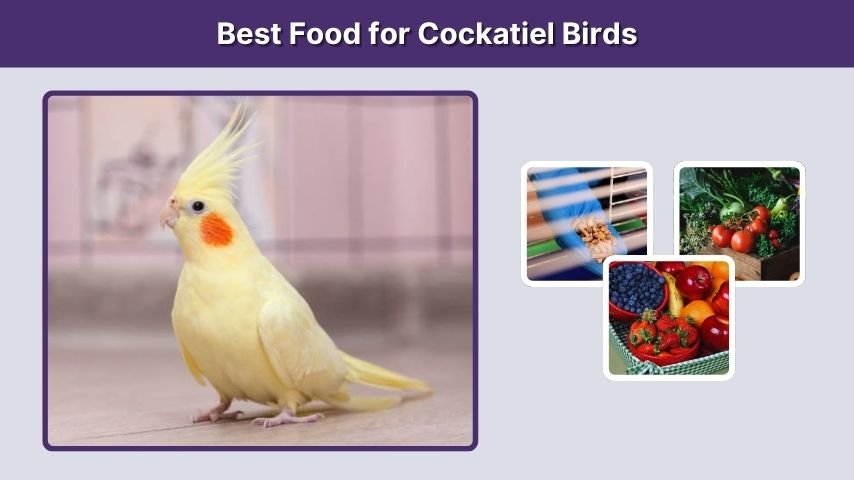
Providing a nutritious diet is one of the most important aspects of cockatiel care. A balanced diet supports healthy feather growth, strengthens the immune system, and contributes to a longer lifespan. While seeds have traditionally been associated with pet birds, modern avian experts recommend a more varied diet that includes pellets, vegetables, fruits, and occasional treats.
Cockatiels thrive when their nutritional needs are met consistently. Fresh food and clean drinking water should always be available to maintain optimal health and prevent nutritional deficiencies.
What Do Cockatiels Eat?
A healthy cockatiel diet typically includes a variety of foods.
- High-quality cockatiel pellets.
- Fresh vegetables such as carrots and leafy greens.
- Fruits including apples, berries, and bananas.
- Limited amounts of quality seed mixes.
- Occasional healthy treats.
Foods to Avoid
Certain foods can be harmful or even toxic to cockatiels.
- Chocolate.
- Avocado.
- Caffeine.
- Alcohol.
- Onion and garlic.
- Foods high in salt or sugar.
Choosing the Best Cockatiel Cage
A suitable cage provides safety, comfort, and space for exercise. Since cockatiels are active birds that enjoy climbing and exploring, their cage should be large enough to allow free movement and wing stretching. The cage serves as their primary living environment, making proper selection essential for their overall well-being.
In addition to size, owners should consider cage materials, bar spacing, and placement within the home. A well-designed cage can significantly improve a cockatiel’s quality of life.
Essential Cage Features
Every cockatiel cage should include several important elements.
- Adequate space for movement.
- Safe bar spacing.
- Multiple perches.
- Food and water dishes.
- Toys and enrichment items.
- Easy-to-clean construction.
Ideal Cage Placement
Positioning the cage correctly can help your cockatiel feel secure and comfortable. Place the cage in a well-lit area where family activity occurs regularly, but avoid direct sunlight, drafts, kitchens, and noisy locations. Social interaction is important, so birds generally prefer locations where they can observe household activities throughout the day.
Best Toys for Cockatiels
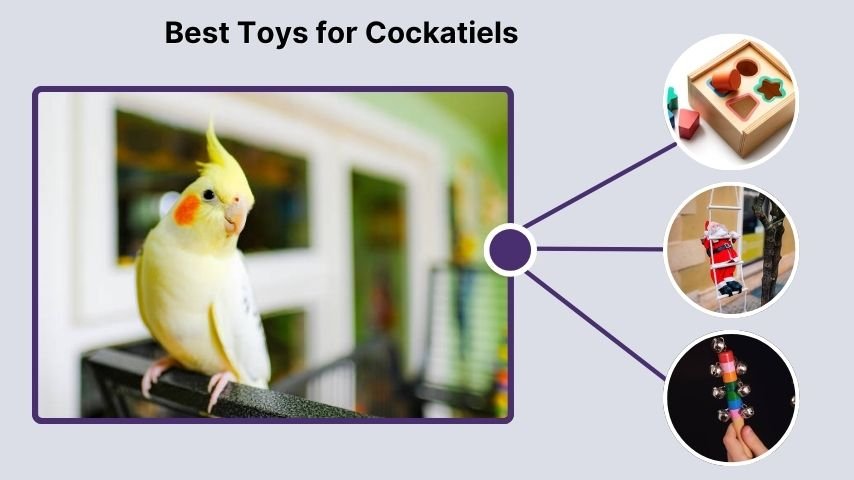
Cockatiels are intelligent birds that require mental stimulation to stay happy and healthy. Without enrichment, they may develop boredom-related behaviors such as excessive screaming, feather plucking, or destructive chewing. Toys provide opportunities for exercise, exploration, and problem-solving.
Rotating toys regularly helps maintain your bird’s interest and encourages natural behaviors. Different types of toys can stimulate both the mind and body while preventing monotony.
Popular Cockatiel Toys
Many toys are suitable for cockatiels.
- Foraging toys.
- Rope and climbing toys.
- Swings.
- Bells and sound toys.
- Chewable wooden toys.
- Puzzle toys.
Why Mental Stimulation Matters
Mental enrichment is just as important as physical care. Cockatiels that receive daily interaction and access to stimulating activities tend to be more confident, friendly, and emotionally balanced. Engaging environments also help reduce stress and support long-term health.
Cockatiel Price and Cost of Ownership
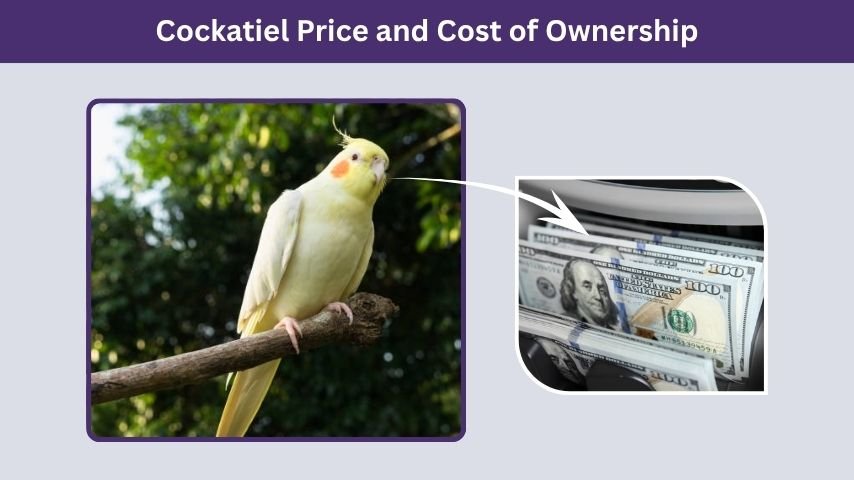
Before bringing a cockatiel home, prospective owners should understand the financial commitment involved. The purchase price is only one part of the overall cost. Food, housing, veterinary care, and accessories contribute to the long-term expenses associated with bird ownership.
Prices vary depending on age, color mutation, breeder reputation, and geographic location. Rare mutations often cost significantly more than standard grey cockatiels.
How Much Does a Cockatiel Cost?
Average cockatiel prices typically fall within these ranges.
- Standard Grey Cockatiel: $75–$150.
- Lutino Cockatiel: $100–$250.
- Pearl Cockatiel: $100–$250.
- White-Faced Cockatiel: $150–$300.
- Rare mutations: $250 or more.
Additional Ownership Costs
New owners should budget for essential supplies and ongoing care.
- Cage and accessories.
- Food and treats.
- Toys and enrichment items.
- Veterinary examinations.
- Grooming and maintenance supplies.
Cockatiels for Sale: What to Know Before Buying
Purchasing a cockatiel requires careful consideration. Choosing a healthy bird from a reputable source can significantly influence your future experience as an owner. Responsible breeders prioritize bird health, socialization, and proper care from an early age.
Potential buyers should spend time observing the bird before making a decision. Healthy cockatiels are generally alert, active, and curious about their surroundings.
Where to Buy a Cockatiel
Several sources may offer cockatiels for sale.
- Reputable breeders.
- Bird specialty stores.
- Rescue organizations.
- Avian adoption centers.
- Local bird clubs and referrals.
Signs of a Healthy Cockatiel
Look for these indicators when selecting a bird.
- Bright and clear eyes.
- Smooth feathers.
- Active behavior.
- Clean nostrils.
- Good appetite.
- Steady breathing.
Cockatiel vs Cockatoo
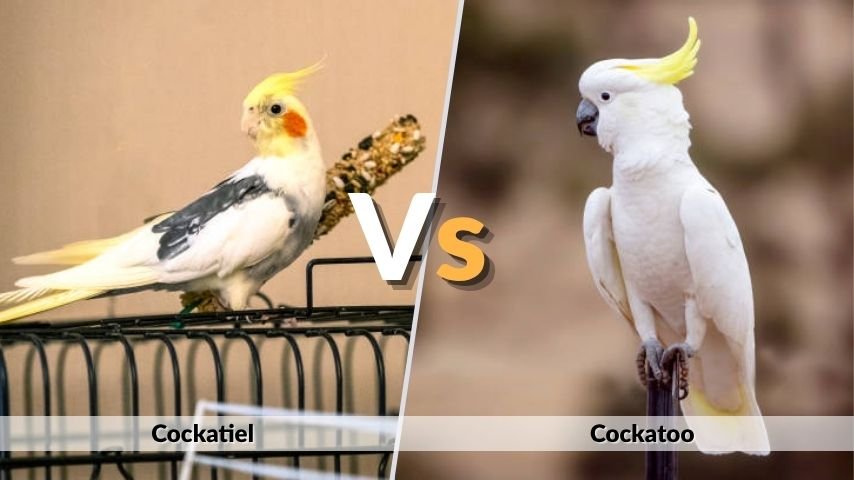
Although cockatiels belong to the cockatoo family, they differ significantly from larger cockatoo species. Cockatiels are generally smaller, easier to care for, and more affordable. Their manageable size makes them suitable for first-time bird owners who may not be prepared for the extensive care requirements of larger parrots.
Cockatoos often demand greater attention, larger living spaces, and significantly higher maintenance costs. For many households, a cockatiel provides an excellent balance of companionship and practicality.
Key Differences
Several factors distinguish cockatiels from cockatoos.
- Cockatiels are much smaller.
- Cockatoos typically live longer.
- Cockatoos require more space.
- Cockatiels are usually less expensive.
- Cockatiels are easier for beginners.
FAQs
Are Cockatiels Good Pets for Beginners?
Yes, cockatiels are considered one of the best pet birds for beginners. They are friendly, relatively easy to care for, and less demanding than many larger parrot species. Their affectionate nature and moderate size make them ideal for first-time bird owners.
Can Cockatiels Live Alone?
Cockatiels can live alone if they receive plenty of daily attention and interaction from their owners. Because they are highly social birds, long periods of isolation can lead to boredom, stress, and behavioral issues. If you are away frequently, consider providing extra enrichment or a companion bird.
Do Cockatiels Need to Be Covered at Night?
Many owners cover their cockatiel’s cage at night to create a dark, quiet sleeping environment. Cockatiels generally need 10 to 12 hours of uninterrupted sleep each night. A cage cover can help reduce disturbances and encourage healthy sleep habits.
How Often Should a Cockatiel Cage Be Cleaned?
Food and water dishes should be cleaned daily, while cage liners should be replaced regularly. A thorough cage cleaning, including perches and accessories, should be performed at least once a week to maintain a healthy environment and prevent the buildup of bacteria.
Can Cockatiels Recognize Their Owners?
Yes, cockatiels can recognize and form strong bonds with their owners. They often learn to identify familiar voices, faces, and routines. Many cockatiels show excitement when their favorite person enters the room and may seek attention through whistles, chirps, or affectionate behavior.
