
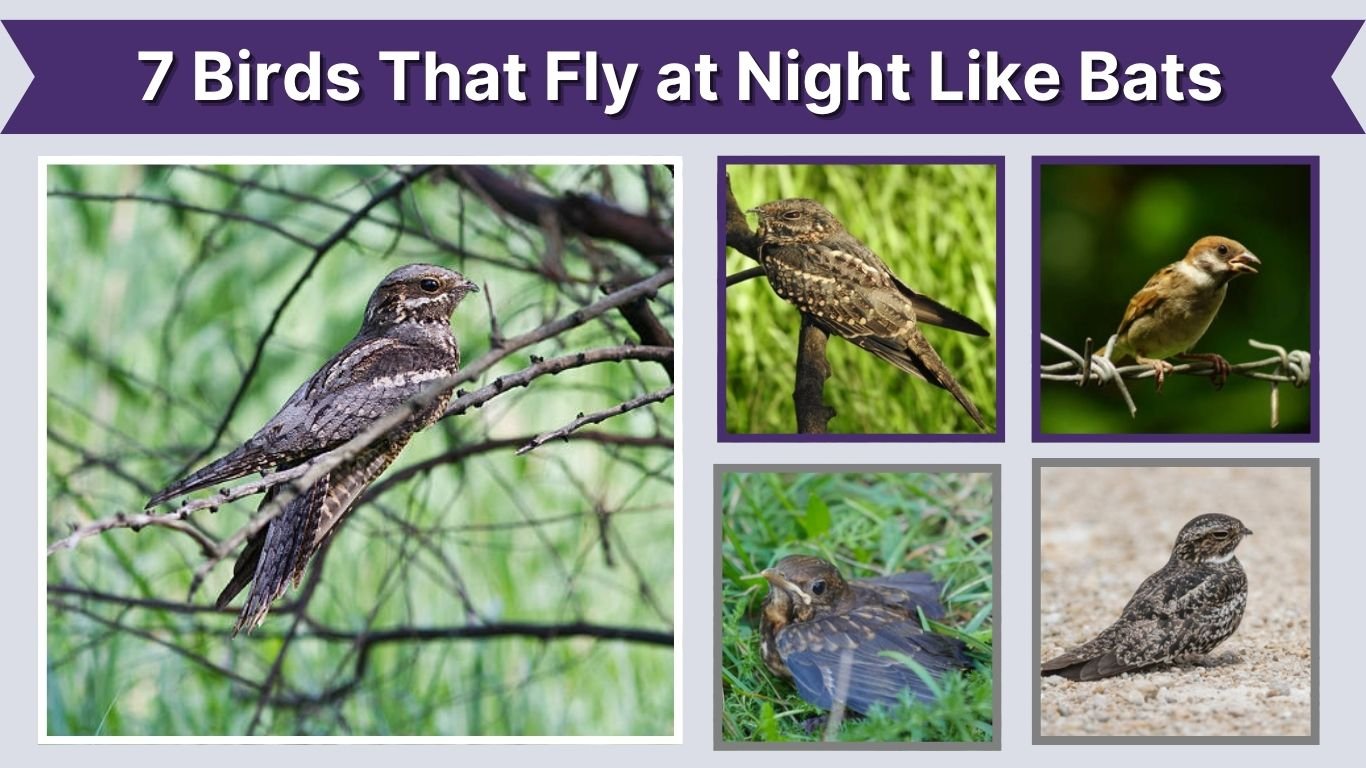
Some birds fly at night with quick, twisting movements that can make them look like bats. These birds are usually nightjars or nighthawks, known for their long wings, wide mouths, silent flight, and insect-catching skills. They often appear around dusk, dawn, or after dark, gliding over fields, forests, deserts, beaches, and open skies. In this guide, you will learn about seven birds that fly at night like bats, how to identify them, where they live, and what they eat.
1. Common Nighthawk
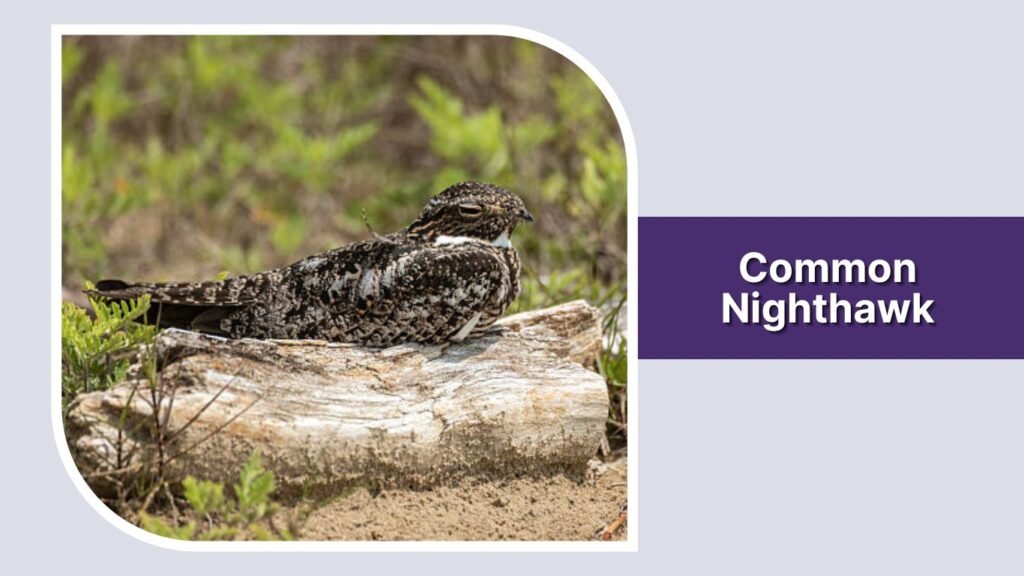
The Common Nighthawk is one of the best-known birds that can fly at night like a bat. It has long pointed wings, a slim body, and an uneven flight style that looks quick, twisting, and fluttery. Although it is not a hawk, it often hunts flying insects in the evening sky, especially around dusk and dawn.
Identification
- Medium-sized nightjar with long pointed wings
- Brown, gray, and black mottled feathers
- White patches across the wings
- Small bill but very wide mouth
- Slim body and short legs
- White throat patch
- Erratic, bat-like flight pattern
- Often seen flying high in open sky at dusk
Habitat
Common Nighthawks live in open and semi-open habitats where flying insects are easy to catch. They can be found in grasslands, fields, open woodlands, river valleys, towns, and cities. Some nest on gravel rooftops, bare ground, rocky areas, or open soil. Their camouflaged feathers help them stay hidden during the day.
Diet
Common Nighthawks mainly eat flying insects. They catch moths, beetles, flies, mosquitoes, winged ants, and other insects while flying. Their wide mouth helps them scoop prey from the air. They often feed under streetlights, over fields, near water, or anywhere insects gather in the evening.
Night Flying Behavior
Common Nighthawks are most active around dusk and dawn, but they may also fly after dark when insects are available. Their flight can look bat-like because they twist, dip, and glide through the air while hunting. During breeding season, males may perform steep diving displays that create a booming sound with their wings.
2. Lesser Nighthawk
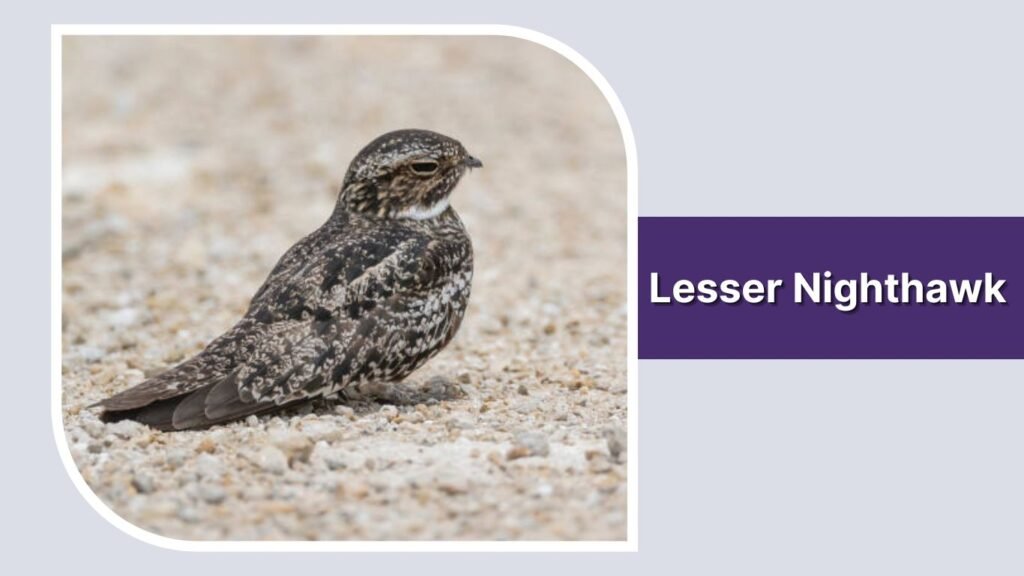
The Lesser Nighthawk is a night-flying bird that often looks bat-like when it moves through the evening sky. It has long wings, a small bill, a wide mouth, and a quick twisting flight. This bird is most active around dusk, dawn, and nighttime, especially in warm open areas where flying insects are common.
Identification
- Medium-sized nightjar with long narrow wings
- Brown, gray, and buff mottled feathers
- Small bill with a very wide mouth
- White wing patches set closer to the wing tips
- Short legs and compact body
- Rounded head
- Fluttering, uneven flight
- Often seen low over open desert or grassland at dusk
Habitat
Lesser Nighthawks usually live in dry, open habitats. They are often found in deserts, scrublands, grasslands, dry washes, and open areas with scattered vegetation. They may also appear near roads, fields, and water sources where insects gather. During the day, they rest quietly on the ground, where their mottled feathers help them blend with soil, rocks, and dry leaves.
Diet
Lesser Nighthawks mainly eat flying insects. They catch moths, beetles, flies, mosquitoes, and other small insects while flying. Their wide mouth helps them scoop prey from the air in low light. They often feed during warm evenings when insects are most active, flying low and silently over open ground.
Night Flying Behavior
Lesser Nighthawks are most active at dusk and after dark. Their flight can look similar to a bat because they flap, glide, twist, and change direction quickly while hunting insects. They often fly lower than Common Nighthawks and may patrol open desert roads, fields, or dry washes during the evening.
3. Eastern Whip-poor-will
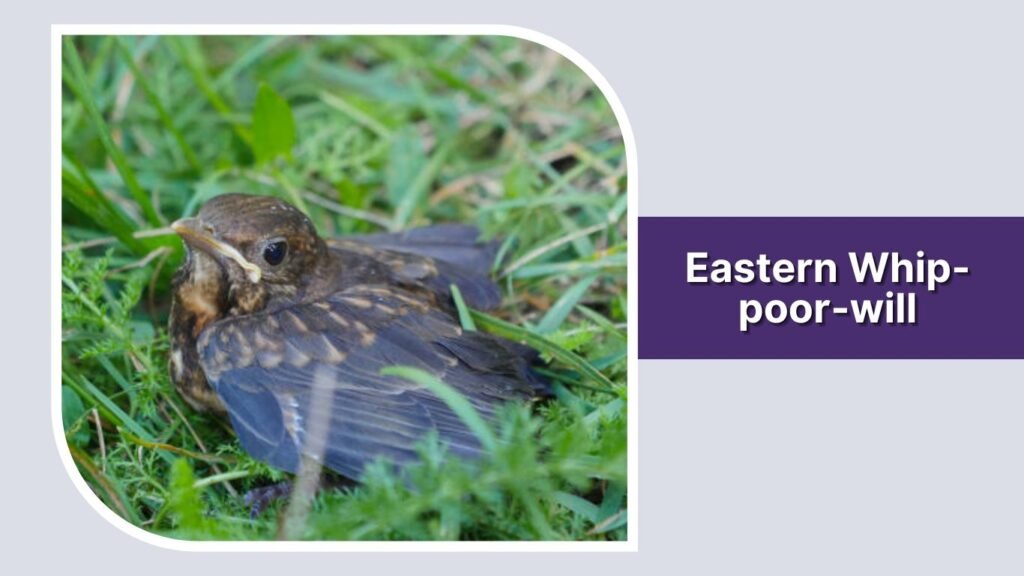
The Eastern Whip-poor-will is a night-flying bird that can look bat-like as it moves through dark woodland edges. It belongs to the nightjar family and is best known for its repeated nighttime call. This bird is usually heard more often than seen because its mottled feathers help it disappear against leaves, bark, and forest ground.
Identification
- Medium-sized nightjar with a rounded body
- Brown, gray, and black mottled feathers
- Large head and very wide mouth
- Short bill and short legs
- Rounded wings
- Long rounded tail
- Strong camouflage on the forest floor
- Repeated “whip-poor-will” call at night
Habitat
Eastern Whip-poor-wills usually live in dry open woods, forest edges, pine barrens, and mixed woodland areas. They prefer places with trees for daytime cover and open spaces for hunting at night. During the day, they rest quietly on the ground or low branches, where their feather pattern blends with dead leaves and bark.
Diet
Eastern Whip-poor-wills mainly eat flying insects. Their food includes moths, beetles, mosquitoes, flies, and other insects that are active after sunset. They hunt by flying from the ground or from a low perch, catching insects in the air with their wide mouths. Their feeding style helps them hunt efficiently in low light.
Night Flying Behavior
Eastern Whip-poor-wills become active around dusk and continue calling and hunting through the night. Their flight may look bat-like because they move quietly, turn quickly, and stay low while chasing insects. They are often easier to identify by sound than by sight, especially during warm evenings in wooded areas.
4. Chuck-will’s-widow
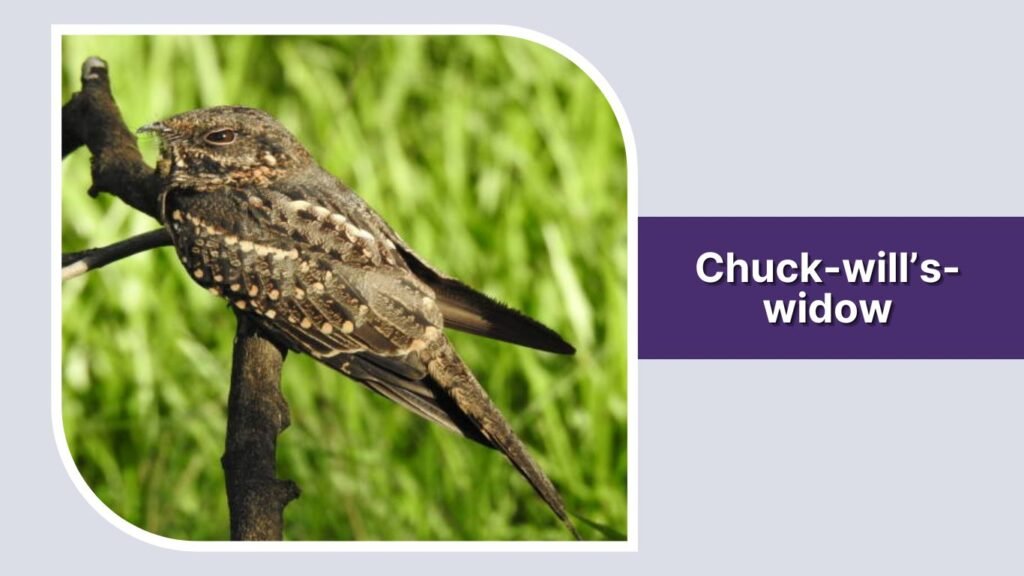
The Chuck-will’s-widow is a night-flying bird that can look bat-like when it glides through dark woodland openings. It is a large member of the nightjar family and is best known for its loud, repeated call after sunset. Because of its mottled brown feathers, it is very difficult to see when resting during the day.
Identification
- Large nightjar with a broad head
- Brown, gray, and buff mottled feathers
- Very wide mouth and short bill
- Long wings and long tail
- Strong camouflage against leaves and bark
- Large eyes for low-light activity
- Silent, low flight through wooded areas
- Loud “chuck-will’s-widow” call at night
Habitat
Chuck-will’s-widows usually live in dry woodlands, pine forests, open forests, and forest edges. They prefer warm areas with enough cover for daytime resting and enough open space for catching insects at night. During the day, they often stay still on the ground or on low branches, where their feathers blend into the background.
Diet
Chuck-will’s-widows mainly eat flying insects such as moths, beetles, and other night-active insects. They catch prey in the air using their wide mouths. Although insects make up most of their diet, they may sometimes eat small birds or bats. Their feeding style is quiet, quick, and well suited to darkness.
Night Flying Behavior
Chuck-will’s-widows become active after sunset and continue hunting through the night. Their flight may look like a bat’s because they move quietly, glide low, and make sudden turns while catching insects. They are often noticed by their call before they are seen, especially in warm wooded areas during breeding season.
5. Common Poorwill
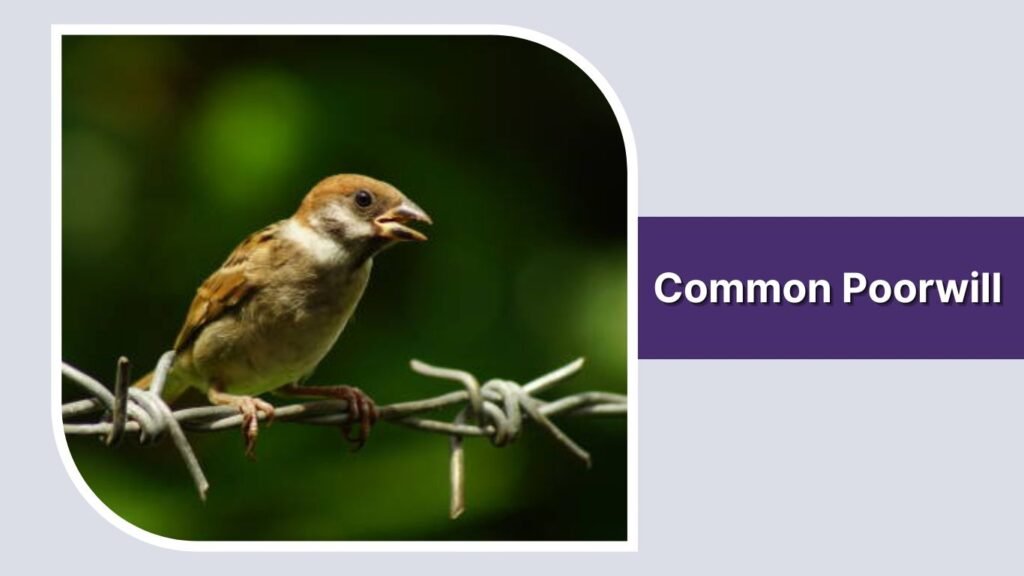
The Common Poorwill is a small night-flying bird that can look like a bat as it moves low through open country after dark. It belongs to the nightjar family and is known for its soft repeated call. This bird is unusual because it can enter a low-energy torpor state when nights are cold or food is limited.
Identification
- Small nightjar with a compact body
- Brown, gray, and buff mottled feathers
- Short bill with a wide mouth
- Rounded wings
- Short tail compared with many nightjars
- Large eyes for night activity
- Strong camouflage on rocks, soil, and dry leaves
- Soft “poor-will” call at night
Habitat
Common Poorwills usually live in dry open habitats such as deserts, scrublands, rocky slopes, grasslands, canyon edges, and open woodlands. They prefer places with bare ground, scattered vegetation, and good camouflage. During the day, they rest quietly on the ground, where their mottled feathers help them blend with stones, leaves, and soil.
Diet
Common Poorwills mainly eat flying insects. Their diet includes moths, beetles, grasshoppers, flies, and other insects active at night. They usually hunt from the ground or from a low perch, flying out to catch prey and then returning to rest. Their wide mouth helps them catch insects in low light.
Night Flying Behavior
Common Poorwills are most active at dusk, nighttime, and before dawn. Their flight may look bat-like because they fly low, turn quickly, and move silently while hunting insects. On cool nights, they may become less active to save energy. Their repeated call is often the easiest way to detect them in the dark.
6. European Nightjar
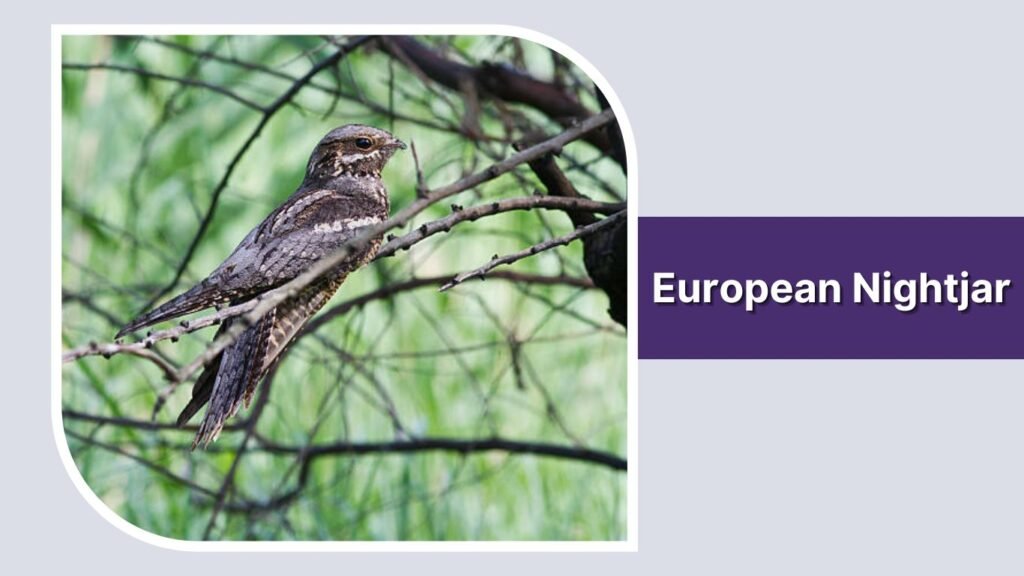
The European Nightjar is a night-flying bird that often looks bat-like as it glides and twists through the evening sky. It has long wings, a slim body, and excellent camouflage. This bird is most active at dusk and night, when it hunts flying insects over heathlands, woodland edges, open forests, and grasslands.
Identification
- Medium-sized nightjar with long pointed wings
- Brown, gray, and buff mottled feathers
- Wide mouth and very small bill
- Large eyes for low-light hunting
- Long tail and slim body
- White wing and tail markings in males
- Silent, twisting flight
- Often seen at dusk over open habitats
Habitat
European Nightjars usually live in heathlands, open woodlands, forest clearings, moorlands, scrublands, and grasslands. They prefer places with open flying space and nearby cover for resting during the day. Their mottled feathers help them hide on the ground or on branches, where they remain still until evening.
Diet
European Nightjars mainly eat flying insects such as moths, beetles, flies, and mosquitoes. They catch prey while flying, using their wide mouths to scoop insects from the air. They often feed in open areas, along woodland edges, and near places where insects gather after sunset.
Night Flying Behavior
European Nightjars become active at dusk and continue flying after dark. Their movement can look like a bat’s because they glide, flutter, twist, and change direction quickly while hunting insects. Males may also perform display flights during breeding season, along with a long, mechanical churring call that is often heard at night.
7. Antillean Nighthawk
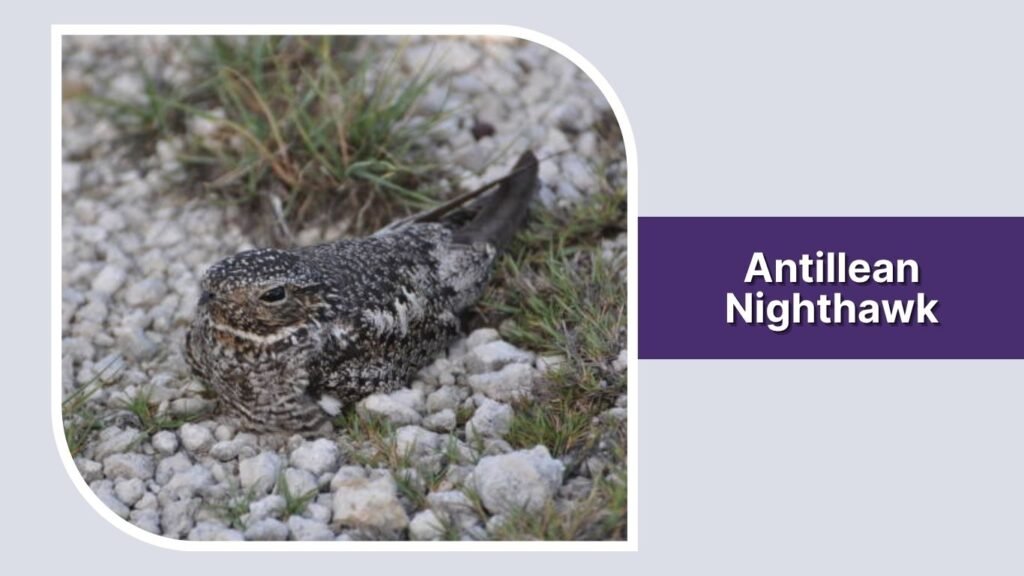
The Antillean Nighthawk is a night-flying bird that can look bat-like as it moves through warm evening skies. It is closely related to other nighthawks and is most active around dusk, dawn, and nighttime. This bird is often seen flying over open areas, beaches, fields, and coastal habitats while catching insects in the air.
Identification
- Medium-sized nighthawk with long pointed wings
- Brown, gray, and black mottled feathers
- White patches on the wings
- Small bill with a very wide mouth
- Slim body and short legs
- Short tail compared with some nightjars
- Fast, twisting, bat-like flight
- Often seen flying at dusk in coastal or open areas
Habitat
Antillean Nighthawks are usually found in open and semi-open habitats, especially in warm island regions. They may live near beaches, coastal scrub, open fields, grasslands, airports, roadsides, and rocky areas. During the day, they rest on the ground, where their mottled feathers help them blend with sand, stones, soil, or dry vegetation.
Diet
Antillean Nighthawks mainly eat flying insects. They catch moths, beetles, flies, mosquitoes, and other small insects while flying. Their wide mouth helps them scoop prey from the air in low light. They often feed where insects gather, such as near lights, open fields, wetlands, and coastal areas after sunset.
Night Flying Behavior
Antillean Nighthawks are most active during dusk, nighttime, and early morning. Their flight can look like a bat’s because they twist, dip, glide, and change direction quickly while chasing insects. They are often noticed by their calls and evening flight patterns, especially during the breeding season in open island habitats.
FAQs
What birds fly at night like bats?
Birds that fly at night like bats are often nightjars and nighthawks. Common examples include the Common Nighthawk, Lesser Nighthawk, Eastern Whip-poor-will, Chuck-will’s-widow, Common Poorwill, European Nightjar, and Antillean Nighthawk.
Why do some birds fly like bats at night?
Some birds look like bats at night because they twist, glide, dip, and change direction quickly while catching insects. Nightjars and nighthawks have long wings, wide mouths, and quiet flight, which makes their movement look bat-like in low light.
Are nighthawks actually hawks?
No, nighthawks are not true hawks. They belong to the nightjar family, not the hawk family. Their name can be confusing because they hunt flying insects in the air, but they do not have the same diet, body shape, or hunting style as hawks.
What do bat-like night birds eat?
Most bat-like night birds eat flying insects. Their diet may include moths, beetles, mosquitoes, flies, winged ants, and other insects active after sunset. They usually catch prey in the air using their wide mouths and quick, twisting flight.
Where can you see birds that fly like bats?
You can often see these birds around dusk or dawn in open fields, grasslands, forests, woodland edges, deserts, beaches, and near lights where insects gather. They are usually easier to notice by their flight pattern or calls than by close views.