
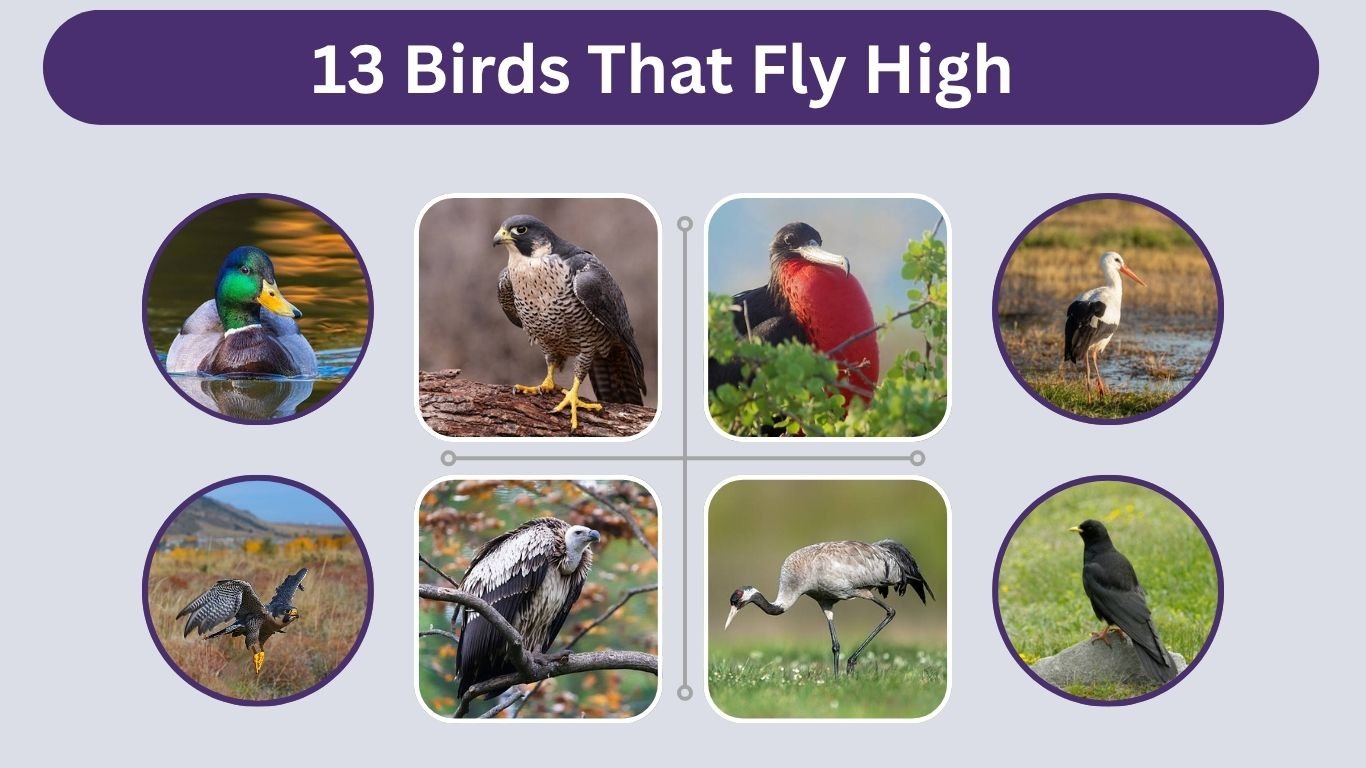
Some birds are specially adapted to fly at amazing heights during hunting, migration, or soaring over mountains and oceans. These high-flying birds have strong wings, excellent endurance, and unique body features that help them survive in thin air. From vultures and geese to eagles and falcons, each species has its own speed, size, habitat, diet, and identification marks.
1. Rüppell’s Griffon Vulture
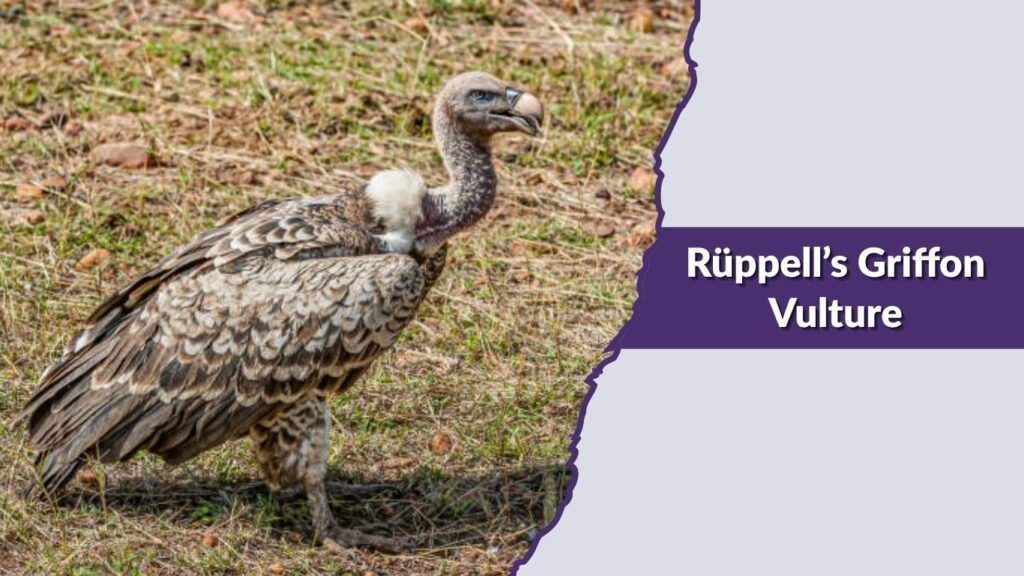
Rüppell’s griffon vulture is one of the highest-flying birds in the world. It is famous for flying at extreme altitudes while searching for food across open landscapes. This large vulture has strong wings, excellent eyesight, and a soaring flight style that helps it travel long distances with little effort.
Speed and Size
Rüppell’s griffon vulture is a large bird with a wingspan of about 7.5 to 8.5 feet. It usually soars at moderate speeds while scanning the ground for food. Its broad wings help it ride warm air currents and stay in the sky for long periods without flapping much.
Habitat and Diet
This vulture is mostly found in parts of Africa, especially in open grasslands, savannas, mountains, and dry regions. It feeds mainly on carrion, which means dead animals. By eating carcasses, it plays an important role in cleaning the environment and reducing the spread of disease.
Identification
Rüppell’s griffon vulture has a brown body, pale-edged feathers, a white neck ruff, and a strong hooked beak. Its long wings and soaring flight make it easy to recognize in the sky. It often gathers with other vultures around large animal carcasses.
High-Flying Ability
This bird is famous for reaching extremely high altitudes, even higher than many other birds. Its body is adapted to thin air, allowing it to fly where oxygen levels are very low. This ability helps it travel widely while searching for food across huge areas.
2. Bar-Headed Goose
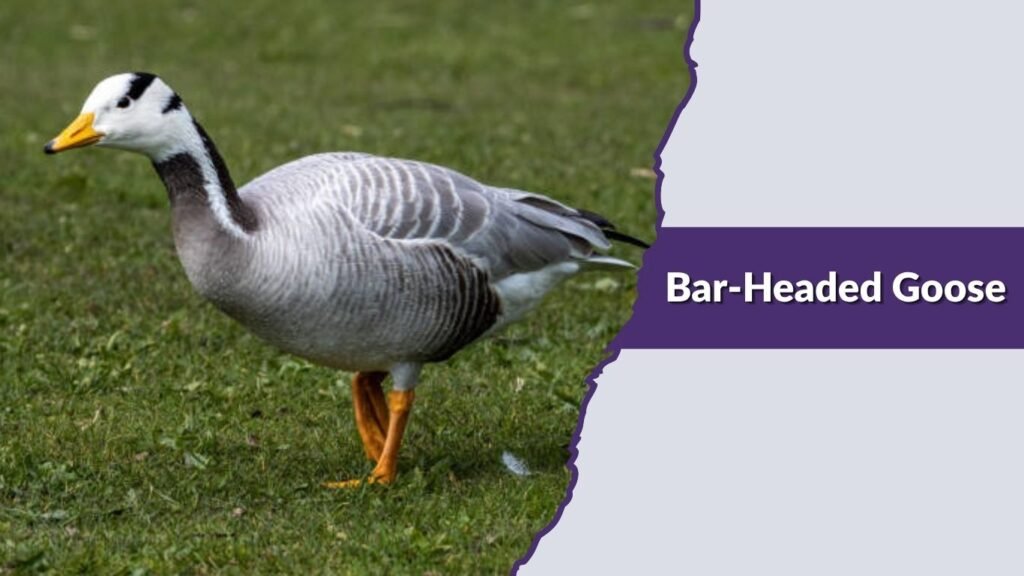
The bar-headed goose is a remarkable high-flying bird known for crossing the Himalayan mountains during migration. It has powerful wings, strong lungs, and excellent endurance, which help it fly through thin mountain air. This goose is easy to recognize by the dark bars across its white head.
Speed and Size
The bar-headed goose is a medium-sized goose with a wingspan of about 4.5 to 5 feet. It can fly at strong speeds during migration and travel long distances without stopping. Its body is built for endurance, allowing it to keep flying across mountains, lakes, and valleys.
Habitat and Diet
This bird breeds around high-altitude lakes and wetlands in Central Asia. During winter, it migrates to lower wetlands, rivers, lakes, and agricultural fields in South Asia. It mainly eats grasses, aquatic plants, grains, seeds, and crops found near water or open fields.
Identification
The bar-headed goose has a pale gray body, white head, orange legs, and two black bars across the back of its head. Its clean head markings make it easier to identify than many other geese. In flight, it shows broad wings and steady wingbeats.
High-Flying Ability
The bar-headed goose is famous for flying over the Himalayas. It can handle low oxygen levels and cold temperatures at high altitudes. This amazing ability helps it complete one of the most difficult bird migrations in the world.
3. Common Crane
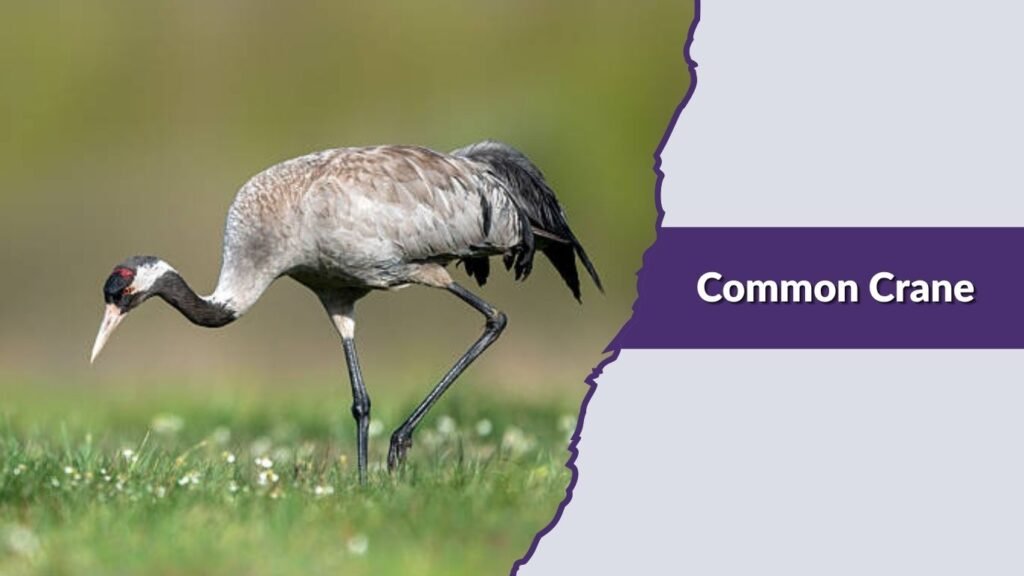
The common crane is a tall, elegant bird known for its long migrations and high-altitude flights. It travels in large flocks and often forms a V-shape in the sky. With its long legs, long neck, and broad wings, this bird is one of the most graceful high-flying birds.
Speed and Size
The common crane is a large bird with a wingspan of about 6 to 8 feet. It can fly at strong speeds during migration and cover long distances between breeding and wintering grounds. Its broad wings allow it to glide and soar efficiently.
Habitat and Diet
Common cranes breed in wetlands, marshes, bogs, and open grasslands across parts of Europe and Asia. During migration and winter, they visit fields, lakes, rivers, and agricultural land. Their diet includes grains, seeds, roots, insects, worms, small amphibians, and other small animals.
Identification
The common crane has a gray body, long dark legs, a long neck, and a red patch on the head. It also has black-and-white markings on the face and neck. In flight, its neck is stretched straight forward and its legs trail behind the body.
High-Flying Ability
Common cranes can fly at high altitudes during migration, especially when crossing mountains and long open areas. Their flock formation helps save energy and improves travel efficiency. This makes them strong and successful long-distance migrants.
4. Whooper Swan
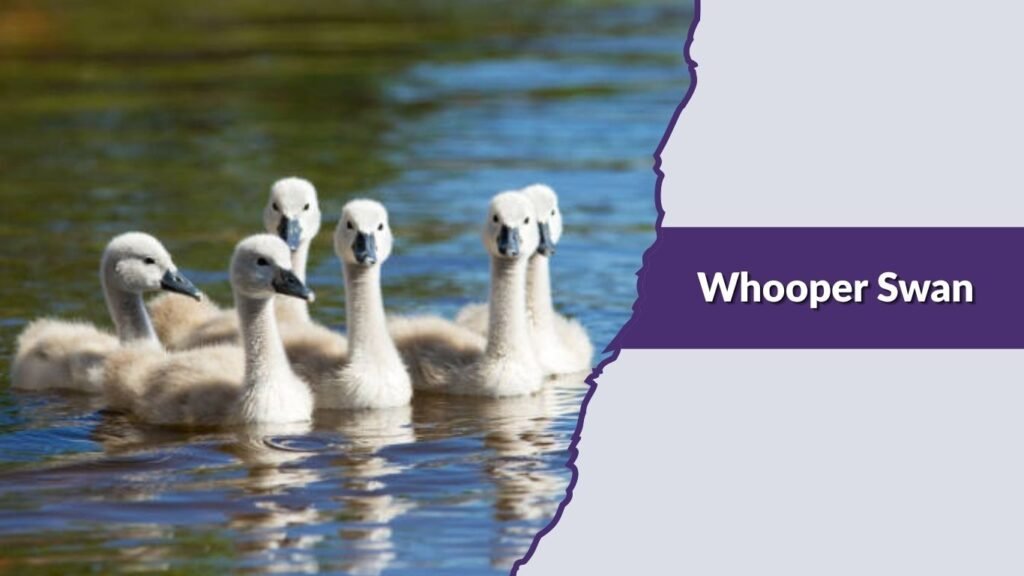
The whooper swan is a large white bird known for its powerful flight and loud calling voice. It migrates across long distances between northern breeding grounds and warmer wintering areas. With its strong wings and heavy body, it is one of the most impressive high-flying waterbirds.
Speed and Size
The whooper swan is a large bird with a wingspan of about 6.5 to 9 feet. Despite its size, it can fly strongly during migration. Its long neck, broad wings, and powerful wingbeats help it travel across lakes, seas, and land.
Habitat and Diet
Whooper swans breed in northern wetlands, lakes, ponds, and slow rivers. In winter, they move to coastal areas, flooded fields, reservoirs, and large freshwater bodies. They mainly eat aquatic plants, grasses, roots, grains, and leftover crops from farmland.
Identification
The whooper swan has a pure white body, long neck, black legs, and a yellow-and-black bill. The yellow bill patch is large and wedge-shaped, helping separate it from similar swans. In flight, it looks strong and graceful with slow, deep wingbeats.
High-Flying Ability
Whooper swans can fly at high altitudes during migration and often travel in groups. Their strong flight helps them cross long distances and harsh weather conditions. They may fly both day and night when moving between seasonal habitats.
5. Alpine Chough
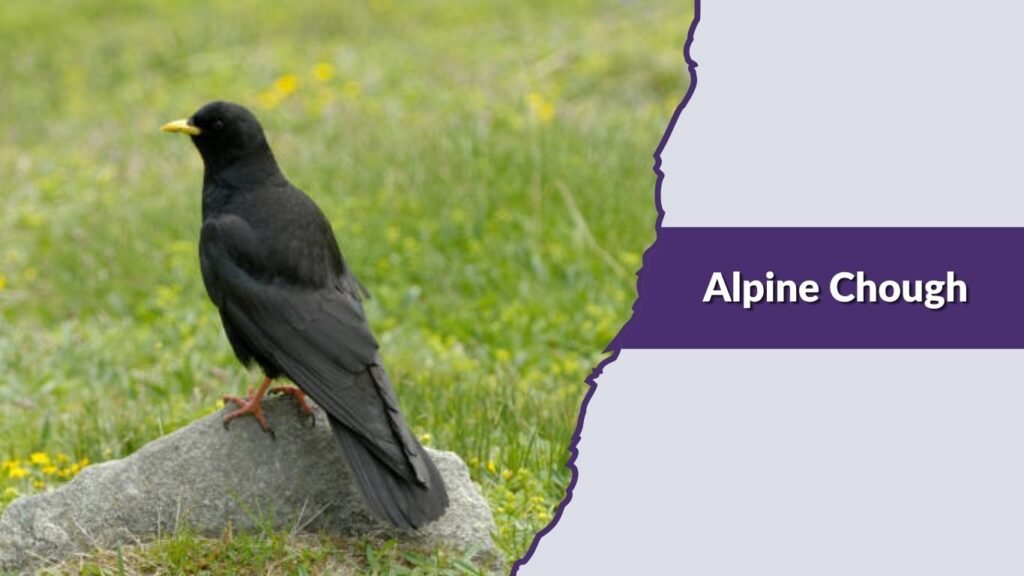
The alpine chough is a mountain bird known for flying at very high elevations. It lives around cliffs, rocky slopes, and alpine meadows, often near snowy peaks. This bird is smaller than many high-flying birds, but it is highly adapted to thin air and cold mountain conditions.
Speed and Size
The alpine chough is a medium-small bird with a wingspan of about 2.5 to 3 feet. It is an agile flyer and can twist, glide, and soar around mountain cliffs. Its light body and strong wings help it move easily through mountain winds.
Habitat and Diet
This bird lives in high mountains across Europe, North Africa, and parts of Asia. It is often seen near cliffs, ski areas, alpine grasslands, and rocky peaks. Its diet includes insects, seeds, berries, small food scraps, and plant material found in mountain areas.
Identification
The alpine chough has glossy black feathers, a yellow bill, and red legs. Its bright bill and legs make it easy to recognize against snow or rock. It often flies in groups and gives loud calls while circling around cliffs and mountain valleys.
High-Flying Ability
The alpine chough is one of the highest-living and highest-flying mountain birds. It can fly near very high peaks where the air is thin and cold. Its strong flight control helps it survive in steep, windy mountain habitats.
6. Bearded Vulture
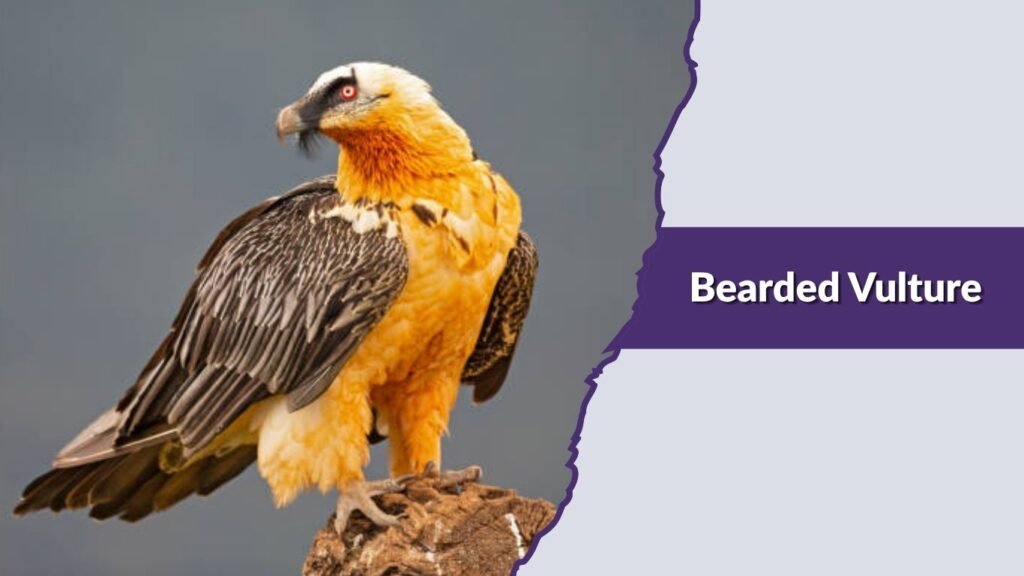
The bearded vulture is a large mountain bird famous for its high flight and unusual diet. It is often seen soaring over cliffs, valleys, and rugged mountain slopes. This bird has a striking appearance, with long wings, a wedge-shaped tail, and dark markings around the face.
Speed and Size
The bearded vulture is a large raptor with a wingspan of about 7.5 to 9 feet. It soars slowly and powerfully over mountains while searching for food. Its long wings help it glide for long distances with very little effort.
Habitat and Diet
This vulture lives in high mountain regions of Europe, Africa, and Asia. It prefers cliffs, rocky valleys, and open slopes. Its diet is unusual because it feeds mostly on bones and bone marrow. It may drop large bones onto rocks to break them open.
Identification
The bearded vulture has long narrow wings, a diamond-shaped tail, pale or rusty body feathers, and dark facial markings. The black “beard” under its bill gives it its name. In flight, its long tail and graceful soaring style are important identification signs.
High-Flying Ability
The bearded vulture is well adapted to mountain flight. It can soar at high altitudes while using wind currents along cliffs and ridges. This ability helps it search wide mountain areas for bones and carcasses.
7. Andean Condor
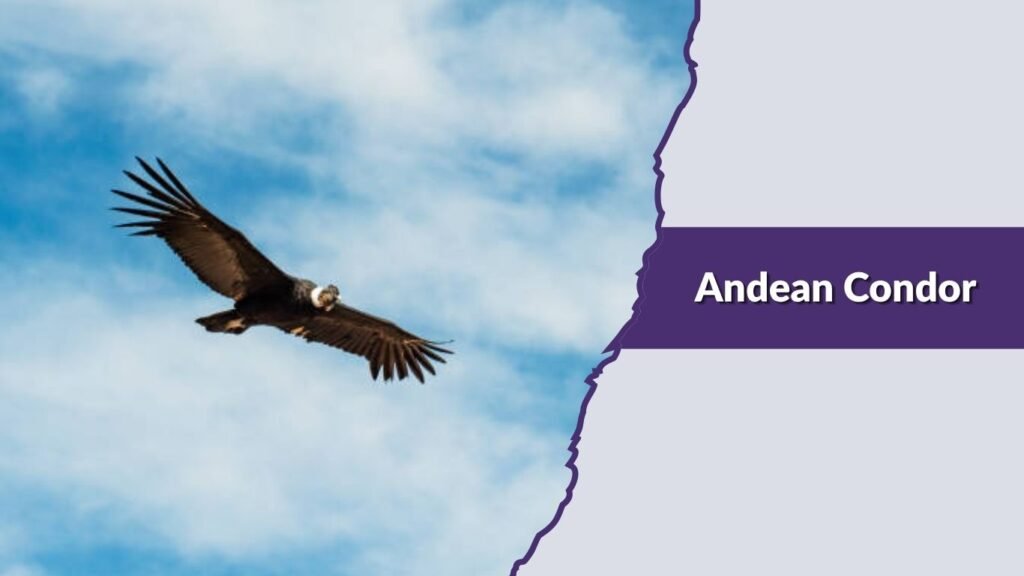
The Andean condor is one of the largest flying birds in the world and is famous for soaring high over the Andes Mountains. With its huge wings and strong gliding ability, it can travel long distances while using rising air currents. This bird is a powerful symbol of mountain wildlife in South America.
Speed and Size
The Andean condor has a massive wingspan of about 9 to 10.5 feet. It usually flies by soaring rather than constant flapping. Its large wings help it glide over mountains, valleys, and open landscapes while saving energy during long flights.
Habitat and Diet
This bird lives mainly in the Andes Mountains and nearby open areas of South America. It prefers cliffs, high grasslands, deserts, and coastal regions. The Andean condor feeds mostly on carrion, including dead mammals, livestock, and marine animals found near coasts.
Identification
The Andean condor has black feathers, broad wings, a white collar around the neck, and white patches on the wings. Males have a large comb on the head. In flight, its huge size and steady soaring style make it easy to recognize.
High-Flying Ability
The Andean condor can soar at great heights over mountain ranges. It uses thermal air currents and strong winds to stay in the air for long periods. This high-flying ability helps it search wide areas for food.
8. Himalayan Griffon Vulture
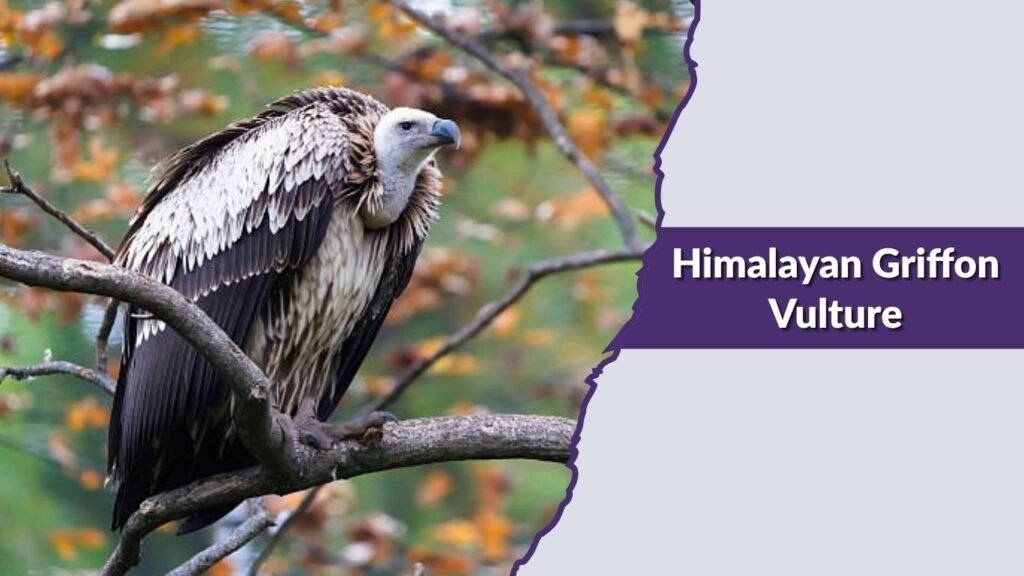
The Himalayan griffon vulture is a large mountain vulture that flies at very high altitudes. It is commonly seen soaring above the Himalayas and other high mountain regions. This bird has broad wings, strong eyesight, and a powerful body built for long-distance gliding.
Speed and Size
The Himalayan griffon vulture is a large bird with a wingspan of about 8 to 10 feet. It flies mostly by soaring and gliding, using mountain winds to move with little effort. Its broad wings help it stay airborne for long periods.
Habitat and Diet
This vulture lives in the Himalayas, Tibetan Plateau, and nearby mountain regions. It prefers cliffs, high valleys, open slopes, and rugged landscapes. Its diet mainly consists of carrion, especially dead livestock, wild mammals, and other animal carcasses found in mountain areas.
Identification
The Himalayan griffon vulture has pale brown body feathers, darker flight feathers, a pale head, and a thick neck ruff. It looks large and heavy in flight. Its broad wings and slow soaring pattern help separate it from smaller raptors.
High-Flying Ability
This vulture is strongly adapted to thin mountain air. It can fly at high elevations while searching for carcasses across cliffs and valleys. Its soaring ability helps it cover large areas in harsh mountain environments.
9. Mallard Duck
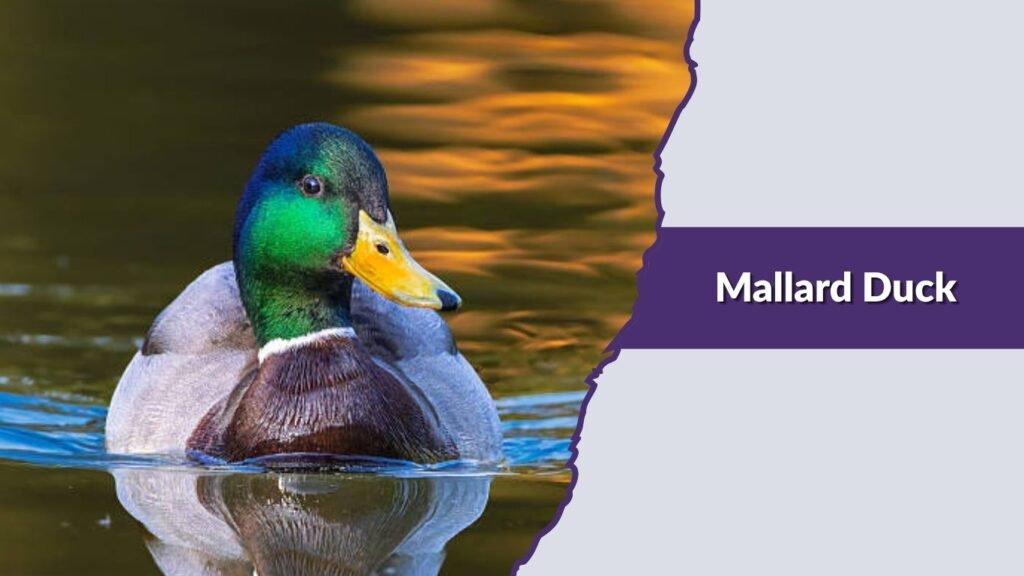
The mallard duck is a common waterbird that can fly at impressive heights during migration. Although it is often seen on ponds, lakes, and rivers, it is also a strong flyer. Mallards travel long distances between breeding and wintering areas, often moving in flocks.
Speed and Size
The mallard is a medium-sized duck with a wingspan of about 2.7 to 3.2 feet. It can fly quickly with rapid wingbeats and may reach strong speeds during migration. Its compact body and pointed wings help it travel efficiently.
Habitat and Diet
Mallards live in lakes, ponds, rivers, marshes, wetlands, and agricultural fields. They are found across many parts of North America, Europe, Asia, and other regions. Their diet includes aquatic plants, seeds, grains, insects, worms, snails, and small aquatic animals.
Identification
Male mallards have a glossy green head, yellow bill, white neck ring, gray body, and chestnut-brown chest. Females are mottled brown with an orange-and-brown bill. In flight, both show a blue wing patch bordered with white.
High-Flying Ability
Mallards can fly high during migration, especially when crossing long distances or bad weather. Their strong wingbeats and flock movement help them travel safely between seasonal habitats.
10. White Stork
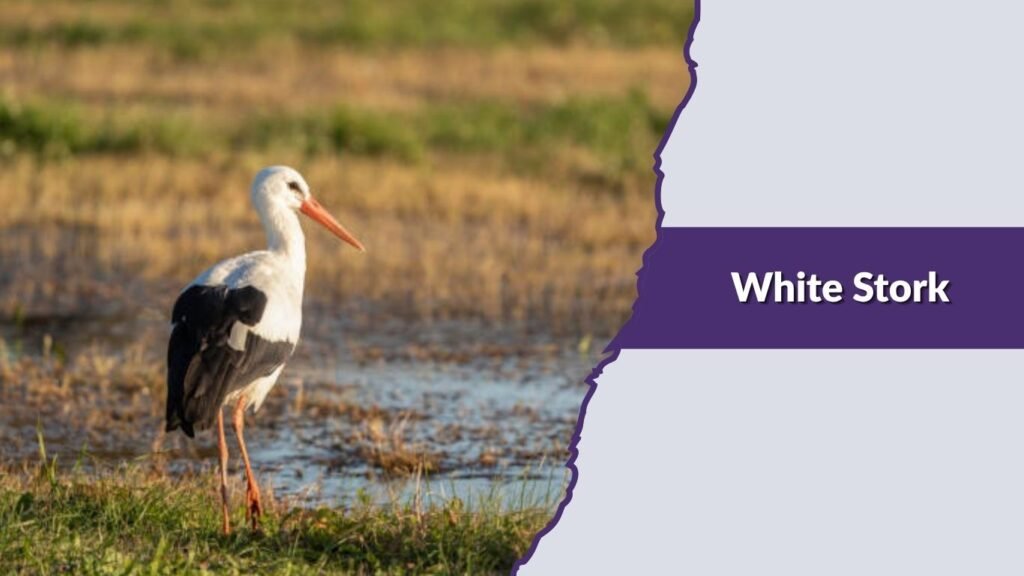
The white stork is a large migratory bird known for flying high during long-distance journeys. It uses warm rising air currents to soar across continents with little energy. This bird is often seen in open fields, wetlands, and near human settlements.
Speed and Size
The white stork is a large bird with a wingspan of about 6.5 to 7.5 feet. It flies with slow, steady wingbeats and often glides for long distances. Its broad wings make it an efficient soaring bird during migration.
Habitat and Diet
White storks live in wetlands, grasslands, farmlands, marshes, river edges, and open countryside. They breed in parts of Europe, Asia, and North Africa and migrate to warmer regions in winter. Their diet includes insects, frogs, fish, reptiles, worms, small mammals, and other small animals.
Identification
The white stork has a white body, black flight feathers, long red legs, and a long red bill. In flight, it keeps its neck stretched forward and legs extended backward. Its large size and black-and-white wings make it easy to identify.
High-Flying Ability
White storks are strong soaring birds and often fly high during migration. They use thermals to gain height and travel long distances without wasting much energy. This helps them cross wide landscapes during seasonal movement.
11. Great Frigatebird
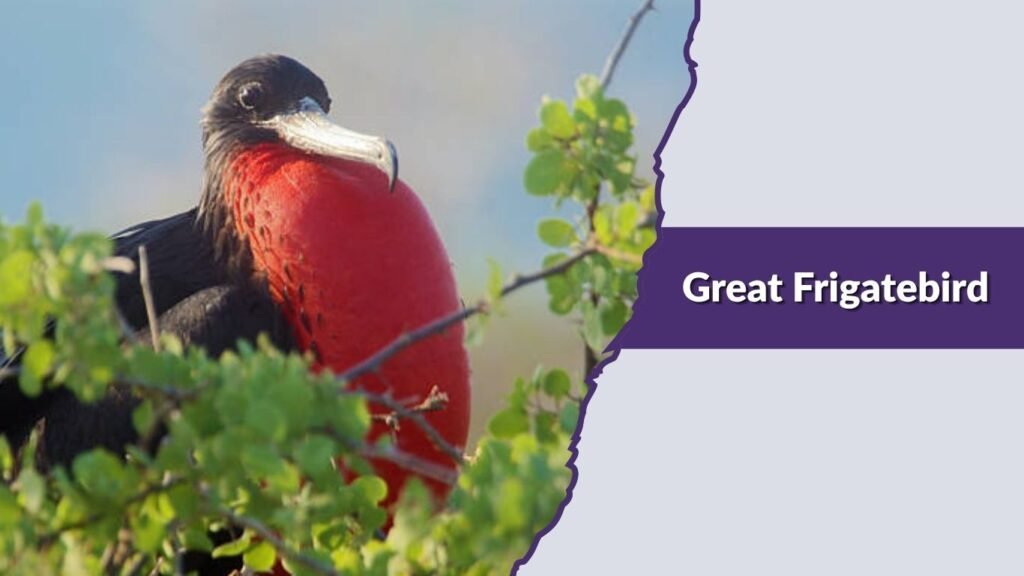
The great frigatebird is a powerful seabird known for soaring high over tropical oceans. It has long, pointed wings and a deeply forked tail, allowing it to glide for long periods. This bird spends much of its life in the air and rarely lands on water.
Speed and Size
The great frigatebird has a wingspan of about 7 to 8 feet. It is light for its size and can glide for hours with little flapping. Its long wings help it ride ocean winds and travel far from land while searching for food.
Habitat and Diet
This bird lives around tropical and subtropical oceans, islands, and coastal areas. It nests on islands, often in shrubs or low trees. Its diet includes fish, squid, small marine animals, and food stolen from other seabirds. It may also catch flying fish near the surface.
Identification
The great frigatebird has long narrow wings, a forked tail, and mostly dark feathers. Males have a red throat pouch that inflates during courtship displays. In flight, its angular wings and graceful gliding make it easy to recognize.
High-Flying Ability
Great frigatebirds are excellent high-soaring seabirds. They can stay airborne for long periods by using rising warm air and ocean winds. Their flight style allows them to travel over large areas of open sea.
12. Golden Eagle
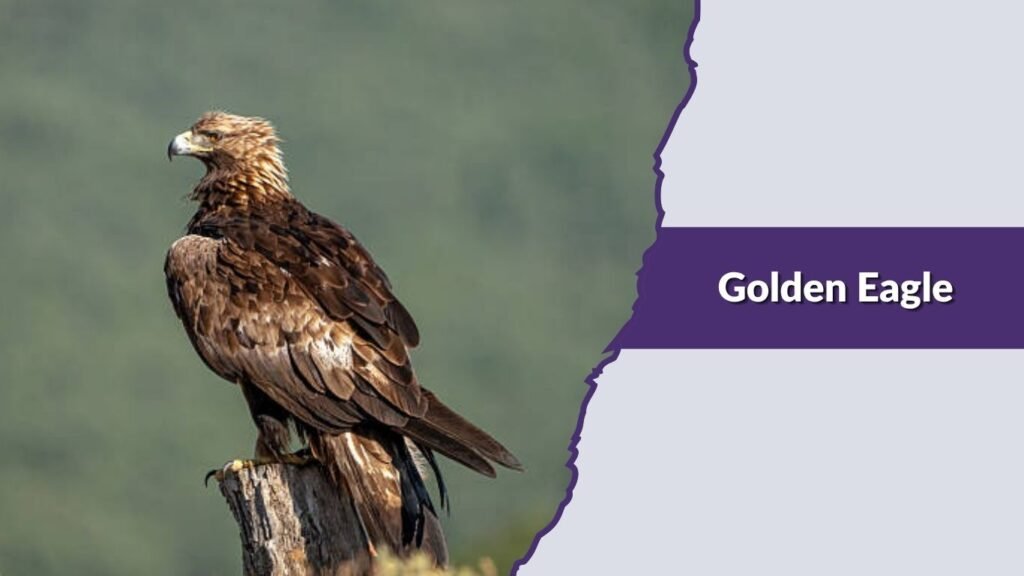
The golden eagle is a powerful high-flying bird of prey known for its speed, sharp eyesight, and strong hunting skills. It soars over mountains, cliffs, grasslands, and open country while searching for prey. With broad wings and a strong body, this eagle is one of the most impressive raptors in the sky.
Speed and Size
The golden eagle is a large raptor with a wingspan of about 6 to 7.5 feet. It can fly fast during hunting dives and can glide smoothly for long distances. Its strong wings help it soar high above open landscapes while scanning the ground below.
Habitat and Diet
Golden eagles live in mountains, cliffs, open grasslands, deserts, tundra, and remote countryside. They are found across parts of North America, Europe, Asia, and North Africa. Their diet includes rabbits, hares, squirrels, birds, reptiles, and sometimes carrion when live prey is limited.
Identification
The golden eagle has dark brown feathers with golden-brown coloring on the back of the head and neck. It has broad wings, a strong hooked beak, and feathered legs. In flight, it often holds its wings slightly raised while soaring.
High-Flying Ability
Golden eagles are excellent soarers and can fly at high altitudes while hunting or migrating. They use rising air currents to save energy and cover large areas. Their sharp vision allows them to spot prey from far above the ground.
13. Peregrine Falcon
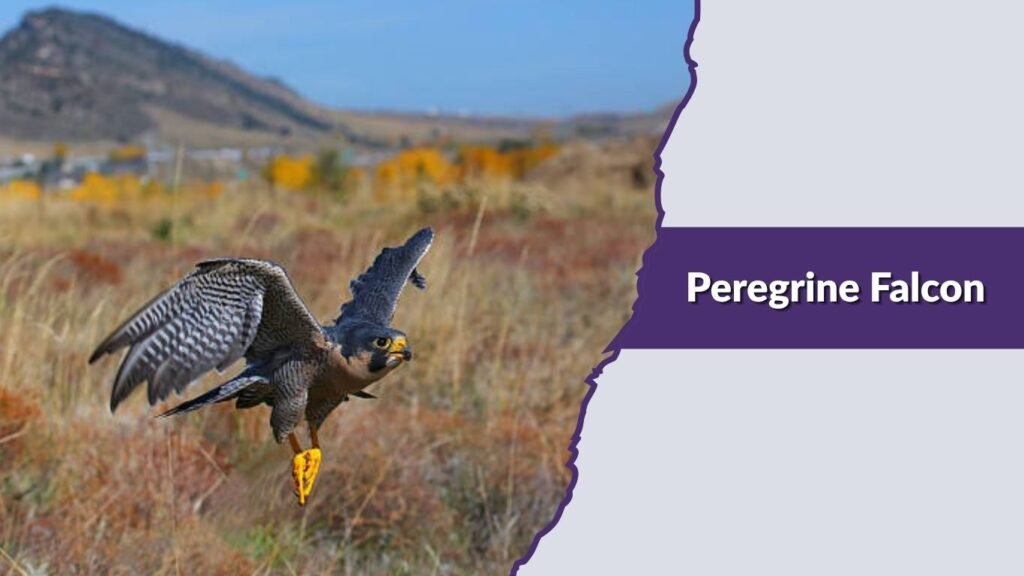
The peregrine falcon is one of the fastest birds in the world and a skilled high-flying hunter. It often climbs high into the sky before diving at incredible speed to catch birds in midair. This falcon is found in many parts of the world and adapts well to cliffs, cities, and open landscapes.
Speed and Size
The peregrine falcon is a medium-sized raptor with a wingspan of about 3 to 4 feet. It is famous for its high-speed hunting dive, called a stoop. During this dive, it can reach extreme speeds, making it one of the fastest animals on Earth.
Habitat and Diet
Peregrine falcons live on cliffs, coastlines, mountains, wetlands, grasslands, and tall city buildings. They are found on every continent except Antarctica. Their diet mainly includes pigeons, ducks, shorebirds, songbirds, and other flying birds caught during fast aerial attacks.
Identification
The peregrine falcon has a blue-gray back, pale underside with dark barring, pointed wings, and a dark “moustache” mark on the face. In flight, its pointed wings and fast, direct movement make it easy to identify.
High-Flying Ability
Peregrine falcons often fly high before hunting. From above, they dive steeply toward prey with great speed and accuracy. Their high flight position gives them the advantage needed to strike birds in midair.
FAQs
Which bird can fly the highest?
Rüppell’s griffon vulture is often known as one of the highest-flying birds in the world. It has been recorded at extreme altitudes and is specially adapted to fly in thin air. Its strong wings and soaring ability help it search wide areas for food.
Why do some birds fly so high?
Some birds fly high for migration, hunting, or saving energy while traveling long distances. High altitudes can help them use wind currents, avoid obstacles, and cross mountains or oceans. Birds like cranes, geese, vultures, and eagles use high flight for survival.
Do high-flying birds breathe differently?
High-flying birds have efficient lungs, strong hearts, and special blood adaptations that help them use oxygen better. These features allow them to fly where the air is thin. Birds like the bar-headed goose are especially famous for handling low-oxygen conditions during mountain migration.
What do high-flying birds eat?
Their diet depends on the species. Vultures and condors eat carrion, while eagles and falcons hunt live prey such as birds, mammals, and reptiles. Geese, swans, and ducks often eat plants, grains, seeds, and aquatic vegetation.
Are high-flying birds easy to identify?
Many high-flying birds can be identified by their size, wing shape, flight style, and markings. Vultures often soar with broad wings, while falcons have pointed wings and fast flight. Waterbirds like geese and swans usually fly in groups during migration.