
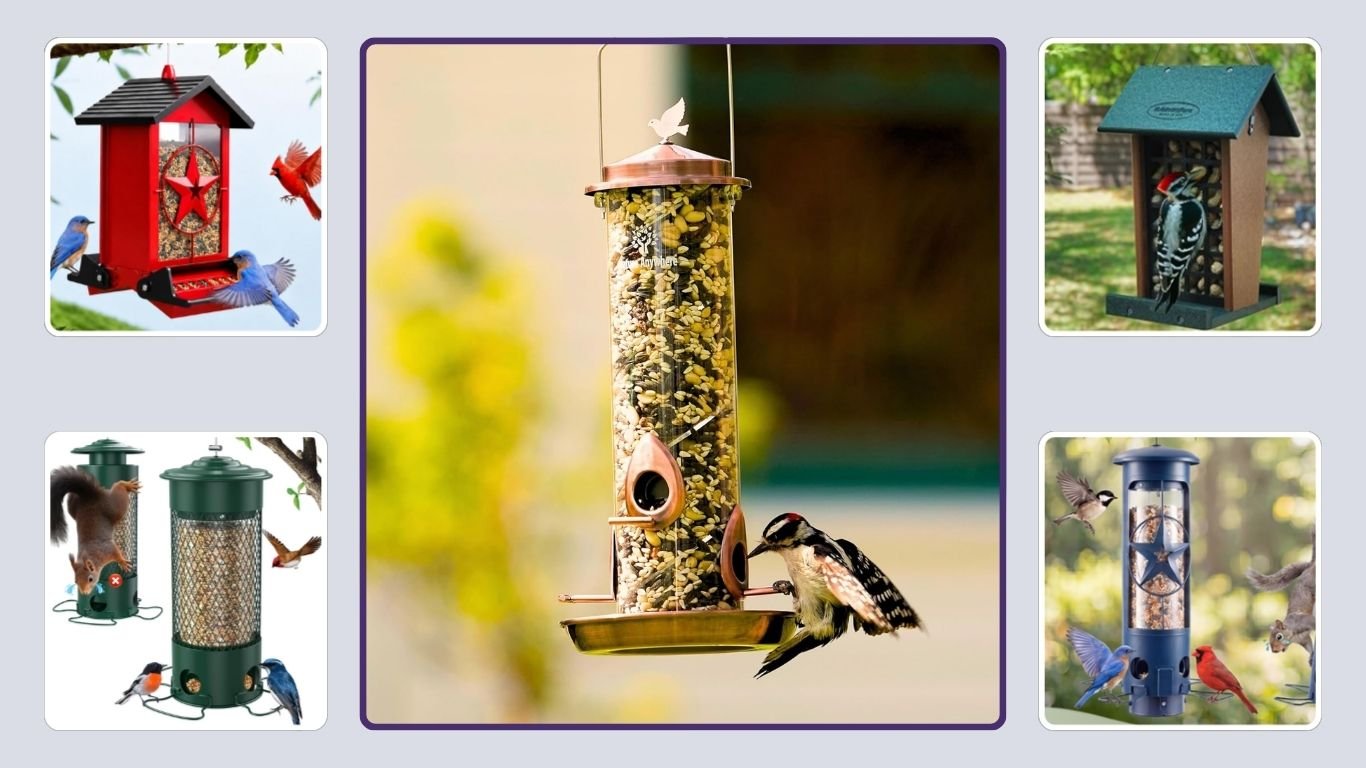
Blue jays are bold, intelligent backyard birds that prefer sturdy feeders with enough space to perch comfortably and access larger foods such as peanuts, sunflower seeds, and suet. The right feeder should be durable, weather-resistant, easy to clean, and strong enough to handle larger birds while limiting squirrel interference. In this guide, we review 10 of the best blue jay bird feeders based on feeder design, capacity, stability, squirrel resistance, drainage, outdoor durability, and overall suitability for attracting blue jays and other medium-sized songbirds.
1. Weight-Activated Squirrel-Proof Bird Feeder for Blue Jays & Cardinals
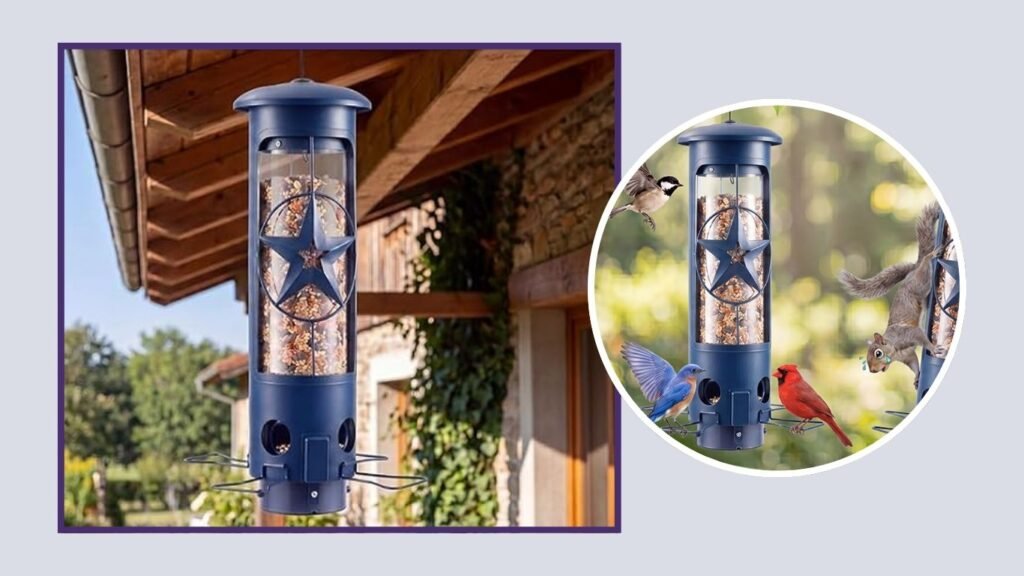
This weight-activated squirrel-proof bird feeder is designed for bird lovers who want to attract blue jays, cardinals, chickadees, and other backyard birds while reducing unwanted squirrel access. Its sturdy, chew-resistant construction and detachable design make it practical for regular outdoor use. The larger feeding area is especially useful for blue jays, which need more space and support than smaller finches or sparrows.
Key Features
- Weight-activated squirrel-resistant design
- Suitable for blue jays, cardinals, and chickadees
- Chew-resistant construction
- Detachable parts for easier cleaning
- Designed for outdoor hanging
- Supports larger backyard birds
- Useful for sunflower seeds and similar foods
Why It’s Best for Squirrel-Prone Backyards
The biggest advantage of this feeder is its weight-activated mechanism. Squirrels are often one of the main problems when feeding blue jays because they can quickly empty a feeder or damage lightweight components.
A weight-sensitive feeding system helps restrict access when a heavier animal climbs onto the feeder while still allowing birds to use the feeding ports.
This makes it particularly useful in yards with trees, fences, or structures that give squirrels easy access to hanging feeders.
Feeding Performance & Outdoor Durability
Blue jays are strong, active birds, so a feeder needs enough structural support to handle repeated landings. The chew-resistant body adds useful durability, while detachable components make cleaning and seed replacement more manageable.
Positioning the feeder several feet away from jumping points can improve squirrel resistance even further.
Regular inspection is still important because seed hulls, moisture, and debris can collect around feeding areas. Keeping the feeder clean helps maintain healthier conditions and improves long-term performance.
Pros & Cons and Overall Verdict
Pros
- Weight-activated squirrel control
- Suitable for larger birds
- Strong construction
- Easier cleaning with detachable parts
- Good for busy backyard feeding areas
Cons
- Weight mechanisms may require adjustment
- Larger blue jays may occasionally trigger sensitive settings
- Proper placement is important
Overall Verdict: This feeder is a strong choice for bird enthusiasts dealing with persistent squirrels. Its weight-activated protection, sturdy construction, and larger feeding support make it particularly suitable for blue jays and other medium-sized backyard birds.
2. Outdoor Weight-Activated Squirrel-Proof Bird Feeder
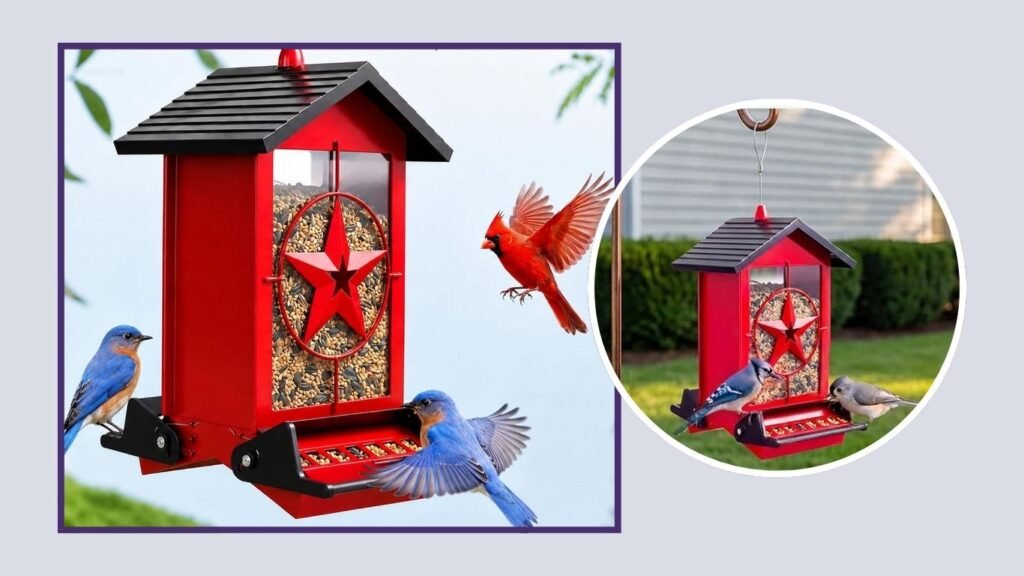
This outdoor weight-activated feeder is built for homeowners who want to reduce squirrel access while maintaining an inviting feeding station for blue jays and other songbirds. Its outdoor-focused construction is designed to handle regular backyard exposure, while the weight-sensitive mechanism helps protect the seed supply. The feeder can work well in gardens, patios, and established bird-feeding stations where squirrels frequently compete with birds.
Key Features
- Weight-activated squirrel-proof system
- Designed for outdoor use
- Suitable for medium-sized backyard birds
- Helps protect seed from squirrels
- Hanging feeder configuration
- Useful for regular backyard feeding
- Supports common birdseed varieties
Why It’s Best for Protecting Seed
Squirrels can consume large amounts of birdseed in a short time, making seed protection one of the most valuable features in an outdoor feeder.
This model helps solve that problem by using the animal’s weight against it. When a heavier visitor reaches the feeding area, the mechanism is designed to limit access.
For households that refill feeders frequently because of squirrel activity, this type of system can reduce wasted seed while still allowing birds to feed normally.
Feeding Performance & Weather Resistance
The feeder performs best when hung in a location that provides birds with clear approach paths but limits access from nearby branches or fences.
Blue jays often prefer foods such as sunflower seeds and peanuts, so using larger, suitable seeds can make the feeder more attractive to them.
Outdoor durability also depends on routine care. After heavy rain, users should check the seed compartment for moisture. Cleaning feeding ports and removing old seed helps prevent clogging and keeps the mechanism working smoothly.
Pros & Cons and Overall Verdict
Pros
- Helps prevent squirrel seed theft
- Suitable for outdoor use
- Practical for regular bird feeding
- Works well in squirrel-heavy areas
- Reduces unnecessary seed loss
Cons
- Mechanical parts require occasional checking
- Placement affects overall effectiveness
- Larger birds may need appropriate weight settings
Overall Verdict: This feeder is a practical option for homeowners who want to maintain a reliable feeding station without constantly losing seed to squirrels. Its weight-activated design makes it especially useful in active suburban and wooded backyards.
3. Olaiti Weatherproof Weight-Activated Bird Feeder
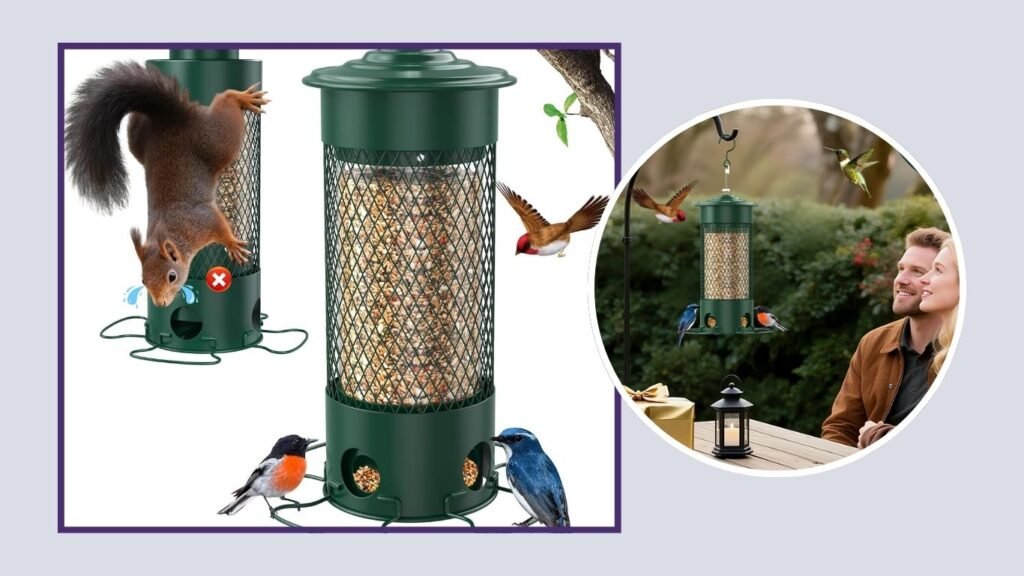
The Olaiti Weatherproof Weight-Activated Bird Feeder combines squirrel resistance with an outdoor-ready design. Built for use in changing weather conditions, it provides a protected feeding space for blue jays, chickadees, cardinals, and similar backyard birds. The weight-activated mechanism adds another layer of protection by limiting access for heavier visitors, making the feeder useful for areas where squirrel pressure is high.
Key Features
- Weatherproof outdoor design
- Weight-activated squirrel resistance
- Suitable for blue jays and other songbirds
- Durable hanging construction
- Helps protect stored birdseed
- Designed for seasonal outdoor use
- Good for mixed backyard bird feeding
Why It’s Best for All-Weather Use
Weather is one of the main causes of seed spoilage. Rain and moisture can make birdseed clump, mold, or become less attractive to visiting birds.
The weather-focused design gives this feeder a practical advantage for people who want to keep a feeder outside for extended periods.
The added squirrel-resistant mechanism means users do not have to choose between weather protection and pest control. Both features are especially helpful in yards where feeders are exposed to changing conditions.
Feeding Performance & Durability
Blue jays need sturdy perching areas and easy access to larger foods. A weather-resistant feeder can help keep sunflower seeds and similar foods in better condition between refills.
The weight-sensitive mechanism should be checked occasionally to ensure it moves smoothly. Dirt, seed debris, or weather exposure can sometimes affect moving parts over time.
For best results, the feeder should be cleaned regularly and allowed to dry completely before fresh seed is added.
Pros & Cons and Overall Verdict
Pros
- Weather-resistant design
- Helps deter squirrels
- Suitable for several bird species
- Strong outdoor construction
- Good for regular seasonal use
Cons
- Moving mechanisms need maintenance
- Severe weather can still affect seed
- Larger birds may require sensitivity adjustment
Overall Verdict: The Olaiti feeder is a good option for bird lovers who want both weather resistance and squirrel protection. Its combination of durability and weight activation makes it particularly suitable for yards where feeders remain outdoors through changing conditions.
4. DutchCrafters Hanging Bird Feeder for Blue Jays & Woodpeckers
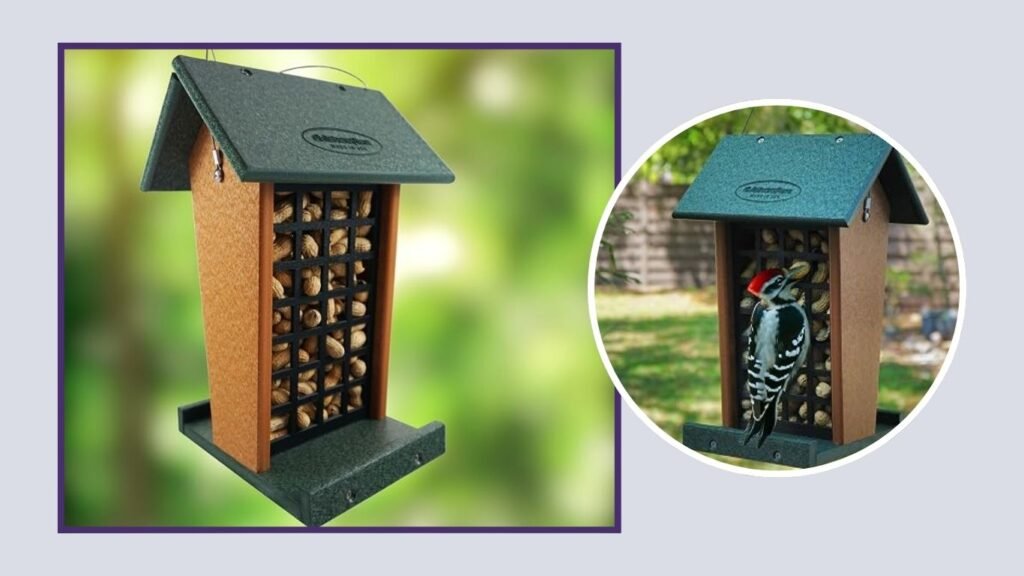
The DutchCrafters Hanging Bird Feeder is designed with larger backyard birds in mind, making it a particularly suitable choice for blue jays and woodpeckers. Its broader feeding area offers more room for medium-sized species to land and feed comfortably. The hanging outdoor design also provides placement flexibility, allowing users to position it near trees, gardens, decks, or other popular bird activity zones.
Key Features
- Designed for blue jays and woodpeckers
- Larger feeding area
- Outdoor hanging configuration
- Durable plastic-style construction
- Suitable for larger bird foods
- Provides comfortable perching space
- Useful for gardens and backyard feeding stations
Why It’s Best for Larger Backyard Birds
Blue jays often struggle with very small tube feeders because the perches may not provide enough support. A feeder designed for larger species gives them more room to land, balance, and access food.
This makes the DutchCrafters model especially attractive for users whose main goal is to attract blue jays rather than tiny finches.
It can also accommodate larger foods such as peanuts, sunflower seeds, and other items that blue jays readily recognize.
Feeding Performance & Practical Design
A larger feeding area can reduce crowding and make it easier for medium-sized birds to approach from different angles.
Because blue jays are assertive feeders, extra room can also help when several birds visit the same station.
The feeder should be positioned where birds have a clear flight path but some nearby cover. Cleaning is important because larger seeds and shells can accumulate quickly. Any drainage areas should also remain clear to prevent moisture buildup after rain.
Pros & Cons and Overall Verdict
Pros
- Excellent size for blue jays
- Suitable for woodpeckers and other larger birds
- Flexible hanging installation
- Supports larger seed and food types
- More comfortable than small tube feeders
Cons
- May attract squirrels
- Larger feeding areas can accumulate debris
- Requires regular cleaning
Overall Verdict: This DutchCrafters feeder is an excellent option for bird enthusiasts who specifically want to attract blue jays and other larger backyard species. Its generous feeding space offers the stability and accessibility that medium-sized birds often prefer.
5. Weatherproof Squirrel-Proof Bird Feeder for Blue Jays & Cardinals
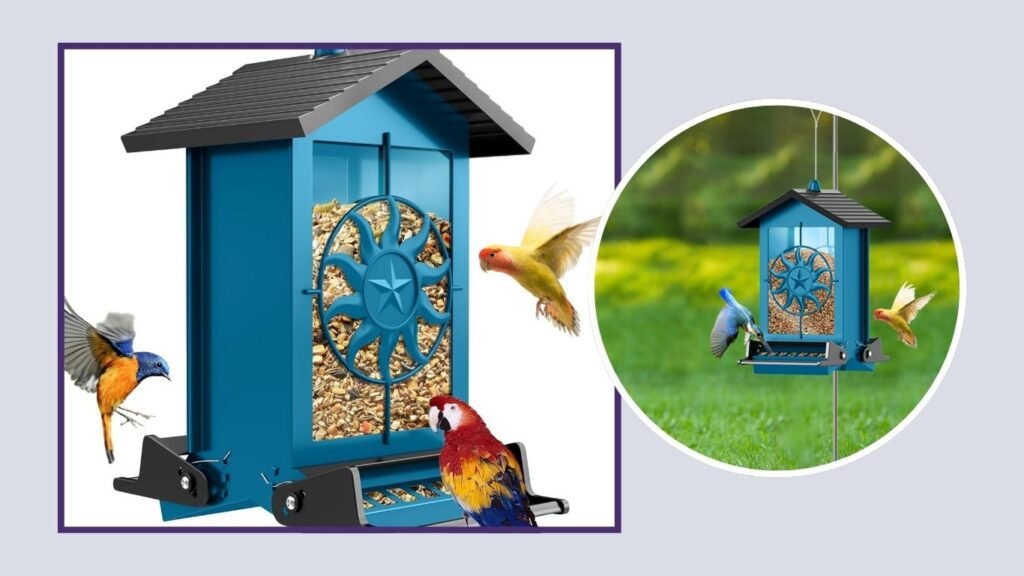
This weatherproof squirrel-proof feeder is designed for bird enthusiasts who want reliable outdoor performance while reducing competition from squirrels. It combines a weight-activated feeding system with weather-resistant construction, making it suitable for blue jays, cardinals, and other medium-sized backyard birds. The design can be particularly useful in areas where both rain exposure and squirrel activity are persistent concerns.
Key Features
- Weight-activated squirrel resistance
- Weatherproof outdoor construction
- Suitable for blue jays and cardinals
- Hanging feeder design
- Helps protect stored seed
- Built for regular outdoor exposure
- Supports medium-sized backyard birds
Why It’s Best for Combined Squirrel & Weather Protection
Many feeders solve only one problem at a time. This design addresses two of the most common challenges: squirrels and outdoor weather.
The weight-sensitive mechanism helps limit access for heavier animals, while the weather-resistant body supports better seed protection during changing conditions.
For homeowners who regularly lose seed to squirrels or find that rain spoils their food supply, combining both features can make daily feeding much more manageable.
Feeding Performance & Long-Term Durability
Blue jays can place more physical stress on a feeder than smaller birds, so sturdy construction is important. This feeder is designed to provide dependable support for repeated visits.
Using high-value foods such as sunflower seeds or peanuts can increase blue jay interest, especially when the feeder remains consistently stocked.
Periodic maintenance helps preserve both the feeding ports and squirrel-resistant mechanism. Removing old seed, checking for moisture, and cleaning moving parts can improve long-term reliability.
Pros & Cons and Overall Verdict
Pros
- Combines weather and squirrel resistance
- Suitable for blue jays and cardinals
- Good for regular outdoor use
- Helps reduce wasted seed
- Sturdy design for medium-sized birds
Cons
- Mechanism may require occasional adjustment
- Not completely immune to determined squirrels
- Regular cleaning is still necessary
Overall Verdict: This feeder offers a balanced solution for bird lovers who need both squirrel resistance and outdoor durability. Its weight-activated protection and weatherproof construction make it a practical choice for attracting blue jays while keeping more of the seed available for birds.
6. vpgun Squirrel-Proof Outdoor Hanging Bird Feeder
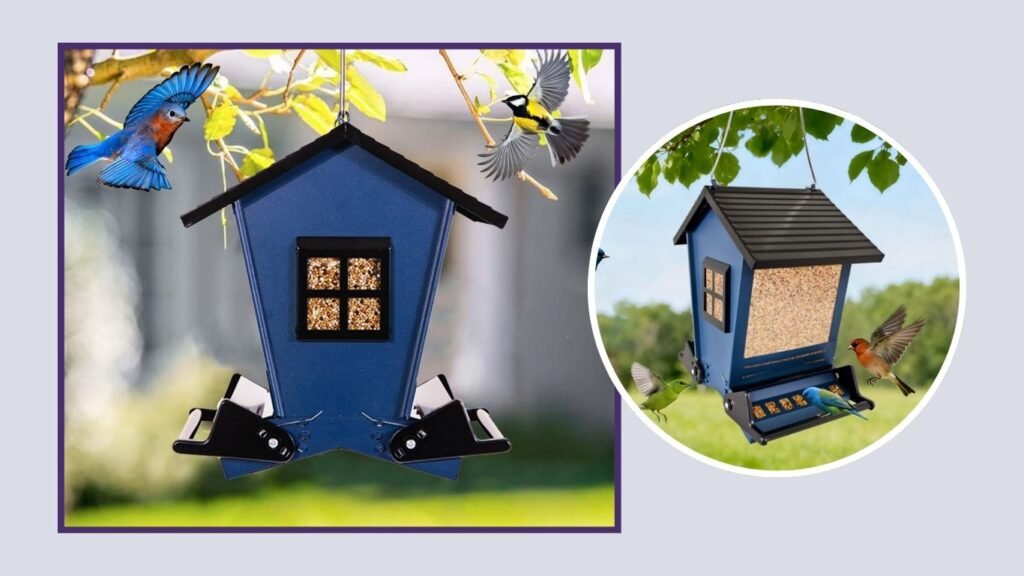
The vpgun Squirrel-Proof Outdoor Hanging Bird Feeder is designed for backyard bird watchers who want to provide a dependable feeding station while reducing competition from squirrels. Its hanging configuration makes it easy to position from a tree branch, shepherd’s hook, or feeder pole. The sturdy design can accommodate medium-sized visitors such as blue jays while providing convenient access to sunflower seeds and other foods these birds commonly enjoy.
Key Features
- Squirrel-resistant feeding design
- Suitable for outdoor hanging
- Good for blue jays and medium-sized birds
- Compatible with common birdseed varieties
- Sturdy construction for regular outdoor use
- Flexible placement options
- Helps reduce unnecessary seed loss
Why It’s Best for Busy Backyard Feeding Stations
This feeder is particularly useful in yards where squirrels regularly compete with birds. Blue jays are large enough to need a stable feeding area, while squirrels require stronger barriers than ordinary lightweight feeders provide.
The hanging design also makes placement flexible. Positioning it away from fences, tree trunks, and rooflines can further reduce squirrel access.
Using peanuts or sunflower seeds can make the feeder especially attractive to blue jays.
Feeding Performance & Outdoor Reliability
The feeder performs best when installed in an open location with nearby natural cover. Blue jays appreciate clear approach routes but often prefer having shrubs or trees nearby for quick retreat.
Keeping the feeder consistently stocked can encourage repeat visits. However, seed should be checked after prolonged rain because excess moisture can lead to spoilage.
Routine cleaning also helps prevent old shells and debris from accumulating around feeding areas.
Pros & Cons and Overall Verdict
Pros
- Squirrel-resistant design
- Good for outdoor use
- Suitable for larger songbirds
- Flexible hanging installation
- Helps conserve birdseed
Cons
- Placement greatly affects squirrel resistance
- Requires regular cleaning
- Determined squirrels may still investigate
Overall Verdict: The vpgun feeder is a practical choice for bird enthusiasts who want to attract blue jays while limiting squirrel competition. Its hanging design, sturdy structure, and seed-protection features make it well suited to active backyard feeding areas.
7. Meleave Heavy-Duty Outdoor Bird Feeder
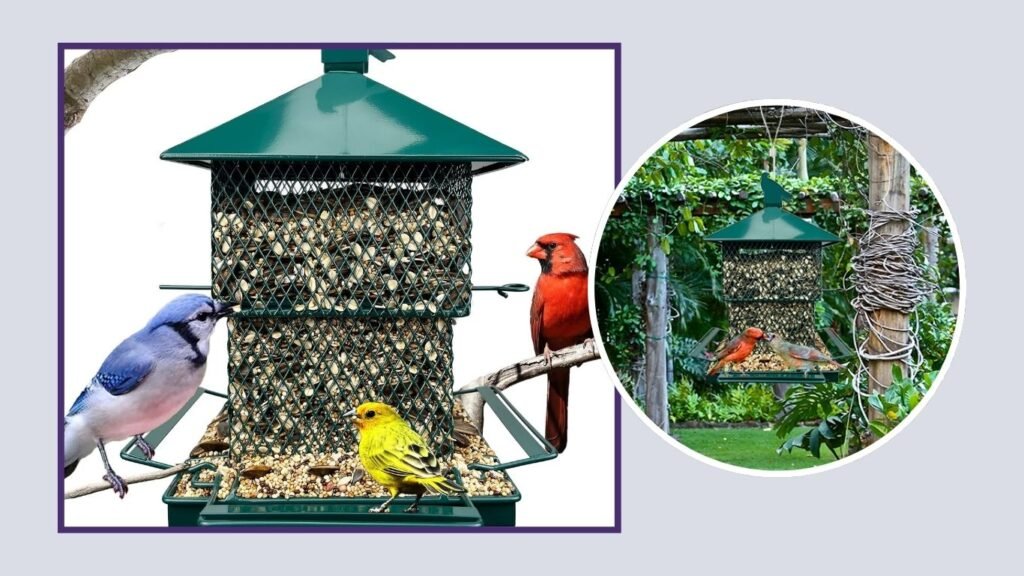
The Meleave Heavy-Duty Outdoor Bird Feeder emphasizes strength, capacity, and support for regular backyard feeding. Its heavier-duty construction can be especially useful for blue jays, which are larger and more powerful than finches or chickadees. The feeder also provides enough capacity to reduce constant refilling, making it attractive for yards that receive frequent visits from multiple birds.
Key Features
- Heavy-duty outdoor construction
- Generous seed capacity
- Suitable for blue jays and larger songbirds
- Strong feeding support
- Designed for regular outdoor use
- Useful for high-traffic feeding stations
- Compatible with popular birdseed types
Why It’s Best for Larger Blue Jays
Blue jays can be challenging to accommodate on small feeders with narrow perches. Their size and active feeding style make stronger construction particularly valuable.
The Meleave feeder offers the type of durability that works well when several larger birds visit throughout the day. Greater seed capacity can also be helpful because blue jays may consume or carry away substantial amounts of food.
For households with frequent bird traffic, fewer refills can make feeding considerably more convenient.
Feeding Performance & Heavy-Duty Design
Stability is important when blue jays land repeatedly. A sturdier structure helps reduce excessive swinging or movement while birds feed.
Sunflower seeds, peanuts, and suitable mixed seeds can be offered depending on the feeder configuration. Consistency is important; once blue jays identify a dependable food source, they may return frequently.
Larger capacity should not encourage leaving seed untouched for too long. Check for moisture or spoilage regularly and clean the feeder before adding fresh food.
Pros & Cons and Overall Verdict
Pros
- Strong heavy-duty build
- Excellent for larger backyard birds
- Useful seed capacity
- Reduces frequent refilling
- Suitable for busy feeding areas
Cons
- Larger feeders can be heavier when full
- May attract squirrels
- Seed freshness needs monitoring
Overall Verdict: The Meleave Heavy-Duty Bird Feeder is a strong candidate for households that regularly attract blue jays. Its sturdy construction and higher capacity are particularly useful for supporting larger birds and maintaining a busy backyard feeding station.
8. Large-Capacity Squirrel-Proof Bird Feeder for Blue Jays & Cardinals
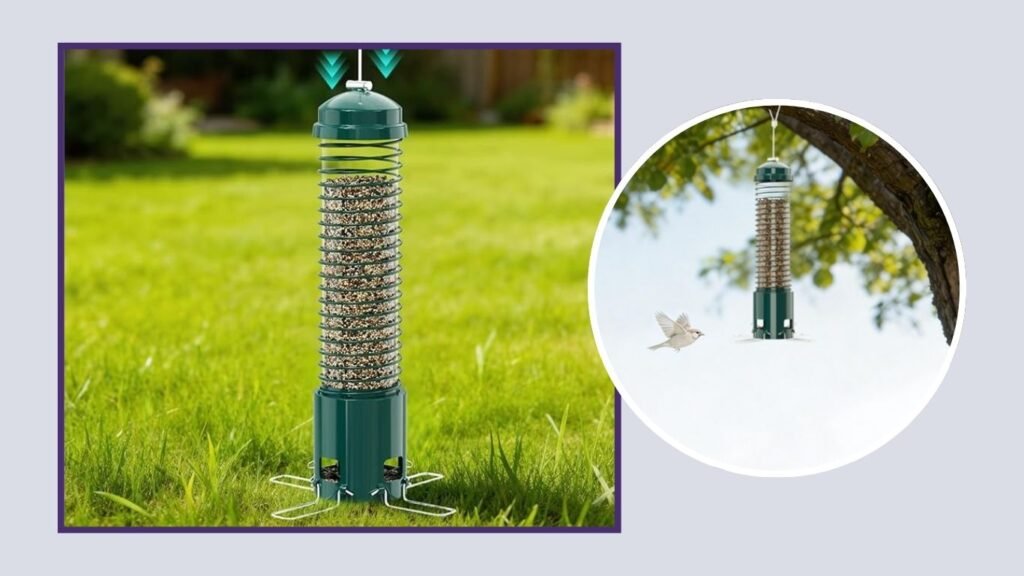
This large-capacity squirrel-proof bird feeder combines generous seed storage with features intended to reduce access by squirrels. It is designed for medium-sized backyard species such as blue jays and cardinals while also accommodating smaller visitors like chickadees. The larger reservoir makes it especially useful for households that experience frequent bird activity and want to reduce the number of daily refills.
Key Features
- Large seed-storage capacity
- Squirrel-resistant design
- Suitable for blue jays and cardinals
- Accommodates multiple backyard bird species
- Designed for outdoor use
- Helps reduce frequent refilling
- Useful for high-traffic feeding locations
Why It’s Best for High-Capacity Feeding
The biggest advantage is capacity. If several blue jays, cardinals, and other birds visit each day, small feeders can empty surprisingly quickly.
A larger reservoir provides a more consistent food supply and reduces maintenance for the owner.
Its squirrel-resistant design is another practical benefit because larger quantities of seed can be particularly attractive to squirrels. Keeping more of that food available for birds improves the efficiency of the feeding station.
Feeding Performance & Seed Protection
A consistent food supply can help establish regular blue jay activity. Peanuts and sunflower seeds are particularly attractive choices when compatible with the feeder.
However, filling a large reservoir completely is only beneficial if the seed remains fresh. During damp weather, inspect the feeder frequently and avoid allowing wet seed to remain inside.
Placement can also strengthen squirrel resistance. Position the feeder away from obvious jumping points whenever possible.
Pros & Cons and Overall Verdict
Pros
- Large capacity
- Helps deter squirrels
- Suitable for blue jays and cardinals
- Good for busy yards
- Fewer refills required
Cons
- Full feeders can become heavy
- Large seed quantities need freshness monitoring
- Squirrel resistance depends partly on placement
Overall Verdict: This large-capacity feeder is a practical choice for backyard bird watchers who attract several blue jays and want fewer refills. Its combination of capacity and squirrel protection makes it especially useful for active feeding stations.
9. Spiral Hanging Bird Feeder for Outdoor Birds
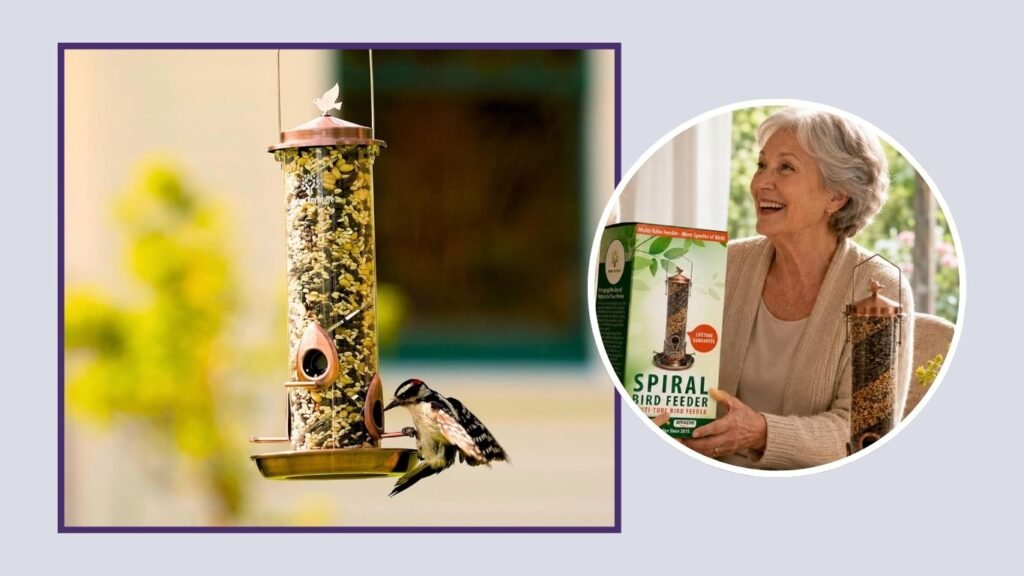
The Spiral Hanging Bird Feeder features a distinctive open-style design that gives birds multiple positions for landing and feeding. Its spiral structure can provide more usable space than compact tube feeders, which is valuable for larger species such as blue jays. The decorative appearance also makes it suitable for homeowners who want their bird-feeding station to add visual interest to a garden or patio.
Key Features
- Unique spiral feeding design
- Multiple feeding positions
- Outdoor hanging configuration
- Suitable for medium-sized backyard birds
- Provides open feeding access
- Decorative garden-friendly appearance
- Useful for blue jays and other seed-eating birds
Why It’s Best for Open Feeding Access
Blue jays generally appreciate feeders with enough room to position their bodies comfortably. A spiral design provides several potential landing and feeding points rather than restricting birds to tiny individual perches.
This can make feeding easier for larger birds while creating an interesting viewing experience.
The open configuration can also allow several birds to investigate the feeder from different angles, which is useful in yards with diverse bird populations.
Feeding Performance & Practical Design
The feeder’s open construction makes food relatively visible, which can help passing birds discover it more quickly. Filling it with suitable blue jay favorites can further increase activity.
However, open feeders generally expose food more directly to weather. Positioning the feeder where it receives some protection from heavy rain can help preserve seed quality.
Cleaning is straightforward when the feeding surfaces are easily accessible. Remove old seed shells and debris regularly to keep the feeder attractive and hygienic.
Pros & Cons and Overall Verdict
Pros
- Spacious feeding access
- Good for larger birds
- Attractive spiral appearance
- Multiple landing positions
- Easy visual monitoring of food
Cons
- Open design may expose seed to rain
- Can attract squirrels or larger birds
- May require more frequent seed checks
Overall Verdict: The Spiral Hanging Bird Feeder is especially suitable for bird lovers who want open access for blue jays along with an attractive backyard design. Its spacious structure provides a comfortable alternative to narrow tube feeders.
10. Outdoor Platform Bird Feeder with Drainage
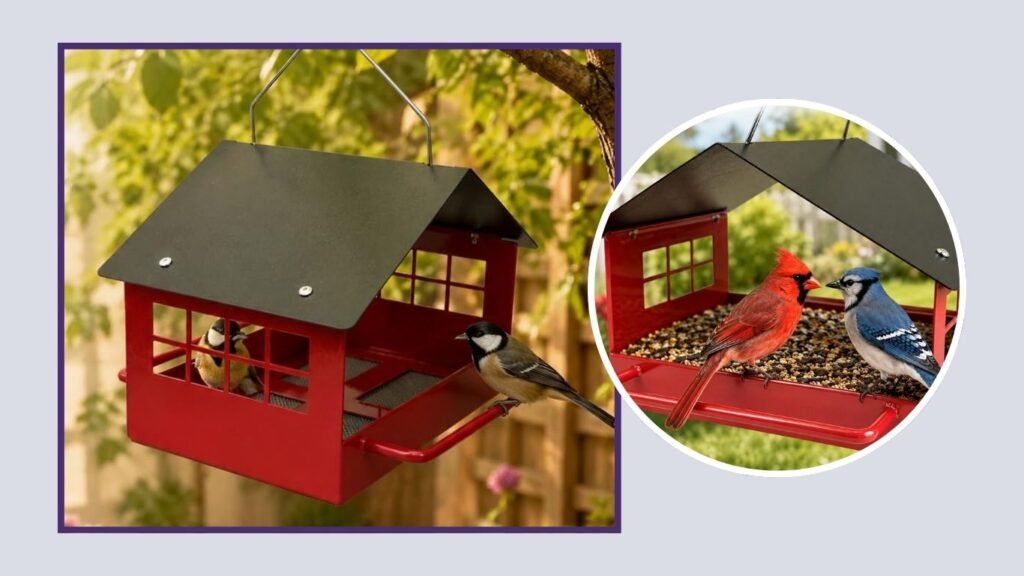
The Outdoor Platform Bird Feeder with Drainage is particularly well suited to blue jays because its broad feeding tray provides ample room for larger birds to land, balance, and select food. Platform feeders can accommodate peanuts, sunflower seeds, mealworms, and mixed birdseed, giving users considerable flexibility. Built-in drainage is another useful feature because it helps prevent rainwater from pooling around exposed food.
Key Features
- Spacious platform feeding area
- Built-in drainage system
- Suitable for blue jays and cardinals
- Supports peanuts and larger seed varieties
- Outdoor-resistant construction
- Easy for birds to approach
- Convenient open design for cleaning
Why It’s Best for Blue Jays
Among the different feeder styles, platform feeders are particularly suitable for blue jays. Their broad bodies and strong feet can fit comfortably on a flat feeding tray without relying on narrow perches.
The open design also accommodates whole or shelled peanuts, one of the foods most associated with attracting blue jays.
This makes the feeder especially useful for people whose primary goal is attracting blue jays rather than only smaller songbirds.
Feeding Performance & Drainage
Drainage is important because platform feeders expose food directly to weather. Allowing rainwater to escape reduces pooling and can help seed dry more effectively.
Even with drainage, wet food should be removed promptly to prevent spoilage. Because the tray is open and accessible, inspection and cleaning are relatively straightforward.
Positioning the feeder near trees while keeping enough open space for safe flight can improve blue jay activity.
Pros & Cons and Overall Verdict
Pros
- Excellent feeding space for blue jays
- Handles peanuts and larger foods easily
- Built-in drainage
- Easy to clean and refill
- Accommodates several birds
Cons
- Open food can attract squirrels
- Seed receives more weather exposure
- May attract larger competing species
Overall Verdict: This platform feeder is one of the most naturally suitable designs for blue jays. Its spacious tray, drainage capability, and compatibility with peanuts and sunflower seeds make it an excellent option for creating a dedicated blue jay feeding station.
FAQs
1. What type of bird feeder is best for blue jays?
Platform, tray, hopper, and sturdy hanging feeders are generally good choices for blue jays. These birds are larger than finches or chickadees and benefit from wider perches or feeding surfaces that support their body size comfortably.
2. What food should I put in a blue jay feeder?
Blue jays commonly enjoy peanuts, sunflower seeds, cracked corn, and other nuts and seeds. Peanuts—particularly unsalted peanuts suitable for birds—are especially effective for attracting them. Offering several suitable foods can encourage repeated visits.
3. Where should I place a blue jay bird feeder?
Place the feeder in an open location with nearby trees or shrubs that provide cover and perching opportunities. Keeping it away from easy squirrel jumping points can help protect the seed. A quiet area with clear visibility is often attractive to blue jays.
4. How can I stop squirrels from eating blue jay food?
Use a squirrel-resistant or weight-activated feeder, add a suitable baffle, and position the feeder away from trees, fences, roofs, and other jumping points. No system is completely squirrel-proof, but combining good feeder design with strategic placement can significantly reduce access.
5. How do I attract more blue jays to my backyard?
Provide reliable food such as peanuts and sunflower seeds, use a sturdy feeder with enough landing space, and maintain a clean source of water nearby. Keeping the feeder consistently stocked and providing natural cover from trees and shrubs can also encourage blue jays to return regularly.