

Cardinals are famous for their bright red color, strong beak, and distinctive crest, making them one of the most recognizable birds. However, many other birds share similar features, even if they belong to different families. These cardinal-like birds can be found across various regions and habitats. In this list, you’ll discover 12 fascinating birds that resemble cardinals in appearance and behavior.
1. Northern Cardinal
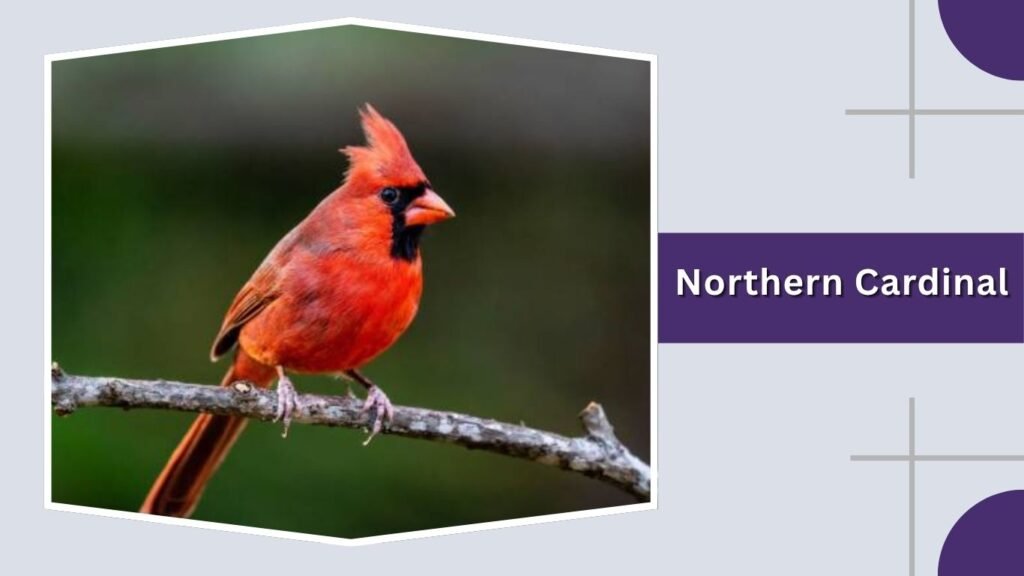
The northern cardinal is one of the most iconic and easily recognizable birds in North America. Known for its vivid red color and distinctive crest, it is often associated with beauty, energy, and even symbolism in many cultures. Its strong, melodic song and year-round presence make it a favorite among birdwatchers. Because of its bold features, it is commonly used as the standard when comparing other birds that look like cardinals.
Identification
- Bright red plumage in males, while females are warm brown with reddish tinges
- Prominent crest on top of the head that can be raised or lowered
- Thick, cone-shaped orange-red beak designed for cracking seeds
- Distinct black mask around the face in males
- Medium-sized bird with a rounded, sturdy body
- Long tail that is often held straight or slightly angled
- Strong legs and feet for perching and hopping
- Dark, expressive eyes that contrast with its bright coloration
Habitat
Northern cardinals are widely distributed across the United States, Mexico, and parts of southern Canada. They thrive in a variety of habitats, including woodlands, gardens, parks, shrublands, and suburban areas. They prefer environments with dense bushes and trees, which provide cover for nesting and protection from predators.
These birds are highly adaptable and often live close to humans, frequently visiting backyard feeders. Unlike many other species, northern cardinals do not migrate and remain in the same area throughout the year. Their ability to survive in different climates and environments contributes to their widespread presence.
Comparison
The northern cardinal is often considered the “true” cardinal when comparing similar birds. Its bright red color, pointed crest, and thick beak create a distinctive appearance that is hard to confuse.
Compared to other cardinal-like birds, it is usually more vibrant and boldly marked. While some species share similar red tones or body shapes, they often lack the prominent crest or the deep, uniform coloration. This makes the northern cardinal a clear reference point for identifying lookalike species.
Diet
Northern cardinals have a varied diet that helps them adapt to different seasons. They mainly feed on seeds, grains, and fruits, using their powerful beak to crack open hard shells with ease.
During the breeding season, they also consume insects such as beetles, grasshoppers, and caterpillars. These protein-rich foods are especially important for feeding their young. Their flexible diet allows them to thrive in both natural habitats and urban environments.
2. Pyrrhuloxia

The pyrrhuloxia, often called the “desert cardinal,” is a close relative of the northern cardinal. It shares a similar crest and body shape but has a more muted gray coloration with touches of red. Its strong beak and upright posture make it clearly resemble a cardinal, especially in arid environments.
Identification
- Soft gray body with red highlights on the face, chest, and wings
- Prominent crest similar to the northern cardinal
- Thick, curved yellow beak adapted for cracking seeds
- Red mask around the face, though less intense than a cardinal’s
- Medium-sized body with a rounded shape
- Long tail, often held straight
- Strong legs suited for ground feeding
- Males have brighter red markings than females
Habitat
Pyrrhuloxias are commonly found in the southwestern United States and northern Mexico. They prefer dry, desert-like environments such as scrublands, thorny bushes, and open woodlands.
They are well adapted to hot climates and are often seen near cacti, mesquite trees, and desert shrubs. Like cardinals, they are non-migratory and remain in their territory year-round. They may also visit feeders in suburban areas, especially where water is available.
Comparison
The pyrrhuloxia closely resembles the northern cardinal in shape and structure, particularly with its crest and strong beak. However, its gray body and less intense red coloring make it appear more subtle.
Compared to the bright red cardinal, the pyrrhuloxia looks more adapted to desert environments, blending better with its surroundings. Despite these differences, its overall posture and features clearly link it to cardinal-like birds.
Diet
Pyrrhuloxias primarily feed on seeds, grains, and fruits, using their strong beak to break open tough shells. They are especially adapted to eating seeds from desert plants.
They also consume insects such as beetles and grasshoppers, particularly during the breeding season. This combination of plant and animal food helps them survive in harsh, dry environments where food sources can be limited.
3. Vermilion Cardinal
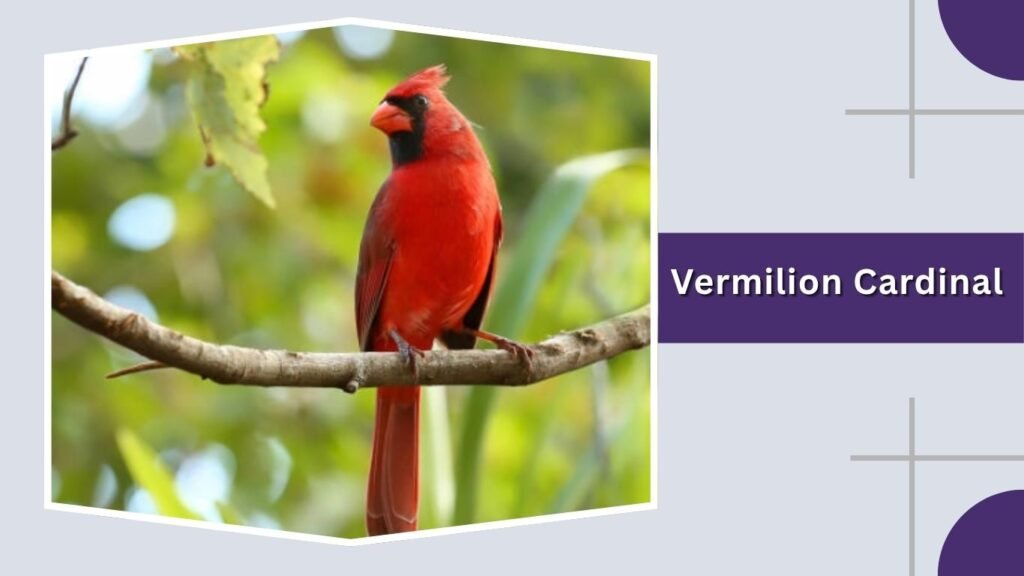
The vermilion cardinal is a striking bird found in northern South America, known for its intense red coloration and bold appearance. With its upright posture, strong beak, and slight crest, it closely resembles the northern cardinal but has its own unique color pattern.
Identification
- Bright red head, chest, and underparts
- Dark gray to black back and wings
- Slight crest on the head, less prominent than northern cardinal
- Thick, cone-shaped beak suited for cracking seeds
- Black facial markings around the eyes
- Medium-sized body with a rounded shape
- Long tail that enhances its balanced appearance
- Males are brighter, while females are more subdued in color
Habitat
Vermilion cardinals are found mainly in Venezuela and Colombia, where they inhabit dry forests, scrublands, and open areas with scattered vegetation. They prefer semi-arid environments with shrubs and small trees.
These birds are often seen perched in open spaces or moving through low vegetation. They are generally non-migratory and stay within their range throughout the year. Their habitat provides both food and nesting opportunities in relatively dry conditions.
Comparison
The vermilion cardinal closely resembles the northern cardinal in its bright red coloration and overall shape. However, it differs by having darker wings and a less prominent crest.
Compared to the northern cardinal, it appears slightly more compact and has stronger contrast between its red body and darker upperparts. Despite these differences, its posture, beak, and general appearance clearly place it among cardinal-like birds.
Diet
Vermilion cardinals are omnivores and primarily feed on seeds, grains, and fruits. Their strong beak allows them to crack open tough seeds with ease.
They also consume insects such as beetles and small invertebrates, especially during the breeding season. This mixed diet helps them adapt to their environment and maintain energy throughout the year.
4. Red-crested Cardinal
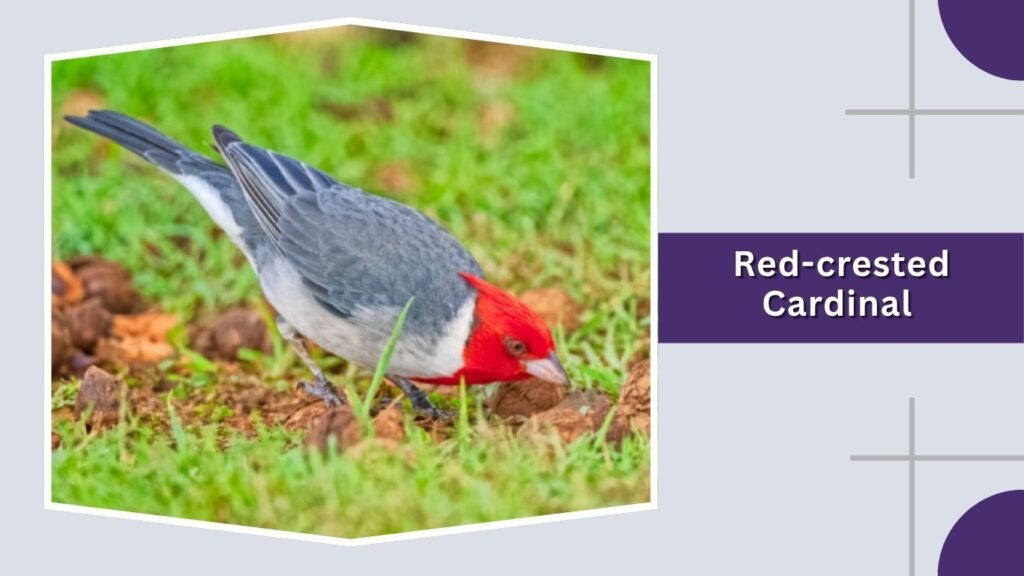
The red-crested cardinal is a striking bird native to South America, easily recognized by its bright red head and pointed crest. Although it is not a true cardinal, its appearance strongly resembles one due to its bold coloration, upright stance, and distinctive head shape.
Identification
- Bright red head and prominent pointed crest
- White underparts with a clean, smooth appearance
- Gray back and wings
- Thick, pale-colored beak (often whitish or light gray)
- Dark eyes that stand out against the red head
- Medium-sized body with a rounded shape
- Long tail that adds balance
- Upright posture similar to true cardinals
Habitat
Red-crested cardinals are found in parts of South America, especially in countries like Brazil, Argentina, and Uruguay. They prefer open habitats such as grasslands, wetlands, parks, and gardens.
These birds are highly adaptable and are often seen near water sources like rivers and lakes. They are also commonly found in urban and suburban areas, where they take advantage of food availability. In some regions, they have been introduced outside their native range.
Comparison
The red-crested cardinal closely resembles the northern cardinal due to its bright red head and crest. However, its white body and gray wings create a more contrasting and lighter appearance.
Unlike the northern cardinal, which is fully red, this bird has a more mixed color pattern. Despite not being a true cardinal, its crest, beak shape, and posture make it one of the most convincing cardinal-like birds.
Diet
Red-crested cardinals are omnivores with a varied diet. They primarily eat seeds and grains, using their strong beak to crack them open.
They also consume fruits, berries, and insects, especially during the breeding season. This flexible diet allows them to thrive in both natural and human-influenced environments.
5. Yellow-billed Cardinal
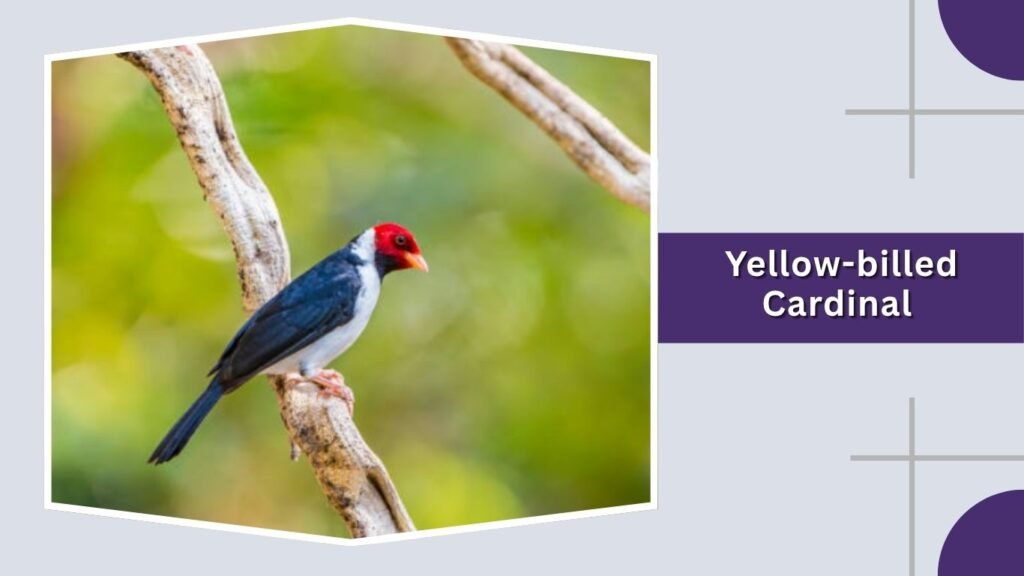
The yellow-billed cardinal is a beautiful bird native to South America, known for its striking red head and bright yellow beak. Although it is not a true cardinal, its crest, upright posture, and bold coloring make it closely resemble cardinal species.
Identification
- Bright red head with a noticeable crest
- White underparts and grayish upperparts
- Distinct yellow bill, which sets it apart from other cardinal-like birds
- Black throat patch extending from the face
- Medium-sized body with a rounded shape
- Long tail that adds to its balanced look
- Upright posture similar to true cardinals
- Dark eyes contrasting with the red head
Habitat
Yellow-billed cardinals are found in parts of South America, including Brazil, Bolivia, Paraguay, and Argentina. They prefer habitats near water such as riverbanks, wetlands, and marshy areas.
They are also commonly seen in open woodlands, grasslands, and even urban parks and gardens. These birds adapt well to human presence and are often found in areas with accessible food and nesting sites.
Comparison
The yellow-billed cardinal closely resembles the northern cardinal due to its red head and crest. However, its white body and bright yellow beak give it a more contrasting and unique appearance.
Unlike the fully red northern cardinal, this species has a lighter body and a more tropical look. Despite these differences, its overall shape, posture, and crest make it clearly cardinal-like.
Diet
Yellow-billed cardinals are omnivores and feed on a variety of foods. Their diet mainly includes seeds, grains, and fruits, which they crack open using their strong beak.
They also eat insects and small invertebrates, especially during the breeding season. This balanced diet allows them to thrive in diverse environments.
6. Summer Tanager
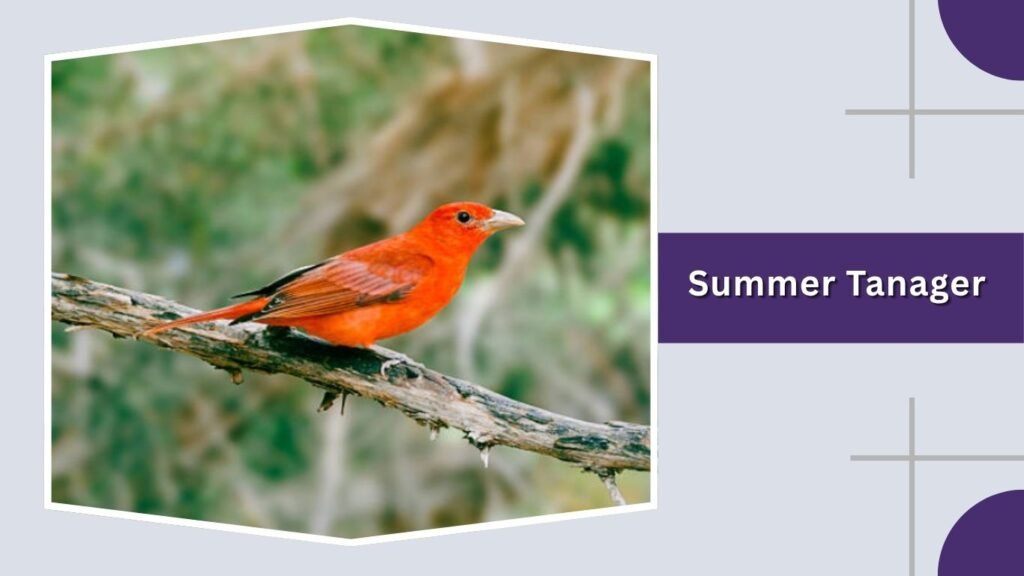
The summer tanager is a bright red bird found in the Americas, often mistaken for a cardinal due to its vivid coloration. Although it lacks a crest, its overall red body and similar size make it resemble cardinal-like birds at first glance.
Identification
- Bright red plumage in males; females are yellow to olive
- No crest, giving it a smoother head shape
- Thick, slightly curved pale bill
- Medium-sized body with a rounded form
- Dark eyes that contrast with its bright color
- Long wings and tail compared to cardinals
- Upright but slightly more relaxed posture
- Uniform coloration without facial mask
Habitat
Summer tanagers are found in North and Central America, especially in open woodlands, forest edges, and riverbanks. They prefer areas with tall trees and plenty of insects.
During the breeding season, they are common in the southern United States, while in winter they migrate to Central and South America. They are often seen high in trees rather than on the ground, unlike cardinals.
Comparison
The summer tanager resembles the northern cardinal mainly because of its bright red color. However, it lacks the cardinal’s crest and black facial mask, giving it a smoother and simpler appearance.
Compared to cardinals, it appears slightly slimmer and more streamlined. Its behavior also differs, as it spends more time in trees rather than hopping on the ground.
Diet
Summer tanagers are primarily insectivores, unlike many cardinal-like birds. They feed on bees, wasps, and other flying insects, often catching them mid-air.
They also eat fruits and berries, especially during migration and in winter. Their ability to handle stinging insects makes them unique among similar-looking birds.
7. Scarlet Tanager

The scarlet tanager is a brilliantly colored bird found in North America, often mistaken for a cardinal because of its vivid red body. Its striking contrast of red and black makes it stand out, though it differs slightly in shape and behavior from true cardinals.
Identification
- Bright red body in males with contrasting black wings and tail
- Females are yellowish-green with darker wings
- No crest, giving it a smooth, rounded head
- Thick, slightly pointed pale bill
- Medium-sized bird with a slender body
- Dark eyes that blend into the face
- Long wings and tail compared to cardinals
- Upright but less stocky posture
Habitat
Scarlet tanagers are commonly found in deciduous forests across eastern North America during the breeding season. They prefer large, mature forests with dense tree cover, where they spend most of their time high in the canopy.
During winter, they migrate to South America, inhabiting tropical forests. Unlike cardinals, they are less commonly seen in gardens or urban areas, as they prefer deeper forest environments.
Comparison
The scarlet tanager resembles the northern cardinal mainly due to its bright red coloration. However, it lacks the cardinal’s crest and black facial mask, and its black wings create a strong contrast.
Compared to the northern cardinal, it is more slender and less bulky. Its behavior is also different, as it spends more time in treetops rather than on the ground, making it less visible.
Diet
Scarlet tanagers mainly feed on insects such as beetles, ants, and caterpillars, which they catch in trees. They are active foragers and often move quietly through foliage.
They also eat fruits and berries, especially during migration and outside the breeding season. This mixed diet helps them adapt to different environments throughout the year.
8. Hepatic Tanager

The hepatic tanager is a robin-sized bird found in North and Central America. Its reddish coloring and overall body shape often make it resemble a cardinal, although its tones are more earthy and less bright. Its name “hepatic” refers to its liver-colored (reddish-brown) plumage.
Identification
- Dull reddish or brick-red body in males
- Females are yellowish with gray tones
- No crest, resulting in a smooth head shape
- Thick, slightly curved bill
- Medium-sized body with a rounded appearance
- Dark eyes that blend into the face
- Wings and tail slightly darker than the body
- Overall softer and less vibrant coloration
Habitat
Hepatic tanagers are found in pine forests, mountain woodlands, and open forests across the southwestern United States, Mexico, and parts of Central America. They prefer higher elevations with scattered trees and open spaces.
These birds are usually seen perched quietly in trees or moving through branches in search of food. During winter, they may migrate to warmer regions in Mexico and Central America. Their habitat is generally less urban compared to cardinals.
Comparison
The hepatic tanager resembles the northern cardinal mainly due to its reddish coloration and body shape. However, it lacks the cardinal’s crest and has a more muted, earthy tone.
Compared to the bright red cardinal, it appears more subdued and blends better into forest environments. Its slimmer build and softer features make it less bold in appearance, though still clearly similar in form.
Diet
Hepatic tanagers are omnivores, feeding mainly on insects such as beetles, ants, and caterpillars. They forage among tree branches and foliage rather than on the ground.
They also consume fruits and berries, especially when insects are less available. This flexible diet allows them to adapt to seasonal changes in their environment.
9. Western Tanager
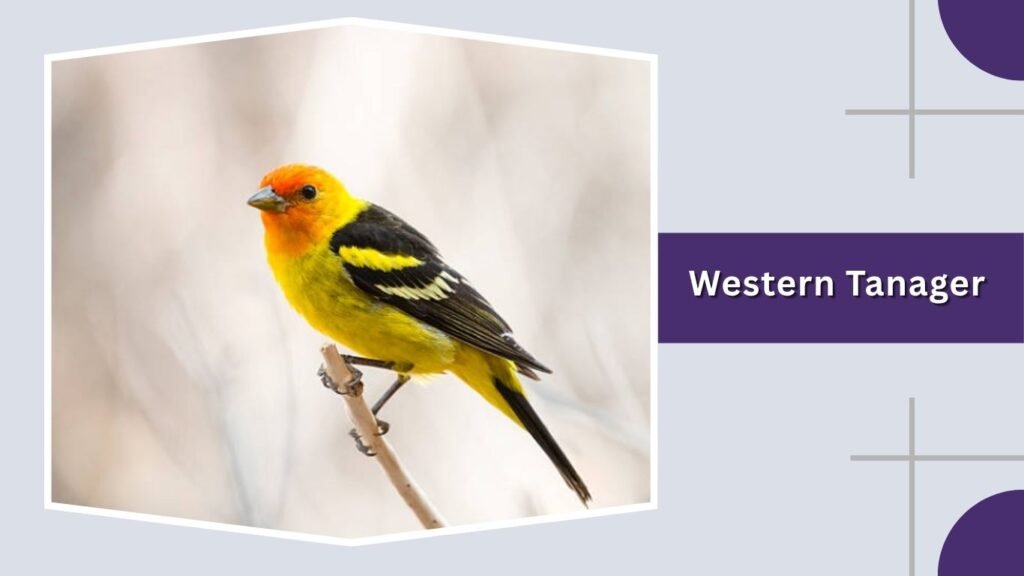
The western tanager is a colorful bird found in western North America, often mistaken for a cardinal due to its bright red head and bold appearance. Although it lacks a crest, its vibrant colors and body shape make it resemble cardinal-like birds.
Identification
- Bright red head in males
- Yellow body with contrasting black wings
- Females are duller yellow with grayish wings
- No crest, giving a smooth head profile
- Medium-sized bird with a slightly slender body
- Thick, pointed bill
- Dark eyes that blend with facial features
- Long wings and tail compared to cardinals
Habitat
Western tanagers are commonly found in coniferous and mixed forests across western North America. They prefer wooded areas, forest edges, and mountainous regions during the breeding season.
In winter, they migrate to Central America, where they inhabit tropical forests and woodlands. Unlike cardinals, they are rarely seen in urban gardens and tend to stay higher in trees, making them less visible.
Comparison
The western tanager resembles the northern cardinal mainly because of its red head. However, its yellow body and lack of a crest make it look quite different overall.
Compared to the cardinal, it is more slender and colorful in a different way. While the cardinal has a uniform red body, the western tanager shows a mix of bright colors, giving it a more tropical appearance.
Diet
Western tanagers primarily feed on insects such as beetles, ants, and wasps, which they catch among tree branches or in flight.
They also eat fruits and berries, especially during migration and in winter. This mixed diet helps them adapt to seasonal changes and different environments.
10. Flame-colored Tanager
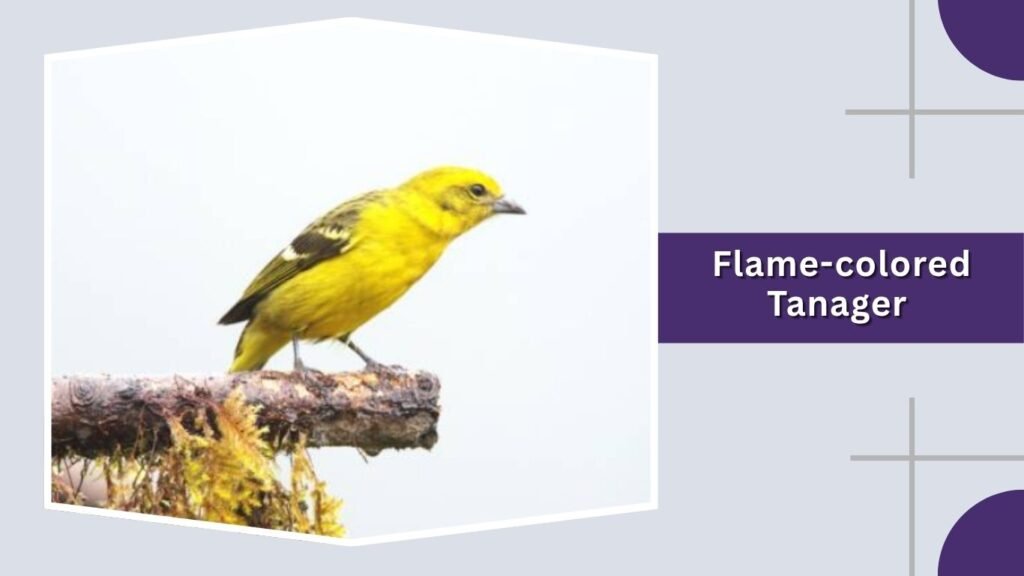
The flame-colored tanager is a vibrant bird found in Mexico and Central America. Its bright orange-red body and upright posture give it a strong resemblance to cardinal-like birds, even though it lacks a crest. Its glowing color makes it stand out in forested environments.
Identification
- Bright orange to flame-red body in males
- Dark wings and tail creating strong contrast
- Females are duller yellow-orange in color
- No crest, giving a smooth head shape
- Medium-sized bird with a slightly slender build
- Thick, pointed bill
- Dark eyes blending with the face
- Long wings and tail compared to cardinals
Habitat
Flame-colored tanagers are found in pine and oak forests across Mexico and Central America. They prefer mountainous regions with open woodland and scattered trees.
These birds are often seen perched in treetops or moving through forest canopies. They tend to avoid urban areas and are more commonly found in natural, less disturbed habitats. Their range is mostly stable, and they do not migrate long distances.
Comparison
The flame-colored tanager resembles the northern cardinal mainly because of its bright reddish-orange coloration. However, it lacks the cardinal’s crest and black facial mask.
Compared to the cardinal, it appears more slender and has darker wings, giving it a more contrasting look. While both birds are brightly colored, the tanager has a more tropical and glowing appearance.
Diet
Flame-colored tanagers are omnivores, feeding mainly on insects such as beetles, ants, and caterpillars. They forage actively in trees and sometimes catch insects in flight.
They also consume fruits and berries, especially when insects are less available. This varied diet helps them survive in forest environments throughout the year.
11. Crimson-collared Grosbeak
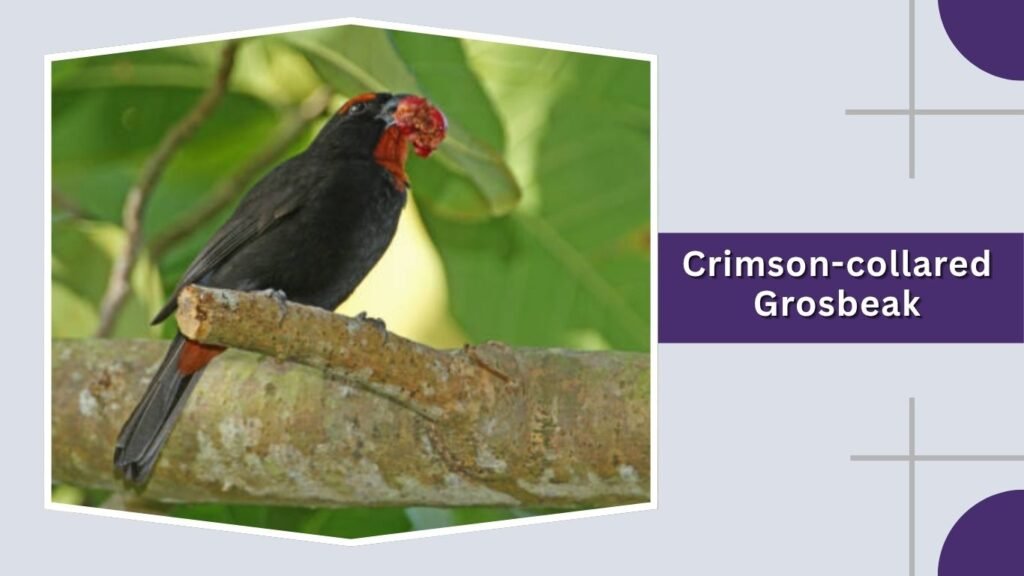
The crimson-collared grosbeak is a striking bird found in Central America, known for its bold red and black coloration. Its thick beak, upright stance, and bright red markings make it resemble a cardinal, although it belongs to a different bird group.
Identification
- Bright crimson-red head, chest, and upper back
- Black wings, belly, and tail creating strong contrast
- Thick, heavy, cone-shaped beak
- No crest, but a rounded head shape
- Medium-sized body with a sturdy build
- Dark eyes blending into the face
- Shorter, more compact tail than some cardinals
- Males are more brightly colored than females
Habitat
Crimson-collared grosbeaks are found in Mexico and parts of Central America. They prefer forest edges, open woodlands, and areas with dense shrubs.
These birds are often seen in pairs or small groups, usually perched quietly in trees or moving through vegetation. They tend to stay in natural habitats rather than urban areas and are generally non-migratory within their range.
Comparison
The crimson-collared grosbeak resembles the northern cardinal due to its bright red coloring and strong beak. However, it lacks the cardinal’s crest and has a more dramatic contrast between red and black.
Compared to the cardinal, it appears more compact and heavily built. Its bold color pattern gives it a slightly more tropical and striking appearance while still maintaining a cardinal-like look.
Diet
Crimson-collared grosbeaks are omnivores and feed on seeds, fruits, and insects. Their strong beak allows them to crack open hard seeds with ease.
They also eat small insects and other invertebrates, especially during the breeding season. This balanced diet helps them thrive in their forested environments.
12. Red-headed Weaver
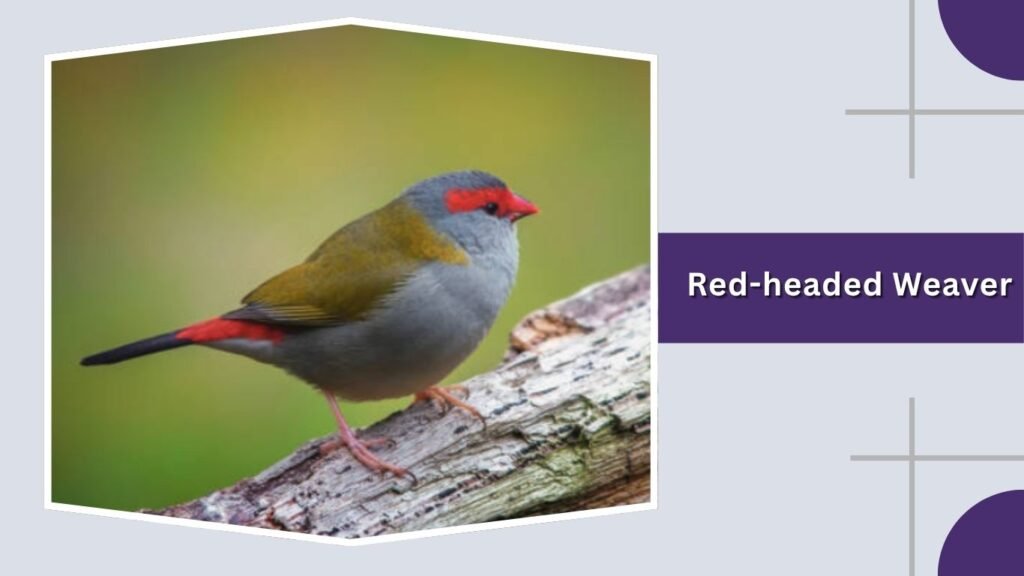
The red-headed weaver is a small, colorful bird found in parts of Africa. While it is not closely related to true cardinals, its bright red head and compact body give it a similar visual appeal. Its active behavior and upright posture also contribute to its cardinal-like resemblance.
Identification
- Bright red head and face, especially in males
- Brown to olive body with lighter underparts
- Short, thick beak adapted for seed eating
- Small, compact body shape
- Dark eyes that contrast with the red head
- Short tail compared to cardinals
- No crest, giving a smooth head profile
- Females are duller with less red coloration
Habitat
Red-headed weavers are found in sub-Saharan Africa, especially in grasslands, savannas, and areas with scattered trees. They often live near water sources such as rivers, lakes, and wetlands.
These birds are highly social and are commonly seen in small flocks. They build woven nests in trees, which is a characteristic feature of weaver birds. They can also adapt to agricultural areas and human settlements.
Comparison
The red-headed weaver resembles cardinal-like birds mainly because of its bright red head. However, it lacks the crest and uniform body color seen in true cardinals.
Compared to the northern cardinal, it is smaller and more compact, with a simpler body pattern. Despite these differences, its bold red head and upright stance make it visually similar at a glance.
Diet
Red-headed weavers primarily feed on seeds and grains, using their strong beak to break them open. They often forage on the ground or among grasses.
They also eat insects, especially during the breeding season when additional protein is needed. Their diet allows them to thrive in both natural and agricultural environments.
FAQs
What makes a bird look like a cardinal?
Birds are considered cardinal-like if they have bright red or orange coloration, a strong cone-shaped beak, and often an upright posture. A crest on the head also adds to the resemblance, though not all similar birds have one.
Are all cardinal-like birds true cardinals?
No, many birds that look like cardinals belong to different families, such as tanagers or grosbeaks. They may share similar colors or shapes, but they are not scientifically classified as true cardinals.
Where are cardinal-like birds commonly found?
Cardinal-like birds are found across North America, South America, Africa, and parts of Central America. They live in a variety of habitats including forests, gardens, grasslands, and tropical regions depending on the species.
Do cardinal-like birds migrate?
Some species, like tanagers, migrate seasonally between breeding and wintering areas. Others, like the northern cardinal, are non-migratory and stay in the same region throughout the year.
What do cardinal-like birds eat?
Most cardinal-like birds are omnivores. They commonly eat seeds, fruits, and grains, along with insects such as beetles and caterpillars, especially during the breeding season.
