
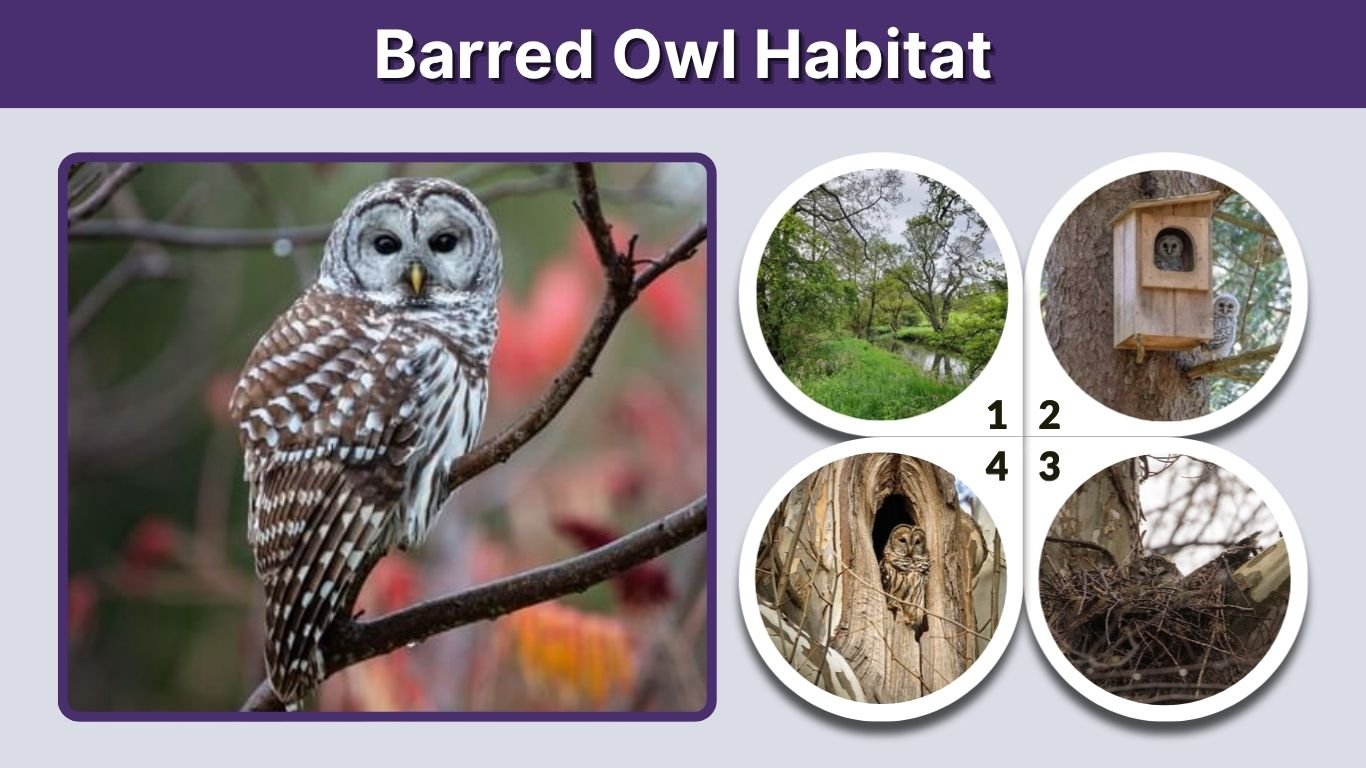
Barred Owl Habitat: Range, Nesting and Forest Needs
The typical barred owl habitat consists of mature, densely wooded areas with large trees, shaded roosting sites, and nearby water. These adaptable owls occupy deciduous, … Read More
The typical barred owl habitat consists of mature, densely wooded areas with large trees, shaded roosting sites, and nearby water. These adaptable owls occupy deciduous, … Read More
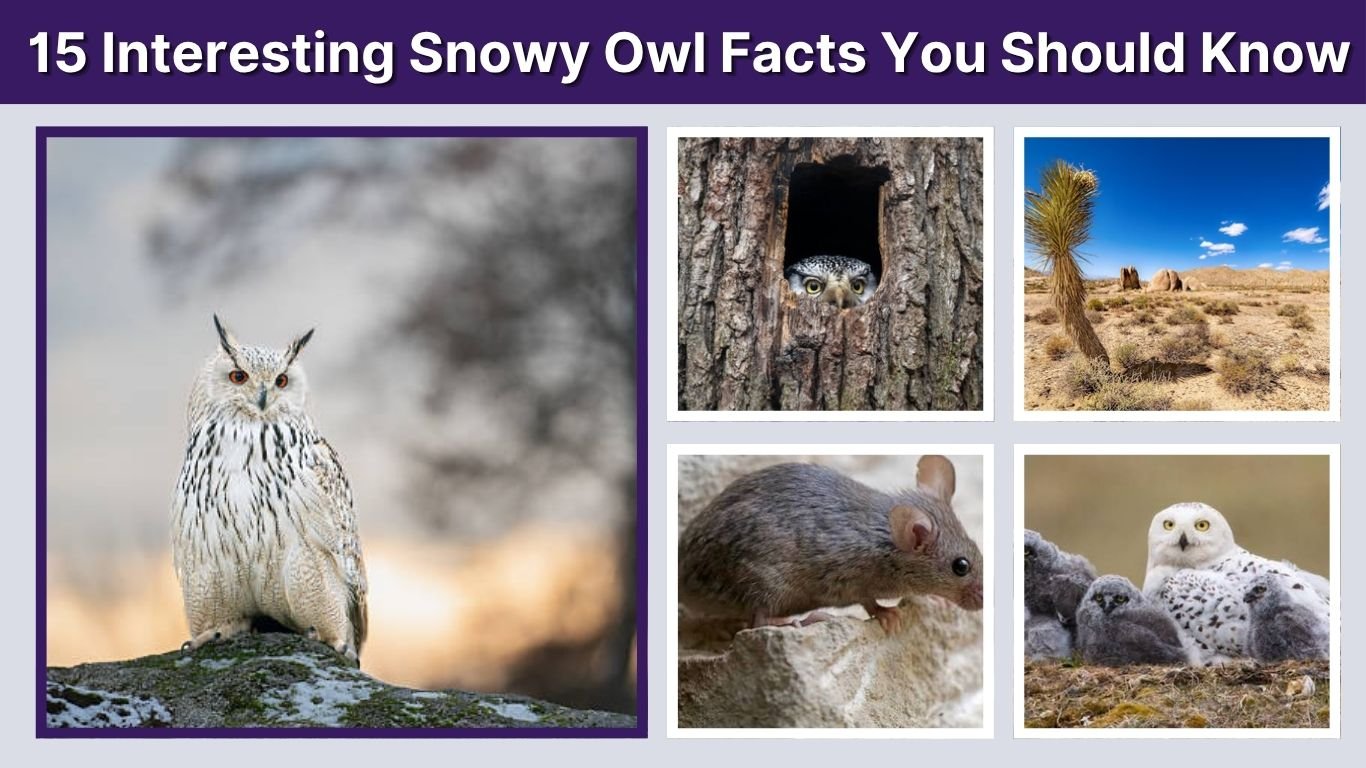
Snowy Owls are impressive Arctic predators recognized by their white plumage, brilliant yellow eyes, and powerful bodies. Unlike many forest-dwelling owls, they spend much of … Read More
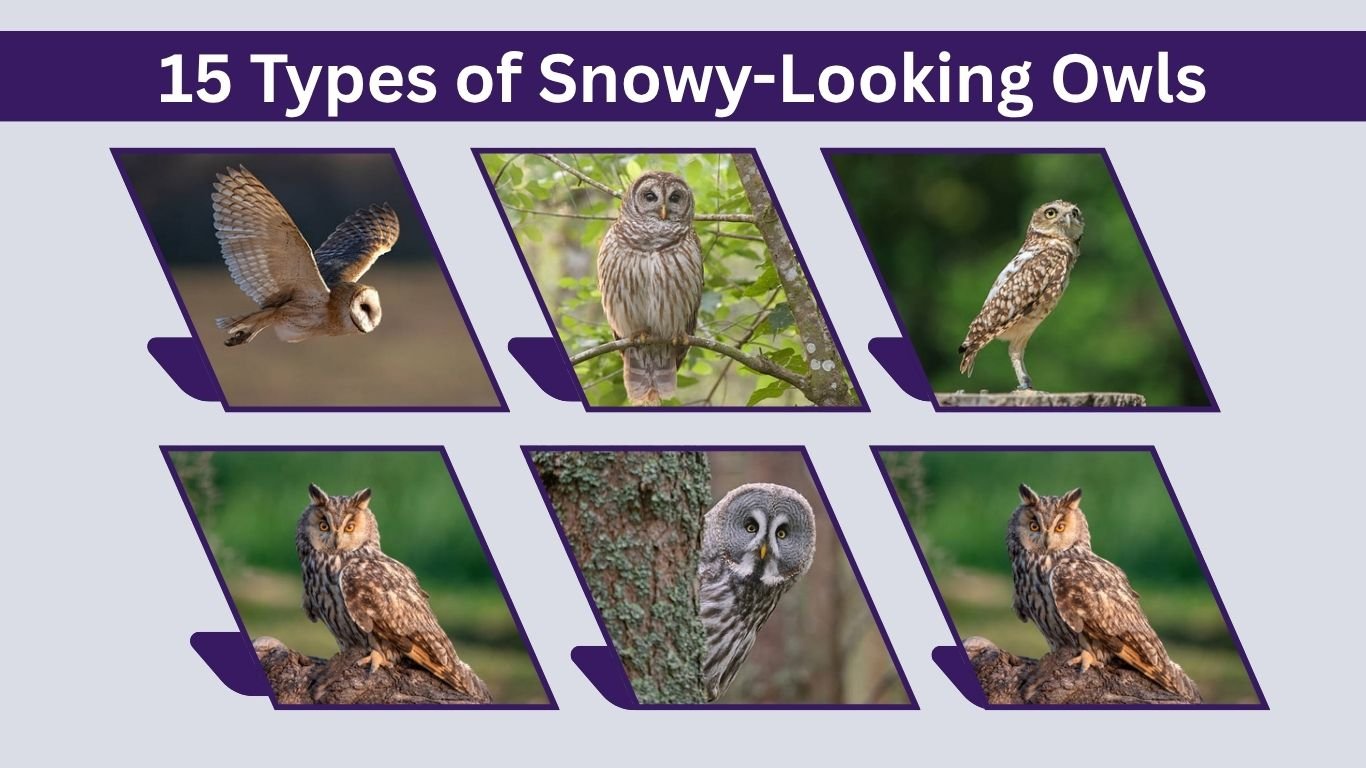
Snowy owls are famous for their pale plumage, powerful build, and ability to survive in cold, open landscapes. Although only one true Snowy Owl species … Read More
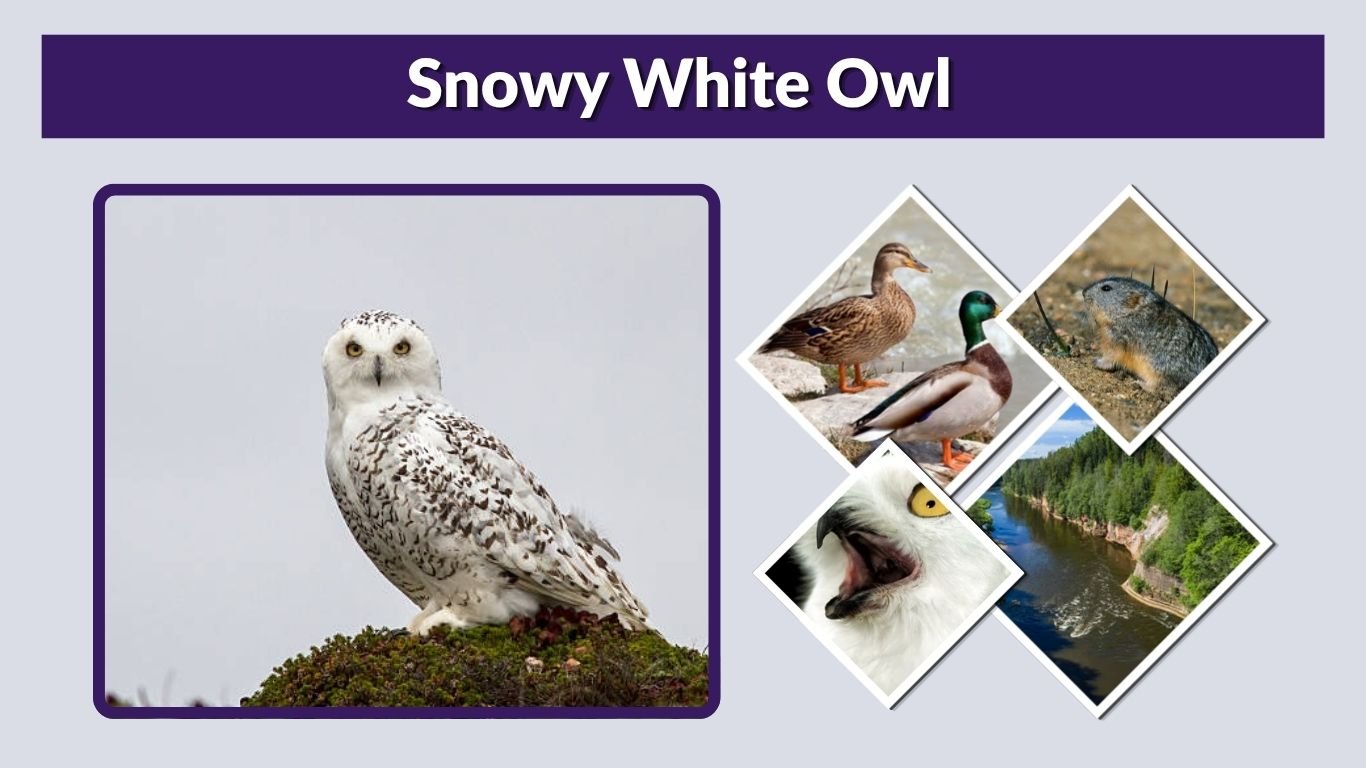
The snowy white owl, better known simply as the snowy owl, is one of the most recognizable birds of the Arctic. Its scientific name is … Read More
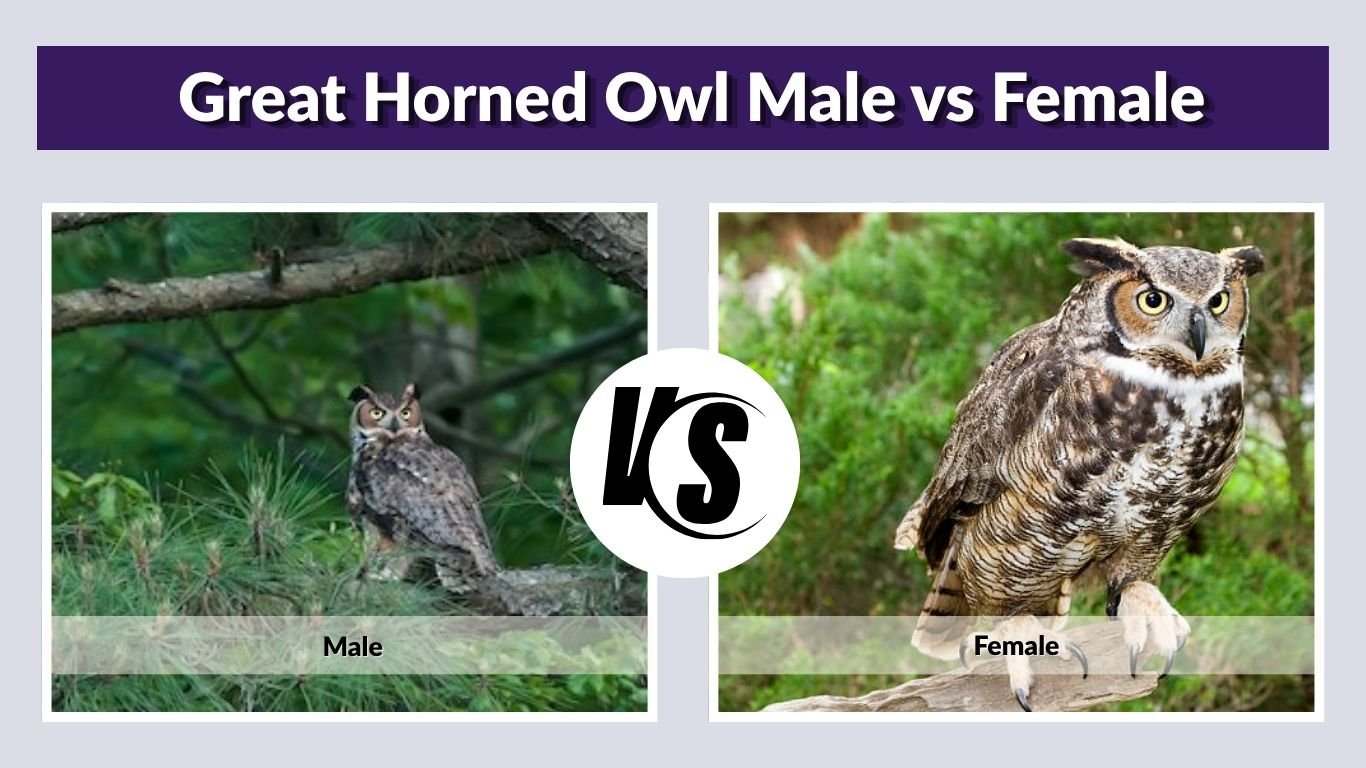
Male and female great horned owls (Bubo virginianus) look remarkably similar. Both have prominent feather tufts, yellow eyes, mottled plumage, barred underparts, and a noticeable … Read More
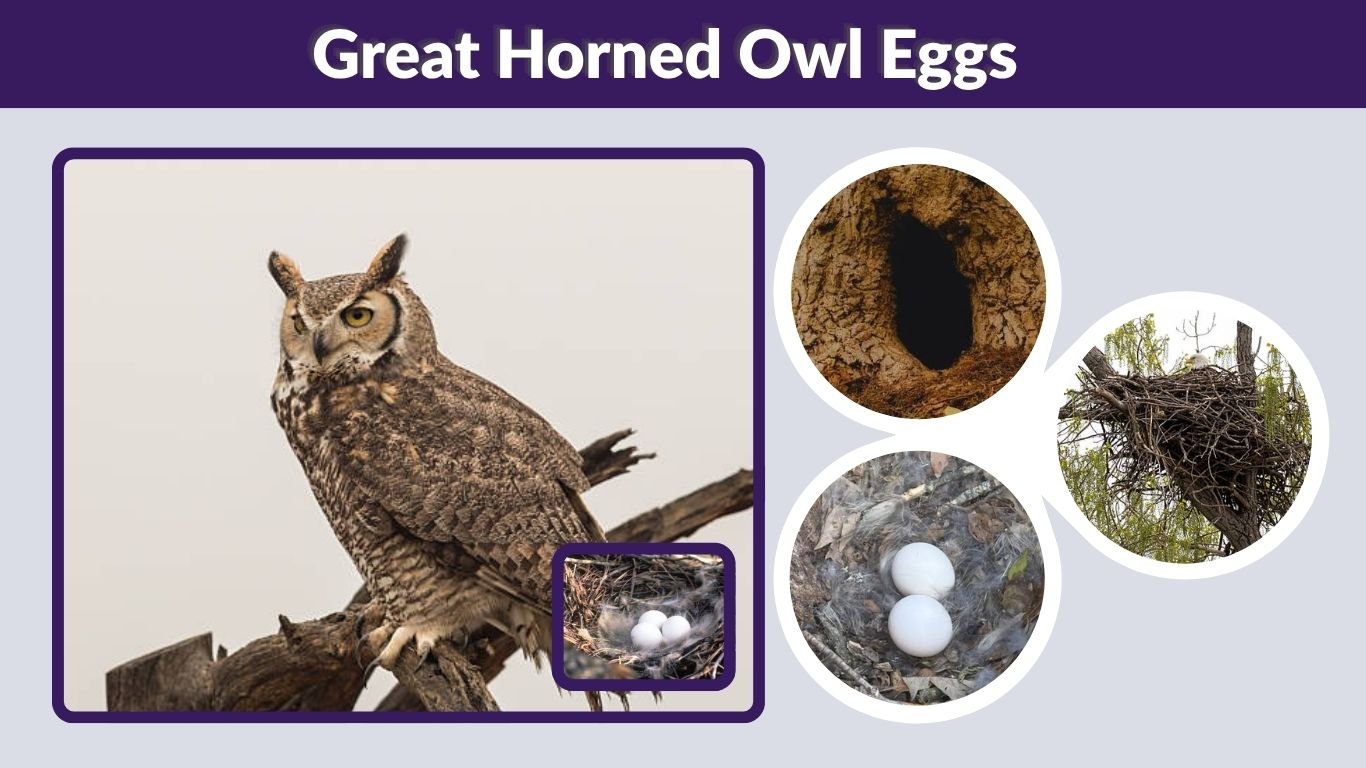
Great horned owl eggs are dull white, almost round, and surprisingly large. A female usually lays two or three eggs in an existing nest, tree … Read More
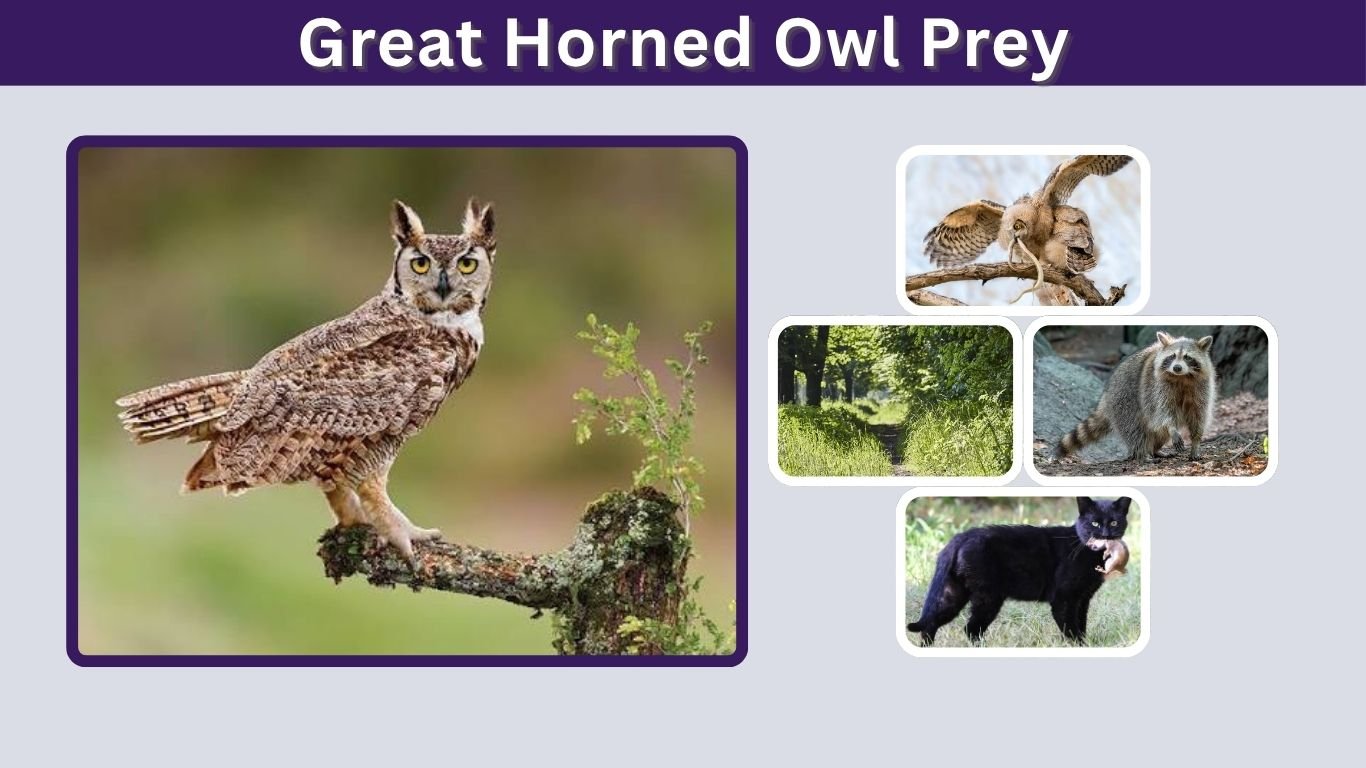
The great horned owl (Bubo virginianus) is one of the most powerful and adaptable predators in the Americas. It hunts everything from insects and mice … Read More
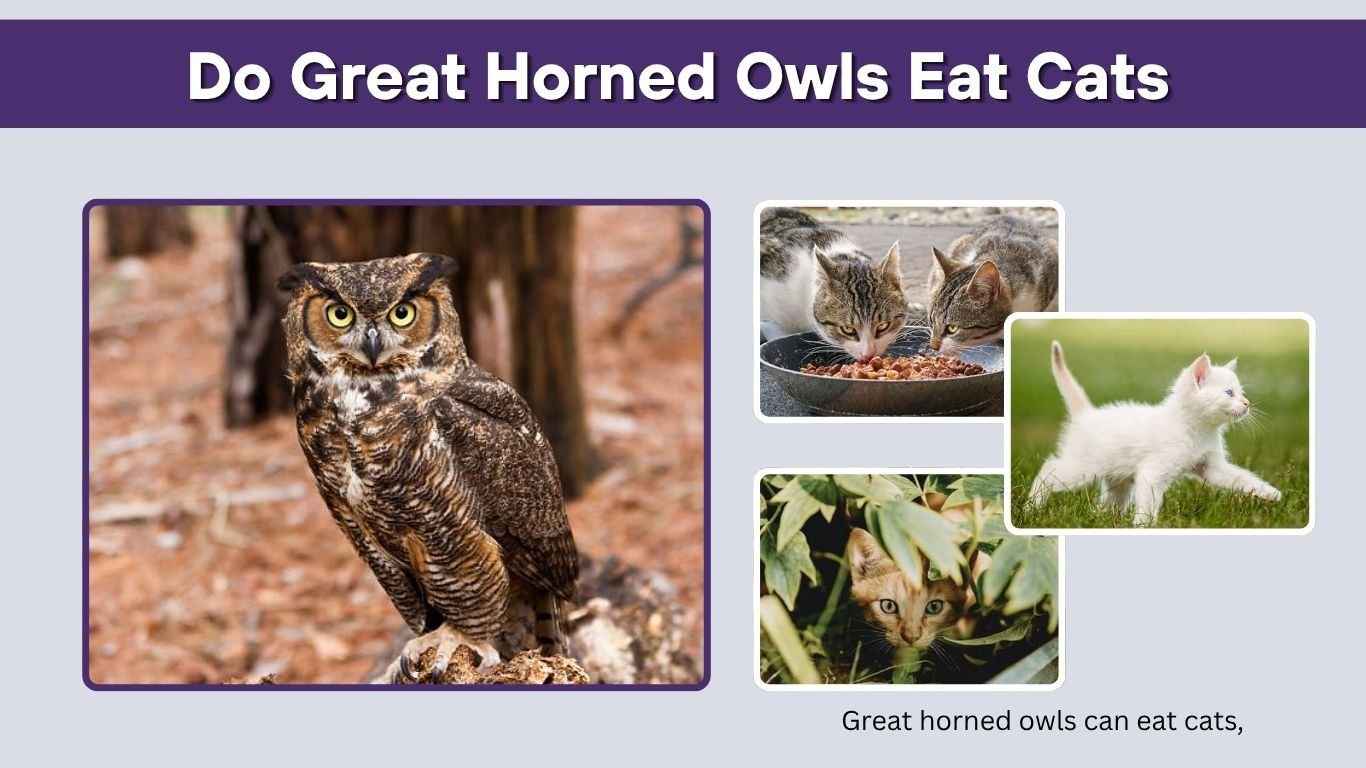
Great horned owls can eat cats, but attacks on healthy adult house cats are not the owl’s main food source. These owls mostly hunt wild … Read More
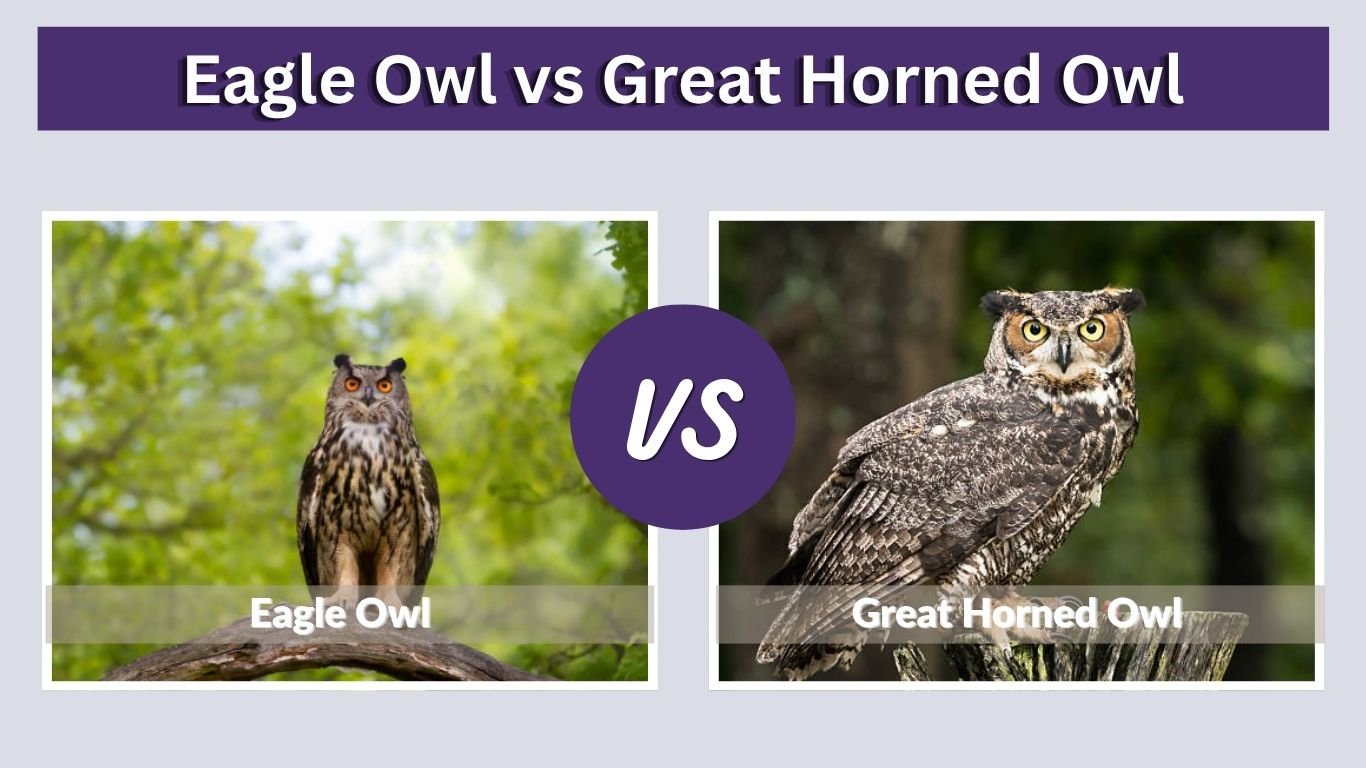
The eagle owl and great horned owl look similar at first because both have large bodies, strong talons, orange-yellow eyes, and feather tufts that look … Read More
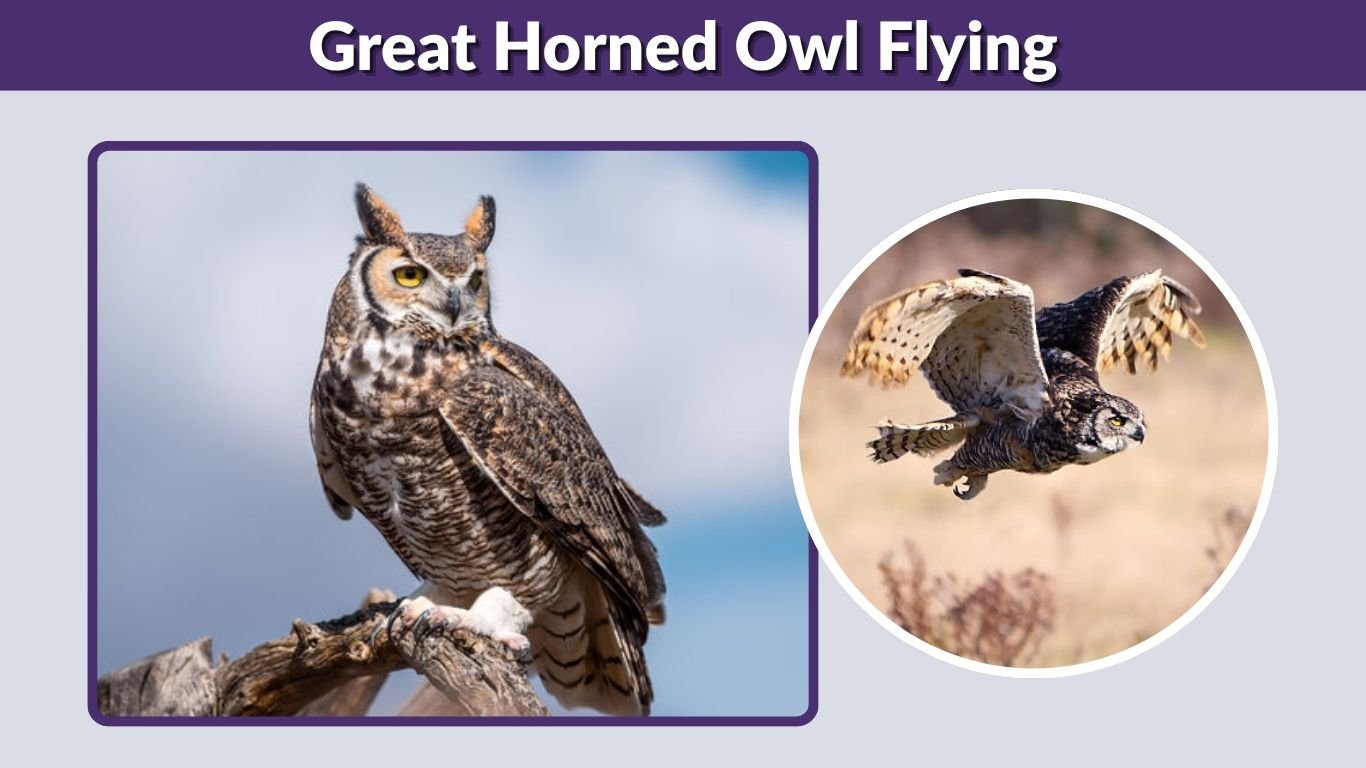
The great horned owl is one of the most powerful flying owls in North America. Its broad wings, silent feathers, strong talons, and night-hunting skills … Read More