
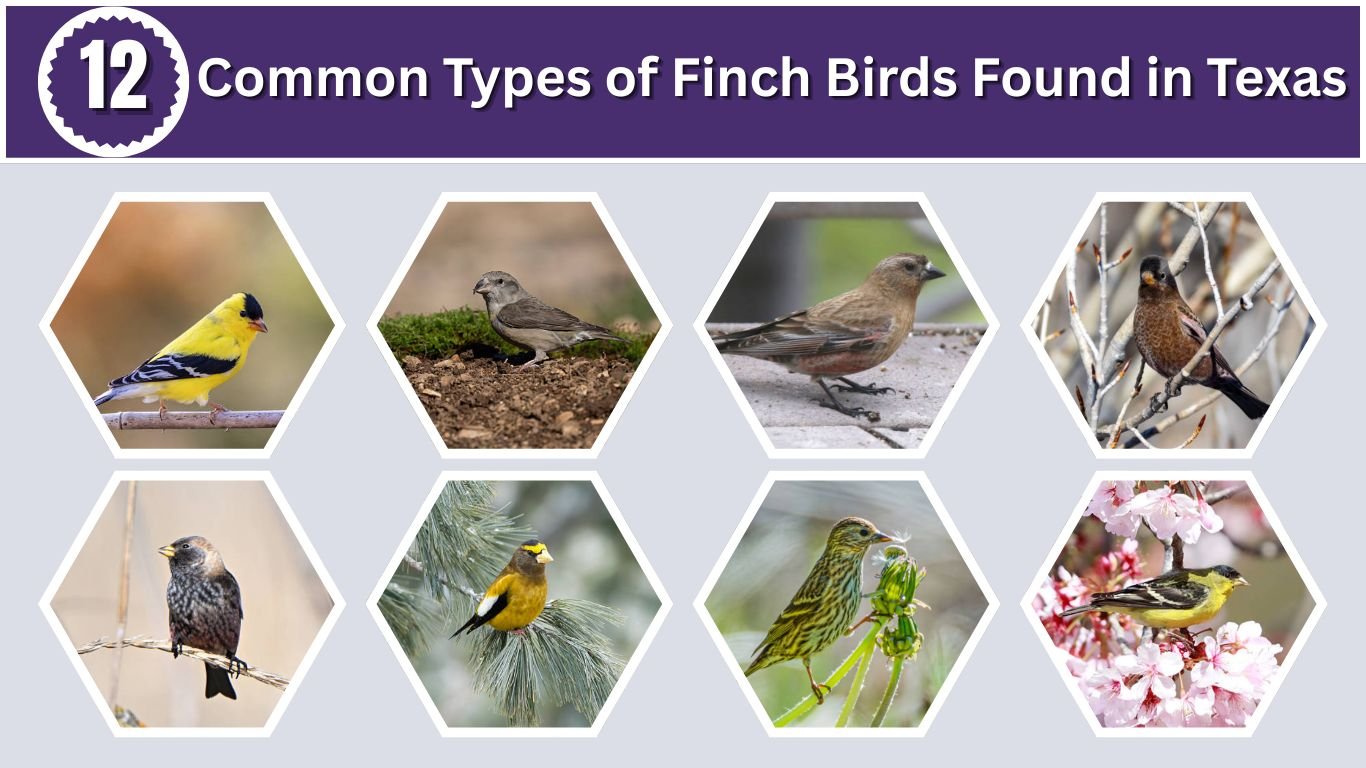
Finches are small, colorful birds that add life and movement to Texas landscapes throughout the year. From backyard visitors to rare winter guests, these birds are known for their cheerful songs and seed-loving habits. Texas hosts a diverse range of finch species, each with unique features, habitats, and behaviors. Whether you are a beginner or an experienced birdwatcher, learning about these finches can make spotting and identifying them much more enjoyable.
1. House Finch
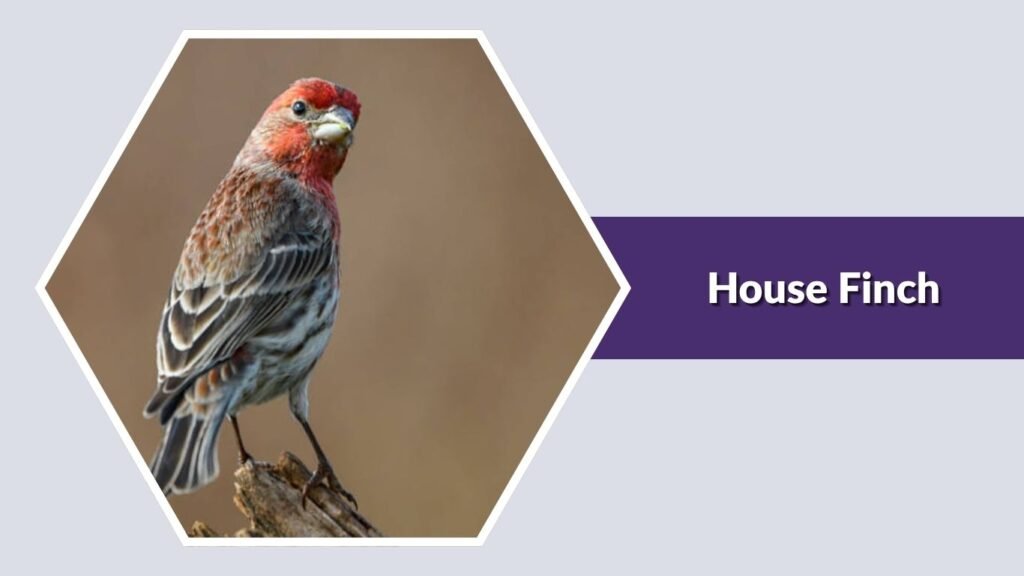
A common and adaptable finch widely found across Texas, especially in urban and suburban environments. Known for its pleasant, warbling song and tolerance of human activity, the House Finch has become one of the most familiar backyard birds in the region. It thrives in a variety of conditions and is often seen around homes, gardens, and parks, making it an easy species to observe year-round.
Identification
- Small bird, about 5–6 inches in length
- Short, thick, conical beak adapted for seed eating
- Adult males display red, orange, or sometimes yellow coloration on the head, chest, and rump
- Females lack bright colors and are mostly brown with heavy streaks on the underparts
- Wings are brown with subtle streaking, no wing bars
- Tail is relatively long with a slight notch
- Overall shape appears compact with a rounded head
Habitat
House Finches are highly adaptable and are most commonly found in urban and suburban areas throughout Texas. They prefer open habitats with scattered trees, such as parks, gardens, farmlands, and residential neighborhoods. Unlike many wild birds, they are comfortable nesting on human-made structures, including building ledges, hanging planters, streetlights, and vents. In rural settings, they may also be found in grasslands and desert edges, as long as food and nesting sites are available. Their ability to live close to humans has allowed their population to grow steadily.
Behaviors
These birds are social and are often seen in small flocks, especially outside the breeding season. Males are vocal and frequently sing from high perches to establish territory and attract mates. House Finches are active during daylight hours and spend much of their time foraging or visiting feeders. They are non-migratory in most parts of Texas, meaning they stay in the same area year-round. During breeding season, pairs form strong bonds, and both parents take part in feeding the chicks.
Diet and Lifespan
House Finches primarily feed on seeds, fruits, and plant buds. They have a strong preference for sunflower seeds and are frequent visitors to backyard bird feeders. Occasionally, they may eat small insects, especially during breeding season when extra protein is needed. Their feeding habits help in seed dispersal, contributing to local ecosystems. In the wild, House Finches typically live between 4 to 7 years, although some individuals may survive longer under favorable conditions with ample food and fewer predators.
2. Purple Finch
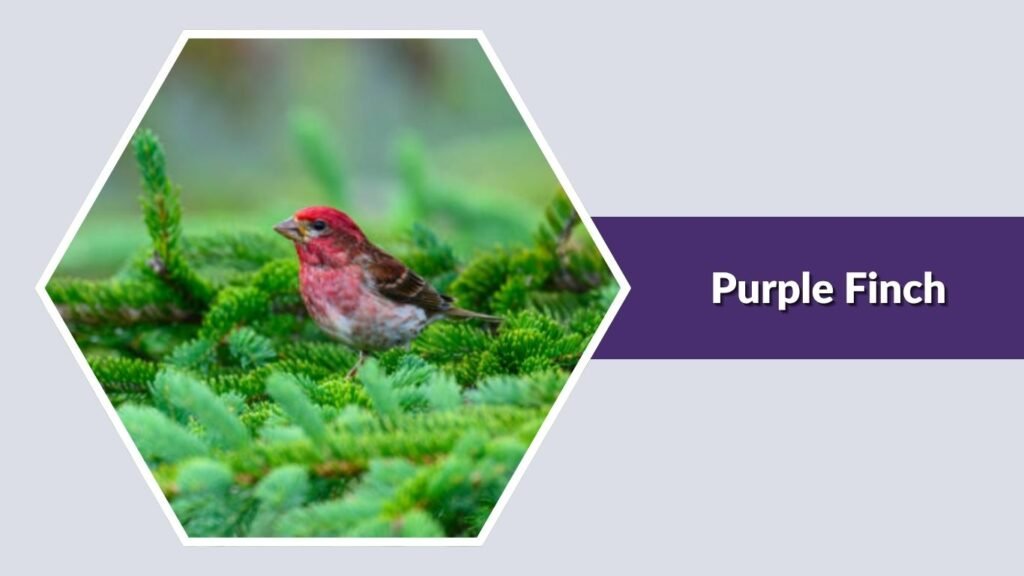
The Purple Finch is a striking and somewhat less common finch found in parts of Texas, especially during migration and winter months. Often confused with the House Finch, this bird stands out with its richer coloration and more robust build. It prefers wooded areas and brings a lively presence with its musical song and active foraging behavior.
Identification
- Medium-sized finch, slightly bulkier than the House Finch
- Short, strong, conical beak designed for cracking seeds
- Adult males have a raspberry-red coloration that spreads across the head, chest, and back
- Females are brown and heavily streaked with a distinct white eyebrow stripe
- Underparts are white with dark streaks
- Wings are brown with light edging, no bold wing bars
- Tail is short and slightly notched
Habitat
Purple Finches are typically found in forested habitats, including coniferous and mixed woodlands. In Texas, they are more commonly seen during winter in areas with mature trees, such as parks, wooded suburbs, and forest edges. They prefer environments that offer dense vegetation for shelter and nesting. Unlike House Finches, they are less likely to rely heavily on human structures, though they may still visit feeders in quieter, tree-rich neighborhoods.
Behaviors
These birds are active and energetic, often moving through trees in search of food. Purple Finches are known for their rich, warbling songs, which are more varied and musical compared to other finches. They may be seen alone, in pairs, or in small flocks, especially during non-breeding seasons. During migration, they can appear in larger groups. They are somewhat shy compared to House Finches but can become regular visitors to backyard feeders.
Diet and Lifespan
Purple Finches primarily feed on seeds, berries, and buds. They are particularly fond of tree seeds and fruits and will also consume insects during the breeding season for added nutrition. At feeders, they prefer sunflower seeds and can often be seen alongside other finch species. Their lifespan in the wild typically ranges from 3 to 6 years, depending on environmental conditions and predation.
3. Cassin’s Finch
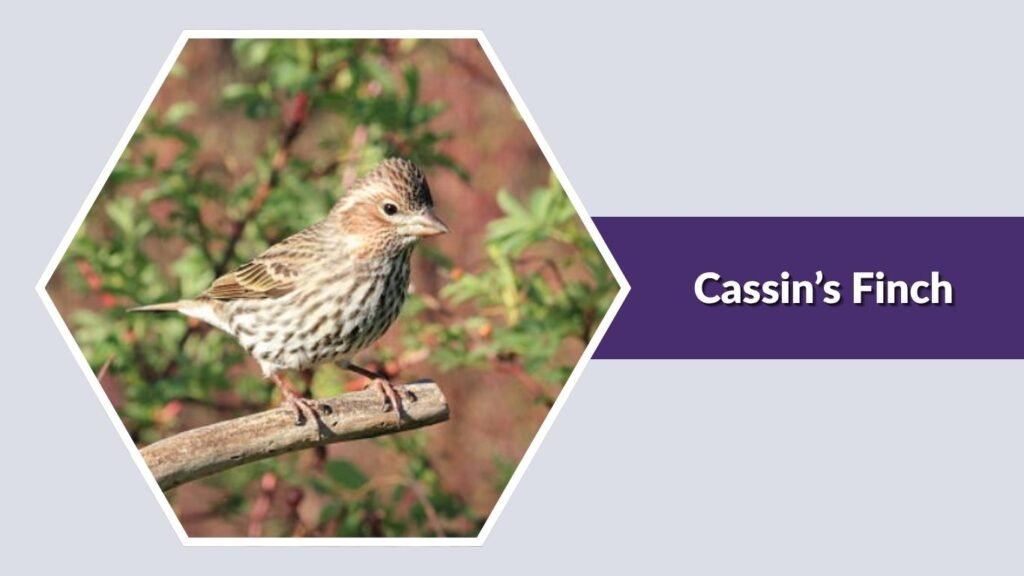
Cassin’s Finch is a less common finch in Texas, usually found in the western parts of the state or during migration periods. It closely resembles the Purple Finch but can be distinguished by its subtler coloring and specific facial features. This species prefers higher elevations and wooded habitats, making it a more occasional sight for birdwatchers in Texas.
Identification
- Medium-sized finch with a slightly peaked crown
- Short, thick, conical beak
- Adult males have a soft red coloration concentrated on the crown and upper chest
- Face appears more defined with less overall red than Purple Finch
- Females are brown with fine streaking and a pale eyebrow stripe
- Underparts are lighter with blurred streaks
- Wings are brown with subtle light edges
- Tail is slightly notched
Habitat
Cassin’s Finches are most commonly associated with mountainous regions, particularly coniferous forests. In Texas, they are rare and are mainly spotted in the western mountainous areas or during migration. They prefer open forests, forest edges, and areas with scattered trees where they can forage and nest. Compared to other finches, they are less adapted to urban environments and are more dependent on natural woodland habitats.
Behaviors
These finches are generally quiet and less conspicuous than other finch species. They tend to forage in trees and shrubs, often moving slowly and deliberately while searching for food. Males sing a pleasant, warbling song, usually from elevated perches. During non-breeding seasons, they may form small flocks, but they are often seen alone or in pairs. Their calm and reserved nature makes them less noticeable in the wild.
Diet and Lifespan
Cassin’s Finches primarily feed on seeds, buds, and berries, especially from coniferous trees. They may also consume insects during the breeding season to support chick development. Their diet is closely tied to forest ecosystems, making them reliant on healthy woodland environments. In the wild, their average lifespan is around 4 to 6 years, although this can vary depending on habitat conditions and food availability.
4. American Goldfinch
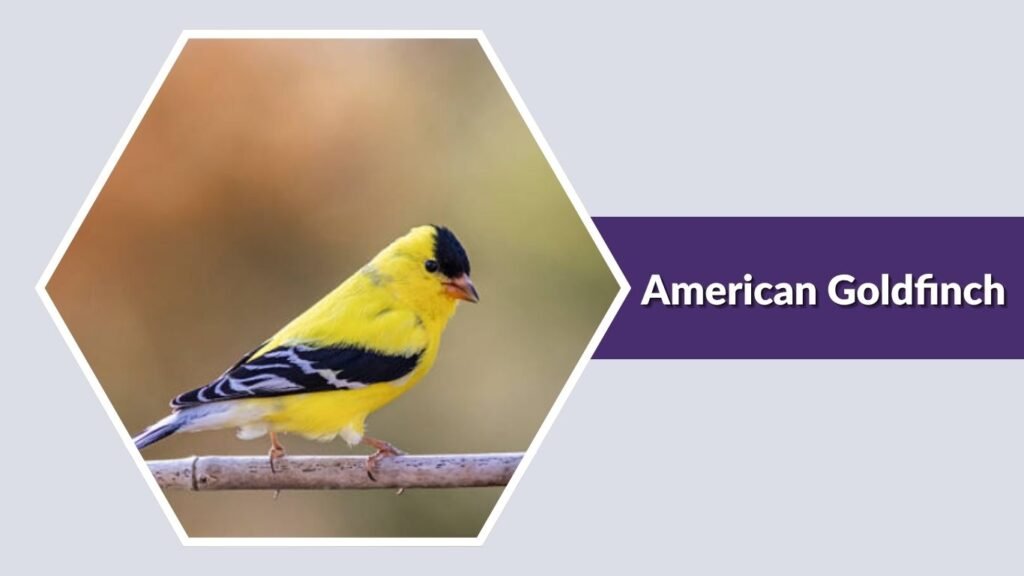
The American Goldfinch is a bright and cheerful finch commonly seen in Texas, especially during winter months and migration. Known for its vibrant yellow plumage in breeding season, this bird is a favorite among birdwatchers. It is highly social and often gathers in flocks, adding color and movement to open landscapes and backyard feeders.
Identification
- Small finch with a short, conical beak
- Breeding males are bright yellow with a black cap and black wings
- Non-breeding males appear duller with more olive tones
- Females are pale yellow or brownish with less contrast
- Wings are black with white markings or wing bars
- Tail is short and slightly forked
- Flight pattern is bouncy and undulating
Habitat
American Goldfinches prefer open areas such as fields, meadows, roadsides, and gardens. In Texas, they are often seen in weedy fields and suburban areas with plenty of seed-producing plants. They are especially attracted to thistle-rich environments and backyard feeders stocked with nyjer (thistle) seeds. During migration and winter, they may appear in larger numbers across the state, favoring areas with abundant food sources and scattered trees for shelter.
Behaviors
These birds are highly social and are often seen in flocks, particularly outside the breeding season. Their flight is distinctive, with a wave-like motion accompanied by soft calls. Males sing a sweet, lilting song during the breeding season. Unlike many birds, American Goldfinches breed later in the year, timing their nesting with peak seed availability. They are active during the day and frequently visit feeders, often competing gently with other small birds.
Diet and Lifespan
American Goldfinches are primarily seed eaters, with a strong preference for thistle, sunflower, and other small seeds. They are strict vegetarians, rarely consuming insects even during breeding season. Their diet plays an important role in controlling weed growth. In the wild, they typically live around 3 to 6 years, though some individuals may survive longer depending on environmental conditions and predator presence.
5. Lesser Goldfinch
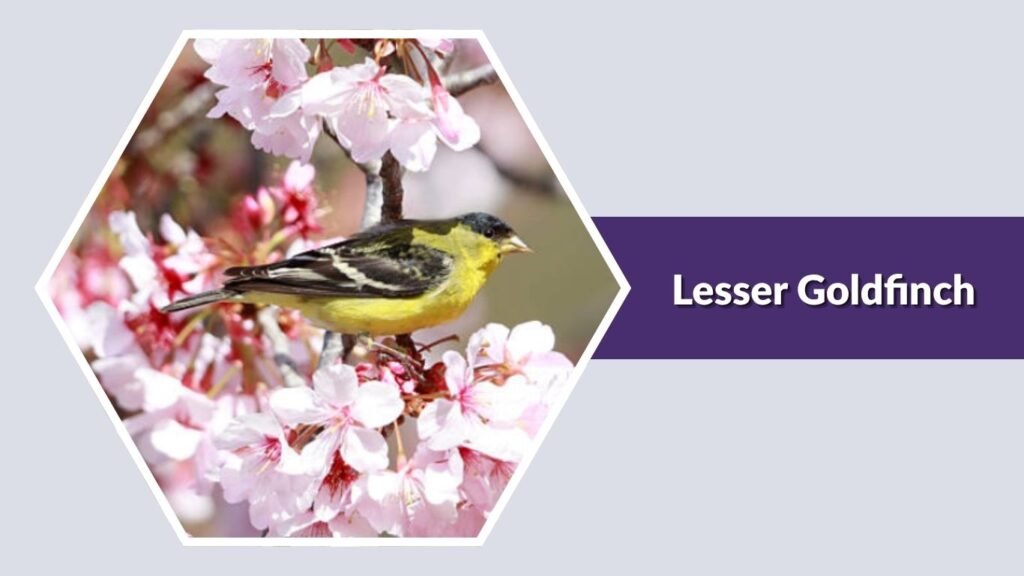
The Lesser Goldfinch is a small, active finch commonly found across much of Texas, especially in the western and central regions. Slightly smaller than the American Goldfinch, it is known for its energetic behavior and preference for warm, dry habitats. Its bright coloring and constant movement make it a lively presence in both natural areas and backyard settings.
Identification
- Very small finch with a short, conical beak
- Adult males have a black cap and back with bright yellow underparts
- Some males may show a greenish back instead of black
- Females are duller, with olive or grayish tones and yellow underparts
- Wings are dark with white wing bars
- Tail is short and slightly notched
- Overall appearance is compact and quick-moving
Habitat
Lesser Goldfinches prefer open, dry habitats such as scrublands, desert edges, grasslands, and suburban gardens. In Texas, they are commonly found in areas with scattered trees, shrubs, and access to water sources. They adapt well to human environments and are frequent visitors to backyard feeders, especially in regions with warm climates. They often nest in small trees or shrubs, choosing locations that provide both shelter and easy access to food.
Behaviors
These finches are highly social and are often seen in flocks, especially outside the breeding season. They are energetic and constantly moving while foraging or interacting with other birds. Their flight is light and undulating, and they communicate with a variety of chirps and calls. During breeding season, males may sing from exposed perches to attract mates. They are generally tolerant of human presence and can become regular visitors to feeders.
Diet and Lifespan
Lesser Goldfinches primarily feed on seeds, especially from weeds and grasses. They are particularly fond of sunflower and nyjer seeds and frequently visit feeders that provide these foods. Occasionally, they may consume small insects for additional protein. Their feeding habits help in seed dispersal and maintaining plant diversity. In the wild, they typically live around 4 to 7 years, depending on environmental conditions and predation risks.
6. Pine Siskin
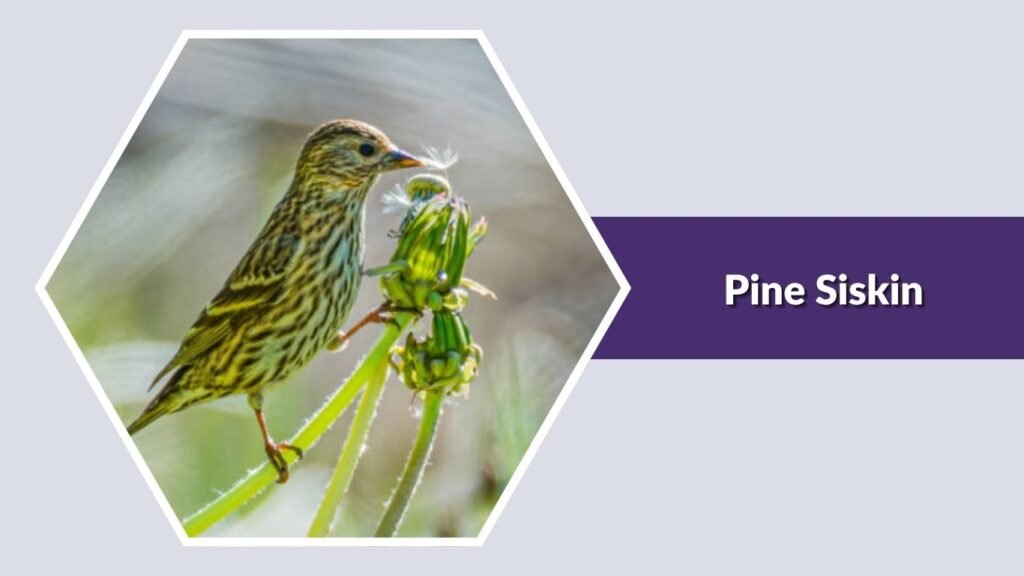
The Pine Siskin is a small, streaky finch that appears in Texas בעיקר during winter and migration. Its presence can vary from year to year depending on food availability, making it an “irregular” visitor. Despite its subtle appearance, it is lively, social, and often mixes with other finch species at feeders.
Identification
- Small finch with a slim body and pointed, conical beak
- Brown overall with heavy dark streaking on the body
- Subtle yellow patches on the wings and tail, especially visible in flight
- Wings are dark with pale edging
- Tail is short and slightly notched
- Face is plain with no bold markings
- Often appears slightly fluffier than other small finches
Habitat
Pine Siskins are typically associated with coniferous forests, but in Texas, they are mostly seen in winter across a wide range of habitats. They adapt easily and can be found in woodlands, parks, gardens, and suburban areas. During irruption years, when food is scarce in their usual range, they may appear in large numbers even in urban settings. They are especially drawn to areas with abundant seed sources, including feeders.
Behaviors
These birds are very social and are often seen in flocks, sometimes mixed with goldfinches. They are active and agile, frequently clinging to branches or feeders while feeding. Pine Siskins have a distinctive, buzzy call and are constantly vocal while in groups. Their flight is swift and erratic, often moving in tight flocks. They are known for being tolerant of close contact with other birds, especially when feeding.
Diet and Lifespan
Pine Siskins primarily eat seeds, especially from conifer trees, but they also consume seeds from weeds and grasses. They are regular visitors to feeders, particularly those offering nyjer or sunflower seeds. Occasionally, they may eat small insects. Their lifespan in the wild is typically around 3 to 5 years, though this can vary depending on food supply and environmental conditions.
7. Evening Grosbeak
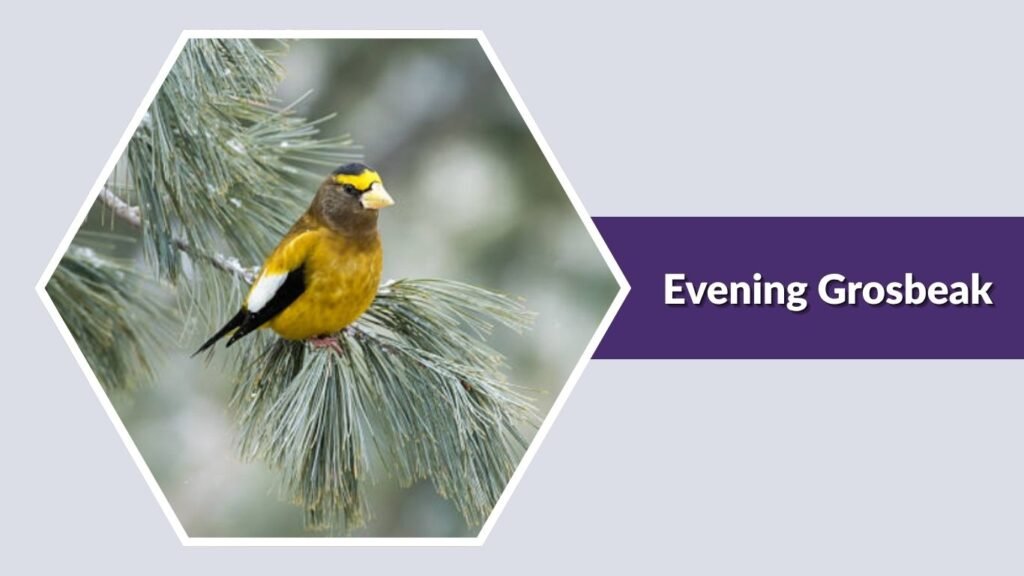
The Evening Grosbeak is a large, striking finch that is considered a rare and irregular visitor in Texas, mostly appearing during winter irruption years. Known for its bold colors and powerful beak, this bird stands out easily among other finches. Though not commonly seen, its sudden appearances can attract significant attention from birdwatchers.
Identification
- Large, heavy-bodied finch with a thick, powerful beak
- Adult males have bright yellow bodies with a dark brown or black head
- Bold white patches on black wings
- Females are more subdued, with gray and olive tones and hints of yellow
- Short tail and strong, chunky appearance
- Prominent pale or greenish bill
- Overall look is robust compared to other finches
Habitat
Evening Grosbeaks are typically found in coniferous and mixed forests, especially in mountainous regions. In Texas, they are rare and usually appear in the northern or western parts during winter when food shortages push them southward. When present, they may visit wooded suburbs, parks, and backyard feeders, particularly in areas with mature trees and reliable food sources.
Behaviors
These birds are social and often travel in flocks, especially during winter. They can be surprisingly bold and may gather in noticeable numbers at feeders. Their flight is strong and direct, and they often move between feeding sites in groups. Evening Grosbeaks are less vocal than many finches but communicate with short, sharp calls. Their presence is often temporary, depending on seasonal food availability.
Diet and Lifespan
Evening Grosbeaks primarily feed on seeds, especially from trees like maple, ash, and conifers. Their strong beaks allow them to crack hard seeds with ease. They also eat berries and occasionally insects during the breeding season. At feeders, they are fond of sunflower seeds. In the wild, they typically live around 6 to 10 years, depending on environmental conditions and food supply.
8. Black Rosy-Finch
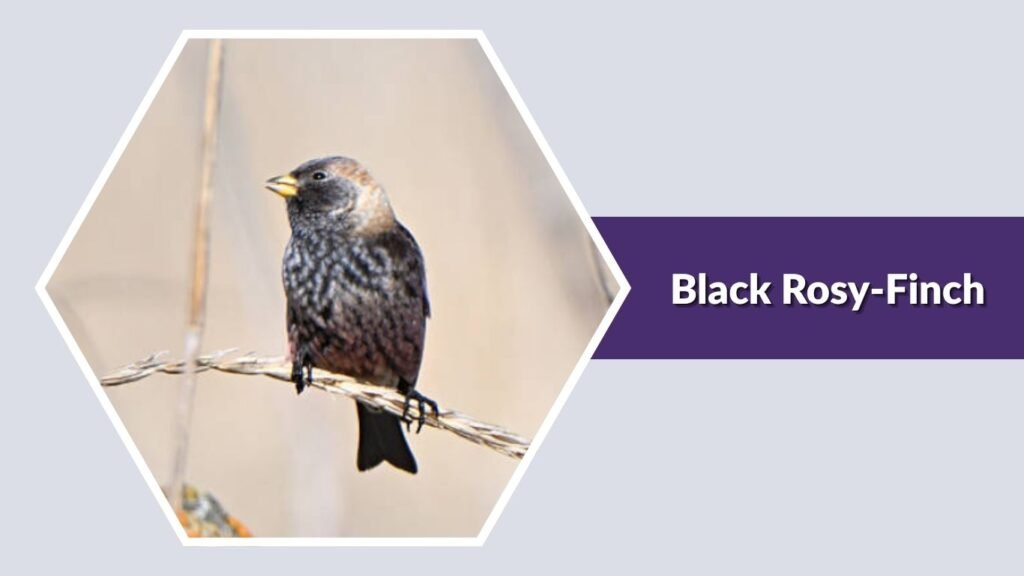
The Black Rosy-Finch is a rare and high-elevation finch that is not commonly found in Texas, but may occasionally appear in the far western mountainous regions during winter. It is known for its dark plumage contrasted with soft pink highlights, giving it a unique and subtle beauty among finches.
Identification
- Medium-sized finch with a sturdy, conical beak
- Overall dark brown to black body coloration
- Soft pink or rosy highlights on the belly and wings
- Wings are dark with lighter edges
- Tail is short and slightly notched
- Face appears dark with minimal contrasting markings
- Thick body adapted for cold environments
Habitat
Black Rosy-Finches are typically found in alpine and mountainous regions, especially above the tree line. In Texas, they are extremely rare and are only occasionally spotted in the westernmost mountainous areas during winter. They prefer rocky slopes, cliffs, and open high-altitude terrain where they can forage for seeds and insects. Their presence in Texas is usually tied to unusual weather patterns or food shortages in their normal range.
Behaviors
These finches are well adapted to harsh, cold environments and are often seen foraging on the ground or near rocky outcrops. They are social birds and may gather in small flocks, particularly during winter. Their flight is strong and direct, allowing them to navigate windy mountain conditions. They are generally quiet but may produce soft calls when in groups. Their elusive nature makes them difficult to observe.
Diet and Lifespan
Black Rosy-Finches primarily feed on seeds and small insects. During warmer months, insects become a more important part of their diet, while seeds dominate in winter. They forage both on the ground and in low vegetation. Due to their remote habitat, detailed lifespan data is limited, but they are estimated to live around 5 to 8 years in the wild, depending on environmental conditions.
9. Gray-crowned Rosy-Finch
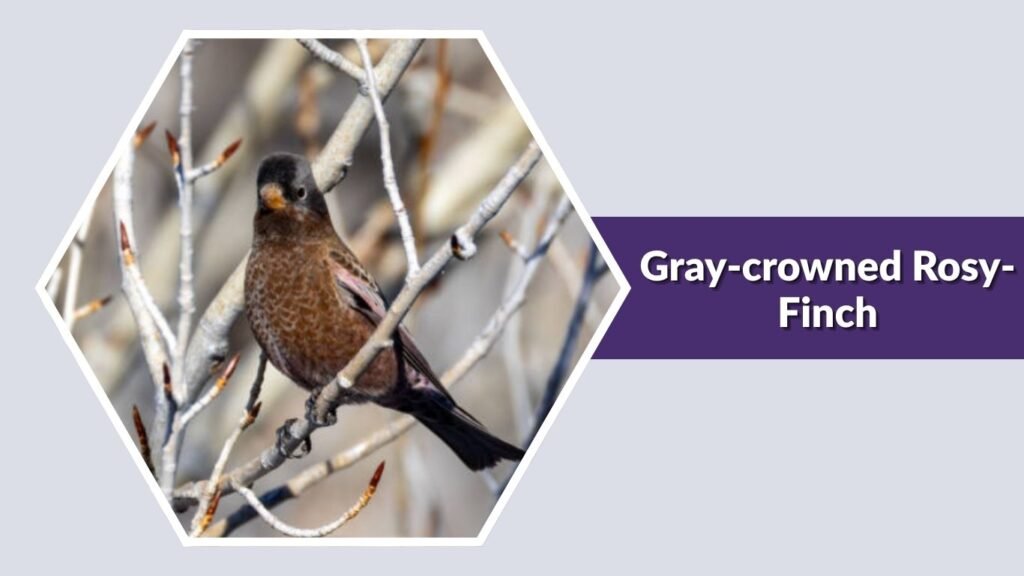
The Gray-crowned Rosy-Finch is a hardy, high-altitude finch that is rarely seen in Texas, usually appearing only in the far western regions during winter. It is well adapted to cold, mountainous environments and is recognized for its distinctive gray head and soft pink tones on the body.
Identification
- Medium-sized finch with a sturdy, conical beak
- Gray crown and nape clearly contrast with darker face and body
- Body is brownish with rosy-pink highlights on the belly and wings
- Wings are dark with lighter edges
- Tail is short and slightly notched
- Bill is typically yellow with a dark tip
- Overall appearance is stocky and well-built
Habitat
Gray-crowned Rosy-Finches are typically found in alpine and mountainous regions, often above the tree line. In Texas, they are extremely rare and are only occasionally observed in the western mountainous areas during winter. They prefer rocky slopes, cliffs, and open terrain where vegetation is sparse. Their movements into Texas are usually driven by harsh weather or limited food availability in their usual habitats.
Behaviors
These finches are social and often seen in small flocks, especially during colder months. They spend much of their time foraging on the ground, searching for food among rocks and sparse vegetation. Their flight is strong and direct, suited for windy, open environments. They are generally quiet birds but may produce soft calls to communicate within flocks. Their elusive and remote lifestyle makes them difficult to observe in the wild.
Diet and Lifespan
Gray-crowned Rosy-Finches feed mainly on seeds and small insects. In warmer seasons, insects provide important nutrients, while seeds become the primary food source in winter. They forage both on the ground and in low vegetation. Their lifespan in the wild is estimated to be around 5 to 9 years, depending on environmental conditions and survival challenges in harsh habitats.
10. Brown-capped Rosy-Finch
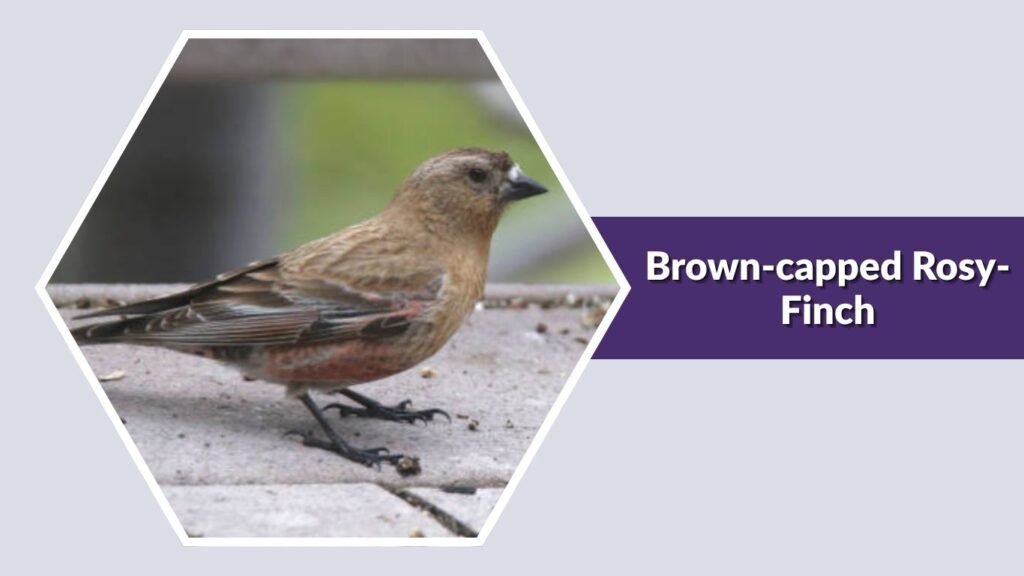
The Brown-capped Rosy-Finch is another high-elevation finch that is extremely rare in Texas, with only occasional sightings in the far western mountainous regions during winter. It is known for its subtle coloration and ability to survive in harsh alpine environments, often going unnoticed due to its remote habitat.
Identification
- Medium-sized finch with a thick, conical beak
- Brown cap clearly visible on the head
- Body is mostly grayish-brown with soft rosy-pink highlights on the belly
- Wings are darker with lighter edges
- Tail is short and slightly notched
- Bill is typically yellow with a darker tip
- Overall appearance is muted compared to other rosy-finches
Habitat
Brown-capped Rosy-Finches are typically found in alpine zones above the tree line, favoring rocky slopes, cliffs, and open mountainous terrain. In Texas, they are extremely rare and are only occasionally reported in the westernmost mountains during winter. Their presence in the state is usually temporary and linked to weather conditions or food shortages in their normal range. They rely heavily on remote, undisturbed habitats.
Behaviors
These finches are adapted to cold, windy environments and are often seen foraging on the ground. They are social birds and may form small flocks, particularly in winter. Their flight is strong and direct, helping them navigate rugged terrain. Brown-capped Rosy-Finches are generally quiet but communicate with soft calls. Due to their isolated habitats, they are rarely observed by casual birdwatchers.
Diet and Lifespan
Their diet mainly consists of seeds and small insects. In warmer months, insects play a more important role, while seeds dominate their winter diet. They forage among rocks and sparse vegetation, often in challenging conditions. The lifespan of Brown-capped Rosy-Finches is estimated to be around 5 to 8 years in the wild, depending on environmental factors and survival conditions.
11. Red Crossbill
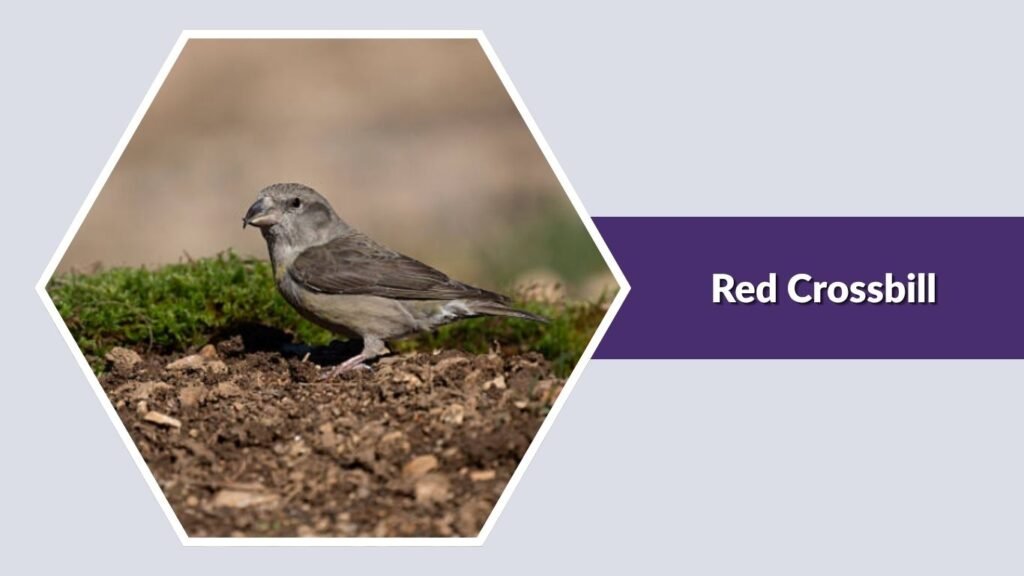
The Red Crossbill is a unique finch known for its specialized beak, which is adapted for extracting seeds from conifer cones. It is an irregular visitor in Texas, mostly appearing during winter or in years when food shortages push it beyond its usual range. Its nomadic nature makes its presence unpredictable.
Identification
- Medium-sized finch with a distinctive crossed bill (tips overlap)
- Males are brick red to orange-red in color
- Females are yellowish or olive with gray tones
- Wings are dark with no prominent wing bars
- Tail is short and slightly forked
- Head appears large with a thick neck
- Bill shape is the most noticeable feature
Habitat
Red Crossbills are typically found in coniferous forests where pine trees are abundant. In Texas, they are uncommon and usually appear in the western regions or during winter movements. They prefer areas with a strong supply of pine cones, as their survival depends heavily on these food sources. When they do appear, they may be seen in forests, parks, or even suburban areas with suitable trees.
Behaviors
These birds are highly nomadic, moving from place to place in search of cone crops. They are often seen in flocks and can be quite vocal, producing a series of sharp calls. Red Crossbills are agile and spend much of their time in trees, skillfully using their crossed bills to pry open cones. They may breed at unusual times of the year, depending on food availability rather than season.
Diet and Lifespan
Red Crossbills primarily feed on seeds from conifer cones, especially pine. Their specialized beak allows them to access seeds that other birds cannot reach. They may occasionally eat insects, particularly during breeding periods. Their lifespan in the wild typically ranges from 5 to 7 years, though it can vary depending on food availability and environmental conditions.
12. White-winged Crossbill
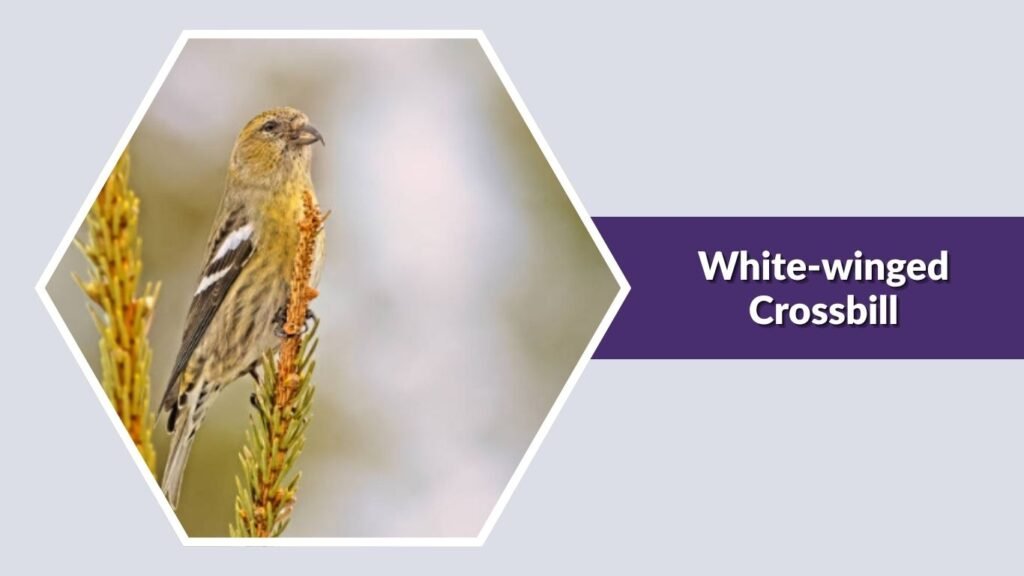
The White-winged Crossbill is a striking and uncommon finch that occasionally appears in Texas during winter irruption years. Known for its unique crossed bill and bold wing markings, it is more colorful and patterned than the Red Crossbill. Its movements are highly dependent on the availability of cone-producing trees.
Identification
- Medium-sized finch with a distinctive crossed bill
- Adult males are rosy red with black wings
- Females are yellowish or olive with darker wings
- Prominent white wing bars (key identifying feature)
- Tail is short and slightly notched
- Bill tips cross over each other for prying open cones
- Overall appearance is more contrasted than Red Crossbill
Habitat
White-winged Crossbills are typically found in northern coniferous forests, especially areas rich in spruce and fir trees. In Texas, they are rare and usually appear during winter when food shortages force them southward. When present, they may be found in wooded areas, parks, or neighborhoods with suitable trees. Their distribution is unpredictable and depends heavily on cone crop availability.
Behaviors
These finches are highly nomadic and move in flocks in search of food. They are active and agile, often seen climbing around cones while feeding. Their flight is swift, and they communicate with sharp, musical calls. Like other crossbills, they may breed at unusual times of the year if food is abundant. Their social nature makes them easier to spot when they appear in groups.
Diet and Lifespan
White-winged Crossbills primarily feed on seeds from conifer cones, especially spruce. Their specialized bill allows them to efficiently extract seeds. They may also eat small insects during breeding periods. Their survival is closely tied to cone availability, which influences their movements and breeding. In the wild, they typically live around 4 to 6 years, depending on environmental conditions.
FAQs
What is the most common finch in Texas?
The House Finch is the most common finch in Texas. It is widely found in cities, suburbs, and rural areas. Its adaptability to human environments and frequent visits to backyard feeders make it one of the easiest finches to observe year-round.
Which finches visit Texas only in winter?
Several finches, such as the Purple Finch, Pine Siskin, and both Crossbill species, are mostly seen in Texas during winter or migration. Their presence depends on food availability in their native regions, making their visits irregular in some years.
How can I attract finches to my backyard?
You can attract finches by offering seeds like sunflower or nyjer in feeders. Planting native flowers and maintaining a water source also helps. Finches prefer quiet, safe areas with nearby trees or shrubs for perching and shelter.
Are all finches in Texas brightly colored?
Not all finches are brightly colored. While species like the American Goldfinch have vivid yellow plumage, others like the Pine Siskin or female finches are more subdued with brown and streaked patterns, helping them blend into their surroundings.
Do finches stay in Texas year-round?
Some finches, like the House Finch and Lesser Goldfinch, stay in Texas throughout the year. Others are migratory or appear only during certain seasons, depending on weather conditions and food supply in different regions.
