
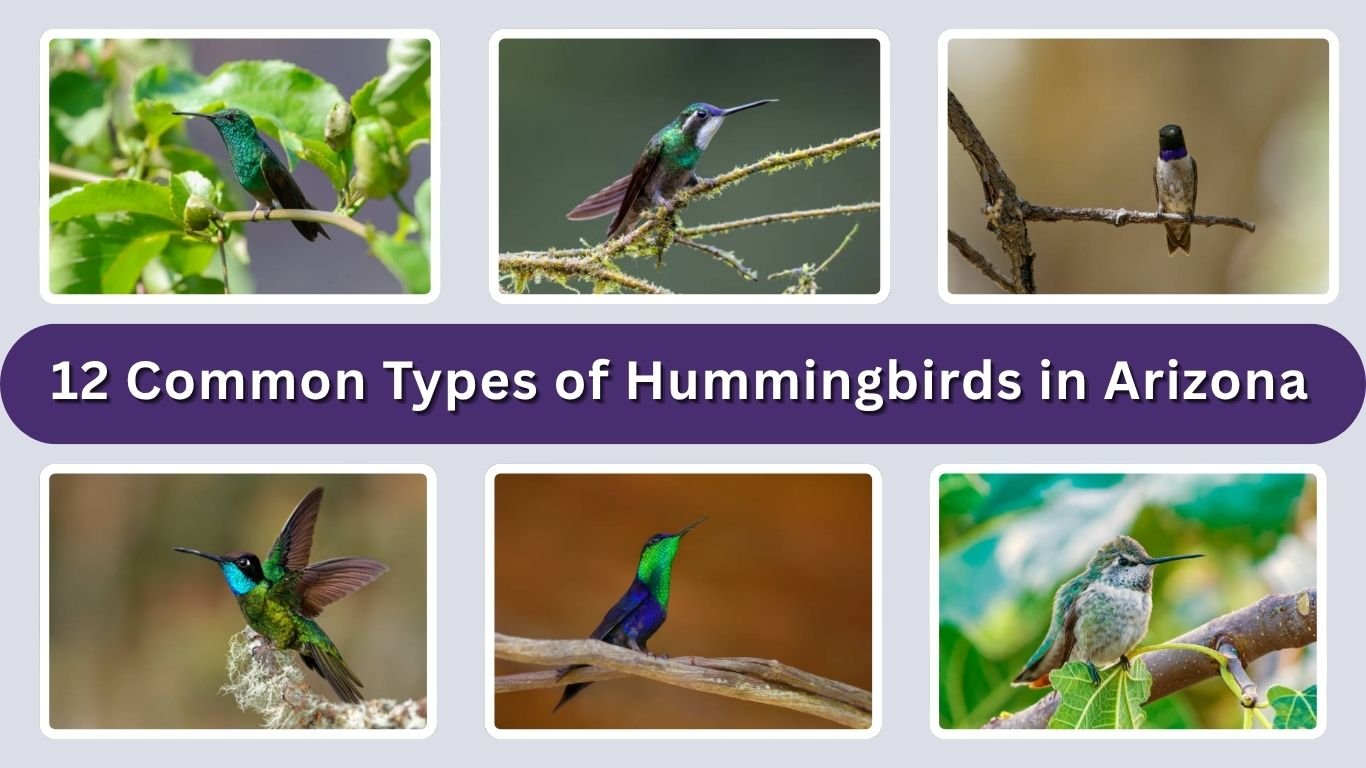
Arizona is one of the best places in the United States to observe a wide variety of hummingbirds. With its diverse landscapes—ranging from deserts to mountain forests—the state attracts both resident and migratory species throughout the year. These tiny birds are known for their brilliant colors, rapid wingbeats, and remarkable ability to hover. This list highlights 12 common types of hummingbirds found in Arizona, each with unique features, habitats, and behaviors that make them fascinating to watch.
1. Anna’s Hummingbird
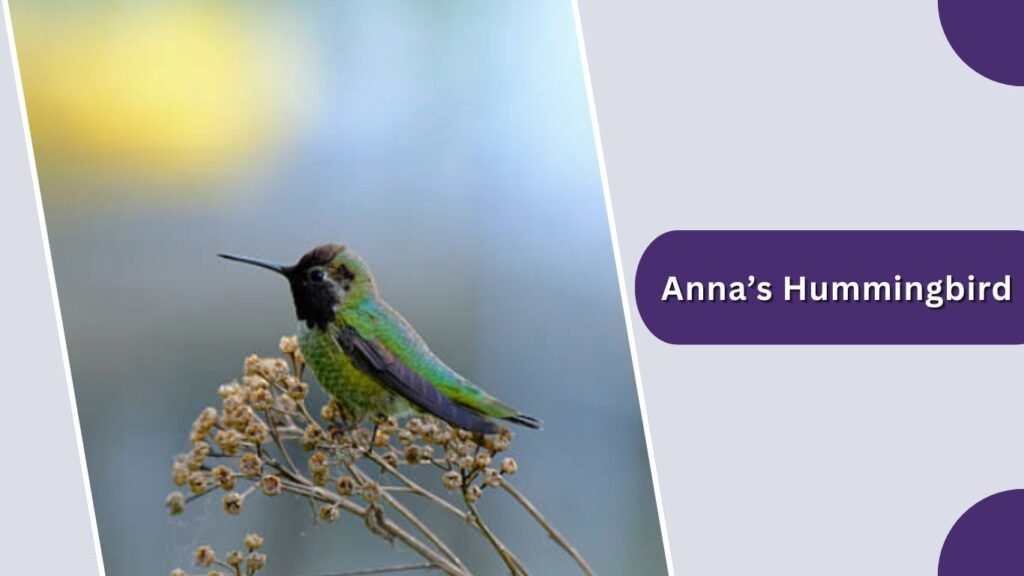
Anna’s Hummingbird is one of the most recognizable and adaptable hummingbird species found in Arizona. Unlike many hummingbirds that migrate long distances, this species can often be seen year-round in parts of its range. Its ability to thrive in both natural and urban environments makes it a familiar sight in gardens, parks, and desert landscapes.
Identification
- Medium-sized hummingbird with a sturdy, compact body
- Males have a bright rose-pink (magenta) throat and crown
- Females are mostly green with a small reddish throat spot
- Straight, medium-length black bill
- Dark tail with a slightly rounded shape
Color Pattern
The male Anna’s Hummingbird is known for its striking iridescent magenta head and throat, which can appear dull or brilliantly glowing depending on the angle of light. The rest of the body is primarily metallic green with grayish underparts. Females lack the full magenta crown and instead show softer green and gray tones with subtle red spotting on the throat.
Habitat
In Arizona, Anna’s Hummingbird is commonly found in desert scrub, suburban gardens, parks, and areas with flowering plants. It adapts well to human environments, especially where feeders and ornamental flowers provide consistent food sources. It is more common in the southern and central parts of the state.
Behavior
This species is highly active and territorial, often defending feeding areas aggressively. It feeds on nectar and small insects and is known for its dramatic courtship displays, where males perform high-speed dives. Anna’s Hummingbird is also one of the few hummingbirds that sings, producing a series of scratchy, buzzing notes.
2. Costa’s Hummingbird
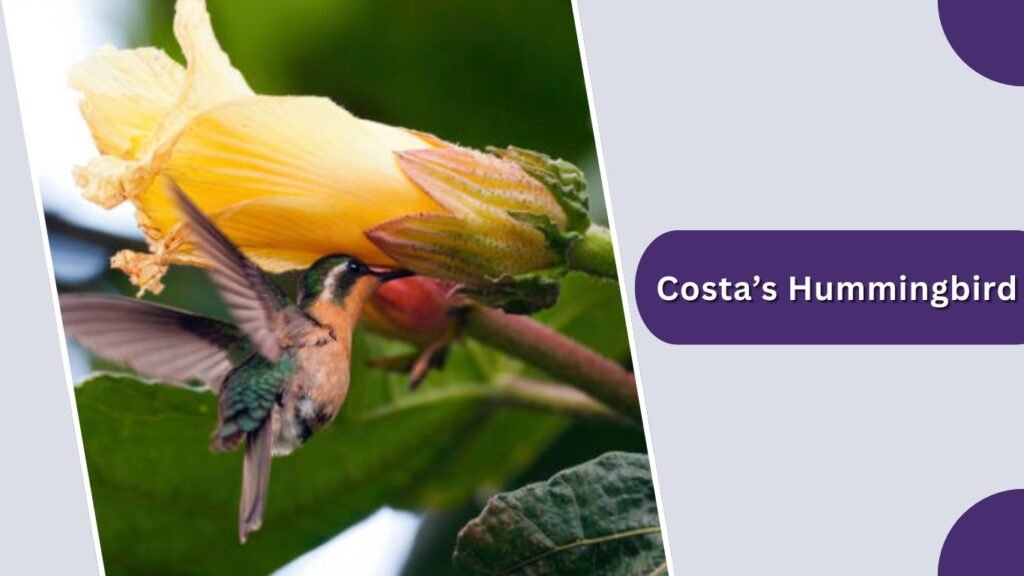
Costa’s Hummingbird is a small and striking species commonly found in the desert regions of Arizona. It is especially well adapted to hot, arid environments and is often seen around desert flowers. Its vibrant coloration and unique courtship displays make it one of the most fascinating hummingbirds in the region.
Identification
- Small hummingbird with a compact body
- Males have a vivid purple crown and throat
- Green upperparts with pale underparts
- Slightly curved, medium-length bill
- Short, dark tail
Color Pattern
The male Costa’s Hummingbird is known for its brilliant purple crown and throat, which extend down the sides of the neck like a flared collar. This iridescent color can appear dark or intensely bright depending on the light. Females are more subdued, with green upperparts and grayish-white underparts, lacking the bold purple coloring.
Habitat
This species is typically found in desert scrub, arid gardens, and semi-open landscapes across Arizona. It prefers habitats with flowering plants such as ocotillo, chuparosa, and agave, which provide essential nectar sources.
Behavior
Costa’s Hummingbird is active and well adapted to extreme heat. It feeds on nectar and small insects and is known for its unique courtship display, where the male performs looping dives accompanied by high-pitched sounds. It may defend feeding areas, especially when food sources are limited.
3. Black-chinned Hummingbird
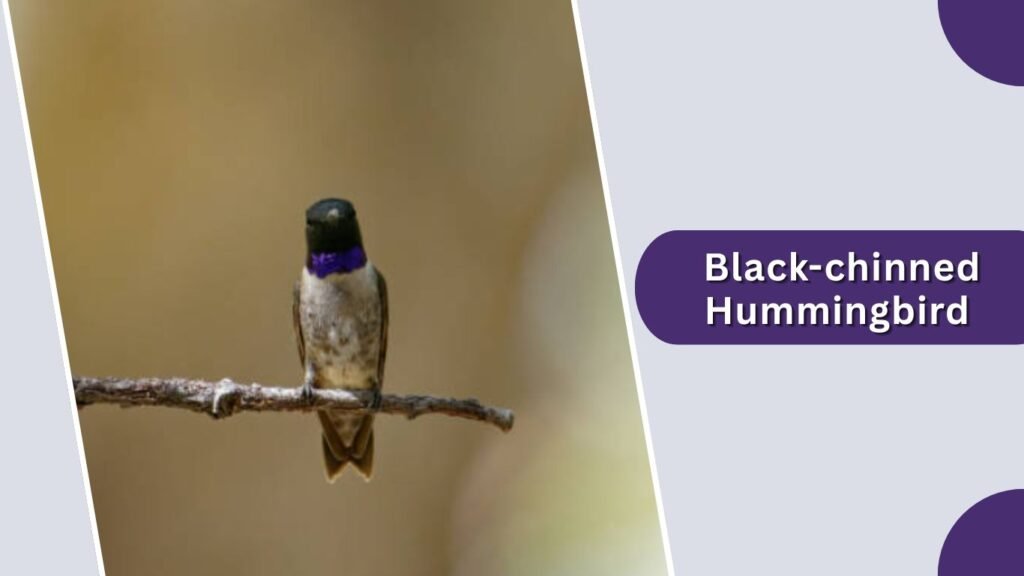
The Black-chinned Hummingbird is one of the most widespread and adaptable hummingbird species in Arizona. It is commonly seen during the warmer months and thrives in a variety of environments, from deserts to urban areas. Its subtle beauty and calm behavior make it a frequent yet often overlooked visitor.
Identification
- Small to medium-sized hummingbird with a slender build
- Males have a black throat with a thin violet band at the base
- Green upperparts with grayish-white underparts
- Straight, medium-length black bill
- Dark tail with a slightly forked shape
Color Pattern
The male appears mostly dark-throated, but when the light hits just right, a shimmering violet band becomes visible at the base of the throat. The rest of the body is metallic green above and pale below, giving it a clean and understated look. Females lack the black throat and have softer, more uniform coloring.
Habitat
In Arizona, the Black-chinned Hummingbird is found in riparian areas, desert edges, gardens, and parks. It is especially common near water sources and flowering plants, adapting well to both natural and human-modified environments.
Behavior
This species is active and efficient, often seen hovering while feeding on nectar. It also consumes small insects for protein. While generally less aggressive than some hummingbirds, it may still defend feeding areas when necessary.
4. Broad-billed Hummingbird
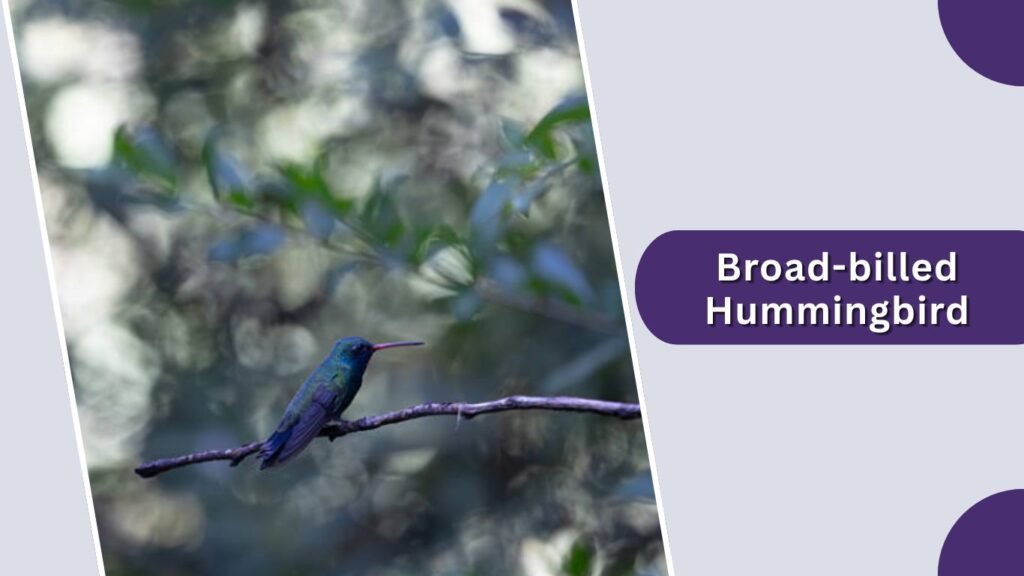
The Broad-billed Hummingbird is a colorful and eye-catching species commonly found in southern Arizona. Known for its vibrant hues and distinctive bill, it is a favorite among bird watchers, especially in areas near the Mexican border.
Identification
- Medium-sized hummingbird with a slender body
- Bright metallic green body
- Distinct red bill with a black tip
- Males have a vivid blue throat
- Dark tail with a slightly forked shape
Color Pattern
The male Broad-billed Hummingbird displays a brilliant blue throat that contrasts beautifully with its bright green body. Its red bill adds another striking feature, making it one of the most colorful hummingbirds in the region. Females are less vivid, with green upperparts and pale underparts.
Habitat
In Arizona, this species is most commonly found in canyons, riparian woodlands, and desert areas with access to water. It prefers habitats with abundant flowering plants and is often seen near streams or shaded vegetation.
Behavior
The Broad-billed Hummingbird is active and agile, frequently hovering while feeding on nectar. It also catches small insects for protein. It can be territorial, especially around feeding areas, and may chase away other hummingbirds to protect its resources.
5. Rufous Hummingbird
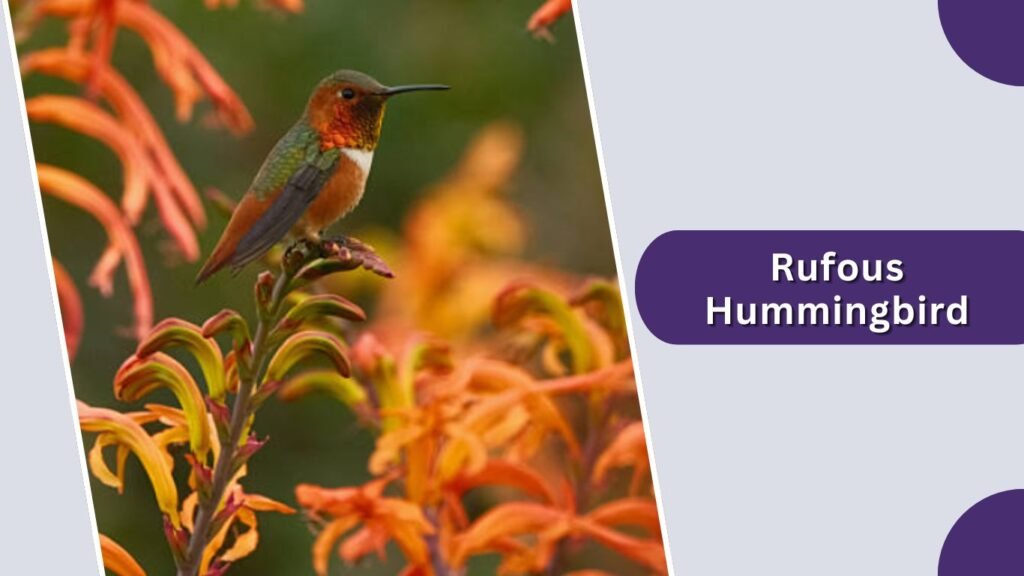
The Rufous Hummingbird is a bold and highly migratory species that passes through Arizona during its seasonal journeys. Known for its fiery coloration and strong personality, it is one of the most aggressive hummingbirds despite its small size.
Identification
- Small hummingbird with a compact body
- Males have a bright orange-red throat
- Rufous (rusty orange) back and sides
- Slightly curved, medium-length bill
- Tail with strong rufous coloration
Color Pattern
The male Rufous Hummingbird is famous for its rich orange and reddish tones that cover much of its body, giving it a glowing appearance in sunlight. Females are greener with patches of rufous on the sides and tail, along with light spotting on the throat.
Habitat
In Arizona, this species is most often seen during migration in a variety of habitats, including gardens, open woodlands, and forest edges. It prefers areas with abundant flowering plants and feeders that provide consistent nectar sources.
Behavior
Rufous Hummingbirds are highly territorial and often aggressively defend feeding areas, even against larger birds. They feed on nectar and small insects and are known for their long migration routes, traveling thousands of miles between breeding and wintering grounds.
6. Calliope Hummingbird
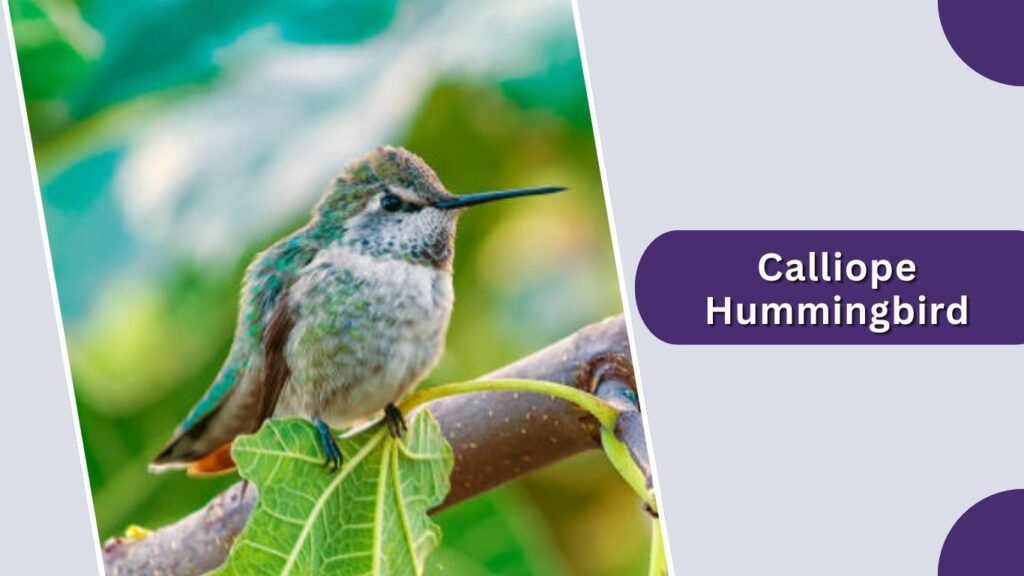
The Calliope Hummingbird is the smallest bird in North America and a remarkable species found in Arizona during migration and breeding seasons. Despite its tiny size, it is known for its long-distance migration and unique throat pattern.
Identification
- Very small hummingbird with a slender body
- Males have streaked magenta lines on the throat
- Green upperparts with pale underparts
- Short, straight black bill
- Short, slightly rounded tail
Color Pattern
The male Calliope Hummingbird has a distinctive throat marked with thin, elongated magenta streaks that fan outward. The rest of the body is mostly metallic green above and whitish below. Females lack the bright throat and appear more softly colored.
Habitat
In Arizona, this species is commonly found in mountain meadows, forest edges, and open woodlands. It prefers areas with flowering plants and is often seen at higher elevations during the breeding season or while migrating.
Behavior
The Calliope Hummingbird is active and agile, frequently hovering while feeding on nectar. It also consumes small insects. Males perform unique courtship displays, diving in curved arcs to attract females, showing impressive agility for such a tiny bird.
7. Broad-tailed Hummingbird
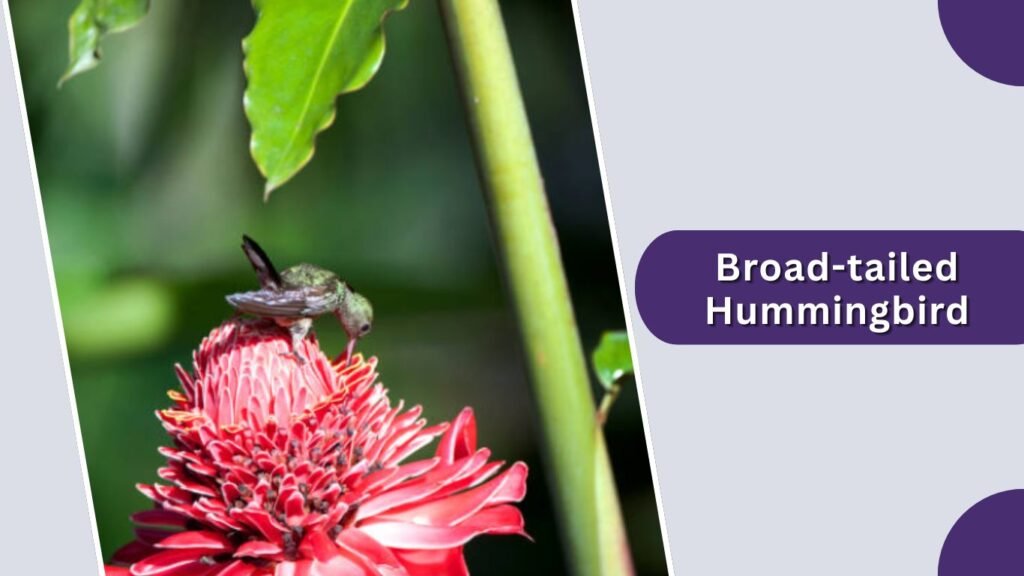
The Broad-tailed Hummingbird is a beautiful and active species commonly found in Arizona’s mountainous regions. It is especially known for the distinctive trilling sound its wings produce during flight, making it easy to recognize even before it is seen.
Identification
- Medium-sized hummingbird with a sturdy build
- Males have a bright rosy-pink throat
- Metallic green upperparts
- Pale underparts with slight spotting in females
- Straight, medium-length black bill
Color Pattern
The male Broad-tailed Hummingbird displays a vivid rose-pink throat that shines brilliantly in sunlight, contrasting with its green body. Females are less colorful, with green upperparts and light underparts, often with small throat spots. The overall coloration is bright yet balanced.
Habitat
In Arizona, this species is typically found in montane forests, alpine meadows, and open woodlands at higher elevations. It prefers cooler environments with abundant wildflowers that provide nectar.
Behavior
This hummingbird is active and often recognized by the trilling or buzzing sound created by its wings during flight. It feeds on nectar and small insects and may defend feeding territories, especially when resources are abundant.
8. Violet-crowned Hummingbird
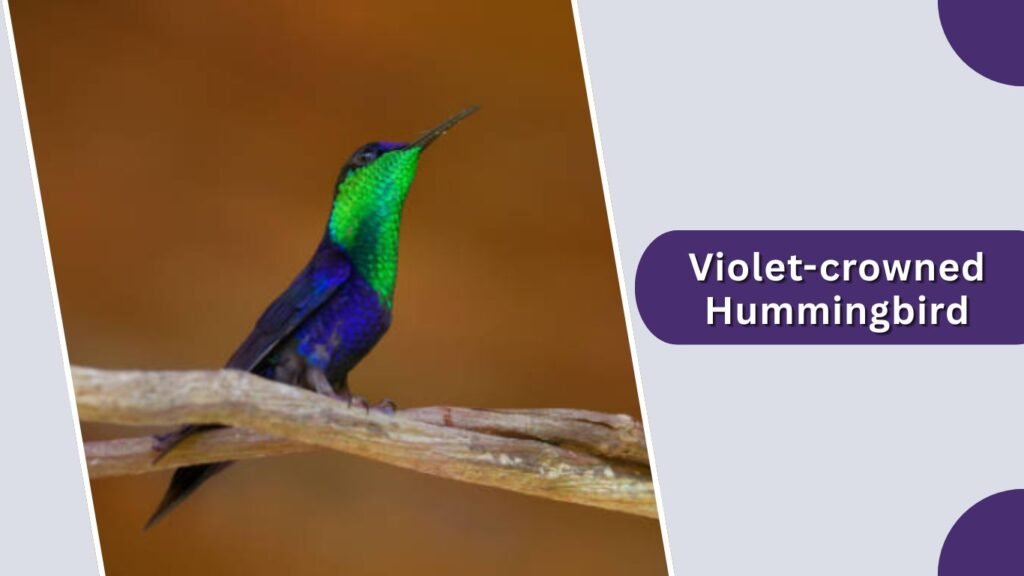
The Violet-crowned Hummingbird is a striking and elegant species found mainly in southern Arizona, especially near the Mexican border. Its clean coloration and bold contrast make it one of the most distinctive hummingbirds in the region.
Identification
- Medium-sized hummingbird with a slender build
- Bright violet crown on the head
- White underparts with strong contrast
- Greenish back and wings
- Straight red bill with a black tip
Color Pattern
This species is known for its vivid violet crown, which stands out sharply against its bright white underparts. The back is metallic green, creating a clean and bold color combination that is easy to recognize even from a distance.
Habitat
In Arizona, the Violet-crowned Hummingbird is typically found in riparian woodlands, canyons, and desert edges. It prefers areas with trees and a reliable source of nectar, often near streams or shaded vegetation.
Behavior
This hummingbird is active but tends to be less aggressive than many other species. It feeds on nectar and small insects and often perches between feeding sessions. Its calm nature and striking appearance make it a favorite among bird watchers.
9. Rivoli’s Hummingbird
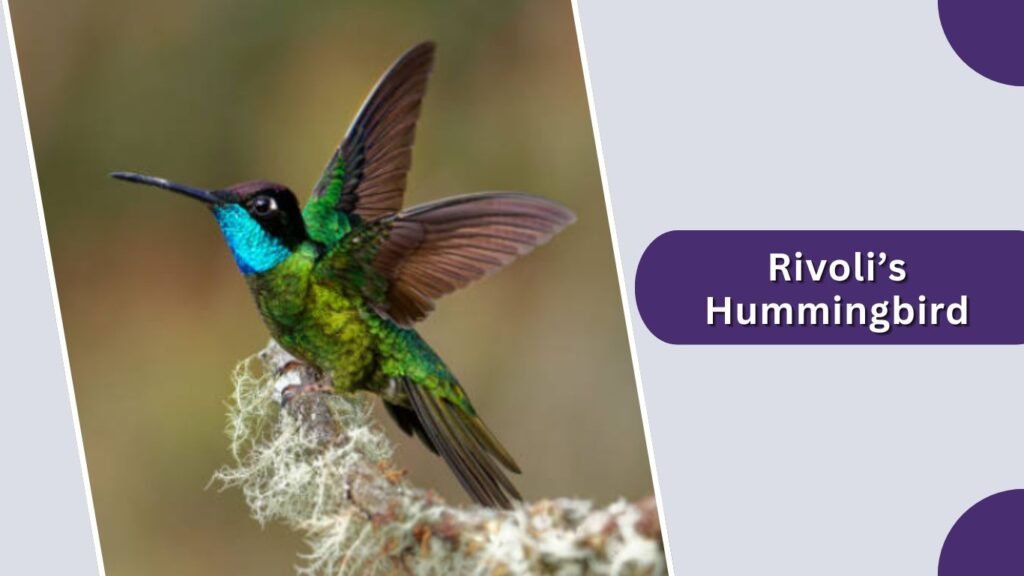
Rivoli’s Hummingbird, formerly known as the Magnificent Hummingbird, is one of the largest and most impressive hummingbirds found in Arizona. It is known for its rich, dark coloration and subtle iridescent highlights that become visible in the right light.
Identification
- Large hummingbird with a robust body
- Males have a dark head with a purple crown and green throat
- Dark green to bronze upperparts
- Long, straight black bill
- Broad tail with dark feathers
Color Pattern
At first glance, this hummingbird may appear mostly dark, but in sunlight, it reveals stunning iridescent colors. The male’s crown shows a deep purple hue, while the throat glows green. The rest of the body has a rich, metallic sheen that shifts with light.
Habitat
In Arizona, Rivoli’s Hummingbird is typically found in mountain canyons, pine-oak forests, and wooded areas at higher elevations. It prefers cooler environments with tall trees and flowering plants.
Behavior
This species is active but often more reserved than smaller hummingbirds. It feeds on nectar and small insects and may visit feeders in mountainous regions. It can be territorial but is generally less aggressive, often allowing other hummingbirds to share feeding areas.
10. Lucifer Hummingbird

The Lucifer Hummingbird is a rare and fascinating species found in southern Arizona, especially in desert mountain regions. It is known for its distinctive curved bill and striking throat coloration, making it a unique member of the hummingbird family.
Identification
- Small to medium-sized hummingbird with a slender body
- Long, strongly curved bill
- Males have a bright purple throat
- Green upperparts with pale underparts
- Slightly forked dark tail
Color Pattern
The male Lucifer Hummingbird displays a vivid purple throat that stands out against its otherwise green body. The iridescent throat can appear dark or brilliantly bright depending on the angle of light, while the rest of the plumage remains more subtle.
Habitat
In Arizona, this species is typically found in arid desert habitats, including scrublands, rocky slopes, and dry canyons. It prefers areas with flowering desert plants that provide a steady source of nectar.
Behavior
The Lucifer Hummingbird is active and agile, often hovering while feeding on nectar. It also consumes small insects for protein. Due to its limited presence in Arizona, it is considered a special sighting and is highly sought after by bird watchers.
11. Blue-throated Mountain-gem
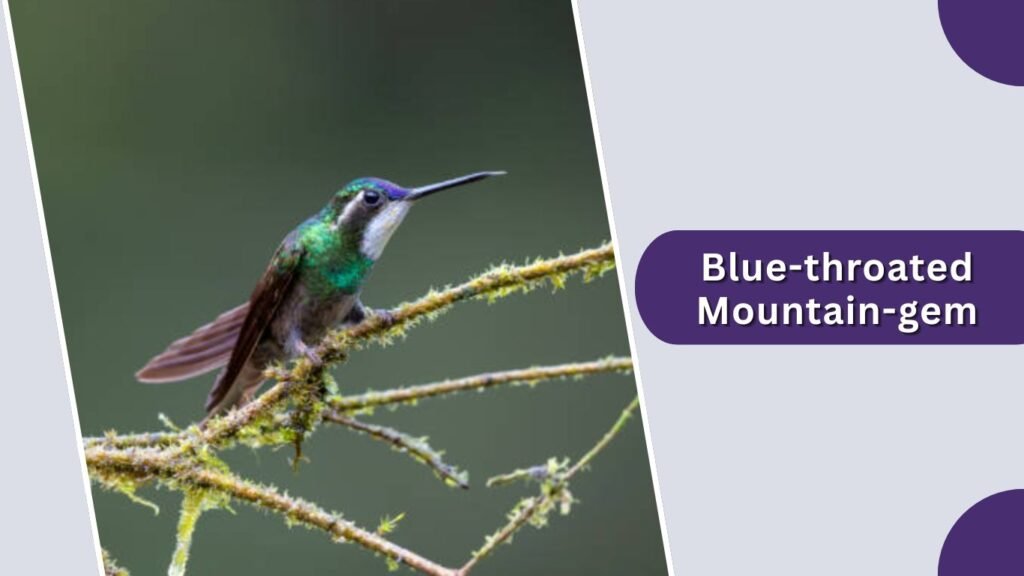
The Blue-throated Mountain-gem is one of the larger hummingbirds found in Arizona, mainly in the southern mountain regions. Its size, bold markings, and vibrant throat make it a standout species, especially near feeders and flowering plants.
Identification
- Large hummingbird with a strong, sturdy build
- Bright blue throat (more vivid in males)
- White stripe behind the eye
- Dark green upperparts with grayish underparts
- Long, straight black bill
Color Pattern
This species features a striking blue throat that contrasts with its deep green body. The white facial stripe adds a bold visual detail, while the rest of the plumage shows a mix of green and gray tones with subtle iridescence.
Habitat
In Arizona, the Blue-throated Mountain-gem is found in mountain canyons, pine-oak forests, and areas near streams. It prefers cooler, shaded environments with abundant flowering plants and is often seen at higher elevations.
Behavior
This hummingbird is active but also spends time perched between feeding. It feeds on nectar and small insects and can be quite territorial, especially around feeders where it may dominate other hummingbirds.
12. Berylline Hummingbird
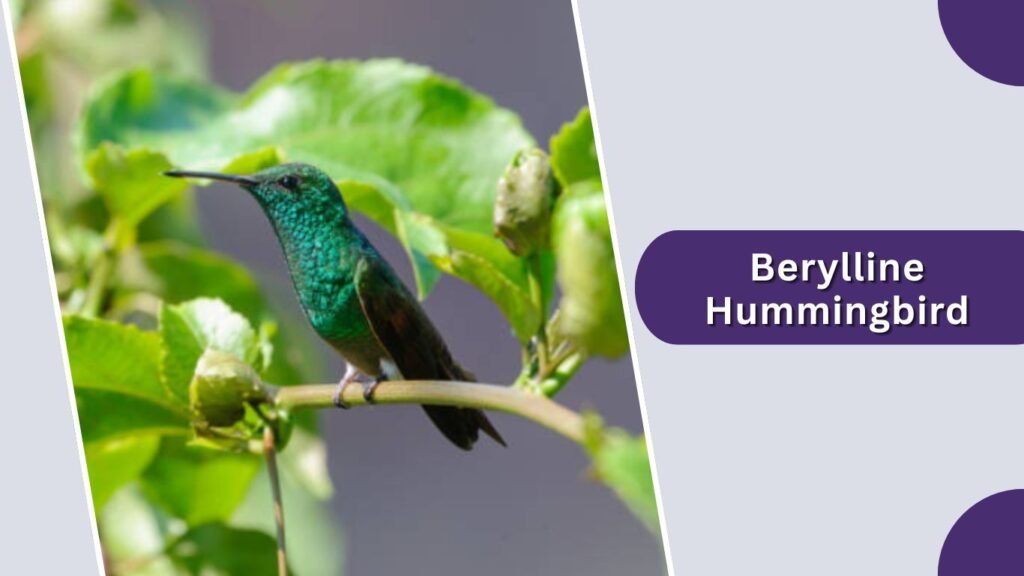
The Berylline Hummingbird is a rare but colorful visitor to southeastern Arizona, known for its warm-toned plumage and energetic behavior. It is more commonly found in Mexico but occasionally crosses into Arizona’s border regions.
Identification
- Medium-sized hummingbird with a slender body
- Bright green body with bronze or golden tones
- Reddish or rufous wings and tail
- Straight, medium-length black bill
- Slightly forked tail
Color Pattern
This species displays a beautiful mix of green and bronze shades, with warmer reddish tones on the wings and tail. The overall coloration gives it a rich, glowing appearance, especially in sunlight.
Habitat
In Arizona, the Berylline Hummingbird is usually found in mountain canyons, forest edges, and areas with dense vegetation. It prefers habitats with abundant flowers and is often seen near streams or shaded slopes.
Behavior
The Berylline Hummingbird is active and often seen hovering while feeding on nectar. It also consumes small insects. It may show territorial behavior, particularly around feeding areas, and is known for its quick, agile movements.
FAQs
How many hummingbird species are found in Arizona?
Arizona is home to around 15–20 hummingbird species, making it one of the best states in the U.S. for hummingbird diversity. Many are seasonal visitors, especially during migration, while a few species can be seen regularly in certain regions.
When is the best time to see hummingbirds in Arizona?
The best time to see hummingbirds in Arizona is from spring through early fall. During this period, both resident and migratory species are active, increasing the chances of spotting a wide variety of hummingbirds.
Where are the best places to see hummingbirds in Arizona?
Hummingbirds are commonly found in southeastern Arizona, especially in mountain canyons, forests, and desert areas with flowering plants. Parks, gardens, and areas near water sources are also excellent locations.
What do hummingbirds in Arizona eat?
Hummingbirds mainly feed on nectar from flowers, which provides them with energy. They also eat small insects and spiders for protein, helping support their high metabolism and active lifestyle.
How can I attract hummingbirds in Arizona?
You can attract hummingbirds by planting native, nectar-rich flowers and setting up feeders with sugar water. Providing shade, fresh water, and a safe environment will also encourage them to visit your yard regularly.
