
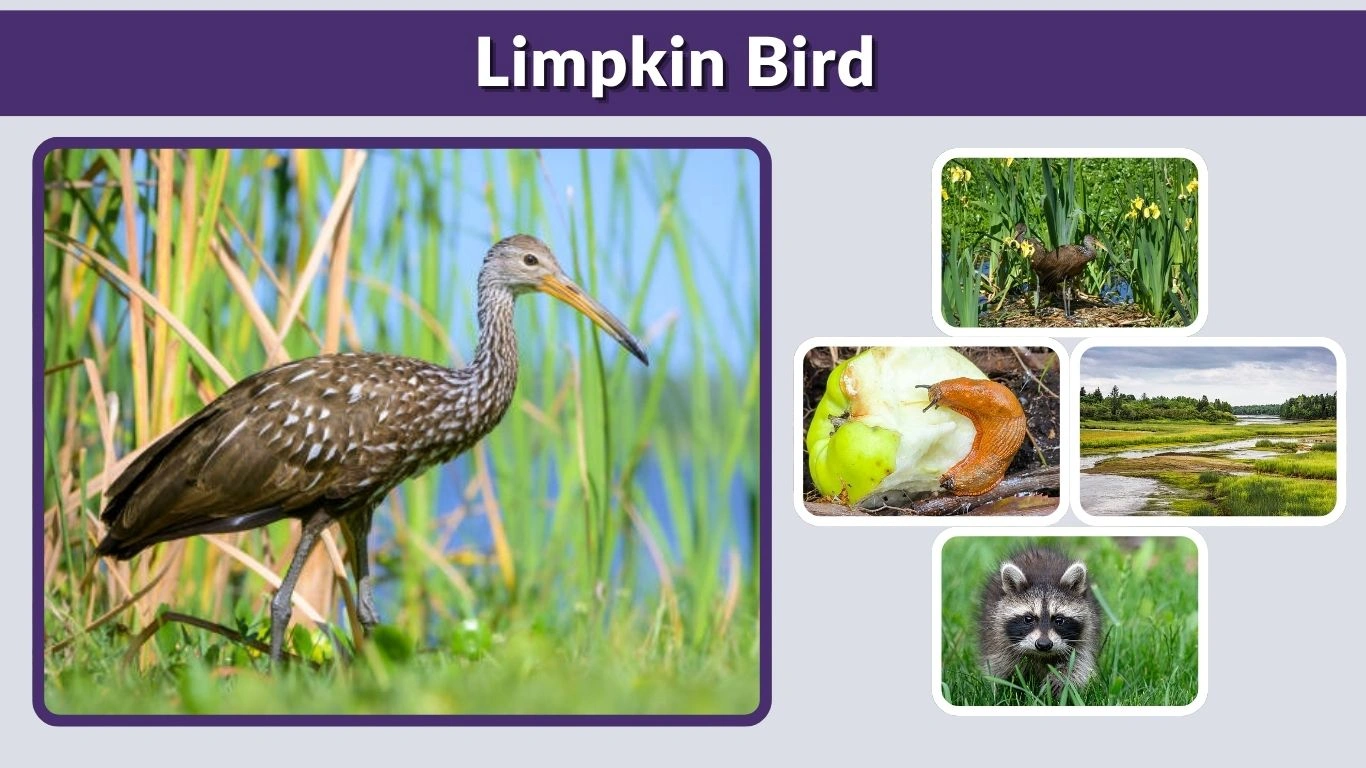
The limpkin is one of the most fascinating and mysterious wading birds found in wetlands, especially across Florida and parts of the Americas. Known for its haunting, scream-like call, this bird often captures attention even before it is seen. Many people first encounter the limpkin through its loud nighttime cries, which can sound almost human. Beyond its unique voice, the limpkin plays an important ecological role and is increasingly expanding its range into new areas.
What Is a Limpkin?
The limpkin is a medium-to-large wading bird that stands out due to its unusual vocalizations and specialized feeding habits. It belongs to a unique family and is often mistaken for other long-legged birds like ibises or herons.
Scientific Classification
- Scientific name: Aramus guarauna
- Belongs to its own family, Aramidae
- Closely related to cranes and rails
Why It Stands Out
- Famous for its loud, wailing call
- Rarely seen in large groups
- Strongly adapted to wetland environments
Limpkin Identification and Physical Features
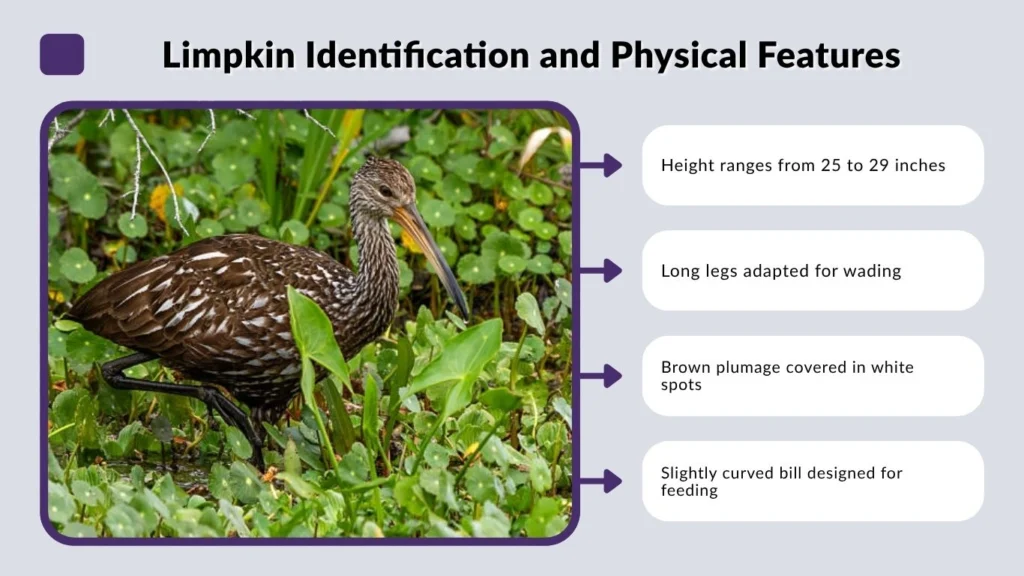
Understanding how to identify a limpkin helps birdwatchers and nature enthusiasts distinguish it from similar species. Its appearance is both subtle and distinctive when observed closely.
Size and Appearance
- Height ranges from 25 to 29 inches
- Long legs adapted for wading
- Brown plumage covered in white spots
- Slightly curved bill designed for feeding
Juvenile Limpkin vs Adult
- Juveniles have softer, less defined markings
- Adults show clearer white spotting
- Young birds may appear duller in color
Limpkin Habitat and Range
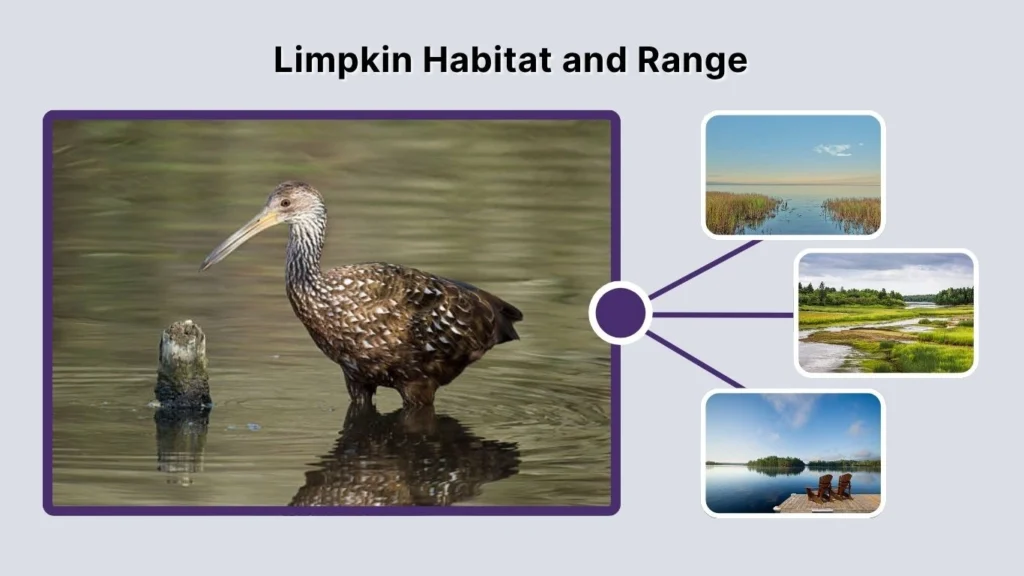
The limpkin thrives in wet environments where food is abundant. Its distribution has changed over time, making it more visible in new regions.
Limpkins are most commonly found in freshwater wetlands, including marshes, swamps, and lakeshores. These habitats provide both shelter and access to their primary food source. While Florida remains the stronghold for limpkin populations in the United States, they are also widely distributed across Central and South America.
In recent years, limpkins have been spotted in states like Texas and Louisiana. This expansion is largely tied to environmental changes and the availability of food, particularly invasive apple snails. As wetlands shift and climates evolve, the limpkin continues to adapt, making it a species worth watching closely.
What Do Limpkins Eat?
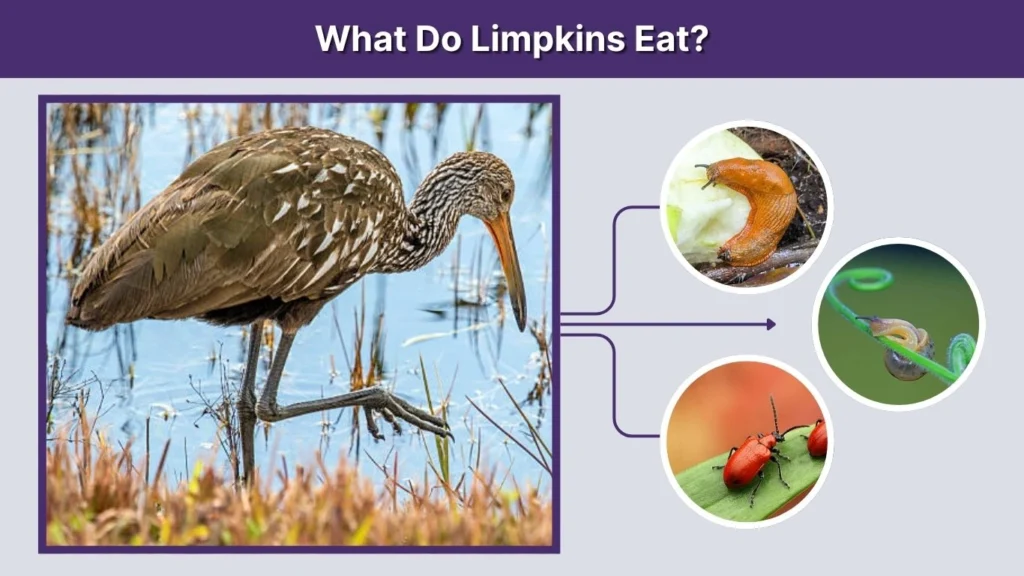
The limpkin has a highly specialized diet that plays a major role in its survival and behavior. Its feeding habits are unique among wading birds.
Primary Diet
- Apple snails are the main food source
- Occasionally feeds on other mollusks
- Rarely consumes insects or small animals
Feeding Behavior
- Uses its curved bill to extract snails
- Often forages in shallow water
- Feeds during early morning and evening
Limpkin Sound and Call
The most recognizable feature of the limpkin is its unforgettable call, which has made it widely known even among those unfamiliar with birds.
What Does a Limpkin Sound Like?
The limpkin’s call is often described as a loud, piercing wail or scream. It can sound eerily similar to a human cry, which is why many people find it both fascinating and unsettling. The call carries over long distances, especially across quiet wetlands.
Limpkin Sounds at Night
Limpkins are especially vocal during the night and early evening. Their calls may echo through neighborhoods near wetlands, leading some people to wonder about the source. These sounds are not random; they are part of the bird’s natural communication system.
Why Do Limpkins Scream at Night?
Limpkins are well known for their loud nighttime calls, which often surprise people unfamiliar with the bird. These vocalizations serve important purposes and are part of their natural behavior rather than random noise.
Reasons for Nighttime Calls
- Establishing and defending territory
- Attracting mates during breeding season
- Communicating with nearby limpkins
When Calls Are Most Frequent
- During dusk and nighttime hours
- In breeding season when activity increases
- In quiet environments where sound travels farther
Limpkin Behavior and Lifestyle
The limpkin’s daily habits reflect its adaptation to wetland life. It is generally a solitary bird, preferring to move and feed alone rather than in flocks. Most activity occurs during early morning and evening hours, although nighttime movement is also common.
These birds are territorial and may defend their feeding areas, especially when food is abundant. Despite their loud calls, limpkins are shy and tend to avoid human interaction. Their slow, deliberate movements in shallow water help them hunt efficiently while staying alert to potential threats.
Limpkin Mating Season and Reproduction
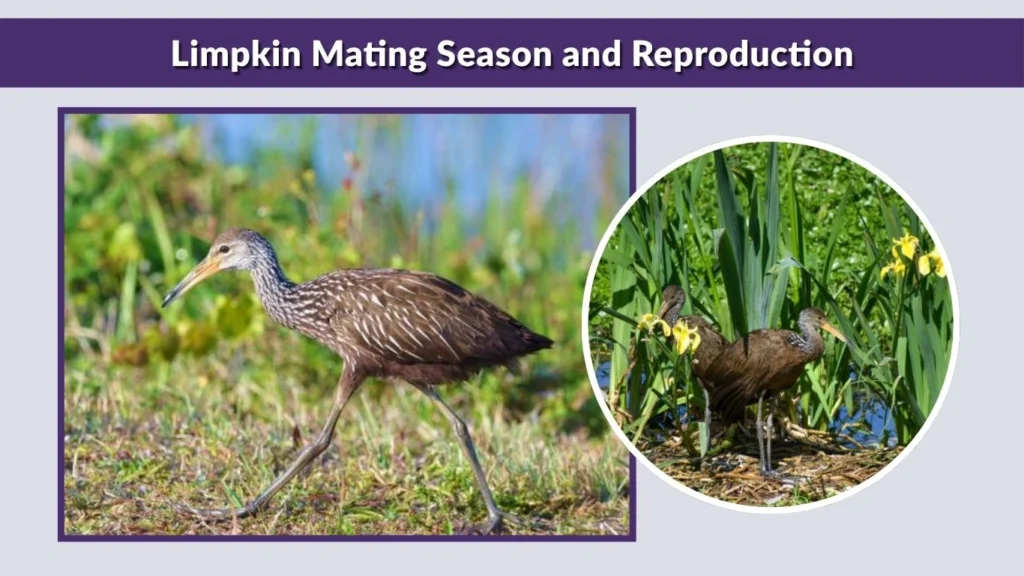
Reproduction plays a key role in the limpkin’s seasonal behavior, especially influencing its vocal activity and territorial nature.
Breeding Season
- Typically occurs in warmer months
- Timing may vary depending on location
- Increased calling during this period
Nesting and Chicks
- Nests built near water using vegetation
- Usually lays a small number of eggs
- Both parents may care for the young
Limpkin Predators and Threats
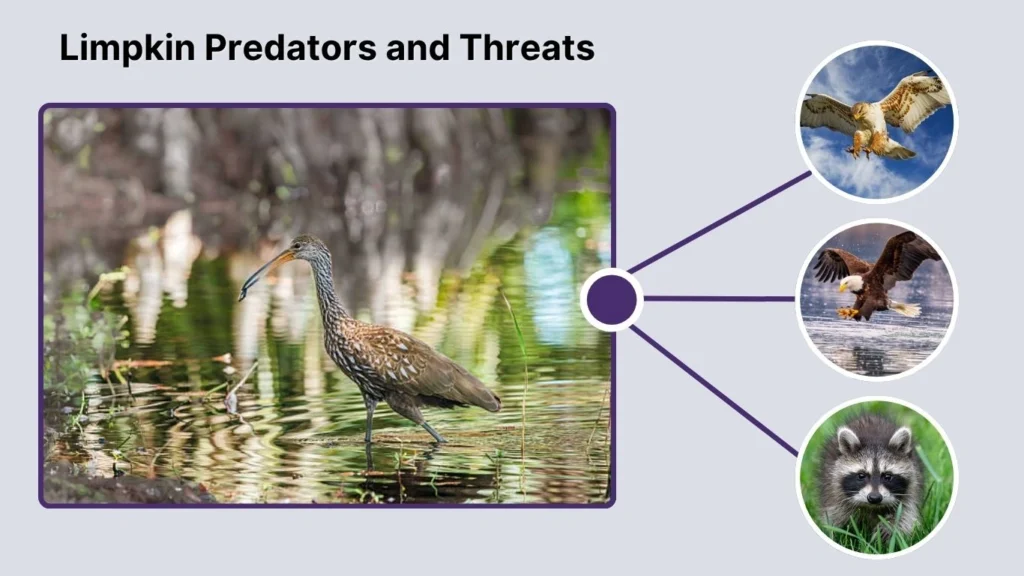
Although limpkins are well adapted to their environment, they still face several natural and environmental dangers.
Common Predators
- Birds of prey such as hawks and eagles
- Raccoons and other mammals
- Large reptiles in wetland areas
Environmental Threats
- Habitat loss due to development
- Pollution in wetland ecosystems
- Changes in food availability
FAQs
What does a limpkin sound like?
A limpkin produces a loud, wailing call that resembles a scream or cry. The sound can travel long distances, especially at night, and is often described as haunting or human-like. This unique call is one of the bird’s most recognizable features.
Why do limpkins scream all night?
Limpkins vocalize at night mainly for communication. Their calls help establish territory, attract mates, and signal their presence to other birds. Nighttime conditions also allow their sound to travel farther, making communication more effective.
Are limpkins dangerous to humans?
Limpkins are not dangerous. They are shy, non-aggressive birds that prefer to avoid people. While their loud calls may seem alarming, they do not pose any threat and rarely interact closely with humans.
Where can limpkins be found?
Limpkins are most commonly found in Florida wetlands, but their range is expanding into other southern U.S. states like Texas and Louisiana. They also live throughout Central and South America in suitable wetland habitats.
What do limpkins eat?
Their primary food source is apple snails, which they extract using their specialized curved bill. This diet is highly specific, and their presence is often closely linked to areas where these snails are abundant.
