
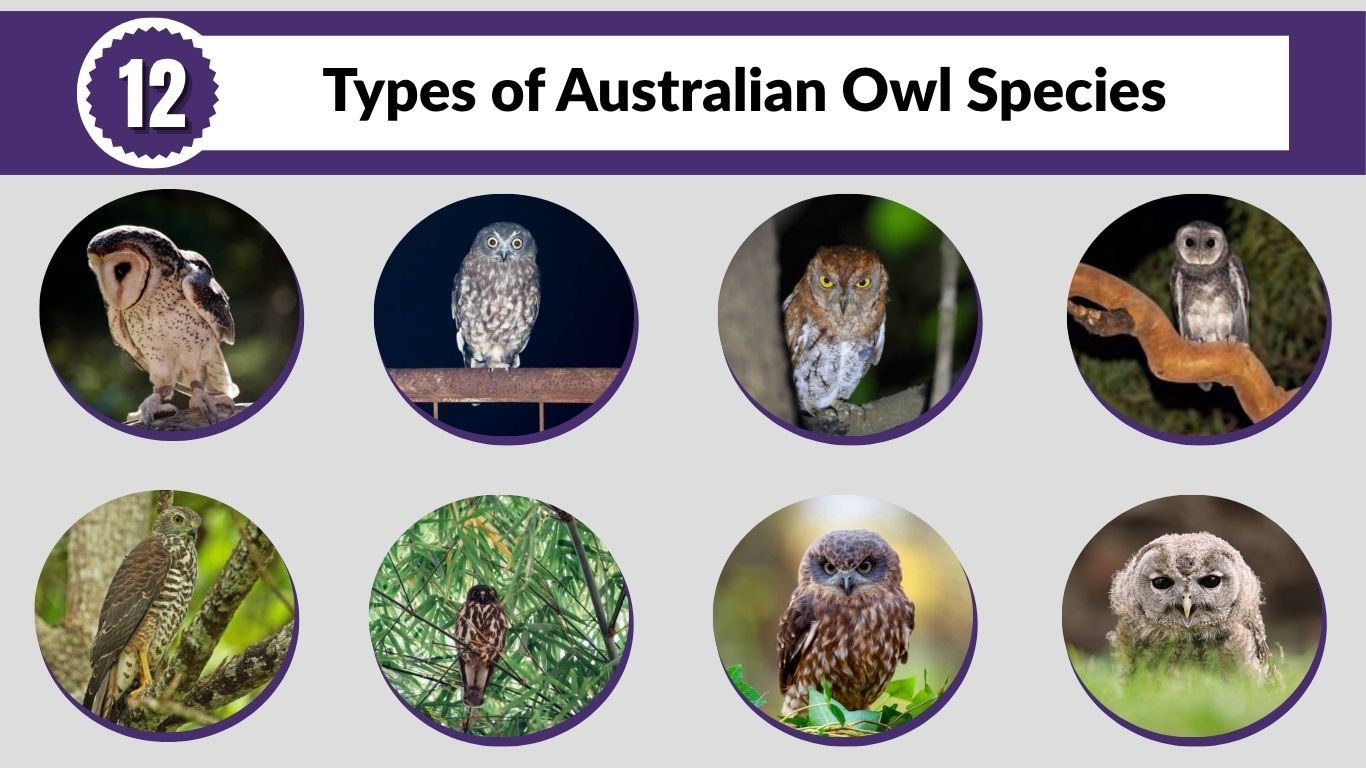
Australia is home to a diverse range of owl species, each adapted to different environments across the continent. From dense forests and woodlands to open grasslands and coastal regions, these birds of prey play an essential role in maintaining ecological balance. Known for their silent flight, sharp vision, and powerful hunting abilities, Australian owls are both fascinating and important predators.
In this article, you will discover 12 types of Australian owl species, along with key details about their identification, habitat, behavior, and diet. Whether you are a bird enthusiast or simply curious about wildlife, this guide provides a clear and informative overview of these remarkable nocturnal hunters.
1. Powerful Owl
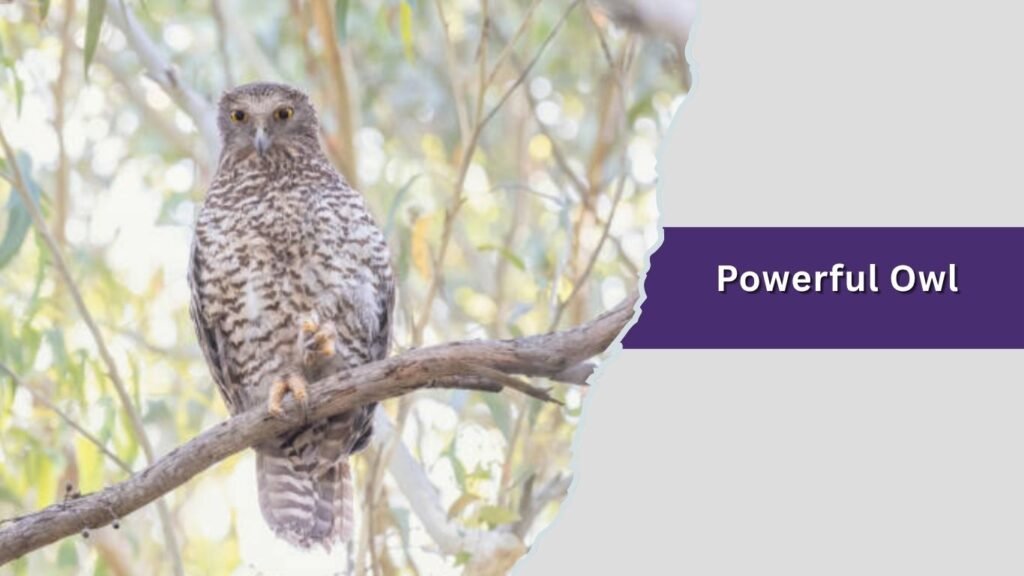
The Powerful Owl is the largest owl species in Australia, recognized for its strength, silent flight, and role as an apex nocturnal predator. It is commonly found in forested regions and is especially important for maintaining ecological balance by controlling populations of small to medium-sized mammals. Despite its size, it is rarely seen due to its secretive nature and preference for dense tree cover during daylight hours.
Identification
- Large and bulky body with a wingspan reaching up to 140 cm
- Dark brown to greyish upperparts with scattered white spots
- White underparts marked with bold, dark V-shaped or chevron patterns
- Prominent yellow eyes that stand out against its dark facial disk
- Rounded head with no ear tufts, giving it a smooth appearance
- Strong, feathered legs and powerful talons adapted for gripping prey
- Short, hooked beak designed for tearing flesh
Habitat
The Powerful Owl is mainly found in eastern and southeastern Australia, including Queensland, New South Wales, Victoria, and parts of South Australia. It prefers tall eucalyptus forests, wet sclerophyll forests, and woodlands with dense canopy cover. This species relies heavily on large, old trees with natural hollows for nesting and roosting. It can also adapt to semi-urban areas where suitable habitat remains, especially parks or reserves with mature trees. However, habitat loss due to land clearing and logging poses a significant threat to its population.
Behaviors
This owl is strictly nocturnal and spends most of the day roosting quietly in dense foliage, often near the trunk of a tree. It is highly territorial and may use the same territory for many years. The Powerful Owl hunts by perching silently and scanning its surroundings before launching a swift, quiet attack. Its flight is almost soundless due to specialized feather structure. It is generally solitary or seen in pairs during the breeding season, and its deep, slow hooting calls can often be heard at night.
Diet and Lifespan
The Powerful Owl primarily feeds on medium-sized mammals, especially tree-dwelling species like possums, gliders, and flying foxes. It may also hunt birds, reptiles, and occasionally insects when necessary. Its hunting ability allows it to capture relatively large prey compared to other owls. The species typically has a long lifespan, often living between 15 to 20 years in the wild under favorable conditions. However, threats such as habitat destruction, vehicle collisions, and reduced prey availability can impact its survival rate.
2. Barking Owl
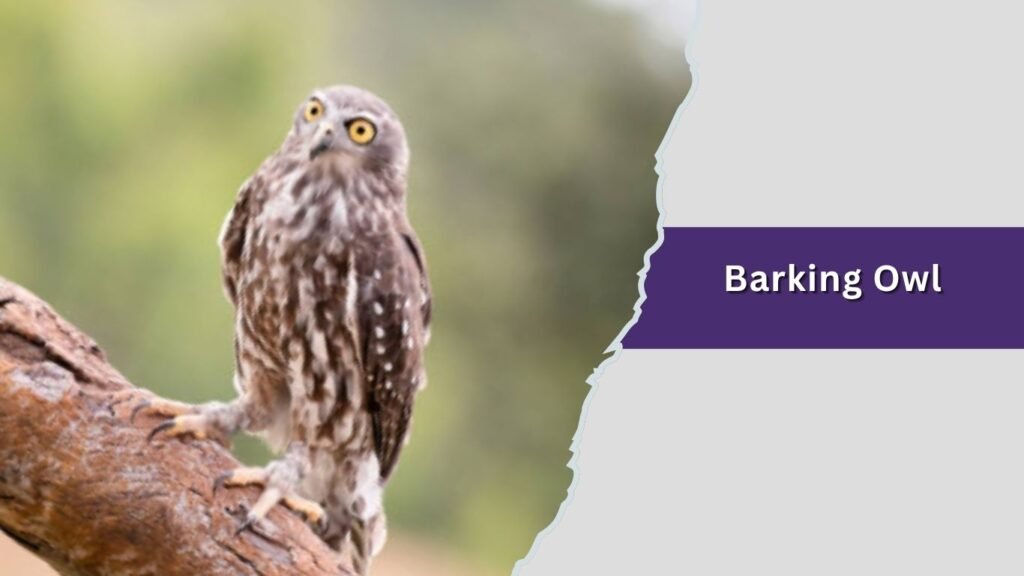
The Barking Owl is a medium to large Australian owl known for its distinctive call that resembles a dog’s bark, which gives the species its common name. It is a powerful nocturnal hunter and is often heard more than seen. This owl plays an important role in controlling populations of small animals across its range.
Identification
- Medium to large owl with a robust and stocky build
- Brown to grey-brown upperparts with lighter streaks
- Pale underparts with bold vertical brown streaking
- Large, bright yellow eyes and a prominent facial disc
- Rounded head without ear tufts
- Strong legs and sharp talons suited for hunting
Habitat
The Barking Owl is widely distributed across mainland Australia, particularly in open forests, woodlands, and riverine areas. It prefers habitats near water sources such as creeks, rivers, and wetlands, where prey is abundant. This species often roosts in large trees with dense foliage and requires hollows for nesting. It can sometimes be found in agricultural areas or near rural settlements if suitable trees remain. Habitat loss and fragmentation have caused declines in some regions.
Behaviors
This owl is nocturnal and becomes active shortly after sunset. It is best known for its unique barking call, often heard in pairs as males and females communicate with each other. The Barking Owl typically hunts from a perch, watching for movement before swooping down on prey. It is territorial and may defend its area vigorously, especially during breeding season. During the day, it remains hidden in trees, relying on camouflage to avoid detection.
Diet and Lifespan
The Barking Owl has a varied diet that includes small mammals such as rodents, bats, and rabbits, as well as birds, reptiles, and large insects. It is an adaptable hunter capable of catching prey both on the ground and in flight. The species generally lives around 10 to 15 years in the wild, although survival depends on habitat quality and food availability. Threats include habitat clearing and competition for nesting sites.
3. Sooty Owl
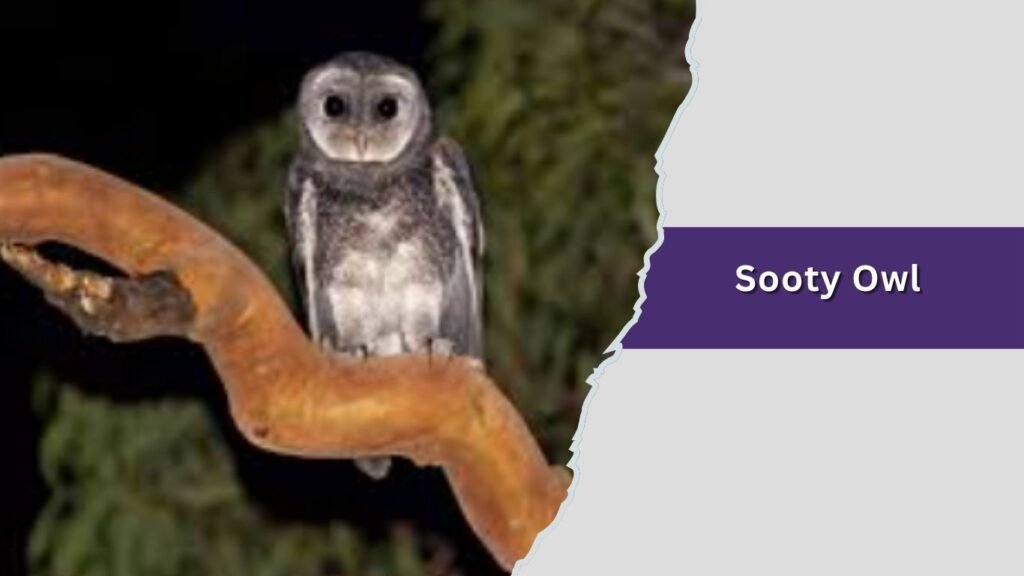
The Sooty Owl is a striking and elusive species found in the forests of eastern Australia. Known for its dark plumage and haunting screeching calls, it is a highly nocturnal predator that thrives in dense, undisturbed habitats. Despite its large size, it is rarely seen due to its secretive nature and preference for deep forest cover.
Identification
- Large owl with a broad wingspan and slender body
- Dark grey to blackish upperparts with fine white spotting
- Pale underparts with a sooty or shadowy appearance
- Large, dark eyes set in a heart-shaped facial disc
- No ear tufts, giving it a smooth, rounded head shape
- Long legs and powerful talons for capturing prey
Habitat
The Sooty Owl is primarily found in moist, dense forests along eastern Australia, including Queensland, New South Wales, and Victoria. It prefers rainforest edges, wet sclerophyll forests, and heavily wooded gullies. This species depends on large tree hollows for nesting and roosting, often selecting areas with minimal human disturbance. Because of its reliance on old-growth forests, habitat destruction and logging pose significant threats to its population.
Behaviors
This owl is strictly nocturnal and spends daylight hours roosting quietly in dense vegetation. It is solitary or found in pairs, especially during the breeding season. The Sooty Owl is known for its eerie, high-pitched screech, which can carry long distances through the forest at night. It hunts silently by gliding through trees or perching and scanning for prey before making a swift attack. Its behavior is cautious, and it avoids open areas.
Diet and Lifespan
The Sooty Owl mainly feeds on small to medium-sized mammals such as rodents, possums, and gliders. It may also consume birds, reptiles, and insects when available. As a skilled hunter, it plays an important role in controlling forest prey populations. The species can live around 10 to 15 years in the wild, depending on environmental conditions. Habitat loss and reduced prey availability are key challenges affecting its long-term survival.
4. Masked Owl
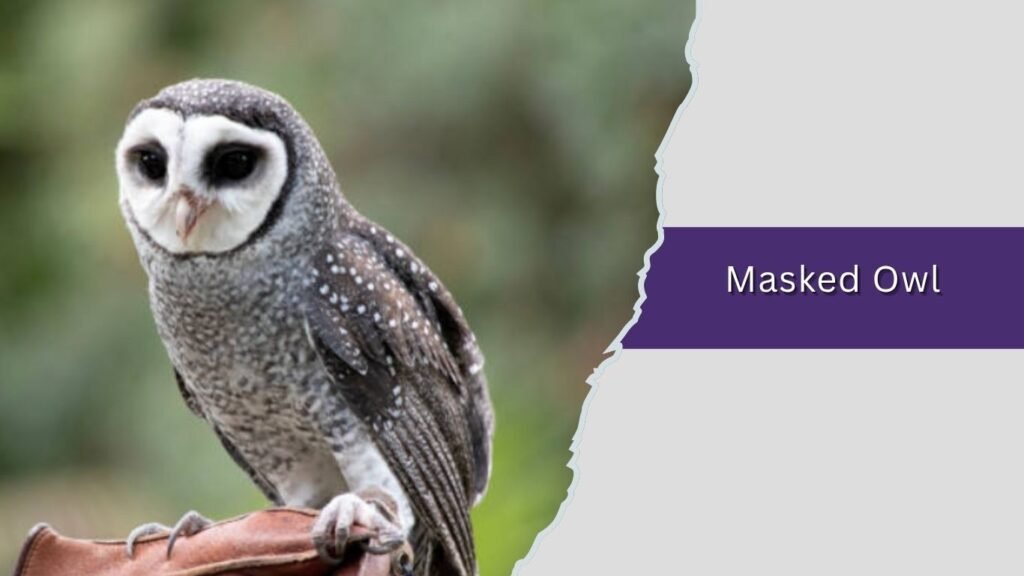
The Masked Owl is a large and pale-colored owl known for its heart-shaped facial disc and ghost-like appearance at night. It is a powerful nocturnal hunter and is widely distributed across Australia. This species is often associated with open woodlands and forest edges, where it hunts efficiently under the cover of darkness.
Identification
- Large owl with long wings and a relatively slender body
- Pale grey to white plumage with fine dark speckling
- Distinct heart-shaped, white facial disc
- Dark eyes set within the pale face
- Long legs and strong talons adapted for catching prey
- No ear tufts, giving it a smooth head profile
Habitat
The Masked Owl is found across much of mainland Australia, including coastal and inland regions. It prefers open forests, woodlands, grasslands, and farmland with scattered trees. This species often roosts in dense foliage or tree hollows during the day. It relies heavily on large trees with suitable nesting hollows, which are becoming less common due to land clearing. It may also inhabit areas near human settlements if enough cover and food are available.
Behaviors
The Masked Owl is strictly nocturnal and usually hunts alone. It emerges after dusk and glides silently over open areas while searching for prey. It may also hunt from perches, scanning the ground before swooping down. This owl is generally quiet but can produce harsh, screeching calls when disturbed. It is territorial and tends to remain within a defined home range. During the day, it stays hidden in sheltered locations.
Diet and Lifespan
The Masked Owl primarily feeds on small mammals such as rodents, rabbits, and possums. It may also prey on birds and insects when necessary. Its hunting style allows it to capture prey both on the ground and in low vegetation. The species typically lives around 10 to 15 years in the wild. However, threats like habitat loss, road collisions, and reduced prey availability can impact its survival.
5. Barn Owl
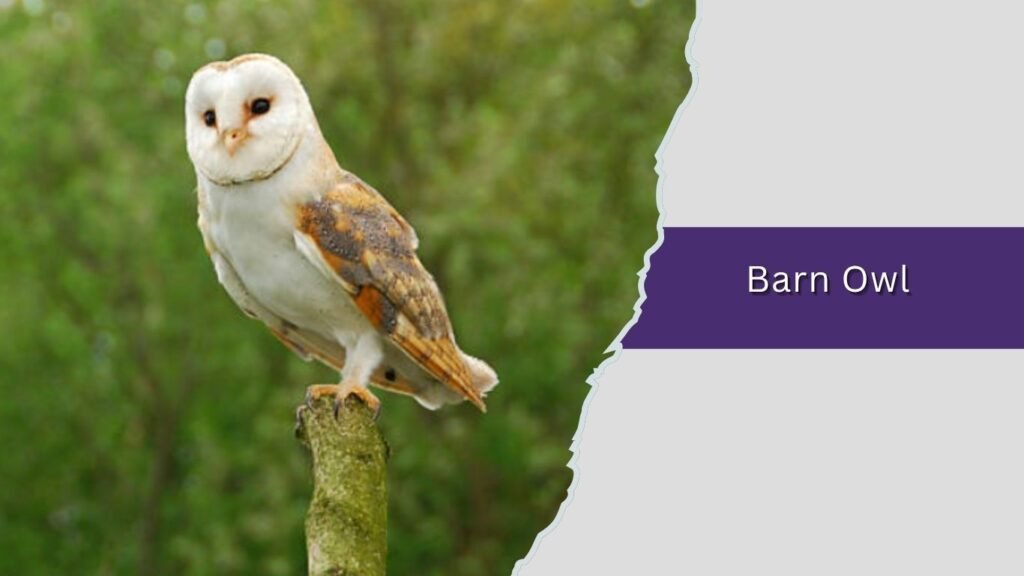
The Barn Owl is one of the most widely distributed owl species in the world, including across Australia. It is easily recognized by its pale coloration and heart-shaped face. This owl is highly adaptable and often lives close to human settlements, where it helps control rodent populations.
Identification
- Medium-sized owl with a slim body and long wings
- Pale golden-buff upperparts with grey and white mottling
- White to light underparts, sometimes with small dark spots
- Distinct heart-shaped, white facial disc
- Dark eyes that contrast with its pale face
- Long legs and sharp talons suited for ground hunting
Habitat
The Barn Owl is found throughout Australia in a wide range of habitats, including grasslands, farmland, open woodlands, and even urban areas. It prefers open spaces for hunting, combined with nearby structures or trees for roosting. This species commonly nests in tree hollows, barns, abandoned buildings, and other sheltered sites. Its adaptability allows it to thrive in both rural and semi-urban environments, as long as food is available.
Behaviors
This owl is strictly nocturnal and becomes active soon after sunset. It hunts by flying low over open ground, using its excellent hearing to detect prey even in complete darkness. The Barn Owl’s flight is silent, allowing it to approach prey undetected. It is generally solitary but may be seen in pairs during breeding. Unlike many owls, it does not hoot but produces hissing or screeching sounds.
Diet and Lifespan
The Barn Owl mainly feeds on small mammals, especially rodents like mice and rats. It may also eat birds, frogs, and large insects. Because of its diet, it is considered beneficial for agriculture. The species typically lives around 5 to 10 years in the wild, although many do not survive that long due to predators, accidents, and environmental challenges.
6. Eastern Grass Owl
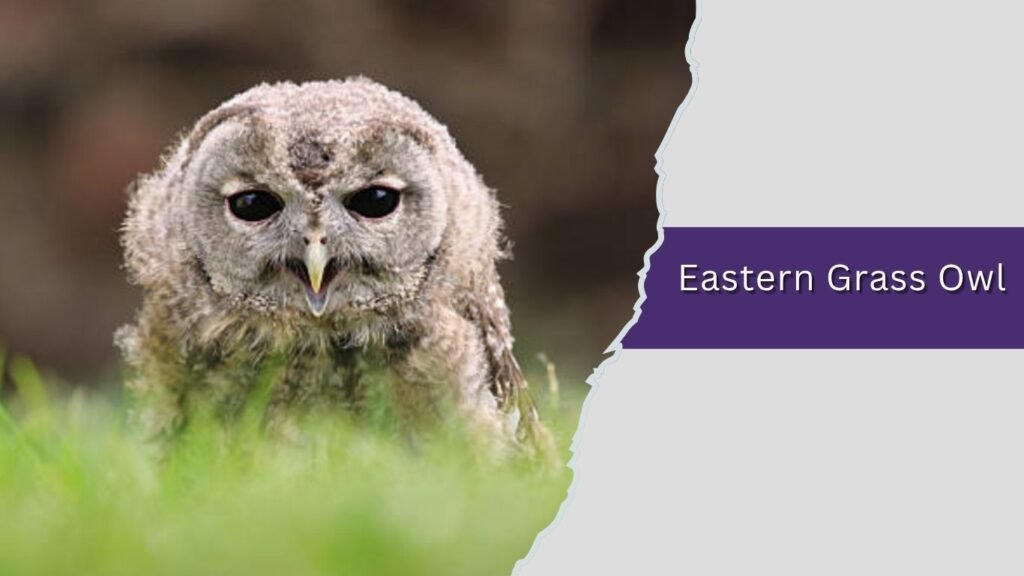
The Eastern Grass Owl is a medium-sized, ground-hunting owl that is rarely seen due to its secretive and nocturnal lifestyle. It is closely associated with tall grasslands and wetlands, where it blends in well with its surroundings. This species is known for its silent flight and low, gliding hunting style.
Identification
- Medium-sized owl with long wings and a slender body
- Pale buff to golden-brown plumage with fine dark markings
- White underparts with light spotting
- Distinct heart-shaped facial disc similar to the Barn Owl
- Dark eyes and long legs adapted for ground hunting
- No ear tufts, giving it a smooth head shape
Habitat
The Eastern Grass Owl is found in parts of eastern and northern Australia, especially in Queensland and New South Wales. It prefers tall grasslands, coastal heaths, wetlands, and swampy areas. Unlike many other owls, it nests on the ground within dense grass, making it highly dependent on undisturbed vegetation. Habitat loss due to agriculture, burning, and land development has significantly affected its population.
Behaviors
This owl is strictly nocturnal and spends most of the day hidden in tall grasses. It hunts by flying low over open fields, using its keen hearing to detect prey below. The Eastern Grass Owl is highly secretive and rarely seen, often only detected by its soft calls at night. It is generally solitary but may form pairs during the breeding season. Its flight is slow and buoyant, allowing it to scan the ground carefully.
Diet and Lifespan
The Eastern Grass Owl primarily feeds on small mammals such as rodents, which it captures on the ground. It may also eat small birds, reptiles, and insects when available. This owl plays an important role in controlling pest populations in grassland ecosystems. Its lifespan is estimated to be around 8 to 12 years in the wild, though survival depends heavily on habitat conditions and food availability.
7. Rufous Owl
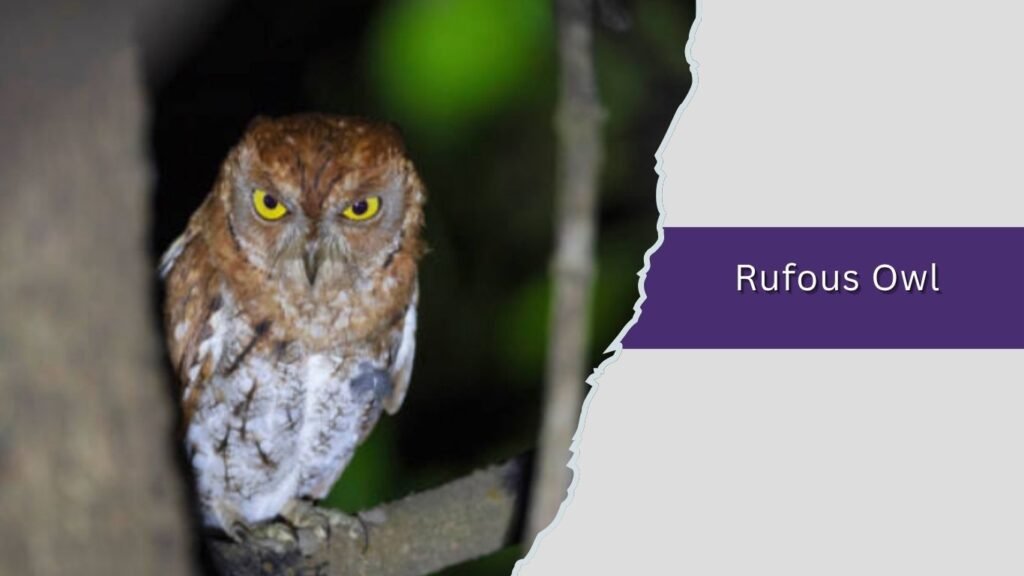
The Rufous Owl is a large and powerful species found in northern and eastern Australia. It is known for its rich reddish-brown coloration and deep, booming calls. This owl prefers dense forests and is considered one of the more elusive species due to its quiet and secretive behavior.
Identification
- Large owl with a strong, heavy build
- Distinct reddish-brown (rufous) plumage across the body
- Pale underparts with fine streaking
- Large yellow to orange eyes set in a rounded facial disc
- No ear tufts, giving it a smooth head shape
- Strong legs and sharp talons for capturing prey
Habitat
The Rufous Owl is mainly found in northern and eastern Australia, including Queensland and parts of New South Wales. It inhabits rainforests, wet sclerophyll forests, and dense woodlands, often near water sources such as rivers or creeks. This species prefers areas with thick canopy cover for roosting and nesting. It relies on large trees with hollows, making it vulnerable to habitat loss caused by deforestation and land clearing.
Behaviors
This owl is nocturnal and spends its days resting quietly in dense foliage. It becomes active at night, using its powerful flight to move through forested areas in search of prey. The Rufous Owl is known for its deep, resonant calls, often heard during the breeding season. It is typically solitary or seen in pairs and is highly territorial. Its hunting style involves perching and scanning before launching a swift attack.
Diet and Lifespan
The Rufous Owl feeds on a variety of prey, including mammals such as possums and bats, as well as birds, reptiles, and large insects. It is a versatile predator capable of capturing both ground and tree-dwelling animals. The species can live around 10 to 15 years in the wild. However, habitat destruction and reduced prey availability are major threats to its long-term survival.
8. Boobook Owl
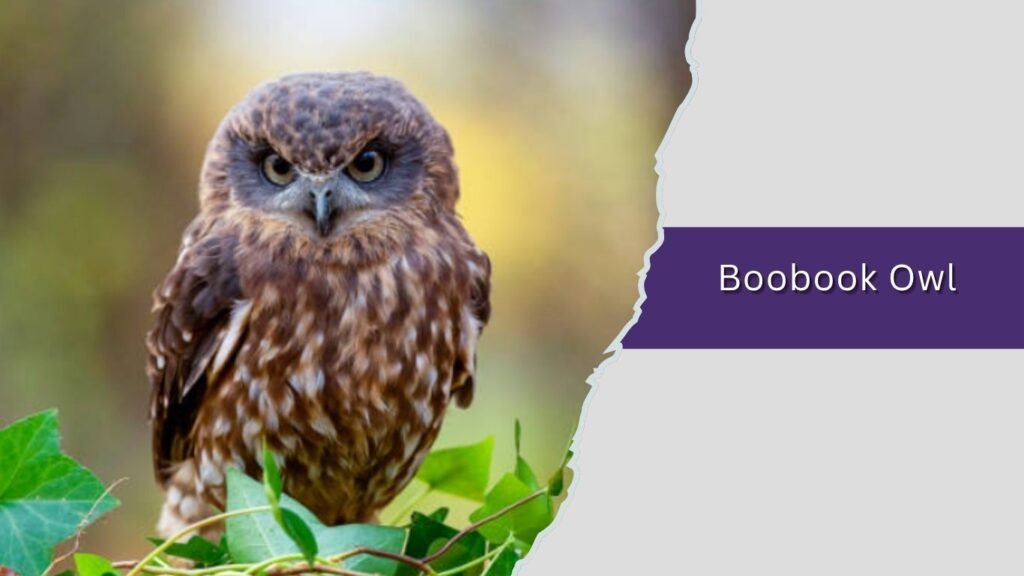
The Boobook Owl, also known as the Southern Boobook, is one of the most common and widespread owls in Australia. It is well known for its distinctive “boo-book” call, which gives the species its name. Despite its relatively small size, it is an efficient and adaptable nocturnal hunter.
Identification
- Small to medium-sized owl with a compact body
- Brown upperparts with white spots and streaks
- Pale underparts with bold vertical streaking
- Bright yellow eyes and a rounded head
- No ear tufts, with a soft, rounded facial appearance
- Short tail and relatively broad wings
Habitat
The Boobook Owl is found across most of Australia, including forests, woodlands, farmland, and even urban parks and gardens. It is highly adaptable and can live in a wide variety of environments as long as there are trees for roosting and nesting. This species commonly uses tree hollows but may also occupy nest boxes or abandoned structures. Its ability to thrive near human habitation has helped maintain stable populations in many areas.
Behaviors
This owl is nocturnal and becomes active shortly after sunset. It is best known for its repetitive “boo-book” call, often heard at night, especially during the breeding season. The Boobook Owl typically hunts from a perch, watching for prey before swooping down. It is generally solitary but may form pairs during breeding. During the day, it roosts quietly in tree cover, relying on camouflage for protection.
Diet and Lifespan
The Boobook Owl feeds on a wide range of prey, including insects, small mammals, birds, and reptiles. It is an opportunistic hunter and can adjust its diet based on availability. This flexibility contributes to its success across different habitats. The species usually lives around 8 to 12 years in the wild, though survival depends on environmental conditions and food supply.
9. Southern Boobook
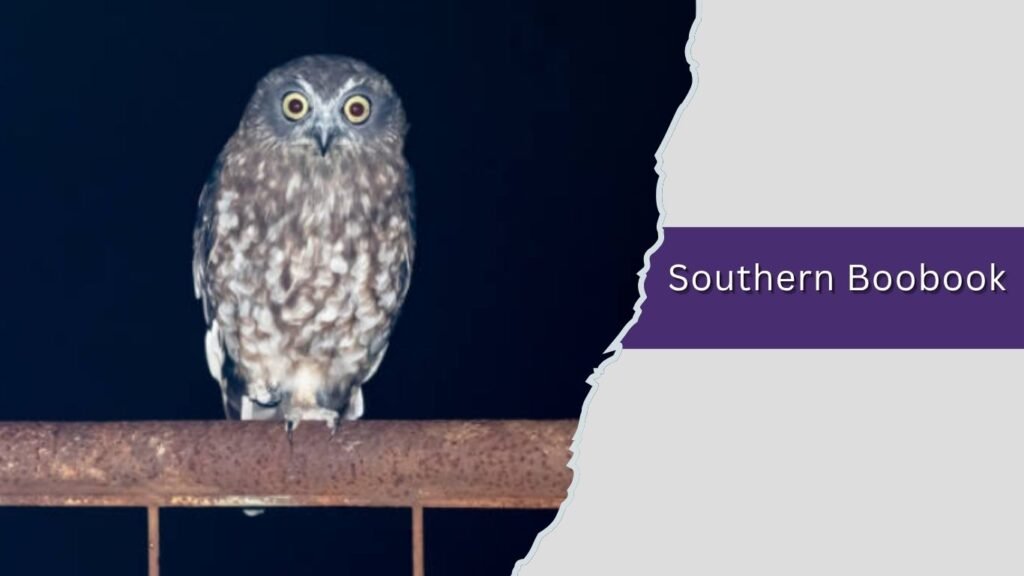
The Southern Boobook is a small, adaptable owl widely distributed across Australia. It is often considered the most familiar owl to many Australians due to its frequent presence in both natural and urban environments. Its soft, repetitive calls are commonly heard at night, making it easier to detect than to see.
Identification
- Small owl with a compact and rounded body
- Brown upperparts marked with white spots
- Pale underparts with vertical brown streaks
- Bright yellow eyes and a rounded facial disc
- No ear tufts, giving it a smooth head shape
- Short tail and relatively broad wings
Habitat
The Southern Boobook occupies a wide range of habitats, including forests, woodlands, farmland, and suburban areas. It prefers regions with scattered trees that provide roosting and nesting sites. This owl commonly uses tree hollows but can also adapt to nest boxes or man-made structures. Its ability to thrive in modified landscapes has allowed it to remain widespread and relatively stable across its range.
Behaviors
This owl is nocturnal and becomes active after sunset. It is well known for its classic “boo-book” call, often repeated in a rhythmic pattern. The Southern Boobook hunts from perches, scanning for movement before swooping down on prey. It is usually solitary but forms pairs during the breeding season. During daylight hours, it roosts quietly in dense foliage.
Diet and Lifespan
The Southern Boobook feeds on insects, small mammals, birds, and reptiles. It is an opportunistic hunter and adjusts its diet depending on what is available. This adaptability contributes to its success in diverse environments. The species typically lives around 8 to 12 years in the wild, although lifespan can vary based on habitat conditions and threats.
10. Northern Boobook
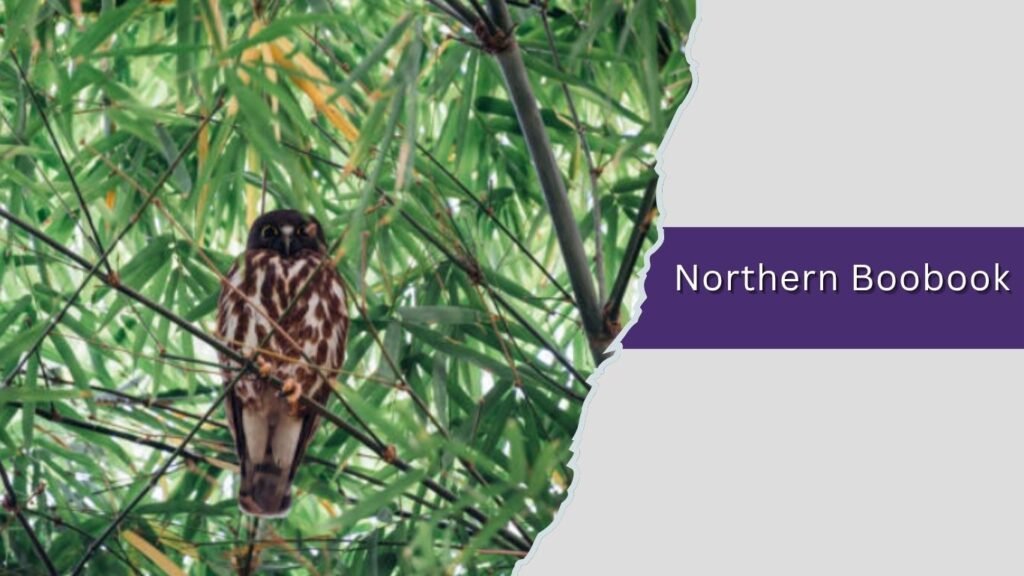
The Northern Boobook is a small owl species found in the northern regions of Australia. It is closely related to other boobook owls but differs in range, vocalizations, and some physical traits. This owl is active at night and is often heard calling across open woodlands and tropical areas.
Identification
- Small, compact owl with a rounded body
- Brown upperparts with white spotting
- Pale underparts with streaks or bars
- Bright yellow eyes and a rounded facial disc
- No ear tufts, with a smooth head profile
- Slightly lighter and more tropical-toned plumage than southern relatives
Habitat
The Northern Boobook is found across northern Australia, including parts of Western Australia, the Northern Territory, and Queensland. It prefers open forests, savannas, woodlands, and tropical regions. This species often roosts in tree hollows or dense foliage during the day. It is well adapted to warm climates and can live in both natural and lightly modified environments, provided there are suitable trees for shelter and nesting.
Behaviors
This owl is nocturnal and becomes active soon after sunset. It is known for its distinctive calls, which differ from the classic “boo-book” sound of southern species. The Northern Boobook hunts mainly from perches, watching for prey before swooping down quickly. It is generally solitary but may form pairs during the breeding season. During the day, it remains hidden in trees to avoid predators.
Diet and Lifespan
The Northern Boobook feeds on a variety of prey, including insects, small mammals, reptiles, and birds. It is an opportunistic feeder and adapts its diet based on availability. This flexibility allows it to survive in diverse environments. The species typically lives around 8 to 12 years in the wild, although lifespan can vary depending on environmental conditions and threats.
11. Christmas Island Hawk-Owl
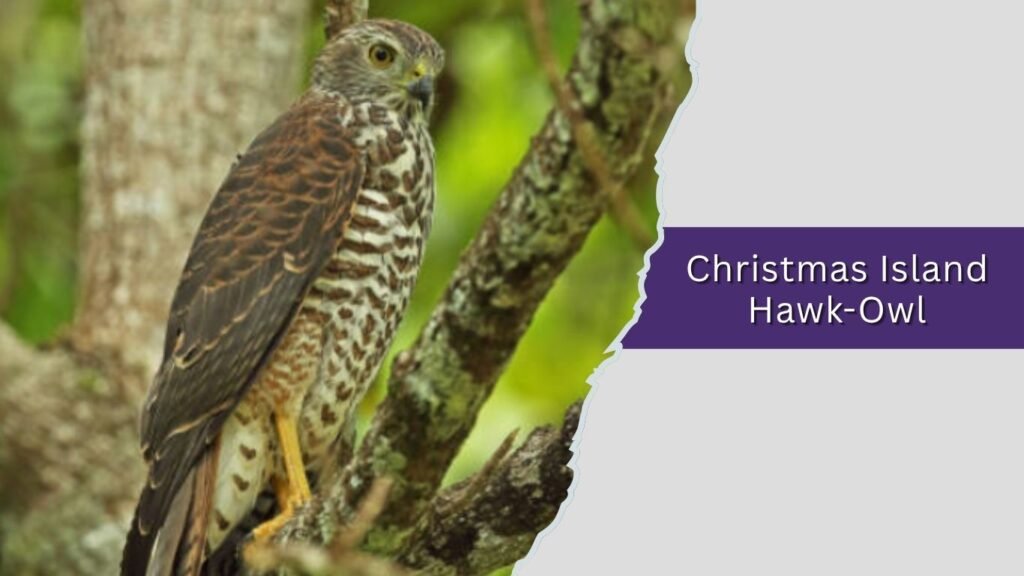
The Christmas Island Hawk-Owl is a rare and unique owl species found only on Christmas Island, an Australian territory in the Indian Ocean. It is notable for its daytime activity compared to most owls and its strong, hawk-like hunting style. Due to its limited range, it is considered vulnerable and of conservation concern.
Identification
- Medium-sized owl with a slender, agile build
- Brown upperparts with white spots and markings
- Pale underparts with streaks or bars
- Bright yellow eyes and a rounded facial disc
- No ear tufts, with a smooth head shape
- Long tail compared to many other owls
Habitat
This owl is endemic to Christmas Island and inhabits tropical forests across the island. It prefers dense forest areas but may also be seen near forest edges. The species relies on tree hollows for nesting and roosting. Because of its restricted habitat, any environmental changes, such as deforestation or invasive species, can significantly impact its population.
Behaviors
Unlike many owls, the Christmas Island Hawk-Owl is often active during the day as well as at dusk and dawn. It hunts in a hawk-like manner, actively chasing prey through trees rather than relying only on silent gliding. It is usually seen alone or in pairs and is territorial. Its calls are sharp and repeated, often heard throughout its forest habitat.
Diet and Lifespan
The Christmas Island Hawk-Owl feeds on insects, small reptiles, and small mammals. Its active hunting style allows it to catch agile prey in forest environments. Due to its isolated habitat, detailed lifespan data is limited, but it is believed to live around 8 to 10 years in the wild. Conservation efforts are important to ensure its survival.
12. Tasmanian Masked Owl
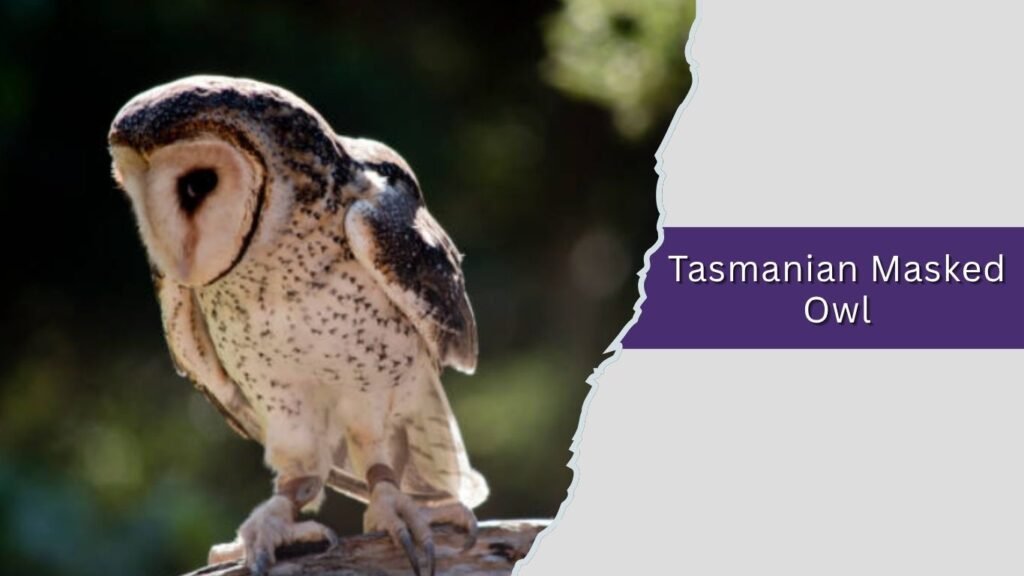
The Tasmanian Masked Owl is a subspecies of the Masked Owl found only in Tasmania. It is one of the largest owls in the region and is known for its pale coloration and quiet, nocturnal lifestyle. Due to habitat loss and limited distribution, it is considered rare and of conservation concern.
Identification
- Large owl with long wings and a strong, slender body
- Pale white to light grey plumage with fine dark speckling
- Distinct heart-shaped facial disc, usually bright white
- Dark eyes that contrast with its pale face
- Long legs and powerful talons for catching prey
- No ear tufts, with a smooth, rounded head
Habitat
The Tasmanian Masked Owl is found only in Tasmania, mainly in forested areas with a mix of old-growth trees and open spaces. It prefers dry forests, woodlands, and forest edges where it can hunt effectively. This owl depends on large tree hollows for nesting, which are often found in older trees. Habitat clearing and logging have reduced the availability of suitable nesting sites, making conservation efforts important for this subspecies.
Behaviors
This owl is nocturnal and highly secretive, spending the day roosting in dense foliage or tree hollows. At night, it becomes an active hunter, gliding silently through open areas or along forest edges. It is usually solitary but may be seen in pairs during the breeding season. The Tasmanian Masked Owl is generally quiet but can produce harsh screeching calls when disturbed.
Diet and Lifespan
The Tasmanian Masked Owl primarily feeds on small mammals such as rodents, bandicoots, and possums. It may also hunt birds and insects when available. Its strong hunting ability allows it to capture prey both on the ground and in low vegetation. The species is believed to live around 10 to 15 years in the wild, although survival depends on habitat quality and food availability.
FAQs
What is the largest owl in Australia?
The Powerful Owl is the largest owl species in Australia. It has a wingspan of up to 140 cm and is known for its strength and ability to hunt relatively large prey such as possums and gliders. It mainly lives in forested areas.
Are Australian owls dangerous to humans?
Australian owls are generally not dangerous to humans. They are shy and avoid human contact. However, like most wild birds, they may become defensive if their nest or young are threatened, especially during the breeding season.
Which Australian owl is most common?
The Southern Boobook is considered the most common owl in Australia. It is widely distributed and highly adaptable, living in forests, farmland, and even urban areas, making it one of the easiest owl species to hear and sometimes see.
Do owls in Australia hunt during the day?
Most Australian owls are nocturnal and hunt at night. However, some species like the Christmas Island Hawk-Owl can be active during the day or at dawn and dusk, depending on food availability and environmental conditions.
Where do Australian owls build their nests?
Most Australian owls nest in tree hollows, especially in large, old trees. Some species, like the Barn Owl, may also use barns or abandoned buildings, while others like the Eastern Grass Owl nest on the ground in dense grass.
