
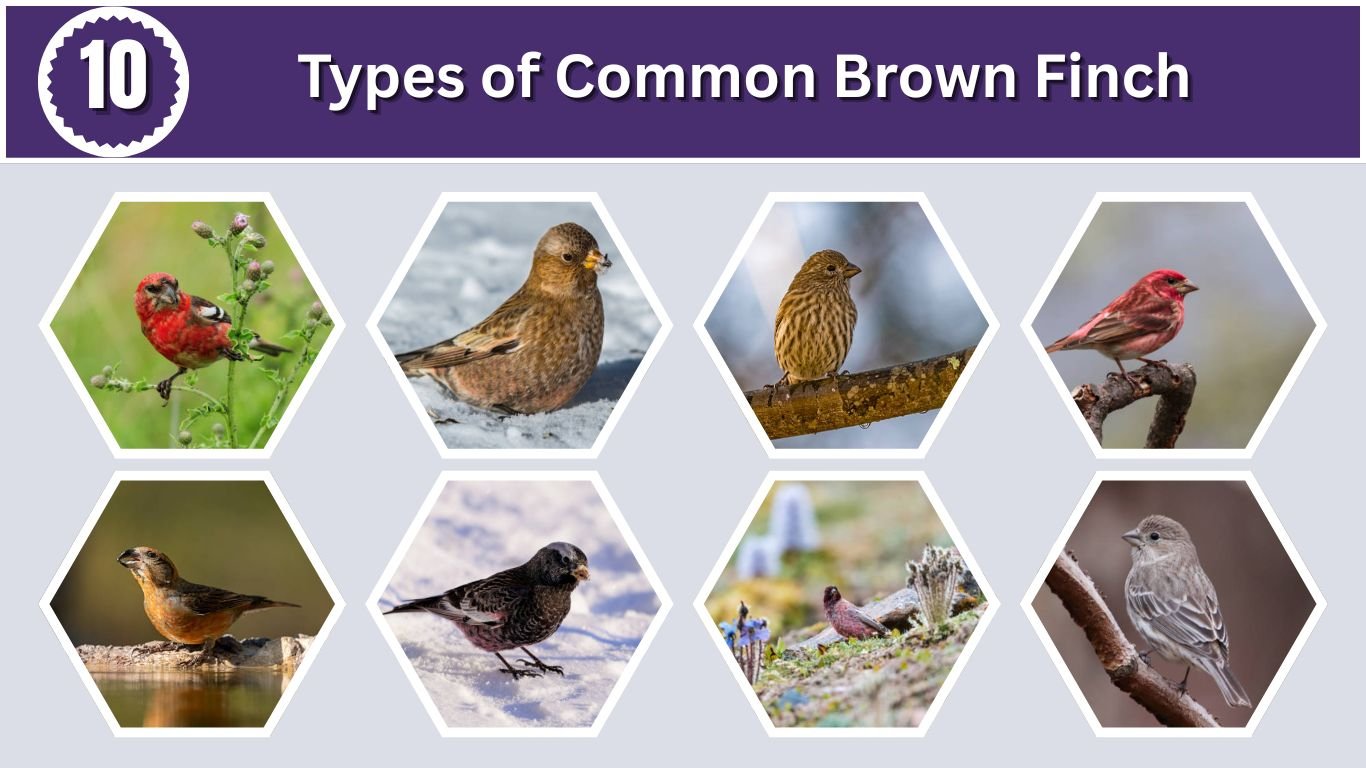
Brown finches are often overlooked due to their subtle colors, but they play an important role in bird ecosystems. Common across Texas, these finches include both naturally brown species and females of brighter birds. Their streaked patterns and earthy tones provide excellent camouflage in various habitats. From backyards to forests, these birds are active and adaptable. Learning to identify brown finches can improve your birdwatching skills and help you notice details you might otherwise miss.
1. House Finch (Female)
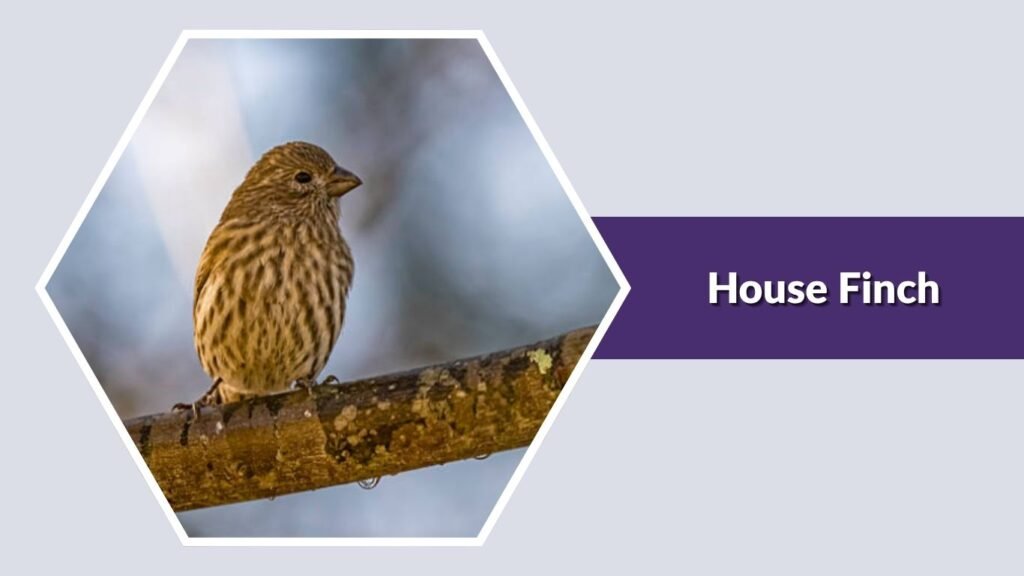
The female House Finch is a common brown-toned bird widely seen across Texas. Unlike the brightly colored males, females have a more subtle appearance, which helps them blend into their surroundings. They are frequently found in residential areas and are known for their adaptability and close association with human habitats.
Identification
- Small bird with a short, thick, conical beak
- Overall brown and gray coloration with heavy streaking
- Underparts are pale with dark streaks
- Face is plain with no bold markings
- Wings are brown with subtle lighter edges
- Tail is moderately long with a slight notch
- Lacks any red or bright coloration seen in males
Habitat
Female House Finches are commonly found in urban and suburban environments, including parks, gardens, and farmlands. They prefer open areas with access to trees or structures for nesting. These birds often build nests on buildings, ledges, hanging planters, and shrubs, making them one of the most human-adapted finch species in Texas.
Behaviors
They are social birds and are often seen in pairs or small flocks. Female House Finches are active during the day, spending much of their time foraging or visiting feeders. While males are more vocal, females may still produce soft calls. They play an important role in nesting, including selecting the nest site and caring for the young.
Diet and Lifespan
Their diet mainly consists of seeds, fruits, and plant buds. They frequently visit bird feeders, especially those offering sunflower seeds. Occasionally, they may consume small insects. In the wild, female House Finches typically live around 4 to 7 years, depending on environmental conditions and food availability.
2. Purple Finch (Female)
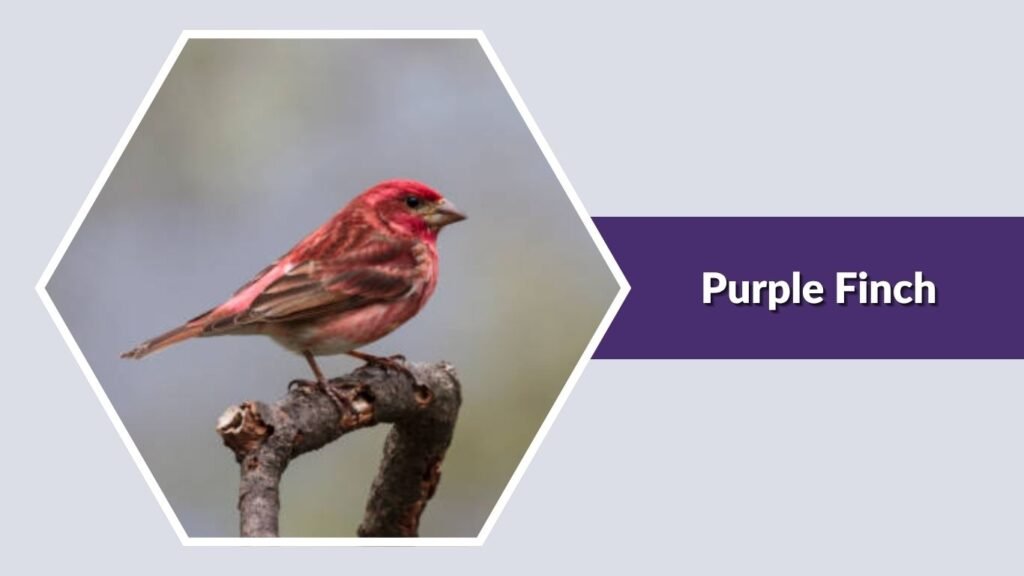
The female Purple Finch is a brown, streaked bird often confused with the female House Finch. It is less common in Texas and is usually seen during winter months. Its subtle coloring and woodland preference make it slightly harder to spot, but its distinct facial pattern helps with identification.
Identification
- Medium-sized finch with a strong, conical beak
- Brown overall with bold dark streaks across the body
- Distinct white eyebrow stripe and pale line below the eye
- Face shows a more defined pattern compared to House Finch
- Underparts are white with heavy streaking
- Wings are brown with light edging
- Tail is short and slightly notched
Habitat
Female Purple Finches prefer wooded areas such as forests, parks, and tree-rich suburban neighborhoods. In Texas, they are mostly seen in winter, especially in areas with mature trees. They tend to avoid highly urban environments and are more commonly found where natural vegetation is abundant.
Behaviors
They are somewhat shy and less aggressive than House Finches. Female Purple Finches often forage quietly in trees and shrubs, sometimes joining small flocks during the non-breeding season. They are active during the day and may visit feeders, though they are usually less bold than other finches.
Diet and Lifespan
Their diet mainly includes seeds, berries, and buds. They also consume insects during breeding periods for extra nutrition. At feeders, they prefer sunflower seeds. In the wild, female Purple Finches generally live around 3 to 6 years, depending on habitat quality and environmental factors.
3. Cassin’s Finch (Female)
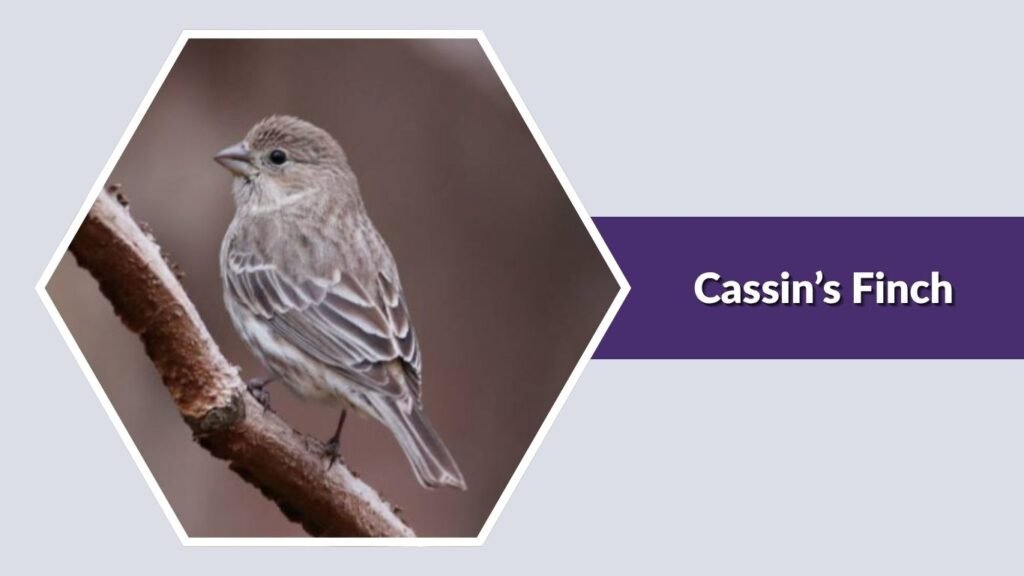
The female Cassin’s Finch is a subtly colored brown finch that is rarely seen in Texas, mostly appearing in western regions or during migration. It closely resembles other female finches but can be identified by its softer streaking and overall cleaner appearance. It prefers more natural, less urban habitats.
Identification
- Medium-sized finch with a short, thick, conical beak
- Overall brown-gray coloration with fine, less bold streaking
- Face has a faint eyebrow stripe but less defined than Purple Finch
- Underparts are pale with light, blurry streaks
- Wings are brown with subtle light edges
- Tail is slightly notched
- Overall appearance looks smoother and less sharply patterned
Habitat
Female Cassin’s Finches are typically found in mountainous and forested areas, especially coniferous forests. In Texas, they are uncommon and mainly appear in the far western regions. They prefer open woodlands, forest edges, and areas with scattered trees, avoiding heavily urbanized environments.
Behaviors
These birds are generally quiet and less noticeable than other finches. They spend much of their time foraging in trees and shrubs, often moving slowly while searching for food. They may be seen alone or in small groups and are less likely to gather in large flocks. Their calm behavior makes them harder to detect in the wild.
Diet and Lifespan
Their diet consists mainly of seeds, buds, and berries, particularly from trees. During breeding periods, they may also eat insects for added protein. Their feeding habits are closely tied to forest ecosystems. In the wild, female Cassin’s Finches typically live around 4 to 6 years, depending on environmental conditions.
4. Pine Siskin
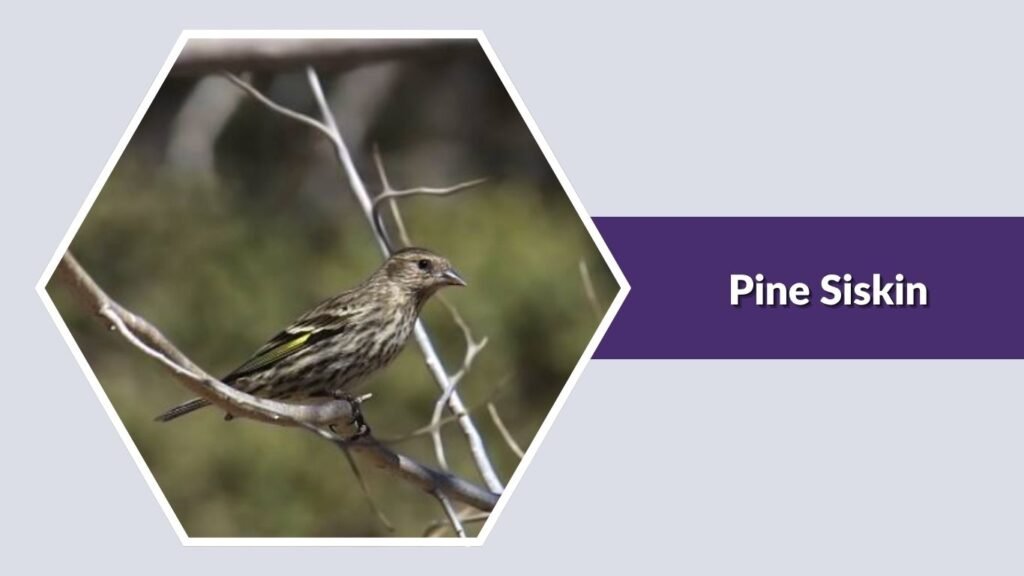
The Pine Siskin is a small, brown-streaked finch that is commonly seen in Texas during winter and migration. Its subtle coloring helps it blend into its surroundings, but its active behavior and flocking nature make it easier to notice. It is an irregular visitor, meaning its numbers can vary each year.
Identification
- Small, slim finch with a pointed, conical beak
- Brown overall with heavy dark streaking across the body
- Pale underparts with dense streaks
- Subtle yellow patches on wings and tail, especially visible in flight
- Wings are dark with light edging
- Tail is short and slightly notched
- Face is plain with no strong markings
Habitat
Pine Siskins are highly adaptable and can be found in a variety of habitats during their time in Texas. They are commonly seen in woodlands, parks, gardens, and suburban areas. Although they prefer coniferous forests in their main range, they adjust well to areas with available seeds and feeders during winter months.
Behaviors
These birds are very social and are usually seen in flocks, often mixed with other finches like goldfinches. They are active and constantly moving while feeding. Pine Siskins have a distinctive buzzy call and communicate frequently within groups. Their flight is quick and erratic, and they are comfortable feeding close to other birds.
Diet and Lifespan
Pine Siskins mainly eat seeds, especially from conifers, weeds, and grasses. They are frequent visitors to feeders offering nyjer or sunflower seeds. Occasionally, they may eat small insects. Their typical lifespan in the wild is around 3 to 5 years, depending on environmental conditions and food availability.
5. Brown-capped Rosy-Finch
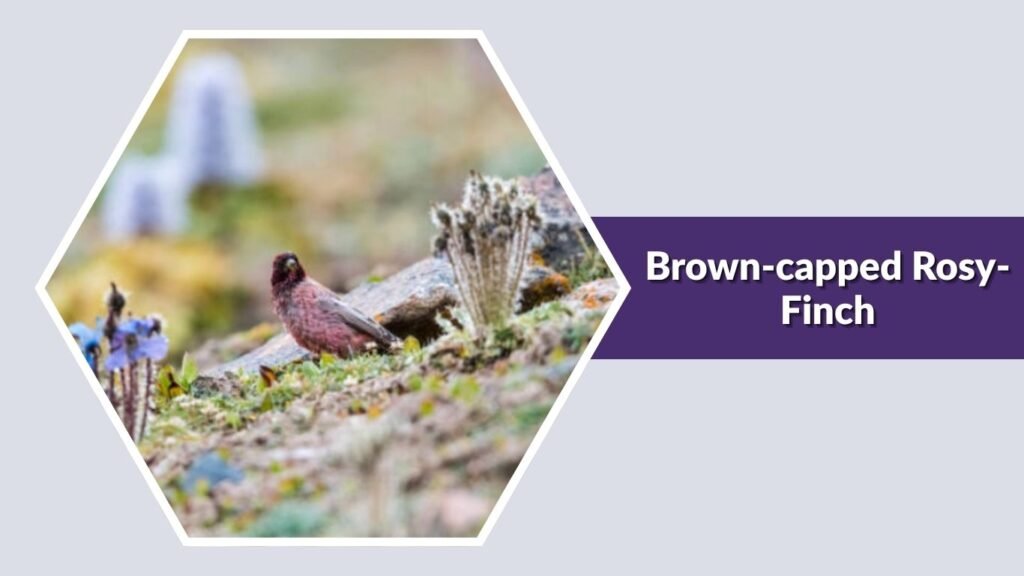
The Brown-capped Rosy-Finch is a cold-adapted, brown-toned finch that is extremely rare in Texas. It is typically found in high mountainous regions and may only appear in the far western parts of the state during unusual winter movements. Its muted coloration and remote habitat make it difficult to observe.
Identification
- Medium-sized finch with a thick, conical beak
- Distinct brown cap on the head
- Body is grayish-brown with soft rosy-pink on the belly
- Wings are darker with lighter edges
- Tail is short and slightly notched
- Bill is yellow with a darker tip
- Overall appearance is subdued and less contrasting
Habitat
Brown-capped Rosy-Finches are usually found in alpine environments above the tree line, including rocky slopes and cliffs. In Texas, they are extremely rare and are mostly limited to western mountainous areas during winter. Their presence depends on weather conditions and food availability, often keeping them in remote, undisturbed locations.
Behaviors
These finches are well adapted to cold, windy environments and are often seen foraging on the ground. They are social birds and may form small flocks, particularly in winter. Their flight is strong and direct, helping them navigate rugged terrain. They are generally quiet and communicate with soft calls within groups.
Diet and Lifespan
Their diet mainly consists of seeds and small insects. In warmer months, insects become more important, while seeds dominate in winter. They forage among rocks and sparse vegetation. Their lifespan is estimated to be around 5 to 8 years in the wild, depending on environmental conditions and survival challenges.
6. Gray-crowned Rosy-Finch
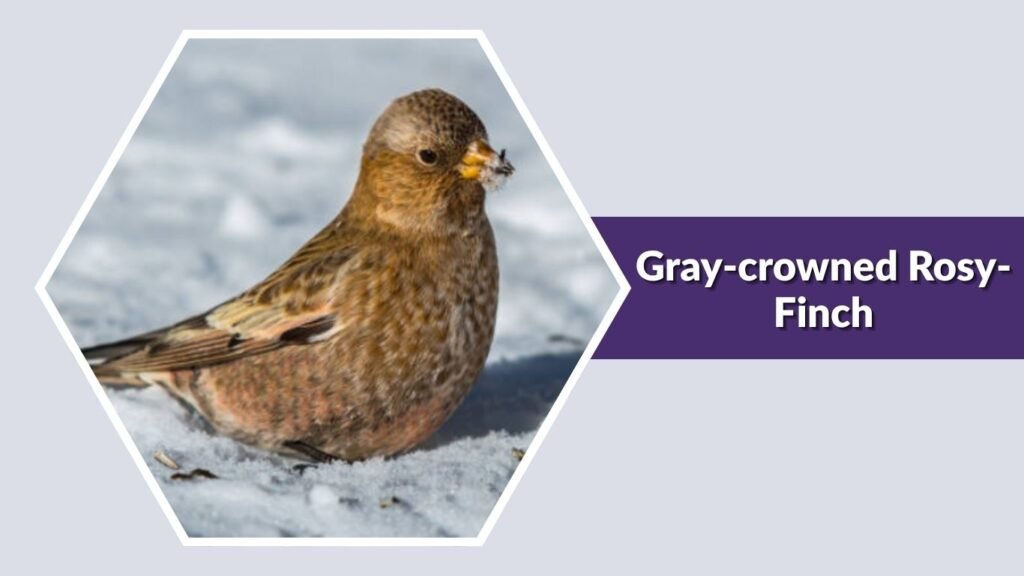
The Gray-crowned Rosy-Finch is a hardy, brown-toned finch that is rarely seen in Texas, usually limited to far western mountainous areas during winter. Its muted colors and high-altitude lifestyle make it less noticeable, but its distinct head pattern helps set it apart from similar species.
Identification
- Medium-sized finch with a sturdy, conical beak
- Gray crown and nape contrast with darker face
- Body is brownish with soft rosy-pink tones on the belly
- Wings are dark with lighter edges
- Tail is short and slightly notched
- Bill is yellow with a dark tip
- Overall body appears thick and well-built
Habitat
Gray-crowned Rosy-Finches are typically found in alpine and mountainous regions above the tree line. In Texas, they are extremely rare and are only occasionally seen in the westernmost mountains during winter. They prefer rocky slopes, cliffs, and open terrain with minimal vegetation, relying on remote habitats for survival.
Behaviors
These birds are social and are often seen in small flocks, especially in colder months. They spend much of their time foraging on the ground among rocks and sparse vegetation. Their flight is strong and direct, suited for windy environments. They are generally quiet but use soft calls to communicate within flocks.
Diet and Lifespan
Their diet mainly consists of seeds and small insects. In warmer seasons, insects provide important nutrients, while seeds are the primary food in winter. They forage in harsh conditions, often in exposed areas. Their lifespan is estimated to be around 5 to 9 years in the wild, depending on environmental conditions.
7. Black Rosy-Finch
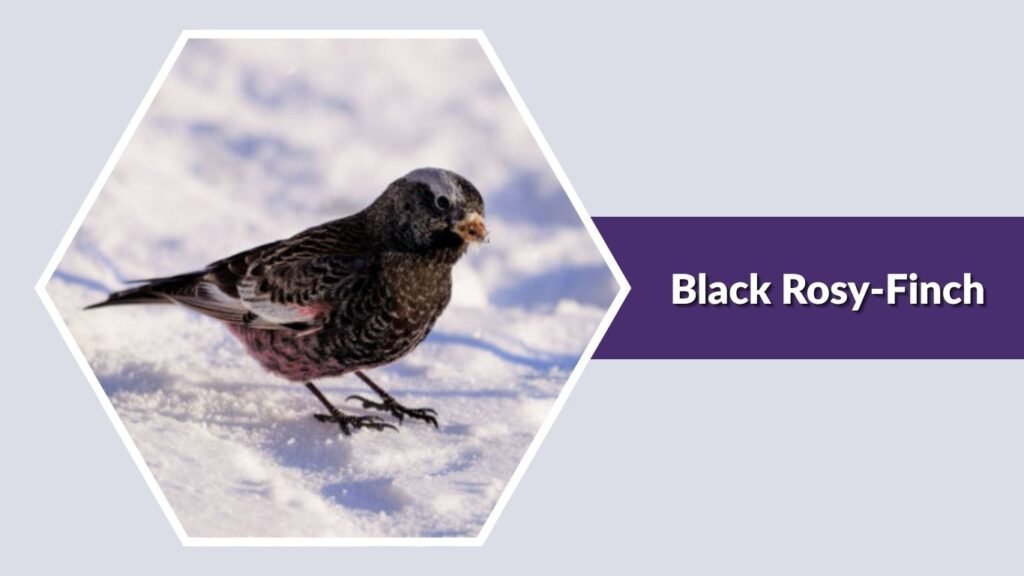
The Black Rosy-Finch is a dark, brownish finch adapted to extreme alpine environments. It is extremely rare in Texas and may only appear in far western mountainous regions during unusual winter movements. Its overall dark coloration with subtle rosy tones makes it distinctive among brown finches.
Identification
- Medium-sized finch with a thick, conical beak
- Overall dark brown to nearly black body
- Subtle rosy-pink highlights on the belly and wings
- Wings are dark with lighter edges
- Tail is short and slightly notched
- Face appears uniformly dark with little contrast
- Body looks compact and sturdy
Habitat
Black Rosy-Finches are typically found in high-altitude alpine regions above the tree line. In Texas, they are extremely rare and only occasionally reported in the western mountainous areas during winter. They prefer rocky slopes, cliffs, and open, windswept terrain where vegetation is sparse.
Behaviors
These finches are well adapted to cold, harsh environments and are often seen foraging on the ground. They are social birds and may form small flocks, especially during winter. Their flight is strong and direct, allowing them to navigate windy conditions. They are generally quiet but may give soft calls when in groups.
Diet and Lifespan
Their diet mainly consists of seeds and small insects. In warmer months, insects become more important, while seeds dominate during colder seasons. They forage among rocks and low vegetation in challenging environments. Their lifespan is estimated to be around 5 to 8 years in the wild, depending on environmental conditions.
8. Red Crossbill (Female)
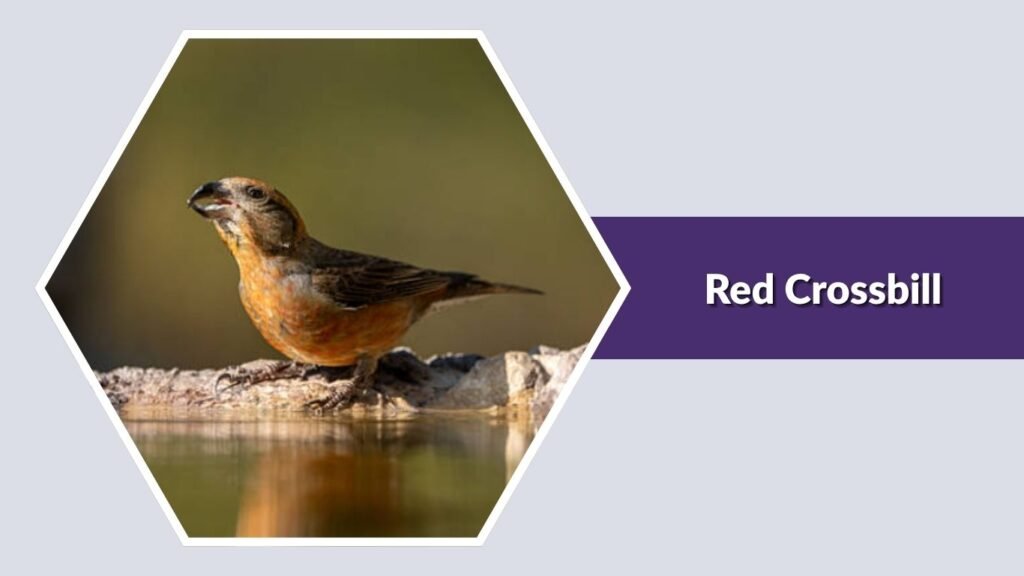
The female Red Crossbill is a brownish finch known for its unusual crossed bill, which is specially adapted for extracting seeds from pine cones. It is an irregular visitor in Texas, mostly appearing during winter or when food shortages push it southward. Its nomadic nature makes sightings unpredictable.
Identification
- Medium-sized finch with a distinctive crossed bill
- Overall yellowish-brown or olive-brown coloration
- Underparts are paler with subtle streaking
- Wings are dark with no bold wing bars
- Tail is short and slightly forked
- Head appears large with a thick neck
- Bill tips cross over each other, a key identifying feature
Habitat
Female Red Crossbills are typically found in coniferous forests where pine trees are abundant. In Texas, they are uncommon and usually appear in western regions or during winter movements. They prefer areas with a strong supply of pine cones and may also be seen in parks or suburban areas with suitable trees.
Behaviors
These birds are highly nomadic and move in search of cone crops. They are often seen in flocks and are quite vocal, using sharp calls to communicate. They spend much of their time in trees, skillfully prying open cones with their specialized bills. Their movements and breeding are closely tied to food availability rather than seasons.
Diet and Lifespan
Their diet mainly consists of seeds from conifer cones, especially pine. They may also consume small insects during breeding periods. Their unique bill allows them to access food that many other birds cannot. In the wild, female Red Crossbills typically live around 5 to 7 years, depending on environmental conditions.
9. White-winged Crossbill (Female)
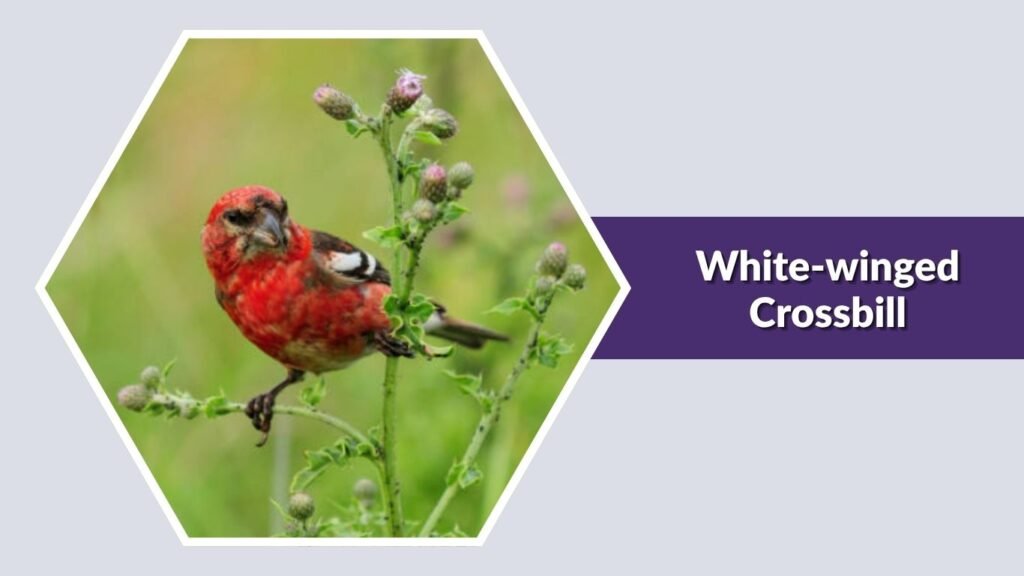
The female White-winged Crossbill is a brown-toned finch with a unique crossed bill and noticeable wing markings. It is a rare and irregular visitor in Texas, mostly appearing during winter irruption years. Its movements depend heavily on the availability of cone-producing trees.
Identification
- Medium-sized finch with a distinctive crossed bill
- Overall yellowish-brown or olive-brown coloration
- Prominent white wing bars (key identifying feature)
- Wings are dark with strong contrast due to white markings
- Tail is short and slightly notched
- Head appears rounded with a thick neck
- Bill tips cross over for extracting seeds
Habitat
Female White-winged Crossbills are typically found in northern coniferous forests. In Texas, they are rare and usually appear during winter when food shortages force them southward. When present, they may be seen in wooded areas, parks, and neighborhoods with suitable cone-bearing trees.
Behaviors
These birds are highly nomadic and move in flocks in search of food. They are active and agile, often climbing around cones while feeding. Their flight is swift, and they communicate with sharp, musical calls. Like other crossbills, they may breed at unusual times if food is abundant.
Diet and Lifespan
Their diet mainly consists of seeds from conifer cones, especially spruce. They may also eat small insects during breeding periods. Their specialized bill allows them to efficiently extract seeds. In the wild, female White-winged Crossbills typically live around 4 to 6 years, depending on environmental conditions.
10. Lesser Goldfinch (Female)
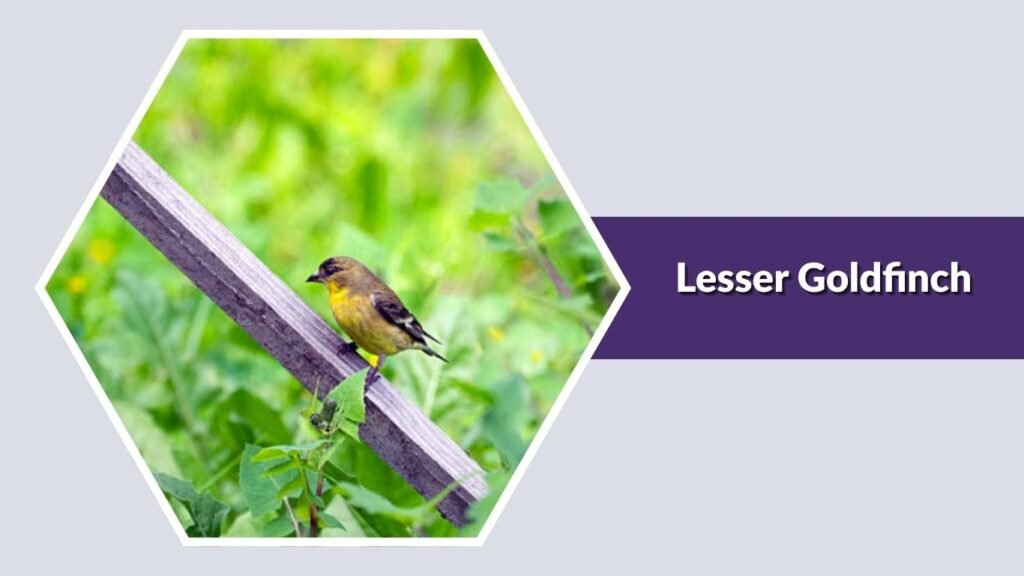
The female Lesser Goldfinch is a small, brownish finch commonly found in Texas, especially in warm and dry regions. Unlike the brighter males, females have a more muted appearance, which helps them blend into natural surroundings. They are active, social birds often seen in gardens and open areas.
Identification
- Very small finch with a short, conical beak
- Overall grayish-brown or olive coloration
- Underparts are pale yellow or dull yellow
- Wings are dark with noticeable white wing bars
- Tail is short and slightly notched
- Face is plain with no bold markings
- Overall appearance is soft and less vibrant than males
Habitat
Female Lesser Goldfinches prefer open habitats such as scrublands, grasslands, and suburban gardens. In Texas, they are widely found in areas with scattered trees, shrubs, and access to water. They adapt well to human environments and are commonly seen visiting backyard feeders.
Behaviors
These birds are highly active and social, often seen in small flocks. They spend much of their time foraging and moving between trees and feeders. Their flight is light and undulating, and they communicate with soft chirps. They are generally comfortable around humans and frequently appear in residential areas.
Diet and Lifespan
Their diet mainly consists of seeds, especially from weeds and grasses. They are particularly fond of sunflower and nyjer seeds and often visit feeders that provide them. Occasionally, they may eat small insects. In the wild, female Lesser Goldfinches typically live around 4 to 7 years, depending on environmental conditions.
FAQs
What is a brown finch?
A brown finch usually refers to female finches or species with dull, streaked plumage. Unlike brightly colored males, these birds have earthy tones like brown, gray, or olive, which help them blend into their surroundings and avoid predators.
Why are many female finches brown?
Female finches are often brown for camouflage, especially during nesting. Their muted colors help them stay hidden from predators while protecting eggs or young birds, increasing their chances of survival in the wild.
Are brown finches harder to identify?
Yes, brown finches can be more difficult to identify because they lack bold colors. Birdwatchers often rely on subtle features like streak patterns, beak shape, size, and habitat to distinguish between similar-looking species.
Do brown finches visit bird feeders?
Many brown finches do visit feeders, especially species like House Finches, Pine Siskins, and Lesser Goldfinches. They are attracted to seeds such as sunflower and nyjer, making feeders a great way to observe them up close.
Where can I commonly find brown finches?
Brown finches can be found in a variety of habitats, including forests, grasslands, and urban areas. In Texas, they are often seen in gardens, parks, and wooded regions, depending on the species and season.
