
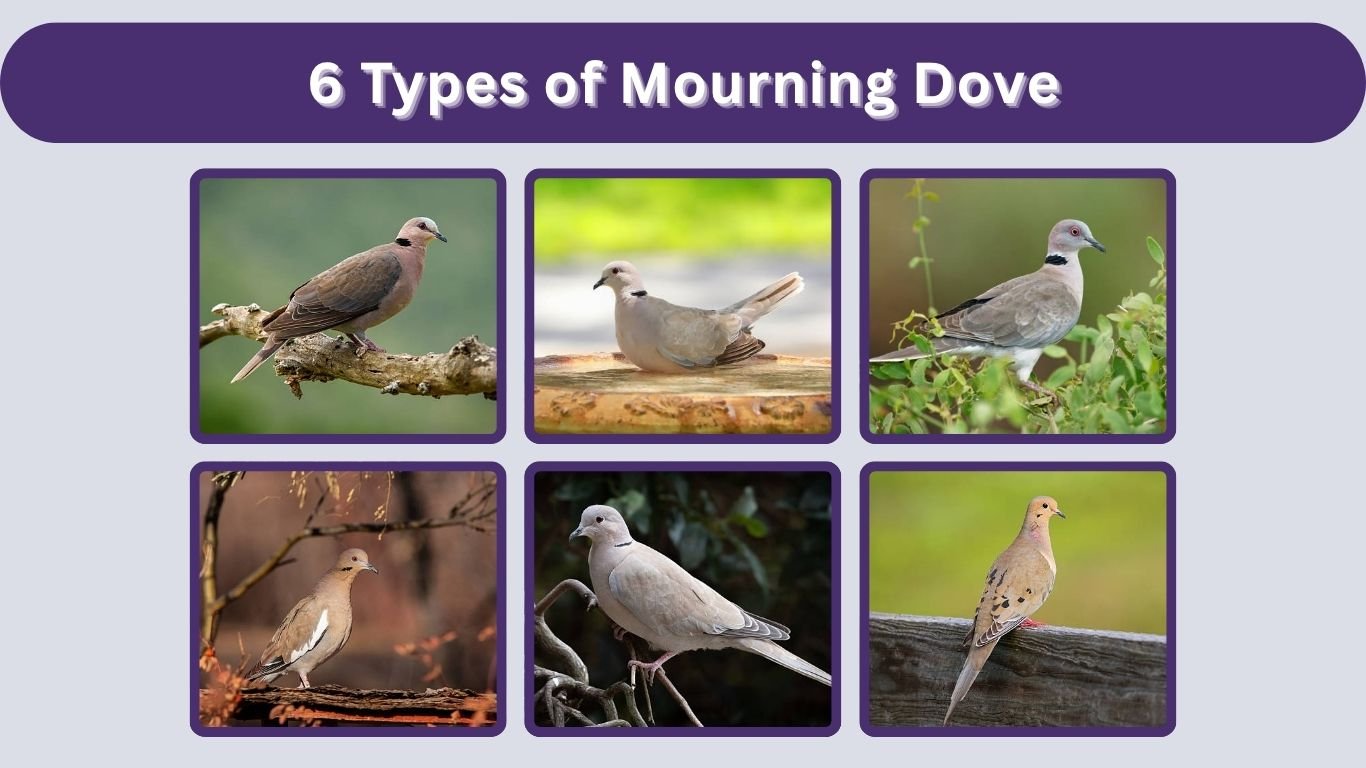
Doves are gentle, peaceful birds found in many parts of the world, admired for their soft cooing sounds and graceful appearance. Among them, mourning doves and closely related species are especially popular due to their calm behavior and ability to adapt to different environments. These birds can be seen in open fields, forests, and even urban areas, making them one of the most familiar bird groups to people.
There are several types of mourning doves and similar species, each with unique features, habitats, and behaviors. While they may look alike at first glance, differences in size, markings, and calls help distinguish them. Understanding these variations not only helps in identification but also deepens appreciation for their role in nature, such as seed dispersal and maintaining ecological balance.
1. Mourning Dove
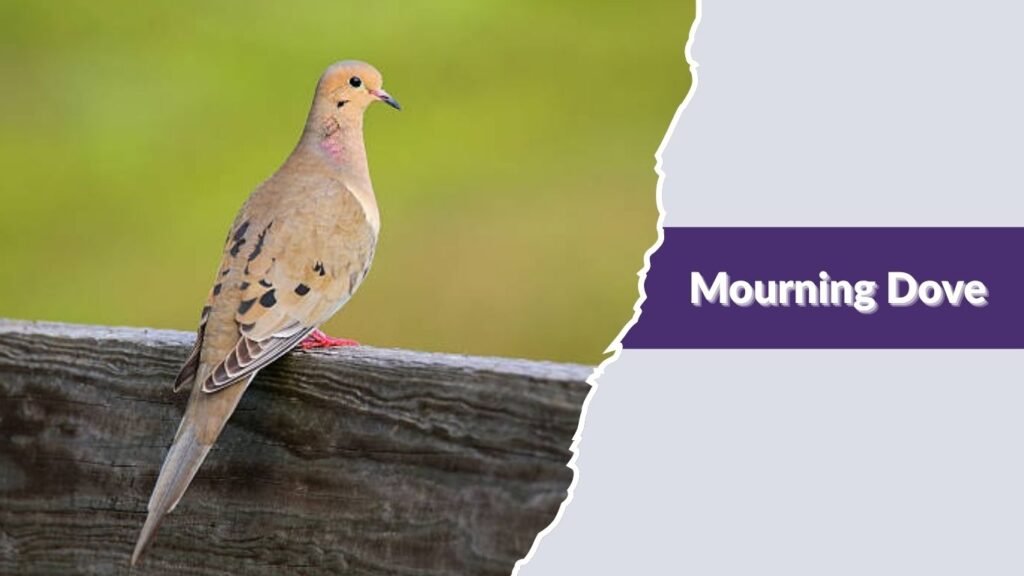
A graceful, slender bird known for its soft, mournful cooing sound. The Mourning Dove is one of the most widespread and recognizable doves across North America. It is admired for its calm nature and smooth, swift flight. Often seen perched on wires or quietly feeding on the ground, this bird plays an important role in ecosystems by helping disperse seeds.
Identification
- Light brown to gray body with a soft pinkish hue on the chest
- Small, rounded head with a delicate appearance
- Long, pointed tail with white edges visible in flight
- Distinct black spots on the wings
- Pale blue ring around the eyes
- Slender, slightly curved black bill
Habitat
Mourning Doves thrive in a wide range of open and semi-open environments. They are commonly found in farmland, grasslands, deserts, and suburban areas. These birds prefer habitats with scattered trees, shrubs, or man-made structures where they can perch and nest. Unlike many woodland birds, they avoid dense forests and instead favor areas that provide easy access to the ground for feeding. In urban settings, they adapt well and are often seen in parks, gardens, and along roadsides. Their ability to live near humans has helped them remain abundant across their range.
Behaviors
Mourning Doves are known for their calm and gentle behavior. They produce a soft, sorrowful cooing sound that gives them their name. These birds are strong fliers, capable of reaching high speeds with rapid wingbeats and sudden directional changes. They often forage on the ground, walking gracefully while searching for food. Usually seen alone or in pairs, they may gather in small flocks, especially during migration or in areas with abundant food. During courtship, males perform display flights and gentle bowing movements to attract females.
Diet and Lifespan
Their diet mainly consists of seeds, including grains, grasses, and weeds, making them primarily ground feeders. Mourning Doves have a unique ability to store seeds in their crop and digest them later. They occasionally consume small insects or snails but rely mostly on plant material. These birds play a key role in spreading seeds across their habitat. In the wild, Mourning Doves typically live around 3 to 5 years, though some individuals can live longer under favorable conditions. However, many face threats from predators such as hawks, cats, and snakes, as well as habitat loss.
2. Eurasian Collared-Dove
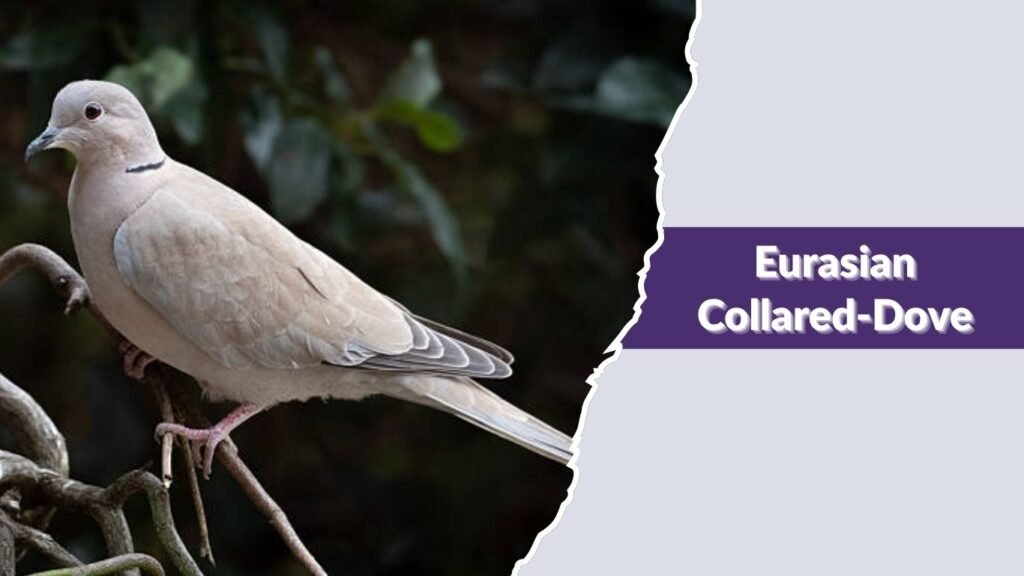
A medium-sized dove recognized for its pale color and distinctive black “collar” on the back of its neck. Originally native to Europe and Asia, the Eurasian Collared-Dove has rapidly expanded its range and is now commonly found in many parts of the world, especially in urban and suburban environments.
Identification
- Pale gray to light beige body color
- Distinct narrow black collar on the back of the neck
- Broad, squared-off tail with white edges
- Dark eyes with a simple facial appearance
- Slightly larger and bulkier than Mourning Doves
- Black bill and pinkish legs
Habitat
Eurasian Collared-Doves are highly adaptable and prefer open habitats near human settlements. They are frequently found in towns, villages, farms, and city outskirts. Unlike many native dove species, they thrive in areas altered by humans, such as agricultural land, parks, and residential neighborhoods. They tend to avoid dense forests and instead favor open spaces with access to food and nesting sites. Their ability to live close to people has allowed them to spread quickly across continents. They often nest on trees, buildings, and even utility structures, making use of available resources in developed areas.
Behaviors
These doves are known for their repetitive cooing call, often described as a rhythmic “coo-COO-coo.” They are generally calm but can be territorial, especially during breeding season. Eurasian Collared-Doves are often seen perched on wires, rooftops, or trees. They usually move in pairs or small groups and are less shy around humans compared to other dove species. Their flight is steady and direct, without the sharp wing whistles heard in some other doves. They breed multiple times a year, which contributes to their rapidly growing population.
Diet and Lifespan
Their diet mainly consists of seeds and grains, including crops such as wheat, corn, and millet. They also feed on weed seeds and occasionally small insects. Eurasian Collared-Doves forage mostly on the ground, often in open fields or near feeding areas created by humans. In terms of lifespan, they typically live around 3 to 6 years in the wild, though some individuals may live longer in safe environments. Their success as a species is largely due to their flexible diet, adaptability, and high reproductive rate.
3. African Collared-Dove
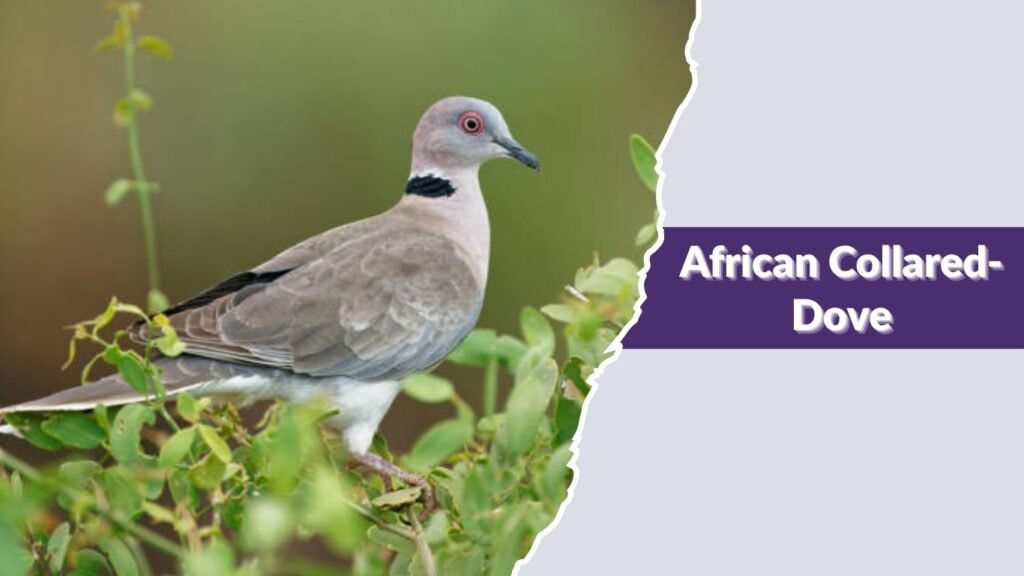
A soft-colored and elegant dove species known for its gentle cooing and subtle beauty. The African Collared-Dove is native to sub-Saharan Africa and is often appreciated for its calm temperament and adaptability. It shares similarities with other collared doves but can be distinguished by its slightly warmer tones and delicate features.
Identification
- Light brown to grayish body with a warm, sandy tone
- Thin black half-collar on the back of the neck
- Slender body with a smooth, rounded head
- Long tail with pale or whitish edges
- Dark eyes with a soft expression
- Black or dark gray bill
Habitat
The African Collared-Dove is commonly found in open woodlands, savannas, and lightly wooded areas across Africa. It prefers regions where trees are scattered, providing both nesting sites and perching spots. These birds are also frequently seen near human settlements, including villages, farms, and gardens. They tend to avoid dense forests and instead thrive in environments that offer a mix of open ground for feeding and elevated spots for resting. Their adaptability allows them to live comfortably in both natural and semi-urban landscapes, where food sources are readily available.
Behaviors
This species is known for its calm and peaceful nature. African Collared-Doves often move in pairs or small groups and spend much of their time perched quietly or feeding on the ground. Their cooing call is soft and rhythmic, often heard during early morning or late afternoon. During courtship, males perform simple display flights and gentle bowing to attract females. They are not highly aggressive and usually coexist well with other bird species. Their flight is smooth and steady, lacking the sharp, rapid movements seen in some other doves.
Diet and Lifespan
African Collared-Doves mainly feed on seeds, grains, and small plant materials. They forage on the ground, picking up food in open areas such as fields and clearings. Occasionally, they may consume small insects, but plant-based food forms the majority of their diet. These doves play a role in seed dispersal within their ecosystems. In the wild, they typically live around 3 to 5 years, although some may live longer depending on environmental conditions and predator presence.
4. Ringed Turtle-Dove
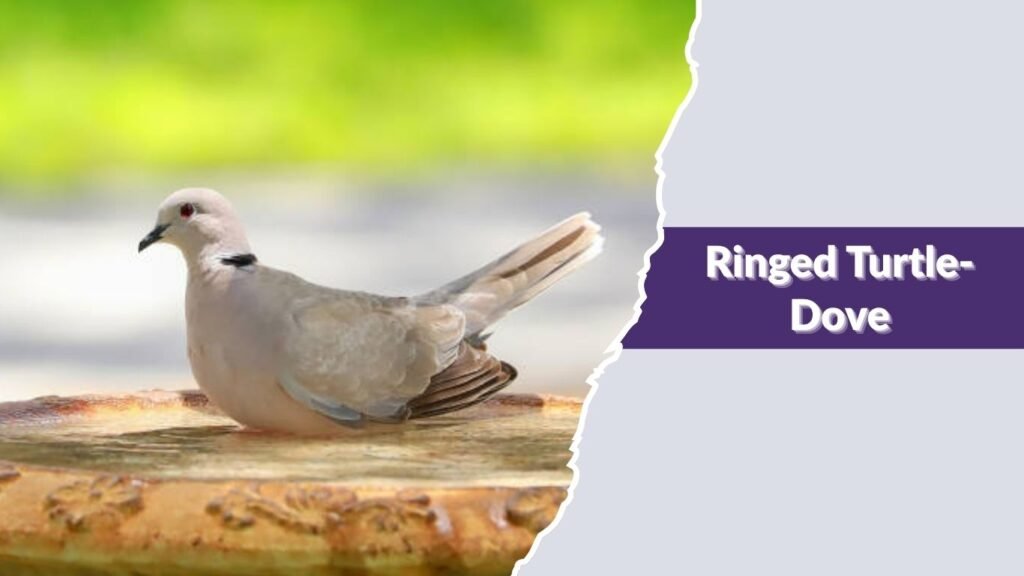
A gentle and attractive dove species often associated with domestic and ornamental settings. The Ringed Turtle-Dove is widely recognized for its soft coloration and the distinct black ring on its neck. It is commonly kept as a pet and is also found in the wild in some regions, where it adapts well to human environments.
Identification
- Pale cream, light beige, or soft gray body
- Clear black ring around the back of the neck
- Smooth, rounded head with a delicate appearance
- Medium-length tail with lighter edges
- Dark eyes with a calm expression
- Pinkish legs and a small, dark bill
Habitat
Ringed Turtle-Doves are commonly found in areas close to human habitation. They thrive in gardens, parks, farms, and urban neighborhoods where food and shelter are easily available. In the wild, they prefer open landscapes with scattered trees and shrubs. These birds avoid dense forests and instead favor environments where they can easily access the ground for feeding. Due to their long history of domestication, many are seen in captivity or semi-wild conditions, often living around homes and aviaries. Their adaptability makes them comfortable in both rural and suburban settings.
Behaviors
These doves are known for their calm and friendly behavior, especially when raised around humans. They produce a soft, repetitive cooing sound that is soothing and consistent. Ringed Turtle-Doves are usually seen alone or in pairs and are not highly aggressive. They spend much of their time perched quietly or walking on the ground in search of food. During courtship, males perform simple displays such as bowing and short flights. Their flight is smooth and steady, and they tend to stay within familiar areas rather than traveling long distances.
Diet and Lifespan
Ringed Turtle-Doves primarily feed on seeds, grains, and small plant materials. In captivity, they are often given a mix of commercial birdseed and grains, which supports their health. In the wild, they forage on the ground in open spaces. They may occasionally consume small insects, but their diet is mostly plant-based. These doves generally have a longer lifespan compared to many wild species, often living 10 to 15 years in captivity, while in natural conditions, they may live around 5 to 7 years depending on environmental factors.
5. Red-eyed Dove
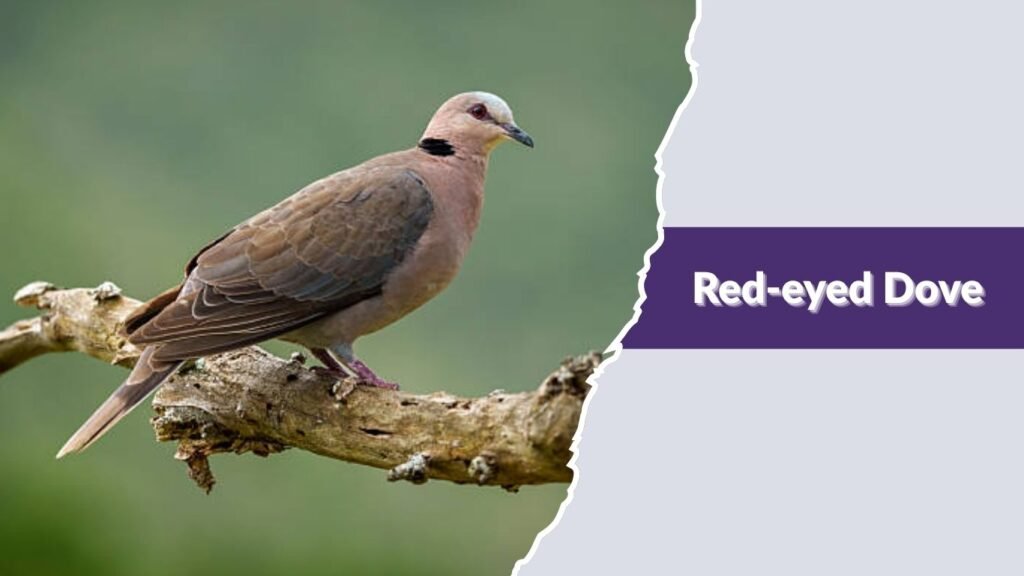
A striking and relatively large dove species known for its deep coloration and distinctive red eye ring. The Red-eyed Dove is native to Africa and is often heard before it is seen, thanks to its loud and rhythmic calls. It is a common bird in many parts of its range and is well adapted to warm environments.
Identification
- Dark brown to grayish body with a slightly purplish tone on the neck
- Bright red or orange-red ring around the eyes
- Slender body with a smooth, rounded head
- Long tail with subtle pale edges
- Dark bill and reddish or pinkish legs
- Slightly larger size compared to many common doves
Habitat
Red-eyed Doves are commonly found in open woodlands, savannas, and areas with scattered trees across sub-Saharan Africa. They prefer habitats that offer a balance of open ground for feeding and trees for perching and nesting. These birds are also frequently seen in farmlands, gardens, and near villages, showing a good level of adaptability to human presence. However, they generally avoid dense forests, instead favoring more open and lightly wooded environments. Their presence is often noticeable due to their calls echoing through the landscape.
Behaviors
This species is known for its loud, repetitive cooing call, which can carry over long distances. Red-eyed Doves are usually seen alone or in pairs, though they may gather in small groups where food is abundant. They spend much of their time perched in trees or foraging on the ground. Their flight is strong and direct, with steady wingbeats. During breeding, males perform simple display behaviors to attract females, including calling and short flights. They are generally calm birds but can be territorial around nesting sites.
Diet and Lifespan
Red-eyed Doves mainly feed on seeds, grains, and small fruits. They forage on the ground, often in open areas such as fields and clearings. Occasionally, they may eat small insects, but plant material forms the majority of their diet. These birds help in seed dispersal, contributing to their ecosystem. In the wild, Red-eyed Doves typically live around 3 to 5 years, although some individuals may survive longer depending on environmental conditions and availability of food.
6. White-winged Dove
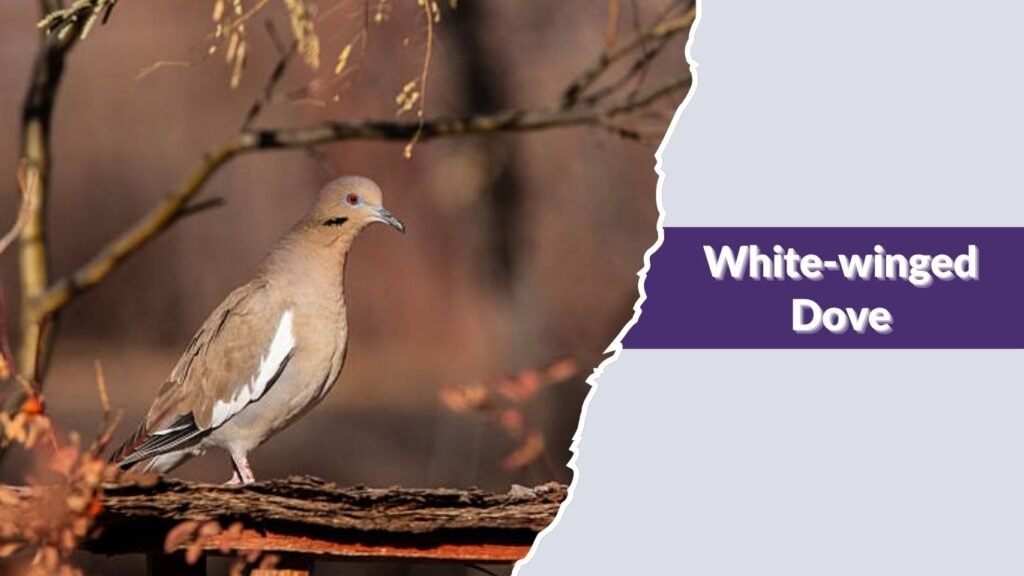
A bold and noticeable dove species recognized for the striking white patches on its wings, especially visible during flight. The White-winged Dove is native to the Americas and is known for its adaptability and strong, direct flight. Its distinct appearance and loud calls make it easy to identify in its natural habitat.
Identification
- Grayish-brown body with a smooth, uniform color
- Prominent white stripe on the wings, clearly visible in flight
- Blue ring around the eyes with reddish or pinkish skin
- Medium-sized body with a rounded head
- Short, squared tail compared to some other doves
- Dark bill and pink legs
Habitat
White-winged Doves are commonly found in desert regions, scrublands, woodlands, and urban areas. They are especially abundant in areas with cacti, such as deserts where they rely on cactus fruits and flowers. These birds also adapt well to human environments, including cities, gardens, and agricultural lands. They prefer habitats that provide both food sources and nesting sites, such as trees, shrubs, or large cacti. Their ability to thrive in both natural and developed areas has helped maintain their population across a wide range.
Behaviors
These doves are known for their loud and distinctive cooing calls, often heard during the breeding season. White-winged Doves are social birds and are frequently seen in pairs or small groups, sometimes forming larger flocks where food is plentiful. Their flight is strong and direct, with steady wingbeats, and the white wing patches flash noticeably as they fly. During nesting, they can become protective of their territory. They often perch in open areas where they can easily spot food or threats.
Diet and Lifespan
White-winged Doves primarily feed on seeds, grains, and fruits, with a special preference for cactus fruits and nectar. They forage both on the ground and in vegetation, depending on food availability. These birds play an important role in pollination and seed dispersal, particularly in desert ecosystems. In the wild, White-winged Doves typically live around 5 to 10 years, although lifespan can vary depending on environmental conditions, predators, and food supply.
FAQs
What is the difference between Mourning Dove and Eurasian Collared-Dove?
Mourning Doves are slimmer with long pointed tails and black wing spots, while Eurasian Collared-Doves are bulkier with a square tail and a distinct black collar on the neck. Their calls are also different, with Mourning Doves producing a softer, sadder coo compared to the rhythmic call of Collared-Doves.
Are mourning doves friendly to humans?
Yes, mourning doves are generally calm and tolerant of humans. They often live near homes, gardens, and farms. While they are not tame, they are not aggressive and can become comfortable around people, especially in areas where they are not disturbed.
What do mourning doves eat the most?
Mourning doves mainly eat seeds such as grains, grasses, and weeds. They prefer feeding on the ground and can consume a large quantity of seeds daily. Occasionally, they may eat small insects, but their diet is mostly plant-based.
Where do doves usually build their nests?
Doves typically build simple nests on tree branches, shrubs, or man-made structures like ledges and beams. Their nests are often loosely constructed with twigs and grass, and they usually choose locations that provide safety and easy access to food.
How long do doves live in the wild?
Most doves live between 3 to 5 years in the wild, although some species can live longer under favorable conditions. Their lifespan depends on factors such as predators, food availability, and habitat quality. In captivity, some doves can live over 10 years.
