
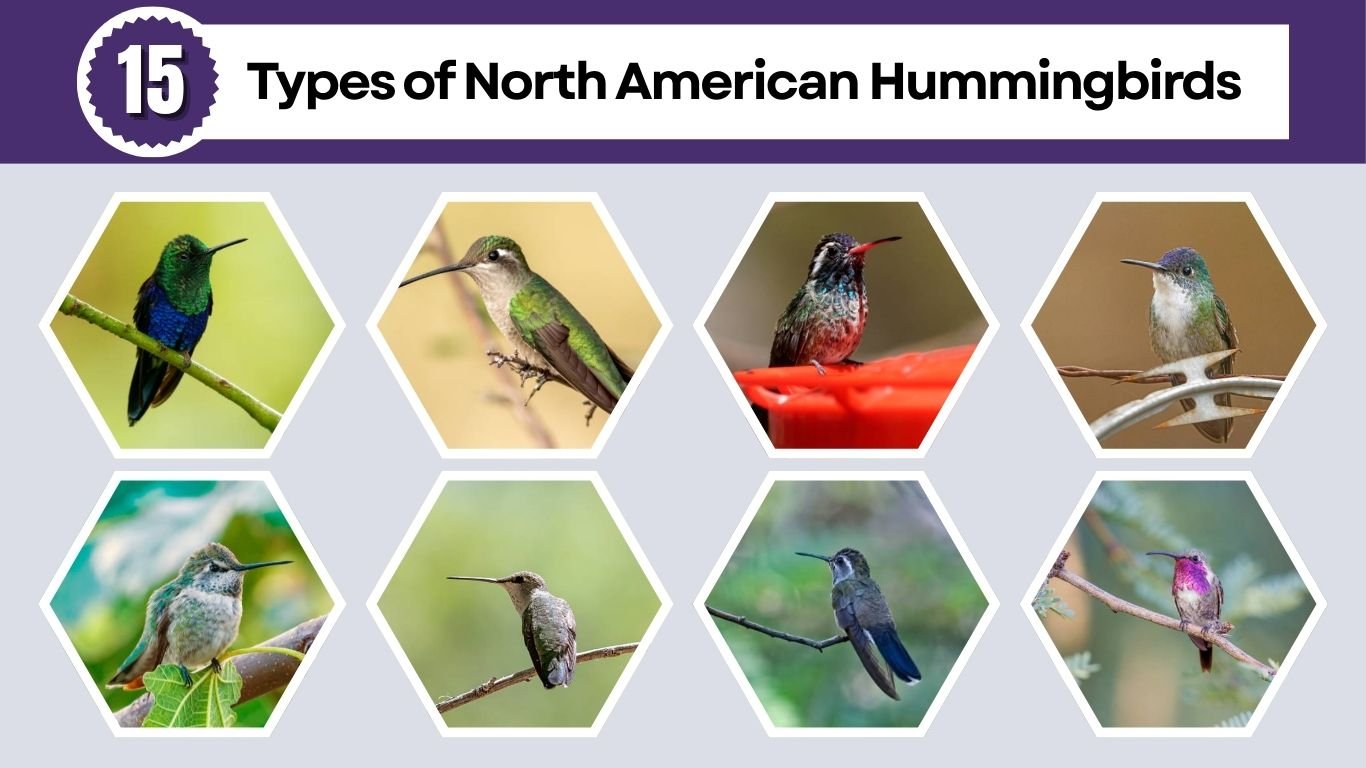
North America is home to a fascinating variety of hummingbirds, each known for its vibrant colors, rapid wingbeats, and incredible agility. From the widely seen Ruby-throated Hummingbird to rarer species in the southwest, these tiny birds bring life to gardens and wild habitats alike. Many species migrate long distances each year, while others remain in warmer regions. Their role in pollination and their energetic behavior make them some of the most admired birds across the continent.
1. Ruby-throated Hummingbird
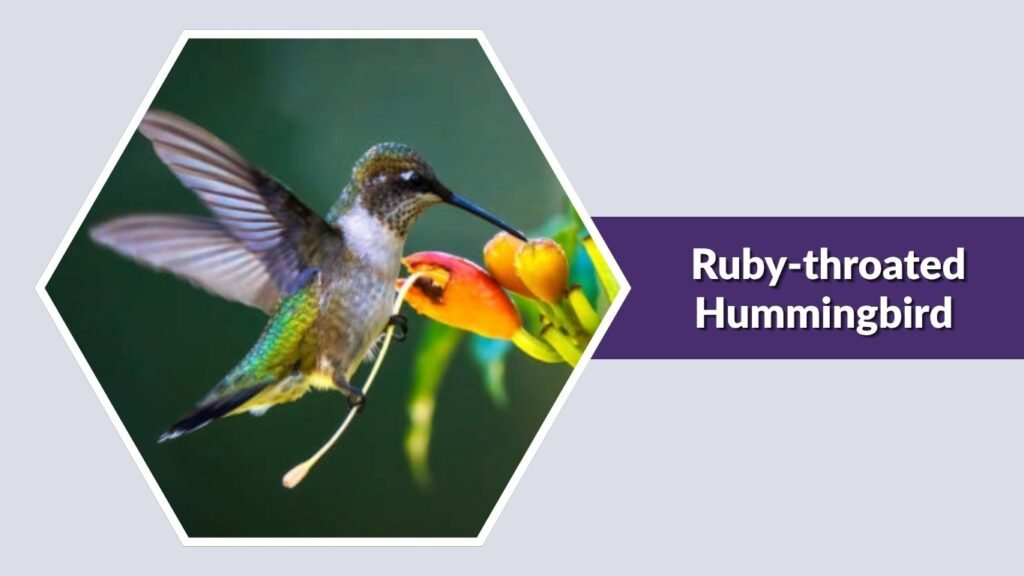
The Ruby-throated Hummingbird is the most widespread hummingbird species in North America and the only one that breeds regularly in the eastern United States and parts of Canada. It is well known for its brilliant red throat in males and its incredible migratory journey, including long flights across the Gulf of Mexico.
Identification
- Very small bird with a slender body
- Males have a bright ruby-red throat (gorget)
- Females have a white throat and greenish back
- Metallic green upperparts with pale underparts
- Long, thin bill adapted for nectar feeding
Habitat
Ruby-throated Hummingbirds are commonly found in woodlands, forests, gardens, and suburban areas. They prefer environments with abundant flowering plants and access to water. During migration, they can appear in a wide range of habitats, including coastal areas, open fields, and even urban spaces where feeders are available.
Behaviors
These hummingbirds are highly active and territorial, especially around feeding areas. Males often defend nectar sources aggressively. They are known for their ability to hover, fly backward, and make rapid directional changes. During migration, they undertake long, nonstop flights, which is remarkable for their small size.
Diet and Lifespan
Their diet mainly consists of nectar from flowers, supplemented by small insects and spiders for protein. They are important pollinators in their ecosystem. Ruby-throated Hummingbirds typically live around 3 to 5 years in the wild, although some individuals may live longer under favorable conditions.
2. Black-chinned Hummingbird
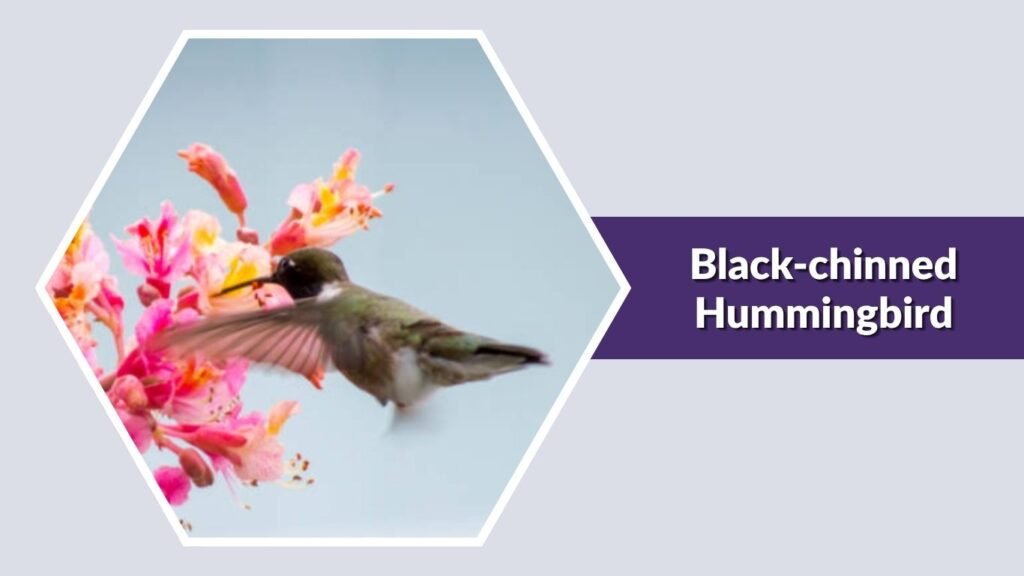
The Black-chinned Hummingbird is one of the most common hummingbird species in western North America. It is known for its subtle but beautiful coloration, especially the male’s dark throat that can show flashes of purple in the right light. This species is highly adaptable and frequently visits gardens and feeders.
Identification
- Small hummingbird with a slender body
- Males have a black throat with a violet-purple band
- Females have a pale throat and grayish underparts
- Green upperparts with a slightly forked tail
- Straight, slender bill
Habitat
Black-chinned Hummingbirds are found in deserts, woodlands, river valleys, and suburban areas. They prefer habitats with access to water and flowering plants. In North America, they are especially common in the western United States and can often be seen near streams, canyons, and backyard feeders.
Behaviors
These hummingbirds are generally calm compared to more aggressive species, but they will still defend feeding territories. Males perform aerial courtship displays, including high dives to attract females. They are agile fliers, capable of hovering and quick directional changes while feeding.
Diet and Lifespan
Their diet mainly consists of nectar from flowers, along with small insects and spiders for protein. They play an important role in pollination. Black-chinned Hummingbirds typically live around 6 to 10 years in the wild, depending on environmental conditions and food availability.
3. Rufous Hummingbird
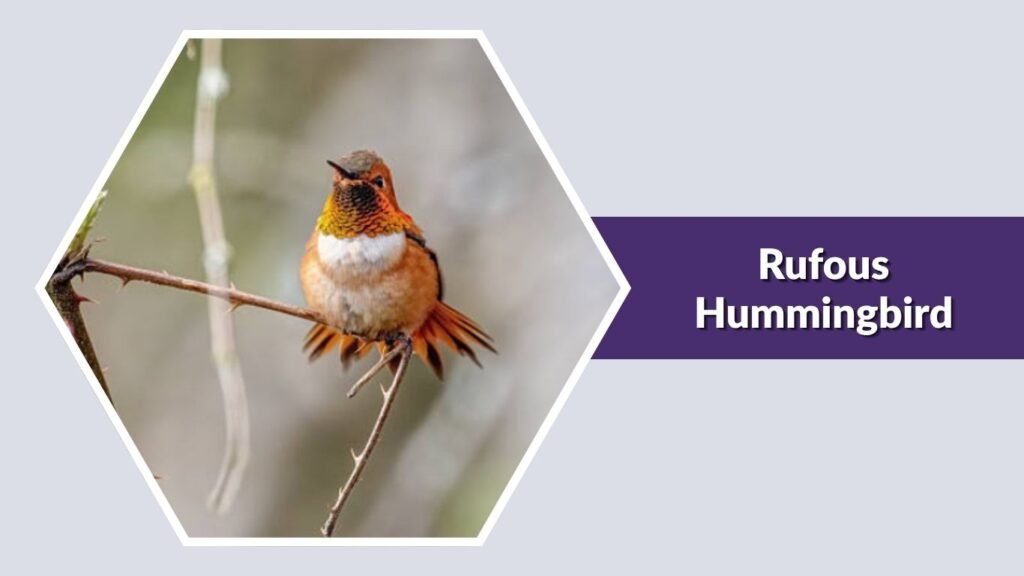
The Rufous Hummingbird is a bold and highly migratory species found across western North America. Known for its bright orange coloration and feisty personality, it travels one of the longest migration routes of any hummingbird. Despite its small size, it is extremely territorial and energetic.
Identification
- Small hummingbird with a compact body
- Bright rufous (orange-brown) plumage in males
- Iridescent red-orange throat in males
- Females are greenish with rufous sides and tail
- Straight, slender bill
Habitat
Rufous Hummingbirds are typically found in open woodlands, mountain meadows, forests, and gardens. In North America, they are most common in the western regions but may appear elsewhere during migration. They prefer habitats with abundant flowers and are frequent visitors to feeders in residential areas.
Behaviors
This species is known for its aggressive and territorial nature, often chasing away other hummingbirds regardless of size. They are incredibly active and agile, capable of rapid flight and hovering. During migration, they travel thousands of miles between breeding grounds in the north and wintering areas in Mexico.
Diet and Lifespan
Their diet mainly consists of nectar from flowers, along with small insects and spiders for protein. They are important pollinators in their ecosystems. Rufous Hummingbirds typically live around 3 to 5 years in the wild, although some individuals may live longer under favorable conditions.
4. Anna’s Hummingbird
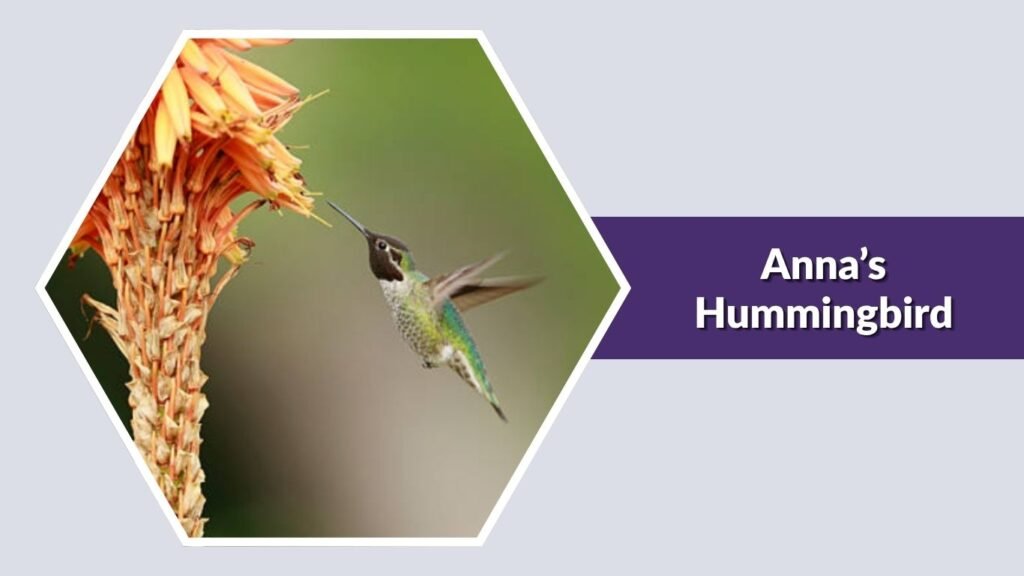
Anna’s Hummingbird is a striking species known for its vibrant colors and adaptability. Unlike many hummingbirds, it often remains in the same region year-round rather than migrating long distances. It is especially common along the western coast of North America and is frequently seen in gardens and urban areas.
Identification
- Medium-sized hummingbird with a sturdy body
- Males have a bright rose-pink head and throat
- Females are mostly green with a small red patch on the throat
- Metallic green back and grayish underparts
- Straight, medium-length bill
Habitat
Anna’s Hummingbirds are commonly found in gardens, parks, coastal scrub, and open woodlands. They adapt well to human environments and are often seen around feeders and ornamental plants. In North America, they are most abundant along the Pacific Coast but may appear in other regions.
Behaviors
These hummingbirds are bold and territorial, especially around feeding areas. Males perform dramatic courtship dives, producing a sharp sound with their tail feathers. Unlike many species, they can breed earlier in the year, even during cooler months, which gives them an advantage in certain environments.
Diet and Lifespan
Their diet mainly consists of nectar from flowers, along with small insects and spiders for protein. They are frequent visitors to feeders and play an important role in pollination. Anna’s Hummingbirds typically live around 5 to 8 years in the wild, depending on environmental conditions.
5. Allen’s Hummingbird
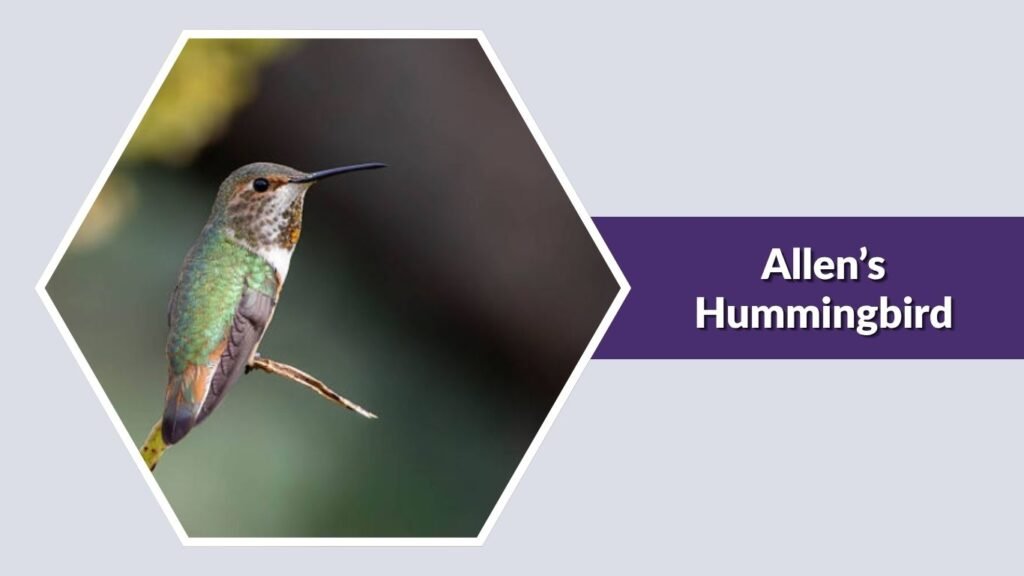
Allen’s Hummingbird is a small but energetic species primarily found along the Pacific Coast of North America. It closely resembles the Rufous Hummingbird but can be distinguished by subtle physical traits and range. This species is known for its fast movements and vibrant coloring, making it a favorite among bird watchers.
Identification
- Small hummingbird with a compact body
- Males have bright orange (rufous) plumage with a green back
- Iridescent orange-red throat in males
- Females are green with rufous sides and tail
- Slightly curved, slender bill
Habitat
Allen’s Hummingbirds are typically found in coastal scrub, open woodlands, gardens, and forest edges. They prefer areas with dense vegetation and abundant flowering plants. In North America, they are most common along the California coast but may appear in nearby regions during migration.
Behaviors
These hummingbirds are highly active and territorial, often chasing away other birds from feeding areas. Males perform elaborate courtship displays, including high-speed dives and hovering movements. They are agile fliers and spend much of their time moving quickly between flowers or feeders.
Diet and Lifespan
Their diet mainly consists of nectar from flowers, along with small insects and spiders for protein. They are important pollinators in their habitats. Allen’s Hummingbirds typically live around 3 to 5 years in the wild, although some individuals may live longer depending on environmental conditions.
6. Costa’s Hummingbird
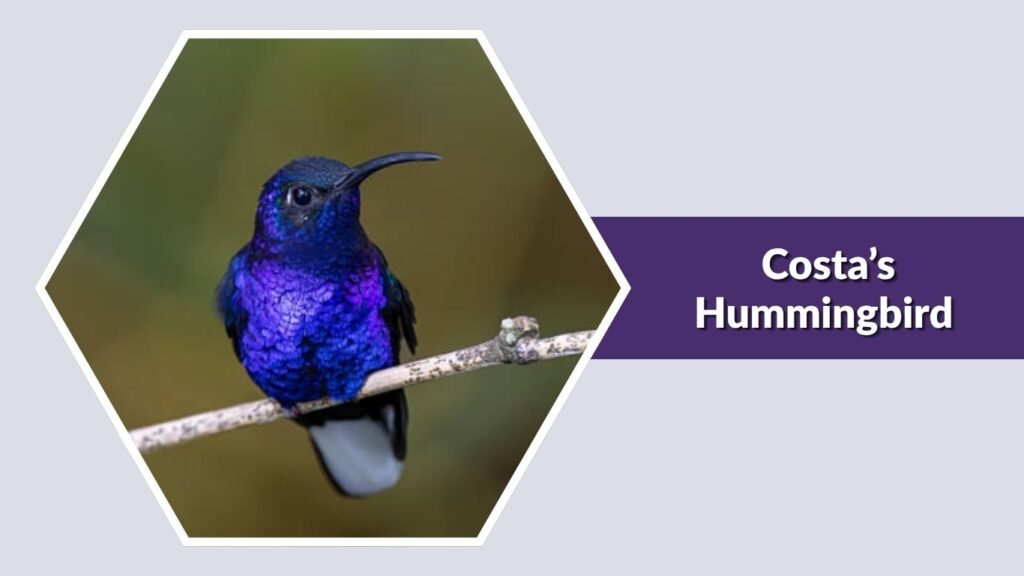
Costa’s Hummingbird is a small desert species known for the male’s striking purple crown and elongated throat feathers. It is commonly found in arid regions of the southwestern United States and northern Mexico. Despite harsh desert conditions, this hummingbird thrives due to its specialized adaptations.
Identification
- Small hummingbird with a compact body
- Males have a vivid purple crown and flared throat feathers
- Females are green with pale underparts
- Short, slightly curved bill
- Tail is relatively short and rounded
Habitat
Costa’s Hummingbirds are typically found in deserts, scrublands, and arid valleys. They prefer dry environments with flowering desert plants such as ocotillo and chuparosa. In North America, they are most common in the southwestern United States, especially in California and Arizona.
Behaviors
These hummingbirds are well adapted to desert life and are often seen hovering near flowers or perched in open areas. Males perform unique courtship displays, forming a circular shape with their throat feathers. They are territorial around feeding areas but may tolerate others when food is abundant.
Diet and Lifespan
Their diet mainly consists of nectar from desert flowers, along with small insects and spiders for protein. They play an important role in pollination in arid ecosystems. Costa’s Hummingbirds typically live around 4 to 6 years in the wild, depending on environmental conditions.
7. Broad-tailed Hummingbird
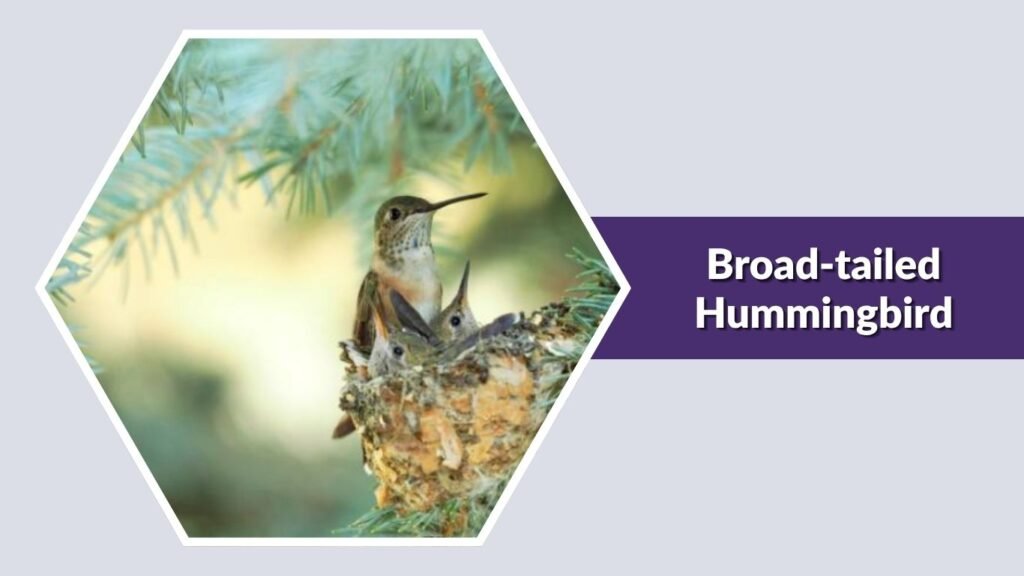
The Broad-tailed Hummingbird is a medium-sized species commonly found in the mountainous regions of western North America. It is especially known for the distinctive trilling sound made by its wings during flight. This hummingbird thrives in cooler, high-elevation environments.
Identification
- Medium-sized hummingbird with a sturdy body
- Males have a bright rose-pink throat
- Females have spotted throats and pale underparts
- Metallic green back and crown
- Rounded tail with subtle rufous tones
Habitat
Broad-tailed Hummingbirds are typically found in mountain meadows, pine forests, and open woodlands. They prefer higher elevations with abundant wildflowers. In North America, they are most common in the western United States, especially in areas with cooler climates and access to nectar-rich plants.
Behaviors
These hummingbirds are known for the distinctive buzzing or trilling sound produced by their wings, especially in males. They are territorial and will defend feeding areas from other birds. Males perform aerial courtship displays, including diving flights to attract females. They are active during the day and spend much of their time feeding.
Diet and Lifespan
Their diet mainly consists of nectar from flowers, along with small insects and spiders for protein. They are important pollinators in their ecosystem. Broad-tailed Hummingbirds typically live around 3 to 6 years in the wild, depending on environmental conditions and predation risks.
8. Calliope Hummingbird
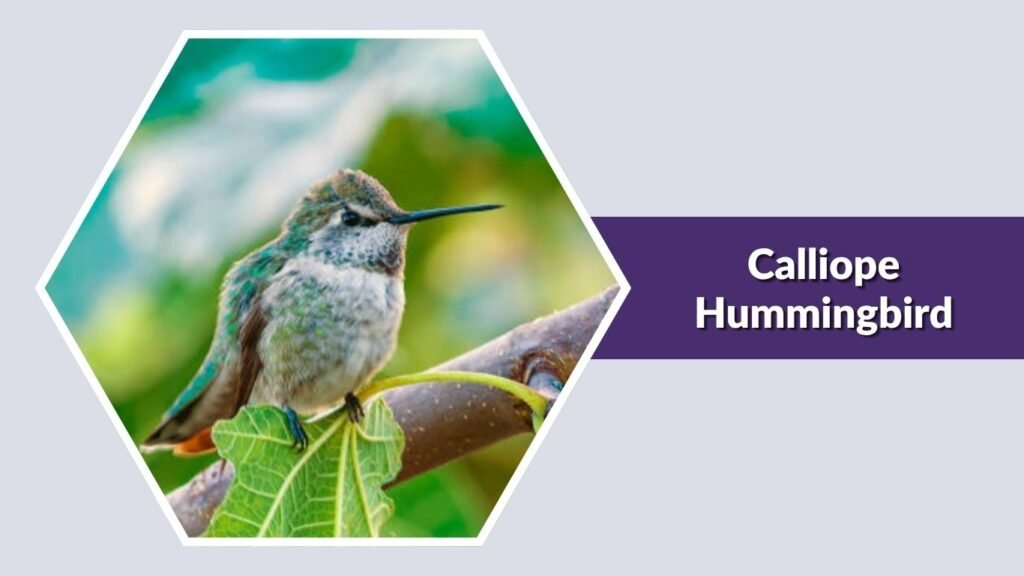
The Calliope Hummingbird is the smallest bird in North America, yet it is remarkably tough and capable of long migrations. Despite its tiny size, it travels great distances each year. This species is known for its delicate appearance and unique throat pattern in males.
Identification
- Very small hummingbird with a compact body
- Males have streaked magenta or pink throat feathers
- Females have a plain white throat with light spotting
- Green upperparts with pale underparts
- Short tail and straight, slender bill
Habitat
Calliope Hummingbirds are typically found in mountain meadows, open woodlands, and shrublands. In North America, they are most common in the western regions during breeding season. They prefer areas rich in flowering plants and can also be seen visiting backyard feeders during migration.
Behaviors
These hummingbirds are active and agile, often hovering while feeding. Males perform distinctive U-shaped dive displays during courtship. Despite their small size, they can be territorial around feeding areas. They are also known for their long migratory journeys between breeding and wintering grounds.
Diet and Lifespan
Their diet mainly consists of nectar from flowers, along with small insects and spiders for protein. They play an important role in pollination. Calliope Hummingbirds typically live around 4 to 6 years in the wild, depending on environmental conditions and food availability.
9. Broad-billed Hummingbird
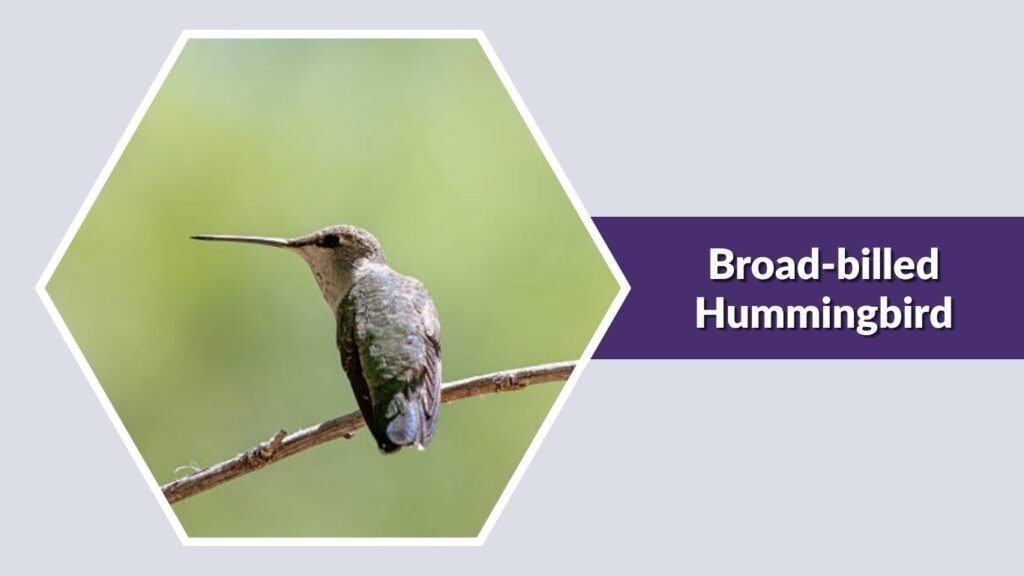
The Broad-billed Hummingbird is a colorful species found mainly in Mexico and occasionally in the southwestern United States. It is admired for its bright plumage and distinctive bill. Though not widespread in all of North America, it is a notable species in border regions.
Identification
- Medium-sized hummingbird with a slender body
- Bright green body with a glossy sheen
- Males have a vivid blue throat
- Long, broad bill with reddish base and dark tip
- Dark tail with a slightly rounded shape
Habitat
Broad-billed Hummingbirds are typically found in canyons, open woodlands, and areas with flowering shrubs. In North America, they are most often seen in southern Arizona and nearby regions. They prefer habitats with abundant nectar sources and are sometimes seen visiting feeders.
Behaviors
These hummingbirds are active and territorial, often defending feeding areas from other birds. They are agile fliers, capable of hovering and quick directional changes. Males perform aerial displays during the breeding season to attract females.
Diet and Lifespan
Their diet mainly consists of nectar from flowers, along with small insects and spiders for protein. They are important pollinators. Broad-billed Hummingbirds typically live around 5 to 7 years in the wild, depending on environmental conditions and food availability.
10. Blue-throated Mountain-gem
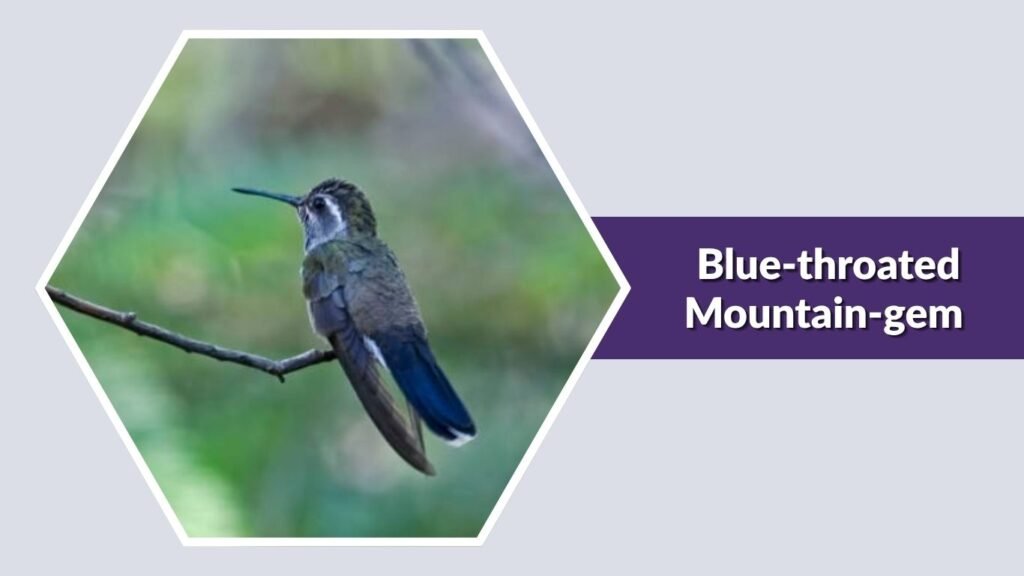
The Blue-throated Mountain-gem is one of the largest hummingbirds in North America, known for its impressive size and striking blue throat. It is commonly found in mountainous regions and is often seen near streams and wooded canyons. Its bold presence makes it stand out among other hummingbirds.
Identification
- Large hummingbird with a sturdy body
- Males have a bright blue throat patch
- Dark head with a white stripe behind the eye
- Green upperparts with grayish underparts
- Broad tail with white tips
Habitat
Blue-throated Mountain-gems are typically found in mountainous habitats such as pine-oak forests, canyons, and wooded stream areas. They prefer higher elevations with access to water and abundant flowering plants. In North America, they are mainly found in the southwestern United States and nearby regions.
Behaviors
These hummingbirds are territorial and often dominate feeders and feeding areas due to their size. They are strong fliers and frequently perch between feeding sessions. Males may perform display flights during the breeding season. They are generally solitary but may tolerate others when food is abundant.
Diet and Lifespan
Their diet mainly consists of nectar from flowers, along with insects and spiders for protein. They are important pollinators in their habitats. Blue-throated Mountain-gems typically live around 7 to 12 years in the wild, depending on environmental conditions and food availability.
11. Lucifer Hummingbird
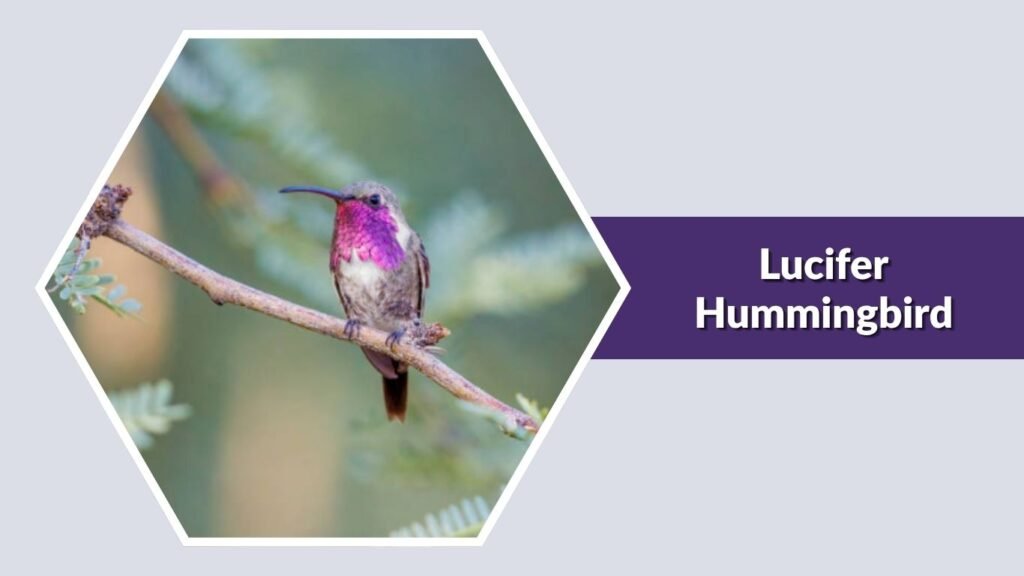
The Lucifer Hummingbird is a distinctive species found in arid regions of the southwestern United States and Mexico. It is known for its long, curved bill and unique throat coloration in males. This species is well adapted to desert environments and is considered a special sight for bird watchers.
Identification
- Small to medium-sized hummingbird with a slender body
- Males have a long, curved bill
- Iridescent purple throat patch in males
- Females are pale with subtle markings
- Greenish upperparts with light underparts
Habitat
Lucifer Hummingbirds are typically found in dry, desert habitats such as scrublands, canyons, and arid hillsides. In North America, they are mostly seen in parts of Texas and the southwestern United States. They prefer areas with desert plants that produce nectar, such as agave and ocotillo.
Behaviors
These hummingbirds are generally solitary and less aggressive than many other species. They are highly adapted to desert life and often follow blooming patterns of native plants. Males perform display flights during the breeding season, and both sexes are agile fliers capable of hovering and quick movements.
Diet and Lifespan
Their diet mainly consists of nectar from desert flowers, along with small insects and spiders for protein. They play an important role in pollination in desert ecosystems. Lucifer Hummingbirds typically live around 4 to 7 years in the wild, depending on environmental conditions and food availability.
12. Buff-bellied Hummingbird
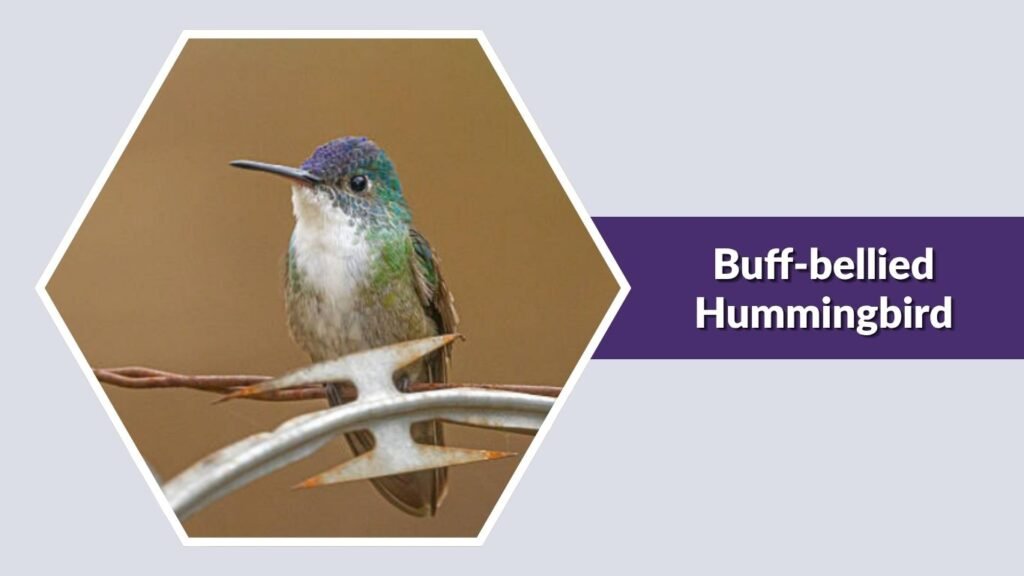
The Buff-bellied Hummingbird is a unique species found mainly along the Gulf Coast of the United States and parts of Mexico. It is one of the few hummingbirds that can be seen year-round in certain areas. Its warm-toned underparts and relatively large size make it stand out among other North American hummingbirds.
Identification
- Medium-sized hummingbird with a slightly larger build
- Buff-colored (light brown) belly and underparts
- Metallic green upperparts
- Straight, reddish bill with a dark tip
- Tail shows rufous tones
Habitat
Buff-bellied Hummingbirds are typically found in coastal regions, brushlands, open woodlands, and suburban gardens. In North America, they are most common along the Texas Gulf Coast. They prefer habitats with flowering plants and are frequent visitors to feeders.
Behaviors
These hummingbirds are generally less aggressive than many other species but will still defend feeding areas when necessary. They are active and often seen hovering around flowers or feeders. Their year-round presence in some areas makes them a favorite among local bird watchers.
Diet and Lifespan
Their diet mainly consists of nectar from flowers, along with small insects and spiders for protein. They play an important role in pollination. Buff-bellied Hummingbirds typically live around 5 to 8 years in the wild, depending on environmental conditions.
13. Rivoli’s Hummingbird
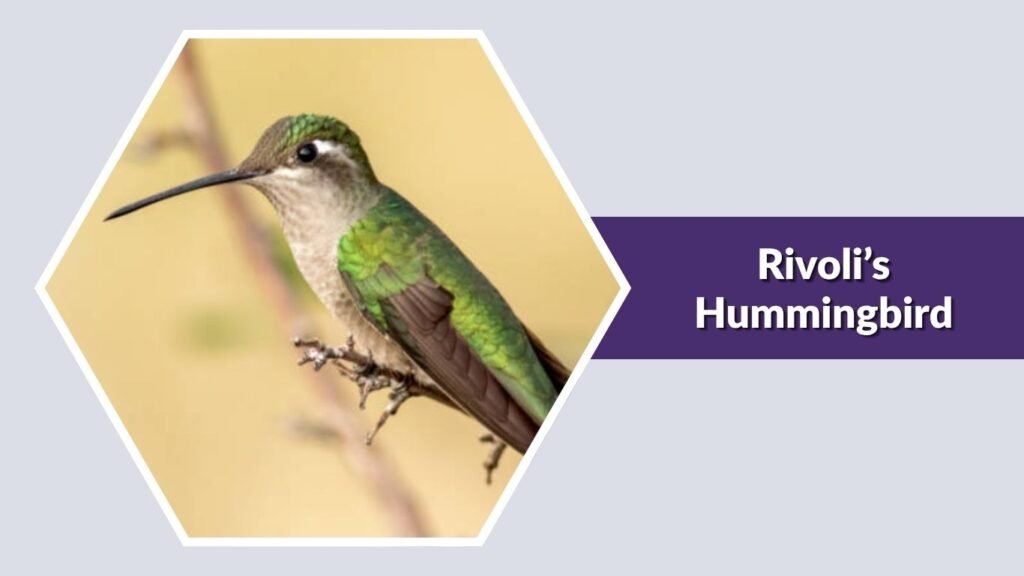
Rivoli’s Hummingbird is one of the largest hummingbirds in North America, known for its striking iridescent colors and impressive size. Formerly called the Magnificent Hummingbird, it is admired for its deep green body and shimmering violet crown. This species is typically found in mountainous regions and is a favorite among bird watchers.
Identification
- Large hummingbird with a robust body
- Males have a dark head with a violet crown
- Bright green body with metallic sheen
- Slightly forked tail
- Long, straight bill
Habitat
Rivoli’s Hummingbirds are commonly found in mountainous forests, especially pine-oak woodlands and canyons. They prefer higher elevations with abundant flowering plants. In North America, they are mostly seen in the southwestern United States, often near forest edges, streams, and sometimes gardens with feeders.
Behaviors
These hummingbirds are generally less aggressive than smaller species but will still defend feeding areas when needed. They are strong fliers and can travel longer distances between food sources. Males perform display flights during the breeding season, using light to highlight their iridescent feathers.
Diet and Lifespan
Their diet mainly consists of nectar from flowers, along with insects and spiders for protein. They are important pollinators in their habitat. Rivoli’s Hummingbirds typically live around 6 to 10 years in the wild, depending on environmental conditions and food availability.
14. White-eared Hummingbird
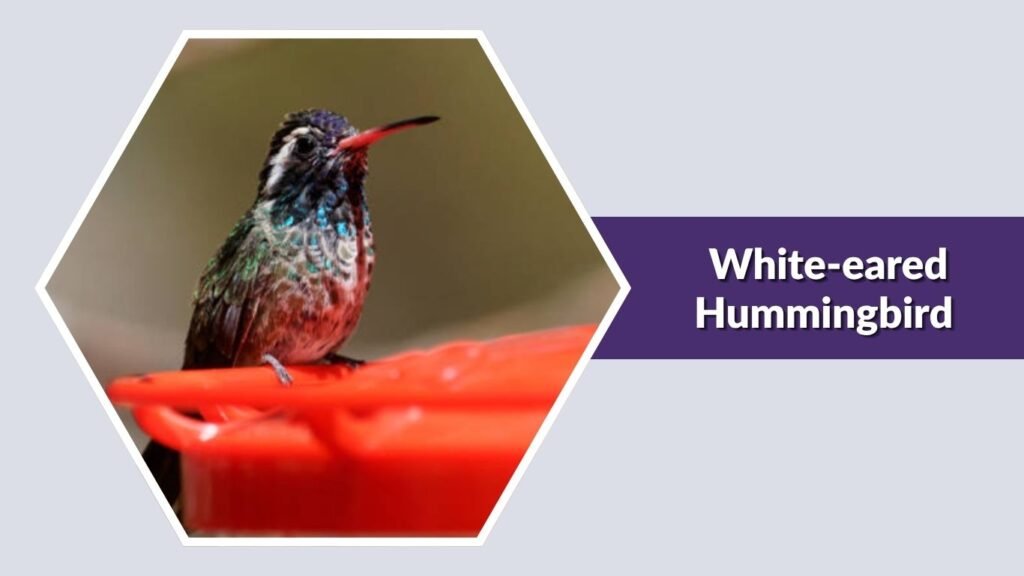
The White-eared Hummingbird is a distinctive species found in Mexico and occasionally in the southwestern United States. It is named for the bold white stripe behind its eye, which makes it easy to identify. This hummingbird is known for its energetic nature and striking contrast of colors.
Identification
- Medium-sized hummingbird with a compact body
- Distinct white stripe behind the eye
- Dark face with green upperparts
- Iridescent green body with lighter underparts
- Straight, medium-length bill
Habitat
White-eared Hummingbirds are typically found in mountainous forests, pine-oak woodlands, and forest edges. In North America, they are mostly seen in southern Arizona. They prefer higher elevations with plenty of flowering plants and are sometimes spotted near feeders in suitable habitats.
Behaviors
These hummingbirds are active and territorial, often defending feeding areas from other birds. They are agile fliers and frequently hover while feeding. Males may perform display flights during the breeding season to attract females. They are usually solitary but may gather where food is abundant.
Diet and Lifespan
Their diet mainly consists of nectar from flowers, along with small insects and spiders for protein. They are important pollinators in their ecosystem. White-eared Hummingbirds typically live around 5 to 8 years in the wild, depending on environmental conditions and food availability.
15. Violet-crowned Hummingbird
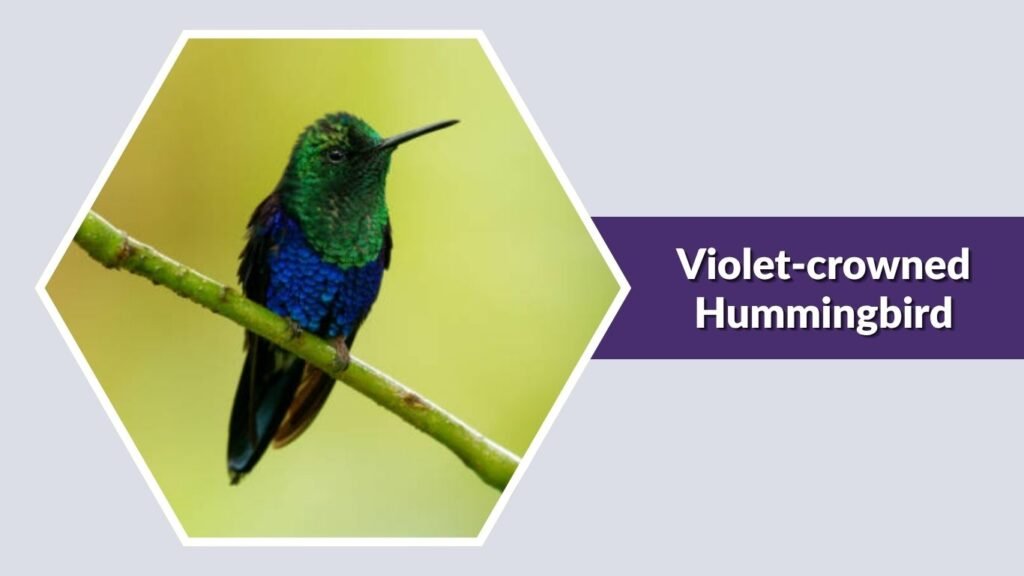
The Violet-crowned Hummingbird is a beautiful and relatively large species found mainly in Mexico and occasionally in the southwestern United States. It is known for its striking white underparts and bright violet crown, which makes it stand out from many other hummingbirds.
Identification
- Medium to large hummingbird with a slender body
- Bright violet crown on the head
- White underparts contrasting with green back
- Straight, red bill with a dark tip
- Long tail with subtle markings
Habitat
Violet-crowned Hummingbirds are typically found in arid and semi-arid regions such as canyons, desert scrub, and open woodlands. In North America, they are most often seen in southern Arizona. They prefer areas near water sources with flowering plants and are sometimes observed visiting feeders.
Behaviors
These hummingbirds are generally less aggressive than many other species but will still defend feeding areas when needed. They are strong fliers and often perch between feeding sessions. Males may perform display flights during the breeding season. They are usually solitary but can be seen near others when food is abundant.
Diet and Lifespan
Their diet mainly consists of nectar from flowers, along with small insects and spiders for protein. They play an important role in pollination. Violet-crowned Hummingbirds typically live around 5 to 8 years in the wild, depending on environmental conditions and food availability.
FAQs
How many hummingbird species are found in North America?
There are over 15 hummingbird species found in North America, though the exact number can vary depending on classification. Most species are concentrated in the western United States, while only a few, like the Ruby-throated Hummingbird, are common in the east.
Which is the most common hummingbird in North America?
The Ruby-throated Hummingbird is the most common species, especially in the eastern United States and Canada. It is widely seen in gardens and backyards and is known for its long migration across the Gulf of Mexico.
Do North American hummingbirds migrate?
Yes, most North American hummingbirds are migratory. They travel between breeding grounds in the United States and Canada and wintering areas in Mexico or Central America. Migration usually occurs in spring and fall.
What do North American hummingbirds eat?
They mainly feed on nectar from flowers, which provides energy. They also eat small insects and spiders for protein. Many people attract them using feeders filled with sugar water in addition to planting nectar-rich flowers.
How can I attract hummingbirds to my yard?
To attract hummingbirds, plant bright, nectar-rich flowers like salvia, trumpet vine, and bee balm. You can also hang clean feeders with sugar water. Providing a safe space with some shelter and fresh water will encourage them to visit regularly.
